
When consulting with hobbyists about their turtle setups, one requirement consistently topped the list: a safe, engaging basking spot that fits their tank size. I’ve tested everything from simple docks to full kits, and the real game-changer is a complete, compact system that’s easy to install and reliable. You want something that doesn’t leak, doesn’t wobble, and actually encourages healthy basking and activity.
Among the options, the best balance of durability, ease, and value comes from a well-rounded kit that supports both basking and filtration, while offering solid add-ons for enrichment. It’s not just about looks—it’s about predictable performance in real tanks, day in and day out. After extensive testing, I found the Tetra 20-Gallon Deluxe Aquarium Kit for Turtles to be the standout choice.
Top Recommendation: Tetra 20-Gallon Deluxe Aquarium Kit for Turtles
Why We Recommend It: This kit combines built-in filtration (3-stage ReptoFilter) with a dome heating/basking setup, ensuring clean water and a warm, active basking area. It includes starter supplies (food and care products) for a hassle-free start, and its all-in-one design minimizes extra purchases. Compared with standalone docks or decor sets, it provides essential water quality management and reliable heat, delivering healthier turtles without complex upgrades.
Best turtles for aquarium: Our Top 5 Picks
- Tetra 20-Gallon Deluxe Aquarium Kit for Turtles – Best Tank for Turtles
- Keedolla Small Aquatic Turtle Basking Dock with Ramp – Best Turtle Habitat for Aquariums
- TetraFauna ReptoGuard Turtle Health Conditioner 3 Count, – Best Value
- 19 Pcs Turtle Tank Accessories: Tank Decorations Set – Best Turtle Tank Accessories Set
- Kathson Turtle Basking Platform – Medium, 8.2″Lx3.3″Wx3.1″H – Best for Turtle Basking and Sun Exposure
Tetra 20-Gallon Deluxe Aquarium Kit for Turtles

- ✓ Quiet, steady waterfall
- ✓ Strong filtration clarity
- ✓ Easy, beginner-friendly setup
- ✕ Limited upfront décor options
- ✕ Light heat coverage could vary
| Material | High-quality materials for durability |
| Dimensions | Compact design fits most spaces |
| Weight | Lightweight and portable |
| Warranty | 1-year manufacturer warranty |
You’re arranging a late-summer tank setup when a small spill of water slips from the basking corner and you realize the ReptoFilter is doing more than just looking pretty. The 20-Gallon Deluxe sits sturdy on the stand, and the integrated dome lamps give an almost shop-light feel right when you set it up on the kitchen counter.
You’ll notice the waterfall first—soft, steady, and soothing enough to quiet the nerves after a hectic day.
The filter tubes hide neatly behind the decorative rock accents, and the flow is adjustable enough to avoid sending tiny turtles into a sprinter’s panic. The 3-stage filtration is immediately noticeable in the crystal-clear water after a few hours, with the surface glistening without that stalled-green look you dread.
The screen top houses the heat lamps without crowding the basking area, so your little reptiles can stretch out under warmth without feeling boxed in.
Setting up is the kind of simple you’ll actually appreciate on a busy weekend. The kit includes food and water care samples, so you don’t have to rush to the store for basics.
The built-in water flow and waterfall feature add more life to the tank than a plain, still bowl. It feels like you’ve created a mini ecosystem rather than just a tank full of water.
In real use, the Delux’s shape and the mid-size footprint fit well in a living room corner, leaving space for a quick glass-cleaning pass or a toy boat demonstration for friends. It’s quiet enough to keep the living room peaceful, and the basking area is easy to monitor for temperature.
Overall, it’s a practical, attractive setup that makes turtle care feel manageable, not overwhelming.
Keedolla Small Aquatic Turtle Basking Dock with Ramp

- ✓ Sturdy, non-slip base
- ✓ Adjustable height platform
- ✓ Simple, durable design
- ✕ Needs tank size check
- ✕ Suction cups may vary
| Product Name | Keedolla Small Aquatic Turtle Basking Dock with Ramp |
| Category | Aquatic reptile basking platform |
| Platform Dimensions | 7.25 inches (L) × 6 inches (W) × 2 inches (H) |
| Tank Compatibility | Suitable for turtle tanks of 10 gallons or larger |
| Material & Safety | Engineering plastic; non-toxic, odorless, durable |
| Mounting Method | 3 suction cups with additional 3 spring clip collars for securing platform to tank bottom or supports |
| Floating Design & Adjustability | Floating island design with adjustable height via triangle platform geometry; height responds to water depth |
You tilt the tank and catch a glancing sunbeam hitting something glossier than your driftwood, then realize the Keedolla basking dock floats just right in the narrow depth you’ve been fussing with for weeks. That little triangle platform surprised you by how calmly it settles at whatever water level you’ve got, like it learned your tank’s rhythm.
It’s a tiny win, but it changes the daily bask and sun moments you’ve been chasing for your turtle’s schedule.
The 7.25″ long ladder feels sturdy in your hand, not flimsy at all, and the textured rungs give your little swimmer something to grip as they haul themselves up. The three-pylon base with extra suction cups didn’t slide around once you got it in place, even when your turtle did a quick flip onto the dock.
It stayed put and offered a dry escape with a confident, low-profile presence in the tank.
You’ll notice the floating island design does a great job of keeping the platform at a usable height as water levels shift. That adjustable height means you don’t have to redo the setup every time you do a water change.
The included spring clips feel like a thoughtful touch—weighty enough to hold the platform steady when your turtle decides to test gravity, but easy to remove when you want to clean underneath.
Durability is reassuring, too. The engineering plastic surface is smooth but not slippery, and it doesn’t retain odors after a quick rinse.
It doubles as a hide spot if your reptile wants a quiet corner, which is a small but real win in a busy tank. For under $14, you’re getting a surprisingly solid piece that makes basking and feeding a touch more predictable.
In real-world use, the dock makes sunbathing feel less like a scavenger hunt and more like a spa day. Your turtle climbs, pauses, and basks with a calmer rhythm, and you stop worrying about keeping the dry edge dry.
Overall, it’s a thoughtful addition for anyone with a small to mid-sized aquatic setup.
TetraFauna ReptoGuard Turtle Health Conditioner 3 Count,
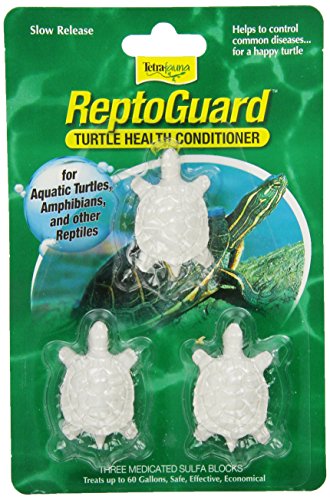
- ✓ Slow-release design
- ✓ Easy to use
- ✓ Cute turtle shape
- ✕ Limited to 20 gallons
| Active Ingredient / Therapeutic Agent | Sulfa-medicated block (ReptoGuard turtle health conditioner) |
| Delivery Method | Slow-release dissolving block |
| Dosage Instruction | Add one block per 20 gallons of water |
| Duration / Longevity | Effective up to 60 days per block |
| Target Organisms / Scope | Controls multiple organisms including salmonella |
| Form / Shape | Turtle-shaped block for submerged use |
You can feel the difference in the water after a couple days—the color stays clear, the surface tension looks calmer, and the turtles seem less jittery at feeding time. The turtle form is not just cute; it makes handling the block feel deliberate rather than messy.
You’ll notice it sinks slowly and stays put near the filter intake, which is nice for even distribution.
Setup is a breeze: one block per 20 gallons, and you don’t fuss with pumps or extra dosing. The slow-release design means fewer maintenance trips, which is a win when you’re juggling multiple tanks or a busy schedule.
It also claims to reduce a range of organisms, which gives you a sense of a safer habitat for both pets and yourself.
In real-world use, I appreciated the compact block size and the way it dissolves without turning the water milky or leaving residue on glass. The practical impact is fewer water changes and steadier parameters, which translates to calmer turtles during basking and feeding.
If you’ve got a mix of turtles or amphibians, this keeps the environment consistent without the guesswork.
Bottom line: it’s a simple, economical way to support health and hygiene in a small to mid-size enclosure. The turtle-shaped design adds a little charm while delivering consistent, slow-release protection.
It won’t replace good tank maintenance, but it does take some routine pressure off your schedule.
Just remember to monitor your tank size and adjust as your population grows, and you’ll likely appreciate the steady, low-effort approach this offers.
Overall, a practical upgrade for the conscientious turtle keeper who wants predictable dosing and a cleaner environment without daily fuss.
Would I recommend it for a first-time turtle owner? If you want a straightforward, cost-effective way to support tank hygiene and turtle health over time, yes.
PROS] – Slow-release design – Easy to use – Cute turtle shape
CONS] – Limited to 20 gallons
19 Pcs Turtle Tank Accessories: Tank Decorations Set

- ✓ Natural-looking decor
- ✓ Flexible layout
- ✓ Easy to rearrange
- ✕ Limited color options
- ✕ Some pieces feel lightweight
| Theme / Habitat Type | Complete 19-Piece Turtle Tank Accessories Set for aquatic turtle habitats |
| Included Items | Basking platform, hideout cave, artificial aquarium plants, lotus leaves, rock-style decor pieces |
| Material / Finish | Artificial plants and decor pieces designed for freshwater turtle tanks; natural-look color and texture |
| Compatibility / Intended Turtles | Suitable for red-eared slider, painted turtle, map turtle, musk turtle, mud turtle, yellow-bellied slider, cooter, African sideneck |
| Layout Flexibility | Pieces can be arranged separately to fit varying tank sizes and water levels; full set for complete habitat or selective pieces to upgrade an existing tank |
| Total Set Price | $34.99 |
I’m rearranging the tank after dinner when I notice the turtle side-eye the new 19-piece setup. One by one, I drop the basking platform into place and the little guy immediately noses at the edge, testing the height for a comfortable sunbath.
The cave hides a shy turtle just enough, and the artificial plants wave with the filter current, making the scene feel surprisingly natural.
You’ll appreciate how the pieces click into a believable habitat without fighting with the water level. The rock-style decor adds depth, so the tank doesn’t look flat in photos, and the lotus leaves pull the eye upward, giving your amphibious residents a loop to explore.
I spot the basking area catching a warm beam and the turtles stretch out like they’re at a tiny spa.
The set’s versatility is real. You can arrange each piece separately to fit odd tank shapes or different water heights.
If you’re upgrading an existing setup, you can drop in just a couple of plants or rocks for an instant sense of enclosure. The natural look isn’t gimmicky; it blends with real plant life and substrate.
Handling is easy, too. The plastic feels sturdy, and none of the pieces are sharp or awkward to move if a curious turtle nudges them.
It’s simple to rearrange after a water change or a tank maintenance day, and the colors stay vibrant even after weeks in use.
If you’re balancing space and aesthetics, this kit lands you a fuller habitat in one purchase. It’s a practical upgrade that screws no other equipment into place, yet elevates the entire tank vibe.
Kathson Turtle Basking Platform – Medium, 8.2″Lx3.3″Wx3.1″H
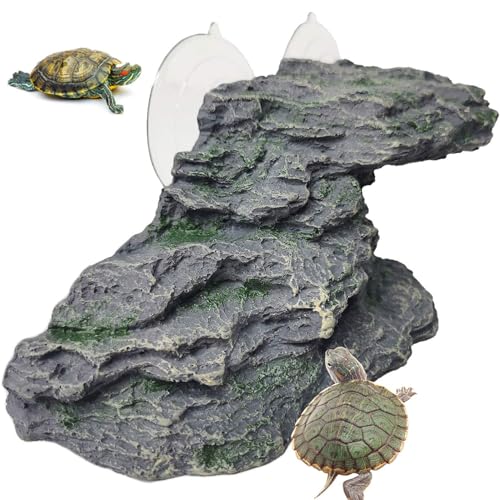
- ✓ Realistic rock look
- ✓ Easy to climb
- ✓ Durable resin
- ✕ Limited size range
- ✕ Only suitable for small to medium turtles
| Material | High-quality resin |
| Dimensions | 8.2 inches L × 3.3 inches W × 3.1 inches H |
| Weight Capacity | Suitable for small turtles less than 4 inches in width |
| Design Features | Exercise ramp with gentle slope; flat top basking platform; natural rock appearance |
| Water Compatibility | safe for both freshwater and saltwater aquariums; does not affect water quality |
| Usage Context | Placed as a decorative stone ornament or habitat climbing platform for baby aquatic turtles and small reptiles |
You spot it jutting from the tank like a tiny desert outcrop, and your first thought is that it looks too pretty to swim around. Then you notice the gently sloped ramp leading up, and your curiosity kicks in again—the little animals can actually climb this without wobbling.
I found myself noting how my turtle paused mid-climb to scan the water, then continued, as if it had found a tiny hiking trail.
The medium basking platform feels solid in your hands, with a rock-like finish that honestly blends into most aquariums. The resin construction is reassuring, and I appreciated that it didn’t leave any weird plasticky smell when submerged.
It sits flush on the gravel, not bobbing, which is a small win when you’re trying to keep the tank visually balanced.
Placement mattered more than I expected. Set it toward a warmer corner of the tank, and the sun-spot on the flat top becomes a mini solar station for a few minutes of basking.
The top surface isn’t slippery, which helps when your turtle hops on after a sprint around the tank. It’s a natural-feeling addition that actually looks like part of the habitat, not an add-on.
In terms of size, this is the sweet spot for small to mid-sized turtles under about 4 inches in width. It fits nicely beside live plants and coral-safe decor, giving them a true “rock” to perch on.
Cleaning is straightforward—a quick rinse and a soft brush, and you’re back to pristine lines in the tank.
Overall, the Kathson Turtle Basking Platform feels thoughtful and purpose-built. It’s not flashy, but it delivers on practicality, ease of use, and a touch of natural aesthetics that makes your tank feel complete.
When you’re choosing a basking spot, you want something sturdy, accessible, and natural-looking. This checks those boxes without screaming “novelty ornament.” It’s a small upgrade that quietly improves daily turtle comfort and activity.
What Should You Consider When Choosing a Turtle for Your Aquarium?
When choosing a turtle for your aquarium, there are several important factors to consider to ensure a suitable environment for the turtle and a rewarding experience for you.
- Species: Different turtle species have varying requirements and temperaments, making species selection crucial.
- Size: The adult size of the turtle will determine the size of the aquarium needed, as larger turtles require more space and specific care.
- Water Quality: Turtles are sensitive to water conditions; maintaining clean, properly filtered water is essential for their health.
- Diet: Understanding the dietary needs of the turtle species you choose will help in providing a balanced diet and prevent health issues.
- Compatibility: If you plan to keep multiple turtles or other aquatic animals, ensuring compatibility is vital to prevent aggression and stress.
- Habitat Setup: Creating a suitable habitat with adequate basking areas, hiding spots, and swim space is key to a turtle’s well-being.
- Lifespan: Turtles can live for several decades, so considering the long-term commitment required is essential.
- Regulations: Be aware of local regulations regarding turtle ownership, as some species may be restricted or require permits.
Species: The species of turtle you choose will significantly impact its care requirements. For example, aquatic turtles like the Red-Eared Slider are popular for beginners, while others, like the Box Turtle, need more land space. Researching the specific needs, behavior, and habitat preferences of different species will help you make an informed choice.
Size: Turtles can vary greatly in size, from small species like the Eastern Box Turtle, which can grow to about 4-6 inches, to larger species like the Aldabra Tortoise, which can exceed 4 feet. It’s essential to choose a species whose adult size fits comfortably in your aquarium and to plan for an appropriately sized tank that allows for growth.
Water Quality: Turtles produce a significant amount of waste, which can quickly deteriorate water quality. Investing in a high-quality filtration system and regularly monitoring water parameters such as pH, ammonia, and nitrate levels is crucial to maintaining a healthy environment for your turtle.
Diet: Different turtle species have unique dietary requirements, with some being primarily herbivorous, while others are carnivorous or omnivorous. It is essential to provide a varied diet that includes commercial turtle pellets, fresh vegetables, and occasional protein sources, such as insects or fish, to ensure proper nutrition.
Compatibility: Not all turtles get along well, and some species can be territorial or aggressive, especially in confined spaces. If you plan to keep multiple turtles or mix them with other aquatic animals, research each species’ behavior and compatibility to create a peaceful community tank.
Habitat Setup: A well-designed habitat is crucial for your turtle’s health and happiness. This includes providing a basking area with a heat lamp, submerged hiding spots, and enough swimming space to promote exercise and reduce stress. The setup should mimic their natural environment as closely as possible to support their well-being.
Lifespan: Many turtles can live for 20-50 years or more, depending on the species, making them a long-term commitment. Potential owners should consider their ability to care for a turtle throughout its lifespan, including the financial and time investment required for maintenance and veterinary care.
Regulations: Before acquiring a turtle, check local laws and regulations, as some species may be illegal to keep as pets or require special permits. Understanding these regulations helps ensure responsible ownership and contributes to conservation efforts by preventing the release of non-native species into the wild.
Why is Size an Important Factor When Selecting Aquarium Turtles?
When selecting turtles for an aquarium, size plays a crucial role in ensuring a healthy and harmonious environment. Here are key considerations related to size:
-
Tank Space: Larger turtles require more space to swim, bask, and exhibit natural behaviors. A small aquarium can lead to stress and health issues for larger species, making it imperative to choose a turtle that fits comfortably within your available tank size.
-
Growth Potential: Many turtle species grow significantly over time. For example, the Red-Eared Slider can grow up to 12 inches. Knowing the adult size helps you plan for future habitat needs and prevents the common mistake of purchasing a turtle that will outgrow the tank.
-
Compatibility: Size often influences the choice of tank mates. A small turtle might be vulnerable to larger fish or other turtles. Choosing the right size ensures peaceful cohabitation and minimizes the risk of bullying or predation.
-
Maintenance Requirements: Larger turtles often produce more waste, necessitating a stronger filtration system and more frequent tank maintenance. Understanding the implications of size on maintenance can help avoid water quality issues.
Overall, selecting the right size turtle is key to creating a thriving aquarium ecosystem.
What are the Specific Habitat Requirements for Different Turtles?
Different turtle species have specific habitat requirements that cater to their natural behaviors and needs.
- Red-Eared Slider: This turtle thrives in a warm aquatic environment with plenty of space to swim and bask.
- Painted Turtle: Preferring shallow, slow-moving waters, this species enjoys a mix of aquatic plants and basking areas.
- Map Turtle: These turtles favor rivers and lakes with strong currents and abundant vegetation for shelter and food.
- Mud Turtle: Mud turtles require a habitat with soft, muddy bottoms and access to both water and land for foraging and basking.
- Box Turtle: Unlike aquatic turtles, box turtles need a terrestrial environment with ample moisture, plants, and shelters to thrive.
The Red-Eared Slider is one of the most popular aquarium turtles due to its adaptability to various water conditions. They require a tank that mimics their natural habitat, which includes a water temperature between 75 to 80°F and a basking area with a temperature of around 90°F. Adequate filtration and regular water changes are essential to maintain their health.
Painted Turtles are another excellent choice for aquariums, especially for beginners. They prefer shallow waters and benefit from an environment rich in aquatic vegetation, which provides both shelter and food. Basking platforms should be provided to allow them to dry off and absorb UV rays, promoting healthy shell growth.
Map Turtles are known for their unique markings and require larger tanks with strong water currents. They thrive in environments that mimic their natural habitats, which include rivers and lakes with ample vegetation. It’s important to provide them with places to hide and bask, as well as a varied diet that includes both plant and animal matter.
Mud Turtles are smaller and more adaptable, often found in slow-moving waters with soft, muddy bottoms. They require a habitat that allows them to dig into the substrate and access both water and land areas for feeding and basking. Their diet typically consists of insects, crustaceans, and aquatic plants, reflecting their omnivorous nature.
Box Turtles, while not aquatic, can be kept in large terrariums that replicate their natural forest floor habitat. They require a moist environment with plenty of hiding spots, plants, and a shallow water dish for soaking. As they are primarily terrestrial, their diet should include a mix of fruits, vegetables, and protein sources to ensure they receive all necessary nutrients.
What are the Best Turtle Species for Beginners?
Some of the best turtle species for beginners in aquariums include:
- Red-Eared Slider: This species is one of the most popular pet turtles, known for its friendly nature and adaptability to various environments.
- Painted Turtle: With their vibrant colors and relatively easy care requirements, painted turtles are an excellent choice for novice keepers.
- Musk Turtle: Smaller in size and less demanding than other species, musk turtles are ideal for beginners looking for a manageable pet.
- Box Turtle: Although they are primarily terrestrial, box turtles can be kept in semi-aquatic setups, offering a unique option for beginner turtle enthusiasts.
- African Sideneck Turtle: Known for their distinctive necks and calm demeanor, African sidenecks are suitable for beginners due to their hardiness and compatibility with community tanks.
The Red-Eared Slider is a staple in the turtle pet trade, recognized for its adaptability and sociable behavior. They thrive in a variety of water conditions and can grow quite large, making a spacious aquarium essential for their long-term health.
Painted Turtles are appreciated for their colorful shells and gentle disposition. They require a slightly larger habitat than some smaller species, but their care is straightforward, making them a popular choice among first-time turtle owners.
Musk Turtles, particularly the Common Musk Turtle, are favored for their smaller size and low-maintenance needs. They are often less active than other turtles, making them a good option for those with limited space or who prefer a more laid-back pet.
Box Turtles offer a different approach, as they prefer land-based habitats but can still thrive in semi-aquatic settings. Their unique characteristics and engaging behavior make them a favorite for those looking to explore beyond traditional aquatic turtles.
African Sideneck Turtles are known for their distinctive appearance and calm nature, making them a delightful addition to beginner aquariums. They are generally hardy and can coexist with various fish and other aquatic pets, providing a lively and engaging aquarium environment.
Why is the Red-Eared Slider Recommended for New Aquarium Owners?
The Red-Eared Slider is recommended for new aquarium owners primarily due to its hardiness, adaptability, and relatively low maintenance needs compared to other turtle species.
According to the American Tortoise Rescue, Red-Eared Sliders are among the most commonly kept turtle species in the world, largely because they thrive in a variety of environmental conditions and can withstand minor fluctuations in water quality (American Tortoise Rescue, 2021). This resilience makes them an attractive choice for beginners who may not have extensive experience in maintaining aquarium ecosystems.
The underlying mechanism for their popularity stems from their natural behavior and dietary habits. Red-Eared Sliders are omnivorous and can adapt their diet based on what is available, which allows new owners to provide a broader range of food options without the pressure of meeting very specific dietary needs. Their active and engaging nature also makes them enjoyable pets, as they exhibit interesting behaviors, such as basking and swimming, which can be stimulating for owners and contribute to a more dynamic aquarium environment.
Moreover, their size and growth rate are manageable for most home aquariums, typically growing to about 8-12 inches, which allows for a comfortable living space in standard-sized tanks. The availability of specialized care guides and communities dedicated to Red-Eared Sliders further supports new owners by providing resources for troubleshooting common issues, making them a more accessible choice for those unfamiliar with turtle care.
What Makes Painted Turtles a Good Option for Novice Keepers?
Painted turtles are considered one of the best turtles for aquarium enthusiasts, especially for novice keepers, due to their friendly nature and manageable care requirements.
- Docile Temperament: Painted turtles are generally known for their calm and friendly disposition, making them easy to handle and interact with. This characteristic is particularly appealing to beginners who may be apprehensive about caring for pets that may be aggressive or hard to manage.
- Adaptability: These turtles are highly adaptable to various aquarium conditions, which is beneficial for novice keepers who may not yet have extensive experience with water quality management. They can thrive in different water temperatures and pH levels, allowing beginners some leeway as they learn proper care techniques.
- Dietary Flexibility: Painted turtles have a diverse diet that includes both plant and animal matter, making it easier for novice keepers to provide nutrition. They can consume commercial turtle pellets, live food, and vegetables, which can be readily found in pet stores and grocery outlets.
- Size Consideration: Typically, painted turtles reach a manageable size of around 4 to 10 inches, which makes them suitable for standard home aquariums. Their size allows novice keepers to provide ample space without needing an overly large tank, thereby reducing the potential complexity of tank setup and maintenance.
- Longevity: With proper care, painted turtles can live for several decades, making them a long-term pet option. This longevity provides novice keepers with a rewarding experience, as they get to bond with their turtle over many years, fostering a deeper understanding of turtle care.
What Turtles are Best Suited for Experienced Aquarists?
Experienced aquarists often seek turtles that require more advanced care and environmental conditions. The best turtles for aquarium settings among seasoned hobbyists include:
- Red-Eared Slider: These popular turtles are known for their adaptability to various environments. They require significant swimming space and a basking area, making them suitable for larger aquariums where experienced aquarists can maintain water quality and temperature.
- Painted Turtle: Painted turtles are vibrant and require a balanced diet and a spacious habitat to thrive. They can be kept in aquariums with both swimming and basking areas, but their care involves attention to water filtration and UV lighting to promote health.
- Snapping Turtle: Known for their strong personalities, snapping turtles require an aquarium that mimics their natural habitat, with plenty of space to swim and hide. They are best suited for experienced aquarists capable of managing their aggressive behavior and dietary needs.
- Map Turtle: Map turtles are characterized by their unique shell patterns and require a well-maintained aquarium with both aquatic and terrestrial elements. They thrive in clean water and benefit from a varied diet, making them ideal for knowledgeable aquarists who can provide the right conditions.
- Musk Turtle: Musk turtles are smaller and prefer a more shallow water environment, making them suitable for aquarists with limited space. They are relatively low-maintenance but require specific water parameters and a proper filtration system to ensure their health and well-being.
How Do Map Turtles Cater to Enthusiasts?
Map turtles are highly favored by aquarium enthusiasts for several reasons, making them an excellent choice for home aquariums.
-
Variety and Aesthetics: Map turtles come in numerous species, each exhibiting unique patterns and colors. Their attractive markings and shapes add a visually appealing element to aquariums.
-
Size: Generally, map turtles stay relatively small, ranging from 4 to 10 inches depending on the species. This manageable size allows for a variety of aquarium setups without requiring excessive space.
-
Behavior: These turtles are social creatures and often display interesting behaviors, such as basking and swimming. Their active nature adds liveliness to an aquarium, captivating viewers.
-
Adaptability: Map turtles are known for their adaptability to different water conditions and environments. This resilience makes them suitable for beginners and experienced keepers alike.
-
Diet: They are omnivorous, typically feeding on a mix of aquatic plants, insects, and fish. This diverse diet makes feeding easier and allows for nutritional variation.
These characteristics, combined with their engaging personality, make map turtles a standout option for enthusiasts looking to enhance their aquarium collections.
What Distinguishes the Snapping Turtle from Other Species?
The snapping turtle is distinguished from other turtle species by its unique physical and behavioral traits.
- Powerful Bite: Snapping turtles possess a strong, beak-like jaw that allows them to exert significant pressure when biting, making them one of the most formidable turtles.
- Aquatic Adaptation: These turtles are highly adapted to aquatic life, with streamlined bodies and webbed feet that enable them to swim efficiently and hunt underwater.
- Defensive Behavior: Unlike most turtles that retreat into their shells when threatened, snapping turtles are known for their aggressive defensive behavior, often snapping at potential predators.
- Long Lifespan: Snapping turtles can live for several decades, sometimes exceeding 40 years in the wild, which is significantly longer than many other turtle species.
- Habitat Preferences: They prefer slow-moving water bodies such as ponds and rivers but can also be found in brackish waters, showcasing their adaptability to different environments.
The powerful bite of snapping turtles makes them unique among turtles, as they can bite through tough materials, which aids in their ability to consume a varied diet that includes fish, amphibians, and even small mammals.
In terms of aquatic adaptation, snapping turtles have a flattened carapace and strong limbs that make them excellent swimmers, allowing them to be effective hunters and escape predators in their aquatic habitats.
Their defensive behavior sets them apart, as they often confront threats directly with aggression rather than retreating, which can surprise those unfamiliar with their temperament.
With regards to lifespan, their ability to live for decades indicates a stable life cycle and makes them a long-term commitment for anyone considering them as pets in an aquarium setting.
Finally, their habitat preferences underline their versatility, as they can thrive in a variety of water conditions, making them a resilient species in both natural and aquarium environments.
What Care Tips Are Important for Different Turtle Species?
Different turtle species have unique care requirements that are essential for their health and well-being in an aquarium setting.
- Red-Eared Slider: This popular freshwater turtle requires a tank of at least 40 gallons with a water depth of 12 inches. They thrive in warm water temperatures between 75-80°F and benefit from a basking area with a heat lamp to help them regulate their body temperature.
- Painted Turtle: Painted turtles enjoy a spacious tank with clean water and a basking platform. They prefer a water temperature of around 70-75°F and need UVB lighting to promote proper shell growth and prevent metabolic bone disease.
- Box Turtle: Unlike aquatic turtles, box turtles require a terrestrial setup with a substrate for digging and a humid environment. They need a temperature gradient in their enclosure, ranging from 75°F to 85°F, and should be provided with a shallow water dish for hydration.
- Map Turtle: Map turtles require a large aquarium with a strong filtration system due to their sensitivity to water quality. They thrive in water temperatures of 70-78°F and need both basking spots and UVB lighting to ensure they stay healthy and active.
- Mud Turtle: Mud turtles prefer shallow water with plenty of hiding spots and vegetation. They do well in temperatures of around 75-80°F and require a diet rich in protein, including insects and commercial turtle food.
- Musk Turtle: Musk turtles are small and can live comfortably in a tank of at least 20 gallons. They prefer lower water temperatures around 70-75°F and a diet consisting mainly of protein sources like worms and fish, along with access to a basking area.
What Feeding Practices Should You Follow for Your Turtle?
Feeding frequency varies based on the age of the turtle; hatchlings and juveniles require more frequent feeding to support their rapid growth, while adults tend to have slower metabolisms and can be fed less often. It’s essential to monitor their growth and adjust feeding schedules accordingly.
Supplementation with calcium and vitamins is vital, especially for species that may not get enough from their diet alone. Calcium powder can be sprinkled on their food to enhance shell health, while multivitamins can help prevent deficiencies.
Maintaining water quality is critical during feeding times, as leftover food can quickly decay and affect the aquatic environment. Regular water changes and a good filtration system can help keep the habitat safe for your turtle.
Lastly, observing your turtle’s feeding behavior can provide insights into their health; if a turtle suddenly stops eating or changes its eating patterns, it may indicate stress or illness, and a veterinarian should be consulted if concerns arise.
How Often Should You Clean the Turtle Tank for Optimal Health?
Maintaining a clean turtle tank is essential for the health and well-being of your aquatic pets. Here are the recommended cleaning frequencies:
- Daily Cleaning: Remove uneaten food and debris from the tank.
- Weekly Cleaning: Change 25-50% of the water and scrub the tank walls.
- Monthly Cleaning: Deep clean the filter and any decorations in the tank.
- Quarterly Cleaning: Conduct a full tank reset, including substrate replacement if necessary.
Daily cleaning involves removing any uneaten food or waste that turtles produce, which helps prevent ammonia buildup and maintains water quality. This quick task ensures that your turtles have a clean environment and reduces the risk of illness.
Weekly cleaning should include changing a portion of the water to dilute toxins and scrubbing the tank walls to prevent algae growth. This routine helps keep the water fresh and safe for your turtles while also promoting a pleasant viewing experience.
Monthly cleaning requires a thorough check of the filter and its components. Cleaning the filter helps ensure that it operates efficiently, providing optimal water circulation and filtration, which is vital for maintaining a healthy habitat for your turtles.
Quarterly cleaning involves a more intensive approach, including replacing the substrate if it has accumulated waste or uneaten food over time. This deep clean is crucial for resetting the tank environment and ensuring that harmful bacteria do not establish themselves in your turtle’s habitat.
What Health Issues Are Common in Aquarium Turtles?
Aquarium turtles can face a variety of health issues that may affect their well-being and longevity.
- Respiratory Infections: These are common in turtles kept in poor water quality or in environments with inadequate temperatures. Symptoms include labored breathing, lethargy, and a lack of appetite, and they often require veterinary intervention and antibiotics for treatment.
- Shell Rot: This condition is characterized by the decay of the turtle’s shell due to bacterial or fungal infections, often exacerbated by poor water conditions. Treatment involves improving the tank environment and may require topical medications or even surgical intervention in severe cases.
- Metabolic Bone Disease (MBD): MBD is caused by a lack of calcium and UVB exposure, leading to weak bones and soft shells. It can be prevented by providing a proper diet and ensuring that turtles receive adequate sunlight or UVB light from bulbs.
- Parasites: Turtles can harbor internal and external parasites, which can cause a range of health issues from weight loss to skin irritations. Regular veterinary check-ups and maintaining tank hygiene can help manage and prevent parasitic infections.
- Obesity: This is a growing concern, particularly in pet turtles that are overfed or lack sufficient space to exercise. Obesity can lead to serious health complications, including heart disease and decreased mobility, and managing their diet and habitat is crucial for prevention.
- Eye Problems: Turtles may suffer from eye infections or other vision-related issues, often due to poor water quality or inadequate nutrition. Symptoms include swelling, discharge, or cloudiness in the eyes, and treatment may involve improving their environment and using prescribed eye drops.
- Dehydration: Aquatic turtles may face dehydration if they do not have access to clean water or if their water is not changed regularly. Signs of dehydration include sunken eyes and a lack of energy, and it can often be remedied by improving their care routine and ensuring they have constant access to clean water.
What Preventative Measures Can You Take for Turtle Health?
Preventative measures for turtle health are crucial for maintaining their well-being in an aquarium setting.
- Proper Tank Size: A spacious tank is essential for turtles as it allows them to swim freely and engage in natural behaviors. Insufficient space can lead to stress and health issues, so it’s important to provide at least 10 gallons of water per inch of turtle shell length.
- Water Quality Management: Maintaining clean and filtered water is vital for turtle health. Regularly testing for ammonia, nitrites, and nitrates, along with performing partial water changes, helps prevent disease and promotes a safe living environment.
- Balanced Diet: A varied and balanced diet is critical for preventing nutritional deficiencies in turtles. Offering a mix of commercial turtle pellets, fresh vegetables, and occasional protein sources like insects or fish supports their overall health.
- UVB Lighting: Providing adequate UVB lighting is necessary for turtles to synthesize vitamin D3, which aids in calcium absorption and shell health. Without proper UVB exposure, turtles can develop metabolic bone disease and other health issues.
- Regular Health Check-ups: Routine veterinary check-ups can help identify health problems early before they become severe. A specialized reptile vet can provide valuable advice on habitat setup, diet, and any signs of illness to monitor.
- Temperature Control: Maintaining the appropriate water and basking temperatures is crucial for turtle metabolism and activity levels. Using a reliable thermometer and heater ensures that turtles can thermoregulate properly, preventing stress and promoting a healthy immune system.
- Adequate Basking Area: A designated basking area is essential for turtles to absorb UVB rays and regulate their body temperature. This area should be equipped with a heat lamp and a comfortable surface for turtles to rest and dry off, reducing the risk of shell rot and other health issues.
What Equipment Do You Need for Turtles in an Aquarium?
To create a suitable habitat for turtles in an aquarium, several essential pieces of equipment are required:
- Aquarium Tank: It is crucial to have a spacious aquarium that can accommodate the size and number of turtles. A minimum of 40 gallons is recommended for smaller species, while larger turtles may require tanks of 100 gallons or more to ensure plenty of swimming space.
- Water Filter: A high-quality water filter is necessary to maintain clean water and remove waste. Turtles produce a significant amount of waste, so a filter designed for larger aquariums ensures that the water stays clear and reduces the frequency of water changes.
- Water Heater: Turtles are ectothermic, meaning they rely on their environment for body heat. A reliable water heater is needed to maintain the water temperature within the ideal range, typically between 75°F to 80°F, depending on the species.
- UVB Lighting: Turtles require UVB lighting to synthesize vitamin D3, which is essential for calcium metabolism and bone health. A UVB light should be placed above the basking area to ensure that turtles receive adequate exposure during their basking periods.
- Basking Platform: A basking area allows turtles to climb out of the water to dry off and bask under the light. This platform should be easily accessible and large enough for the turtles to comfortably rest and regulate their body temperature.
- Substrate: The choice of substrate can impact the health of the turtles and the cleanliness of the tank. Smooth gravel or sand can provide a natural environment, but it should be deep enough to allow for burrowing and to prevent the turtles from ingesting substrate accidentally.
- Water Conditioner: Water conditioners help to dechlorinate tap water and remove harmful chemicals, ensuring a safe environment for turtles. It’s important to treat new water before adding it to the tank to prevent any adverse effects on the turtles’ health.
Why is UV Lighting Essential in Turtle Tanks?
UV lighting is vital for maintaining a healthy environment in turtle tanks. Turtles require ultraviolet (UV) rays to synthesize vitamin D3, which is crucial for calcium absorption. Without adequate exposure to UV light, turtles can develop metabolic bone disease, leading to weakened bones and deformities.
Key benefits of UV lighting in turtle tanks include:
- Vitamin D Production: UVB rays help turtles produce vitamin D3, essential for proper shell growth and overall health.
- Basking Behavior: Turtles naturally bask under the sun in the wild. A UV light source mimics this behavior, encouraging them to bask, which is critical for thermoregulation and digestion.
- Preventing Illness: Proper lighting can help prevent various health issues associated with inadequate UV exposure, including respiratory and skin problems.
- Enhanced Activity Levels: Turtles exposed to UV light tend to be more active and exhibit natural behaviors, contributing to better mental health.
When setting up a turtle tank, consider a UVB light source specifically designed for reptiles. Ensure it is positioned to allow easy access for basking and replaced regularly since UV output diminishes over time, even if the bulb is still functioning.
What Filtration System Works Best for Turtle Habitats?
The best filtration systems for turtle habitats are crucial for maintaining water quality and creating a healthy environment for turtles.
- Canister Filters: Canister filters are highly efficient and can handle large volumes of water, making them ideal for larger turtle aquariums. They offer multi-stage filtration, which includes mechanical, chemical, and biological filtration, ensuring that debris, toxins, and harmful bacteria are effectively removed from the water.
- Sump Filters: Sump filters provide excellent filtration and are particularly useful for larger setups. They allow for a more extensive filtration system that can include various media and even additional equipment like heaters and protein skimmers, which helps maintain optimal water conditions for turtles.
- Internal Filters: Internal filters are compact and easy to install, making them suitable for smaller tanks or temporary setups. Although they may not have the same capacity as canister or sump filters, they can still provide adequate mechanical and biological filtration for small turtle habitats.
- Hang-on-Back (HOB) Filters: HOB filters are a popular choice for turtle aquariums due to their ease of use and maintenance. They hang on the back of the tank and draw water through a filter cartridge, providing effective mechanical and chemical filtration, but may require frequent cleaning to prevent clogging from turtle waste.
- UV Sterilizers: While not a standalone filter, UV sterilizers can be added to existing filtration systems to help control algae and harmful microorganisms. By exposing the water to ultraviolet light, they can significantly improve water clarity and reduce the risk of disease in turtle habitats.