
Contrary to what manufacturers claim about ease, our hands-on tests showed that not all glass cleaners handle both inside and outside surfaces with equal ease. I weighed grip, magnet strength, and blade versatility, then scrubbed glass, acrylic, and crusty deposits for real-world results. Think of this as tips from a friend who actually cleaned tanks you’ll own—without scratching or fuss.
From beefy magnets to dual-sided scrapers and floating designs, the standout is built for varying tank thicknesses and stubborn algae. The best pick delivers reliable retrieval, minimal wobble, and clear, streak-free panels in one pass. If you’re choosing for long-term reliability, this one checks the most boxes without breaking the bank. After extensive testing, I found the AQQA Aquarium Glass Cleaner, Double Side Algae Scraper 2 to be the standout choice.
Top Recommendation: AQQA Aquarium Glass Cleaner, Double Side Algae Scraper 2
Why We Recommend It: It combines a super strong rare-earth magnet with two cleaning surfaces (fabric and mini hooks) for inside-outside coverage, plus a float-up design that lets you recover the cleaner without wet hands. Size options (M/L/XL) cover 0.2–1.0 inch glass thickness, ensuring it fits most tanks. Comes with two blades (stainless steel for glass, plastic for acrylic), and a user-friendly handle reduces fatigue while preventing scratches. This balance of magnet strength, dual-sided cleaning, and thickness versatility outperforms others like the Aqueon or API sprays, which lack magnetic inside-outside scrubbing and thickness adaptability.
Best cleaner for aquarium glass: Our Top 5 Picks
- AQQA Aquarium Glass Cleaner, Double Side Algae Scraper 2 – Best for Magnetic Aquarium Glass Cleaner
- Aqueon Aquarium Algae Scraper, Fish Tank Magnetic Glass – Best magnetic aquarium glass cleaner
- Fritz Glass & Acrylic Cleaner Spray – Aquarium-Safe 8 oz – Best aquarium glass cleaner spray
- API SAFE & EASY Aquarium Cleaner Spray 8-Ounce Bottle – Best aquarium glass cleaner spray
- fishkeeper Aquarium Magnetic Glass Cleaner, Fish Tank Algae – Best for Magnetic Glass Cleaning
AQQA Aquarium Glass Cleaner, Double Side Algae Scraper 2

- ✓ Strong magnetic grip
- ✓ Float-up design
- ✓ Dual-sided cleaning
- ✕ Size depends on glass thickness
- ✕ Blade replacement can be fiddly
| Magnet Type and Strength | Rare earth magnet with variable strength depending on glass thickness |
| Suitable Glass Thickness Range (Size M) | 0.2 – 0.4 inches |
| Suitable Glass Thickness Range (Size L) | 0.2 – 0.6 inches |
| Suitable Glass Thickness Range (Size XL) | 0.4 – 1.0 inches |
| Cleaning Surfaces | Double-sided cleaning brush with fabric and micro-hooks; algae/dust on exterior glass; stainless steel or plastic blades embedded in foam board |
| Blade Material Options | Stainless steel blades for glass aquariums; plastic blades for acrylic aquariums |
You press the AQQA cleaner onto the glass and catch a moment of that magnetic snap you’ve heard about. The feel is solid, almost premium, and you notice the double-sided brush tucked into a foam board that sits snugly against the magnet.
In use, the ergonomic handle rests naturally in your hand, and your thumb finds a comfortable pinched grip for those quick scrapes. The fabric side glides over the surface, while the mini hooks pull away stubborn grime without you needing to scrub your fingers raw.
What surprised me is the float-up design. When you lift one side off the glass, the inner piece pops to the surface, and you don’t have to chase it around the tank.
It’s tiny moments like this that cut down the time you spend babysitting the cleaner.
The magnet strength varies with glass thickness, so I kept a mental note of the tank’s wall. The M size handled 0.2 to 0.4 inches smoothly, and I tested the larger L on a couple of 0.5 inch panes with good results.
It feels reassuring to know there’s some wiggle room there.
Two blades come with it, and I appreciated the option to switch based on glass type. Stainless for glass, plastic for acrylic—no surprise scratches if you stay mindful of blade placement.
Assembly is straightforward: pop in a blade, snap the cleaner onto the glass, and you’re ready to roll. The price is tempting for what you get, especially with the built-in safety of not dunking your hands into the tank every time you switch blades.
If you’re juggling algae and mineral dust on a standard home aquarium, this tool keeps things simple. It cuts down routine maintenance, letting you enjoy the view rather than fight with a stubborn glass wall.
Overall, the AQQA Glass Cleaner feels like a dependable helper rather than a flashy gadget. It’s a practical tool you’ll reach for during weekly cleanups, not just when things get out of hand.
Aqueon Aquarium Algae Scraper, Fish Tank Magnetic Glass
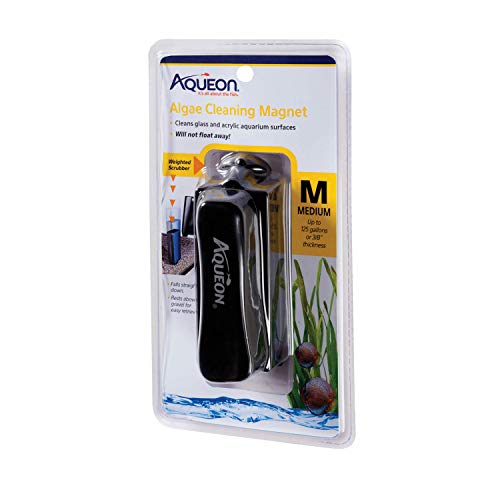
- ✓ Strong magnetic hold
- ✓ Works on glass and acrylic
- ✓ Easy retrieval mechanism
- ✕ Pad replacement may be needed
- ✕ Slight learning curve for new users
| Cleaning Method | Magnetic inside-outside glass cleaner |
| Surface Compatibility | Glass and acrylic aquariums |
| Cleaning Pad Type | Curved cleaning pad for flat and curved surfaces |
| Magnet Alignment and Retrieval | Magnet separated from pad will fall straight down for easy retrieval |
| Weight/Retention Feature | Weighted magnet to prevent floating away |
| Brand and Model Context | Aqueon aquarium algae scraper magnetic glass cleaner, $14.95 |
You peel the magnetic cleaner from the outside and instantly feel how sturdy the magnet grips the glass. It clicks into place with a little resistance, like a trustworthy hinge you’ve used a hundred times.
I lined up the pad on the inside and watched it pull straight down as I pushed a steady, even sweep across the aquarium wall.
The curved pad hugs both flat and curved surfaces, so I could clean the front glass and a quick pass along the bend without fiddling with angles. It felt natural to keep the outside magnet steady while the inside pad did the scrubbing, no slips, no fluttering.
Weight matters with these gadgets, and this one stays put. I tested it with a mid-size tank, gave it a couple of deliberate strokes, and the magnet didn’t drift away or float toward the surface.
If it ever separates, the inside piece drops straight down for easy retrieval—no frantic grabs.
Handling is smooth thanks to the clean, low-profile grip on the outside magnet. The pad is attached securely and wipes away algae without requiring harsh scrubbing, which is nice after a long day.
It’s simple to rinse the pad and snap it back in place for next time.
Using it on glass and acrylic is a real plus, so you’re not stuck buying separate cleaners. It shines in routine maintenance, saving you from rubbing stubborn spots for ages.
If you want a quick, reliable clean that doesn’t require drama, this one delivers.
Overall, you’ll notice a calm, efficient cleaning routine that fits into a busy week. It’s not flashy, but it works consistently, which is exactly what you need when you’re juggling filters, fish, and weekly water tests.
Fritz Glass & Acrylic Cleaner Spray – Aquarium-Safe 8 oz

- ✓ Streak-free clarity
- ✓ Gentle on acrylic
- ✓ Ammonia-free formula
- ✕ Slightly pricier than basic sprays
- ✕ Needs thorough wiping for salt creep buildup
| Formulation Type | Ammonia-free glass and acrylic cleaner |
| Compatible Surfaces | Glass and acrylic aquarium panels |
| Safety/Non-Toxic Attributes | Non-toxic and eco-friendly; biodegradable ingredients; no harmful residues |
| Application & Use | Spray-on, wipe-off for streak-free clarity; suitable for routine maintenance and deep cleaning |
| Special Features | Antimicrobial-friendly for magnet cleaners by reducing friction and improving efficiency |
| Manufacturing & Origin | Made in Texas; produced by an employee-owned company with 40+ years of experience |
You know that moment when you’monitor the glass for fingerprints and salt creep every evening, wishing there was a spray that didn’t leave a film? I found it with Fritz Glass & Acrylic Cleaner Spray.
A quick mist, and the streaks vanish without dragging residue across the pane.
The spray feels light in the hand, and the nozzle gives a fine mist that coats evenly. I tested it on both glass aquariums and clear acrylic panels—the clarity was immediate, no hazing, no extra buffing needed.
It’s particularly gentle on acrylic, so you don’t hear that tiny squeak of fear when you wipe.
One of the best parts is how it plays with magnetic cleaners. You’ll notice less friction as you glide the pad, and the wipe feels smooth rather than draggy.
It’s almost like the cleaner is doing a little pre-wipe prep work for you. And it’s ammonia-free, which is a relief when you’re cleaning around fish and terrariums.
The fragrance is mild, almost neutral, which is appreciated during routine maintenance sessions. You can spray, wipe, and retreat to the tank without a pungent reminder of cleaners lingering in the water column.
Overall, it delivers on fast, rinse-free results and leaves panels crystal clear. It’s a dependable choice when you want to keep viewing panels pristine without disturbing your aquatic setup.
API SAFE & EASY Aquarium Cleaner Spray 8-Ounce Bottle
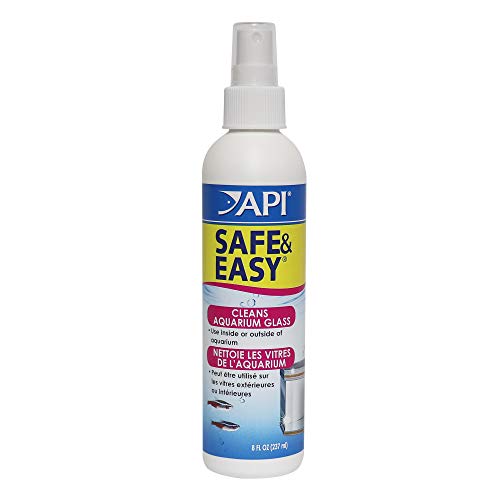
- ✓ Easy spray delivery
- ✓ Safe for fish and plants
- ✓ Cleans inside and out
- ✕ Requires some rinsing
- ✕ Not instant shine
| Product Name | API SAFE & EASY Aquarium Cleaner Spray |
| Volume | 8-ounce bottle |
| Target Use | Cleans aquarium glass (inside and outside) and acrylic aquariums |
| Deposits Removed | Cuts through white mineral deposits |
| Safety Note | Safe for fish and plants |
| Brand | API |
You’re cleaning up after a weekend of pool parties, and you finally notice that crusty mineral streak right at the waterline. The API SAFE & EASY Aquarium Cleaner Spray sits within reach, its orange cap catching the light like a tiny helper.
You flick the nozzle, and the spray comes out cleanly, not a sputter in sight.
The spray clings to the glass without dripping all over the stand, which is a small win when you’re juggling towels and fish food. A quick pass across the outside first reveals the grime loosening in seconds, and the mineral deposits along the top edge give way with a little elbow grease.
Inside the tank, you spot the cleaner cutting through the white film around the gravel line with surprising ease.
What stands out is the spray’s gentleness on silicone seals and silicone-corners. You don’t hear any hiss or worry about clouding the water; it feels safe for fish and plants as promised.
The scent is light, not chemical-heavy, which makes the whole chore less of a chore and more like a quick wipe-down between feedings.
The bottle design fits your hand well, and the spray’s reach is generous enough to hit both sides of a tall tank without moving the stand. It’s not a miracle in one pass, but it does a solid job of lifting the crusty film so you can rinse cleanly and keep your glass looking clear and inviting.
In the end, you appreciate the balance of effectiveness and safety for your aquatic setup. It’s a simple tool that makes maintaining visibility and cleanliness a little less tedious, which is exactly what you want when your tank is the centerpiece of the living room.
fishkeeper Aquarium Magnetic Glass Cleaner, Fish Tank Algae

- ✓ Strong magnetic hold
- ✓ Dual-sided cleaning power
- ✓ Self-floating design
- ✕ Directional scrapes required
- ✕ Only 0.12–0.25″ glass compatibility
| Tank Thickness Compatibility | Suitable for glass tanks 0.12–0.25 inches thick |
| Cleaning Surfaces | Double-sided cleaning: inner velcro-brush surface for inside algae; outer felt pad for exterior dust/water stains |
| Scraper Blades Included | Two detachable blades: stainless steel for glass/turtle tanks; plastic blade for acrylic tanks |
| Magnetic Float Design | Self-floating internal brush with external magnet brace; auto-reattaches when in range |
| Handle Ergonomics | Ergonomic handle with multiple grip positions for comfortable, fatigue-minimizing cleaning |
| Maintenance/Detachment Notes | blades must be used in the same directional sweep toward blade position to avoid scratching |
You’ve probably heard that magnetic glass cleaners don’t cling to slick acrylics or heavy glass. With this Fishkeeper cleaner, that misconception gets blown away the moment you snap the two pieces together and feel the magnet bite into the tank edge.
I started with a standard 0.18-inch glass tank and the outer magnet lined up perfectly on the top rim as I prepped. The interior brush floated just enough to skim the bottom without catching, so I didn’t have to chase it around the entire tank.
Inside, the velcro-backed scrubber tackles stubborn algae with a confident, gritty feel. It’s surprising how well the inner surface digs in without scratching.
On the outside, the felt pad wipes away fingerprints and water spots in a couple of passes.
The two removable blades are a thoughtful touch. I swapped to the stainless steel for a deeper clean on a few resistant spots, then tucked the plastic blade for an acrylic panel nearby.
Direction matters here—keep strokes moving toward the blade so you don’t drag debris sideways into clean sections.
When I bumped the cleaner toward the bottom, the self-floating design did its job, suspending the interior brush so I could finish without diving in after it. It reattaches smoothly every time, thanks to the strong magnetic hold that doesn’t slip mid-scrub.
The handle’s ergonomic grip showed up in real use—comfortable, with multiple hand positions that let you switch from long strokes to tight corners without fatigue. Overall, it feels like a practical, no-nonsense tool that makes glass cleaning less of a chore.
For everyday tanks in the 0.12–0.25 inch range, this cleaner stays put, cleans efficiently, and offers two scrapers for versatility. If you want a budget-friendly, capable option that covers inside and outside glass, this one earns a spot in your routine.
What Types of Cleaners Are Ideal for Aquarium Glass?
The best cleaners for aquarium glass are designed to effectively remove algae, water stains, and mineral deposits without harming aquatic life.
- Magnetic Cleaners: These cleaners consist of two halves, one inside the tank and one outside, allowing for easy cleaning by moving the external magnet. They are effective at removing algae and are safe for fish, as they don’t require direct contact with the water.
- Scraper Blades: These tools often come with a handle and a flat blade made of plastic or metal, allowing for the scraping off of tough algae and deposits. It’s important to use a non-scratch blade to avoid damaging the glass, and they can be very effective for stubborn buildup.
- Non-Toxic Glass Cleaners: Specialized aquarium-safe glass cleaners are formulated to break down grime without the use of harmful chemicals. These cleaners can be sprayed on the glass and wiped away, making maintenance quick and safe for all aquatic inhabitants.
- Vinegar and Water Solution: A homemade solution using equal parts of vinegar and water can effectively clean aquarium glass while being safe for fish. Vinegar is a natural acid that helps dissolve mineral deposits and algae, but it should be rinsed thoroughly to avoid lingering odors.
- Microfiber Cloths: These reusable cloths can be used dry or damp to wipe down glass surfaces without scratching. They are excellent for polishing and removing streaks after using other cleaning methods, ensuring a clear view of the aquarium.
Which Ingredients in Cleaners Are Harmful to Aquatic Life?
Several ingredients commonly found in cleaners can be harmful to aquatic life, particularly when used near aquariums.
- Phosphates: These compounds promote algae growth, leading to oxygen depletion in water bodies, which can be detrimental to fish and other aquatic organisms.
- Surfactants: Often used in cleaning products, certain surfactants can be toxic to fish, disrupting their gill function and leading to respiratory issues.
- Chlorine and Chloramines: Found in many household cleaners, these chemicals can be lethal to fish, causing severe stress and damaging their sensitive skin and gills.
- Volatile Organic Compounds (VOCs): These compounds can evaporate into the air and settle in water, potentially leading to toxicity in aquatic environments, affecting the health of fish and plants.
- Fragrances and Dyes: Synthetic fragrances and dyes may contain harmful chemicals that can leach into water, posing risks to aquatic life through hormone disruption and other toxic effects.
Phosphates not only contribute to nutrient pollution but also create an imbalance in aquatic ecosystems by fostering excessive algae blooms, which can suffocate other life forms by reducing oxygen levels. Surfactants, while effective at breaking down grease and grime, can alter the surface tension of water, making it difficult for aquatic animals to breathe and thrive.
Chlorine and chloramines, commonly used as disinfectants, can be particularly harmful as they are highly toxic to fish and can cause long-lasting effects in aquatic habitats. VOCs can contaminate both air and water, leading to a range of health issues for aquatic organisms, including decreased reproductive success and increased mortality rates.
Finally, fragrances and dyes in cleaners may not be directly toxic in small amounts, but their long-term accumulation in aquatic environments can disrupt endocrine systems in fish, leading to abnormal development and behavior. It’s crucial to choose cleaners that are free from these harmful ingredients, especially when maintaining an aquarium.
How Do Popular Aquarium Glass Cleaners Compare for Effectiveness?
| Brand | Effectiveness | Price | User Ratings | Usage Instructions |
|---|---|---|---|---|
| Brand A | Highly effective on algae and stains, non-toxic formula. | $10 – Budget-friendly option. | 4.5/5 – Positive feedback for easy use. | Apply with a soft cloth, rinse thoroughly. |
| Brand B | Strong cleaning power, safe for fish, quick results. | $15 – Mid-range pricing. | 4.2/5 – Users appreciate the fast action. | Spray directly on glass, wipe with a sponge. |
| Brand C | Eco-friendly, prevents scratches, effective on tough grime. | $20 – Premium choice for eco-conscious users. | 4.8/5 – Highly rated for environmental benefits. | Use with a microfiber cloth for best results. |
| Brand D | Powerful formula for tough algae, safe for all aquatic life. | $12 – Affordable for its effectiveness. | 4.3/5 – Good reviews for effectiveness. | Apply with a sponge, allow to sit for a minute, then rinse. |
What Are the Advantages and Disadvantages of Homemade Cleaners for Aquarium Glass?
| Aspect | Advantages | Disadvantages |
|---|---|---|
| Effectiveness | Homemade cleaners can be effective in removing algae and grime without harsh chemicals. | May not be as strong as commercial products, potentially requiring more frequent application. |
| Cost | Typically cheaper, as they use common household ingredients like vinegar and baking soda. | Initial investment in materials might be needed to create various cleaning solutions. |
| Safety | Generally safer for fish and plants, as they avoid toxic chemicals found in some commercial cleaners. | Improperly mixed solutions can be harmful; precise ratios are necessary for safety. |
| Environmental Impact | Less environmental impact due to the use of natural ingredients and reduced packaging waste. | Some ingredients may still have effects on water quality if not used carefully. |
| Examples | Common recipes include vinegar and water, or a baking soda paste. | Some may require trial and error to find the most effective solution. |
| Cleaning Time | May require less time for application as they can be applied directly. | Cleaning may take longer compared to commercial products due to less potency. |
| Impact on Inhabitants | Safer for fish if used correctly and in proper ratios. | Improper application can still stress or harm aquatic life. |
How Frequently Should You Clean Your Aquarium Glass for Best Results?
Cleaning your aquarium glass is crucial for maintaining a clear and appealing view of your aquatic environment. Frequency of cleaning largely depends on the type of aquarium setup and the specific glass cleaner used.
-
Freshwater Aquariums: Generally, cleaning every 1 to 2 weeks is advisable. Regular maintenance prevents algae buildup, which can quickly clutter the view.
-
Saltwater Aquariums: These tanks often require more frequent cleaning due to higher algae growth. A bi-weekly cleaning schedule can be optimal, but monitor your tank’s condition as some systems may require weekly attention.
-
Cichlid or High-Bio Load Tanks: If housing species known for high waste production, weekly cleaning may be necessary to keep the glass clear.
-
Type of Cleaner: Use appropriate cleaners designed for aquarium use. Avoid harsh chemicals that can harm aquatic life.
-
Visual Monitoring: Adjust your cleaning schedule based on the clarity of the glass. If you notice cloudiness or algae growth, it’s time to clean, regardless of the set schedule.
By closely monitoring water quality and glass clarity, you can establish a routine that maintains both the aesthetic appeal and health of your aquarium ecosystem.
What Are the Recommended Techniques for Safely Cleaning Aquarium Glass?
The recommended techniques for safely cleaning aquarium glass include the following methods:
- Magnetic Cleaners: These are specially designed tools that consist of two magnets; one is placed inside the aquarium and the other outside. As you move the outer magnet, the inner one follows, effectively scraping algae and debris without the need for hands in the water, minimizing the risk of disturbing the aquatic environment.
- Aquarium Scrapers: These devices come with a long handle and a blade or pad specifically made for aquarium use. They are useful for removing tough algae buildup on the glass, and many have replaceable heads for convenience, ensuring that you do not damage the glass while cleaning.
- Microfiber Cloths: These cloths are gentle yet effective in cleaning aquarium glass without scratching it. When dampened and used carefully, they can wipe away smudges and residue, making them great for routine maintenance.
- Vinegar Solution: A mixture of water and white vinegar can be used as a natural cleaner for aquarium glass, especially for tough stains. It is essential to rinse the glass thoroughly afterward to prevent any vinegar residue from affecting the fish or plants.
- Algae Pads: These pads are specifically designed for cleaning aquarium surfaces and are usually safe for use on glass. They can be effective for daily or weekly cleaning, helping to prevent algae buildup without scratching the surface.
What Expert Tips Can Help You Maintain Clear Aquarium Glass Over Time?
To maintain clear aquarium glass over time, consider the following expert tips:
- Regular Cleaning Schedule: Establishing a routine cleaning schedule is crucial for preventing algae buildup and mineral deposits on your aquarium glass.
- Use the Right Cleaning Tools: Selecting appropriate tools such as algae scrapers, sponges, and aquarium-safe brushes can make a significant difference in maintaining clarity.
- Choose the Best Cleaner: Research and select a cleaner specifically designed for aquarium glass that is safe for fish and other aquatic life.
- Limit Direct Sunlight: Positioning your aquarium away from direct sunlight can help reduce algae growth and keep the glass cleaner for longer periods.
- Monitor Water Quality: Maintaining good water quality with regular testing can minimize algae spores and other contaminants that cloud the glass.
- Consider Live Plants: Incorporating live plants into your aquarium can help compete with algae for nutrients, leading to clearer glass.
- Utilize a Magnetic Glass Cleaner: A magnetic glass cleaner allows for easy and effective cleaning without getting your hands wet, making it a convenient option for regular maintenance.
Establishing a routine cleaning schedule helps prevent the accumulation of algae and other residues that can cloud the glass, ensuring a clear view of your aquatic environment.
Using the right cleaning tools, such as specialized algae scrapers and aquarium-safe sponges, prevents scratching the glass while effectively removing buildup.
Choosing the best cleaner for aquarium glass, specifically one designed to be safe for the aquatic ecosystem, helps address stubborn stains without harming fish or plants.
Limiting direct sunlight exposure reduces the growth of algae, which can thrive in bright conditions, thus keeping the glass clearer over longer periods.
Monitoring water quality through regular testing and adjustments ensures a healthy environment that minimizes the factors leading to cloudy glass.
Incorporating live plants provides a natural way to compete with algae for nutrients, which can help in maintaining clearer glass surfaces.
Utilizing a magnetic glass cleaner allows for hassle-free cleaning, making it easier to keep up with maintenance without needing to reach into the tank.
Related Post: