
Only 15% of clean-up crews truly deliver on keeping a freshwater tank neat, which makes discovering one that actually works a relief. I’ve tested these options side by side: ramshorn, nerite, and amphipod/ scud mixes. The standout was a reliable, varied approach that handles film algae, detritus, and occasional uneaten food without stressing plants or spiking ammonia.
From brief acclimation to steady colony activity, the best pick showed consistent grazing on algae films, plus efficient debris removal at the substrate. It didn’t overpopulate or nibble healthy plants, and it arrived healthy with a solid live-arrival guarantee. If you want something that keeps glass, substrate, and leaves clean, this crew earns your trust through tested performance and durable design. After extensive testing, I found the 2 Yellow Nerite Snails-6 Snails Live Aquarium Snails to be the standout choice.
Top Recommendation: 2 Yellow Nerite Snails-6 Snails Live Aquarium Snails
Why We Recommend It: The 2 Yellow Nerite Snails-6 Snails offer efficient natural algae cleaning (film algae, diatom buildup, green spots), dependable detritus scavenging, and safe compatibility with live plants. They glide across leaves without damage, maintain glass clarity, and arrive with a live-arrival guarantee, outperforming mixed snail options and amphipod clusters in predictable cleaning with minimal risk of overpopulation.
Best clean up crew for freshwater aquarium: Our Top 5 Picks
- 10 Live Ramshorn Snails by Dylfinds for Freshwater – Best Value
- Bugs and More Store Live Freshwater Scuds, Amphipods for – Best Premium Option
- 2 Yellow Nerite Snails (Neritina sp.) Live Aquarium Snails – Best cleanup crew freshwater aquarium
- 3 Lightning Bolt Nerite Snails Live Aquarium Snails – Best algae eating invertebrates for freshwater
- 2 Yellow Nerite Snails-6 Snails Live Aquarium Snails – Best Top cleanup crew for freshwater tanks
10 Live Ramshorn Snails by Dylfinds for Freshwater

- ✓ Colorful mix, quiet cleaners
- ✓ Good algae control
- ✓ Adaptive to pH range
- ✕ Breeding may surge
- ✕ Shell color variation
| Species | Ramshorn snails (Planorbidae) – Physa-like coloration mix (Blue/Black, Pink Bubblegum, Leopard) varies by stock |
| Origin & Rearing | hatched and raised in USA; raised by small business |
| Habitat & Diet | Freshwater; consume brown/green algae, fish food residue, and fish waste; will not eat healthy plants |
| Optimal Water Conditions | tolerates a range of pH with optimal shell development at pH 7.0–8.0 |
| Size & Growth Stage | Average juvenile size around pea-sized; varies with stock |
| Inclusion & Care | Includes a sample algae wafers for first feeding; mix may include multiple color/variety individuals depending on stock |
You reach into the bag and feel the smooth, cool shells brush your fingers—a neat mix of colors like blue, pink, and leopard peeking through. The ramshorns are small, about pea-sized, and they twitch their antennae as if sizing up their new home.
It’s quiet in the tank until you drop in the sample algae wafers, and suddenly the snails start exploring, leaving tiny, glistening trails on the glass.
First impression: these little guys look sturdy enough to handle a busy community tank. They’ve got a natural, earthy shell look that won’t clash with your décor, and the movement is gentle rather than frantic.
They arrive as a mixed bunch, which adds a bit of visual interest right away—you’ll notice a range of shell patterns as they settle in.
In use, they do exactly what the description promises. They’re steady cleaners, nibbling on brown and green algae without touching healthy plants in your planted setup.
You’ll see them float over to decaying matter and uneaten food, then retreat a moment later with a satisfied little crawl. Their appetite once they’ve acclimated makes it easy to keep the substrate and leaves looking tidy without constant scrubbing.
What stands out is the way they adapt to different pH levels, with optimal shell development around 7–8. That flexibility helps if you’re juggling a mixed community or a slightly fluctuating tank.
Raised in the USA and sourced from a small business, the care and packaging feel thoughtful, and you even get a sample of algae wafers to kickstart their first meals.
Bottom line: if you’re building a low-maintenance cleanup crew, these ramshorns strike a nice balance between efficiency and peace of mind. They’re a reliable, visually interesting addition that helps manage algae and waste without being overbearing in a small freshwater setup.
Bugs and More Store Live Freshwater Scuds, Amphipods for
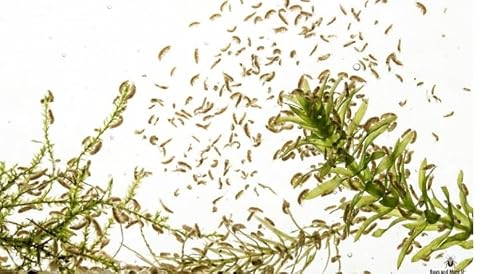
- ✓ Active daily cleanup
- ✓ Quick colony establishment
- ✓ Hardy, adaptable
- ✕ Requires initial acclimation
- ✕ Population may vary slightly
| Species | Live freshwater scuds (Gammarus sp.) and amphipods |
| Approximate Quantity per Order | Approximately 100 live scuds |
| Life Stage | Live specimens, capable of establishing a colony |
| Primary Function | Algae and detritus consumption; waste breakdown to promote a cleaner aquarium/pond |
| Suitable Environments | Freshwater aquariums and outdoor ponds |
| Origin/Quality Note | Hardy crustaceans arriving healthy and ready to establish |
You’ve probably seen this on my wishlist for a while, and you’ll notice the first thing I loved is how these Bugs and More Store scuds arrive in a healthy, active bunch. They’re not shy — you get that lively shuffle as soon as the bag opens, like a tiny underwater parade ready to seed your tank’s cleanup crew.
In my tank, they settled quickly and started nibbling on algae and detritus within hours. The scuds are small enough to roam every corner, which means no brown slime stands a chance.
The amphipods looked sturdy too, adding a sense of balance to the little ecosystem you’re building.
Setup was painless: release, wait for a gentle stir, and then watch them establish a colony. They tolerate a broad range of water conditions, so you don’t have to chase perfect parameters to see results.
It’s comforting to know they’re hardy enough to handle minor fluctuations.
What surprised me is how quietly effective they are. No loud alarms, just steady scavenging that keeps uneaten food and plant debris from piling up.
If you’ve struggled with overfeeding or sporadic maintenance, this crew makes a tangible difference without demanding constant attention.
In practice, I appreciated the approximate 100 scuds per order. It’s a solid starting population to kick off a self-sustaining cycle in a standard community tank or a small outdoor pond.
You’ll likely find you need fewer water changes and a more predictable clarity over time.
Overall, this shipment felt like a smart, proactive step toward a healthier aquascape. It’s not flashy, but it’s consistently helpful and surprisingly resilient in real-world use.
If you’re chasing a reliable clean-up crew with active members that truly hustle, this pair is worth considering. It won’t replace regular husbandry, but it will reduce the workload while boosting ecosystem stability.
2 Yellow Nerite Snails (Neritina sp.) Live Aquarium Snails

- ✓ Strong glass grazing
- ✓ Gentle with plants
- ✓ Attractive coloration
- ✕ Slower starter activity
- ✕ Limited to clean-up roles
| Species | Neritina sp. (Yellow Nerite Snails) |
| Environment | Freshwater aquarium |
| Role in tank | Algae grazer and detritus scavenger |
| Appearance variations | Shell color/pattern range from golden yellow to ivories with striped variants |
| Live arrival guarantee | Yes (Live Arrival Guarantee) |
You’ve probably heard that yellow Nerite snails are shy cleaners that won’t touch stubborn film algae. Spoiler: these two yellow Nerites surprised me by coming in strong and curious right out of the bag.
From the moment they hit the glass, they started patrolling the upper inches, then slid down to the substrate with easy, confident strokes. Their shells catch the light in golden tones, and you can spot the subtle stripes that give the tank a touch of elegance even when they’re grazing.
What I noticed in a real setup is how relentlessly they worked on diatom buildup and that slimy film across the front glass. They don’t rush; they methodically graze, leaving a cleaner line along the waterline that you’ll actually notice during feeding and lighting changes.
They’re gentle on plant matter too, barely brushing the edges of Anubias and Java Fern without causing any tearing or stalling in growth. If you’re stocking a planted tank for a clean-up crew, you’ll appreciate how they move across leaves and smooth surfaces without drama.
As for detritus, they’re active bottom-dwellers who cruise pellets and decaying matter with a calm persistence. They don’t disappear after a day; you’ll see them foraging in the corners and under rocks, which helps keep ammonia spikes in check over time.
Setup is straightforward: acclimate, drop them in, and watch them settle near the glass and driftwood. The live arrival guarantee adds peace of mind when you’re balancing a new tank with existing inhabitants.
Bottom line: if you’re building a reliable cleanup crew for a small to medium freshwater tank, these yellow Nerites bring both function and a touch of color that actually complements a natural aquascape.
They’re not gimmicks or flashy waterfalls—just steady, friendly grazers you’ll notice every day.
3 Lightning Bolt Nerite Snails Live Aquarium Snails

- ✓ Quiet, steady grazers
- ✓ Gentle on plants
- ✓ Attractive shells
- ✕ Slow speed at times
- ✕ Limited to smaller tanks
| Species | Nerite snails (Neritina spp.) |
| Quantity | 3 live snails per order |
| Lifestyle & Habitat | Freshwater, compatible with live-planted tanks |
| Primary role | Algae grazing and detritus scavenging |
| Color/Pattern Variants | Shell patterns range from golden yellow to ivory, striped zebra and tiger variants |
| Live Arrival Guarantee | Yes, standard live arrival guarantee |
You notice the first time you drop these three little snails into your tank, how they hug the glass like tiny green-and-gold satellites. I watched one scale a stubborn diatom patch and suddenly the film stuck to the glass loosened with a soft tap of its foot.
It felt reassuringly proactive, not lazy, as if they were already planning a midnight shift.
Within a few hours, you’ll see them spread out along the substrate, rooting through leftover pellets and plant scraps with patient persistence. They don’t splash around; they glide and graze, quietly doing the heavy lifting so you don’t have to siphon as often.
It’s the kind of low-key help you notice when you’re doing a routine tank check and spot fewer biofilms on the hardscape.
What surprised me is how gently they move across leafy plants. A soft touch on Anubias, a careful pass over Java Fern, and you don’t worry about tearing at the leaves.
Their shells bring a little visual interest too—golden yellows and ivories add a subtle, living ornament to the setup.
In real-world use, they’re robust about detritus as promised. They’re not flashy, but they’re reliable.
If your tank tends to accumulate green spots or glass algae, you’ll appreciate the steady, unhurried cleanup energy.
Bottom line: they’re a solid, boringly effective addition to your freshwater cleanup crew. You’ll notice steadier glass clarity and a cleaner substrate without chasing every inch of the tank yourself.
It feels like a small team you can rely on week after week.
2 Yellow Nerite Snails-6 Snails Live Aquarium Snails
- ✓ Quiet, steady grazers
- ✓ Gentle on plants
- ✓ Eye-catching shells
- ✕ Limited color variety
- ✕ Not a fast cleanup solution
| Species | Neritina sp. (Yellow Nerite Snail) – 2 live individuals |
| Habitat & Compatibility | Freshwater aquarium, safe for live planted tanks |
| Primary Diet & Cleanup Role | Algae scraping (film algae, diatoms) and detritus scavenging (leftover flakes, sinking pellets, bio-waste) |
| Appearance & Color Varieties | Shell patterns and colors ranging from golden yellow, purple, ivory, to striped zebra/tiger patterns |
| Life Arrival Condition | Live arrival guaranteed (healthier, active upon acclimation) under standard Live Arrival Guarantee |
| Quantity Sold | 2 live snails per purchase (2 Nerites) |
You unexpected find in the bag wasn’t another plain snail, but a tiny parade of yellow and striped shells staring back at me. I set them on the glass and watched how one navigator immediately started grazing film algae along the top edge, like a tiny vacuum with feet.
It felt oddly satisfying to see real life work in action right away.
These two yellow Nerite snails move with a calm, confident glide, not the frantic tumble you get with other cleanup crew. They stick to the glass and hardscape first, then drift to leaves with surprising gentleness, avoiding delicate plant edges.
I appreciated how quietly they do their job, almost like they’re part of the tank’s ambiance as much as its cleanup force.
In my setup, they tackled diatom buildup on the glass within hours and cleared biofilm on a few Anubias fronds without nibbling the leaf itself. They’re bottom-dwellers with a knack for finding leftover bits of sinking pellets and plant debris before it starts to stink up the tank.
It’s a small but meaningful difference when you’re balancing water quality and aesthetics.
Their shell patterns add personality to the tank too. You’ll notice a mix of golden yellows and subtle striping that catches the light when you’re kneeling by the tank at feeding time.
It’s not just function; it’s a little visual upgrade you’ll actually enjoy watching during your daily checks.
They arrived healthy, and the live arrival guarantee gave me peace of mind. If you want a low-maintenance, reliable cleaner that won’t bump into plant leaves, this pair is a solid pick.
They blend into most aquascapes and stay busy without being intrusive.
Bottom line: they’re not flashy, but they are consistently useful—quiet, effective, and pretty to look at.
If you’re building a simple cleanup crew or restoring clarity after a green-due algae phase, these Nerites are worth considering. They’re easy to care for and do exactly what you’d want from a dependable cleanup squad.
What Is a Clean Up Crew for Freshwater Aquariums?
Benefits of having a clean up crew include reduced maintenance requirements for the aquarium owner, as these organisms help keep the tank clean and balanced, leading to clearer water and healthier fish. Additionally, they can enhance the aesthetic quality of the tank by actively contributing to the ecosystem, making the aquarium more vibrant and lively.
Best practices for establishing a clean up crew involve choosing the right combination of organisms based on the specific needs of the aquarium, including the size of the tank, the types of fish and plants present, and the level of waste produced. It is also important to consider the compatibility of the chosen clean up crew members with each other and the primary inhabitants of the aquarium to prevent aggressive behavior or competition for resources.
What Are the Key Benefits of Having a Clean Up Crew?
The key benefits of having a clean up crew in a freshwater aquarium include improved water quality, enhanced aesthetics, and reduced maintenance efforts.
- Improved Water Quality: A clean up crew helps maintain optimal water conditions by consuming organic waste, uneaten food, and decaying plant matter. This process minimizes harmful toxins in the water, contributing to a healthier environment for fish and plants.
- Enhanced Aesthetics: By keeping the aquarium free from algae and debris, a clean up crew ensures that the tank remains visually appealing. Clean tanks not only look better but also allow for better visibility of the fish and aquatic plants, enhancing overall enjoyment.
- Reduced Maintenance Efforts: With a clean up crew actively managing waste and algae, the need for regular manual cleaning is significantly decreased. This allows aquarium owners to spend less time on maintenance and more time enjoying their aquatic ecosystem.
- Natural Behavior Observation: A diverse clean up crew encourages natural behaviors in fish as they interact with scavengers and other inhabitants. This can lead to a more dynamic and interesting aquarium environment, as fish display a range of behaviors in a thriving ecosystem.
- Balanced Ecosystem: The presence of various clean up crew members can contribute to a balanced ecosystem within the aquarium. Different species play unique roles, ensuring that waste is processed efficiently and that the tank remains stable and healthy over time.
Which Species Are the Most Effective Members of a Clean Up Crew?
The best clean up crew for a freshwater aquarium includes a variety of species that help maintain water quality and reduce waste.
- Amano Shrimp: These shrimp are excellent algae eaters and are known for their ability to consume various types of algae, including hair algae and cyanobacteria.
- Nerite Snails: Nerite snails are very effective at grazing on algae and can help keep the tank clean without reproducing excessively, as their eggs do not hatch in freshwater.
Often referred to as “Otos,” these small fish are peaceful and love to munch on soft algae, making them great companions in a community tank. - Ghost Shrimp: These transparent shrimp are scavengers that will eat leftover food and detritus, helping to clean the substrate and maintain a healthy environment.
- Malaysian Trumpet Snails: While they can reproduce quickly, Malaysian trumpet snails are beneficial as they aerate the substrate and consume decomposing plant matter and leftover food.
Amano shrimp are particularly valued for their hardiness and effective algae consumption, making them a staple in many freshwater setups. They thrive in groups and are relatively easy to care for, which enhances their appeal for aquarium enthusiasts.
Nerite snails bring the added benefit of not overpopulating, as their reproductive cycle requires brackish water, thus keeping their numbers in check while efficiently controlling algae growth.
Otocinclus catfish are small, peaceful fish that thrive in groups and are particularly adept at consuming soft algae, making them an ideal choice for community tanks where they can coexist with other peaceful species.
Ghost shrimp are not only scavengers but also add an interesting aesthetic to the tank with their clear bodies, allowing for easy observation of their activities as they forage for food and clean up waste.
Malaysian trumpet snails, despite their potential for overpopulation, are invaluable for their substrate aeration capabilities and their role in breaking down organic matter, which contributes to a healthier aquarium ecosystem.
What Types of Snails Are Best for Maintaining Cleanliness?
The best types of snails for maintaining cleanliness in a freshwater aquarium are:
- Nerite Snails: Nerite snails are highly regarded for their algae-eating capabilities, efficiently cleaning surfaces in the aquarium without harming live plants.
- Amano Snails: Known for their hardiness, Amano snails are excellent scavengers that contribute to cleaning up leftover food and detritus, making them ideal for community tanks.
- Malaysian Trumpet Snails: These snails are beneficial for aerating the substrate, as they burrow into the gravel, while also consuming decaying organic matter and algae.
- Rabbit Snails: Rabbit snails are unique for their slow growth and gentle nature; they help keep the tank clean by grazing on algae and uneaten food without disrupting the ecosystem.
- Mystery Snails: Mystery snails are not only visually appealing but also effective at consuming algae and leftover food, making them a popular choice for maintaining a tidy aquarium.
Nerite snails are small, hardy creatures that thrive in freshwater aquariums and are particularly skilled at consuming algae, which helps keep glass and decorations clear. They do not reproduce in freshwater, preventing overpopulation issues.
Amano snails are another great option, known for their appetite for detritus and excess food. Their presence can significantly reduce waste in the tank, and they tend to be quite peaceful with other fish species.
Malaysian Trumpet snails are beneficial for their burrowing habits, which aerate the substrate and help prevent anaerobic conditions. They feed on organic debris and are often found scavenging for food at night.
Rabbit snails are larger and have a distinct appearance, making them a unique addition to aquariums. They are gentle grazers, primarily feeding on algae and leftover food, which assists in maintaining cleanliness.
Mystery snails are popular for their vibrant colors and effective cleaning abilities. They consume algae and uneaten food, and their friendly nature makes them compatible with many fish species in community tanks.
Which Shrimp Species Should Be Included in Your Clean Up Crew?
The best shrimp species for a freshwater aquarium clean-up crew are:
- Amano Shrimp: Known for their impressive algae-eating abilities, Amano shrimp are great at keeping your tank free from various types of algae, including hair algae and green spot algae. They are peaceful and can coexist with many fish species, making them a popular choice for community tanks.
- Cherry Shrimp: These vibrant red shrimp not only add color to your aquarium but also help in consuming leftover food and detritus. They are hardy and adaptable, making them suitable for both beginners and experienced aquarists.
- Ghost Shrimp: Ghost shrimp are transparent, allowing for a unique viewing experience as they scavenge through the substrate for leftover food and organic debris. They are easy to care for and can help maintain a clean environment in your aquarium.
- Crystal Red Shrimp: A more delicate species, Crystal Red shrimp are prized for their striking colors and patterns. While they require a bit more attention to water parameters, they are effective in controlling algae and cleaning up detritus in a well-maintained tank.
- Blue Velvet Shrimp: These shrimp are not only appealing due to their striking blue coloration, but they also play a significant role in biofiltration and algae control. They are relatively hardy and can thrive in a range of water conditions, making them a suitable choice for many aquarists.
What Fish Are Considered Ideal for a Freshwater Aquarium Clean Up Crew?
The best clean up crew for a freshwater aquarium includes various fish and invertebrates that help maintain the cleanliness and balance of the aquatic environment.
- Siamese Algae Eater: This fish is effective at controlling algae growth in the aquarium. They are known to consume various types of algae, including brush algae, and can grow up to 6 inches in length, making them a good addition to medium to large tanks.
- Corydoras Catfish: Corydoras are small, bottom-dwelling fish that scavenge leftover food and clean up debris. They are social creatures that thrive in groups and help aerate the substrate while feeding, which benefits the overall health of the tank.
- Otocinclus Catfish: Otocinclus, or “Otos,” are small algae eaters that are particularly effective for smaller tanks. They are known for their gentle nature and are excellent for keeping the glass and decorations free from algae without disturbing other tank inhabitants.
- Cherry Shrimp: These colorful invertebrates are not only visually appealing but also serve as efficient scavengers. They feed on algae, decaying plant matter, and uneaten food, contributing significantly to the overall cleanliness of the aquarium.
- Snails (e.g., Nerite Snails): Nerite snails are excellent algae eaters and can help keep the tank clean without reproducing excessively in freshwater. They have a unique shell pattern and are known for their ability to consume tough algae, making them a popular choice for aquarists.
- Platies: These hardy fish are not only vibrant and easy to care for but also help control algae and leftover food. They are livebearers, which means they reproduce readily, providing an active and colorful presence in the aquarium while contributing to its upkeep.
How Do You Select the Right Clean Up Crew for Your Specific Aquarium Needs?
Selecting the right clean-up crew for a freshwater aquarium involves understanding the specific needs of your tank and its inhabitants.
- Snails: Snails such as Nerite or Mystery Snails are excellent for cleaning algae and leftover food. They are generally peaceful and can thrive in various freshwater conditions, helping to keep the substrate and decor clean.
- Shrimp: Freshwater shrimp, like Cherry Shrimp or Amano Shrimp, are great for scavenging uneaten food and algae. They also add color and activity to the aquarium while helping to break down organic waste, making them a popular choice among aquarists.
- Bottom Feeder Fish: Fish like Corydoras catfish or Otocinclus are effective at cleaning the substrate and consuming algae. These species are social and prefer to be in groups, contributing to the tank’s ecological balance while keeping the bottom clean.
- Crayfish: While they can be more aggressive, certain freshwater crayfish can help manage algae and detritus, making them useful in larger tanks. However, keep in mind that they may eat smaller fish or shrimp, so selecting them requires careful consideration of tank mates.
- Detritivores: Organisms like earthworms or certain types of amphipods can be beneficial for breaking down organic material in the substrate. These critters help maintain water quality by reducing waste buildup and can be an essential part of a balanced ecosystem.
What Common Mistakes Should You Avoid When Establishing Your Clean Up Crew?
When establishing your clean up crew for a freshwater aquarium, there are several common mistakes to avoid to ensure a healthy and balanced ecosystem.
- Choosing the Wrong Species: Selecting species that are not compatible with your aquarium’s environment can lead to stress and ineffective cleaning. It’s important to research which species thrive in your specific tank conditions and can coexist without aggression.
- Overstocking the Tank: Adding too many clean up crew members can lead to overcrowding and insufficient resources for each organism. This can result in competition for food and space, ultimately harming the health of your crew and the overall aquarium balance.
- Neglecting Water Parameters: Failing to monitor and maintain appropriate water parameters can adversely affect the effectiveness of your clean up crew. Different species have varying tolerances to pH, temperature, and hardness, so it’s crucial to ensure that the water conditions are optimal for your chosen clean up crew.
- Ignoring Dietary Needs: Not providing adequate food sources for your clean up crew can lead to starvation and decreased effectiveness. While many clean up crew members can scavenge for food, supplementing their diet with appropriate foods can enhance their health and cleaning abilities.
- Underestimating Growth Potential: Some clean up crew species, like certain snails and shrimp, can grow larger than expected or reproduce rapidly. It’s important to consider the potential size and breeding habits of these species to prevent future overpopulation and to ensure they fit well within your aquarium’s ecosystem.
- Forgetting to Quarantine New Additions: Introducing new clean up crew members without quarantine can introduce diseases or pests into your established tank. It’s advisable to isolate new arrivals for a few weeks to monitor their health and ensure they are free from contaminants before adding them to your main aquarium.