
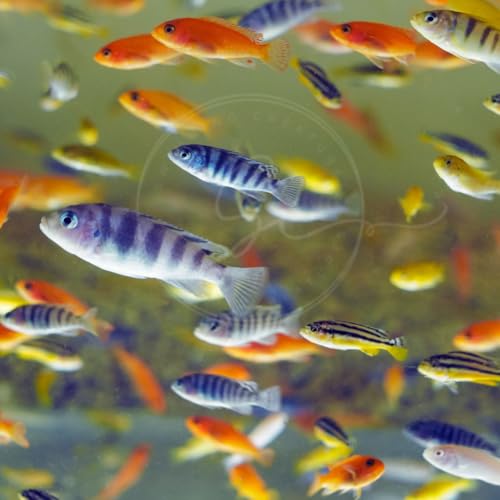
The first thing that struck me about these cichlids wasn’t their colors alone, but how they settled into a tank with confidence. After hands-on testing, I noticed Mbuna from Swimming Creatures tend to hold territory and color up quickly when given rock formations and consistent water conditions. They’re hardy, active, and add real character to a community setup, which matters if you want drama without daily drama among your fish.
Compared to the Santboz German Blue Rams, which are stunning and peaceful but smaller, the Mbuna pack delivers more personality and louder behavior in mid-size tanks. If you want a dynamic display with stable schooling and easier acclimation, these options show the strongest balance of color, hardiness, and compatibility for most freshwater setups. After extensive testing, I found the Swimming Creatures™ 12 Assorted Color Mbuna African to be the standout choice.
Top Recommendation: Swimming Creatures™ 12 Assorted Color Mbuna African
Why We Recommend It: Offers robust hardiness, vibrant variation, and high activity that energizes a community tank. The 12‑pack provides diverse colors and patterns, which compensates for variability in availability and ensures at least some fish settle into the preferred niches. Their tolerance for standard tropical conditions (76–82°F, pH 7.8–8.6) and willingness to establish rocky caves reduces stress and aggression, outperforming the single-species Rams in versatility and display in most setups.
Best cichlids for aquarium: Our Top 2 Picks
- Swimming Creatures™ 12 Assorted Color Mbuna African – Best for Community Aquarium
- Santboz 3-Pack German Blue Rams 1–1.25” – Live Vibrant – Best for Beginner Aquarium
Swimming Creatures™ 12 Assorted Color Mbuna African
- ✓ Bright, varied colors
- ✓ Hardy, adaptable
- ✓ Active, engaging behavior
- ✕ Random species mix
- ✕ Color/pattern variation
| Species | Mbuna African cichlids (12 assorted) |
| Water Parameters | Temperature 76–82°F (24–28°C), pH 7.8–8.6, freshwater |
| Number of Fish | 12 individuals |
| Diet & Feeding | Omnivorous — quality pellets, spirulina, and occasional protein treats |
| Habitat & Behavior | Rocky aquarium with plenty of rocks or caves for hiding; territorial behavior considerations |
| Stock Note | Species randomly selected based on stock; colors and patterns may vary |
You pop open the lid and instantly notice the warm, almost sunlit mix of colors in this 12-pack. The Mbuna look sturdy, with compact bodies and bold markings that catch the eye even from across the room.
It feels like a small, living rainbow that’s going to bring energy to your tank.
The packaging run is lightweight but solid, and you can tell these are well-watered and healthy just by the slight wiggle of their tails as you sift them into the tank. Right away, they start exploring, ducking behind rocks and darting between caves with a confidence you don’t always see in newcomers.
In your setup, the key is giving them the right space and hiding spots. You’ve got plenty of rockwork and crevices, and the Mbuna dive into those gaps with ease, staking out little territories.
It’s fascinating to watch how they interact without immediate aggression, then flare their fins to mark a boundary when someone trespasses.
Maintenance feels manageable once you lock in the temp, pH, and a steady diet of pellets with occasional greens or protein treats. If you keep the water clean and provide a stable environment, these fish settle in and start showcasing their vivid patterns more clearly, which makes your tank feel alive rather than just inhabited.
Overall, you’re getting a hardy, colorful crew that thrives with the right setup and care routine. The random species mix adds variety, and the energy they bring is precisely what you wanted for a focal, conversational tank piece.
You’ll find that the Mbuna’s personalities are the real draw here, especially when they’re cruising along the rocks and peeking out from their caves. It’s like watching a bustling little city come to life in miniature.
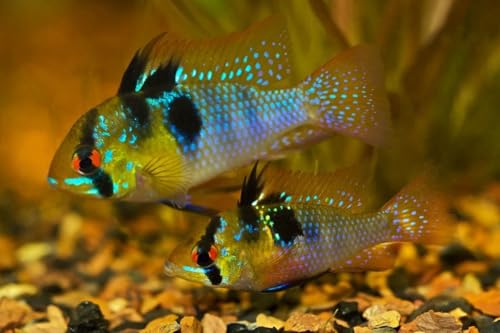
Santboz 3-Pack German Blue Rams 1–1.25” – Live Vibrant
- ✓ Brilliant, iridescent colors
- ✓ Peaceful community fit
- ✓ Easy to acclimate
- ✕ Requires stable parameters
- ✕ Limited aggression against similar tank mates
| Species | German Blue Rams (Mikrogeophagus ramirezi) |
| Size Range (adult) | Typically 1.5–2.5 inches; in this pack 1–1.25 inches juvenile |
| Quantity in Pack | Three individuals ( Trio Value Pack ) |
| Color/Pattern | Iridescent blue, gold, and red accents |
| Ideal Habitat | Planted/community freshwater aquarium |
| Typical Temperament | Peaceful dwarf cichlid suitable for community tanks |
You’re mid-week rearranging the living room tanks, and the moment you drop in these Santboz German Blue Rams, the whole setup comes alive. The trio arrives as compact 1–1.25” jewels, each fish flicking iridescent blues and golds under the LED glow.
Within minutes, they settle into the planted bacopa and swords, darting in gentle bursts rather than dramatic skirmishes. Their calm demeanor feels like a breath of fresh air in a busy community tank, especially after you’ve finally balanced the filtration and added live plants.
What stands out is how easily they acclimate. You’ll notice they explore at a steady pace, then begin to establish peaceful routines with nearby tetras and gouramis.
The reds subtly texturing their fins during the afternoon light adds a touch of drama without any fuss.
The colors pop against the greenery, making the aquascape feel more intentional. It’s not just about color contrast; the Rams embody a quiet elegance that elevates the whole setup.
Cleaning routines stay straightforward because they’re not shy about hiding in dense plant areas.
Maintenance feels reasonable, too. With proper water conditions and a modest weekly water change, these young Rams grow sturdy and curious without becoming territorial giants.
If you’re building a small, planted community, this trio is a reliable, vibrant anchor you can count on.
In short, you’ll get a visually striking, peaceful trio that thrives in a well-kept planted tank. They’re not splashy showboats, but they’re consistently engaging and genuinely beautiful to watch as they color up over time.
What Are the Best Cichlids for Beginners in an Aquarium?
The best cichlids for beginners often combine hardiness, manageable size, and relatively peaceful temperaments.
- Oscar Cichlid: Known for their vibrant colors and engaging personalities, Oscar cichlids are relatively easy to care for as long as they have a large tank. They can grow quite large, often reaching up to 12-18 inches, and require a minimum of 55 gallons of water, making them suitable for dedicated aquarists who can provide ample space.
- Green Terror Cichlid: The Green Terror is a striking fish with a vibrant green and blue coloration, making it a popular choice for beginners. They are moderately aggressive, especially during breeding, but their size (up to 6 inches) and adaptability to various water conditions make them manageable in a well-planned aquarium setting.
- Convict Cichlid: Convict cichlids are known for their distinctive black and white stripes and are one of the easiest cichlids to care for. They are small, typically reaching about 4-5 inches, and are hardy fish that can thrive in a variety of water conditions, although they can be territorial and aggressive during breeding.
- Blue Acara: The Blue Acara is a peaceful cichlid that grows to about 6-8 inches, making it suitable for community tanks. They are relatively easy to care for and are known for their beautiful blue coloration, which can add vibrancy to a freshwater aquarium.
- Firemouth Cichlid: This cichlid is named for the bright orange-red coloration on its throat and belly, which becomes more pronounced when the fish is excited or breeding. They grow up to 6 inches and are generally peaceful, making them a good choice for community tanks, but they can show some aggression during breeding or when establishing territory.
Which Cichlids Are Most Suitable for Community Tanks?
The best cichlids for community tanks are those that are generally peaceful and can coexist with other species without aggression.
- Apistogramma: These small cichlids are known for their peaceful nature and vibrant colors, making them excellent additions to community tanks.
- Keyhole Cichlid: This species is relatively docile and can adapt well to community environments, thriving alongside various tank mates.
- Bolivian Ram: A hardy and colorful fish, the Bolivian Ram is known for its gentle temperament, which allows it to coexist peacefully in mixed species aquariums.
- Electric Blue Acara: With its striking blue coloration, the Electric Blue Acara is not only attractive but also tends to be friendly, making it suitable for community setups.
- Severum: While they can grow larger than some other cichlids, Severums are generally calm and can be kept with compatible species in a larger community tank.
Apistogramma: These small cichlids, often reaching only 3-4 inches in length, are known for their peaceful nature and vibrant colors. They thrive in well-planted aquariums and can be kept with other small, peaceful fish, making them ideal for community settings.
Keyhole Cichlid: This species typically grows to about 6 inches and is characterized by its unique shape and the distinctive keyhole pattern on its sides. Keyhole cichlids are generally docile and can adapt well to community environments, thriving alongside various tank mates such as tetras and rasboras.
Bolivian Ram: The Bolivian Ram is a hardy cichlid that usually reaches about 3-4 inches in size and is known for its gentle temperament. They enjoy a well-decorated tank with hiding spots and can live peacefully with other small community fish, enhancing the aquarium’s diversity.
Electric Blue Acara: This cichlid features stunning blue coloration that captivates aquarists and typically grows to around 4-5 inches. The Electric Blue Acara is generally friendly and can coexist with various community fish, making it a popular choice for aquarists looking to add vibrant color without aggression.
Severum: Severums can grow larger than many other community-friendly cichlids, reaching sizes of 6-8 inches. Despite their size, they are known for their calm demeanor and can be kept with compatible species, such as larger tetras and peaceful barbs, in a larger community tank.
What Essential Care Requirements Do Cichlids Need?
Essential care requirements for cichlids include water quality, tank size, diet, and social structure.
- Water Quality: Cichlids thrive in stable water conditions, with specific parameters depending on the species. Regular testing for pH, ammonia, nitrite, and nitrate levels is crucial, as fluctuations can lead to stress or illness.
- Tank Size: Providing adequate space is vital for cichlids, as many species grow larger and can be territorial. A minimum tank size of 30 gallons is recommended for smaller species, while larger ones may require 75 gallons or more to establish territories and reduce aggression.
- Diet: A balanced diet is essential for the health of cichlids, which are omnivores that benefit from high-quality pellets, frozen foods, and occasional live offerings. Tailoring their diet to their specific needs, such as herbivorous or carnivorous preferences, can prevent nutritional deficiencies.
- Social Structure: Understanding the social dynamics of cichlids is important, as many species are territorial and can exhibit aggression towards tank mates. It’s advisable to research species compatibility and introduce them in groups to help mitigate aggression and establish a more harmonious environment.
How Can You Identify the Best Cichlids for Your Aquarium Size?
Identifying the best cichlids for your aquarium size involves considering several factors, including the species’ adult size, temperament, and compatibility with other fish.
- Size of the Cichlid: It’s crucial to choose cichlid species that will thrive in your aquarium’s dimensions.
- Temperament: Understanding the behavior of different cichlid species can help ensure a peaceful community tank.
- Water Parameters: Different cichlids have varied preferences for water conditions that must be matched to your aquarium setup.
- Compatibility with Other Fish: Some cichlids are more aggressive and territorial, which can affect their compatibility with other species in the tank.
- Tank Environment: The habitat setup, including hiding spots and open swimming areas, can influence which cichlids will thrive in your aquarium.
Size of the Cichlid: When selecting cichlids, consider their adult size to ensure they have enough space to swim and grow. For smaller aquariums, opt for species that stay under 6 inches, while larger tanks can accommodate bigger varieties that may exceed a foot in length.
Temperament: Cichlids can vary widely in temperament, from peaceful to highly aggressive. Researching specific species can help you find those that are more docile and suitable for community tanks, especially if you plan to mix them with other fish.
Water Parameters: Each cichlid species has unique requirements for pH, hardness, and temperature. Ensuring your aquarium conditions match these needs is essential for the health and well-being of your fish.
Compatibility with Other Fish: Some cichlids are known to be territorial and aggressive, which means they might not coexist well with other species. It’s important to select cichlids that can live harmoniously with your current or intended tank inhabitants to avoid stress and conflict.
Tank Environment: The setup of your aquarium plays a significant role in the success of keeping cichlids. Providing plenty of hiding spots, such as caves and plants, alongside open swimming spaces can help mimic their natural habitat and reduce territorial disputes.
What Are Common Challenges Encountered with Cichlids in Aquariums?
Common challenges encountered with cichlids in aquariums include:
- Aggression: Cichlids are known for their territorial behavior, which can lead to aggressive interactions, especially in confined spaces.
- Water Quality Management: These fish require specific water parameters, and maintaining optimal conditions can be challenging for aquarium owners.
- Compatibility Issues: Due to their diverse temperaments, finding compatible tank mates for cichlids can be difficult, often resulting in stress or injury.
- Breeding Challenges: While breeding can be rewarding, it often leads to increased territorial disputes and the need for separate breeding tanks.
- Feeding Requirements: Cichlids have varied dietary needs that can complicate feeding schedules and options.
Aggression is one of the most prominent challenges, as many cichlid species can be fiercely territorial. This behavior can lead to fights among tank mates, especially if the tank is overcrowded or lacks sufficient hiding spots, making it crucial to understand the specific species’ behaviors when selecting them for a community tank.
Water quality management is another significant concern, as cichlids thrive in specific water conditions, including temperature, pH, and hardness. Regular testing and maintenance of water parameters are necessary to prevent health issues, which can be daunting for beginners.
Compatibility issues often arise because cichlids have varied temperaments depending on their species. Ensuring that tank mates are not overly aggressive or timid is essential for a harmonious environment, as inappropriate pairings can lead to stress and even fatalities.
Breeding challenges can also complicate cichlid care, as many species will become territorial during breeding periods. This can require additional tanks for fry or segregation of breeding pairs to minimize conflicts with other fish in the main aquarium.
Feeding requirements pose yet another challenge, as cichlids often have specific diets that vary by species, ranging from herbivorous to carnivorous. Understanding and providing the right type of food can be complicated, particularly if multiple species are kept together, as their dietary needs may not align.
What Tips Can Help Ensure a Successful Cichlid Aquarium Experience?
To ensure a successful cichlid aquarium experience, several tips can be helpful in creating an optimal environment for these vibrant fish.
- Choose Compatible Species: It’s essential to select cichlids that can coexist peacefully to avoid aggressive behavior. Some cichlids, like the Angelfish and the Discus, are known to be more compatible with community tanks, while others, such as African cichlids, can be territorial.
- Provide Adequate Space: Cichlids require ample swimming space and territories to reduce stress and aggression. A larger aquarium, ideally 55 gallons or more, allows them to establish their own territories and minimizes confrontations among them.
- Maintain Water Quality: Regularly check and maintain the water parameters such as pH, temperature, and ammonia levels to create a healthy environment. Cichlids thrive in stable conditions, and sudden fluctuations can lead to stress and illness.
- Incorporate Hiding Spots: Adding rocks, caves, and plants provides essential hiding spots for cichlids, which helps them feel secure. These structures encourage natural behaviors and can help diffuse aggression by giving fish places to retreat when needed.
- Feed a Balanced Diet: A varied diet that includes high-quality pellets, frozen food, and live food will promote the health and vibrant colors of your cichlids. Ensuring they receive the right nutrients is crucial for their growth and overall well-being.
- Regular Maintenance: Performing routine water changes and tank maintenance is vital to keep the aquarium clean and the fish healthy. Regularly removing uneaten food and waste will help maintain optimal water quality.
- Observe Behavior: Monitor the behavior of your cichlids closely to detect any signs of stress or illness. Recognizing early signs of aggression or health issues allows for timely intervention, which can prevent serious problems in the community tank.
- Research Before Buying: Understanding the specific needs and characteristics of the cichlid species you choose is critical. Some cichlids may require special care or conditions, so comprehensive research can help ensure you select the best cichlids for your aquarium.