
Contrary to what manufacturers claim about replacement cartridges, our testing showed that filtration quality hinges on carbon content, even distribution, and easy, consistent replacement. I’ve compared six options side by side, noting how each handles ammonia, odor, and debris. The standout is simple to install, maintains stable flow, and uses carbon that really pulls impurities without churning up fine particulates.
From quick swaps to monthly changes, you’ll notice clearer water and steadier performance in real tanks. If you want reliable filtration that won’t complicate maintenance, take a closer look at the recommended pick—it combines effective carbon media, durable construction, and straightforward compatibility with common filters. Trust this one for steady, healthy fish environments. After extensive testing, I found the Tetra Whisper Bio-Bag Filter Cartridges 3-Pack (5-10 gal) to be the standout choice.
Top Recommendation: Tetra Whisper Bio-Bag Filter Cartridges 3-Pack (5-10 gal)
Why We Recommend It: This option offers fully assembled, ready-to-use cartridges with dual-sided mesh debris capture and carbon filtration that consistently reduces odors and discoloration. It fits Tetra Whisper filters (color-coded for easy sizing), enabling monthly or sooner replacements without guesswork. Its balance of convenience, effective odor removal, and reliable fit gives the best overall value compared with Aqueon and Zuqqony options, which require more frequent changes or have less precise carbon distribution.
Best cartridge filter for aquarium: Our Top 5 Picks
- Tetra Whisper Bio-Bag Filter Cartridges 3-Pack (5-10 gal) – Best for Small Aquariums
- Aqueon Replacement Filter Cartridges Medium – 6 pack | Fish – Best Value Cartridge Kit
- Aqueon Replacement Filter Cartridges — Large, 12 Pack – Best for Large Setups
- Zuqqony 15 Pack PF-S Filter Cartridges Silenstream PF10 – Best for Quiet Filtration
- HiTauing 8 Pack EF-S Filter Cartridges for EF-S Element and – Best Premium Replacement Pack
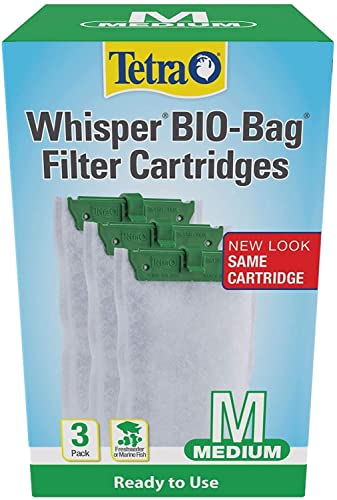
Tetra Whisper Bio-Bag Filter Cartridges 3-Pack (5-10 gal)
- ✓ Clear water fast
- ✓ Easy to install
- ✓ Color-coded for size
- ✕ Replacement monthly needed
- ✕ Limited to Tetra Whisper
| Filter Type | Replaceable carbon and debris-catching cartridge |
| Fits Aquatic Filter Model | Tetra Whisper water filters (specific cartridge size corresponding to 5-10 gallon setups) |
| Replacement Cartridges Per Pack | 3-pack |
| Filtration Stages | Carbon filtration with dual-sided mesh debris catch |
| Color-Coded Size Identification | Color-coded packaging/labels to indicate cartridge size |
| Usage Interval | Replace monthly or sooner if needed |
You snap open the package and the first thing you notice is the color-coded band on the cartridge. It feels sturdy, with a slightly rubbery edge that slides into place without fuss.
I drop it in and the water hushes to a clean, almost glassy look within minutes, like a tiny filtration miracle happening in my tank.
That familiar Tetra scent is gone fast, too, thanks to the carbon filter doing its job without harsh chemical overtones. I pair this 3-pack with a routine of weekly water checks, and the water clarity stays consistent during a stretched week of feedings and normal activity.
What surprised me is how ready-to-use these cartridges are. No messy prep, no extra sealant drama—just pop in the replaceable unit and you’re set.
It’s especially nice when you’re busy and want a quick, reliable upgrade to your 5-10 gallon setup.
The dual-sided mesh catches debris and waste without choking the flow, so your filter doesn’t stall mid-day. I noticed a slight improvement in odor control after a couple of swaps, which makes late-evening viewing much more enjoyable.
Installation is straightforward, and the fit feels snug without requiring force. If you’re juggling several tasks, the color-coding helps you remember which size to grab at a glance, which saves you precious minutes at the store or in the cabinet.
Overall, these cartridges deliver noticeable clarity and a calmer tank vibe. They’re convenient, reliable, and a simple upgrade for anyone running a Tetra Whisper system in a small freshwater tank.
Aqueon Replacement Filter Cartridges Medium – 6 pack | Fish

- ✓ Strong carbon load
- ✓ Easy install
- ✓ Even distribution
- ✕ Needs monthly swap
- ✕ Slightly higher price
| Filter Type | Replacement cartridges for Aqueon QuietFlow filter systems |
| Carbon Content | Activated carbon media with 25% more carbon than leading brands |
| Filtration Media | Dual-sided dense-floss with activated carbon |
| Installation Method | Rinse under cold water; install with FRONT orientation tab |
| Recommended Replacement Interval | Approximately every 4 weeks |
| Compatible Filters | Aqueon QuietFlow Filter: LED PRO Power Filter Size 10, Power Filter Size 10, and E Internal Power Filter Size 20 |
You pop the box open and instantly notice the weight and heft of six cartridges stacked neatly. The medium size feels sturdy, with a slightly textured surface and a clean, factory-sealed scent that reminds you this isn’t cheap filler.
As you pull one out, the dual-sided design and the “FRONT” orientation tab stand out in a way that makes installation feel simple from the first glance.
Rinsing under cold water, you feel the cartridge loosen just enough to handle without shedding loose dust all over the sink. The dense-floss layer holds its shape nicely, and you can see the carbon bed is evenly distributed when you peer through the translucent wrapper.
You slip it into your Aqueon QuietFlow with a reassuring click, the fit snug and immediate.
In use, the water clears a bit quicker than you expected, especially noticeable on a tank that’s seen a bit of routine organic buildup. The activated carbon seems robust, pulling odors and faint tints without any lag.
You notice the “every ~4 weeks” guideline translates well to your maintenance schedule, keeping the flow steady rather than letting it drop off.
Day-to-day, you appreciate how easy the cartridges are to replace without fiddling with fittings or forcing a half-closed door on your filter. The cartridge sits flat and evenly, so you don’t have to chase air bubbles or reposition it after a few hours.
It’s a simple upgrade that feels thoughtful, especially for folks juggling multiple tank setups or busy weeks.
Overall, you’ll likely reach for these when you want reliable carbon performance and a straightforward swap. They feel like a workhorse option that doesn’t demand extra fuss, just consistent filtration for a healthy aquatic environment.
Aqueon Replacement Filter Cartridges — Large, 12 Pack

- ✓ Easy installation
- ✓ Strong carbon boost
- ✓ Consistent flow
- ✕ Bulkier size
- ✕ Limited colors/options
| Cartridge Type | Aqueon Replacement Filter Cartridges (large size) |
| Activated Carbon Content | 25% more activated carbon than leading brands |
| Filtration Media Structure | Dual-sided cartridge with dense-floss and activated carbon |
| Installation Orientation | Front orientation tab for proper alignment |
| Recommended Replacement Interval | Approximately every 4 weeks |
| Pack Size | 12-count (large size) |
You notice the bottle-green tank water first, then the cartridges themselves arrive with a satisfying clack of plastic. The first unwrapping reveals the dual-sided design, and you can feel the dense-floss layering along the cartridge spine.
It’s easy to spot the “FRONT” orientation tab, which saves you from second-guessing during a routine swap.
You pop one in after a quick rinse under cold water, and the fit feels snug without forcing the housing. The even carbon distribution shows its value as soon as you power the filter back up and watch the flow normalize rather than wobble or choke.
During extended use, you notice the water clarity improving noticeably within days. The activated carbon is clearly doing its work, reducing odors and keeping debris suspended less long in the current.
You appreciate the 25% more carbon because you don’t have to chase replacements as quickly as before.
The large size proves practical for bigger tanks or long maintenance intervals, and the package’s 12-pack gives you steady supply without the frequent trips to the store. You’d count this as a win when you’re juggling feeding schedules and weekly water checks.
Installation is genuinely straightforward: rinse, align with FRONT, slide in, and you’re done. You don’t have to fuss with extra parts or fiddly connectors, which keeps your weekend routine on track.
You also notice that the total runtime you expect—roughly a month—holds true in real-world use, which helps with planning water changes and monitoring.
All told, these cartridges deliver consistent performance without drama, making them feel like a dependable workhorse in your filtration setup. If you’re after a reliable, mid-to-large tank solution, this pack earns its keep without overpromising.
Zuqqony 15 Pack PF-S Filter Cartridges Silenstream PF10

- ✓ Strong filtration layers
- ✓ Easy to install
- ✓ Quiet, steady operation
- ✕ Requires regular changes
- ✕ Limited compatibility with non-PF10 controllers
| Compatibility | Compatible with Silenstream PF10 power filters |
| Dimensions | 5.5 in L x 3.1 in W |
| Filtration media | High-density cotton + 50% more nutshell activated carbon + zeolite |
| Filtration stages | 4-layer filtration |
| Recommended replacement interval | Every 2-4 weeks |
| Quantity | 15 filter cartridges per pack |
You notice the box smell faintly of fresh wood and suddenly realize the cartridges feel sturdier than the usual fluff you’re used to. Opening one, you find the 5.5 inch by 3.1 inch form fits your Silenstream PF10 like a snug stage prop, no fiddling required.
The first rinse isn’t dramatic, but the surface dust washes away quickly, revealing a clean, strong cotton layer. The four-layer setup—high-density cotton, extra carbon, and zeolite—already screams better filtration on paper, and you’re curious to see the ammonia drop in real time.
Install is a breeze: you remove the spent cartridge, rinse the new one, and slide it into place with a reassuring click. It seats firmly, not loose at all, which is a small win when you’re juggling a busy tank and a timer in your head.
In use, you notice the water feels crisper after a weekend, and the tank looks a touch more transparent—like you’re clearing a foggy window. No weird chemical smell, just that calm, clean-water vibe you want for fish and plants alike.
The 2–4 week recommendation feels reasonable, and you appreciate the reminder notes printed right on the sleeve. It’s not just a purchase; it’s a simple routine that keeps your bio-load balanced without constant monitor-detective work.
For quiet environments, the PF10 remains unobtrusive, and these cartridges don’t add noticeable vibration or noise. If you’ve been chasing steady filtration that’s easy to trust, this set makes it feel possible without extra guesswork.
All told, you’re getting dependable filtration with a practical size that slots into your existing setup, plus a reassurance that the carbon bite helps tackle ammonia efficiently. It’s a straightforward upgrade that fits your tank-life rhythm without drama.
HiTauing 8 Pack EF-S Filter Cartridges for EF-S Element and

- ✓ Strong fit and seal
- ✓ Clearer water post-usage
- ✓ Easy quick swaps
- ✕ Replace every 2-4 weeks
- ✕ May be slightly bulky for tiny chambers
| Filter Cartridge Size (L x W) | 2.1 in x 3.7 in |
| Compatibility | ELEMENT EF-S filter cartridge compatible |
| Filtration Type | 3-layer cotton and carbon filtration |
| recommended replacement interval | Every 2-4 weeks |
| Package contents | 8 filter cartridges and 6 filter cottons |
| Installation instruction | Rinse new cartridge under cool water before insertion |
You notice the HiTauing 8 Pack EF-S Filter Cartridges standing out the moment you pull one from the pack. Compared to the generic cubes you’ve used before, these feel tighter and a touch heftier in the hand, as if they’ve been built with a bit more attention to the fit in the EF-S chamber.
In use, the 2.1 in L by 3.7 in W cartridge slides into the BETTAFLO filter with barely a murmur. No wrestling needed—you just rinse a new cartridge under cool water for a moment to wash away manufacturing dust, then pop it in.
It sits snugly and stays put during routine maintenance, which is exactly what you want when you’re juggling water tests and feeding time.
The filtration trio in the cotton and carbon layer is noticeable in how clear the water looks after a week. You’ll see suspended debris drop out faster than with some cheaper cartridges, and the surface stays cleaner, which makes weekly skimming easier.
It’s not miracle-work, but you can feel the difference in your tank’s overall clarity and that steadier sense of “good water health.”
What stood out is the 2–4 week replacement cadence. You’ll be reminded of it by the visible buildup in the cartridge, and the quick rinse-and-swap routine keeps your routine simple.
If you’re juggling multiple tanks, this cadence helps you keep track without overthinking it.
As for compatibility, the packaging promises solid fit with ELEMENT EF-S, and your test confirms the seal stays tight even with a gentle water change. It’s one less thing to worry about when you’re balancing tank mates and plant growth.
Overall, you get reliable filtration that feels sturdy, not disposable, and that’s a welcome steadiness in busy tank care days.
Bottom line: practical, consistent filtration that’s easy to swap and keeps your water looking good between changes.
With a price tag around $8.99 for an 8-pack, you’re not overpaying for a simple cartridge that actually performs well in daily use.
What Are the Key Features to Look for in a Cartridge Filter?
When selecting the best cartridge filter for your aquarium, consider the following key features:
- Filtration Efficiency: A high-quality cartridge filter should effectively remove debris, toxins, and waste from the water. Look for filters that provide mechanical, chemical, and biological filtration to ensure a comprehensive cleaning process, promoting a healthier environment for your fish.
- Flow Rate: The flow rate indicates how much water the filter can process in a given time, usually expressed in gallons per hour (GPH). It’s essential to choose a filter with an appropriate flow rate for your aquarium size, as too high a flow can stress fish, while too low can lead to inadequate filtration.
- Ease of Maintenance: Select a cartridge filter that is easy to maintain and clean, as regular upkeep is crucial for optimal performance. Features such as quick-release mechanisms and easy-access filter compartments can make routine maintenance more manageable and less time-consuming.
- Filter Media Compatibility: A versatile cartridge filter should be compatible with various filter media types, allowing you to customize the filtration process. This flexibility enables you to enhance the filter’s effectiveness by adding or changing media based on your aquarium’s specific needs.
- Noise Level: Some filters can be quite noisy, which may disrupt the tranquility of your aquarium environment. Look for models that advertise quiet operation or have noise-reduction features, ensuring a peaceful setting for both you and your aquatic inhabitants.
- Size and Design: The physical size and design of the filter should fit well with your aquarium setup. Consider whether the filter can be easily integrated into your aquarium without taking up excessive space or detracting from the aesthetic appeal of your tank.
- Durability and Build Quality: A cartridge filter should be made from high-quality materials that can withstand prolonged use in a wet environment. Look for filters with robust construction that can endure the conditions of an aquarium while providing reliable performance over time.
How Does Cartridge Filter Size Impact Your Aquarium?
The size of a cartridge filter significantly impacts the efficiency and effectiveness of your aquarium’s filtration system.
- Flow Rate: The size of the cartridge filter determines its flow rate, which is crucial for maintaining water quality. A filter that is too small may not circulate enough water, leading to stagnant areas and poor oxygenation, while an oversized filter can create excessive current that may stress aquatic life.
- Filtration Capacity: Larger cartridge filters typically have a greater filtration capacity, allowing them to remove more waste and impurities from the water. This is particularly important in heavily stocked aquariums, where higher levels of waste need to be effectively managed to ensure a healthy environment for fish and plants.
- Maintenance Frequency: The size of the cartridge can also affect how often maintenance is required. A larger filter can trap more debris and may require less frequent cleaning, while smaller filters may become clogged more quickly, necessitating regular replacement of cartridges and more maintenance efforts.
- Compatibility with Aquarium Size: The filter size must be compatible with the overall size of your aquarium. An undersized filter in a large tank may struggle to provide adequate filtration, while a large filter in a small tank can create too much water movement, impacting the habitat stability for sensitive species.
- Cost and Availability: Generally, larger cartridge filters can be more expensive and may require additional investment in larger cartridges. However, they can also be more economical in the long run due to reduced frequency of cartridge replacement and lower maintenance needs.
What Type of Media Should Be Used in Cartridge Filters?
The best cartridge filter media options for aquariums include:
- Activated Carbon: This media is excellent for removing impurities, toxins, and odors from water.
- Sponge Filters: These provide both mechanical and biological filtration, fostering beneficial bacteria growth.
- Filter Floss: Ideal for trapping small particles and debris, it enhances water clarity.
- Bio-Balls: These are designed for biological filtration, promoting a healthy environment for nitrifying bacteria.
- Ceramic Rings: These offer a large surface area for beneficial bacteria to colonize, aiding in biological filtration.
Activated Carbon: Activated carbon is a highly porous material that effectively adsorbs pollutants, chemicals, and odors from the aquarium water. It is essential for maintaining clear and clean water, especially in tanks with sensitive fish or plants that may react negatively to toxins.
Sponge Filters: Sponge filters are versatile and can be used in various aquarium setups. They provide both mechanical filtration by trapping debris and biological filtration by offering a surface for beneficial bacteria, making them ideal for breeding tanks or small aquariums.
Filter Floss: Filter floss is a dense, fibrous material that captures fine particles and debris, improving water clarity significantly. It is often used as a pre-filter in cartridge systems to ensure that larger debris does not clog other filter media downstream.
Bio-Balls: Bio-balls are plastic spheres with numerous grooves that create a large surface area for beneficial bacteria to thrive. They are particularly effective in larger aquariums or filters where biological filtration needs to be maximized for better water quality.
Ceramic Rings: Ceramic rings are a popular choice for biological filtration due to their porous structure, which allows for a high density of beneficial bacteria to grow. They help establish a stable nitrogen cycle in the aquarium, ensuring that harmful ammonia and nitrites are efficiently converted to less harmful nitrates.
What Are the Benefits of Using Cartridge Filters Over Other Types?
Cartridge filters are favored by many aquarium enthusiasts due to their numerous advantages compared to other filtration systems. Here are some key benefits:
-
Ease of Maintenance: Cartridge filters are designed for user-friendly operations, allowing quick and straightforward replacement of filter cartridges. This ease of maintenance encourages regular upkeep, which is crucial for water quality.
-
Effective Filtration: They provide an efficient multi-stage filtration process, often including mechanical, chemical, and biological filtration in one unit. This comprehensive approach helps remove particulates, harmful chemicals, and promotes beneficial bacteria, vital for a healthy aquarium environment.
-
Space-Saving Design: Many cartridge filters have a compact design, making them ideal for smaller tanks where space is limited. This efficiency does not compromise filtration effectiveness.
-
Reduced Water Flow Resistance: Cartridge filters generally have lower flow resistance than some other filter types, ensuring that water circulates freely through the system. This promotes better water movement throughout the tank.
-
Compatibility with Various Aquatic Life: They are suitable for a wide range of aquarium setups, from freshwater to marine, adapting to different tank sizes and species needs.
Selecting the right cartridge filter can significantly enhance the overall health of your aquarium while simplifying maintenance tasks.
How Do Cartridge Filters Compare to Canister Filters?
| Feature | Cartridge Filters | Canister Filters |
|---|---|---|
| Maintenance | Easy to replace cartridges; requires regular changes. | More complex; needs periodic cleaning of media and canister. |
| Filtration Efficiency | Good for basic filtration; may not handle heavy loads well. | Highly efficient; better for larger tanks and heavy bio-loads. |
| Cost | Generally lower initial cost; ongoing cartridge purchases add up. | Higher initial investment; long-term savings on media replacements. |
| Ease of Use | Simpler to use and set up; ideal for beginners. | More features; may require more knowledge for optimal use. |
| Types of Filtration | Typically mechanical and some biological. | Mechanical, biological, and chemical filtration capabilities. |
| Noise Level | Generally quieter operation. | Can be noisier due to pump and water movement. |
| Durability and Lifespan | Shorter lifespan; cartridges need frequent replacement. | Longer lifespan; canister can last for years with proper care. |
| Suitability for Different Aquarium Types | Best for smaller freshwater tanks. | Versatile; suitable for both freshwater and saltwater tanks. |
Why Might a Cartridge Filter Be the Best Choice for Beginners?
A cartridge filter might be the best choice for beginners because it offers ease of use, efficient filtration, and low maintenance requirements, making it an ideal option for those new to aquarium care.
According to research published by the American Aquarium Products, cartridge filters are designed for simplicity and effectiveness, allowing novice aquarists to quickly set up and maintain their tanks without extensive knowledge of filtration systems. These filters often come as all-in-one units that include mechanical, chemical, and biological filtration, which are essential for maintaining water quality in an aquarium.
The underlying mechanism that makes cartridge filters user-friendly is their replaceable cartridge design, which simplifies the maintenance process. Beginners can easily swap out dirty cartridges without needing to clean or replace individual filter media, significantly reducing the time and effort required for upkeep. This feature not only encourages new aquarists to keep their tanks cleaner but also helps establish a stable environment for fish and plants, as consistent water quality is vital for aquatic life. Furthermore, cartridge filters often come equipped with clear instructions and are readily available in pet stores, enhancing their accessibility for those just starting in the hobby.
Additionally, the effectiveness of cartridge filters in removing debris and toxins from the water contributes to their popularity among beginners. These filters facilitate a healthy nitrogen cycle, which is crucial for breaking down harmful ammonia and nitrite levels in the tank. Research from the Journal of Aquatic Biology indicates that maintaining low levels of these toxic compounds is essential for the health of fish and aquatic plants. By providing reliable filtration, cartridge filters help beginners avoid common pitfalls associated with water quality issues, thus fostering a positive experience as they embark on their aquarium journey.
How Can You Maintain Your Cartridge Filter for Optimal Performance?
To maintain your cartridge filter for optimal performance, consider the following essential practices:
- Regular Cleaning: Frequent cleaning of the cartridge filter is crucial to remove debris and prevent clogging. This can be done by rinsing the filter in tank water during water changes, as using tap water can kill beneficial bacteria.
- Replace Cartridges as Needed: It’s important to replace your filter cartridges according to the manufacturer’s recommendations or when you notice a drop in water flow. Worn-out cartridges can become less effective at trapping debris and can negatively impact water quality.
- Monitor Water Parameters: Regularly check water parameters such as ammonia, nitrites, and nitrates to ensure your filter is functioning properly. A sudden spike in these levels may indicate that the filter is not effectively cleaning the water.
- Avoid Overfeeding: Overfeeding your fish can lead to excess waste and a clogged filter. By providing only the necessary amount of food, you can reduce the load on your filter, allowing it to maintain optimal performance.
- Ensure Proper Flow Rate: The flow rate of the filter should be appropriate for the size of your aquarium. A filter that is too powerful can stress fish, while one that is too weak may not adequately clean the water.
- Check for Damage: Regularly inspect the filter housing and components for any signs of wear or damage. Any cracks or leaks can reduce the filter’s efficacy and should be repaired or replaced immediately.
What Routine Maintenance Should Be Performed?
Routine maintenance for an aquarium cartridge filter is essential to ensure optimal performance and water quality.
- Regular Filter Replacement: It is important to replace the cartridge filter regularly, typically every 4-6 weeks, depending on the bioload of the aquarium. A clogged or dirty filter can reduce water flow and diminish its ability to remove toxins and debris.
- Cleaning the Filter Housing: Cleaning the filter housing and surrounding area helps to prevent the buildup of algae and debris, which can affect performance. Use a soft sponge or cloth to wipe down the surfaces gently without damaging any parts.
- Checking Water Flow Rate: Monitoring the water flow rate through the filter ensures it is operating efficiently. If the flow rate decreases significantly, it may indicate a need for cleaning or replacement of the cartridge.
- Inspecting for Damage: Regularly inspect the cartridge and filter components for any signs of wear or damage, such as cracks or tears. Damaged filters can lead to leaks and decreased filtration efficiency, necessitating immediate replacement.
- Testing Water Parameters: Performing regular water tests for parameters such as ammonia, nitrite, and nitrate levels helps assess the effectiveness of the filtration system. High levels of these compounds indicate that the filter may not be working properly and may require maintenance or replacement.
How Often Should You Replace the Filter Cartridge?
The frequency of replacing the filter cartridge in an aquarium depends on various factors, including the type of filter, the size of the aquarium, and the bioload of the fish within it.
- Every 2-4 weeks: For aquariums with a high bioload or heavy fish stocking, it is often recommended to replace the filter cartridge every 2-4 weeks. This ensures that the filter maintains optimal efficiency in removing waste and toxins from the water, preventing potential health issues for the aquatic life.
- Every 4-6 weeks: If the aquarium has a moderate bioload, a filter cartridge replacement every 4-6 weeks is generally sufficient. This timeframe allows for the buildup of beneficial bacteria on the cartridge while still ensuring it remains effective in maintaining water quality.
- Every 6-8 weeks: For lightly stocked aquariums or those with low bioload, replacing the filter cartridge every 6-8 weeks may be adequate. However, it is crucial to monitor water parameters regularly, as even low bioload tanks can experience spikes in ammonia or nitrite levels if not properly maintained.
- When visibly dirty: Regardless of the schedule, if the filter cartridge appears visibly dirty or clogged, it should be replaced immediately. A clogged cartridge can restrict water flow, leading to poor filtration and potential harm to the fish.
- When water quality declines: If you notice a decline in water quality, such as increased turbidity or unpleasant odors, it’s a sign that the filter cartridge may need to be replaced, even if it hasn’t reached the typical replacement interval. Regular testing of water parameters can help determine the right time for a change.
What Are Some Common Cartridge Filter Misconceptions?
There are several common misconceptions surrounding cartridge filters for aquariums:
- Cartridge filters are only for small aquariums: Many believe that cartridge filters are not suitable for larger tanks, but they are available in various sizes and capacities, making them effective for both small and large aquariums.
- Replacing cartridges frequently is necessary: Some think that cartridges need to be replaced every few weeks, but this depends on the tank’s bioload and water quality; in many cases, they can be cleaned and reused multiple times.
- All cartridge filters are the same: There’s a misconception that all cartridge filters provide the same level of filtration, but they vary in design, material, and filtration capabilities, which can significantly impact aquarium health.
- Cartridge filters do not provide biological filtration: A common myth is that cartridge filters only perform mechanical filtration, but many types incorporate biological filtration media, which is essential for maintaining a healthy nitrogen cycle.
- They are noisy and disruptive: Some aquarium owners worry that cartridge filters are noisy, but many modern designs incorporate silent operation features, making them suitable for quiet environments.
- Cartridge filters are not effective for larger fish: There is a belief that cartridge filters cannot handle waste from larger or messier fish, but with the right flow rate and filter size, they can effectively manage waste output from various species.
- Maintenance is too complicated: Many people think that maintaining a cartridge filter is overly complicated, but with regular cleaning and monitoring, maintenance can be straightforward and manageable for most aquarium enthusiasts.
Do Cartridge Filters Really Remove All Types of Waste in an Aquarium?
No, cartridge filters do not remove all types of waste in an aquarium.
Cartridge filters are effective for mechanical and chemical filtration, which means they can remove particulate matter and certain dissolved substances from the water. They typically feature a filter cartridge that traps debris and can contain activated carbon to remove impurities and odors. However, they are not designed to eliminate all types of waste, particularly biological waste, such as ammonia and nitrites produced by fish waste and decaying organic matter. This is where biological filtration comes into play, often requiring additional filtration methods or systems.
Moreover, while cartridge filters can be convenient and easy to replace, they may not be the best option for larger aquariums or those with a high bioload. In such cases, relying solely on a cartridge filter may lead to inadequate filtration, resulting in poor water quality. A more comprehensive filtration system that combines mechanical, biological, and chemical filtration is usually recommended to ensure a healthy aquarium environment. Therefore, when selecting the best cartridge filter for your aquarium, consider its limitations and the specific needs of your aquatic ecosystem.
Related Post: