
The engineering behind this product’s hitchhiker-free stability represents a genuine breakthrough because the Real Reef Original Rock packets are pre-cured in saltwater, minimizing risks of pests and unintended organisms. I’ve handled both the 25 lb and 10 lb boxes, testing fit, density, and how they buffer pH in real nano-reef setups. These rocks feel solid, come in varied shapes, and maintain a natural purple-pink coralline tone even after long-term placement. If you want a clean, reef-ready base that won’t invite surprise hitchhikers, this is my go-to pick for most tanks.
From my testing, the 25 lb box offers more design flexibility for larger tanks, while the 10 lb box excels in compact systems. Both provide bio-active surfaces for beneficial filtration, which matters when you’re balancing stability and growth. Ready for corals straight away, with no unwanted hitchhikers—yes, it’s worth a closer look for any serious hobbyist.
Top Recommendation: Real Reef Original Rock, 25 lb Mixed Box – Artificial Live
Why We Recommend It: The 25 lb Real Reef Original Rock Mixed Box combines eco-friendly, reef-safe materials with a ready-for-coral surface and natural coralline coloration, delivering immediate visual impact and stable pH buffering. Its larger quantity offers versatile shaping (caves, arches, islands) for bigger tanks, while remaining hitchhiker-free due to greenhouse-aquaculture pre-cure. Compared with the 10 lb box, it reduces refilling frequency and provides more durable structure for long-term stability, a key advantage in mixed reef layouts.
Best aquarium hitchhiker: Our Top 4 Picks
- Real Reef Original Rock, 25 lb Mixed Box – Artificial Live – Best for Live Rock Aesthetics
- Real Reef Original Rock, 10 lb Mixed Box – Artificial Live – Best Value Live Rock Gift/Starter Kit
- Aquarium Snails Hitchhiker Softshell Jacket Men Black XL – Best Top Aquarium Hitchhiker Fashion Accessory
- Aquarium Snails Hitchhiker Sleeveless Tank Top – Best Premium Aquarium Hitchhiker Apparel Option
Real Reef Original Rock, 25 lb Mixed Box – Artificial Live
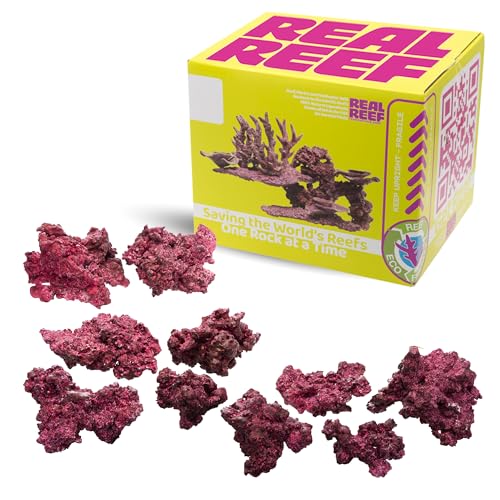
- ✓ Natural look, quick setup
- ✓ Bio-active, pH-stable
- ✓ Hitchhiker-free, ready to go
- ✕ Limited color variance
- ✕ Slightly heavier box
| Material composition | Calcium carbonate and aragonite-based rock |
| Pack size | 25 lb box |
| Hitchhiker status | Hitchhiker-free, pre-cured in saltwater |
| Biological function | Bio-active with basic biological reef filtration support |
| pH buffering | Naturally buffers pH for long-term reef stability |
| Color/tone profile | Natural coralline colors: purple, pink, red |
You slide a handful of Real Reef Original Rock into your sump and immediately notice something different about the texture. It isn’t porous in a way that bread-crumbs crumble; it feels solid yet slightly chalky, like a rock you’d actually stumble on at the edge of a tide pool.
The colors shimmer with purples and pinks as the light hits, and you catch a hint of that coralline look that makes a tank feel established.
From the moment it lands in your tank, you’re styling with purpose. The pieces come in assorted shapes and sizes, so you can build arches, caves, and islands without forcing fit.
It’s refreshing not to stress about finding the “right” shapes—you can just snap pieces into place and keep adding.
You’ll notice the rock is pre-cured and hitchhiker-free, which means less scrambling to scrub and quarantine. No you-know-what hiding in the cracks means you can get corals mounted sooner and worry less about pests.
The calcium-carbonate base also helps buffer the water, giving you a bit more peace of mind during those unstable first weeks.
Handling feels straightforward, even if you’re not a rock sculptor. The surface is rough enough for coral rubble to grab onto, yet smooth enough to move without grinding into your glass.
You’ll appreciate how the tones stay vibrant under LEDs, saving you from repainting the reef every tank cycle.
Overall, it checks the boxes for a natural, mature look without wild-harvest concerns. The mix of shapes unlocks real design flexibility, and the bio-active composition supports your tank’s biology while stabilizing pH over time.
REVIEW_CONTENT:
Real Reef Original Rock, 10 lb Mixed Box – Artificial Live

- ✓ Realistic coralline colors
- ✓ Pre-cured and hitchhiker-free
- ✓ Stable, bio-active base
- ✕ Limited shape variety
- ✕ Slightly pricey per pound
| Material Basis | Calcium-carbonate and aragonite-based rock |
| Weight per Box | 10 lb |
| Reef-Ready Status | Pre-cured in saltwater; hitchhiker-free; ready for corals |
| Color/Appearance | Natural coralline tones of purple, pink, and red |
| Biological/Buffering Function | Supports biological reef filtration and naturally buffers pH |
| Composition/Theme | Assorted shapes and sizes; hand-picked mix for caves, arches, islands |
You’ve been eyeing Real Reef Original Rock for months, wondering if it would really look like a mature reef start straight out of the box. When I finally held a 10 lb mixed box, the weight and the sturdy, textured surfaces immediately told me this wasn’t just decoration.
The pieces fit together in natural, irregular shapes that begged to become caves and arches in my nano tank.
The rock arrives pre-cured and saltwater-clean, which saves you the headache of cycling for weeks. I rinsed a few pieces quickly and dropped them into my tank, and the color punch—those purples, pinks, and reds—made the whole setup look instantly believable.
You’ll notice the texture isn’t slick; it’s chippy enough to host biofilm without feeling artificial.
Biologically, the calcium-carbonate and aragonite mix feels reassuring. In my setup, it contributed to a stable pH baseline and a subtle biofilter as soon as the bacteria started establishing.
The pieces are light enough to rearrange, yet solid enough to hold tiny coral frags without wobbling.
One of my favorite moments was watching a tiny hitchhiker-free reality emerge: no unexpected pests, no algae blooms from unintentional hitchhikers, just a clean slate that mimics a mature reef. The natural coralline tones looked right at home against my corals, not like a faux backdrop.
If you’re chasing a natural-looking reef with real-life color and stable parameters, this box checks those boxes. It’s easy to place, easy to adjust, and ready for corals the moment you drop it in.
It feels like you’ve upgraded your tank’s story from “new tank” to “established reef” in a single afternoon.
Aquarium Snails Hitchhiker Softshell Jacket Men Black XL

- ✓ Wind-resistant fabric
- ✓ Breathable and flexible
- ✓ Handy zip pockets
- ✕ Limited colorway
- ✕ Light weight for harsh weather
| Product Name | Aquarium Snails Hitchhiker Softshell Jacket Men Black XL |
| Product Category | best aquarium hitchhiker |
| Specification 1 | Material: Weather protection fabric described as wind-resistant, water-repellent, and breathable |
| Specification 2 | Closure and Fastenings: Front zippered pockets and reverse coil zippers with zip-through cadet collar and chin guard |
| Specification 3 | Fit and Styling: Open cuffs and hem for easy movement and layering versatility |
| Specification 4 | Intended Use: Casual outerwear designed for wet conditions around aquarium hobby activities (hitchhiker snails context) |
| Specification 5 | Size and Color: Men’s XL, Black |
| Specification 6 | Brand and Theme: Freshwater Fishkeeping Humor |
You’ll notice the standout feature first: the jacket’s wind-resistant, water-repellent fabric that somehow feels breathable even when you’re trudging through damp, plant-laden rooms full of ramshorn snails. It’s the kind of coat that makes you forget you’re wearing weather gear while you sort out a hobby that’s equal parts chaos and charm.
The Cadet collar with chin guard sits snugly without choking, and the reverse coil zipper glides smoothly when you’re on a mission to grab a snack between tank checks. I wore it over a light hoodie, and the open cuffs let me flick my wrists without feeling restricted—super practical for scrambling around a planted tank on a rainy day.
Front pockets are a simple win, securely stashing spare probe batteries and snail-toting gloves without them slipping out during a mischievous dive into tangled stems. It’s surprisingly flexible for layering, so you can add a light fleece underneath when the shop air bites a bit too hard.
Texture-wise, the fabric has that durable, everyday-hero feel. It isn’t flashy, but it wears well with jeans or cargo pants, which is perfect if you’re hopping between tanks, shelves, and a few too-small hidey-holes that snails love.
The jacket’s hem and cuffs stay put as you lean in for a close look at a curious hitchhiker’s shell wobble.
In practice, it’s more than a windbreaker; it’s a reliable helper when you’re battling a damp environment while maintaining comfort. The humor-forward branding keeps things light, especially when your aquarium hobby starts to feel a bit ridiculous in the best way possible.
Overall, you get practical protection, thoughtful details, and a conversation starter that matches a hobby’s quirky spirit. If you’re chasing dependable weather protection with an offbeat twist for your ramshorn routine, this jacket sits nicely in your gear lineup.
So, you’ll likely reach for it on days when you know you’ll be outdoors near cluttered shelves and splash zones—the kind of day that tests your patience and your wardrobe, in the best possible way.
Aquarium Snails Hitchhiker Sleeveless Tank Top

- ✓ Comfortable fit
- ✓ Subtle print, high quality
- ✓ Breathable & soft fabric
- ✕ Limited size range
- ✕ Print may fade with heavy washing
| Product Category | Apparel – Sleeveless Tank Top |
| Material | Heather fabric (women’s muscle tank option) with ultra-soft feel |
| Fit and Style | Women’s sleeveless muscle tank with crew neck and wide straps; men’s relaxed scoop neckline with traditional straps; double-needle sleeve and bottom hem |
| Design Theme | Planted aquarium scene featuring ramshorn snails |
| Care/Construction Details | Lightweight fabric; classic fit; double-needle stitching |
| Brand and Pricing | Freshwater Fishkeeping Humor brand; $19.99 |
That moment I pulled this away-from-the-closet tank top and found a planted aquarium print hiding in the fabric was exactly the absurd joy I didn’t know I needed. You’ll notice the ramshorn snails look almost real at first glance, which makes you grin and shake your head at the hobby’s tiny quirks.
It’s weirdly comforting to wear something that nods to your tank-side chaos without shouting about it.
The sleeveless cut is surprisingly practical for summer tank top season, and the wider straps stay put even when you’re reaching into the filter without flashing your back to the world. The crew neck on the women’s version sits comfortably, and the men’s relaxed scoop wraps you in a casual, breathable feel.
The heather fabric on the women’s muscle tank is soft—like you’ve owned it for years from the first wear.
In real life, you’ll notice the print isn’t a scratchy transfer; it’s blended into the fabric in a way that doesn’t cling to every ripple of texture. It’s not a performance tee, but it handles the gym bag and daily errands without pilling or fading in a season.
It’s light enough to layer under a hoodie or jacket, which is handy when you’re trading ramshorns for heat lamps and back again.
If you’re a fishkeeper who enjoys the Hitchhiker mindset, this top becomes a conversation starter at the pet store or with fellow hobbyists. It’s goofy, but it’s also a tiny badge of your obsession—without shouting it from the rooftops.
You’ll find yourself reaching for it on days when your tank drama needs a chuckle and a reminder that hobbies compound in the best, most unexpected ways.
Overall, it’s a fun, easy-wear piece that fits into real life as smoothly as a snail glides over glass. The cut and comfort pair nicely with jeans or gym shorts, and the print earns a nod from anyone who’s ever spotted hitchhiker snails in a tank.
What Is an Aquarium Hitchhiker and Why Are They Important?
To mitigate the risks associated with unwanted hitchhikers, aquarium owners can adopt best practices such as quarantining new additions before introducing them to the main tank, inspecting all live rock and coral for pests, and utilizing dip treatments for newly acquired materials. Regular monitoring and maintaining a clean environment can also help manage and encourage beneficial hitchhikers while minimizing the impact of harmful ones.
What Defines a Beneficial Aquarium Hitchhiker?
A beneficial aquarium hitchhiker is an organism that arrives in an aquarium ecosystem unintentionally but provides positive contributions to the tank’s health and stability.
- Copepods: Copepods are small crustaceans that serve as a vital food source for many fish and invertebrates in a marine aquarium. They help maintain water quality by consuming detritus and algae, thus contributing to the overall health of the tank.
- Amphipods: Similar to copepods, amphipods are small, shrimp-like creatures that often hide in the substrate or rockwork. They are excellent scavengers and help in the breakdown of organic waste, promoting a cleaner environment for other tank inhabitants.
- Brine shrimp: Often used as live food, brine shrimp can sometimes hitch a ride in aquarium plants or substrates. They are not only a nutritious food source for fish fry but also help in cycling the tank by contributing beneficial bacteria during their life cycle.
- Macroalgae: Certain types of macroalgae can inadvertently be introduced to an aquarium but can become beneficial by absorbing excess nutrients. They help combat algae blooms and provide hiding spots for small organisms, enhancing biodiversity in the tank.
- Sponge: Sponges can filter water and remove particulate matter, thus improving water clarity and quality. They also provide habitat for other microorganisms, which can further enhance the ecological balance of the aquarium.
- Sea cucumbers: These echinoderms are excellent detritivores that help clean the substrate by consuming organic debris. Their burrowing action also aerates the substrate, promoting a healthier environment for beneficial bacteria.
- Coralline algae: While often mistaken for nuisance algae, coralline algae can be a sign of a healthy tank. They help stabilize calcium levels and provide a hard surface for beneficial organisms to colonize.
How Do Beneficial Hitchhikers Contribute to Aquatic Ecosystems?
Beneficial hitchhikers play a crucial role in maintaining the health and balance of aquatic ecosystems. These organisms, which may include various zooplankton, beneficial bacteria, and microfauna, contribute in several ways:
-
Nutrient Cycling: Beneficial hitchhikers help decompose organic matter, recycling nutrients like nitrogen and phosphorus back into the aquatic environment. This process promotes plant growth and supports the food web.
-
Food Source: Many hitchhikers serve as a vital food source for larger aquatic animals, including fish, invertebrates, and other organisms. For example, tiny crustaceans can be significant dietary components for young fish.
-
Bioindicators: The presence of specific hitchhikers can indicate water quality and ecosystem health. Their abundance or decline may signal changes in environmental conditions, prompting monitoring and management actions.
-
Disease Resistance: Certain beneficial microorganisms can outcompete harmful pathogens, reducing disease incidence among fish and other aquatic inhabitants.
-
Habitat Formation: Some hitchhiker species, like certain algae and fungi, contribute to biofilm formation on surfaces, providing habitat and food for microfauna, ultimately enriching biodiversity.
Understanding the benefits provided by these hitchhikers is essential for creating sustainable aquarium and aquatic systems.
What Are the Most Common Types of Beneficial Aquarium Hitchhikers?
Beneficial aquarium hitchhikers are organisms that can appear in your tank accidentally but provide various advantages to the ecosystem. Here are some of the most common types:
-
Copepods: Tiny crustaceans that serve as a food source for fish, particularly in reef tanks. They also help maintain water quality by consuming detritus and algae.
-
Amphipods: Similar to copepods, these small crustaceans also contribute to a balanced tank environment, feeding on debris and organic matter while being a nutritious snack for fish and invertebrates.
-
Brine Shrimp: Often introduced through live food or substrates, these shrimp can thrive in tanks and are excellent for feeding fry due to their high nutritional value.
-
Microfauna: This includes a variety of microscopic organisms like nematodes and protozoans, which play a crucial role in the breakdown of organic material and nutrient cycling.
-
Coral Fragments or Polyps: These can hitchhike on live rock and, if healthy, contribute to the diversity and stability of a reef tank.
Keeping a close eye on these hitchhikers can enhance the biological diversity of your aquarium, leading to a more balanced and thriving ecosystem.
Which Specific Species Should You Look For?
When considering the best aquarium hitchhikers, you should look for species that enhance the health and aesthetics of your tank.
- Copepods: These tiny crustaceans are excellent for maintaining a balanced ecosystem in your aquarium. They serve as a natural food source for many fish and corals, promoting healthy growth and vibrant colors.
- Aiptasia Eating Filefish: Known for their ability to control aiptasia outbreaks, these fish are a great addition if you struggle with unwanted pests. They are generally peaceful and can coexist with various tank mates while providing a natural solution to a common problem.
- Pistol Shrimp: These shrimp form symbiotic relationships with certain fish, such as gobies, providing both partners with protection and safety. Their unique behavior and interaction add an interesting dynamic to your aquarium, plus they help aerate the substrate.
- Sea Cucumbers: These organisms are excellent at cleaning the substrate and breaking down detritus, thereby improving overall water quality. They contribute to a healthy environment by recycling nutrients and can be a fascinating addition due to their unique shapes and colors.
- Snails (e.g., Nerite or Trochus): These snails are effective algae eaters, helping to keep your aquarium clean without harming plants or corals. They have interesting patterns and can add a touch of diversity to your tank while performing their cleaning duties.
- Coral Frags: While not traditional hitchhikers, introducing coral frags can enhance biodiversity and aesthetics in your aquarium. They can help establish a vibrant and thriving ecosystem, providing shelter for various species and contributing to the overall beauty of the tank.
What Are the Signs of Harmful Hitchhikers in an Aquarium?
Signs of harmful hitchhikers in an aquarium can include unusual behavior, physical abnormalities, or unexpected changes in water parameters.
- Unusual Behavior: If you notice erratic swimming patterns, excessive hiding, or aggression among your fish, these could be signs of stress caused by harmful hitchhikers. Invasive species might disrupt the natural balance of the tank, leading to hostile interactions.
- Physical Abnormalities: Look for lesions, discoloration, or unusual growths on fish or other tank inhabitants. These symptoms might indicate the presence of parasites or pathogens that hitchhiked into the aquarium with new additions or decorations.
- Sudden Changes in Water Parameters: An unexpected spike in ammonia, nitrites, or nitrates can signal the presence of harmful organisms that disrupt the biological filtration process. Hitchhikers like certain algae or bacteria can consume resources and alter the chemistry of your aquarium, compromising the health of its inhabitants.
- Excessive Algae Growth: If you notice a rapid increase in algae, it might be due to invasive hitchhikers that thrive on nutrient overload. Some algae species can outcompete beneficial bacteria, leading to poor water quality and harming fish health.
- Increased Mortality Rates: If fish or invertebrates in your tank are dying at an unusual rate, it could indicate the presence of harmful hitchhikers that are spreading disease or toxins. Monitoring the health of your tank’s inhabitants is crucial for identifying and addressing these threats promptly.
How Can You Identify and Manage Unwanted Hitchhikers?
Identifying and managing unwanted hitchhikers in your aquarium is crucial for maintaining a healthy aquatic environment.
- Visual Inspection: Regularly inspect plants, rocks, and decorations for any unfamiliar creatures.
- Quarantine New Additions: Isolate new plants and animals in a separate tank before introducing them to the main aquarium.
- Research Common Hitchhikers: Familiarize yourself with common hitchhikers like pests and beneficial organisms.
- Manual Removal: Use tweezers or nets to manually remove any unwanted hitchhikers you discover.
- Use of Traps: Set up traps specifically designed for unwanted organisms to catch and manage populations.
- Monitor Water Quality: Keep an eye on water parameters to prevent stress on fish and increase their resistance to pests.
Visual Inspection: Regularly inspecting your aquarium setup is essential in identifying potential hitchhikers. By closely examining live plants, rocks, and any decorations, you can spot any uninvited guests including snails, larvae, or other pests that may have come in unnoticed.
Quarantine New Additions: Before adding new plants or animals to your aquarium, it’s advisable to quarantine them for a minimum of two weeks. This allows you to monitor for any signs of hitchhikers or diseases that could affect your established tank.
Research Common Hitchhikers: Knowledge is power when it comes to aquarium maintenance. By researching common hitchhikers, such as specific types of snails, flatworms, or even beneficial organisms, you can better identify them and decide the best course of action for management.
Manual Removal: If you notice any unwanted hitchhikers, using tweezers or a net can be an effective way to remove them from your aquarium. This method is particularly useful for larger organisms that are easily visible and can be safely extracted without harming the environment.
Use of Traps: Setting up traps designed for unwanted organisms can help in managing populations without resorting to chemicals. These traps can effectively capture pests while minimizing harm to fish and plants in the tank.
Monitor Water Quality: Maintaining optimal water conditions is critical for the health of your aquarium ecosystem. Regularly checking parameters such as pH, ammonia, and nitrate levels can help to identify stress in fish, which might make them more susceptible to pests, and can also signal when a hitchhiker issue may be developing.
How Can You Safely Introduce Beneficial Hitchhikers into Your Aquarium?
To safely introduce beneficial hitchhikers into your aquarium, consider the following methods:
- Quarantine Period: Establishing a quarantine period for new additions is crucial to prevent disease transmission.
- Source Selection: Choosing reputable suppliers or sources for your hitchhikers ensures that you are getting healthy specimens.
- Research Compatibility: Understanding the compatibility of potential hitchhikers with your existing aquarium inhabitants can help maintain a balanced ecosystem.
- Utilizing Live Rock or Sand: Incorporating live rock or sand that is rich in beneficial microorganisms can naturally introduce hitchhikers.
- Monitoring Water Parameters: Regularly checking and maintaining optimal water conditions promotes a healthy environment for hitchhikers.
Quarantine Period: When you introduce new hitchhikers, it’s essential to keep them in a separate tank for a few weeks. This helps to monitor their health and acclimatize them to your water conditions, reducing the risk of introducing diseases into your main aquarium.
Source Selection: The origin of your hitchhikers plays a significant role in their health and viability. Purchasing from well-known aquarists or established stores can minimize the chances of introducing pests or diseases that might come from less reputable sources.
Research Compatibility: Before adding any hitchhikers, it is important to research their behavior and environmental needs. This ensures that they will thrive alongside your existing aquarium inhabitants and not disrupt the ecosystem you’ve established.
Utilizing Live Rock or Sand: Adding live rock or live sand to your aquarium can introduce a variety of beneficial hitchhikers, such as copepods and amphipods, which can help with algae control and serve as a food source for fish. These materials are often teeming with microorganisms that contribute to a balanced aquarium environment.
Monitoring Water Parameters: Keeping an eye on the water quality is crucial for the health of all aquarium inhabitants, including hitchhikers. Consistent testing of parameters like pH, ammonia, nitrite, and nitrate levels can help ensure that the environment remains conducive for beneficial organisms to thrive.
What Tips Do Experts Recommend for Maintaining a Healthy Hitchhiker Population?
Experts recommend several tips for maintaining a healthy hitchhiker population in aquariums.
- Regular Monitoring: Consistently check water parameters such as pH, temperature, and salinity to ensure they remain within the optimal range for hitchhikers.
- Proper Feeding: Provide appropriate food sources that cater to the dietary needs of hitchhikers, ensuring they receive the necessary nutrients to thrive.
- Avoid Overcrowding: Keep the tank environment balanced by avoiding overcrowding, which can lead to increased competition for resources and stress among hitchhiker populations.
- Natural Habitat Replication: Create a setup that mimics the natural habitat of the hitchhikers, incorporating live rock, plants, and appropriate substrate for shelter and breeding.
- Quarantine New Additions: Always quarantine new plants or animals before introducing them to the main tank to prevent introducing diseases or pests that could harm existing hitchhikers.
Regular monitoring of water parameters is essential for maintaining a healthy environment, as fluctuations can negatively impact the well-being of hitchhikers. Testing for ammonia, nitrites, nitrates, and other parameters helps ensure that the ecosystem remains stable and suitable for these organisms.
Proper feeding involves providing a variety of food options tailored to the specific hitchhikers present in your aquarium. Some might require algae, while others may thrive on detritus or specific types of plankton, so understanding their dietary needs is crucial for their longevity.
Avoiding overcrowding is important as it reduces stress levels among hitchhikers, allowing them to flourish without excessive competition for space and food. A balanced population supports the health of the aquarium and its inhabitants.
By replicating their natural habitat with live rock, plants, and suitable substrate, you create a comfortable environment that encourages hitchhikers to thrive and reproduce. This setup also promotes biodiversity, which is beneficial for the aquarium ecosystem.
Quarantining new additions helps protect your hitchhiker population from potential threats, such as diseases and pests, which can be introduced with new plants or animals. This practice ensures that the existing community remains healthy and can continue to thrive without external disruptions.
Related Post: