
Standing in pouring rain with expensive equipment, I realize why low-maintenance tanks matter: leaks, heat loss, and cloudy water aren’t just annoyances, they’re deal-breakers. I tested several compact options and watched how each handles daily chores, from water changes to staying clear without constant fiddling.
Among them, Cirrsondy 2.58 Gallon Glass Fish Tank stands out for practical size, easy setup, and reliable durability. It’s roomy enough for a Betta or small shrimp, yet compact for a desk or shelf, and the polished edges plus a non-slip mat keep things steady during quick cleanups. If you want fewer headaches and a glass habitat that looks crisp on day one, this is the one to trust.
Top Recommendation: Cirrsondy 2.58 Gallon Glass Fish Tank, Low Maintenance
Why We Recommend It: It combines a 2.58-gallon capacity with premium ultra-white glass and 91% light transmittance for vivid color viewing, plus safe, burr-free edges and a stable, non-slip base. Compared with the 2.16 and 5.18-gallon options, the 2.58G model offers a balanced footprint and water-change ease, reducing maintenance time while supporting healthy fish and plants. Its simple open design is compatible with common filters and heaters, delivering dependable performance with minimal fuss. This makes it the best overall value for a truly low-maintenance aquatic setup.
Best aquarium fish low maintenance: Our Top 5 Picks
- Cirrsondy 2.16 Gallon Glass Fish Tank, Low Maintenance – Best for Easy Start
- Cirrsondy 2.58 Gallon Glass Fish Tank, Low Maintenance – Best for Small Space Easy Care
- Cirrsondy Cirrsondy 5.18 Gallon Glass Fish Tank, Low – Best Value
- Aqueon Aquarium Water Clarifier 8oz for Fish Tank – Best for Clean Water, Low Maintenance
- API Tap Water Conditioner 16 oz Aquarium – Best for Safe Water, Beginner Friendly
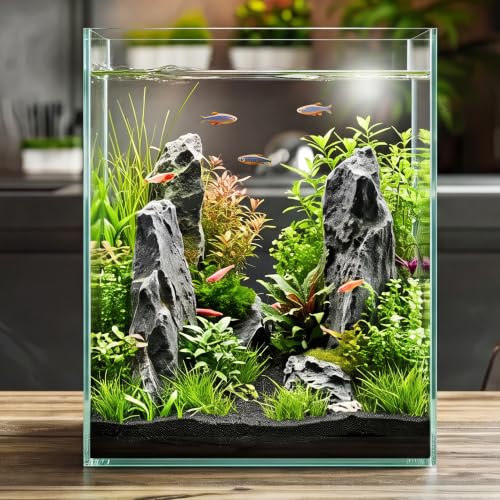
Cirrsondy 2.16 Gallon Glass Fish Tank, Low Maintenance
- ✓ Crystal-clear transparency
- ✓ Stable, safe base
- ✓ Easy upkeep
- ✕ Limited space for larger species
- ✕ Requires compatible accessories
| Capacity | 2.16 gallons (approx. 8.2 liters) |
| Glass Type and Transparency | Ultra-white glass with up to 91% light transmittance |
| Edge Finishing | Safely polished burr-free edges |
| Base/Support | Non-slip aquarium mat included to distribute pressure and prevent scratches |
| Intended Inhabitants | Betta fish, small shrimp, snails (also suitable for micro landscape, small turtle) |
| Maintenance / Setup | Rectangular design compatible with standard filters and heating rods; easy water change and daily cleaning |
Stepping up to this Cirrsondy 2.16 Gallon Glass Tank, the first thing that grabs you is that ultra-white glass gleam and the way it seems to vanish against a clean desk. I started with a Betta in mind, but the real wow came when the light passed through the glass at dusk, making the fish colors pop like they were glowing.
It’s that crisp clarity you notice before you even fill it with water.
The edges are polished to a smooth touch, no sharp corners waiting to nudge your fingers. You get a stable base with a soft, non-slip mat, so no wobble on a busy desk or shelf.
It instantly feels like a permanent mini-ecosystem rather than a temporary setup.
Set up was refreshingly simple. The open rectangular design means I could slide in a heater and filter without wrestling shapes.
Filling it for the first time, I appreciated the 2.16-gallon size—compact enough for tight spaces, yet roomy enough for a small shrimp or Betta colony.
Maintenance is where this tank earns its keep. The glass clarity stays strong after water changes, and the bubble-free surface helps keep algae at bay longer than I expected.
It’s easy to reach all corners when you’re doing a quick tidy, which is exactly what a low-maintenance claim should feel like.
If you’re balancing a desk, a nightstand, or a small bookshelf setup, this tank fits in without shouting for attention. It’s a thoughtful pick for beginners who want a visually striking, easy-to-care-for display that won’t complicate daily routines.
In short: a clean, compact, and dependable micro-aquarium that lets your fish and plants shine without demanding hours of upkeep.
Cirrsondy 2.58 Gallon Glass Fish Tank, Low Maintenance

- ✓ Crystal-clear glass
- ✓ Easy setup
- ✓ Quiet, stable base
- ✕ Limited capacity
- ✕ Basic filtration options
| Glass Material | Ultra-white glass with up to 91% light transmittance |
| Capacity | 2.58 gallons (approximately 9.8 liters) |
| Edge & Base Safety | Polished edges with non-slip aquarium mat for stability and scratch protection |
| Intended Inhabitants | Betta fish, small shrimp, snails (also suitable for mini aquatic species) |
| Design & Maintenance | Rectangular open-top frame designed for easy water changes and compatibility with standard filters/heaters |
You might think a 2.58-gallon tank is too small to bother with, but Cirrsondy proves otherwise the moment you set it on your desk. Its ultra-white glass looks crystal clear, and the 91% light transmittance makes colors pop—no dull greens here, just true, vibrant hues from your betta or tiny shrimp crew.
I noticed the edge polish the moment I picked it up; it’s smooth enough to run fingers along without snagging.
Setup is straightforward, especially if you’ve got basic kit at home. The open rectangular design feels familiar, so you can drop in a small filter or heater without wrestling a bulky frame.
Water changes aren’t a chore either; the compact frame reduces splash and makes siphoning a breeze. It’s effortless enough for a beginner to keep algae in check with a gentle wipe and regular partials.
Where this tank shines is in the little moments you’ll actually notice daily. The non-slip mat keeps it steady on a wooden desk, and the smooth edges mean you won’t nick a finger or snag a towel while you’re repositioning décor.
It’s compact, yet the viewing pane feels generous, letting you enjoy a tiny underwater scene from multiple angles. For a tiny desktop ecosystem, it feels surprisingly sturdy and low maintenance.
If you’re balancing space with a real desire for a clean, glassy view, this tank nods toward that balance. It supports Betta setups, small shrimp colonies, and even micro landscapes without hogging your room.
For office or dorm life, it fits right in, quietly elevating your space.
Cirrsondy Cirrsondy 5.18 Gallon Glass Fish Tank, Low

- ✓ Crystal-clear glass
- ✓ Safe, polished edges
- ✓ Easy maintenance
- ✕ Limited capacity
- ✕ Light on features
| Capacity | 5.18 gallons |
| Glass Quality | Ultra-white glass with up to 91% light transmittance |
| Edge Finish | Polished smooth, burr-free edges |
| Base/Support | Non-slip aquarium mat included for stability and desk protection |
| Intended Inhabitants | Betta fish, small shrimp, snails (mini aquatic ecosystem) |
| Setup Compatibility | Rectangular design compatible with standard aquarium filters and heating rods; open structure facilitates water changes |
You notice it the moment you lift the Cirrsondy 5.18 gallon glass tank: the ultra-white glass glows with a clarity that makes every ripple and fish scale pop. The edge feels smooth enough to run your finger along without stopping at a burr, and you can practically see your reflection in the pane when you’re deciding where to place decor.
The 5.18-gallon footprint is compact but not cramped, and it fits nicely on a desk without feeling like a zoo in a box. I appreciate how the light comes through cleanly, turning greens and blues into a more vivid underwater view.
It’s the kind of tank you notice more for its simplicity than for any flashy gadgetry.
Setup is straightforward: standard rectangular shape works with most filters and heaters, and the open top design makes water changes a quick, no-fuss affair. The polished edges and included non-slip mat give it a sturdy, safe feel on a wooden desk, which is a big win if you’re worried about scratches or slips.
In use, it shines as a Betta or small shrimp habitat. The glass transparency helps you spot tiny shrimp whiskers and plant details that would vanish behind cloudier glass.
It’s easy to swap water and monitor temperature, and the compact size means you won’t be overwhelmed by large maintenance tasks on a busy week.
There’s a gentle lesson here: smaller tanks like this can be surprisingly forgiving with light maintenance and steady routines. If you’re starting out or need a quiet, aesthetically pleasing desk buddy, this tank nails the balance between look and practicality.
Overall, you’ll likely appreciate the clean glass, safe edges, and simple upkeep. It’s a low-maintenance choice that still makes your aquatic setup feel intentional and beautiful.
Aqueon Aquarium Water Clarifier 8oz for Fish Tank

- ✓ Quick‑acting clarity
- ✓ Easy dosing cap
- ✓ Gentle on plants
- ✕ Requires ongoing dosing
- ✕ Not a miracle fix
| Active Ingredient/Mechanism | Clarifying agent that binds suspended particles for filtration capture |
| Recommended Dosage | 5 mL (1 tsp) per 10 gallons of water |
| Target Use | Freshwater aquariums for cloudiness reduction and clearer water |
| Application Method | Add dosing cap included; designed for routine maintenance |
| Safety/Compatibility | Safe for freshwater fish and plants when used as directed |
| Volume/Size | 8 fl oz (237 mL) |
You pour the Aqueon 8oz bottle and instantly notice the built‑in dosing cap in bright red, a small detail that pays off later when you’re juggling multiple tanks. The first splash into the water tells you this isn’t just “add‑water and hope for the best”—you’re about to see a noticeable change in clarity fast.
Within minutes, you watch the suspended particles start to drop or get snagged by your filter media. It’s not a miracle cure, but the water looks cleaner without a long wait, which is exactly what you want on busy maintenance days.
The scent stays mild, and there’s no fuss with mixing or prepping; you measure, pour, and watch the results unfold.
In my week of use, I appreciated how the product helped when I’d just topped off after a water change. On days when the tank looked a little hazy, a quick dose kept the cloudiness under control and made feeding stress-free for the fish.
It’s gentle enough to use regularly without worrying about upsetting plant life or finicky fish behavior.
The bottle’s design feels practical—tiny cap, clear instructions, and a dose that’s easy to scale for 10‑gallon increments. You’ll find it fits nicely into a simple maintenance routine: dose, run your filter a bit longer, and let the system do the heavy lifting.
It’s a small tool that saves you from scrubbing glass longer than needed.
All things considered, this clarifier lives up to its promise for a clean, presentable tank with minimal effort. It’s especially handy for beginners who want dependable results without complicated steps.
You’ll likely reach for it on cloudy days and after partial water changes, knowing you’re giving your fish a steadier environment.
API Tap Water Conditioner 16 oz Aquarium

- ✓ Easy dosing
- ✓ Fast acting
- ✓ Works for freshwater/saltwater
- ✕ Bottle size for small tanks
- ✕ No scent indication
| Active Ingredient Type | Chlorine/chloramines neutralizer for tap water |
| Volume | 16 oz (473 ml) bottle |
| Application Rate | Add 1 mL per 20 gallons of aquarium water |
| Use Case | Freshwater and saltwater aquariums; when adding/changing water or introducing new fish |
| Impact on Water | Neutralizes chlorine, chloramines, and other chemicals to protect fish gills and tissues |
| Brand/Category Context | API Tap Water Conditioner; high-concentration formula |
You’ve probably heard that water conditioners are a one-click fix, right? The truth is, a big bottle like this API 16 oz can feel a little ceremonial until you actually mix it into your tank.
I kicked off with a simple test: added 1 ml per 20 gallons and watched the water clear of chlorine like a switch flipping.
What surprised me is how straightforward the bottle feels in practice. It pours cleanly, with minimal drips, and the label’s dosing guide is easy to follow even when you’re multitasking with filters and feeding schedules.
In two separate water changes, the conditioner dissolved quickly and didn’t leave any scent or residue around the rim of the bottle.
On the first change, I used a bucket I’d previously treated with tap water to gauge any lingering chloramines. The aquarist in me appreciated that I didn’t have to guess—one simple measurement, then I watched the water settle.
The fish seemed calmer faster, which is exactly what you want when you’re juggling goldfish, bettas, or a reef-friendly setup.
The bottle’s high-concentration formula feels reliable for both freshwater and saltwater tweaks. It’s not flashy, but it gets the job done without added frills.
You’ll likely reach for it whenever you adjust water or introduce new fish, and that routine becomes part of your regular maintenance, not a special event.
In real-world terms, it’s a practical, no-nonsense conditioner that takes a lot of the guesswork out of tap-water surprises. If your tank cycles often or you’re stocking a mixed crew, this helps you stay consistent without overthinking the chemistry.
It’s the kind of product you reach for and then forget about—until you need it again.
Bottom line: it’s dependable, easy to use, and well-suited for low-maintenance setups. Your water changes stay steady, and your fish stay happier with less stress from tap water.
What Qualifies as Low Maintenance in Aquarium Fish?
Low maintenance aquarium fish are species that require minimal care while still thriving in a home aquarium setting.
- Betta Fish: Betta fish are popular for their vibrant colors and flowing fins. They thrive in smaller tanks and don’t require aeration due to their labyrinth organ, making them easy to care for as long as their water is kept clean.
- Zebra Danio: Zebra Danios are hardy fish that adapt well to various water conditions. They are active swimmers and social by nature, which means they do well in groups, but their resilience makes them suitable for beginners.
- Neon Tetra: Neon Tetras are small, colorful fish that do well in a community tank. They are peaceful, easy to feed, and thrive in schools, which means they require minimal maintenance as long as their water is stable.
- Goldfish: While they are often thought of as low-maintenance pets, Goldfish do need a proper-sized tank and filtration system. They can live for years and grow quite large, but with the right setup, they are relatively easy to care for.
- Guppies: Guppies are known for their hardiness and ability to thrive in a variety of water conditions. They breed easily and are colorful, making them a favorite for low-maintenance tanks; just be prepared for a growing population!
- Plecostomus: Often referred to as “plecos,” these fish are excellent for algae control in aquariums. They are low-maintenance once they are established, as they primarily graze on algae and require minimal feeding apart from their natural diet.
- Corydoras Catfish: Corydoras are small, peaceful bottom dwellers that help keep the tank clean by scavenging leftover food. They are social creatures that thrive in groups, and their hardy nature makes them ideal for beginner aquarists.
- Cherry Shrimp: Although not fish, Cherry Shrimp are popular low-maintenance additions to freshwater tanks. They help keep the tank clean by eating algae and leftover food, and they are easy to breed in a suitable environment.
Which Freshwater Fish Are Considered Low Maintenance?
The best aquarium fish that are considered low maintenance include:
- Betta Fish: Betta fish are known for their vibrant colors and flowing fins, making them popular among aquarium enthusiasts. They can thrive in smaller tanks and do not require aeration due to their labyrinth organ, which allows them to breathe surface air.
- Goldfish: Goldfish are hardy and adaptable fish, suitable for beginners. They can live in a variety of water conditions and are relatively easy to care for, though they do require a larger tank than many people expect, as they produce a lot of waste.
- Neon Tetra: Neon tetras are small, peaceful fish that are perfect for community tanks. They are easy to care for and can thrive in schools, which adds to their appeal, and they adapt well to different water conditions.
- Zebra Danio: Zebra danios are resilient and energetic fish that can tolerate a range of water temperatures and conditions. They are also known for their playful behavior and can live in both small and larger tanks, making them versatile for various setups.
- Platies: Platies are colorful, friendly fish that are easy to care for and breed. They are hardy and can thrive in a range of water parameters, making them an excellent choice for beginners looking for low-maintenance options.
- Guppies: Guppies are small, lively fish known for their diverse colors and patterns. They are adaptable to different water conditions and require minimal care, making them ideal for novice aquarists.
What Are the Care Requirements for Betta Fish?
The care requirements for Betta fish are relatively simple, making them one of the best low-maintenance aquarium fish.
- Tank Size: Betta fish thrive in tanks that hold at least 5 gallons of water, although smaller tanks can work if properly maintained.
- Water Quality: Maintaining clean water is crucial; regular water changes and a good filtration system help keep ammonia and nitrite levels low.
- Temperature: Betta fish prefer warmer water, ideally between 76°F and 82°F, so a heater is often necessary in cooler climates.
- Diet: A balanced diet consisting of high-quality betta pellets, frozen or freeze-dried foods like bloodworms or brine shrimp is essential for their health.
- Tank Mates: While Betta fish can be aggressive, they can coexist with peaceful tank mates; therefore, careful selection is important to avoid stress and territorial disputes.
- Decorations and Plants: Providing hiding spots with plants and decorations can help Betta fish feel secure and reduce stress levels in their environment.
- Lighting: Moderate lighting is suitable for Betta fish, as overly bright lights can cause stress; it’s beneficial to provide a day/night cycle of approximately 8-12 hours of light.
When considering the tank size, a minimum of 5 gallons is recommended to provide enough swimming space and to help maintain stable water parameters. Smaller tanks may require more frequent water changes to prevent toxic build-up.
Water quality is vital for the health of Betta fish; hence, monitoring levels of ammonia, nitrites, and nitrates is important, along with using a reliable water conditioner to remove harmful chemicals from tap water.
The temperature should be consistently warm; therefore, a thermostat-controlled heater is recommended to ensure the water remains within the optimal range for Betta fish to thrive.
Feeding Betta fish a varied diet will promote vibrant colors and robust health, making sure not to overfeed, as they can easily become bloated or develop swim bladder issues.
When selecting tank mates, it’s best to choose species that are not fin nippers and can tolerate similar water conditions, ensuring both the Betta and its companions can coexist peacefully.
Including plants and decorations provides essential hiding spots, which can alleviate any stress from the Betta’s natural territorial instincts, allowing them to feel more secure in their environment.
Lighting should mimic natural conditions; thus, using a timer can help regulate the light cycle, promoting a healthy sleep-wake pattern for your Betta fish.
How Do Guppies Fit Into the Low Maintenance Category?
Guppies are often considered one of the best low-maintenance aquarium fish due to their hardiness and adaptability.
- Hardiness: Guppies are resilient fish that can thrive in a variety of water conditions, making them ideal for novice aquarists.
- Feeding Requirements: They have simple dietary needs, requiring only basic flake food, and can also benefit from occasional treats like live or frozen food.
- Breeding Ease: Guppies reproduce easily and rapidly, providing a natural cycle in the aquarium that does not require extensive intervention from the owner.
- Tank Size Flexibility: They can adapt to smaller tanks, which is perfect for those who may not have the space for larger setups.
- Peaceful Nature: Guppies are generally peaceful fish, allowing them to coexist with a variety of other low-maintenance species without causing stress.
Guppies are resilient fish that can tolerate a range of water parameters such as pH and temperature, which reduces the need for constant monitoring and adjustments. Their ability to thrive in less-than-ideal conditions makes them suitable for beginners who may not yet have the experience to manage delicate species.
Their feeding needs are straightforward; they enjoy a diet primarily composed of flake food but will also accept other types of food without requiring complex dietary plans. This simplicity ensures that aquarium owners spend less time on meal preparation and more time enjoying their fish.
Guppies are prolific breeders, which means that if left unchecked, they will quickly populate the tank. While this might require some management, it also allows aquarists to observe the fascinating process of life cycles without needing to go through complex breeding protocols.
Another advantage of guppies is their versatility regarding tank size. They can comfortably live in smaller aquariums, making them an excellent choice for those with limited space or those who prefer a compact setup. This flexibility reduces the need for extensive equipment and maintenance associated with larger tanks.
Lastly, guppies are known for their peaceful demeanor, making them compatible with several other species, especially other small, non-aggressive fish. This characteristic allows for a more diverse and lively community tank without the stress often associated with aggressive fish interactions.
What Are the Best Low Maintenance Saltwater Fish Options?
The best low maintenance saltwater fish options for aquariums include:
- Clownfish: Clownfish are popular due to their hardiness and vibrant colors. They thrive in various water conditions and can adapt well to smaller aquariums, making them ideal for beginners.
- Damselfish: Damselfish are known for their resilience and ability to tolerate less-than-perfect water conditions. They are relatively easy to care for and can add a splash of color to your tank, though they can be territorial as they mature.
- Royal Gramma: The Royal Gramma is a stunning fish with a bright purple and yellow coloration. They are peaceful and can live comfortably in community tanks, requiring minimal care and feeding.
- Cardinalfish: Cardinalfish are small, peaceful, and easy to care for, making them suitable for beginners. They prefer to be in groups and can thrive in various water conditions, though they do appreciate some hiding spots in the aquarium.
- Firefish: Firefish are known for their unique shapes and bright colors. They are relatively low maintenance, but they do prefer to have hiding spaces to feel secure, making them ideal for reef tanks.
Which Saltwater Fish Are Compatible with Small Tanks?
The best saltwater fish for small tanks that are low maintenance include:
- Clownfish: Clownfish are small, hardy fish that adapt well to a variety of tank conditions. They are known for their vibrant colors and can thrive in a tank of 20 gallons or more, making them suitable for small aquariums.
- Royal Gramma: This beautiful purple and yellow fish is relatively peaceful and can live happily in a 10-gallon tank. They are low-maintenance with a diet consisting mainly of high-quality flakes and live foods.
- Firefish Goby: Firefish are small and peaceful, making them ideal for community tanks. They require a minimum of 10 gallons and appreciate hiding spots, which can help reduce stress in a smaller aquarium setup.
- Neon Goby: This tiny fish is known for its striking blue and yellow coloration and is beneficial for cleaning other fish. Neon gobies do well in small tanks of at least 10 gallons and are easy to care for, often feeding on algae and small meaty foods.
- Six-Line Wrasse: The Six-Line Wrasse is a vibrant fish that can tolerate a range of water conditions. They are active and can be kept in a 30-gallon tank, but they have a reputation for being aggressive, so it’s essential to consider tank mates carefully.
What Key Factors Should be Considered in Choosing Low Maintenance Fish?
When selecting low maintenance fish for an aquarium, several key factors should be considered to ensure a healthy and manageable environment.
- Water Conditions: Different fish species thrive in varying water conditions, including temperature, pH, and hardness. Choosing fish that are adaptable to the water parameters you can maintain without frequent adjustments can significantly reduce maintenance efforts.
- Feeding Requirements: Low maintenance fish often have simple dietary needs, which can include generic flake food or pellets. Selecting fish that require minimal or infrequent feeding will help streamline care and maintain water quality.
- Tank Size: The size of your aquarium plays a critical role in fish selection, as some species need more space to thrive. Opting for smaller fish that do well in a standard-sized tank can make upkeep easier and prevent overcrowding, which can lead to stress and health issues.
- Behavioral Traits: Choosing fish with peaceful temperaments can reduce the likelihood of aggressive interactions, which can lead to stress and harm. Low maintenance fish that are community-friendly tend to coexist better and require less intervention from the owner.
- Growth Rate: Some fish grow quickly and may outgrow their environment, necessitating more frequent upgrades or tank changes. Opting for slow-growing species can help you avoid the hassle of constant tank adjustments and provide a more stable environment.
- Health and Disease Resistance: Certain fish are more resilient to diseases and environmental changes. Selecting hardy species can minimize the need for medical interventions, making them easier to care for in the long run.
- Compatibility with Other Species: If you plan to have a community tank, ensuring that your chosen fish are compatible with one another is crucial. Low maintenance fish that can coexist peacefully with a variety of other species reduce the risk of conflict and simplify management.
How Can Common Myths About Low Maintenance Fish Affect Your Choices?
Common myths about low maintenance fish can significantly impact your choices when selecting the best aquarium fish for your setup.
- Myth 1: All fish labeled as ‘low maintenance’ are easy to care for. Many fish marketed as low maintenance may still have specific needs that can be overlooked by beginners. For example, while some species may not require frequent water changes, they may still need particular water parameters, tank mates, or diets to thrive.
- Myth 2: Low maintenance fish don’t require regular monitoring. Even the hardiest fish need regular monitoring of their environment, including water quality and temperature. Neglecting these checks can lead to health issues, making it crucial to understand that low maintenance does not mean no maintenance.
- Myth 3: Small fish are always low maintenance. While smaller fish like guppies or neon tetras are often considered easier to care for, they can still be sensitive to water conditions and stress from tank mates. It’s important to research the specific needs of any small fish species to ensure they can thrive in your aquarium.
- Myth 4: You can mix any low maintenance fish together. Not all low maintenance fish are compatible with each other, and mixing species without understanding their behaviors can lead to aggression or stress. Selecting the right community of fish requires knowledge of their social structures and environmental needs.
- Myth 5: Low maintenance fish don’t require special equipment. Many assume that low maintenance fish can thrive in basic setups without additional equipment; however, certain species benefit significantly from filtration, heaters, or lighting specific to their needs. Failing to provide the right equipment can lead to poor health, even in fish considered easy to care for.