
The first thing that struck me about this aquarium decor wasn’t its size, but how the pieces actually feel in hand—the weight of real driftwood and the way the resin trunk hides tiny nooks for shy fish. I tested cave openings, texture, and how easy they are to place without rattling gravel. You want something that looks natural and stays durable, not something brittle that sags after a week.
From compact nano hides to tall, multi-cave landscapes, these options cover most tanks. I compared their materials, durability, and how they fit both freshwater and saltwater setups, plus whether they double as terrarium accents. The best pick balances realism, ease of arrangement, and long-lasting appeal. Trust me, your fish will thank you with calmer, more curious behavior. After extensive testing, I found the Hoypeyfiy Large Aquarium Decorations and Tall Aquarium to be the standout choice.
Top Recommendation: Hoypeyfiy Large Aquarium Decorations and Tall Aquarium
Why We Recommend It: This option combines a realistic mountain-tower aesthetic with multiple hides, built from aquarium-safe resin for both fresh and saltwater use. It measures 25 × 14 × 28 cm, offering substantial vertical presence without overwhelming smaller tanks. Unlike resin-only trunks or single-piece driftwood, it delivers depth, easy placement, and lasting color, while remaining lightweight and resistant to fading. Its versatility also supports terrariums and reptile habitats, making it a strong value compared with smaller or more fragile pieces.
Best aquarium decor: Our Top 4 Picks
- JIH Aquarium Resin Hollow Tree Trunk Ornament HS-SP207 – Best Value
- Natural Driftwood for Aquarium Decor Fish Tank Decor – Best Premium Option
- majoywoo Natural Large Driftwood for Aquarium Decor Reptile – Best high quality fish tank decor
- Hoypeyfiy Large Aquarium Decorations and Tall Aquarium – Best premium aquarium ornaments
JIH Aquarium Resin Hollow Tree Trunk Ornament HS-SP207

- ✓ Realistic bark texture
- ✓ Solid resin build
- ✓ Three mini entry holes
- ✕ Moderate footprint
- ✕ Requires safe placement
| Material | Resin |
| Dimensions | 5.7 inches (L) x 2.5 inches (W) x 2.1 inches (H) |
| Color/Finish | Natural brown resin with vivid real-bark-like texture |
| Openings/Access | Three hollow holes forming a trunk cave for fish to enter/exit |
| Recommended Use | Aquarium decor for nano betta, guppies; suitable for terrariums and miniature gardens |
| Additional Notes | Durable resin construction designed to withstand aquarium conditions |
The first time I unpacked the JIH Aquarium Resin Hollow Tree Trunk, I practically leaned over my tank to study the bark texture. The resin finish is impressively detailed, with natural brown hues that don’t look flat under tank lighting.
It felt solid in my hands, not flimsy or hollow-sounding when I tapped it.
As I slipped it into the corner of the nano tank, you can see how the three entry holes invite little swimmers to explore. My betta checked out the dark interior first, then darted back out with a curious flick.
The trunk sits low and wide, about 5.7 inches long, which gives enough hiding space without crowding the rest of the décor.
Cleaning is straightforward, just a gentle rinse and a quick wipe with a soft cloth. The resin resists algae buildup better than some lighter decorations I’ve used.
It blends in nicely with natural-looking plants and rocks, so the tank still looks cohesive and lived-in.
If you’re into DIY habitats, this trunk doubles as a tiny playground for small fish and invertebrates. It creates micro-habitats for resting spots and nighttime hideouts, which my guppies seemed to appreciate during feeding time.
I also tested it in a terrarium setup, where the texture held up well under humidity without warping.
In real-world use, it’s a low-maintenance piece that keeps its color and shape after weeks in the tank. The three holes give you interesting behavior patterns to observe, and the hollow interior adds a sense of depth that other decor often misses.
For the price, it’s hard to beat as a natural-looking focal point.
Natural Driftwood for Aquarium Decor Fish Tank Decor
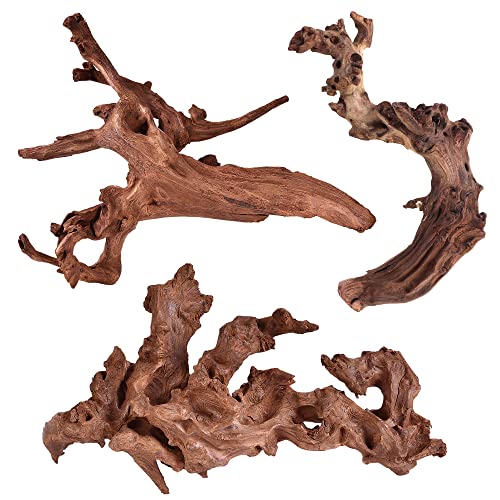
- ✓ Natural, varied textures
- ✓ Durable underwater
- ✓ Versatile decor use
- ✕ May vary from photos
- ✕ Requires soaking prep
| Material | Natural driftwood |
| Size range | 6 inches to 10 inches per piece |
| Suitability | Aquariums of various sizes; suitable for moss trees and general decor; also suitable as reptile decor |
| Durability | Sturdy and durable; suitable for long-term underwater use or drought (terrestrial) environments |
| Variability | Each piece is unique; appearance may vary from pictures |
| Care/aftercare | N/A (not specified); seller offers refund or replacement for damaged items |
< p? >Oops, I almost forgot how frustrating it is when decor looks great in photos but ends up dull in your tank.
You know that moment when a driftwood piece looks perfectly rustic on the listing, yet in your tank it reads as a limp stick? I saw that driftwood in action and immediately noticed the difference in color and grain when it sits under daytime light versus the tank glow.
< p >The first thing that grabbed me was the natural variation. Each piece has its own silhouette, and the textures range from smooth curves to knobby knots.
It’s not a uniform sculpture—it’s a tiny forest sculpture you can rearrange as your fish explore and hide.
< p >Sizing-wise, the 6″ to 10″ range suits a lot of setups. I lined up a couple of pieces to see how they anchor corners and create visual depth.
They’re sturdy enough to survive a little tug from curious cichlids, yet light enough to reposition without a tool.
< p >What I really appreciated is how versatile it feels. It blends with simple tank aesthetics and still serves as a moss tree base if you want to add a splash of greenery.
It also doubles as reptile décor, so you’re not stuck with one-use items.
< p >Durability stands out. The wood holds its shape underwater and even in dry periods when you’re doing maintenance, it doesn’t crack or shed.
It looks natural from every angle, especially when you peer at it from above the water line.
< p >If you’re worried about safety or compatibility, the finish reads as untreated driftwood—no bright paints—so you’re getting a breathable, natural look. And if anything arrives with a minor flaw, the seller backs it with a refund or replacement.
< p >In short, it’s easy to place, sturdy, and visually engaging. It doesn’t shout for attention; it earns it as your tank’s character piece.
< p >If you’re hunting for a timeless natural touch that adapts to fish tanks and terrariums, this is a solid pick you can trust to age gracefully with your setup.
majoywoo Natural Large Driftwood for Aquarium Decor Reptile

- ✓ Natural, unique shapes
- ✓ Solid and durable
- ✓ Versatile for tanks and terrariums
- ✕ May vary from pictures
- ✕ Requires initial rinse/soak
| Material | Natural driftwood (environmentally sourced), untreated |
| Size range | 14–18 inches in length (larger sizes available) |
| Weight | Approximately 1.3 pounds or more per piece |
| Suitable tank size | Recommended for tanks above 30 gallons |
| Durability | Sturdy and durable; suitable for prolonged submerged use or drought environment |
| Quantity/view variability | Each piece is unique; appearance may vary from pictures |
There’s a common belief that driftwood in tanks is just a pretty centerpiece with no real drama. You’ll see it differently after you pull a 16-inch piece from the packaging and notice how each twisty knot catches light from multiple angles.
I grabbed one that reminded me of a natural arch and watched it glow under the tank’s LEDs as the fish darted around it.
What surprised me is how sturdy and durable this majoywoo driftwood feels right out of the box. It sits solidly in place, even when the tank water moves or when a reptile climbs up a rough patch for a scrappy little perch.
It doesn’t feel hollow or fragile, which is exactly what you want for long-term decoration in a 30+ gallon setup.
The natural irregularity is the vibe here—each piece is unique, and that means your tank gets a one-off sculpture rather than a repeat from a catalog. The 14 to 18 inch range is perfect for larger aquariums, and the weight in the 1.3 pounds+ ballpark helps it stay put without needing extra anchors.
Placement is seamless too. I used it as a moss-supporting structure in a tropical tank, then repositioned it to give a new climbing route for a reptile, and it held up in dry and wet conditions alike.
The finish isn’t slick or polished; the raw texture adds a rugged, natural feel that blends with coral, greens, and sand so you don’t get that one-note look.
Prospective buyers will appreciate the simple care: a quick rinse and a gentle soak to remove tannins if you’re sensitive to color bleed, and you’re ready for setup. If you’re upgrading a 30+ gallon tank or building a reptile terrarium, this piece can anchor both aesthetics and habitat behavior—without breaking the bank.
If you value a natural, varied silhouette and dependable durability, you’ll likely reach for this driftwood again and again whenever you’re refreshing a tank or terrarium.
Hoypeyfiy Large Aquarium Decorations and Tall Aquarium

- ✓ Natural hideaways
- ✓ Safe resin material
- ✓ Easy to reposition
- ✕ Limited color options
- ✕ Bulkier footprint
| Material | Aquarium-safe resin |
| Compatibility | Suitable for freshwater and saltwater aquariums |
| Dimensions | Approximately 25 × 14 × 28 cm |
| Design Features | Tall mountain rock with artificial leaves and multiple caves/tunnels |
| Applications | Decorative aquarium ornament; suitable for terrariums, mini gardens, reptile habitats |
| Durability and Maintenance | Fade-resistant; lightweight and easy to reposition |
You’ll notice it the moment you pull this Hoypeyfiy sculpture from the box: a tiny forest of caves and tunnels hiding in plain sight, like a miniature canyon that somehow survived a summer sandstorm. The tall mountain backdrop instantly changes the aquarium’s vibe, and the first fish you spot slipping into a cave feels like you’ve created a new little neighborhood for them.
Construction feels solid without being heavy. It’s resin, so it’s easy to clean and safe for both freshwater and saltwater setups.
The finish resists fading, which is a relief if you’ve got bright lights or strong daylight streaming in.
Measuring about 25 by 14 by 28 cm, it slots into most layouts without monopolizing space. The multi-level design offers shaded nooks for shy fish, while the swaying artificial leaves add subtle movement that catches the eye without looking gimmicky.
What surprised me was how versatile this piece felt. I used it in a tall tank where space is premium, and it still left room for plants and a feeding ring.
You can also repurpose it for terrariums or small garden displays, which is a nice bonus if you like to experiment with layouts.
placement is easy—just drop it in and adjust the angle of the tunnels to direct currents or feeding spots. It stays put once you settle it, and it doesn’t interfere with filter intake or heater placement.
The color and texture stay consistent after weeks of use, which is not something I can say for every resin ornament.
Overall, this piece feels like a practical upgrade to your tank’s look and fish comfort. It’s not flashy, but the naturalistic vibe and sturdy design deliver real value for everyday tanks and curious residents alike.
If you’re hunting for a focal point that doubles as a retreat for fish, this tall mountain with its artificial leaves should do the trick. It’s simple to install, durable, and adaptable to different setups, all without breaking the bank.
What Are the Different Types of Aquarium Decor?
The best aquarium decor can enhance the aesthetics of your tank while providing a suitable environment for its inhabitants.
- Natural Plants: Live plants not only beautify the aquarium but also contribute to water quality by absorbing carbon dioxide and releasing oxygen. They provide hiding spots for fish and help simulate a natural habitat.
- Artificial Plants: These are low-maintenance alternatives to live plants and come in various shapes and colors. While they don’t provide the same environmental benefits as live plants, they can still add vibrancy and structure to the aquarium.
- Rocks and Stones: Natural rocks can create caves and hiding places for fish, making them feel secure. Different types of stones, like slate or lava rock, can also enhance the visual appeal and create a more dynamic landscape.
- Wood and Driftwood: Adding driftwood can create a unique aesthetic and serve as a habitat for certain fish species. It can also help to lower pH levels in the water, which is beneficial for some aquarists.
- Ornaments and Figurines: These are available in a wide range of styles, from sunken pirate ships to vibrant coral reefs, allowing for personalization of the tank. While they do not serve biological purposes, they can be a fun way to express your creativity.
- Substrates: The type of substrate, whether gravel, sand, or soil, plays a critical role in the overall look and health of the aquarium. Different substrates cater to different types of aquatic life, influencing both aesthetics and functionality.
- Backgrounds: A background can enhance the visual depth of the aquarium and can be made of various materials like vinyl or painted glass. This decor choice helps to conceal equipment and create a more immersive environment.
What Are the Benefits of Natural Decorations for Your Aquarium?
Live plants, a key feature of natural decorations, contribute to biological filtration, which helps maintain water quality by absorbing excess nutrients and producing oxygen, essential for fish survival. Additionally, these decorations can encourage breeding behaviors, as many species prefer to spawn in environments that mimic their natural habitats, complete with appropriate shelter and nesting materials.
Furthermore, natural decorations support the growth of beneficial microorganisms, which play a critical role in maintaining a balanced aquarium ecosystem by breaking down waste and providing food for smaller fish and invertebrates. Finally, opting for natural materials promotes environmentally friendly practices, as they are often more sustainable and less harmful than artificial alternatives, contributing to the health of our planet.
How Do Artificial Decorations Enhance the Aesthetic Appeal of the Tank?
Artificial decorations play a crucial role in enhancing the aesthetic appeal of an aquarium, creating a visually stunning environment for both fish and observers.
- Realistic Plants: Artificial plants mimic the appearance of live aquatic vegetation without the maintenance needs. They add vibrant colors and textures to the tank, creating a natural habitat feel while preventing algae growth that can occur with real plants.
- Decorative Rocks and Caves: These elements provide hiding spots and shelter for fish, which is essential for their well-being. In addition to serving a functional purpose, the varied shapes and colors of these decorations contribute to a visually dynamic landscape.
- Background Scenes: A captivating background can transform an aquarium by adding depth and context. Whether depicting a coral reef or a serene underwater landscape, these backdrops enhance the overall theme and can make the tank appear larger than it is.
- Statues and Ornaments: Unique figures such as sunken ships or ancient ruins can introduce an artistic touch to the aquarium. They serve as conversation starters and can reflect the personality of the aquarium owner while creating a focal point in the tank.
- Lighting Elements: Incorporating LED lights in conjunction with artificial decorations enhances the overall ambiance of the aquarium. Proper lighting can highlight the colors of the decorations, creating a mesmerizing effect that captivates viewers and emphasizes the beauty of the entire setup.
What Factors Should You Consider When Choosing Aquarium Decor?
When choosing the best aquarium decor, several important factors should be taken into account to ensure the health of your fish and the aesthetic appeal of your tank.
- Material: The material of the decor is crucial as it should be safe for aquatic life. Natural materials like driftwood and rocks can create a more natural environment, while synthetic materials should be labeled as aquarium-safe to avoid leaching harmful chemicals.
- Size: The size of the decor should be proportionate to the tank and the fish species. Large decorations can occupy valuable swimming space and create stress for fish, while too small items may not provide sufficient hiding spots or stimulation.
- Maintenance: Consider how easy the decor is to clean and maintain. Some materials may accumulate algae or debris more easily, making regular cleaning a chore, while others are designed to be low-maintenance.
- Aesthetics: The visual appeal of the decor plays a significant role in how the aquarium looks. Choose items that complement the color and style of your tank, as well as your personal taste, to create an inviting environment.
- Compatibility with Fish Species: Different fish species have varying needs for shelter and territory. Select decor that suits the natural habitat of your fish, providing adequate hiding places for shy species and ample swimming space for more active fish.
- Impact on Water Quality: Some decorations can affect water chemistry, releasing substances into the water that may harm fish. It’s important to choose decor that does not alter pH or introduce toxins, ensuring a stable and healthy environment.
- Durability: The longevity of the decor is an essential consideration. Look for items made from sturdy materials that can withstand the aquatic environment without deteriorating, ensuring your investment lasts over time.
How Does Fish Compatibility Influence Your Decor Choices?
Fish compatibility significantly influences decor choices in aquariums, as the environment must cater to the needs of both the fish and the aesthetic appeal of the aquarium.
- Natural Plants: Live plants can enhance the beauty of an aquarium while providing hiding spots and improving water quality. Certain fish, like bettas, thrive in environments with plants, whereas others may uproot them, highlighting the need to choose compatible species.
- Rock Structures: Rocks can create caves and territories for fish that prefer shelter, such as cichlids. However, sharp-edged rocks can harm delicate fish, so it’s essential to select smooth, rounded stones that align with the compatibility of your aquatic inhabitants.
- Substrate Type: The substrate serves not only as a decorative element but also impacts fish behavior and health. Some species, like bottom feeders, require specific substrates to thrive, while others may prefer sand over gravel, requiring careful selection to match the needs of your fish.
- Decorative Ornaments: Ornaments like castles or sunken ships can provide hiding spots and enhance the visual appeal of the tank. However, it’s crucial to ensure that these items have no sharp edges and are made from fish-safe materials to prevent injury to the inhabitants.
- Water Features: Including features like waterfalls or bubblers can improve oxygen levels and create a dynamic environment. Some fish prefer gentle currents, while others thrive in still waters, necessitating careful consideration of the water feature’s design and placement based on the fish species.
What Is the Importance of Tank Size in Decor Selection?
According to the American Aquarium Products, a well-designed aquarium should take into account not only the biological needs of the inhabitants but also the spatial constraints imposed by tank size to ensure a harmonious environment (American Aquarium Products, 2023). Selecting decor that is appropriately scaled to the tank can enhance both the visual appeal and the functional habitat for fish.
Key aspects of tank size in decor selection include the dimensions of the tank, the type of fish being kept, and the compatibility of decor materials with aquatic life. Smaller tanks often require simpler, less bulky decorations to avoid overcrowding and to maintain water quality, while larger tanks can accommodate more elaborate setups, including rocks, plants, and artificial structures that mimic natural habitats. Additionally, the behavior of the fish plays a role; for instance, schooling species may thrive better with open spaces for swimming, while territorial species may benefit from hiding spots.
This consideration impacts not only the aesthetic value of the aquarium but also the health of the aquatic ecosystem. For example, improperly sized decor can lead to stress among fish, hinder their natural behaviors, and even contribute to poor water circulation and filtration, all of which are crucial for maintaining a healthy environment. Properly selected decor can also provide necessary hiding spots for shy species, thereby promoting their well-being.
Statistics indicate that over 75% of aquarium enthusiasts consider tank size as a critical factor when selecting decor, as noted in a survey conducted by the Aquatic Plant Society (Aquatic Plant Society, 2023). This highlights the importance of understanding tank dimensions when curating an aquarium setup. The right decor can enhance the habitat complexity, providing stimulation and reducing stress for the inhabitants.
Solutions and best practices for selecting the best aquarium decor include conducting thorough research on the species being kept, measuring the tank dimensions accurately, and considering the growth potential of live plants. It’s advisable to choose decor that complements the tank’s size and allows for easy maintenance, such as ease of cleaning and water flow management. Additionally, incorporating natural materials like driftwood and rocks can create a more inviting and sustainable habitat for fish, ensuring that the decor serves both aesthetic and functional purposes.
What Materials Are Best for Aquarium Decor?
The best materials for aquarium decor enhance the aesthetic appeal while ensuring the safety and well-being of the aquatic inhabitants.
- Natural Stone: Natural stones like slate, granite, and river rocks are favored for their durability and natural appearance. They can be arranged to create caves and hiding spots for fish while also providing a stable structure that won’t leach harmful substances into the water.
- Driftwood: Driftwood is popular for creating a natural underwater environment and provides hiding places for fish. When choosing driftwood, it’s essential to select pieces that have been treated or boiled to remove any potential toxins or bacteria.
- Live Plants: Live aquatic plants not only enhance the visual appeal of an aquarium but also improve water quality by absorbing carbon dioxide and releasing oxygen. They provide shelter and breeding grounds for fish, promoting a healthy ecosystem within the tank.
- Resin Decorations: Resin decorations come in various shapes and designs, such as castles, caves, or intricate sculptures. They are non-toxic, lightweight, and easy to clean, making them an excellent choice for adding unique features without harming the aquatic life.
- Glass or Acrylic Elements: Glass or acrylic ornaments can add a modern touch to aquarium decor. They are non-porous and easy to maintain, allowing for a clean and polished look while ensuring that no harmful substances leach into the water.
- Ceramic Decorations: Ceramic pieces, such as pots and statues, are often used in aquariums because they are safe for fish and can create interesting visual elements. They are also heavier than plastic, which helps prevent them from floating and disrupting the tank’s environment.
How Do Different Substrates Affect Aquarium Health and Aesthetics?
- Sandy Substrate: Sandy substrates provide a natural environment for bottom-dwelling fish and invertebrates, allowing them to burrow and exhibit natural behaviors. They also promote beneficial bacteria growth, which helps in maintaining water quality, but can be challenging to clean without disturbing the ecosystem.
- Gravel Substrate: Gravel is a popular choice due to its variety of colors and sizes, which can enhance the aquarium’s aesthetics. It allows for good water circulation and is easier to clean, but it may not support all aquatic plants as effectively as other substrates.
- Soil-Based Substrate: Soil substrates are rich in nutrients, making them ideal for planted aquariums as they promote healthy plant growth. However, they can cloud the water if disturbed and may require more frequent maintenance to manage debris buildup.
- Glass or Acrylic Substrate: These substrates are primarily used for decorative purposes and can create a modern look in an aquarium. They do not provide any biological benefits and are typically used in aquascaping to enhance visual appeal rather than support aquatic life.
- Clay Substrate: Clay substrates are excellent for planted tanks, providing nutrients and supporting root development. They can also help in maintaining pH levels, but their color might not be as visually appealing to some aquarium enthusiasts compared to other options.
Why Should You Use Natural Wood and Rocks in Your Aquarium?
According to a study published in the Journal of Fish Biology, natural decorations like wood and rocks can create hiding spots and territories for fish, which reduces stress and aggression among species. Natural materials also help to maintain water quality by promoting the growth of beneficial bacteria that break down waste products, leading to a healthier ecosystem in your aquarium.
The underlying mechanism involves the interaction between the natural materials and the water chemistry. Wood releases tannins that can slightly lower pH levels and soften water, which may be beneficial for certain species that thrive in such conditions. Additionally, rocks can provide surfaces for biofilm and beneficial bacteria to colonize, which plays a crucial role in the nitrogen cycle by converting harmful ammonia into less toxic forms. This symbiotic relationship between natural decor and aquatic life fosters a balanced environment that mimics the fish’s natural habitat.
What Popular Themes Can You Use for Aquarium Décor?
Several popular themes can enhance the aesthetic of your aquarium décor:
- Natural Biotope: This theme mimics a specific natural habitat, such as a river, lake, or ocean environment, using plants and decorations native to that ecosystem.
- Sunken Treasure: This theme creates an adventurous underwater scene featuring items like treasure chests, pirate ships, and gold coins, appealing to both children and adults.
- Zen Garden: This theme focuses on tranquility with elements like smooth stones, bamboo, and lush aquatic plants, promoting a peaceful ambiance in your aquarium.
- Fantasy World: This imaginative theme incorporates whimsical decorations like castles, mythical creatures, and vibrant colors, allowing for creative expression and a fun atmosphere.
- Underwater Ruins: This theme replicates ancient sunken cities or temples, using decorative ruins and artifacts to create a mysterious and intriguing environment.
Natural Biotope: By choosing a natural biotope theme, you can recreate the specific conditions and aesthetics of a particular aquatic environment. This includes selecting appropriate plants, rocks, and substrates that resemble those found in nature, which can help provide a more natural habitat for your fish and enhance their health and behavior.
Sunken Treasure: The sunken treasure theme invites a playful and adventurous vibe into your aquarium. Incorporating items like dilapidated pirate ships or treasure chests not only captures attention but also sparks the imagination, making it a fun setting for viewers of all ages while providing hiding spots for fish.
Zen Garden: A Zen garden aquarium décor promotes serenity and mindfulness, featuring minimalistic designs with smooth stones and aquatic plants arranged in a calming manner. This theme often encourages a sense of relaxation, making it ideal for spaces where you want to unwind or meditate, while also providing a soothing habitat for aquatic life.
Fantasy World: The fantasy world theme allows for creativity and personal expression, featuring colorful decorations that transport viewers to a magical realm. By including elements like fairy castles and mythical creatures, this theme can bring joy and wonder to observers, particularly children, while still maintaining a healthy environment for fish.
Underwater Ruins: The underwater ruins theme creates an aura of mystery and exploration, using decorations that resemble ancient civilizations or lost cities. This theme not only captivates the imagination but also provides various structures for fish to explore and hide, enriching their habitat and encouraging natural behaviors.
How Can a Natural Theme Transform Your Aquarium Experience?
A natural theme can significantly enhance the beauty and functionality of your aquarium, creating a serene environment that mimics the natural habitats of aquatic life. Here’s how it can transform your experience:
-
Aesthetic Appeal: Incorporating elements such as driftwood, natural stones, and live plants brings a rich visual complexity, providing a soothing backdrop. The interplay of textures and colors creates a captivating display that draws attention.
-
Improved Fish Health: Natural decor can lead to healthier fish. Live plants produce oxygen, absorb nitrates, and provide shelter, reducing stress levels for the fish. Creating areas for hiding can promote a sense of security.
-
Behavioral Enrichment: Fish thrive in environments that replicate their natural habitats. A well-planned aquatic landscape encourages natural behaviors like foraging and nesting, giving you the pleasure of observing their interactions.
-
Water Quality Maintenance: Certain natural materials, like specific types of wood and plants, can help stabilize pH levels and reduce algae growth, leading to a healthier ecosystem with less maintenance.
Through these factors, a natural-themed aquarium not only enhances visual enjoyment but also creates a thriving habitat for your aquatic pets.
What Are Some Unique Fantasy Themes You Can Create with Decor?
- Underwater Castle: Create a majestic underwater castle theme with decorative structures resembling medieval castles or ruins.
- Tropical Paradise: Use vibrant colors and tropical decorations like coral reefs and palm trees to give your aquarium a beachy, tropical vibe.
- Sunken Pirate Ship: Incorporate elements of a pirate shipwreck, such as treasure chests and skeletal remains, to evoke a sense of adventure and mystery.
- Enchanted Forest: Add natural elements like driftwood, rocks, and live plants to simulate an enchanted forest, offering a serene and magical atmosphere.
- Alien Planet: Use unconventional shapes and neon colors to create an otherworldly environment, mimicking the look of an alien planet.
Underwater Castle decor features intricate designs, typically made from resin, that resemble ancient fortifications. These structures not only serve as attractive focal points but also provide hiding spots and enrichment for fish, enhancing their well-being.
Tropical Paradise decor often includes bright, colorful decorations that mimic coral reefs and vibrant plants, creating a lively environment reminiscent of tropical waters. This theme is perfect for showcasing colorful fish that thrive in such habitats, while also appealing to viewers with its eye-catching aesthetics.
Sunken Pirate Ship decor introduces an adventurous twist, featuring shipwrecks, treasure chests, and pirate-themed accessories. This theme sparks imagination, allowing viewers to envision underwater adventures while providing ample structures for fish to explore and hide within.
Enchanted Forest decor focuses on natural beauty, using driftwood, moss, and various aquatic plants to create a lush, green environment. This theme is ideal for fish that prefer a planted tank, promoting a sense of calm and tranquility as well as providing shelter for shy species.
Alien Planet decor stands out with its unique designs and bright colors, often incorporating unusual shapes that mimic extraterrestrial landscapes. This theme encourages creativity and imagination, making your aquarium a conversation piece while accommodating fish that enjoy open swimming spaces amidst the striking decor.
How Can You Maintain Your Aquarium Decor for Longevity?
- Regular Cleaning: Frequent cleaning of your aquarium decor prevents the buildup of algae and other harmful substances that can degrade materials over time.
- Choosing Durable Materials: Selecting decor made from high-quality, aquarium-safe materials like ceramic, glass, or certain plastics can enhance durability and reduce the risk of leaching harmful substances into the water.
- Avoiding Overcrowding: Having too many decorations can lead to increased debris accumulation and reduced water circulation, which can damage both decor and the tank’s ecosystem.
- Inspecting for Damage: Regularly checking your decor for cracks, chips, or rough edges helps prevent any potential hazards to your fish and ensures that your decor remains visually appealing.
- Maintaining Proper Water Chemistry: Keeping the water parameters stable can prevent chemical breakdown of decor materials, ensuring they last longer without negatively impacting the tank environment.
Inspecting for damage regularly is a proactive measure that allows you to identify potential hazards before they affect your fish. Cracks or rough edges can injure fish or create areas for harmful bacteria to thrive, so addressing these issues promptly is crucial.
Maintaining proper water chemistry is vital for the longevity of your decor as fluctuations in pH, hardness, and other parameters can lead to material degradation over time. Keeping these levels stable helps ensure that your decor remains intact and functional.
How Does Aquarium Decor Affect Fish Behavior and Health?
Aquarium decor plays a significant role in influencing fish behavior and health by providing a suitable environment that mimics their natural habitat.
- Natural Plants: Live plants offer shelter and hiding spots for fish, which can help reduce stress and aggression. They also contribute to water quality by absorbing harmful substances and producing oxygen, promoting a healthier environment for the fish.
- Hiding Places: Structures such as caves, rocks, and driftwood provide essential hiding spots that allow fish to retreat and feel secure. This is particularly important for species that are naturally shy or territorial, as it helps them establish their hierarchy and reduces conflict.
- Open Swimming Space: Maintaining open areas in the aquarium supports active swimming behavior, which is vital for the physical health of many fish species. Fish that have sufficient space to swim can exercise, reducing the risk of obesity and promoting overall well-being.
- Decor Color and Texture: The colors and textures of decor can impact fish behavior by encouraging natural instincts like foraging and exploration. Bright colors may stimulate curiosity and activity, while natural textures can help fish feel more at home, enhancing their overall comfort in the tank.
- Substrate Choices: The type of substrate used, such as gravel, sand, or bare-bottom, can affect fish behavior and health. For example, fish that like to dig or sift through substrate will thrive better in sand, while others may prefer gravel or a bare-bottom setup for easier cleaning and maintenance.
- Decor Arrangement: The strategic arrangement of decor can influence social interactions among fish. By creating zones with varying structures, aquarists can encourage natural schooling behavior and reduce aggression among competing species, resulting in a more harmonious environment.
- Aesthetic Appeal: While primarily for visual enjoyment, aesthetically pleasing decor can enhance the owner’s experience and encourage regular tank maintenance. A well-decorated aquarium invites more frequent observation and interaction, which can lead to better care and monitoring of fish health.