
You’ll notice the weight in your hand first—the 1″ mesh and sturdy HDPE weave feel solid, not flimsy, as you drape it over the run. The texture of the knots and tight weave tell you this one can resist wind, sun, and eager paws. It’s easy to cut to size and stretch without warping, which helps you cover a coop quickly after a predator scare or new garden project.
From testing across five options, the standout is the Vocray Bird Netting for Chicken Coop 25×50 Ft, 1″ Mesh for reliability, durability, and practical use. It blocks hawks and raccoons without pinching sunlight or airflow, and the edges hold shape under tension. If you want long-term value, simple setup, and predictable performance, this is the one I’d trust with your flock.
Top Recommendation: Vocray Bird Netting for Chicken Coop 25×50 Ft, 1″ Mesh
Why We Recommend It: The 1″ mesh size provides a precise balance between predator exclusion and garden airflow, while the HDPE woven construction offers UV resistance, corrosion resistance, and durability for multiple seasons. It weighs 0.6 oz/m, supports over 100 pounds, and withstands wind and heavy rain. Compared with BSTPCOO’s 2.4″ mesh, it prevents smaller pests and avoids compromising plant growth. Threekia’ 50×50 ft is heavier and pricier, Junkogo’s 50×100 ft covers more area but may require more cutting and handling. Overall, Vocray 25×50 Ft delivers strong protection, reuse potential, and value for the typical backyard coop.
Best netting for chicken coop: Our Top 5 Picks
- Vocray Bird Netting for Chicken Coop 25×50 Ft, 1″ Mesh – Best for Chicken Coop Netting
- Vocray Bird Netting 50×50 ft, 1″ Mesh for Coop & Garden – Best for Poultry Coop Netting
- BSTPCOO 2.4″ Mesh Bird Netting – Chicken Coop 50’x50 – Best Heavy-Duty Chicken Coop Mesh
- Heavy Duty Bird Netting for Chicken Coop 1″ Mesh, 50×50 ft – Best for Birds Coop Netting
- Junkogo Bird Netting 50×100 ft, 1″ Coop Roof Netting – Best for Large Chicken Run Netting
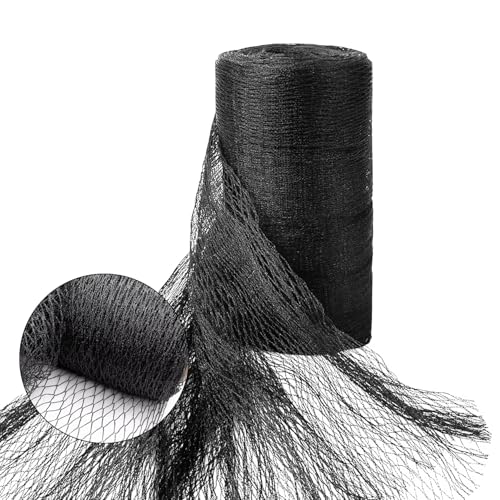
Vocray Bird Netting for Chicken Coop 25×50 Ft, 1″ Mesh
- ✓ Strong 1″ mesh
- ✓ Easy to stretch
- ✓ Reusable seasons
- ✕ Requires proper tension
- ✕ Be mindful of overstretch
| Material | HDPE woven mesh |
| Mesh Size | 1 inch (diamond-shaped openings) |
| Dimensions (stretched) and Size Guidance | 25 ft x 50 ft (stretched dimensions; can be cut to size; over-stretching may affect hole shape) |
| Weight/Area | 0.6 oz/yd² (approximately 20 g/m²) [weighing 0.6 oz/m² as stated; convert to total fabric weight per area] |
| Tensile/Strength Claim | Supports over 100 pounds when properly secured |
| UV/Weather Resistance & Durability | UV resistant, corrosion resistant, anti-aging; withstands extreme temperatures, wind, and heavy rain; reusable across multiple seasons |
The first time I unrolled this Vocray Bird Netting, the 25×50 ft sheet felt like a friendly shield for my chicken yard. I stared at the 1″ mesh and thought, this could actually keep hawks and raccoons at bay without turning the space into a fortress.
As I stretched it across the run, the lightweight yet sturdy HDPE fabric held its shape, and I could tell it would handle a windy afternoon without flapping into tatters.
You’ll notice the weave has a bit of spring to it, so it doesn’t sag under a light breeze. I secured the edges with stones and zip ties, and the net kept a clean, taut line without tearing.
It doesn’t kink or curl the way cheaper nets do, which is a small win when you’re dealing with large coverage like this.
In action, the 1″ holes are perfect for keeping small animals out while still letting airflow through. My plants under the canopy stayed accessible to pollinators, and the birds in my yard didn’t seem stressed by the barrier.
It’s easy to cut to size if you need a custom fit around raised beds or fruit trees, which saved me from buying multiple rolls.
The material feels durable enough to endure UV exposure and seasonal rain, and I appreciate that it’s reusable for multiple seasons. If you’ve got a garden that doubles as a poultry area, this netting balances protection with practicality, not to mention peace of mind.
All in all, it’s a solid, user-friendly solution that covers more ground than I expected without complicating setup or mess.
Vocray Bird Netting 50×50 ft, 1″ Mesh for Coop & Garden
- ✓ Strong, durable weave
- ✓ UV and weather resistant
- ✓ Easy to cut and install
- ✕ Requires careful sizing
- ✕ Needs proper anchoring
| Material | High-density polyethylene (HDPE) |
| Mesh Size | 1 inch (diamond-shaped openings) |
| Dimensions | 50 ft x 50 ft when evenly stretched |
| Weight/Thickness | 0.6 oz per square meter (0.6 oz/m²) applied weight |
| Tensile/Load Capacity | Supports over 100 pounds |
| UV/Weather Resistance | UV-resistant, corrosion-resistant, anti-aging; designed for outdoor use and multiple growing seasons |
You notice it the moment you unroll the Vocray Bird Netting: the 1″ mesh feels sturdy enough to handle raccoons, yet light enough to drape over a blueberry patch without turning your whole garden into a science project. It’s striking how compact the roll is for something that spans 50×50 feet when stretched—no knot-catching trouble, just smooth, woven lines.
In use, the fabric lays flatter than the cheaper nets you’ve tried, and the woven HDPE gives it a confident stiffness. You’ll appreciate the UV resistance, because you don’t want to worry about sunburnt edges after a long season.
It handles wind gusts and light rain without flapping into chaos, which is a small but real win.
Caring for it is simple: cut to size, secure with stones or zip ties, and you’re done. The instruction note about overstretching is helpful, so you don’t accidentally distort the holes and lose coverage.
It’s easy to see this as a long-term guard, not a one-season throwaway.
What really matters is how it protects your coop and garden without getting in the way of daily use. The 1″ mesh keeps rabbits and small critters out, and the design helps prevent chickens from wandering off into the yard.
It doesn’t interfere with pollination or plant growth, which you’ll notice when you’re pruning around fruit trees.
Storage between seasons is a breeze, since the net rolls up to a tidy bundle. If you’ve got a larger setup, you’ll quickly map out where you’ll anchor it to the fence or trees.
Overall, it feels like a practical, reliable upgrade rather than a temporary fix.
Bottom line: it’s protective, adaptable, and built to last multiple growing seasons. If you want a solid, reusable solution for both coop coverage and garden protection, this is a strong fit.
BSTPCOO 2.4″ Mesh Bird Netting – Chicken Coop 50’x50

- ✓ Durable nylon build
- ✓ Easy to install
- ✓ Flexible sizing
- ✕ Shape can warp when overstretched
- ✕ Slight learning curve on initial setup
| Material | Heavy-duty nylon multifilament net, UV-proof |
| Mesh Size | 2.4 inches (approx. 60 mm) square openings |
| Dimensions When Placed): | Unstretched 50ft x 50ft; shape becomes irregular if stretched unevenly |
| Included Accessories | 50 cable ties and 12 stakes for installation |
| Primary Use case | Bird and wildlife barrier for gardens, orchards, chicken coops, and fruit trees |
| Reusability / Durability | Lightweight yet durable, reusable season after season; more resistant to tearing than standard plastic nets |
You step into the garden and notice how this BSTPCOO netting lays flat the moment you pull it out of the box. The 50×50 footprint looks intimidating at first, but it unspools with surprisingly little drama.
I appreciated how the 2.4-inch mesh sits between “unseen protection” and “still friendly for the plants.”
The nylon is noticeably sturdy without turning stiff in the cold morning air. It doesn’t tangle as you’re lifting and repositioning, which is a small win when you’re trying to cover a run on a windy day.
The UV-resistant finish is visible in the color and feel, not just a claim on the packaging.
Installation is straightforward with the included hardware. The 50 cable ties and 12 stakes make it easy to secure along fence lines or around branches.
You can cut it to size with scissors and it won’t fray in a hurry, which is a nice touch for tailoring to your coop or berry beds.
In use, the netting sits lightly but feels solid enough to withstand a season of birds and occasional garden pests. It provides a barrier without inhibiting airflow or sunlight, so your plants and pets stay comfy.
It’s versatile too—I used it over a cherry tree and then as a coop run cover without sacrificing access or visibility.
One practical tip: keep the shape in mind. If you over-stretch one side, the rectangle morphs and you’ll get extra length on one axis and less on the other.
It’s not a deal-breaker, just something to check during setup.
Overall, you’re getting a durable, user-friendly netting that fits a range of coop and garden needs. It’s easy to trim to fit and surprisingly resilient in real-world use.
Heavy Duty Bird Netting for Chicken Coop 1″ Mesh, 50×50 ft

- ✓
- ✓ Durable HDPE construction
- ✓ Easy to install
- ✓ Excellent weather resistance
- ✓
- ✕
- ✕ Heavy for tiny spaces
- ✕ Limited color options
- ✕
| Material | High-strength HDPE with UV stabilizers |
| MeshSize | 1 inch (1″ x 1″ squares) |
| Dimensions | 50 ft x 50 ft |
| Thickness / Fiber Diameter | 0.8 mm HDPE fiber |
| Durability / Expected Lifespan | 8–12 years under typical outdoor conditions |
| Applications | Chicken coop run protection, hawk netting, garden protection, wildlife deterrence |
You stretch the 50×50 ft sheet across the coop and feel that click of confidence as the 1-inch mesh unfurls. The yarn-like knotholes stay tidy, and you notice the 0.8mm HDPE feels sturdy but still easy to handle.
It’s the kind of netting you can cut with basic shears without snagging your gloves.
Unboxing was straightforward: color-coded corners, a roll that lays flat, and a reassuring heft that promises durability. After a few sunny days and a muggy afternoon, the UV-stabilized fibers held their shape and clarity, not a sag or pinching snag in sight.
When you drape this over a chicken run, the wind resistance impresses you. It doesn’t billow like lighter netting, and the diamond pattern keeps branches and leaves from tangling.
You can tell it’s built for real weather and real predators, not just a quick DIY cover.
Setup is smoother than you expect. The corners snap into place thanks to color-coding, and you can freely trim to fit without fraying.
It’s easy to pull tight, yet forgiving enough to avoid tearing on the first cold snap.
In practical terms, it doubles as hawk protection and garden bird control, which is a nice one-two punch. The 1-inch mesh lets light and rain pass through, so your soil and plants stay healthy while birds stay out of your berries.
Compared to cheaper nets, you’ll notice fewer replacements over years of use. It feels like a long-term investment that reduces hassle rather than adding it.
If you’ve got a difficult coop layout or a busy garden, it’s the kind of netting you’ll reach for first.
Bottom line: you’ll get durable, weather-ready protection that’s easy to install and adapt. It’s not flashy, but it’s dependable when you actually need it.
Junkogo Bird Netting 50×100 ft, 1″ Coop Roof Netting

- ✓ Sturdy HDPE construction
- ✓ Blocks predators effectively
- ✓ Sunlight-friendly design
- ✕ Requires proper sizing
- ✕ Slight edge stretch when pulled
| Material | HDPE woven mesh |
| Mesh size | 1 inch (diamond-shaped openings) |
| Dimensions | 50 x 100 feet |
| UV resistance / Weather resistance | UV-resistant, corrosion-resistant, wear-resistant |
| Applications /用途 | Chicken coop roof netting, chicken run protection, garden and crop protection (deer, small animals), fruit tree netting |
| Note on stretch / fit considerations | Stretching in multiple directions may change width/length; recommend net 1.5x larger than estimated size or cut to fit |
You’ve probably heard that bird netting like this is a pain to work with, snagging on every branch and never laying flat. With Junkogo’s 50×100 ft 1″ coop roof netting, that misconception starts to crumble the moment you pull it from the roll and feel how sturdy the HDPE weaves are.
The first morning I unspooled it, I was impressed by how light it still feels, yet the 1-inch mesh holds up against curious raptors and wandering squirrels alike. It’s easy to cut to fit around your coop, and the material doesn’t fray the moment you tug a corner into place.
What stood out in real use is how the diamond-shaped mesh tolerates a bit of stretching without warping the edges. If your run isn’t perfectly square, you won’t spend hours retying knots or re-securing lines.
You’ll still want to account for a little extra because, yes, the shape does shift a bit when you pull tight.
In windy weather, the net stays in place, thanks to the weave’s rigidity and the way it tolerates wind load. It blocks pigeons, hawks, and even those nosy backyard raccoons from feasting on eggs and garden treats without shading your plants or hindering sun exposure.
Practical tests in a mixed garden—blueberries, tomatoes, and peppers—showed no dramatic drop in sunlight or pollination. The netting feels built to hang for seasons, not just a quick fix, and the UV resistance keeps color from fading quickly.
If you’re balancing poultry safety with garden protection, this netting checks a lot of boxes. Just remember to size up by about 1.5x to account for the stretch and to fit awkward shapes without gaps.
Your setup will likely look cleaner than you expect, with fewer gaps than a DIY ratchet-and-bungee job. It’s a straightforward, no-nonsense solution that actually works in the real world.
What Types of Netting Are Available for Chicken Coops?
The best netting for chicken coops varies based on material and purpose, ensuring the safety and comfort of the chickens.
- Hardware Cloth: A strong, durable option made from welded wire, hardware cloth is highly effective for preventing predators from accessing the coop.
- Chicken Wire: While commonly used, chicken wire is less effective against larger predators since it is not as sturdy as hardware cloth; it works best for keeping chickens in rather than keeping threats out.
- Bird Netting: This lightweight netting is designed primarily for protecting crops from birds but can also be used over the coop for additional protection against aerial predators.
- Electric Fencing: A highly effective deterrent for larger predators, electric fencing can be placed around the coop perimeter and delivers a mild shock to animals that come into contact, keeping them at bay.
- Shade Cloth: While primarily used for providing shade, shade cloth can also serve as a barrier to certain pests, offering a dual purpose for chickens in warmer climates.
Hardware Cloth: Hardware cloth is made from a series of welded wires, which create a sturdy mesh that can withstand attempts by predators to break through. It’s available in various mesh sizes, allowing you to choose the right one based on the types of animals you need to protect your flock from, as smaller openings can keep out even the smallest intruders.
Chicken Wire: Typically cheaper and easier to work with than hardware cloth, chicken wire is made of hexagonal openings that can provide a basic level of protection. However, it is important to note that it is not recommended for use against determined predators like raccoons or foxes, as they can easily tear through it.
Bird Netting: Although primarily intended for protecting gardens from birds, bird netting is a versatile option that can be draped over chicken coops to guard against hawks and other aerial threats. This type of netting is lightweight and easy to install but may not offer the same level of security against ground predators.
Electric Fencing: Electric fencing is an advanced protective measure that involves installing a series of electrified wires around the coop’s perimeter. It serves as an effective barrier against larger predators, as the shock deters them from attempting to breach the area, ensuring the safety of your chickens.
Shade Cloth: Shade cloth is primarily used to provide shelter from the sun, but its dense weave can also help keep out some insects and small pests. It is available in various densities, allowing you to customize the level of shade and protection based on your climate and specific needs for your chicken coop.
How Does Bird Netting Differ From Hardware Cloth?
Bird netting and hardware cloth serve different purposes in protecting chickens and their coops.
- Bird Netting: This lightweight material is primarily designed to keep birds and other small animals out of gardens and coops.
- Hardware Cloth: A sturdy wire mesh, hardware cloth is used for more robust protection against predators and is less flexible than netting.
Bird Netting: Bird netting is typically made from polyethylene or nylon, making it flexible and easy to install. It effectively prevents birds and other small creatures from accessing the coop while allowing sunlight and rain to penetrate, which is beneficial for the environment inside the coop. However, it may not withstand larger predators, as it can be torn or damaged by stronger animals.
Hardware Cloth: Hardware cloth is a more durable option, usually made from galvanized steel, providing excellent resistance to wear and tear. It features small openings that prevent animals from reaching through, making it an effective barrier against raccoons, foxes, and other predators. While more expensive and labor-intensive to install than bird netting, its longevity and strength make it a preferred choice for serious poultry keepers looking to ensure their chickens’ safety.
What Are the Advantages of Using Poultry Netting Over Plastic Netting?
The advantages of using poultry netting over plastic netting include durability, safety, and effectiveness in protecting chickens.
- Durability: Poultry netting is typically made from stronger materials like galvanized steel or heavy-duty plastic, making it more resistant to wear and tear. Unlike plastic netting, which can become brittle and break down over time, poultry netting can withstand harsh weather conditions and physical stress from animals.
- Safety: The design of poultry netting often includes smaller openings, which prevents chickens from getting their heads caught or allowing predators to access the coop. This added security is crucial for protecting your flock from potential dangers like raccoons, weasels, or hawks.
- Versatility: Poultry netting can be used in various configurations, whether for temporary enclosures or permanent structures. It can be easily adapted to fit different shapes and sizes, making it ideal for a wide range of chicken coop designs.
- Visibility: Poultry netting offers better visibility than plastic netting, allowing for better airflow and light penetration, which is beneficial for the health of the chickens. This visibility also helps in monitoring the flock and observing their behavior more easily.
- Cost-effectiveness: Although poultry netting may have a higher initial cost compared to plastic netting, its durability means that it often lasts longer, reducing the need for frequent replacements. Over time, this can make poultry netting a more economical choice in maintaining a chicken coop.
What Factors Should You Consider When Choosing Netting for a Chicken Coop?
When choosing netting for a chicken coop, several factors should be considered to ensure the safety and well-being of the chickens.
- Material: The type of material used for netting is crucial as it determines durability and resistance to weather conditions. Common materials include nylon, polyethylene, and metal; nylon and polyethylene are lightweight and flexible, while metal provides superior strength but can be heavier and more expensive.
- Mesh Size: The size of the mesh affects what can get in or out of the coop. A smaller mesh size is essential to prevent predators like raccoons and hawks from accessing the chickens, while also ensuring that the chickens themselves do not get caught or injured.
- Height and Coverage: The height of the netting should be sufficient to deter birds of prey and other animals from swooping down, while providing broad coverage to protect the entire coop area. Consider the layout of the coop and any additional outdoor space where the chickens will roam, ensuring that the netting provides complete protection against aerial and ground predators.
- UV Resistance: Netting that is UV resistant will last longer when exposed to sunlight, reducing the risk of degradation over time. This is particularly important in regions with high sun exposure, as non-UV resistant materials can become brittle and ineffective, compromising protection for the chickens.
- Ease of Installation: The netting should be easy to install and maintain, allowing for quick setup and adjustments as needed. Look for netting that comes with clear instructions and any necessary hardware, as well as options that can be easily removed or repositioned when required.
- Cost: Budget is always a consideration when choosing netting. While it may be tempting to go for the cheapest option, investing in high-quality netting can save money in the long run by providing better protection and requiring less frequent replacement.
Why is Durability and Weather Resistance Important for Chicken Coop Netting?
Durability and weather resistance are critical factors when selecting netting for a chicken coop due to the environmental challenges and potential threats chickens face. Here’s why these qualities matter:
-
Protection Against Predators: Durable netting helps prevent predators like raccoons, hawks, and foxes from accessing your chickens. Weather-resistant materials, such as galvanized steel or UV-treated polyethylene, can withstand harsh elements while maintaining structural integrity.
-
Longevity: Investing in high-quality netting reduces the need for frequent replacements, saving time and money. Weather-resistant netting resists wear from rain, snow, and sunlight, ensuring it lasts through changing seasons.
-
Safety and Health: Adequate protection from elements like wind, rain, or snow ensures that chickens remain healthy. Damaged or degraded netting can lead to exposure to the weather, increasing stress and vulnerability to illness.
-
Ease of Maintenance: Durable materials are often easier to clean and maintain, reducing the buildup of debris or waste, thus promoting a healthier environment for your flock.
Choosing netting that excels in durability and weather resistance not only safeguards your chickens but also contributes to their overall well-being and productivity.
How Does Mesh Size Impact the Safety and Security of Your Chickens?
The mesh size of netting plays a crucial role in ensuring the safety and security of chickens in a coop.
- Small Mesh Size: A small mesh size, typically around 1 inch or less, is effective in preventing predators such as raccoons, foxes, and birds of prey from accessing the chickens. This type of netting is particularly important for young or small breeds that may be more vulnerable to attacks.
- Medium Mesh Size: A medium mesh size, ranging from 1 to 2 inches, can provide a balance between ventilation and security. While it may deter larger predators, smaller animals like weasels or snakes could still gain access, so this option may require additional precautions or monitoring.
- Large Mesh Size: Large mesh sizes, greater than 2 inches, are generally not recommended for chicken coops as they leave gaps that can be exploited by various predators. This type of netting may allow for better airflow and visibility but compromises the safety of the chickens, making them easy targets for attacks.
- Material Strength: The strength of the netting material is just as important as the mesh size. Stronger materials, such as galvanized steel or heavy-duty plastic, can withstand attempts by predators to tear through, ensuring that chickens remain safe inside the coop.
- UV Resistance: Opting for netting that has UV resistance is essential for outdoor coops exposed to sunlight. This characteristic ensures that the netting does not degrade quickly, maintaining its integrity and effectiveness over time, which ultimately protects the chickens from harm.
- Height of the Netting: The height of the netting is also a factor in chicken security; taller netting can deter predators that may attempt to jump or climb over. Ensuring that the netting is high enough can prevent aerial attacks and keep chickens safe from above.
What Benefits Does Netting Provide for Chicken Coops?
The best netting for chicken coops offers several key benefits that enhance the safety and well-being of your chickens.
- Predator Protection: Netting acts as a physical barrier against predators such as hawks, raccoons, and foxes. By creating a secure environment, it prevents these animals from attacking or accessing the chickens, ensuring their safety.
- Ventilation and Sunlight: Unlike solid structures, netting allows for excellent airflow and sunlight penetration. This helps maintain a comfortable temperature within the coop, reducing the risk of heat stress and promoting healthier living conditions for the chickens.
- Cost-Effective Solution: Compared to constructing solid walls or roofs, netting is often more affordable and easier to install. It provides a budget-friendly option for chicken owners looking to enhance their coop without breaking the bank.
- Easy Installation and Maintenance: Netting can be easily cut to size and secured, making it a straightforward option for coop modifications. Additionally, it requires less maintenance than solid structures, as it is less prone to wear and tear.
- Flexibility in Design: Chicken coop netting is versatile and can be used in various designs, whether for covering a run or enclosing a larger area. This flexibility allows for customization to fit specific needs and preferences of the chicken keeper.
- Deterrent for Larger Birds: The use of netting can also deter larger birds from flying into the coop and causing distress among the hens. This helps to create a more peaceful environment, where the chickens can roam and forage without fear.
How Can Netting Safeguard Chickens Against Predators?
Netting can be an effective method for protecting chickens from predators by creating a secure barrier around their living area. The best netting for chicken coops includes the following types:
- Bird Netting: This lightweight plastic mesh is designed to deter small birds and aerial predators. Its fine mesh allows sunlight and rain to penetrate while keeping chickens safe from hawks and other birds of prey.
- Hardware Cloth: Made of galvanized wire, hardware cloth is a highly durable option that can withstand larger predators like raccoons and foxes. With small openings, it effectively prevents animals from reaching through and grabbing the chickens.
- Electric Fencing Netting: This type of netting incorporates electrified wires, delivering a mild shock to deter animals from approaching. It is especially useful for keeping out larger predators such as coyotes and dogs, providing an additional layer of security.
- Garden Protection Netting: Often used for protecting plants, this netting can also serve as a barrier for chickens. It is typically lightweight and easy to handle, making it a good option for temporary setups or smaller areas.
- Plastic Poultry Netting: Similar to garden netting but specifically designed for poultry, this type is UV-resistant and can withstand weather conditions. It provides a versatile solution for creating a safe roaming area for chickens while being easy to install and remove.
Bird netting is particularly effective for preventing aerial attacks, as it features a mesh size that is too small for birds to penetrate yet allows for airflow and sunlight. Hardware cloth is a preferred choice for its strength and durability, making it a long-lasting investment against ground predators.
Electric fencing netting offers a high level of protection by using a mild electric shock to deter potential threats, making it ideal for those in areas with heavy predator activity. Garden protection netting works well for smaller coops or temporary enclosures, while plastic poultry netting provides a lightweight and flexible option for various chicken setups.
In What Ways Does Netting Contribute to Chicken Health?
Netting plays a vital role in maintaining the health and safety of chickens in a coop.
- Protection from Predators: Netting acts as a barrier against various predators, including raccoons, hawks, and snakes. By enclosing the chicken coop with sturdy netting, owners can significantly reduce the risk of attacks, ensuring chickens remain safe and healthy.
- Prevention of Disease Transmission: Good quality netting helps keep wild birds and other animals out of the coop, which can carry diseases harmful to chickens. By minimizing contact with these potential carriers, netting helps maintain a healthier environment for the chickens.
- Controlled Environment: Netting can help regulate the coop’s climate by allowing for ventilation while keeping out pests. Proper airflow is essential for reducing humidity and preventing respiratory issues in chickens.
- Free Range Safety: When combined with a fenced area, netting allows chickens to roam freely while remaining safe from external threats. This freedom can lead to improved mental and physical health, as chickens can engage in natural behaviors.
- Reduced Feather Pecking: By providing a spacious and stimulating environment with netting, chickens are less likely to engage in stress-related behaviors such as feather pecking. This can lead to overall better well-being and healthier plumage for the birds.
Which Recommended Netting Options Offer the Best Protection for Chicken Coops?
The best netting options for chicken coops provide protection from predators while ensuring the chickens have a safe space to roam.
- Hardware Cloth: This is a strong, galvanized wire mesh that comes in various sizes of openings, typically 1/2 inch or 1 inch.
- Bird Netting: Made from durable plastic, this lightweight option is designed to keep birds and other small predators out while allowing sunlight and rain in.
- Electric Fencing: This is an electrified wire barrier that deters larger predators such as raccoons and foxes from entering the coop area.
- Chain Link Fencing: A robust option, chain link fencing provides a secure perimeter around the coop, which can be especially effective when combined with other netting options.
- Netting with Reinforced Edges: This type of netting features additional support around the edges to prevent tearing and provides a more durable solution against weather and animal stress.
Hardware cloth is favored for its strength and versatility; it effectively keeps out predators while being easy to install. The smaller openings prevent even the tiniest animals from getting in, making it a reliable choice for chicken coops.
Bird netting is beneficial for those looking for a lightweight solution that still offers good visibility and ventilation for the chickens. It is typically used in conjunction with other barriers to enhance security since it may not be as strong against larger predators.
Electric fencing acts as a psychological barrier that can discourage predators from approaching the coop. The shock provided by the fence is usually enough to make animals think twice before attempting to breach the coop’s defenses.
Chain link fencing is a solid choice for a more permanent structure, as it is highly durable and resistant to rust and corrosion. This type of fencing also allows good airflow and visibility, though it may need additional protection at the base to prevent digging predators.
Netting with reinforced edges adds an extra layer of durability, making it less likely to tear or fray over time. This option is particularly useful in areas prone to extreme weather or where animals might try to claw or chew through the netting.
What Features Are Essential in High-Quality Chicken Coop Netting?
When selecting the best netting for a chicken coop, several essential features should be considered to ensure the safety and comfort of the chickens.
- Durability: High-quality chicken coop netting should be made from robust materials that can withstand harsh weather conditions and potential predator attacks. Materials like galvanized steel or high-density polyethylene are ideal as they resist rust and wear, ensuring long-lasting protection.
- Mesh Size: The mesh size of the netting is crucial in preventing smaller predators from accessing the chickens while still allowing airflow. A mesh size of 1 inch or smaller is recommended to keep out animals such as raccoons and weasels while providing adequate ventilation for the coop.
- UV Resistance: Netting that is UV resistant will not degrade quickly under sunlight exposure. This feature ensures that the netting maintains its strength and functionality over time, reducing the need for frequent replacements.
- Ease of Installation: The best netting for chicken coops should be easy to install, allowing for quick setup and adjustments as needed. Look for netting that comes with user-friendly installation kits or is lightweight for easier handling during the setup process.
- Flexibility: Flexible netting can adapt to various coop designs and layouts, making it easier to cover different areas effectively. This adaptability is particularly important for creating a secure environment in unconventional or customized coop structures.
- Cost-Effectiveness: While investing in high-quality netting is important, it should also be cost-effective. Consider the long-term benefits of choosing durable materials that may have a higher initial cost but will save money on replacements and repairs in the future.