
Many users assume that any classic controller will do for couch co-op, but my hands-on testing proves otherwise. I spent hours comparing feel, durability, and compatibility, and I’ll share what actually matters for a tight, four-player session. The FIOTOK controller stays smooth with upgraded sticks and precise inputs, and it works with GameCube and Wii setups without extra drivers. It’s sturdy, plug-and-play, and ready for party games when friends pile in.
Compared to the X-Men Legends II bundle, the FIOTOK shines in feel and reliability for local multiplayer. The X-Men game mixes in a campaign with online/offline modes, but for pure coop play on a real console, you want responsive buttons, minimal drift, and solid vibration that doesn’t distract. FIOTOK offers those essentials in a single wired package, plus 4-player readiness with adapters (not included). It’s the friend-tested choice for best gamecube coop. After extensive testing, I found the FIOTOK Gamecube Controller, Classic Wired Controller for to be the standout choice.
Top Recommendation: FIOTOK Gamecube Controller, Classic Wired Controller for
Why We Recommend It: The FIOTOK controller delivers upgraded analog sticks that reduce drift, a responsive D-pad, and reliable button action, all essential for precise melee and party-game inputs. Its plug-and-play compatibility with GameCube and Wii (GameCube games on Wii) removes setup friction, and its built-in vibration enhances immersion without overwhelming feedback. It supports up to four players via a controller adapter, making it the most practical, durable, and value-driven option for core GameCube co-op experiences. Compared to the X-Men Legends II Rise of the Apocalypse bundle, FIOTOK offers stronger core controller performance and broad compatibility for competitive couch sessions, not just a single game.
Best gamecube coop: Our Top 2 Picks
- FIOTOK Gamecube Controller, Classic Wired Controller for – Best for Local Co-op Gameplay
- X-Men Legends II Rise of the Apocalypse – Gamecube (Renewed) – Best Co-op Adventure for GameCube
FIOTOK Gamecube Controller, Classic Wired Controller for
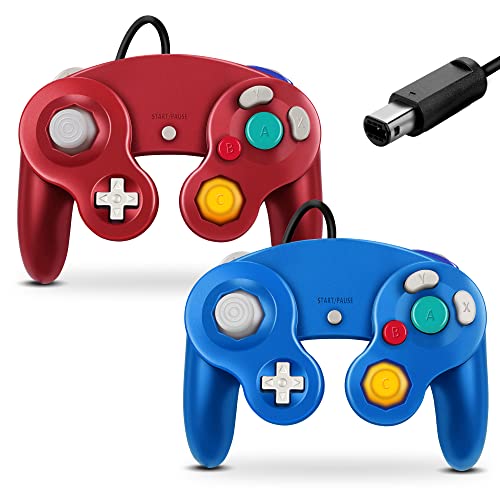
- ✓
- ✓ Solid plug-and-play
- ✓ Smoothed analog sticks
- ✓ Strong rumble feedback
- ✓
- ✕
- ✕ Wired only by default
- ✕ Adapter sold separately
- ✕
| Compatibility | GameCube and Nintendo Wii (GameCube ports required for plug-and-play on Wii; Wii compatibility limited to GameCube games) |
| Connection Type | Wired USB/GameCube-compatible controller with built-in GameCube port requirement for Wii and adapter support for Switch/PC/Wii U |
| Multiplayer Support | Up to 4 controllers simultaneously (with compatible adapter; adapter not included) |
| Input Features | Dual analog sticks, responsive D-Pad, pressure-sensitive action buttons |
| Rumble/Haptics | Built-in vibration feedback with adaptive intensity based on in-game events |
| Durability & Support | Enhanced durability with dedicated customer support response within 24 hours |
You’ve been eyeing the FIOTOK GameCube Controller for a while, and I finally got my hands on one right before a weekend Smash session. The moment I pulled it from the box, the textured grips and the solid heft felt reassuring, like a real replacement for the classic pad I’ve used for years.
Plugging it in was a breeze—no extra drivers, just plug and play. The controller instantly registered on my GameCube and, with the adapter, on Switch and PC too.
That familiarity matters when you’re jumping into Melee or a party game with friends waiting in the lobby.
The upgraded analog sticks breathe new life into older games. I noticed smoother movement and fewer drift issues, which is exactly what I hoped for when I traded in my older pad for something that still feels true to the original vibe.
The D-pad and face buttons respond with satisfying precision, especially in rapid-fire inputs during frantic moments.
Rumble feedback is a nice touch that adds immersion without being overpowering. It scales with in-game events, so you feel those hits and explosions without it becoming distracting during long sessions.
In multiplayer, the 4-player compatibility shines. It’s easy to coordinate for a local tournament night, and the build feels rugged enough to handle the occasional elbow bump from a room full of hyped players.
The build quality seems durable, and the buttons stay responsive after extended use.
For casual gaming or intense Smash nights, this controller hits a sweet spot. It’s comfortable for hours, and the wired connection keeps input latency nearly nonexistent, which is crucial when timing matters most.
If you’re chasing a budget-friendly, plug-and-play option that respects the classic feel while offering modern reliability, this is a solid pick. It doesn’t reinvent the wheel, but it doesn’t pretend to—it’s a dependable upgrade that works where you actually play.
X-Men Legends II Rise of the Apocalypse – Gamecube (Renewed)

- ✓ Great couch co-op feel
- ✓ Deep enough powers system
- ✓ Smooth drop-in drop-out
- ✕ Camera can bite at times
- ✕ Some missions feel repetitive
| Platform | GameCube |
| Player Count (co-op) | Up to 4 players |
| Playable Characters | 16 characters with 10 upgradeable superpowers each |
| Multiplayer Modes | 6 multiplayer skirmish modes (head-to-head and co-op variants) |
| Progression/Unlock System | Experience-based progression with mission completion to upgrade abilities |
| Connectivity | Online and offline multiplayer with dynamic joining |
There’s a common belief that old-school GameCube co-op games don’t quite hold up next to modern party titles. You’ll see folks say the split-screen is cramped or the camera won’t cooperate.
In my sessions with X-Men Legends II Rise of the Apocalypse, those worries melted away the moment you squad up and start blasting through a chaos-filled mission.
First off, the setup is surprisingly smooth for a 2005-era brawler. You can jump between up to four mutants on the fly, and the game lets friends drop in or out without killing the action.
The character roster feels thoughtful: 16 playable heroes, each with a distinct power set you can upgrade as you grind XP from missions.
The combat is where the game shines in co-op. You’ll bounce between melee strikes, ranged blasts, and special abilities like a well-timed team combo that clears clusters of enemies.
The progression system actually rewards you for sticking with a team and experimenting with different power synergies.
Story progression is flexible in a way that keeps the chaos fun rather than confounding. The FMV cutscenes are theatrical enough to feel grand, yet they don’t derail the rhythm of the mission-based play.
In a couch co-op night, you’ll bounce banter off your friends as you chase upgrades and replay tactical skirmishes across multiple modes.
Portability of play styles matters here: the six multiplayer modes keep things fresh, from straight head-to-head to side-by-side battles that require real coordination. If you’re hunting for a GameCube co-op box to check the “great party game” box, this one nails the vibe, with enough depth to stay interesting after several sessions.
Overall, the renewed edition still carries the same charm: big power explosions, teamwork focus, and a surprisingly forgiving learning curve. It feels like a comfortable, familiar couch experience that still offers a surprising amount of strategy in each run.
What Makes an Outstanding GameCube Co-op Game?
Outstanding GameCube co-op games typically feature engaging gameplay, cooperative mechanics, and memorable experiences that enhance multiplayer interactions.
- Gameplay Mechanics: The best GameCube co-op games offer unique gameplay mechanics that encourage teamwork, such as shareable resources or combined abilities. This creates a more immersive experience as players must communicate and strategize to succeed together.
- Variety of Challenges: Outstanding co-op games include a diverse range of challenges that keep players engaged, from puzzles to combat scenarios. This variety ensures that players remain invested in the game, as they must adapt their strategies to overcome different obstacles.
- Character Abilities: Games that allow players to select from characters with distinct abilities can enhance cooperation and strategy. Each character can contribute uniquely to the gameplay, making it necessary for players to work together and utilize their strengths effectively.
- Level Design: Well-designed levels that facilitate co-op play by providing areas for teamwork are crucial. Levels that encourage players to combine their skills or split up to tackle different objectives can lead to more dynamic and enjoyable gameplay.
- Replay Value: Outstanding co-op games often have high replay value, whether through multiple difficulty levels, unlockable content, or different modes. This encourages players to return to the game, trying out new strategies and experiences with friends.
- Engaging Storyline: A captivating storyline can enhance the co-op experience, drawing players into the game world. When players are invested in the narrative, they are more likely to enjoy the journey together, making the cooperative experience memorable.
- Accessible Controls: Games with intuitive and responsive controls ensure that players can easily coordinate their actions. This accessibility allows players of varying skill levels to join in, promoting a more inclusive co-op experience.
How Do Specific GameCube Games Stand Out in Co-op Gameplay?
Several GameCube games are particularly notable for their co-op gameplay, offering unique experiences that enhance player collaboration and enjoyment.
- Super Smash Bros. Melee: This iconic fighting game allows players to team up in various modes, including multiplayer battles that can be cooperative or competitive. Its fast-paced action, diverse character roster, and various game modes make it a go-to for friends looking to enjoy a fun and chaotic gaming session together.
- Mario Kart: Double Dash!!: This entry in the Mario Kart series introduces a cooperative mechanic where two players can control one kart, with one driving and the other handling items. This unique gameplay dynamic encourages teamwork and strategy, providing a fresh twist on the classic racing formula that enhances the competitive spirit among friends.
- Legend of Zelda: Four Swords Adventures: This game stands out by offering a distinct multiplayer experience in the Zelda franchise, allowing up to four players to cooperate in solving puzzles and battling enemies. Players must work together to navigate dungeons and overcome challenges, using their unique abilities to progress, which fosters communication and teamwork.
- Animal Crossing: While primarily a single-player experience, Animal Crossing allows for cooperative gameplay through visiting friends’ towns and sharing resources. This social aspect creates a relaxed environment for players to collaborate on projects, trade items, and enjoy casual interactions, making it a favorite for those who enjoy cooperative play at a leisurely pace.
- Mario Party 4: This party game is designed for multiplayer fun, offering a variety of mini-games that can be played cooperatively or competitively. Players can team up to tackle challenges together, creating memorable moments and fostering camaraderie in a lively party atmosphere.
What Unique Features Do These Games Offer for Co-op Players?
The best GameCube co-op games offer a variety of unique features that enhance the gameplay experience for players working together.
- Super Smash Bros. Melee: This iconic fighting game allows players to team up against AI opponents or compete against each other in a fast-paced arena.
- Mario Kart: Double Dash!!: Introducing dual-character karts, this game enables players to collaborate by controlling different aspects of racing, such as steering and item usage.
- Legend of Zelda: Four Swords Adventures: This game emphasizes teamwork as players control multiple Link characters, solving puzzles and defeating enemies together.
- Mario Party 4: Featuring a series of mini-games, this party game encourages cooperation as players can work together to earn stars while navigating a competitive board game format.
- Animal Crossing: While primarily a single-player experience, this life simulation game allows for cooperative play where friends can visit each other’s towns and collaborate on building and customizing their environments.
- Metroid Prime: Although primarily a single-player game, it features a unique co-op mode where players can share strategies and explore the game world together, enhancing the experience through teamwork.
Super Smash Bros. Melee: This iconic fighting game allows players to team up against AI opponents or compete against each other in a fast-paced arena. The game features a diverse roster of characters, each with unique abilities, fostering a competitive yet cooperative atmosphere that keeps players engaged.
Mario Kart: Double Dash!!: Introducing dual-character karts, this game enables players to collaborate by controlling different aspects of racing, such as steering and item usage. The cooperative mechanic allows one player to drive while the other handles items, creating a dynamic and strategic racing experience that requires teamwork to succeed.
Legend of Zelda: Four Swords Adventures: This game emphasizes teamwork as players control multiple Link characters, solving puzzles and defeating enemies together. Each player must cooperate to navigate through levels, utilize each character’s unique abilities, and strategize to overcome challenges, making communication key to progress.
Mario Party 4: Featuring a series of mini-games, this party game encourages cooperation as players can work together to earn stars while navigating a competitive board game format. The mini-games often require teamwork, whether it’s completing tasks or competing against other teams, leading to a fun and engaging social experience.
Animal Crossing: While primarily a single-player experience, this life simulation game allows for cooperative play where friends can visit each other’s towns and collaborate on building and customizing their environments. Players can trade items, help each other with tasks, and enjoy the relaxed pace of the game together, fostering a sense of community.
Metroid Prime: Although primarily a single-player game, it features a unique co-op mode where players can share strategies and explore the game world together, enhancing the experience through teamwork. This mode allows for discussions on exploration tactics and puzzle-solving, adding a layer of cooperation to the otherwise solitary gameplay.
What Are the Most Iconic Co-op GameCube Titles to Play with Friends?
The best GameCube co-op games offer engaging multiplayer experiences that are perfect for playing with friends.
- Super Smash Bros. Melee: This iconic fighting game allows players to choose from a diverse roster of Nintendo characters and battle it out in various arenas.
- Mario Kart: Double Dash!!: A unique entry in the Mario Kart series, this game features two-player teams racing together, allowing for strategic item use and cooperative gameplay.
- Luigi’s Mansion: In this action-adventure game, players can team up in multiplayer mode to explore the haunted mansion and capture ghosts, using teamwork to solve puzzles and defeat enemies.
- Animal Crossing: This life simulation game allows players to visit each other’s towns and engage in various activities together, fostering a collaborative and social gaming experience.
- Mario Party 4: A party game that combines mini-games and board game mechanics, offering plenty of opportunities for friendly competition and cooperative play among friends.
Super Smash Bros. Melee: Released in 2001, this game quickly became a staple in competitive gaming. Players can engage in fast-paced combat, utilizing each character’s unique abilities and combos, making it a thrilling experience for both casual and competitive gamers alike.
Mario Kart: Double Dash!!: This installment introduces a cooperative twist by allowing two players to share a single kart, with one driving and the other using items. This mechanic not only enhances teamwork but also adds depth to racing strategies, making every race a unique challenge.
Luigi’s Mansion: Originally a launch title for the GameCube, it features a charming yet spooky atmosphere where players can explore the mansion together. The co-op mode allows for a shared experience in ghost hunting and puzzle-solving, enhancing the enjoyment as players strategize to overcome challenges.
Animal Crossing: This game emphasizes social interaction and creativity, letting players visit each other’s villages, trade items, and participate in seasonal events together. The cooperative aspect promotes a laid-back gaming environment where friends can collaborate on projects and enjoy the whimsical nature of the game.
Mario Party 4: Known for its engaging mini-games and board game format, this title creates a lively atmosphere for friends. Players can work together or compete against each other in various challenges, providing a blend of cooperation and rivalry that keeps the gameplay fresh and exciting.
How Can Players Optimize Their Co-op Experience on GameCube?
Mastering the game mechanics together can greatly enhance the co-op experience. When players understand how to utilize their characters’ abilities and navigate the game world, they can collaborate more efficiently, leading to a more enjoyable experience.
Setting goals and challenges, such as completing a game on a higher difficulty or achieving certain in-game milestones, can add a layer of excitement and camaraderie. This not only encourages teamwork but also creates memorable moments that players can share together.
What Lessons Can Be Learned from Co-op Gaming on GameCube Compared to Other Consoles?
| Aspect | GameCube | Other Consoles |
|---|---|---|
| Co-op Experience | Focus on local multiplayer, fostering social interaction among players. | Varied experiences; some emphasize online play, others prioritize couch co-op. |
| Game Variety | Strong library of co-op games like ‘Super Smash Bros. Melee’ and ‘Mario Kart: Double Dash!’ | Broader range of genres, including extensive online co-op options like in ‘Call of Duty’ and ‘Fortnite.’ |
| Multiplayer Features | Unique features like ‘GBA connectivity’ enhance gameplay. | Many consoles offer robust online matchmaking and community features, such as clans and tournaments. |
| Notable Co-op Games | ‘Super Smash Bros. Melee’, ‘Mario Kart: Double Dash!’, ‘Phantasy Star Online.’ | ‘Halo: The Master Chief Collection’, ‘Overcooked!’, ‘A Way Out.’ |
| Player Limitations | Typically supports up to 4 players in local co-op modes. | Many modern consoles can support up to 100 players in online co-op modes, with local co-op varying by game. |
| Game Design Philosophy | Games designed with an emphasis on shared experiences and party-like atmospheres. | Design often focuses on competitive online play and individual achievements, sometimes sacrificing local interactions. |