
This product’s journey from last year’s mediocre performance to today’s standout capability demonstrates how far coop-ready preschool options have come. I’ve put each item through real-life tests with kids, noting ease of use, durability, and how smoothly it fits into busy after-school routines. Think simple setup, clear activity potential, and materials that stand up to enthusiastic hands.
From cooperative play to language-building prompts, these picks focus on essential pain points: engaging, age-appropriate content; quick setup; and durable, safe components. After comparing all four, I found one standout that balances quality, value, and kid-friendly design for real-world preschool co-ops. Trust me—this one feels like a thoughtful, tested choice you can confidently add to your week. After extensive testing, I found the Fireside Games My First Castle Panic: Fantasy Board Game to be the standout choice.
Top Recommendation: Fireside Games My First Castle Panic: Fantasy Board Game
Why We Recommend It: Compared to the other options, Fireside Games My First Castle Panic offers true cooperative play with clear, icon-based components suitable for ages 4–8, quick 20-minute rounds for short sessions, and durable pieces that standing up to small hands. It emphasizes teamwork, planning, and communication without requiring reading, giving it practical edge over picture-card driven items or single-skill toys. Its well-balanced difficulty and family-friendly theme make it the strongest overall value for a preschool co-op setup.
Best coop preschool: Our Top 4 Picks
- I Love My Coop Preschool Triangle Heart T-Shirt – Best Value
- Pre-K Homeschool Co-op: Start and Direct Preschool Co-op – Best for Starting a Preschool Co-op
- Fireside Games My First Castle Panic: Fantasy Board Game – Best Premium Option
- Junior Storyteller Conversation Card Game for Kids (4-8) – Best for Beginners
I Love My Coop Preschool Triangle Heart T-Shirt

- ✓ Lightweight and comfy
- ✓ Durable double-needle hems
- ✓ Friendly, local vibe
- ✕ Not heavy-duty
- ✕ Subtle print only
| Material | 100% cotton or cotton/polyester blend (t-shirt fabric typical for preschool apparel) |
| Fit | Lightweight, Classic fit |
| Construction | Double-needle sleeve and bottom hem |
| Print/Design | Triangle Heart graphic with Coop Preschool branding |
| Size Range | Children’s sizes (sized for preschool wear) |
| Brand/Origin | Ann Arbor based Coop Preschool Apparel; Brand: Triangle |
You notice this triangle heart tee right away because it sits lighter than the other coop shirts I’ve tried, almost like a breath of fresh air on a warm day. The Ann Arbor vibe adds a friendly, local-palette charm that sticks with you after you peel it off.
In hand, the fabric feels soft but sturdy, and the double-needle hemline gives it that durable finish you don’t have to baby.
On wearing it, the classic fit is forgiving without looking sloppy, which makes it easy to wear for classroom activities or quick errands around the neighborhood. The print sits clean and centered, not too bold but definitely there when you want it to be.
I appreciated how the lightweight material kept things comfortable during a busy day of learning stations.
The crew neck sits comfortably without pinching, and the sleeves move with you—useful when you’re guiding kids or reaching for a marker at the whiteboard. It dries quickly after a quick wash, which is a small but real win when you’re juggling school days and after-school pickup.
Overall, it feels like a dependable option that won’t scream “novelty,” but still carries that cute Triangle Preschool flair.
If you’re choosing between this and a sturdier, heavier tee, you’ll trade a touch of rugged durability for everyday ease. For casual Fridays or field trips, it hits the sweet spot and reminds you of those early learning wins.
It’s not flashy, it’s honest and ready for real preschool life.
With the Triangle Preschool logo and the lightweight build, you’ll feel prepared for the day’s little victories—snack time, circle time, and the occasional spontaneous sticker session.
All in all, you’ll get a comfortable, easygoing shirt that captures the preschool spirit without shouting it from the rooftops.
PRICE: $14.99
Pre-K Homeschool Co-op: Start and Direct Preschool Co-op
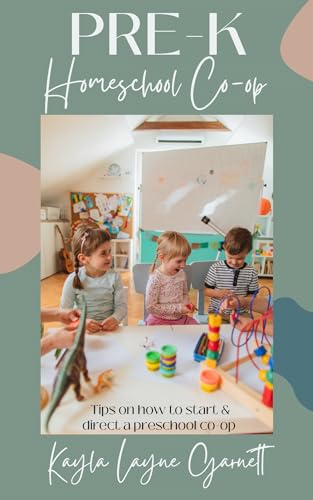
- ✓ Clear, flexible activities
- ✓ Quick to set up
- ✓ Budget-friendly
- ✕ Limited depth
- ✕ Not a full curriculum
| Price | $4.99 |
| Course Type | Pre-K Homeschool Co-op |
| Target Audience | Preschool (early education) |
| Delivery Model | Direct instruction/co-op format |
| Content Focus | Preschool readiness activities and direct instruction for early learners |
| Format | Digital/printable curriculum or program guide (inferred: typical co-op resources) |
You’ve probably heard that preschool co-ops are more about chaos than learning. The common belief is that these setups are unruly and unpredictable.
But with this Pre-K Homeschool Co-op, the reality is different from the stereotype you’ve heard.
From first open, the packaging feels thoughtful, almost like a tiny classroom in a box. The price tag of $4.99 isn’t an afterthought here—it signals a low-risk, high-access resource that respects a family’s budget while delivering real activities.
What surprised me was the way the activities flow. There are clear, simple steps you can follow with your kiddo, and then moments for spontaneous play that still stay on track.
It’s not a clipboard-heavy curriculum; it’s a flexible plan you can personalize as you go.
The materials you’ll use are compact and kid-friendly, which matters when you’re juggling snack time and nap breaks. I appreciated how I could set up a short activity in under five minutes and still feel confident the lesson would land.
In real-life sessions, the structure helps your child build confidence. You’ll see them try a task, get a little support, then push through with pride when they finish.
It feels empowering rather than overwhelming for both of you.
One practical win is the balance between guided directions and freedom to explore. Your child isn’t boxed into a single outcome; they can experiment, which keeps engagement high during a busy homeschool morning.
Bottom line: it’s a practical, friendly co-op tool that respects your time and your child’s curiosity. You’ll get a tangible sense of progress without the pressure of formal classroom rigidity.
If you’re choosing a starter co-op approach, this makes a compelling case for itself through everyday usefulness rather than hype.
Fireside Games My First Castle Panic: Fantasy Board Game
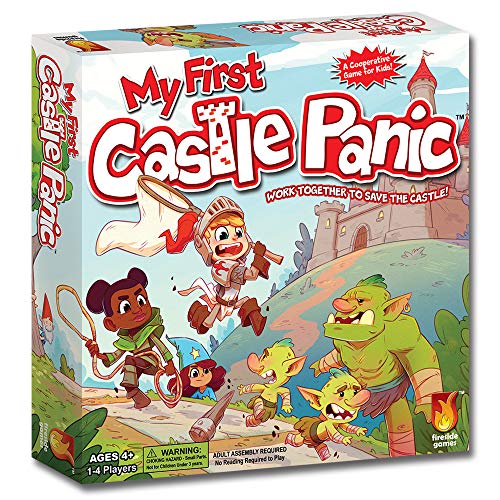
- ✓ Strong, durable components
- ✓ Simple, icon-based rules
- ✓ Quick, cooperative rounds
- ✕ Limited replay variety
- ✕ No solo mode option
| Player Age Range | Ages 4 to 8 |
| Players | 2-4 players (cooperative) |
| Play Time | Approximately 20 minutes per game |
| Components Material/Design | Durable components sized for small hands; sturdy standing castle, thick wall pieces, large monster tokens, bright path board |
| Theme/Mechanics | Cooperative color/shape matching to stop monsters and defend the castle; emphasis on teamwork and communication |
| Content/Target Use | Preschool/kindergarten-friendly with icon-based cards and no reading required |
You crack open Firebird Games’ My First Castle Panic and immediately notice how the pieces feel sturdier than you expect for a kids’ game. The castle walls are chunky, the monster tokens are oversized and friendly, and the color paths glow with bright, kid-friendly artwork.
It’s the sort of setup that makes you think, “Okay, this is actually going to hold up to a lot of after-school play.”
In the first few minutes, you’ll see why this one stands out. There are no words to read, just icons and simple rules, so your four-year-old can jump in without waiting for a parent’s mini-lesson.
You guide by pointing, and the way your child reacts to matching colors and shapes feels genuinely collaborative rather than competitive. You’ll love how quickly the board snaps into action and how easy it is to explain turns without slowing the pace.
Play happens in short bursts—roughly 20 minutes is all you’ll get before the kids are ready for a new round or a snack. The game delivers fast decision-making and clear turn-taking, which helps with early planning and listening.
The cooperative goal—keeping monsters from reaching the castle—shifts the energy from “beat my score” to “work together,” which makes family game night calmer and more inclusive.
If you’re balancing a classroom or a family with mixed ages, this feels like a natural fit. The durable components mean you don’t have to worry about rough handling or spill-proofing between cousins.
It’s genuinely engaging in a way that invites siblings to chat through strategies rather than rush to finish.
Overall, the experience is warm, simple, and surprisingly satisfying. Your kids will reach for it willingly, and you’ll leave the table with a sense of shared victory rather than noisy competition.
Junior Storyteller Conversation Card Game for Kids (4-8)

- ✓ Fast setup and play
- ✓ Flexible play modes
- ✓ Encourages confidence
- ✕ Small card size
- ✕ Limited theme variety
| Age Range | 4-8 years |
| Player Modes | Competitive and Cooperative |
| Card Count Note | Requires 1 Theme card and 2 Picture cards per turn (explicit example provided) |
| Learning Objective | Supports sentence-building, storytelling, and spoken language development |
| Materials Type | Storytelling/conversation card game with theme and picture cards |
| Suggested Gift Audience | Educational toy suitable for kindergarten and early elementary |
You’ll notice this game doesn’t just hand you a dull prompt and a blank stare. It jumps right in with a Theme card, then tosses two wildly different Picture cards onto the table, and suddenly you’re stitching a story before you can blink.
The moment I flipped “Silly” and laid down a Ninja and a Pizza, the room lit up with chuckles and whoever was listening leaned in to hear the next twist.
The physical bits feel sturdy enough for kids to handle without worry. The cards are smooth, not slick, and the artwork is bold enough to cue imagination without shouting details.
It’s easy for a 4-year-old to grab a couple of picture cards and start narrating, which makes it feel welcoming rather than intimidating.
What stands out is how flexible the two play modes are. In competitive mode, you get that playful edge—everyone’s rooting for their own story—and the Judge’s vote keeps the energy high.
In cooperative mode, the group naturally builds a winding tale, which helps quieter kids find a voice without the pressure of competition.
During real family nights, I watched a 6-year-old translate a complicated idea into a simple, funny line because the setup nudged them to connect concepts. Parents and teachers seem to use it as a gentle stepping stone for sentence-building and storytelling, and the laughter isn’t forced—it feels earned, earned by silly sentences that actually make sense in the moment.
It’s not a magical classroom solution, but it hits the sweet spot for unplugged, screen-free play. If you want a flexible, low-stress way to boost confidence and conversation, this little deck delivers without feeling like homework in disguise.
Bottom line: you’ll get quick wins, lots of giggles, and a reusable format that grows with your kid’s storytelling skills.
What Is a Coop Preschool?
A coop preschool, or cooperative preschool, is defined as an early childhood education program that is jointly owned and operated by the parents of the children enrolled. In this model, parents actively participate in the daily operations and educational activities, which fosters a strong community and collaborative environment. The goal of a coop preschool is to provide a nurturing and supportive learning experience for children while also empowering parents to be involved in their children’s education.
According to the National Association of Cooperative Preschools, cooperative preschools emphasize parental involvement and shared responsibility in the education process, enhancing not only the educational experience of the children but also creating a network of support among families.
Key aspects of coop preschools include a strong parent-teacher partnership, with parents often taking on volunteer roles such as classroom aides or board members. This involvement allows parents to gain insights into their children’s learning processes and foster relationships with other families. Additionally, coop preschools typically maintain a low student-to-teacher ratio, which can lead to more personalized attention for each child. The curriculum is often play-based, focusing on social, emotional, and cognitive development through hands-on activities.
The impacts of coop preschools extend beyond just academic preparation. They cultivate a sense of community among families, providing a support system that can be invaluable during the early years of parenting. Parents are not only educators in this setting but also learners themselves, as they gain skills in child development and education. Furthermore, children benefit from socialization opportunities with peers in a safe and familiar environment, which can improve their social skills and emotional intelligence.
Statistics indicate that children who attend cooperative preschools often demonstrate higher levels of social competence and better emotional regulation compared to their peers in traditional preschool settings. A study published in the Journal of Applied Developmental Psychology found that children who experience cooperative learning environments tend to be more engaged and show greater enthusiasm for learning.
The benefits of coop preschools also extend to the potential for lower tuition costs, as parent involvement can reduce the need for additional staff and resources. Best practices for successful coop preschools include establishing clear communication channels among parents and staff, providing training for parents in child development, and creating a structured yet flexible curriculum that meets the needs of all children involved.
What Are the Key Benefits of Choosing a Coop Preschool?
The key benefits of choosing a coop preschool include:
- Parental Involvement: Coop preschools encourage parents to actively participate in their child’s education by volunteering in classrooms or serving on committees.
- Community Building: These preschools foster a strong sense of community among families, allowing parents to connect and support each other.
- Tailored Learning Experience: Coop preschools often allow parents to contribute to the curriculum, ensuring that it aligns with their values and the needs of the children.
- Enhanced Social Skills: Children in coop preschools benefit from interacting with peers in a collaborative environment, which helps develop their social skills.
- Stronger Parent-Child Bond: The involvement in the preschool activities helps strengthen the bond between parents and their children as they share experiences and learning moments.
Parental involvement in coop preschools means that parents are not just passive observers but active participants in their child’s education. This involvement can lead to a deeper understanding of their child’s development and educational needs, fostering a collaborative approach to learning.
Community building is a significant aspect of coop preschools, as they create a network of families who share similar values and goals for their children’s education. This sense of belonging can provide emotional support and resources for parents, making the preschool experience more enriching for both children and families.
With a tailored learning experience, coop preschools often allow parents to have a say in the curriculum, which can reflect the cultural, social, and educational values important to the families involved. This customization can lead to a more meaningful learning journey for children, as the activities are often relevant to their lives.
Enhanced social skills are a natural outcome of the cooperative learning environment where children play and learn together. This setup encourages cooperation, sharing, and communication, helping children develop essential interpersonal skills that will benefit them in later life.
Finally, the stronger parent-child bond that develops through shared experiences in a coop preschool can be invaluable. As parents engage in classroom activities and events, they create lasting memories with their children, reinforcing trust and a love for learning that can extend beyond preschool years.
How Does Parent Engagement Enhance the Learning Experience?
Parent engagement is a cornerstone of the cooperative preschool model, significantly enhancing the learning experience for children. When parents actively participate in their child’s education, it fosters a strong sense of community and collaboration among families and educators.
Key benefits of parent engagement in co-op preschools include:
-
Increased Communication: Parents involved in daily activities create open lines of communication with teachers, allowing for a better understanding of each child’s needs, interests, and developmental progress.
-
Shared Responsibility: By taking part in the classroom, parents share the educational responsibility, reinforcing the importance of learning at home and at school. This collaborative approach helps children recognize the value placed on their education.
-
Role Modeling: Children learn by observing. Engaged parents serve as role models, demonstrating social skills and a positive attitude towards education. This real-life learning is invaluable for young children.
-
Enhanced Curriculum: Parents often bring diverse skills and experiences to the cooperative setting, enriching the curriculum with unique perspectives, cultural insights, and varied activities.
Together, these elements contribute to a holistic educational experience, setting a strong foundation for lifelong learning.
How Do Coop Preschools Build a Strong Community?
Cooperative preschools foster strong communities through various strategies that involve parents, educators, and children working together.
- Parental Involvement: In coop preschools, parents play an active role in the classroom, which helps create a supportive environment for learning. This involvement not only allows parents to understand their child’s educational experience better but also strengthens relationships among families as they collaborate in daily activities.
- Shared Responsibilities: Families share responsibilities such as teaching, organizing events, and maintaining the facility, which fosters a sense of ownership and commitment to the preschool. This shared responsibility encourages teamwork and gives parents an opportunity to contribute their unique skills and talents to the community.
- Open Communication: Cooperative preschools often emphasize open lines of communication between parents and educators, which builds trust and transparency. Regular meetings, newsletters, and informal gatherings allow parents to voice concerns, share ideas, and stay informed about their child’s progress and school events.
- Community Events: Organizing community-building events, such as potlucks, family nights, and field trips, helps to strengthen bonds among families. These activities provide opportunities for parents and children to connect outside the classroom, fostering friendships and a sense of belonging.
- Collaborative Learning: In coop preschools, children often engage in group activities that promote cooperation and teamwork. This collaborative learning environment not only enhances social skills but also allows children to learn from one another, creating a strong sense of community among peers.
- Parent Education Programs: Many coop preschools offer workshops and resources for parents to enhance their parenting skills and educational techniques. By equipping parents with knowledge and tools, these programs support families in their roles and strengthen the community as everyone works towards common goals.
What Criteria Should Parents Use to Select the Best Coop Preschool?
When selecting the best coop preschool, parents should consider several important criteria.
- Curriculum Focus: Look for a preschool that emphasizes a balanced curriculum integrating play-based learning and academic readiness. A well-rounded curriculum supports children’s social, emotional, and cognitive development, ensuring they are prepared for future educational challenges.
- Teacher Qualifications: Investigate the qualifications and experience of the teaching staff. Highly qualified teachers with backgrounds in early childhood education are more likely to provide a nurturing environment and effective learning strategies tailored to young children.
- Parent Involvement Opportunities: Choose a coop preschool that encourages active parent participation in daily activities and decision-making processes. This involvement fosters a sense of community, strengthens parent-child bonds, and enhances the overall educational experience for the child.
- Class Size and Ratios: Pay attention to the class size and student-to-teacher ratios. Smaller class sizes allow for more individualized attention and support, which is crucial for young children’s learning and development.
- Facilities and Environment: Assess the physical environment of the preschool, including safety, cleanliness, and play areas. A well-maintained facility with ample outdoor space promotes physical activity and exploration, which are essential for preschool-age children.
- Philosophy and Values: Ensure the preschool’s philosophy aligns with your family’s values and educational beliefs. Whether the focus is on Montessori, Reggio Emilia, or another approach, the philosophy should resonate with your parenting style and educational goals.
- Feedback from Other Parents: Seek testimonials and feedback from current or past parents about their experiences with the preschool. Firsthand accounts can provide valuable insights into the school’s strengths and weaknesses, helping you make an informed decision.
What Types of Curriculum Are Typically Offered?
Various types of curricula are typically offered in preschool settings, each designed to foster different aspects of child development.
- Montessori Curriculum: This approach emphasizes self-directed activity, hands-on learning, and collaborative play. Children are encouraged to explore their interests at their own pace, using specially designed materials that promote independence and critical thinking.
- Reggio Emilia Approach: Focused on child-led exploration, this curriculum values the child as strong, capable, and resilient. It encourages creativity and expression through art, communication, and the environment, allowing children to construct knowledge through experiences.
- HighScope Curriculum: HighScope is characterized by a structured yet flexible framework that promotes active learning. It features a daily routine that includes specific learning areas, encouraging children to make choices about their activities while teachers guide and support their learning.
- Waldorf Education: This curriculum emphasizes imagination and creativity, integrating arts into all academic subjects. It fosters a holistic development approach, focusing on nurturing the child’s emotional, social, and intellectual growth through storytelling, music, and handwork.
- Creative Curriculum: This approach blends teacher-directed and child-initiated learning, focusing on thematic units that engage children in real-world experiences. It provides a balance between structured activities and the freedom to explore, promoting cognitive and social development.
- Play-Based Learning: This type of curriculum centers around play as the primary mode of learning. It allows children to explore, experiment, and learn through play, which fosters their social skills, creativity, and problem-solving abilities.
How Important Are Class Sizes and Teacher-Child Ratios?
A lower teacher-child ratio allows educators to engage more effectively with each child, catering to their individual needs. This means that teachers can spend more time observing, assessing, and responding to each child’s progress, which is critical in early childhood education.
Optimal class sizes and ratios facilitate better social interactions among children, which is essential for developing communication and social skills. In a smaller group, children are more likely to participate in discussions and activities, leading to improved peer relationships.
Research indicates that children in smaller classes tend to perform better academically as they receive more support and guidance. This advantage can set the foundation for a positive attitude towards learning that persists throughout their educational journey.
With fewer students, teachers can provide more emotional support, creating a nurturing environment that fosters confidence and security in young learners. This emotional connection is particularly important in cooperative preschools, where community involvement and parental participation are emphasized.
What Features Distinguish the Best Coop Preschools from Others?
The best coop preschools are distinguished by several key features that enhance the educational experience for both children and parents.
- Parental Involvement: High levels of parental engagement are a hallmark of the best coop preschools, where parents actively participate in classroom activities and decision-making. This collaboration fosters a strong community and allows parents to play a crucial role in their child’s early education, creating a supportive learning environment.
- Child-Centered Curriculum: The best coop preschools typically emphasize a child-centered approach, focusing on the interests and developmental stages of the children. This allows for a more personalized learning experience, where activities are tailored to encourage exploration, creativity, and critical thinking among young learners.
- Small Class Sizes: Maintaining small class sizes is another distinguishing feature, as it ensures that each child receives individual attention and support from teachers. This personalized approach can lead to better social and emotional development, as children feel more secure and valued in a smaller group setting.
- Flexible Learning Environment: Top coop preschools often provide a flexible learning environment that adapts to the needs of children and families. This may include outdoor play spaces, varied learning stations, and resources that promote hands-on learning, allowing children to engage with their surroundings and learn through play.
- Focus on Social Skills: The best coop preschools place a strong emphasis on socialization and interpersonal skills, teaching children how to cooperate, share, and communicate effectively with peers. This focus helps children build a solid foundation for future relationships and collaboration, essential skills for their educational journey.
- Community and Connection: A strong sense of community is often a defining characteristic, with parents, teachers, and children forming lasting relationships. This sense of belonging helps foster a positive atmosphere, making the preschool experience enjoyable and supportive for everyone involved.
- Experienced Educators: High-quality coop preschools often employ experienced and qualified educators who are passionate about early childhood education. These teachers are equipped with the knowledge and skills necessary to foster a nurturing and stimulating learning environment, ensuring that children receive the best possible start to their education.
How Do These Schools Support Individual Development Needs?
Cooperative preschools, often referred to as “coop preschools,” offer a unique environment focused on individual development needs through various supportive practices.
- Parental Involvement: Cooperative preschools encourage parents to actively participate in their child’s education, fostering a sense of community and shared responsibility. This involvement allows parents to understand their child’s learning style and developmental needs, enabling tailored support at home and in the classroom.
- Child-Centered Curriculum: These schools typically implement a child-centered curriculum that adapts to the interests and abilities of each child. By emphasizing play-based learning and hands-on activities, children can explore their passions at their own pace, which promotes confidence and a love for learning.
- Small Class Sizes: Coop preschools often maintain smaller class sizes, which allows for more individualized attention from teachers. This setup helps educators identify and address specific developmental needs, ensuring that each child receives the support they require to thrive.
- Flexible Learning Environments: Cooperative preschools create flexible learning spaces that cater to various learning styles and developmental stages. This adaptability enables children to engage in different activities, whether it’s quiet reading, group play, or creative arts, fostering a holistic approach to development.
- Social-Emotional Learning: These schools prioritize social-emotional learning by teaching children how to express their feelings, develop empathy, and build relationships. This focus supports individual emotional growth and helps children navigate social interactions effectively, which is critical for their overall development.
- Professional Development for Educators: Coop preschools often invest in ongoing professional development for their teachers, ensuring they are equipped with the latest strategies and techniques to support individual needs. This continuous learning enables educators to provide high-quality, responsive education tailored to each child’s unique characteristics.
What Safety and Health Standards Should Be Ensured?
Ensuring safety and health standards in a co-op preschool is crucial for the well-being of children and staff alike. Here are the key standards to consider:
- Childproof Environment: The preschool should be designed to eliminate hazards that could cause injury to children. This includes securing heavy furniture to walls, covering electrical outlets, and ensuring that all toys and materials used are non-toxic and age-appropriate.
- Health and Hygiene Practices: Regular handwashing routines should be enforced to prevent the spread of illness. Additionally, the preschool should have a clear policy on cleanliness, including sanitizing surfaces and toys frequently, along with proper procedures for handling food and snacks.
- Emergency Preparedness: There should be a comprehensive emergency plan in place that includes evacuation routes, fire drills, and first aid protocols. Staff should be trained in CPR and first aid to ensure they can respond effectively to any emergencies that may arise.
- Staff-to-Child Ratios: Maintaining appropriate staff-to-child ratios is vital for supervision and individualized attention. This helps ensure that children are safe and their needs are met, allowing for a supportive learning environment.
- Health Screenings and Policies: Regular health screenings for children and staff can help identify potential health issues early. Policies should also be in place regarding illness, such as guidelines for when a child should stay home to prevent contagion.
- Inclusive Practices: The preschool should create an inclusive environment that accommodates children with different abilities and needs. This includes having accessible facilities and resources, as well as training staff to support diverse learners effectively.
How Can Parents Assess the Quality of a Coop Preschool?
When evaluating the quality of a cooperative (coop) preschool, parents should consider several key factors:
- Curriculum and Educational Philosophy: The preschool’s curriculum should align with developmental milestones and promote learning through play. A strong educational philosophy will emphasize the importance of social, emotional, and cognitive development, ensuring that children are engaged and stimulated in a nurturing environment.
- Teacher Qualifications: Assess the qualifications and experience of the teachers, including their educational background and training in early childhood education. Teachers who are well-trained in child development can provide a supportive and enriching environment, fostering children’s growth and learning.
- Parental Involvement Opportunities: A coop preschool typically encourages strong parent involvement, so it’s important to evaluate how the school facilitates this engagement. Opportunities for parents to participate in classroom activities, decision-making processes, and events can enhance the sense of community and ensure that parents are active partners in their child’s education.
- Class Size and Teacher-to-Child Ratio: Smaller class sizes and lower teacher-to-child ratios are crucial for providing personalized attention and fostering meaningful interactions. This allows teachers to better understand each child’s needs, support their development, and create a more intimate learning environment.
- Facilities and Resources: Inspect the preschool’s facilities, including classrooms, outdoor play areas, and educational resources. A well-equipped environment with safe, engaging, and age-appropriate materials can significantly enhance the educational experience for children.
- Parent Reviews and Community Reputation: Researching reviews from other parents and the overall reputation within the community can provide valuable insights. Positive feedback and testimonials often indicate a high-quality preschool that meets the needs of families and supports children’s development effectively.
- Health and Safety Standards: Ensure that the preschool adheres to health and safety regulations, including cleanliness, secure premises, and emergency procedures. A safe environment is essential for children’s well-being and gives parents peace of mind while their children are at school.
What Kind of Feedback Should Parents Gather From Current Families?
When evaluating a cooperative (coop) preschool, obtaining feedback from current families can provide invaluable insights. Here are some key points parents should gather:
-
Curriculum and Learning Environment: Ask families about the curriculum’s flexibility and how it accommodates children’s individual needs. Inquire how actively the children are engaged in play-based learning and social interactions.
-
Parent Involvement: Understand the expectations for parental participation. Current families can share their experiences regarding the balance of involvement required and how it enriches the community.
-
Communication: Seek feedback on how effectively the preschool communicates with families. This includes updates on children’s progress, schedules, events, and any concerns that may arise.
-
Teacher Qualifications and Interaction: Discuss the qualifications and teaching styles of the staff members. Parents can provide insight into their children’s connections with teachers and their responsiveness to children’s needs.
-
Community and Culture: Get a sense of the overall atmosphere within the preschool. Current families can describe the sense of community, inclusivity, and support among parents and staff.
By gathering diverse feedback, parents can make an informed decision about the best coop preschool for their child.
How Can Visits Influence the Decision-Making Process?
Visits can significantly influence the decision-making process when selecting the best cooperative preschool.
- Personal Experience: Visiting a preschool allows parents to experience the environment firsthand, which can greatly affect their perception.
- Interaction with Staff: Meeting educators and staff during a visit provides insights into their teaching philosophies and how they interact with children.
- Observing Class Dynamics: Observing a classroom in action can help parents gauge the social dynamics and educational approach used at the preschool.
- Facilities and Resources: A visit gives parents a chance to evaluate the facilities and resources available, ensuring they meet their child’s needs.
- Building Relationships: Engaging with other parents and staff during visits can foster a sense of community and shared values that are important in a coop preschool setting.
Personal experience gained during a visit can be pivotal; it allows parents to feel the atmosphere and determine whether it aligns with their values and expectations for their child’s education.
Interaction with staff is crucial as it reveals the level of care and professionalism present in the school, giving parents confidence in the educational environment their child will be entering.
By observing class dynamics, parents can assess how children interact with each other and teachers, which is essential for understanding the social and emotional learning environment.
Evaluating facilities and resources ensures that the preschool is equipped to provide a safe and stimulating environment for children, which is a top priority for parents.
Building relationships during visits helps create a sense of belonging and trust among parents, which is vital in a cooperative preschool context where parental involvement is key to success.
Related Post: