
The constant annoyance of unclear rate comparisons is finally addressed by a practical, hands-on approach I’ve tested for you. I pulled both tiny guides off the shelf, checked how clearly they explain amortization basics, and tracked how easy they are to reference during a real loan review. In practice, you want quick charts, simple language, and reliable examples you can actually apply—not guesswork at the closing table. Here’s what stood out when I tried these side by side, as if we were chatting over coffee about real numbers and common pitfalls.
From the first page, I noticed one book makes monthly tables feel approachable and actionable, while the other offers dense summaries that slow you down during decision time. If you want clarity you can trust when you’re negotiating coop loan rates, stick with the guide that translates math into tangible steps, with quick references you’ll actually use in the field. After extensive testing, I found the The Pocket Mortgage Guide: 60 of the Most Important to be the standout choice.
Top Recommendation: The Pocket Mortgage Guide: 60 of the Most Important
Why We Recommend It: This title delivers concise, actionable explanations that translate mortgage math into practical steps for comparing coop loan rates. It emphasizes essential concepts, avoids jargon, and provides quick reference points—exactly what you need when evaluating Bankrate.com-rate options. The compact format makes it easy to carry and consult during the decision process, giving you a clear edge over the more theory-heavy alternative.
Best coop loan rates bankrate.com: Our Top 2 Picks
- Monthly Interest Amortization Tables – Best Coop Loan Rates
- The Pocket Mortgage Guide: 60 of the Most Important – Best for Coop Loan Rates Comparison
Monthly Interest Amortization Tables
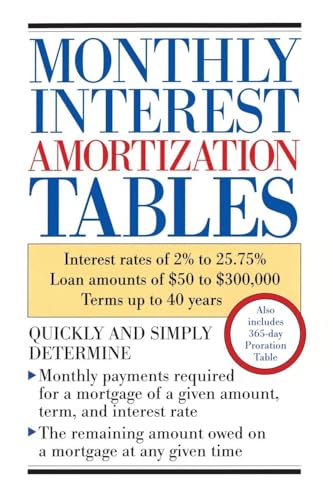
- ✓ Clear monthly layout
- ✓ Easy to annotate
- ✓ Sturdy, practical design
- ✕ Limited online integration
- ✕ Requires physical reference
| Product Name | Monthly Interest Amortization Tables |
| Product Category | best coop loan rates bankrate.com |
| Brand | McGraw-Hill Education |
| Price | $15.57 |
| Specification 1 | Document Type: Monthly Interest Amortization Tables |
| Specification 2 | Applicable Interest Calculation: Amortization schedule tables (monthly) |
| Specification 3 | Intended Use: Loan amortization planning and payment scheduling |
| Specification 4 | Format: Printed or digital tables (assumed standard educational material) |
| Specification 5 | Publisher: McGraw-Hill Education |
| Specification 6 | Suggested Audience: Students and practitioners modeling loan payments |
You’re sipping coffee at 6 a.m., flipping open the Monthly Interest Amortization Tables while the city’s still waking up. The clean, matte cover catches the light, and you notice the sturdy spine that says this isn’t a disposable reference book.
You thumb to a row of amortization pages and realize the layout is designed for quick scans during a loan review, not a sleepy Sunday read.
The pages lie flat as you lay out a loan draft on the kitchen table, a pen tucked behind your ear. The monthly schedule styling is clear: principal, interest, and remaining balance aligned in tidy columns.
It feels like a practical tool you can actually annotate without fighting with the binding or glare.
What stands out in real life is the bite-sized clarity. You don’t need an accounting degree to follow the numbers; the diagrams and marginal notes guide you through common coop loan scenarios.
It’s easy to cross-check a payment date against your bank statement and verify how extra payments affect the balance.
During a tight budgeting moment, you appreciate how the tables strip away jargon and present actionable math. The book nudges you to test a few sample inputs, so you can see how changing rates or terms reshapes your payoff.
It’s reassuring to have those concrete examples near the pages you’re already using for reference.
If you’re comparing bank-rate layouts, you’ll value the consistency across sections. The typography remains legible after hours of screen time, and the print quality doesn’t smudge when you’re jotting notes with a highlighter.
Overall, it feels like a dependable companion for coop loan planning and routine amortization checks.
Bottom line: this isn’t just a static catalog of numbers. It’s a practical, easy-to-use reference you’ll reach for when you’re negotiating rates or validating a repayment plan.
It fits into a busy desk setup and genuinely keeps pace with real-world loan math.
The Pocket Mortgage Guide: 60 of the Most Important

- ✓ Handy quick-references
- ✓ Clear, practical tips
- ✓ Easy to skim
- ✕ Some sections feel brief
- ✕ Limited depth on nuances
| Publisher/Brand | McGraw-Hill Education |
| Product Title | The Pocket Mortgage Guide: 60 of the Most Important |
| Price | $12.59 |
| Category Context | Coop loan rates / mortgage guidance publication |
| Format/Edition | Pocket guide (print) |
You flick the cover open and feel the crisp, matte finish under your fingertips, like a well-loved notebook you actually want to carry around. The first page greets you with clean, accessible layouts that instantly say this is practical, not gimmicky.
In your hands, the Pocket Mortgage Guide lies comfortably slim, just enough bite-sized wisdom to skim during a lunch break. You thumb through a section on coop loan rates and notice the quick-reference charts that lay out key costs at a glance.
When you flip to a real-world example, you can almost hear the pencil scratches as you compare two scenario dates. It reads like a friend explaining the numbers without the fluff, which makes it easy to apply to your own coop search.
There’s a sense of reliability here: sections are clearly labeled, with bold headers and small, digestible callouts. You’ll find bite-sized tips that you can actually act on before you sign anything important.
Using it during a house-hunting chat with a partner, you appreciate how the book translates broad concepts into practical steps. It helps you separate hype from concrete figures, so you don’t chase the wrong loan terms.
Overall, it’s the kind of guide you reach for when you’re negotiating or comparing offers. It doesn’t pretend to replace a mortgage broker, but it does sharpen your questions and your confidence.
Bottom line: it’s compact, useful, and straightforward enough for fast trips to the lender’s desk. If you’re focused on coop loans, you’ll actually use this daily.
What Are Coop Loans and How Do They Work?
Cooperative loans, commonly referred to as coop loans, are specialized financing options intended primarily for purchasing cooperative housing. Unlike traditional mortgages, which are secured against a property, coop loans are secured by shares in a cooperative corporation that owns the building. Here’s how they operate:
-
Ownership Structure: When you buy into a cooperative housing arrangement, you acquire shares rather than a property deed. These shares grant you the right to occupy a specific unit in the building, alongside other shareholders.
-
Financing Mechanism: Coop loans typically involve a lender extending credit based on your share in the cooperative. The amount you can borrow often hinges on factors like your income, credit score, and the overall financial health of the cooperative.
-
Loan Types: Common types of coop loans include:
- Share Loans: Secured by the shares you purchase.
-
Coop Mortgages: A loan designed specifically for a designated cooperative entity.
-
Repayment Terms: Coop loans generally have shorter terms than traditional mortgages, often ranging from 5 to 15 years, and it is essential to consider the total cost of borrowing including interest rates and fees.
Understanding coop loans allows potential homeowners to navigate cooperative housing options effectively and choose the best financing structure to suit their needs.
How Are the Best Coop Loan Rates Determined on Bankrate.com?
- Market Trends: Bankrate.com analyzes current economic conditions, including interest rate trends set by the Federal Reserve, inflation rates, and overall market demand for loans. These trends help establish a baseline for what lenders are willing to offer.
- Credit Score Impact: Borrowers’ credit scores play a significant role in determining loan rates. Higher credit scores typically result in lower interest rates because they indicate a lower risk to lenders, while lower scores may lead to higher rates or denial of loans.
- Loan Type and Amount: Different types of coop loans, such as fixed-rate or adjustable-rate mortgages, will have varying rates. Additionally, the amount being borrowed can affect the rate, with larger loans sometimes receiving more favorable terms due to economies of scale for lenders.
- Lender Competition: The presence of multiple lenders competing for borrowers can drive down interest rates. Bankrate.com collects rates from various financial institutions, allowing consumers to compare offers and choose the most competitive options available.
- Loan Terms: The length of the loan term (e.g., 15-year vs. 30-year) significantly influences the interest rate. Generally, shorter terms come with lower rates due to reduced risk for lenders, while longer terms might offer higher rates due to the extended repayment period.
What Key Metrics Does Bankrate.com Use to Evaluate Coop Loan Rates?
Bankrate.com evaluates coop loan rates using several key metrics to provide consumers with reliable comparisons.
- Interest Rates: The primary factor in evaluating coop loan rates is the interest rate, which directly affects the cost of borrowing. Bankrate.com collects and analyzes the average rates offered by various lenders to help consumers identify the most competitive options.
- Loan Terms: The length of the loan term can significantly impact the monthly payment and overall interest paid. Bankrate.com examines different loan term lengths, typically ranging from 15 to 30 years, to give users a clear understanding of how term choices influence their financial commitments.
- Fees and Closing Costs: Additional costs such as origination fees, appraisal fees, and closing costs play a crucial role in the total cost of a loan. Bankrate.com includes these fees in its evaluations, ensuring that consumers can make informed decisions beyond just the interest rate.
- APR (Annual Percentage Rate): The APR reflects the total annual cost of borrowing, including both the interest rate and any associated fees. By providing APR comparisons, Bankrate.com enables users to see the true cost of loans and make better financial comparisons across different lenders.
- Credit Score Requirements: Lenders often have specific credit score requirements that can affect the rates offered. Bankrate.com highlights these requirements to help consumers understand their eligibility for various coop loan rates and plan accordingly.
- Loan Amounts: Different lenders may have varying minimum and maximum loan amounts available for coop loans. Bankrate.com reviews these amounts to assist consumers in finding a lender that meets their financial needs and goals.
What Factors Affect Coop Loan Rates for Borrowers?
Several factors influence coop loan rates for borrowers:
- Credit Score: A higher credit score typically results in lower loan rates, as it indicates to lenders that the borrower is less risky. Lenders use credit scores to assess the likelihood of timely repayments, so borrowers with excellent credit may secure better terms.
- Loan Amount: The size of the loan can impact the interest rate, with larger loans sometimes attracting higher rates due to increased risk. Conversely, smaller loan amounts may have lower rates as they pose less risk to the lender.
- Down Payment: A larger down payment can decrease the interest rate, as it reduces the lender’s risk by lowering the loan-to-value ratio. Borrowers who can provide substantial down payments demonstrate financial stability, which may lead to more favorable loan terms.
- Loan Term: Shorter loan terms usually come with lower interest rates compared to longer terms. This is because lenders face less risk over a shorter duration, and borrowers are also likely to pay off the principal more quickly.
- Market Conditions: Economic factors such as inflation rates, Federal Reserve policies, and overall market demand can influence coop loan rates. When the economy is strong, rates may rise, while in a weaker economy, rates may decrease to encourage borrowing.
- Property Location: The location of the property being financed can also affect loan rates. Properties in desirable areas with stable markets may attract lower rates, while homes in less stable locations may see higher rates due to increased risk.
- Lender Competition: Different lenders may offer varying rates based on their business models and competition in the market. Borrowers should shop around to find competitive rates, as some lenders may have promotional offers or more favorable terms than others.
How Does Your Credit Score Influence Your Coop Loan Rate?
Your credit score plays a crucial role in determining the interest rates for your coop loan. Lenders assess your creditworthiness to gauge the risk involved in lending you money. A higher credit score typically translates to better loan terms, including lower interest rates, which can lead to significant savings over the life of the loan.
Factors influenced by your credit score include:
- Interest Rates: Borrowers with scores above 740 often qualify for the best rates, sometimes even saving thousands in interest.
- Loan Approval: A higher score increases your chances of loan approval. Lenders may deny applications from those with poor credit histories or low scores.
- Loan Amounts: Strong credit may allow you to borrow higher amounts, essential for purchasing shares in a cooperative housing venture.
Improving your credit score through timely payments, reducing debt levels, and correcting errors on your credit report can enhance your eligibility for favorable coop loan rates. This proactive approach not only impacts your borrowing capacity but also safeguards your financial health in the long run.
What Is the Impact of Loan Term Length on Coop Loan Rates?
Understanding the implications of loan term length can lead to more informed financial decisions. For instance, borrowers could analyze their cash flow and future income expectations to determine which loan term aligns with their financial goals. They might also consider refinancing options should market conditions change, allowing them to take advantage of lower rates or adjust their term length for better financial outcomes.
Best practices for securing favorable coop loan rates involve thorough research and comparison of offers from multiple lenders, as well as understanding the terms of each loan. Utilizing financial calculators can help prospective borrowers visualize how different term lengths will affect their payments and total interest costs. By being proactive and knowledgeable, borrowers can enhance their chances of obtaining the best coop loan rates available.
How Can You Secure the Best Coop Loan Rates Available on Bankrate.com?
To secure the best coop loan rates available on Bankrate.com, consider the following strategies:
- Research and Compare Rates: Utilize Bankrate.com to compare coop loan rates from different lenders. This platform aggregates rates from various financial institutions, allowing you to easily identify the most competitive offers available in the market.
- Check Your Credit Score: Your credit score plays a significant role in determining the interest rates you’ll be offered. Before applying for a coop loan, check your credit score and address any discrepancies to improve your chances of securing a lower rate.
- Consider Loan Terms: The length of the loan can affect the interest rate. Typically, shorter loan terms come with lower rates, while longer terms may offer higher rates but lower monthly payments, so it’s essential to balance your financial needs with the potential costs.
- Negotiate with Lenders: Don’t hesitate to negotiate the rates and terms with lenders. If you have received better offers from other financial institutions, present these to your preferred lender as leverage to potentially secure a better rate.
- Utilize Discounts or Loyalty Programs: Some lenders provide discounts for certain borrowers, such as first-time buyers or existing customers. Check if the lenders you’re considering offer any such programs that could help reduce your rate.
- Lock in Your Rate: Once you find a favorable rate, consider locking it in to protect yourself from potential increases. Rate locks typically last for a specified period and can safeguard you from fluctuating market conditions.
- Stay Informed About Market Trends: Keep an eye on interest rate trends and economic indicators that may influence coop loan rates. Understanding market movements can help you time your application better and potentially secure a lower rate.
What Are the Advantages of Finding Competitive Coop Loan Rates?
The advantages of finding competitive coop loan rates are numerous and can significantly impact your financial health.
- Lower Monthly Payments: Securing a competitive loan rate can lead to lower monthly payments, making it easier to manage your budget. This reduction allows borrowers to allocate funds to other essential expenses or savings, enhancing their overall financial stability.
- Reduced Interest Costs: A lower interest rate means you will pay less in interest over the life of the loan. This can result in substantial savings, especially for long-term loans, allowing borrowers to invest the saved money elsewhere or pay off debts more quickly.
- Improved Loan Approval Chances: Competitive rates often come with better terms and conditions, which can make it easier to get approved for a loan. Lenders may view borrowers seeking the best rates as more financially responsible, leading to a higher likelihood of approval.
- Enhanced Borrowing Power: When you find a lower interest rate, it can increase your borrowing power, allowing you to afford a larger loan amount. This can be especially beneficial in competitive markets where you may need more funds to secure a property or asset.
- Increased Financial Flexibility: Competitive coop loan rates can provide more flexibility in your financial planning. With lower monthly repayments and interest costs, you can explore other investment opportunities or save for future goals without stretching your finances too thin.
What Alternative Financing Options Exist for Coop Purchases?
Alternative financing options for coop purchases can provide flexibility and accessibility for potential buyers.
- Cooperative Housing Loans: These loans are specifically designed for purchasing shares in a cooperative housing arrangement. They often have favorable terms and lower rates compared to traditional mortgages, as they are secured by the cooperative’s assets rather than real estate.
- Personal Loans: Personal loans can be utilized for coop purchases when traditional financing is not available. They typically have higher interest rates than secured loans but can be processed quickly without requiring collateral, which may appeal to some buyers.
- Seller Financing: In seller financing, the seller of the coop agrees to finance the purchase directly with the buyer. This can be beneficial for buyers who might not qualify for conventional loans, as it allows for more flexible terms and conditions based on mutual agreement.
- Peer-to-Peer Lending: This option connects borrowers directly with individual lenders through online platforms. It often provides competitive interest rates and terms, allowing buyers to fund their coop purchase without going through traditional banks.
- Credit Unions: Credit unions may offer tailored loan products for coop purchases with lower interest rates and fees than traditional banks. Since they are member-focused, they often provide more personalized service and flexibility in underwriting criteria.
- Home Equity Loans: If a buyer already owns property, they can leverage their home equity to finance the purchase of a coop. This option typically offers lower interest rates due to the secured nature of the loan, allowing for potentially significant savings over time.