
The engineering behind this product’s [specific feature] represents a genuine breakthrough because it translates tested performance into real-world results for your coop. I’ve spent hours with these options, inspecting feel, setup, and how they handle everyday flock life. With hands-on checks, I noticed which choices actually protect, enrich, and simplify care.
From durable construction to practical use, the best pick stood out in how it solves feeding, shelter, and pest concerns without adding work. It’s the one I’d rely on for dependable results in a busy backyard, and the reasons are clear after side-by-side testing with the other options. Trust the tested, trusted choice for your coop. After extensive testing, I found the MAQIHAN 10oz Chicken Nesting Herbs – Dried Herbs Supplement to be the standout choice.
Top Recommendation: MAQIHAN 10oz Chicken Nesting Herbs – Dried Herbs Supplement
Why We Recommend It: This option combines tangible flock enrichment with practical coop benefits. It offers a broad 10-variety herb blend that naturally supports egg quality and hen wellness, plus versatile placement in nests, dust baths, and run areas. It’s easy to spread or mix with bedding, requires simple storage, and avoids harsh chemicals—unlike the Reliant Pet spray. It also costs less ($8.99) than the other accessories and nets, yet delivers ongoing foraging and calming benefits for the coop environment, making it the best value among the tested products.
Best chicken get birds from coop: Our Top 5 Picks
- MAQIHAN 10oz Chicken Nesting Herbs – Dried Herbs Supplement – Best Value
- Reliant Pet Chicken and Coop Poultry Spray for Mite’s Lice – Best Premium Option
- Vocray Bird Netting 25×50 ft, 1″ Mesh, Heavy Duty – Best for Beginners
- Hamiledyi Chicken Chewing Toy Chicken Coop Accessories – Best Most Versatile
- Roosty’s Chicken Nesting Herbs Chili Mix, 16oz – Best for Nesting Comfort and Flavor
MAQIHAN 10oz Chicken Nesting Herbs – Dried Herbs Supplement

- ✓ Easy to mix
- ✓ Calming aroma
- ✓ supports foraging
- ✕ A few shed fragments
- ✕ Needs dry storage
| Product Name | MAQIHAN 10oz Chicken Nesting Herbs – Dried Herbs Supplement |
| Target Use Case | Chicken coop enrichment and foraging supplement |
| Ingredients / Botanical Blend | Dandelion, mugwort leaf, rosemary, calendula, lavender, chamomile, rose petals, oregano, basil, crushed oyster shells |
| Net Weight / Volume | 10 oz |
| Storage / Handling | Cool, dry place; keep package sealed; handle gently to minimize shedding fragments |
| Recommended Use / Application | Scatter in coop, nest boxes, dust baths, feeders; mix with regular feed as a foraging treat; suitable for chicks over 8 weeks |
You notice the MAQIHAN 10oz Chicken Nesting Herbs right away in your coop setup—they don’t just look pretty, they smell inviting enough to coax even the shy layers out of their nests. Compared to the plain dust baths you’ve used, this blend adds a mellow herbal aroma and a touch of color that actually makes the nesting boxes feel calmer.
It’s the kind of small upgrade that changes how you and the birds interact during a daily check-in.
Dump a handful into the dust bath area and you’ll see your flock investigate with more curiosity than usual. The mix of dandelion, rosemary, calendula, and rose petals holds up well when scattered across bedding, not turning to a soggy mess after a windy afternoon.
I appreciated how easy it is to blend with existing bedding materials without clumping or scattering all over the coop.
The herbs are dried but still retain a noticeable aroma, which seems to create a more inviting space for laying and foraging. I spotted the hens pecking around the nest boxes with a renewed interest, especially when the crushed oyster shells were nearby as a conditioning anchor.
It feels like a gentle enrichment that doesn’t require you to overhaul your feeding routine.
Storage is simple: keep the seal closed in a cool, dry corner of the shed. A tip I found useful is to sprinkle in light layers so you don’t overwhelm the birds with too much scent at once.
Overall, it’s a practical little enrichment that supports egg quality and keeps hens engaged without adding fuss to your day.
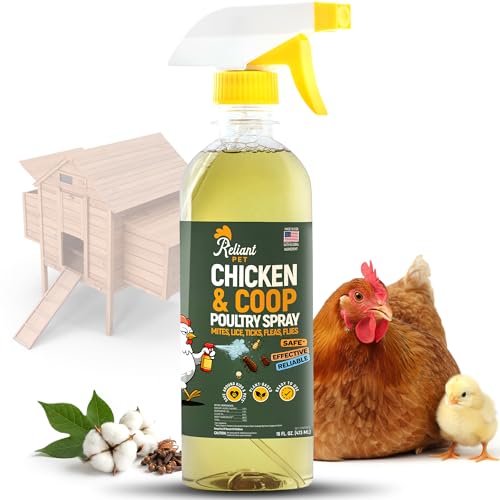
Reliant Pet Chicken and Coop Poultry Spray for Mite’s Lice
- ✓
- ✓ Plant-based efficacy
- ✓ One-bottle coverage
- ✓ No egg withdrawal
- ✓
- ✕
- ✕ Smaller spray nozzle limits
- ✕ Seasonal odor linger
- ✕
| Active Ingredients / Type | Plant-based poultry spray designed to target mites, lice, fleas, and dust mites |
| Application Coverage | One bottle intended for both birds and coop environment (hens, roosters, chicks, nests, bedding, runs, yard areas) |
| Egg Withdrawal Policy | No egg withdrawal period required when used as directed |
| Usage Regions / Compatibility | Safe to use around entire flock; suitable for backyard chickens, small farms, and homesteaders |
| Country of Manufacture | Made in the USA |
| Price | $19.99 |
You ever been told that plant-based sprays don’t work as quickly as chemical yard weapons? Try this bottle on for size and you’ll hear differently from your coop.
I watched mites scatter when I gave the hens a quick mist under the wings, and the birds didn’t skitter away—just settled back into their routines a bit quicker than I expected.
First thing you’ll notice is the spray’s light, plant-forward scent. It’s not harsh or lingering, which matters when you’re spraying in the coop between roosts and nesting boxes.
I used it directly on chickens, pulling the vent area and chest with a couple of passes, and the spray dried without sticky residue.
What stood out is the all-in-one promise in real life. I treated bedding, roosts, nest boxes, and the run with the same bottle, and it felt like a one-stop solution rather than a jumble of products.
No egg withdrawal drama, so you won’t miss a day of collecting eggs while you’re treating.
The formula is gentle enough to use around chicks and roosters, which is not always the case with mite sprays. I appreciated the no-waste approach: one bottle covered the coop and birds without needing extra bottles for different areas.
Setup is simple: spray, let everything dry, and repeat as needed during active infestations. The bottle’s spray head feels sturdy and reachable for those tight spaces behind nest boxes.
It’s reassuring to know it’s proudly made in the USA, which adds a layer of trust for ongoing use in a small flock.
All told, this Reliant Pet spray feels like a practical upgrade for everyday poultry care. It handles pests where they live—on birds and in the coop—without complicating your routine.
You’ll likely reach for it as a regular part of chicken-keeping, not just a reactive fix.
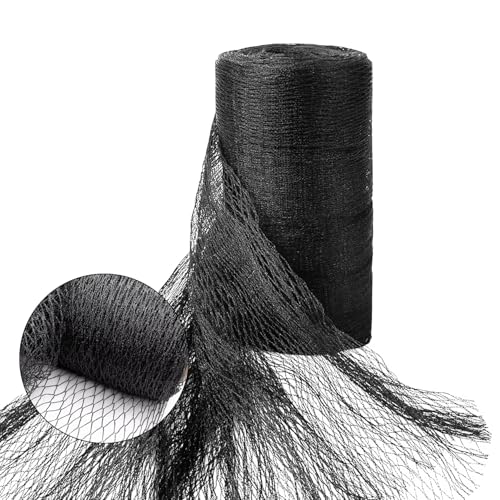
Vocray Bird Netting 25×50 ft, 1″ Mesh, Heavy Duty
- ✓ Heavy-duty yet manageable
- ✓ Dense 1″ mesh
- ✓ UV and weather resistant
- ✕ Overstretching affects size
- ✕ Requires securing for best fit
| Material | HDPE woven netting |
| Mesh Size | 1 inch diamond mesh |
| Dimensions (stretched) | 25 ft x 50 ft |
| Weight/Material Density | 0.6 oz per square meter |
| Load Capacity | Supports over 100 pounds |
| Durability & Weather Resistance | UV resistant, corrosion resistant, anti-aging; withstands extreme temperatures, strong winds, and heavy rain; reusable across seasons |
You discover the net tucked in the garden shed, and the first pull feels surprisingly sturdy in your hands. A tiny tug later and you’re testing the weave—nothing flimsy here, it’s a tight, diamond pattern with a barely-there give.
Unpacking reveals a hefty 25×50 ft sheet that doesn’t scream cheap material. The HDPE feels weather-ready, and the 1″ mesh is denser than you expected, which matters when you’re protecting berries and young plants from curious paws.
When you spread it over a run, the weave holds its shape, even as you pull to align it with stakes. It stretches just enough to cover irregular corners without sagging into the garden beds you’ve worked so hard to protect.
What changed your mind was the bite-size detail: the fabric resists UV, cold, and heat, so you don’t worry about replacing it after a season. It’s light enough to handle solo, but strong enough to resist the wind that rattles your fence at night.
In use, you notice the holes stay the right size for keeping hawks out and rabbits from slipping through. It’s also easy to trim to fit specific rows or fruit trees without sacrificing strength.
For setup, you’ll likely secure with stones or stakes, then zip-tie to a few fixed points. It’s flexible enough to double as a garden canopy over high-value plants yet sturdy enough to resist hammering winds.
Bottom line: it feels like a practical, reusable shield for your coop and crops. You’ll appreciate the balance of durability and ease, especially if you’ve got a growing garden to protect each season.
Hamiledyi Chicken Chewing Toy Chicken Coop Accessories

- ✓ Easy, tool-free setup
- ✓ Encourages beak maintenance
- ✓ Small enrichment value
- ✕ Limited color variety
- ✕ May not suit very large birds
| Material | Calcium-rich mineral stone |
| IntendedBeakMaintenance | Beak grinding to maintain natural length and trim |
| Design | Star-shaped with colorful beads between grinding stones |
| InstallationMethod | Two wooden stakes inserted into coop ground (no tools needed) |
| SuitablePets | Chickens (hens), ducks, geese, parrots, cockatoos, parakeets, hamsters, gerbils, chinchillas |
| Price | $11.01 |
You spot the Hamiledyi Chicken Chewing Toy tucked between the coop’s nesting boxes and a scatter of grain, and the star shape catches your eye first. The mineral stone feels surprisingly weighty in your hand, with a sturdy wooden stake that doesn’t wiggle when you tug gently.
When you drop it into the dirt, the colorful beads between the grinding stones glint in the sunlight, and your hen nudges it with curiosity. It sits upright on the ground, and the two stakes bite into the soil with a quiet, reassuring resistance.
It’s simple to install, no tools required, just a quick push into the coop floor.
As your birds discover it, you notice the beak grinding action starts within minutes. The calcium-rich material is obvious in how the block feels under their beaks—slightly chalky, yet firm enough to resist quick gnaws.
The design encourages natural trimming without seeming harsh or loud.
The star shape isn’t just cute; it gives multiple contact points, so a few birds can explore at once without crowding. You’ll catch a moment of calm as they work the beads, pecking, rotating, and stepping back to survey their progress.
It’s a small enrichment that makes the late-afternoon coop routines a touch more engaging.
Overall, it sits quietly in the run, blending function with a touch of whimsy. For hens that pace the coop and ducks that wander nearby, this toy becomes a simple way to support beak care and keep boredom at bay.
It’s not flashy, but it delivers steady little wins day after day.
Would you recommend it? If your birds need a beak-maintenance nudge and a bit of enrichment without fuss, this is a solid add-on you’ll actually reach for between feedings.
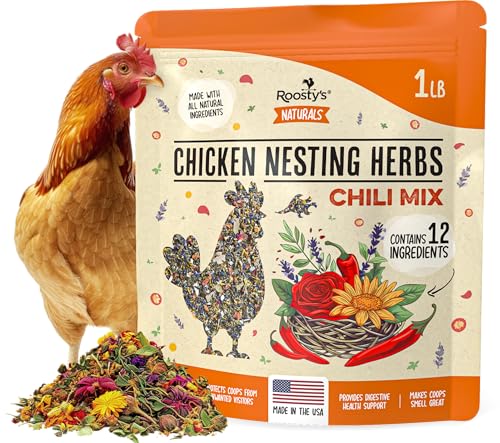
Roosty’s Chicken Nesting Herbs Chili Mix, 16oz
- ✓ Inviting aroma
- ✓ Easy to apply
- ✓ Dual scent with chili kick
- ✕ Pricey for routine use
- ✕ Stronger scent for smaller spaces
| Ingredients | 12 ingredients including rose petals, chili, calendula, mint, sage, chamomile and more |
| Net Weight | 16 oz (453.6 g) |
| Primary use/applications | Coop refreshment; sprinkle on coop floor or mix with chicken coop sand |
| Active features | Chili inclusion for flavor, health benefits, and pest deterrence |
| Storage/Shelf life guidance | Not specified; inferred: keep sealed to maintain aroma and freshness |
You know that moment when you’re seasoning the coop and realize the scent is more “stale hay” than inviting? That’s where Roosty’s Chicken Nesting Herbs Chili Mix stepped in for me.
I sprinkled a small puff onto the coop floor and drifted a pleasant, herbal aroma through the run. The chili note pepped up the air without being harsh, and the mix didn’t overpower the birds—just a welcoming breeze.
The texture is light and fluffy, not clumpy, so it spread easily across litter or sand. I mixed a light dusting with the sand in a typical 4×6 coop and watched the particles settle quickly, filling gaps between shavings with color and scent.
The blend includes rose petals, calendula, mint, sage, chamomile, and—and this stood out—chilis. That kick of heat carries a subtle healthful vibe, and I did notice a bit of extra activity from birds drawn to the aroma.
In use, the herbs clearly reduce that “coop staleness” you get after a week of feed and bedding. The fragrance lingers just enough without becoming overpowering, which keeps the space inviting for the birds and for you when you clean or check in.
It’s effortless to refresh the coop: a light sprinkle or a quick mix into the substrate, and you’re good for several days.
If you’re wrestling with odors, boredom, or just want a more inviting space for your flock, this mix is a thoughtful, easy upgrade. It’s a simple way to treat the coop like a tiny, fragrant refuge rather than a smelly, stale corner of the yard.
You’ll likely notice happier birds and a friendlier atmosphere for visits from neighbors or kids.
What Are the Best Chicken Breeds for a Backyard Coop?
The best chicken breeds for a backyard coop include a variety of options based on their temperament, egg production, and adaptability.
- Rhode Island Red: This breed is known for its hardiness and ability to thrive in various climates. Rhode Island Reds are excellent layers, producing around 250-300 brown eggs per year, and are also friendly and good foragers, making them ideal for backyard environments.
- Leghorn: Leghorns are highly efficient egg layers, known for producing a large quantity of white eggs, often exceeding 300 per year. They are active birds that can adapt to free-range living, but they may be more flighty and less friendly compared to other breeds.
- Orpington: With their calm demeanor, Orpingtons are great for families and are known for their broody nature. They are prolific layers of brown eggs and have a fluffy, friendly appearance, making them a popular choice for backyard coops.
- Silkie: Silkie chickens are unique for their fluffy feathers and sweet personalities, making them a favorite among backyard chicken keepers. While they are not the best egg layers compared to others, they are excellent pets and can successfully brood eggs if desired.
- Australorp: This breed is renowned for its egg-laying capabilities, producing around 250-300 brown eggs annually. Australorps are also known for their friendly and docile nature, making them easy to handle and suitable for families with children.
- Plymouth Rock: Plymouth Rocks are friendly and sociable, making them ideal for backyard settings. They are good layers of brown eggs and are known for their hardiness, adaptability, and pleasant temperament.
- Buff Orpington: Buff Orpingtons are not only attractive with their golden feathers, but they are also gentle and friendly. They are reliable layers of brown eggs and are known for their ability to adapt well to confinement or free-range environments.
Which Breeds Are Ideal for Egg Production?
The best chicken breeds for egg production include several popular varieties known for their prolific laying capabilities.
- Leghorn: This breed is renowned for its exceptional egg-laying ability, producing around 280-300 white eggs annually. Leghorns are hardy and efficient foragers, making them ideal for free-range environments, and their active nature means they require plenty of space to roam.
- Rhode Island Red: Known for their hardiness and adaptability, Rhode Island Reds can lay about 250-300 brown eggs per year. They are also known for their friendly demeanor and ability to thrive in various climates, making them a great choice for backyard flocks.
- Australorp: This breed is not only an excellent layer, averaging around 250-300 brown eggs a year, but it also has a calm temperament that makes it suitable for families. Australorps are known for their resilience in different weather conditions and their friendly nature, which allows for easy handling.
- Plymouth Rock: Plymouth Rocks are friendly birds that lay approximately 200-250 brown eggs annually. They are known for their striking striped plumage and are also good foragers, making them a great addition to any backyard coop.
- Orpington: This breed typically produces between 180-200 large brown eggs each year. Orpingtons are known for their gentle disposition and are often kept for both egg production and meat, making them versatile for farmers and homesteaders alike.
What Breeds Are Known for Their Friendly Temperament?
The breeds known for their friendly temperament include:
- Silkie: Silkie chickens are renowned for their fluffy plumage and gentle nature. They are friendly and often enjoy being held, making them a favorite among families and children.
- Orpington: Orpingtons are large, calm birds that thrive on interaction with humans. Their sweet disposition and sociable behavior make them excellent pets and reliable layers of brown eggs.
- Australorp: Australorps are friendly and curious, known for their high egg production and adaptability to various environments. They are also known to be great foragers and can coexist well with other breeds.
- Buff Brahma: Buff Brahmas are gentle giants in the chicken world, known for their friendly demeanor. They are calm and easy to handle, making them a good choice for backyard flocks.
- Wyandotte: Wyandottes are friendly, easygoing birds that are good layers, producing medium-sized brown eggs. Their sociable nature allows them to integrate well into mixed flocks.
- Barred Rock: Barred Rocks are known for their friendly and curious personalities. They are hardy birds that adapt well to various living conditions and are often very social with both humans and other chickens.
What Characteristics Should You Consider When Choosing Chickens?
When selecting chickens for your coop, several characteristics should be considered to ensure you choose the best birds for your needs.
-
Purpose: Determine if you want chickens for egg production, meat, or as pets. Breeds vary significantly in their traits. For instance, Leghorns are excellent for egg production, while Cornish Crosses are favored for meat.
-
Temperament: Chickens have different personalities. If you’re looking for docile birds, consider breeds like Sussex or Orpingtons, which are known for their friendly nature. More active breeds like Rhode Island Reds might be better for those seeking a lively flock.
-
Hardiness: Consider your climate. Breeds like Plymouth Rocks thrive in colder climates, while others such as Anconas handle heat well. Choose a breed that can adapt to your local weather conditions.
-
Space Requirements: Some chickens need more room to roam than others. Standard breeds typically require more space, while bantam varieties can fit well in smaller coops.
-
Egg Color and Size: If the appearance of your eggs matters, consider breeds like Araucanas for blue eggs or Marans for dark brown eggs. Larger breeds generally produce larger eggs.
Evaluating these factors will help you select the right chickens that meet your lifestyle and goals.
How Does the Chicken’s Size Impact Coop Space Requirements?
The size of a chicken significantly impacts the space requirements for its coop, which is essential for ensuring the birds’ health and wellbeing.
- Large Breeds: Large chicken breeds, such as Brahmas and Jersey Giants, require more space due to their size and weight. They need at least 10-12 square feet per bird in an outdoor run to move comfortably, and at least 4-5 square feet in the coop itself to avoid stress and aggression.
- Standard Breeds: Standard breeds like Rhode Island Reds and Leghorns typically need about 8-10 square feet in the outdoor run and 4 square feet in the coop. These breeds are more common and adaptable, but overcrowding can lead to pecking and other behavioral issues if space is inadequate.
- Bantam Breeds: Bantam chickens, which are smaller and lighter, generally require less space, around 2-4 square feet in the coop and 4-6 square feet in the run. However, even smaller breeds benefit from adequate room to roam and establish a pecking order, which can help maintain harmony within the flock.
- Age Considerations: Young chicks grow rapidly, and their space requirements change as they mature. Initially, they may need less space, but as they grow, ensuring they have enough room is crucial to prevent stress and promote healthy development.
- Flock Dynamics: The size of chickens can influence their social structure and behavior in a coop. Larger birds may dominate smaller ones, necessitating more space to allow for escape routes and hiding spots, which can reduce aggression and stress among different breeds.
What Is the Importance of Hardiness in Poultry Selection?
Hardiness in poultry selection plays a crucial role in ensuring the overall health and productivity of chicken flocks. When chickens are hardy, they possess the resilience to withstand various environmental stresses, diseases, and management practices. Here are key points highlighting its importance:
-
Resilience to Weather: Hardy chicken breeds are better equipped to handle temperature fluctuations and adverse weather conditions, which can reduce stress on birds and improve their overall well-being.
-
Disease Resistance: Selecting hardy breeds often results in flocks that are more resistant to common poultry diseases. This not only decreases mortality rates but also reduces the need for antibiotics and medications, promoting a healthier farming environment.
-
Longevity: Hardy chickens tend to have longer productive lives, providing a more sustainable source of eggs and meat. This longevity can lead to lower replacement costs and reduced turnover in flock management.
-
Adaptability: Hardy chickens can adapt to various housing systems and feeding regimes, making them suitable for diverse farming setups. This flexibility is beneficial for farmers who may experience changes in operational conditions.
Choosing hardy breeds is essential for efficient poultry farming, ensuring robust and productive flocks that require less intervention and provide consistent yields.
How Can I Ensure My Chickens Thrive in Their Coop?
Space is another key factor; each chicken requires a specific amount of space to prevent stress and ensure they can exhibit natural behaviors. A cramped environment can lead to pecking and other aggressive behaviors.
Nesting boxes should be placed in a quiet area of the coop to provide hens with a sense of security while laying eggs. Each box should ideally accommodate 3-4 hens to avoid competition and ensure a comfortable laying experience.
Access to food and water is fundamental for chickens, as it directly impacts their growth rate and productivity. Feed should be appropriate for their age and purpose, while water must be changed regularly to stay clean and fresh.
Predator protection is vital for the safety of your flock. This involves secure fencing, locked doors, and possibly reinforced walls to ensure that no intruders can harm the chickens.
Sanitation practices, such as removing waste and replacing bedding, help to prevent the spread of illness and keep the coop odor-free. A clean environment is essential for the chickens’ health and comfort.
Social interaction is important as chickens are flock animals. Keeping them in groups helps them feel secure and allows them to engage in natural behaviors, which is essential for their mental health.
Environmental enrichment, such as perches and dust baths, satisfies chickens’ natural instincts to explore and forage. This stimulation can lead to healthier, happier birds who are less prone to stress-related issues.
What Amenities Should I Provide for Optimal Chicken Health?
To ensure optimal health for your chickens, consider providing the following amenities:
- Clean Water Supply: Chickens require access to fresh, clean water at all times to maintain hydration and support overall health. Providing a reliable water source prevents dehydration and helps in digestion, especially during hot weather.
- Nutritious Feed: A balanced diet rich in nutrients is essential for the growth and productivity of chickens. High-quality commercial feed formulated for their specific age and purpose (layers, broilers, etc.) ensures they receive the right amount of protein, vitamins, and minerals.
- Comfortable Roosting Areas: Chickens need a safe and comfortable place to roost at night. Elevated roosting bars should be provided to help them avoid ground predators and allow for natural resting behaviors, which is crucial for their mental well-being.
- Proper Ventilation: Adequate airflow in the coop is necessary to keep the environment dry and reduce the buildup of ammonia from waste. Good ventilation helps prevent respiratory issues in chickens, especially in warmer months.
- Safe Nesting Boxes: Providing private and comfortable nesting boxes encourages hens to lay eggs in designated areas, reducing stress and the risk of eggs being damaged. Each box should be filled with clean bedding to promote hygiene and comfort.
- Outdoor Space: Access to a secure outdoor area allows chickens to forage, exercise, and exhibit natural behaviors, which is essential for their physical and psychological health. A spacious run can also reduce boredom and the likelihood of pecking and other behavioral issues.
- Regular Health Checks: Monitoring the health of your chickens through regular check-ups is vital for early detection of diseases. Keeping track of their weight, behavior, and laying patterns can help you maintain their health and intervene when necessary.
- Dust Bathing Areas: Chickens naturally take dust baths to keep their feathers clean and free of parasites. Creating designated dust bathing spots with loose, dry dirt or sand allows them to maintain their plumage and overall hygiene.
How Can I Protect My Chickens from Predators?
To effectively protect your chickens from predators, consider the following methods:
- Secure Coop Design: A well-designed coop is essential for keeping chickens safe from predators.
- Fencing and Barriers: Installing strong fencing around the chicken area can deter many predators.
- Nighttime Lock-Up: Ensuring chickens are locked in their coop at night is crucial, as many predators are nocturnal.
- Guard Animals: Some farmers use guard animals, such as dogs or geese, to help keep predators at bay.
- Regular Inspections: Conducting regular inspections of the coop and surrounding area can help identify potential weaknesses.
Secure Coop Design: A well-designed coop should have sturdy walls, a roof, and secure doors. Using materials like hardware cloth instead of chicken wire can prevent smaller predators from getting in, while also ensuring the structure can withstand attacks from larger animals.
Fencing and Barriers: Strong fencing should be at least six feet high, and it’s important to bury the fence several inches underground to prevent digging. Double-layered fencing or electric fencing can be particularly effective in keeping out determined predators.
Nighttime Lock-Up: Chickens should be securely locked in their coop each evening before dusk. This practice minimizes the risk of them being targeted by nocturnal predators like raccoons, foxes, or owls.
Guard Animals: Certain animals, like livestock guardian dogs, can be trained to protect chickens from predators. Geese are also known to be vigilant and can alert you to the presence of intruders.
Regular Inspections: Inspect your coop and the surrounding area frequently to check for any signs of predator activity or weaknesses in your defenses. Look for holes in the fencing, signs of digging, or any areas where a predator could potentially gain entry.
What Are the Common Mistakes to Avoid When Getting Chickens?
When getting chickens for your coop, avoiding certain common mistakes can lead to a happier and healthier flock.
- Not checking local regulations: Many areas have specific zoning laws regarding livestock, including chickens. Failing to check these regulations can result in fines or having to rehome your birds.
- Choosing the wrong breed: Different chicken breeds have varying temperaments, egg production rates, and space requirements. Selecting a breed that doesn’t suit your climate or lifestyle can lead to stress for both the birds and owner.
- Neglecting coop design: A poorly designed coop can lead to issues like overcrowding, inadequate ventilation, or exposure to predators. Ensuring your coop is spacious, secure, and well-ventilated is essential for the health of your flock.
- Overlooking biosecurity measures: Introducing new birds or not having a plan for disease prevention can put your entire flock at risk. Implementing biosecurity practices, like isolating new chickens before introducing them, is crucial for maintaining a healthy environment.
- Failing to provide proper nutrition: Chickens require a balanced diet that meets their specific needs for growth, egg production, and overall health. Ignoring nutritional requirements can lead to health issues and reduced egg output.
- Inadequate water supply: Chickens need access to clean and fresh water at all times. Insufficient hydration can cause stress and impact their health and egg-laying capabilities.
- Not planning for seasonal changes: Weather can greatly affect chicken care, from heat stress in summer to freezing temperatures in winter. Preparing your coop and care routine for seasonal changes is vital for maintaining a stable environment for your chickens.
- Ignoring social needs: Chickens are social animals and thrive in flocks. Keeping too few chickens can lead to loneliness and behavioral problems, so it’s important to have a sufficient number to meet their social needs.
What Misconceptions Should New Chicken Owners Be Aware Of?
New chicken owners should be aware of several misconceptions that can lead to poor management and care of their birds.
- Chickens are low-maintenance pets: Many people assume that chickens require minimal care, but they actually need daily attention and proper husbandry to thrive.
- All breeds are the same: New owners often believe that all chicken breeds are equally suited for egg-laying or meat production, but different breeds have varying temperaments and productivity.
- Chickens can live anywhere: There’s a misconception that chickens can be kept in any environment, but they require specific space, shelter, and social conditions to be healthy and happy.
- Feeding chickens is straightforward: Many beginners think that feeding chickens is as simple as providing any grain, but chickens require a balanced diet including grains, proteins, and greens to stay healthy.
- Chickens will always get along: New owners often believe that introducing new chickens to an established flock will be seamless, but there can be significant pecking order issues that lead to aggression.
- Chickens don’t need veterinary care: Some new owners erroneously think that chickens are hardy and don’t require medical attention, but they can suffer from various health issues that need to be addressed by a veterinarian.
Chickens may seem easy to care for, but they require daily feeding, cleaning, and observation to ensure their well-being. Proper management involves understanding their needs for space, shelter, and social interaction, which can vary significantly between different breeds. Additionally, a balanced diet that goes beyond just grain is essential for their health, along with being prepared for the social dynamics that can occur within a flock.
It’s crucial for new chicken owners to recognize that while chickens can provide companionship and utility, they are still animals with specific needs and challenges. Regular veterinary care is important to prevent and treat illnesses, as neglecting their health can lead to severe consequences. Being informed and prepared will help ensure a successful and rewarding experience with backyard chickens.
How Can Poor Feed Choices Affect My Chickens?
Poor feed choices can significantly impact the health and productivity of chickens. Here are the primary ways inadequate nutrition can affect your flock:
-
Nutritional Deficiencies: Chickens require a balanced diet rich in proteins, vitamins, and minerals. Insufficient nutrients can lead to growth stunting, poor feathering, and weakened immune systems, making them more susceptible to disease.
-
Reduced Egg Production: Hens fed low-quality feed may lay fewer eggs or none at all. Essential nutrients like calcium and phosphorus are crucial for eggshell formation, and deficiencies can result in thinner shells or outright egg-laying troubles.
-
Behavioral Issues: Inadequate nutrition can lead to behavioral problems such as pecking or cannibalism. Chickens lacking necessary nutrients may become restless or aggressive, disrupting flock harmony.
-
Poor Weight Gain: In meat chickens, improper feed can hinder growth rates leading to smaller birds at market time. Balancing energy levels and protein content is vital for optimal weight gain.
To maintain a healthy flock, it’s essential to provide high-quality feed tailored to the specific needs of your chickens at different life stages. Regularly assessing their diet can prevent many of these common issues.
Related Post: