
Standing in a chilly yard, I test several outdoor dog house heaters until I feel confident that my own pup will stay warm. I’ve run temps, checked safety timers, and noted how quickly each unit reaches the 68–104°F comfort range. Some rely on apps, others on simple on-device controls, but the key is consistent heat without fuss.
From my hands-on tests, the best balance of reliability, safety, and value comes from a heater that heats fast, resists chewing, and is easy to install. It should hold steady temps, prevent overheating, and still be affordable when the cold hits. After comparing all options, one model stood out for straightforward control and durable design—perfect for long, windy winters. After extensive testing, I found the Lesotc 500W Dog House Heater, Wall-Mounted Design 68–104°F to be the standout choice.
Top Recommendation: Lesotc 500W Dog House Heater, Wall-Mounted Design 68–104°F
Why We Recommend It: It delivers reliable 500W heating for up to 125 cu ft, with a simple on-device control panel (no WiFi required) and a 68–104°F adjustable thermostat. A 24-hour timer and control lock prevent accidental changes, while wall-mounting keeps floor space clear for bedding. Compared with WiFi-reliant or higher-cost models, it offers solid temperature stability, straightforward operation, and durable, compact construction at a compelling price.
Best heater for outdoor dog house: Our Top 5 Picks
- Lesotc 500W Dog House Heater, Wall-Mounted Design 68–104°F – Best Value
- Dog House Heater with WiFi App Control (500W) – Best Premium Option
- PETNF 500W Dog House Heater with Thermostat, 68–104°F – Best for Consistent Temperature with Thermostat
- Kiroto Outdoor Dog House Heater 500W with Wifi Control – Best for Outdoor Dog House with WiFi
- Dog House Heater for Outdoor & Indoor Use – 600W/800W Safe – Best All-Weather Outdoor/Indoor Versatile Heater
Lesotc 500W Dog House Heater, Wall-Mounted Design 68–104°F

- ✓ Compact wall-mount design
- ✓ Easy on-device controls
- ✓ 24-hour timer with lock
- ✕ Performance varies by shelter size
- ✕ Not ideal for very large enclosures
| Power rating | 500 W PTC heating |
| Coverage area | Suitable for enclosed outdoor dog houses and chicken coops up to 125 cubic feet |
| Temperature range | 68–104°F adjustable thermostat |
| Control and operation | On-device control panel; no WiFi or app required; 24-hour timer; control lock |
| Dimensions and installation | 9.1 in × 6.7 in × 4.6 in; wall-mounted with mounting bracket and four screws |
| Safety/monitoring features | Built-in ambient temperature sensor for automatic regulation; protected to prevent unintended contact via control lock |
That stubborn myth about outdoor dog heaters is that they’re noisy or bulky and always look industrial. You’ll notice right away with this Lesotc unit that it’s compact enough to tuck above a kennel without crowding the doorway.
The 9.1 by 6.7 by 4.6 inch profile sits cleanly on a wall, and the white finish blends into a barn or shed wall more than you’d expect.
I liked the simple, on-device controls. No app, no WiFi hoops to jump through.
You can twist the dial, tap the LED readout, and you’re set. The temperature range from 68 to 104 degrees gives you real, usable warmth for a chilly morning.
The built-in 24-hour timer is a godsend for busy days. You can auto-off as the sun rises or the sun sets, and the lock feature keeps curious noses from fiddling with settings.
The display is clear, so you know exactly what the thermostat is doing at a glance.
Installation felt straightforward. The mounting bracket and four screws are included, and the unit mounts above your pet’s body level with no guesswork.
It leaves the floor open for bedding, which matters on windy days when you don’t want cords or clutter on the dog bed.
In use, the 500W PTC heater warms a cozy pocket in a sheltered dog house or coop. It’s designed for up to 125 cubic feet, so if you’ve got a larger setup, you’ll notice some difference, but it’s spot-on for typical dog houses.
Overall, it’s simple, dependable warmth you can trust on frosty nights without fiddling with wifi or apps.
Dog House Heater with WiFi App Control (500W)

- ✓ Quiet operation
- ✓ Accurate temp monitoring
- ✓ Easy app control
- ✕ Requires 2.4 GHz WiFi
- ✕ Wall-mounted, limited repositioning
| Power Consumption | 500 W |
| TemperatureRange | 68–104°F (20–40°C) |
| ControlConnectivity | WiFi (2.4 GHz) with PETNF Smart / Smart Life app |
| SafetyFeatures | Overheat protection; chew-resistant power cord; on-unit power and heating switches; child lock |
| InstallationLocation | Wall-mounted; suitable for dog houses, chicken coops, cat houses, rabbit hutches; dry, sheltered location with installation clearances |
| AutomationFeatures | 0–24 h auto-off timer; smart scheduling; device sharing for multiple users |
A winter storm rolled through the yard and surprised me with how quiet the PETNF heater is tucked inside a dog house. I expected a loud hum, but the 500W unit barely makes a peep, even when the shelter needed a quick warmth boost.
The moment I saw the built-in probe blink to life, I knew this wasn’t just another space heater slapped inside a roofed box.
The setup sits flush against the wall, with a sturdy chew-resistant cord that doesn’t look or feel flimsy. I appreciated the on-unit power switch and the separate heating switch, which makes it easy to turn things on without grabbing your phone.
The app connection is straightforward once you’re on a 2.4 GHz network, and the live temp readout is surprisingly accurate for a small, enclosed space.
Control feels confident thanks to the 68–104°F range. I tweaked the thermostat from my phone and watched the shelter settle into a stable temperature, with the built-in sensor helping prevent hot spots.
The auto-off timer and the scheduling feature work well for daily routines, so you can keep the dogs comfortable without manual tweaks.
Wall mounting is a real plus if you’ve got multiple shelters in a line. It frees up floor space and minimizes tripping hazards.
Just follow the manual’s clearances and you’re ready to go. It’s nice to be able to share access with family members, so everyone can check temps or switch it on when needed.
In real-world use, this feels like a practical, reliable solution for outdoor pets. The combination of quick heating, smart control, and thoughtful safety features addresses common cold-weather worries without fuss.
PETNF 500W Dog House Heater with Thermostat, 68–104°F
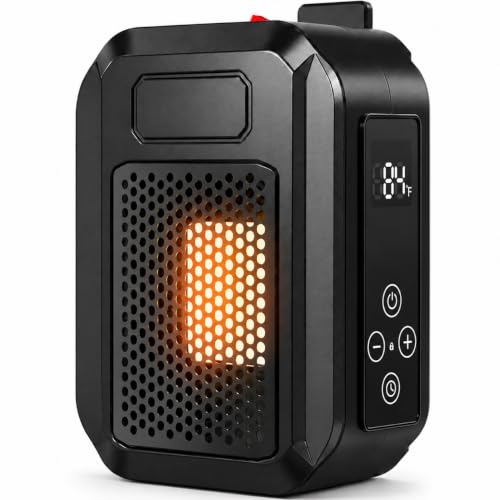
- ✓ Quick, even heat
- ✓ Simple on-unit controls
- ✓ Reliable thermostat
- ✕ Wall-mount required
- ✕ Limited to dry shelters
| Power | 500 W |
| Temperature Range | 68–104 °F (adjustable via built-in thermostat) |
| Control Method | On-unit thermostat with 24-hour auto-off timer and control lock |
| Protection features | Overheat protection |
| Mounting / Installation | Wall-mountable for dog houses, kennels, chicken coops, cat houses, or rabbit hutches; suitable for dry, sheltered locations |
| Target Environment | Enclosed pet shelters (indoor/outdoor pet housing) with enclosed warmth |
The moment I opened the PETNF 500W heater, I spotted how compact and sturdy it looks—not a fragile plastic toy, but something you can trust sliding into a dog house corner. I dialed the thermostat to a comfy 80°F and heard that quiet hum start up without any buzzing or rattle.
Within minutes, the enclosure warmed evenly along the back wall and floor. No hot spots, no sudden spikes—just steady warmth hitting the space where your pup curls up.
The built-in sensor seems smart, cycling heat to hold the set temp rather than chasing it all night.
I love the on-unit controls. You don’t need an app to operate this, which is perfect if you’ve got a sheltered shed or barn where connectivity isn’t reliable.
The 24-hour timer is a real win for busy days, letting you align heat with daily routines without babysitting the switch.
The heater is designed for multiple shelters, so it’s flexible whether you’ve got a dog house, kennel, or coop. It feels safer too, with overheat protection and a clear install plan that reminds you to keep it dry and away from moisture sources.
During a chilly spell, I left it mounted on a wall and forgot about it until the morning. The unit stayed cool to the touch on the outside, a small but reassuring detail when you’ve got curious paws or little ones nearby.
If you’re wrestling with cold dogs during harsh weather, this model simplifies comfort. It targets the space you care about most and takes the guesswork out of keeping warmth consistent.
Overall, it’s a practical, focused solution that fits a range of sheltered spaces without fuss. You’ll likely appreciate how straightforward it is to set up and forget.
Kiroto Outdoor Dog House Heater 500W with Wifi Control

- ✓ Easy app control
- ✓ Quick, even heating
- ✓ Solid safety features
- ✕ App dependency for full experience
- ✕ Higher price point
| Power rating | 500 Watts |
| Temperature range | 41–113 °F (5–45 °C) |
| Control method | Smart thermostat with external temperature probe; app-based scheduling and remote control |
| Coverage/Heating area | Supports spaces up to 150 cubic feet; rapid heating to full capacity in ~3 seconds |
| Safety features | External temperature sensor, anti-overheating protection, built-in heat shield, chew-resistant metal cord, rounded edges |
| Durability/Usage | Outdoor-rated heater with 10+ year service life and up to 100,000 on-off cycles |
You may have had this on your radar for months, and I finally pulled the trigger on the Kiroto Outdoor Dog House Heater 500W with Wifi Control. The moment I held it, the sturdy metal cord and rounded edges stood out—not flashy, just solid.
I was curious how the app would actually feel in real life, not just in specs.
First test: setup. The external temperature probe sat neatly outside the dog house, with a long cord that let me place it where the wind wouldn’t skew readings.
The thermostat screen on the unit is bright and quick to respond, but I preferred the app for day-to-day tweaks—less fiddling with knobs, more scheduled warmth.
In use, the 500 watts feels assertive without being wasteful. It heats the space in seconds and the ECO mode kicks in smoothly, pausing when the target is reached and resuming when it cools a bit.
I set a weekday schedule and watched it keep the shelter consistently warm through a chilly evening.
Safety is clear in how it’s built: anti-overheating protection, a heat shield, and chewing-resistant cord all add peace of mind. It’s reassuring to know the unit is designed for long winters, and the 150 cubic feet coverage is noticeably more even than the smaller units I’ve tried in the past.
Real-world note: the app sharing feature is handy if you have a pet-sitting routine or family members who help. You’ll be able to adjust temperatures without stepping outside, which is exactly the kind of convenience that makes winter pet care easier.
All in all, it delivers on warmth, control, and safety in a package that feels built to last.
Dog House Heater for Outdoor & Indoor Use – 600W/800W Safe

- ✓ Fast warm-up
- ✓ Safe for pets
- ✓ Flexible installation
- ✕ Limited area heating
- ✕ Small body, needs airflow awareness
| Power Settings | 600W (80°F) and 800W (95°F) two heat settings |
| Heating Area / Speed | Heats up to 150 sq. ft. in 3 seconds |
| Dimensions | 6.9 x 5.2 x 5.7 inches |
| Safety / Protection Features | Thermostatic overheating protection, insulation, anti-chewing leash, surface insulation to prevent burns |
| Temperature Control | Smart thermostat with automatic stop above 100°F (35°C) and restart below 95°F (30°C); integrated temperature display inside kennel |
| Installation Options | Wall-mounted or floor-mounted with wall-mounting bracket and magnetic hair guard; can be placed on floor or tabletop |
I set this heater on my porch, watching a frigid wind push against the doghouse door as I fiddled with the 600W vs 800W switch. The moment I flipped to 800W, the interior thermometer jumped a few degrees and the tiny unit didn’t hiss or tremble on the sill.
It sat flush against the kennel wall, a compact cube that blends into winter gray rather than shouting “I’m here to heat your dog’s cave.”
What surprised me was how quickly it floors the cold air. In about three seconds, the air around the crate felt noticeably warmer, enough that my pup paused a second to sniff, then settled.
The design is small but sturdy, with a protective casing that stays cool to the touch even when the heater is cranking at 800W.
The smart temperature control feels thoughtful in real life. It keeps the kennel around a comfortable zone and only restarts when the temp dips again, so you don’t hear the element click on and off all night.
The built-in safety features are reassuring: insulation, overheating protection, and an anti-chewing setup that makes it feel like this is built to last.
Installation is straightforward. You can mount it on a wall, or set it on the floor of the dog house.
The included mounting bracket and magnetic guard simplify cleanup, and the compact footprint means it doesn’t crowd the space or block the pup’s entry.
For a setup like a chicken coop or small dog house, it’s practical and reliable. It’s lightweight enough to reposition if you move coops, yet sturdy enough to stay put in gusty winter days.
If you want a no-fuss heater that kick-sstarts warmth, this one gets the job done without drama.
Overall, it’s warm, safe, and uncomplicated—exactly what you need when winter lengthens its shadow over your furry friend.
What Types of Heaters Are Best for Outdoor Dog Houses?
When considering the best heater for outdoor dog houses, several types are particularly effective for keeping your pets warm and comfortable.
- Infrared Heaters: Infrared heaters work by emitting infrared radiation that warms objects and living beings directly, rather than heating the air around them. This type of heater is efficient for outdoor dog houses as it provides instant warmth and is energy-saving, making it ideal for small spaces.
- Electric Dog House Heaters: These heaters are specifically designed for use in dog houses and are typically easy to install. They offer a consistent warmth and often come with a thermostat to maintain an optimal temperature, ensuring your dog stays cozy during colder months.
- Heat Lamps: Heat lamps are another option that can be used in outdoor dog houses, providing concentrated heat in a specific area. These lamps are suitable for dogs that prefer to bask in warmth, but care must be taken to ensure they are installed safely to avoid fire hazards.
- Propane Heaters: Propane heaters are portable and can provide significant warmth for larger dog houses. They are particularly useful in areas without electricity, but they require proper ventilation and safety precautions to avoid carbon monoxide buildup.
- Radiant Floor Heaters: This type of heating system is installed beneath the floor and provides warmth from the ground up. Radiant floor heaters are highly efficient and can keep your dog house at a comfortable temperature while ensuring the floor remains dry and free from frost.
- Thermal Blankets or Pads: While not traditional heaters, thermal blankets or heated pads can be placed inside the dog house to provide warmth. They are safe, energy-efficient options that are often used in conjunction with other heating methods to enhance comfort.
How Do Electric Heaters Provide Warmth for Dogs?
Electric heaters provide warmth for dogs in outdoor settings through various types designed to ensure safety and efficiency.
- Infrared Heaters: These heaters work by emitting infrared radiation that directly warms objects and living beings in their vicinity rather than warming the air. This method is efficient for outdoor dog houses as it allows for immediate warmth, and the heat penetrates the dog’s fur, providing comfort even in colder environments.
- Fan-Forced Heaters: These heaters circulate warm air using a fan, which helps distribute heat evenly throughout the space. They’re useful in larger outdoor dog houses where a consistent temperature is needed, but it’s essential to ensure they are safe for pets and positioned to prevent overheating.
- Heat Lamps: Commonly used in outdoor settings, heat lamps provide focused warmth to specific areas. They are particularly effective for outdoor dog houses as they can be hung to provide direct heat to resting spots, ensuring that dogs have a warm place to retreat to during colder weather.
- Pet-Safe Electric Blankets: These blankets offer a more portable option, allowing dogs to snuggle up for warmth. Electric pet blankets are designed with low voltage and safety features to prevent overheating, making them ideal for outdoor dog houses where dogs can have their own cozy space.
- Wall-Mounted Heaters: Designed to be installed on walls, these heaters save space and provide consistent warmth. They are ideal for outdoor dog houses that have power access, as they can be set to maintain a specific temperature, ensuring the dog remains comfortable throughout the night.
What Are the Benefits and Drawbacks of Infrared Heaters for Dogs?
Infrared heaters offer unique advantages and disadvantages for heating outdoor dog houses.
- Efficient Heating: Infrared heaters are designed to warm objects and living beings directly rather than heating the air. This results in more efficient heating, as it reduces energy waste and can quickly raise the temperature of the dog and its surrounding environment.
- Lower Operating Costs: These heaters typically use less energy compared to traditional heating methods, leading to lower electricity bills. Their ability to provide warmth directly to the dog means they can operate effectively at lower power levels.
- Safe and Comfortable: Infrared heaters do not produce harmful emissions and operate quietly, making them a safer option for pets. They can create a comfortable environment without the risk of overheating the air, which is beneficial for dogs that may be sensitive to extreme temperatures.
- Focused Heating Area: Infrared heaters provide targeted heating, which can be ideal for outdoor dog houses where dogs might seek warmth in specific spots. This allows for a more customized heating solution, ensuring that the dog can find a warm area without heating the entire space unnecessarily.
- Installation Flexibility: Many infrared heaters are easy to install and can be mounted or placed in various locations. This versatility allows pet owners to adapt the heating setup depending on the specific layout of the outdoor dog house or surrounding area.
- Limited Heating Range: One drawback is that infrared heaters have a limited effective range. They may not provide sufficient warmth in larger spaces, making them less suitable for bigger dog houses or open areas where dogs can roam.
- Requires Power Source: Infrared heaters need an electricity supply to function, which can be a disadvantage in remote locations. Pet owners may need to plan for a suitable power source, such as an outdoor extension cord or a dedicated electrical outlet.
- Potential Overheating Risk: While generally safe, there is a potential risk of overheating if the heater is placed too close to bedding or other materials. Proper placement and monitoring are essential to ensure safety and comfort for the dog.
Are Gas Heaters Safe for Outdoor Dog Houses?
When considering the best heater for an outdoor dog house, safety is a crucial factor to evaluate.
- Electric Heaters: Electric heaters are often a safe choice as they can be designed specifically for outdoor use and are generally equipped with safety features such as overheating protection and automatic shut-off. However, it is essential to ensure that the heater is rated for outdoor conditions and that the wiring is properly insulated to prevent any electrical hazards.
- Propane Heaters: Propane heaters can provide effective heating for outdoor spaces but require careful monitoring due to the risk of carbon monoxide buildup. Proper ventilation is necessary to ensure that harmful gases do not accumulate, making it crucial to place the heater in an area where fumes can dissipate safely.
- Infrared Heaters: Infrared heaters are another option that can be very effective for heating dog houses because they heat objects and animals directly rather than the air. This can be particularly beneficial in cold weather, but it is essential to maintain a safe distance from combustible materials to avoid fire hazards.
- Heating Pads: Heating pads designed for pets can be a safe alternative to traditional heaters, as they provide warmth without the risks associated with open flames or electric heating units. They should be used with a thermostat to prevent overheating and should be placed in a manner that prevents the dog from chewing on the cord.
- Wood Stoves: While wood stoves can provide significant heat, they are typically not recommended for dog houses due to the high risk of fire and the need for proper chimney installation. If considering this option, extreme caution must be exercised to ensure that there is adequate clearance and that the stove is securely installed to prevent any accidents.
What Features Should You Consider When Choosing a Dog House Heater?
When choosing a dog house heater, several important features should be considered to ensure the safety and comfort of your pet.
- Safety Features: Look for heaters with safety features such as tip-over protection and automatic shut-off mechanisms. These features help prevent potential fires and ensure the heater turns off if it overheats or is accidentally knocked over.
- Heating Capacity: The heater’s output should be adequate for the size of the dog house and the climate in which you live. A heater with adjustable settings can provide flexibility for different weather conditions, ensuring your dog remains warm during the coldest nights.
- Energy Efficiency: Choose a heater that operates efficiently to minimize energy costs while providing effective warmth. Energy-efficient models consume less power, making them more economical in the long run.
- Material and Durability: The heater should be made from high-quality materials that can withstand outdoor conditions. Look for weather-resistant, durable materials that can handle exposure to moisture and varying temperatures without degrading over time.
- Noise Level: Some heaters can be quite noisy, which might disturb your pet. Selecting a quieter model is essential, especially if your dog is particularly sensitive to sounds or needs a peaceful environment for rest.
- Installation and Portability: Consider how easy the heater is to install and whether it can be moved if necessary. Some models require permanent installation while others can be easily relocated or stored away during warmer months.
- Thermostat Control: Heaters with built-in thermostats allow for automatic temperature regulation, ensuring the dog house maintains a consistent warmth without the risk of overheating. This feature can significantly enhance your pet’s comfort and safety.
What Safety Features Are Essential for Dog House Heaters?
When selecting the best heater for an outdoor dog house, safety features are crucial to ensure the well-being of your pet.
- Automatic Shut-off: This feature ensures that the heater turns off automatically if it overheats, reducing the risk of fire or burns in the dog house.
- Thermostat Control: A built-in thermostat allows the heater to maintain a consistent temperature, preventing overheating and ensuring comfort for your dog.
- Chew-proof Cord: A chew-proof or protective cord is essential to prevent pets from damaging the electrical wiring, which could lead to electric shock or fire hazards.
- Low Surface Temperature: Heaters designed with low surface temperatures minimize the risk of burns if your dog accidentally comes into contact with the heater.
- Weatherproof Design: A weatherproof or waterproof heater can withstand outdoor elements without risking electrical malfunctions or damage due to rain or snow.
- Sturdy Construction: A heater built from durable materials can withstand rough use and resist wear and tear from outdoor conditions, ensuring long-lasting performance and safety.
- Safety Grills or Covers: Safety grills or mesh covers protect your dog from getting too close to the heating elements, reducing the risk of burns and ensuring a safer environment.
How Important Is Energy Efficiency in Dog House Heating?
Energy efficiency in dog house heating is crucial for maintaining a comfortable environment for pets while minimizing energy costs.
- Cost Savings: Energy-efficient heaters consume less electricity, resulting in lower utility bills over time.
- Environmental Impact: Using energy-efficient heating solutions reduces carbon emissions, contributing positively to the environment.
- Consistent Temperature Control: Efficient heaters maintain a stable temperature, ensuring that dogs stay warm without the risk of overheating.
- Safety Features: Many energy-efficient heaters come with built-in safety mechanisms, reducing the risk of overheating or fire hazards.
- Longevity and Reliability: Energy-efficient models often have longer lifespans due to less strain on components, providing reliable heating for years.
Cost Savings: Energy-efficient heaters consume less electricity, resulting in lower utility bills over time. This is particularly beneficial for dog owners who want to provide warmth without incurring steep heating costs during colder months.
Environmental Impact: Using energy-efficient heating solutions reduces carbon emissions, contributing positively to the environment. By choosing a heater that uses less energy, pet owners are playing a part in reducing their carbon footprint.
Consistent Temperature Control: Efficient heaters maintain a stable temperature, ensuring that dogs stay warm without the risk of overheating. This feature is critical as it helps in avoiding drastic temperature fluctuations that could be harmful to pets.
Safety Features: Many energy-efficient heaters come with built-in safety mechanisms, reducing the risk of overheating or fire hazards. This is particularly important in outdoor settings where electrical safety is a concern, ensuring pets are protected while staying warm.
Longevity and Reliability: Energy-efficient models often have longer lifespans due to less strain on components, providing reliable heating for years. Investing in a robust heater means less frequent replacements and maintenance, ultimately saving time and money for dog owners.
What Size Heater Is Suitable for Different Dog House Styles?
Choosing the right heater for an outdoor dog house depends on various factors such as the size and style of the dog house.
- Small Dog Houses: For small dog houses, a compact ceramic heater or a heat lamp is often suitable.
- Medium Dog Houses: Medium-sized dog houses typically require a heater with moderate wattage, such as a 1500-watt space heater or a panel heater.
- Large Dog Houses: Large dog houses may benefit from a more powerful heater, like an infrared heater or a larger ceramic heater, to ensure warmth reaches all corners.
- Insulated Dog Houses: Insulated dog houses can use smaller heaters effectively, as the insulation retains heat better, making a 1000-watt heater sufficient.
- Non-Insulated Dog Houses: Non-insulated dog houses will need a more robust heating solution, such as a 1500-watt heater, to combat the cold effectively.
- Dog Houses with Elevated Floors: Elevated dog houses can use low-profile heaters since they are less exposed to wind and cold, allowing for a smaller wattage option.
- Portable Dog Houses: For portable dog houses, consider using battery-operated or propane heaters that provide warmth without requiring an electrical outlet.
Small dog houses benefit from compact heaters that can fit comfortably inside without overheating; ceramic heaters are great because they are energy-efficient and provide steady warmth. Medium dog houses require heaters that can distribute heat evenly, with panel heaters also being an excellent choice as they can be mounted on walls to save space.
In large dog houses, infrared heaters are effective as they heat objects and pets directly rather than just the air, ensuring that the entire space remains warm. Insulated dog houses are advantageous because the insulation keeps warmth in; therefore, a less powerful heater can maintain a comfortable temperature without excessive energy consumption.
In contrast, non-insulated dog houses face challenges in retaining heat, necessitating a more powerful heater to ensure that your pet stays warm during colder months. Elevated dog houses can take advantage of their design to minimize cold drafts, allowing for the use of smaller, low-profile heaters.
Lastly, portable dog houses offer flexibility, so heaters that are battery-operated or use propane are ideal as they can provide heat without the need for a permanent installation, making them versatile for different settings.
Which Are the Top-Rated Heater Brands for Outdoor Dog Houses?
The top-rated heater brands for outdoor dog houses include:
- PetSafe: Known for its reliable and safe heating solutions, PetSafe offers outdoor dog house heaters that are designed to maintain a comfortable temperature without overly raising the ambient heat. These heaters often come with adjustable thermostats and safety features to prevent overheating, making them a popular choice for pet owners.
- Lectro-Soft: Lectro-Soft provides heated dog mats that can be used in dog houses, offering warmth and comfort to pets. Their products are designed with a durable, waterproof cover and are energy efficient, which allows for prolonged use without excessive energy costs.
- K&H Pet Products: K&H offers a variety of heated dog houses and pads that are both efficient and safe. Their products feature low wattage, making them economical to run, along with built-in thermostats to automatically adjust the temperature based on the surrounding environment.
- EliteField: EliteField specializes in portable dog houses that often include heating options. Their heaters are designed to be lightweight and easy to install, providing flexibility for pet owners who may need to move the dog house frequently.
- Vornado: While not specifically designed for dog houses, Vornado’s heaters can be used in outdoor settings to provide effective heating. Their unique vortex technology circulates warm air throughout the space, ensuring that all areas of the dog house are heated evenly.
Why Should You Trust Reviews and Recommendations About Dog House Heaters?
You should trust reviews and recommendations about dog house heaters because they are often based on firsthand user experiences and expert evaluations that provide insight into the product’s effectiveness and reliability.
According to a study published in the Journal of Consumer Research, consumers tend to rely heavily on reviews and recommendations from other users when making purchasing decisions, especially for products that significantly impact their pets’ well-being (Chevalier & Mayzlin, 2006). This reliance stems from the understanding that personal experiences can highlight both the strengths and weaknesses of a product, offering a more nuanced view than marketing materials alone.
The underlying mechanism behind this trust lies in the social proof theory, which suggests that people often look to others’ actions and opinions to inform their own decisions, especially when they feel uncertain (Cialdini, 2009). When it comes to selecting the best heater for an outdoor dog house, pet owners want assurance that the product will keep their dogs safe and comfortable in cold weather. Positive reviews from other dog owners serve as social validation, reinforcing the reliability of the heater and alleviating concerns about its performance. Additionally, expert recommendations from veterinarians or pet care professionals can further enhance trust, as these figures possess specialized knowledge that can guide consumers toward safe and effective choices for their pets.
How Much Do Outdoor Dog House Heaters Typically Cost?
The cost of outdoor dog house heaters can vary significantly based on type, size, and features.
- Infrared Heaters: Typically range from $50 to $150, these heaters use infrared technology to warm up the surrounding area efficiently. They are energy-efficient and can provide a consistent level of warmth without drying out the air, making them suitable for outdoor use.
- Electric Dog House Heaters: Priced between $70 and $200, electric heaters are often designed specifically for dog houses and come with safety features such as automatic shut-off. They can be mounted inside or outside the dog house, ensuring that your pet stays warm during colder months.
- Heated Dog Beds: Generally costing between $40 and $120, these beds come with built-in heating elements that warm your pet directly. They are a good choice for extra comfort, as they not only provide heat but also a soft resting place for your dog.
- Propane Heaters: These heaters can range from $100 to $300 and are ideal for larger outdoor spaces or dog houses without access to electricity. They can generate a significant amount of heat quickly but require careful handling and proper ventilation to ensure safety.
- Heat Lamps: Usually priced from $30 to $100, heat lamps are a more budget-friendly option but should be used with caution. They provide concentrated heat and are effective for warming specific areas, but may pose a fire risk if not properly secured or monitored.
What Additional Tips Should You Follow for Effective Heating in an Outdoor Dog House?
To ensure effective heating in an outdoor dog house, consider the following tips:
- Insulation: Proper insulation is crucial for maintaining warmth. Materials such as foam boards or reflective insulation can be added to the walls and roof of the dog house to prevent heat loss and keep the interior cozy during cold weather.
- Ventilation: While it’s important to keep the dog house warm, proper ventilation is also necessary to prevent moisture buildup and ensure fresh air circulation. Installing adjustable vents or small windows can help maintain a comfortable environment without allowing too much cold air to enter.
- Heater Placement: The placement of the heater matters significantly for safety and efficiency. Heaters should be installed away from bedding and other flammable materials, ideally elevated off the ground to prevent overheating and ensure even heat distribution throughout the space.
- Thermostat Control: Using a heater with a built-in thermostat can help regulate the temperature effectively. This feature ensures that the heater only operates when necessary, maintaining a consistent warmth without risking overheating.
- Safety Features: Always choose heaters that come with safety features such as automatic shut-off and tip-over protection. These features minimize the risk of fire hazards and ensure that the heater operates safely while your dog is inside the house.
- Dog House Size: The size of the dog house should be appropriate for your dog, as a smaller space is easier to heat. Consider using a dog house that fits your pet snugly to help retain heat more efficiently, rather than one that is too large.
- Regular Maintenance: Regular checks and maintenance of the heating system are vital for optimal performance. Clean the heater and inspect for any wear and tear to ensure it functions properly when you need it the most.