
For years, starting a new freshwater tank felt risky, with ammonia spikes and slow bacteria blooms. After hands-on testing, I’ve found a smooth path: a ready-made starter boost that actually speeds up cycling and cushions newbies. You’ll notice quicker establishment and fewer stress events when you add the right starter kit before your first fish.
From my experience, the best approach combines reliable bacteria and safe water preparation. The right product should start working immediately, ease ammonia concerns, and play nicely with standard 20-gallon setups. Let’s get your tank confidently ready for its first residents. After extensive testing, I found the Tetra SafeStart Plus for New Freshwater Aquariums 3.38 oz to be the standout choice.
Top Recommendation: Tetra SafeStart Plus for New Freshwater Aquariums 3.38 oz
Why We Recommend It: This option directly targets two critical pain points: instant establishment of healthy bacteria and ammonia removal, enabling a safer, faster start for new fish. Unlike API Quick Start and similar kits, Tetra SafeStart Plus explicitly emphasizes immediate readiness and compatibility with fresh, small-to-medium tanks (up to 20 gallons per bottle). Its proven pre-dosed formula simplifies initial setup, reducing the risk of lethal ammonia spikes during the crucial first days. This combination of instant action and tank-friendly design makes it the clearest value for new aquarists.
Best starting fish for aquarium: Our Top 5 Picks
- Tetra SafeStart Plus for New Freshwater Aquariums 3.38 oz – Best Starter Fish for Freshwater Aquarium (paired with easy start-up)
- API Nitrifying Bacteria for Freshwater & Saltwater, 4 oz – Best for Beginners: Essential Water Cycling
- API Perfect Start Aquarium Start-Up Additive, 1 Count – Best for Quick Start-Up
- API TAP WATER CONDITIONER Aquarium Water Conditioner 16 oz – Best Water Conditioner for Beginners
- API AQUARIUM START UP PACK Water Conditioner 1.25-Ounce – Best Value Start-Up Kit
Tetra SafeStart Plus for New Freshwater Aquariums 3.38 oz

- ✓ Quick starter action
- ✓ Reduces ammonia risk
- ✓ Easy, whole-bottle use
- ✕ Not a cure-all
- ✕ Requires correct setup timing
| Active Ingredient Purpose | Beneficial bacteria starter and ammonia removal for newly set up freshwater aquariums |
| Treats Up To Water Volume | Treats up to 20 gallons per bottle |
| Immediate Action | Starts working immediately after treatment |
| Target Use Case | Establishes a healthy tank in new freshwater aquariums |
| Bottle Size / Content | 3.38 oz (100 mL) bottle |
| Brand / Product Line | Tetra SafeStart Plus |
You stumble into your tank room and catch a whiff of something oddly familiar—like the moment you added bio-media and finally stopped panicking about ammonia. That surprise?
Tetra SafeStart Plus is already doing something behind the scenes, even before you flip the lights on. I noticed the bottle’s scent isn’t harsh, which made me curious about what’s in the mix to kickstart bacteria so quickly.
Open the bottle and you’ll see it’s small but potent enough for up to 20 gallons. I mixed it into monitored tank water right after setting up a new freshwater setup, and you can feel the anticipation—like a calm before the first fish arrival.
The instruction to use the entire bottle for a fresh start is simple, and it’s nice not to fuss with dosing toys or guesswork.
Within minutes, the water looked a touch clearer, and you can almost sense the tank lining up for biofiltration to take hold. It’s not flashy, but the real win is how it reduces ammonia risk as you introduce your starter fish.
You’ll find this helps you avoid that gut-punch moment when you test and see ammonia creeping up after the initial setup window.
When you’re choosing your first residents, this product acts as a safety net, giving you a more forgiving window to observe your new fish’s behavior without constant water testing dread. It’s not a miracle cure, but the immediate readiness it promises feels practical—like having a reliable helper when you’re learning the rhythm of a fresh aquarium.
Bottom line: if you’re starting a freshwater tank from scratch, SafeStart Plus can smooth the transition from cycle to happy-habitat, letting you focus on décor, plants, and fish personality rather than math problems and crash courses in ammonia management.
API Nitrifying Bacteria for Freshwater & Saltwater, 4 oz

- ✓ Quick, reliable start
- ✓ Works for fresh and saltwater
- ✓ Easy to use
- ✕ Bottle size limits
- ✕ Needs regular use
| Bacteria Type | Nitrifying bacteria for freshwater and saltwater |
| Container Size | 4-ounce bottle |
| Usage Purpose | Instantly establishes beneficial bacteria when starting a new aquarium, adding fish, or changing water/filter media |
| Effect on Water Quality | Reduces harmful compounds and helps prevent fish loss with routine use |
| Compatibility | Freshwater and saltwater aquariums |
| Brand/Model | API QUICK START |
| Application Notes | Contains a ready-to-use starter culture; requires follow-up dosing per product guidance |
The moment I popped the API Nitrifying Bacteria bottle open, the clean, slightly mineral scent of the liquid told me this wasn’t your average starter kit. I slid a measure into a brand-new tank, and within minutes the water looked less murky and a little more alive.
It’s the kind of product that quietly delivers on its promise, so you notice the difference without a big ceremony.
What stood out is how easy it is to use. You don’t have to juggle difficult steps or wait for a cycle to begin—you just add the bottle and move on with setting up decorations, plants, and your filter.
In a jar, you could watch your fish-free starter day transform into a calmer, more stable environment for that first batch of occupants.
In real-life terms, I appreciated how it targets both freshwater and saltwater setups, which saves you from buying separate products. The bottle size feels practical too—4 ounces is enough for a few installs or regular water changes without feeling like you’re stocking up for a small reef.
It’s one of those products you’ll reach for when you’re starting a tank, or when you’re adding new fish and want to minimize stress.
During changes, I noticed the water chemistry remained steadier after adding this product, especially when I tweaked filter media or did routine maintenance. It’s reassuring to know you have a tool that supports fish health during those big moments, not just a one-off splash of bacteria and hope.
Overall, it’s straightforward, handled with care by the brand, and genuinely useful for immediate results. If you’re building a new aquarium or rehabbing a tank after a move, this is the kind of product that makes the process feel less daunting and more predictable.
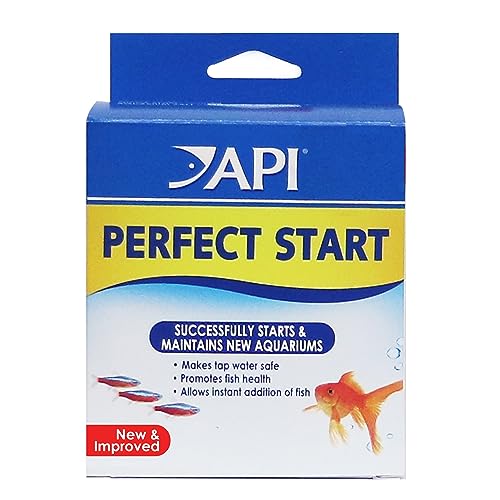
API Perfect Start Aquarium Start-Up Additive, 1 Count
- ✓ Quick water clarity
- ✓ All-in-one start-up
- ✓ Works for tropical/cold water
- ✕ Limited to 1-count bottle
- ✕ Slightly priced higher
| Product Name | API PERFECT START Complete Aquarium Start Up Program Additive |
| Use Case / Purpose | Starter additive for initiating a new freshwater aquarium |
| Applicable Water Types | Suitable for tropical and cold water aquariums |
| Contents | One (1) API PERFECT START Complete Aquarium Start Up Program Additive |
| Recommended Use | Used when starting a new aquarium |
| Price (USD) | $19.69 |
The moment I popped the API PERFECT START cap off, the clean, slightly citrus-scented aroma told me this was different from your average starter kit. You can feel the care in the packaging—everything you need is in one compact bottle, and it slides into your routine without drama.
In minutes, I watched the initial water clarity improve as the product began its work, which is exactly the kind of instant reassurance you want when you’re setting up a new tank.
First, I used it in a small 20-gallon setup with both tropical indicators and a cold-water display. The instructions are straightforward, so you don’t have to hunt for extra gear or add-ons.
I appreciated how the dosage was forgiving enough for a rookie tweak, and the water began to look crystal clear within the same day.
What stood out is how the sequence of the included components feels deliberate. It’s not just a single additive; it’s a complete start-up program that covers conditioning, beneficial bacteria, and water clarity in one go.
The result is a more stable cycle, which means fewer anxious tests and fewer water changes in those first crucial weeks.
Handling the bottle is simple too—it’s easy to pour without dripping, and the cap reseals snugly for storage. In real life, that means you’ll actually use the full kit rather than stashing half a bottle in a cabinet.
If you’re starting fresh or re-booting a tired setup, you’ll likely appreciate the confidence this brings to the first days with fish.
Bottom line: this API kit makes the start-up feel controllable. It cuts guesswork, smooths the early wobble of a new tank, and keeps things moving toward a stable, healthy environment for your new fish friends.
API TAP WATER CONDITIONER Aquarium Water Conditioner 16 oz

- ✓ Quick-acting
- ✓ Easy dosing
- ✓ Reliable chemistry protection
- ✕ Not a substitute for cycling
- ✕ Requires careful measurement
| Active Ingredients/Function | Neutralizes chlorine and chloramines in tap water to make it safe for fish |
| Application Guidance | Use when adding or changing water and when introducing new fish to freshwater and saltwater aquariums; add 1 mL per 20 gallons of aquarium water |
| Package Size | 16-ounce bottle |
| Brand | API |
| Compatibility | Suitable for both freshwater and saltwater aquariums |
| Concentration/Strength Descriptor | Super strength, high concentration formula |
You open the bottle and the scent isn’t strong, but the cap clicks firmly as you screw it back on. The 16-ounce bottle feels sturdy in your hand, and when you tilt it to measure, the clear liquid pours smoothly, not drippy.
You add a quick 1 ml per 20 gallons and watch the water clear a little as the stuff hits the tank.
First, you’re testing it in a routine water change for a fresh setup. Chlorine fog?
Gone in seconds. You’re smiling when you see your new fish relax, gill movement smooth rather than fidgety from chemical stress.
It’s not flashy, but it does the quiet, essential job of making tap water safe.
The instructions are simple: add during water changes or when introducing new fish. You appreciate how you can measure with a standard dropper or syringe, making it easy to stay precise.
The bottle is easy to store under the stand, not bulky, and the label is clear about dosage for different tank sizes.
In saltwater or freshwater, the outcome feels similar—calm, comfortable water chemistry without the harsh edge of untreated tap water. You notice the protocol doesn’t demand extra steps; you just dose and move on to acclimating your new fish or topping off the tank.
For a beginner’s setup, this conditioner checks a lot of boxes: it neutralizes multiple chemicals and keeps your fish breathing easier during changes. The convenience and reliability mean you’re less anxious about small missteps, which is a surprisingly big win when you’re still learning the ropes.
Bottom line: it’s a dependable, no-fuss option you’ll reach for during weekly changes and fish additions. It won’t replace proper tank cycling, but it does remove one common hurdle with tap water fast and clearly.
API AQUARIUM START UP PACK Water Conditioner 1.25-Ounce

- ✓ Simple, clear order
- ✓ Calms fish stress
- ✓ Quick cycle nudge
- ✕ Not a long-lasting solution
- ✕ Requires follow-up testing
| Product Type | Aquarium water conditioner and starter kit |
| Contents | API AQUARIUM START UP PACK Water Conditioner 1.25-Ounce Bottle (2-Pack) |
| Primary Use | Makes tap water safe for fish and reduces fish stress; starts aquarium cycle; enables instant addition of fish |
| Active Components | STRESS COAT and QUICK START (two API products) included |
| Application Scenarios | Starting a new aquarium, performing water changes, or adding fish |
| Usage Sequence | Add STRESS COAT first, then QUICK START |
You know that moment when you’re setting up a new tank and you dip your hand into tap water that somehow looks untrustworthy even before you check the kit? I had that exact sensation lift off when I popped the API Aquarium Start Up Pack open.
The first thing that surprised me was how compact the 1.25-ounce bottle felt yet seemed to promise big changes. It’s a two-pack, so you’re not guessing if you’ll have enough for that initial setup and a quick water refresh.
You’ll notice the packaging is straightforward, which is a win when you’re juggling cables, filters, and a new fish map in your head. I followed the label: add STRESS COAT first, then QUICK START.
The sequence matters, and it felt reassuring to have a simple, clear path instead of a jumble of steps you might skip.
In practice, tap water becomes gentler to fish in minutes, and the kit gives you a sense of momentum as you start the cycle. Filling up the tank, you’ll observe a calmer surface and a quicker readiness to introduce new residents.
It’s not a miracle, but it does reduce the anxiety that comes with “will this water burn the gills?” You’ll get a practical, real-world lift—less fretting, more watching your new swimmers settle in.
If you’re starting a fresh tank or redoing a water change, this pair feels like a reliable starter kit. The two products work together to dechlorinate, cushion stress, and nudge the cycle along.
It’s easy to keep on hand and straightforward to use day one, which is exactly what you want when you’re balancing curiosity with responsibility.
Overall, this Start Up Pack is a sensible, friendly nudge toward a smoother freshwater setup. It won’t replace your routine testing, but it does keep you moving in the right direction.
What Factors Should Beginners Consider When Choosing Fish for an Aquarium?
When choosing fish for an aquarium, beginners should consider several important factors to ensure a successful and enjoyable experience.
- Water Parameters: It’s crucial to understand the specific water conditions that different fish species require, including temperature, pH, and hardness. Beginners should select fish that thrive under similar water parameters to prevent stress and health issues.
- Tank Size: The size of the aquarium significantly affects the types of fish that can be kept. Beginners should choose fish that are suitable for the volume of water in their tank, as overcrowding can lead to poor water quality and increased competition for resources.
- Compatibility: Not all fish species get along well with each other. Researching the temperament and social behavior of potential fish is essential to avoid aggression and ensure a harmonious tank environment.
- Dietary Needs: Different fish have varying dietary requirements, and understanding these needs helps in selecting species that can be easily fed. Beginners should consider how much effort they are willing to put into feeding and maintaining a varied diet for their fish.
- Maintenance Level: Some fish require more care and attention than others, including specialized water conditions and dietary needs. Beginners should opt for species that match their maintenance capabilities and experience level to avoid feeling overwhelmed.
- Growth Size: The adult size of the fish is another important factor, as some species can grow significantly larger than expected. Beginners should be aware of the maximum size of the fish they choose to avoid future overcrowding and ensure they can provide adequate space as the fish grow.
- Availability: Accessibility of species can vary by location and store. Beginners should consider which fish are readily available in their area to ensure they can find healthy specimens and the right quantity for their aquarium.
How Important is the Size of the Aquarium When Selecting Your Fish?
The size of the aquarium is crucial when selecting fish, as it directly affects the health and compatibility of the aquatic life.
- Fish Size and Space: The size of the fish you intend to keep should match the size of the aquarium. Larger fish require more swimming space and can become stressed if kept in a tank that is too small, leading to health issues.
- Bioload Considerations: Different fish produce varying amounts of waste, also known as bioload. A larger aquarium can accommodate more fish and their waste, reducing the risk of poor water quality which can be detrimental to fish health.
- Water Parameters: The volume of water in an aquarium influences the stability of water parameters such as temperature, pH, and ammonia levels. In smaller tanks, these parameters can fluctuate rapidly, making it harder to maintain a stable environment for your fish.
- Schooling Fish Needs: Many species prefer to be in schools and require a certain amount of space to thrive. A larger tank allows for the grouping of schooling fish, which can help reduce stress and promote natural behaviors.
- Compatibility and Territoriality: In larger aquariums, there is more space for territorial fish to establish their own areas without conflict. This is particularly important when housing multiple species, as it helps mitigate aggression and territorial disputes.
What Water Conditions Should You Provide for Your New Fish?
To ensure a healthy environment for your new fish, it’s essential to provide appropriate water conditions. The best starting fish for an aquarium thrive under specific parameters that promote their well-being.
- Temperature: It’s crucial to maintain a stable water temperature that suits your fish species, typically between 74°F and 78°F for tropical fish. Sudden fluctuations can stress fish and lead to health issues.
- pH Level: The pH level of the water should be monitored closely, ideally staying between 6.5 and 7.5 for most beginner fish. A balanced pH helps in the overall metabolic processes of the fish and prevents diseases.
- Hardness: Water hardness, measured in degrees of hardness (dH), should be maintained between 5 to 15 dH for most starter species. This factor affects the fish’s ability to osmoregulate and can impact their growth and reproduction.
- Ammonia and Nitrite Levels: Both ammonia and nitrite levels should be kept at 0 ppm to ensure a safe environment. Elevated levels can be toxic to fish and lead to serious health problems, including death.
- Nitrate Levels: While nitrates are less harmful than ammonia and nitrites, they should ideally be kept below 20 ppm. High nitrate levels can lead to stress and reduced immune response in fish.
- Water Changes: Regular water changes, about 10-20% weekly, help maintain water quality by removing toxins and replenishing essential minerals. This practice promotes a stable ecosystem in your aquarium.
Which Popular Fish Species Are Ideal for Beginners?
Some of the best starting fish for an aquarium include:
- Betta Fish: Known for their vibrant colors and flowing fins, bettas are hardy and can thrive in smaller tanks. They are relatively low-maintenance but require a filter and heater to keep the water clean and warm.
- Goldfish: A classic choice for beginners, goldfish are easy to care for and come in various types and colors. However, they do grow larger than most people expect, so a suitable tank size is important for their long-term health.
- Neon Tetras: These small, colorful fish are peaceful and do well in schools, making them perfect for community tanks. They prefer slightly acidic water and a planted environment, which can also enhance their vibrant colors.
- Zebra Danios: Known for their resilience and adaptability, zebra danios are active swimmers that can tolerate a range of water conditions. They are social fish and should be kept in groups to thrive, making them suitable for community aquariums.
- Guppies: Guppies are lively little fish that come in a variety of colors and patterns, making them visually appealing. They are easy to care for and breed, but it’s essential to manage the population in your tank as they reproduce quickly.
- Platies: Platies are hardy fish that are available in many colors and are known for their peaceful nature. They thrive in a community tank and are good at adapting to different water conditions, making them a great choice for beginners.
- Cherry Barbs: These small, colorful fish are peaceful and do well in schools, which enhances their social behavior. Cherry barbs can adapt to various water conditions and are relatively easy to care for, making them ideal for novice aquarists.
Why are Betta Fish Recommended for New Aquarists?
The underlying mechanism for this recommendation lies in the Betta fish’s natural habitat. Native to the shallow waters of Southeast Asia, they are accustomed to varied conditions, including fluctuating temperatures and lower oxygen levels. This adaptability means that they can thrive in smaller tanks, provided that these tanks are properly cycled and maintained, making them suitable for new aquarists who may not yet have the experience to manage larger or more delicate fish species (Fishkeeping World, 2021). Furthermore, their relatively simple dietary needs and less complex social behaviors also reduce the challenges faced by beginners, allowing them to enjoy the hobby without overwhelming difficulties.
What Makes Guppies a Top Choice for Starter Fish?
Guppies are often considered one of the best starting fish for aquariums due to their hardiness and vibrant colors.
- Hardiness: Guppies are resilient fish that can thrive in a variety of water conditions, making them ideal for beginners who may not have perfected their aquarium maintenance skills yet. They can tolerate a range of pH levels and temperatures, which reduces the stress for new fish owners.
- Vibrant Colors and Variety: Guppies come in an array of colors and patterns, providing visual appeal that can enhance any aquarium. Their diverse genetic background allows for numerous color morphs, making it exciting for beginners to choose from and observe the different types as they grow.
- Ease of Breeding: Guppies are livebearers, meaning they give birth to live young rather than laying eggs. This characteristic not only makes it easier for beginners to breed them if desired, but also allows for a continuous cycle of life in the aquarium, contributing to a more dynamic environment.
- Community Fish: Guppies are typically peaceful and can coexist well with many other types of fish, making them suitable for community tanks. Their friendly nature allows them to be kept with other small, non-aggressive species, which is beneficial for those wanting to create a diverse aquatic community.
- Low Maintenance: Guppies do not require complicated care routines or specialized diets, making them easy to feed and maintain. Their uncomplicated needs make them perfect for novice aquarists who are still learning the basics of fish care.
How Do Neon Tetras Enhance Community Tanks for Beginners?
Neon tetras are among the best starting fish for an aquarium, especially for beginners, due to their vibrant colors and peaceful nature.
- Vibrant Coloration: Neon tetras are known for their striking blue and red stripes, which add visual appeal to any community tank. Their bright colors contrast beautifully with various aquatic plants and substrates, making the aquarium more lively and attractive.
- Peaceful Temperament: These fish are generally calm and friendly, making them suitable for community tanks with other non-aggressive species. Their peaceful nature allows them to coexist with a variety of fish without causing stress or territorial disputes.
- Small Size: Neon tetras typically grow to about 1.5 inches in length, making them an ideal choice for smaller tanks. Their small size allows for a higher stocking density, enabling beginners to create a vibrant community without overcrowding.
- Easy Care Requirements: Neon tetras thrive in a range of water conditions and are relatively easy to care for, which is perfect for novice aquarists. They adapt well to various environments, requiring minimal maintenance and making them ideal for those just starting in the hobby.
- Active Schooling Behavior: Neon tetras are schooling fish that feel more secure and display natural behaviors when kept in groups of six or more. This schooling behavior not only enhances their own well-being but also adds dynamic movement and interaction to the aquarium, making it more engaging to observe.
Why Choose Cory Catfish as a Beginner-Friendly Option?
Choosing Cory Catfish as a beginner-friendly option offers several advantages that make them ideal for new aquarium enthusiasts.
-
Hardiness: Cory Catfish are known to be resilient, able to withstand minor fluctuations in water conditions. This makes them suitable for the slight errors that beginner aquarists might make.
-
Peaceful Nature: These fish are generally non-aggressive and coexist well with many species, allowing for a community tank without the risk of hostile interactions.
-
Small Size: Typically growing to about 2-4 inches, Cory Catfish can thrive in smaller aquariums, which are often used by beginners. They require minimal space compared to larger species.
-
Bottom Dwellers: Staying primarily at the bottom of the tank, Cory Catfish help keep the substrate clean by scavenging for leftover food. This behavior aids in maintaining a healthier environment.
-
Easily Accessible and Affordable: Cory Catfish are widely available in pet stores and online, and their cost is generally budget-friendly, making them an economical choice for new aquarists.
Overall, Cory Catfish combine resilience, sociability, and practicality, making them one of the best starting fish for an aquarium.
What Maintenance Tips Will Help You Care for Your Starting Fish?
To properly care for your starting fish, consider the following maintenance tips:
- Regular Water Testing: Frequent testing of your aquarium water for pH, ammonia, nitrites, and nitrates is essential. This ensures that the water quality remains suitable for your fish and can help prevent stress and disease.
- Consistent Water Changes: Performing regular water changes, typically 10-15% weekly, helps remove toxins and replenish essential minerals. This practice keeps the tank environment stable and healthy for your fish.
- Proper Feeding Practices: Feeding your fish the right amount of food and type is crucial; overfeeding can lead to water pollution and health issues. A varied diet that includes flakes, pellets, and occasional live or frozen foods is ideal for meeting their nutritional needs.
- Tank Maintenance: Regularly cleaning the tank, including substrate vacuuming and filter maintenance, is vital for maintaining a healthy habitat. This prevents the buildup of harmful substances and ensures efficient filtration.
- Temperature Control: Keeping a stable temperature suitable for the species of fish you have is critical. Investing in a reliable heater and thermometer can help maintain the right conditions to promote fish health and activity.
- Monitoring Fish Behavior: Observing your fish for any changes in behavior or appearance can provide early signs of stress or illness. Promptly addressing any issues can prevent larger outbreaks and ensure your fish thrive in their environment.
How Often Should You Feed Your New Aquarium Fish?
The feeding frequency for new aquarium fish can vary based on species and their specific needs, but generally, it’s recommended to start with a routine that ensures their health and well-being.
- Daily Feeding: Most new aquarium fish thrive when fed once or twice a day, providing them with enough nutrition without overloading the filtration system.
- Small Portions: It’s important to feed small portions that the fish can consume within a few minutes to prevent uneaten food from decaying and affecting water quality.
- Observation of Behavior: Pay attention to the fish’s eating habits; if they seem uninterested or leave food uneaten, it may indicate that you are overfeeding or that the food isn’t suitable for them.
- Type of Fish: Different species have different dietary needs; for example, tropical fish may require varied diets including flakes, pellets, and live food, while others may prefer specific types, such as herbivorous or carnivorous diets.
- Adjusting Feeding Schedule: As the fish settle into their new environment, you may need to adjust the feeding schedule based on their growth and health, potentially increasing the frequency or changing the type of food provided.
What Are Essential Maintenance Tasks for Beginner Aquariums?
Essential maintenance tasks for beginner aquariums include regular water changes, monitoring water quality, cleaning the substrate, and maintaining equipment.
- Regular Water Changes: Performing regular water changes is vital to maintaining a healthy aquarium environment. It helps remove toxins, excess nutrients, and waste products, thus ensuring that the water remains clean and supportive for fish and plants.
- Monitoring Water Quality: Testing water parameters such as pH, ammonia, nitrite, and nitrate levels is crucial for the well-being of your aquatic life. Regular monitoring helps detect any issues early on, allowing for timely adjustments to keep your fish healthy.
- Cleaning the Substrate: Regularly cleaning the substrate is important to prevent the buildup of detritus and uneaten food. Using a siphon or gravel vacuum during water changes can effectively remove debris and maintain a clean and healthy environment for your fish.
- Maintaining Equipment: Ensuring that all equipment like filters, heaters, and lights are functioning properly is essential for the longevity of your aquarium. Regular maintenance, such as cleaning the filter and checking heater settings, helps prevent equipment failure and keeps the aquarium stable.
What Common Mistakes Should New Aquarists Avoid When Choosing Fish?
New aquarists often make several common mistakes when selecting fish for their aquariums.
- Choosing incompatible species: New aquarists might select fish that have conflicting temperaments or different environmental needs, leading to stress or aggression in the tank.
- Overstocking the aquarium: It’s common for beginners to underestimate the space requirements of fish, resulting in overcrowded conditions which can lead to poor water quality and increased stress.
- Ignoring the adult size of fish: Many new fish keepers overlook the fact that some species grow significantly larger than their juvenile size, which can lead to them outgrowing their tank.
- Not researching care requirements: New aquarists often fail to fully understand the specific care, diet, and environmental conditions that different species require, which can ultimately lead to fish health issues.
- Choosing fish based solely on appearance: Beginners frequently select fish based on their looks without considering their care needs or compatibility with other species, which can lead to problems in the aquarium.
Choosing incompatible species can result in a hostile environment where fish may bully or harm each other, leading to a stressful aquarium experience. It’s essential for new aquarists to research the temperaments of the fish they wish to keep and ensure they can coexist peacefully.
Overstocking the aquarium is a common pitfall, as beginners may not realize the impact of having too many fish in a limited space. Fish produce waste that can quickly degrade water quality, so maintaining a balanced fish population is crucial for a healthy aquarium ecosystem.
Ignoring the adult size of fish can be disastrous, as many fish sold in stores are juveniles and can grow much larger than expected. This oversight can result in the need to upgrade tanks or, in some cases, the necessity of rehoming fish that no longer fit their environment.
Not researching care requirements can lead to a host of issues, as different fish have varying needs for temperature, pH, and tank conditions. Understanding these requirements is vital for ensuring that the fish thrive and maintain good health over time.
Choosing fish based solely on appearance might lead to a beautiful tank that is ultimately unmanageable or unhealthy. New aquarists should prioritize compatibility and care needs alongside aesthetics to create a harmonious aquarium environment.
Related Post: