
The constant annoyance of fragile glass setups and tricky lighting is finally addressed by the Desktop Glass Plant Terrarium with Grow Light, 9.8″. Having tested it myself, I can say its high borosilicate glass offers clarity and durability that far surpasses typical terrariums—no more worrying about cracks or scratches. The adjustable 10W LED light provides flexible lighting for different plants, and the humidity control through a rotatable inner ring makes caring for delicate mosses or succulents straightforward.
Compared to smaller LED options, like the Xyingshine Glass Plant Terrarium, this model’s larger size and integrated grow light give it a clear edge. It’s more versatile, easy to maintain, and perfect for creating lush, miniature landscapes that stay vibrant over time. If you want a robust, stylish terrarium that simplifies plant care while looking great on your desk, this one stands out as the best choice for your office.
Top Recommendation: Desktop Glass Plant Terrarium with Grow Light, 9.8″ H
Why We Recommend It: This product combines high-quality borosilicate glass for clarity and durability with a powerful, adjustable 10W LED grow light, ensuring your plants thrive even in low-light conditions. Its humidity control feature and wide opening make it easy to care for delicate plants, and the size is perfect for desktop use. Compared to smaller, less versatile options, this model offers superior build quality and functionality, making it the best value for your office workspace.
Best office terrarium: Our Top 4 Picks
- Desktop Glass Plant Terrarium with Grow Light, 9.8″ H – Best desktop terrarium ideas
- Xyingshine Glass Plant Terrarium 5W LED Grow Light,Desktop – Best Value
- Xyingshine Glass Terrarium with LED Light & Ventilation, 8.2 – Best low-maintenance office terrarium
- Yangbaga Glass Terrarium with Wood Base for Plants and Decor – Best modern office terrarium
Desktop Glass Plant Terrarium with Grow Light, 9.8″ H

- ✓ Beautiful transparent design
- ✓ Adjustable lighting and humidity
- ✓ Durable high borosilicate glass
- ✕ Slightly pricey
- ✕ Limited plant size options
| Material | High borosilicate glass |
| Dimensions | H: 9.8 inches, D: 5.9 inches |
| Lighting | 10W LED grow light with adjustable modes |
| Lighting Diameter | 5.9 inches |
| Power Supply | 5V 2A adapter (US two-pin plug) |
| Humidity Control | Adjustable opening via rotating inner ring |
Spending time with this glass plant terrarium feels like having a tiny, self-sustaining ecosystem right on your desk. Unlike the more generic, bulky aquariums I’ve seen, this cylinder’s sleek, clear design instantly catches the eye.
Its high borosilicate glass gives it a pristine, almost invisible quality, making the plants inside look like they’re floating in mid-air.
The adjustable grow light is a game-changer. The 10W LED can be easily switched between modes, giving you just the right glow for succulents or mosses.
I love how the rotating base lets you control humidity and ventilation without fussing too much. It’s perfect for keeping high-humidity plants happy without overwatering.
The size is just right—tall enough to accommodate small plants or tiny fish setups, yet compact enough to sit comfortably on a desk or shelf. The rounded, polished mouth feels smooth and safe, avoiding any rough edges.
Changing the humidity with the inner ring is simple, and I appreciated how little maintenance it needs—watering once a week was enough for my mini garden.
Setting up was straightforward, and the included accessories, like the adapter, fit perfectly. I was surprised by how much I could customize the environment inside, making it suitable for different plants or tiny aquatic life.
Overall, it’s a stylish, functional piece that elevates any office space or craft corner.
Xyingshine Glass Plant Terrarium 5W LED Grow Light,Desktop

- ✓ Stylish modern design
- ✓ Easy to arrange and care for
- ✓ Adjustable lighting tones
- ✕ Limited plant size options
- ✕ Light might not be bright enough for some plants
| Light Power | 5W LED grow light |
| Lighting Modes | Three adjustable color dimming settings |
| Material | Clear glass terrarium jar |
| Open Design | Wide opening for easy arrangement and maintenance |
| Suitable Plants | Moss, succulents, and small terrarium plants |
| Dimensions | Compact desktop size (specific measurements not provided) |
My first surprise with this terrarium was how much it transformed my dull corner without any fuss. I didn’t expect a tiny glass jar with a built-in light to make such a noticeable difference in my space.
The clear glass gives it a sleek, modern look that instantly elevates my desk. Its wide opening makes it so easy to arrange moss, tiny stones, or succulents—no awkward angles or cramped spaces here.
The 5W LED light is surprisingly powerful for such a small setup. I love switching between the three dimming tones—brighter during the day, softer for the evening.
It really helps create a cozy atmosphere.
Setting it up was straightforward; the hardware and instructions made it simple to install the light. I appreciate how easy it is to access the inside for watering or rearranging my mini plants.
This terrarium isn’t just decorative; it’s functional, especially if you want a low-maintenance indoor garden. Plus, it fits perfectly on my shelf or bedside table, adding a calming touch to my space.
Overall, I was surprised how versatile and stylish this little setup is. It’s perfect for anyone wanting to brighten up a workspace or add a touch of greenery without the hassle.
Xyingshine Glass Terrarium with LED Light & Ventilation, 8.2

- ✓ Stylish tall glass design
- ✓ Effective LED grow light
- ✓ Good ventilation system
- ✕ Plants not included
- ✕ Limited space for larger plants
| Terrarium Height | 8.2 inches |
| Lighting | Full-spectrum LED grow light |
| Ventilation | Adjustable top ventilation with condensation-reducing lid |
| Material | Borosilicate glass |
| Lighting Power Source | US plug adapter (included) |
| Intended Use | Suitable for Venus fly traps, moss, succulents, and small indoor plants |
Unlike many other office terrariums I’ve come across, this Xyingshine model immediately caught my eye with its tall, sleek glass design that feels more like a mini art piece than just a plant container. The clear vertical glass offers a stunning view from every angle, making even a tiny Venus flytrap or succulent look like a centerpiece.
The built-in full-spectrum LED light is a game-changer. It’s bright enough to simulate sunlight on cloudy days, and I appreciate how easy it is to turn on and off with a simple switch.
The light evenly covers the plants without any flickering, helping my low-light desk plants thrive without extra fuss.
The ventilation system is surprisingly thoughtful. After watering, I just open the adjustable top vent slightly to prevent excess humidity and condensation.
The condensation-reducing lid keeps my workspace cleaner, and I don’t have to worry about soggy soil or mold growing inside.
Setting it up took only a few minutes; the included guide is straightforward, and I liked that I could personalize my mini habitat with plants I already had. The tall profile offers enough space for small moss scenes, tiny succulents, or even a Venus flytrap, keeping everything visible and organized.
Overall, this terrarium feels like a mini ecosystem that’s both functional and stylish. It’s perfect for beginners, gift-givers, or anyone who wants a tiny, low-maintenance green corner on their desk.
The quality and thoughtful features make it stand out among other compact terrariums I’ve tested.
Yangbaga Glass Terrarium with Wood Base for Plants and Decor
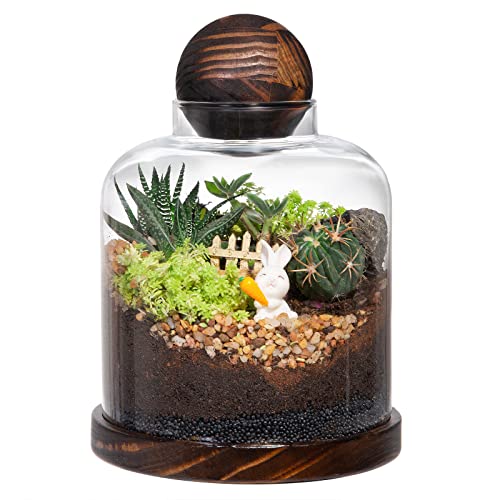
- ✓ Elegant, clear glass design
- ✓ Easy to plant and arrange
- ✓ Versatile for decor or mini garden
- ✕ Plants not included
- ✕ Slightly fragile if mishandled
| Material | Premium quality, transparent glass |
| Dimensions | Height: 7 inches, Width: 6 inches |
| Opening Diameter | 3.15 inches |
| Intended Use | Suitable for small plants such as ferns, moss, succulents, airplants, or miniature gardens |
| Additional Features | Can be used as a decorative fish bowl or table centerpiece |
| Warranty/Support | Replacement or refund available for damaged or unsatisfactory items |
Many people assume that a glass terrarium is just a fragile decorative piece that’s more trouble than it’s worth. I found that couldn’t be further from the truth with this Yangbaga terrarium.
Its sturdy, smooth glass feels solid in your hand, and the large opening makes planting or arranging decor surprisingly easy.
The size is just right—about 7 inches tall with a 6-inch width—so it’s not overwhelming on your desk but still large enough to hold a mini garden or a small fish bowl. I loved how versatile it is: you can create a lush fern arrangement, fill it with succulents, or even add small air plants.
The clear glass provides a beautiful view from all angles, making it a real eye-catcher.
The wood base adds a natural touch, grounding the whole piece and preventing slips. I tried placing a tiny fish inside, and it instantly brightened up my space.
The opening is wide enough for easy planting, yet narrow enough to keep everything contained. Plus, it looks elegant whether you’re using it as a table centerpiece or an office decor piece.
What really stood out is how it transforms a simple space into a mini garden or relaxing oasis. It’s perfect for anyone who wants a low-maintenance green spot or a little nature-inspired art.
The only downside? Plants aren’t included, so you’ll need to pick out your favorites separately.
Overall, this terrarium feels durable, stylish, and highly adaptable.
What Makes an Office Terrarium the Best Choice for Your Workspace?
The best office terrarium can enhance your workspace through aesthetics, air quality, and stress relief.
- Aesthetic Appeal: Office terrariums add a touch of nature to your workspace, creating a visually pleasing environment. Their unique designs can complement various office styles, making them not just plants but also decorative pieces that inspire creativity.
- Air Quality Improvement: Many plants used in terrariums are known for their air-purifying properties. By absorbing carbon dioxide and releasing oxygen, they contribute to a healthier workplace, which can enhance focus and productivity.
- Low Maintenance: Terrariums are typically self-sustaining ecosystems that require minimal care. This makes them ideal for busy professionals who want to enjoy the benefits of plants without the hassle of regular watering and maintenance.
- Stress Relief: Studies have shown that having greenery in your workspace can reduce stress and improve overall mood. The presence of a terrarium can create a calming atmosphere, helping to alleviate the pressures of a hectic work environment.
- Versatility: Terrariums come in various shapes and sizes, allowing them to fit into any workspace, whether it’s a small cubicle or a large office. This versatility means that you can choose a terrarium that suits your specific space and personal taste.
How Do Office Terrariums Enhance the Work Environment?
Increased Creativity: The presence of greenery has been linked to increased creativity and cognitive function. Terrariums can break the monotony of office life, inspiring innovative thinking and problem-solving among team members.
Low Maintenance: Terrariums are generally self-sustaining ecosystems, requiring minimal upkeep compared to regular houseplants. This makes them perfect for an office setting where employees may not have the time or knowledge to care for more demanding plants.
What Psychological Advantages Do Terrariums Provide in the Office?
Terrariums in the office offer several psychological advantages that enhance the workplace environment.
- Stress Reduction: Being around greenery is known to lower stress levels. Terrariums bring a touch of nature indoors, which can create a calming atmosphere and help employees feel more relaxed during their workday.
- Enhanced Focus: The presence of plants, including terrariums, can improve concentration. Studies have shown that nature-themed environments help reduce mental fatigue, enabling employees to maintain their focus and productivity.
- Boost in Creativity: Natural elements can stimulate creativity. Terrariums, with their diverse plant life and aesthetic appeal, can inspire new ideas and innovative thinking among team members.
- Improved Air Quality: While terrariums are smaller than traditional indoor plants, they still contribute to better air quality. Plants naturally filter toxins from the air, which can lead to a healthier workspace and ultimately improve employee well-being.
- Emotional Connection: Caring for a terrarium can instill a sense of responsibility and ownership. This emotional connection can enhance job satisfaction and create a more positive workplace environment.
- Visual Appeal: Terrariums serve as decorative elements that enhance the aesthetics of the office. A visually pleasing environment can uplift moods and foster a sense of pride in the workplace.
What Should You Look for in an Ideal Office Terrarium?
When selecting the best office terrarium, several key factors come into play to ensure it compliments your workspace effectively.
-
Size and Space: Consider the available space on your desk or shelf. A compact terrarium is ideal for smaller areas, while a larger one can become a focal point in roomier setups.
-
Plant Variety: Look for a terrarium that features low-maintenance plants suited for indoor conditions, such as succulents, air plants, or ferns. These options thrive in enclosed environments and require minimal care.
-
Material and Design: Opt for glass containers that allow light to penetrate, promoting plant health. Check for designs with proper ventilation or drainage to prevent mold and stagnant water.
-
Ease of Maintenance: Terrariums should be easy to manage. Consider options that come with care instructions, as well as self-watering features if available.
-
Aesthetic Appeal: Choose a design that matches your office decor. Whether modern, rustic, or minimalist, the terrarium should enhance rather than clash with your environment.
By keeping these factors in mind, you can find a terrarium that adds both greenery and charm to your office space.
Which Plant Types Are Best for Office Terrariums?
The best office terrarium plants are those that thrive in low light and require minimal maintenance.
- Succulents: Succulents are popular for terrariums due to their unique shapes and colors, as well as their ability to store water in their leaves. They thrive in bright, indirect light and need infrequent watering, making them an excellent choice for busy office environments.
- Air Plants: Air plants, or Tillandsia, are unique in that they do not require soil to grow; they absorb moisture and nutrients through their leaves. They can be placed in various decorative containers and require only occasional misting or soaking, making them perfect for creative office displays.
- Pothos: Pothos is a hardy vine that adapts well to different lighting conditions, including low light, and can thrive with minimal care. Its trailing vines can create a lush look in a terrarium, and it helps purify the air, contributing to a healthier office environment.
- Sansevieria (Snake Plant): Known for its striking upright leaves, the Snake Plant is very tolerant of neglect, making it ideal for busy offices. It can survive in low light and requires minimal watering, while also improving indoor air quality through its ability to convert CO2 into oxygen at night.
- Ferns: Ferns add a touch of greenery and texture to terrariums, with species like the Boston fern or maidenhair fern thriving in humid environments. They prefer indirect light and regular misting, making them a lovely choice for creating a lush, tropical feel in an office setting.
How Do Size and Shape Influence Your Office Terrarium Selection?
The size and shape of a terrarium significantly affect its aesthetics, functionality, and suitability for your office environment.
- Size: The size of the terrarium impacts its visibility and the amount of plants it can accommodate.
- Shape: The shape of the terrarium can influence how it fits into your office decor and the types of plants that thrive within it.
- Placement Considerations: Where you plan to place the terrarium will determine the size and shape that work best for your space.
- Maintenance Needs: Different sizes and shapes may require varying levels of care, which can affect your selection based on your office routine.
The size of the terrarium is crucial because a larger terrarium can house more plants and create a more vibrant ecosystem, while smaller ones are easier to manage in tight spaces. Additionally, a larger size may require more light and water, so you need to consider the resources available in your office.
The shape of the terrarium plays a vital role in its integration within your office decor. For instance, a geometric terrarium can add a modern touch, while a classic round or hanging design might offer a more traditional aesthetic, allowing you to choose one that complements your workspace style.
Placement considerations are essential since the location of the terrarium can dictate its size and shape. A desk terrarium might be smaller and more compact, while one intended for a shelf may be larger or have a more elaborate design to create a focal point.
Maintenance needs vary with size and shape; larger terrariums may require more frequent watering and care, whereas smaller ones can be low-maintenance. If you have a busy schedule, opting for a shape that is easy to access and care for will be beneficial in ensuring the health of your plants.
What Are the Essential Care Tips for Office Terrariums?
To maintain a thriving office terrarium, several essential care tips should be followed:
- Light Requirements: Ensure that your terrarium receives the right amount of light, depending on the plant species inside.
- Watering Schedule: Establish a proper watering routine to prevent overwatering or underwatering, which can harm the plants.
- Humidity Control: Monitor humidity levels within the terrarium to create a suitable environment for growth.
- Temperature Management: Maintain an appropriate temperature range to ensure the health of the plants in your terrarium.
- Cleaning and Maintenance: Regularly clean the glass and prune the plants to keep the terrarium looking its best.
- Choosing the Right Plants: Select plants that thrive in the closed environment of a terrarium and suit the light conditions of your office.
Light Requirements: It’s crucial to position your terrarium where it can receive indirect sunlight, as most terrarium plants prefer bright but filtered light. Avoid placing it in direct sunlight for prolonged periods, as this can create excessive heat and humidity, potentially damaging the plants.
Watering Schedule: The watering needs of terrarium plants can vary, but a general rule is to check the soil moisture before adding water. Typically, a closed terrarium may need watering every few weeks, while an open terrarium may require more frequent watering; always look for signs of dryness or excess moisture.
Humidity Control: Closed terrariums naturally create a humid environment, which is beneficial for many tropical plants. However, if you notice condensation on the walls, it may indicate too much humidity, and you can open the lid temporarily to allow for proper air circulation.
Temperature Management: Most terrarium plants thrive in temperatures ranging from 60°F to 75°F. Keep your terrarium away from drafts, heating vents, or air conditioning units to avoid extreme temperature fluctuations that could stress the plants.
Cleaning and Maintenance: Regularly wipe down the glass with a damp cloth to prevent algae buildup and ensure optimal light penetration. Additionally, trim any overgrown plants to maintain balance within the terrarium, as overcrowding can lead to poor air circulation and plant health issues.
Choosing the Right Plants: Opt for low-light, humidity-loving plants such as ferns, mosses, or small tropical species that can adapt well to the enclosed environment. Research the specific needs of each plant type to ensure they will thrive together in your office terrarium.
How Often Should You Water Your Office Terrarium?
- Type of Plants: Different plants have varying water needs; for instance, succulents and cacti require less frequent watering compared to ferns or mosses. Understanding the specific needs of the plants in your terrarium can help determine an appropriate watering schedule.
- Humidity Levels: In a closed terrarium, humidity is often retained, which means plants may need watering less frequently. Conversely, if your terrarium is open or in a dry environment, you may need to water more often to maintain healthy plant life.
- Seasonal Changes: During summer months, increased light and temperature can lead to quicker evaporation and drying out of the soil, necessitating more frequent watering. In the winter, cooler temperatures and lower light levels often mean that plants require less water, so it’s essential to adjust your watering routine accordingly.
- Soil Moisture Checks: Before watering, it’s a good practice to check the moisture level of the soil by sticking your finger about an inch deep; if it feels dry, it’s time to water. This method helps prevent overwatering, which can lead to mold growth and root rot.
- Container Size and Drainage: The size of your terrarium and its drainage capabilities can also influence watering frequency. Smaller containers may dry out more quickly, while larger ones retain moisture longer; ensuring proper drainage is key to maintaining plant health.
What Conditions Should Be Maintained for Optimal Terrarium Health?
For optimal health of a terrarium, several key conditions should be maintained:
- Lighting: Adequate and appropriate lighting is crucial for plant growth within a terrarium.
- Humidity: Maintaining the right humidity level is essential to prevent plants from drying out or becoming moldy.
- Temperature: Keeping a consistent temperature range ensures that the plants thrive and do not experience stress.
- Soil Quality: The choice of soil impacts drainage and nutrient availability, which are vital for plant health.
- Watering: Proper watering techniques prevent over or under-watering, which can lead to root rot or dehydration.
- Air Circulation: Good air circulation helps prevent fungal growth and encourages healthy plant respiration.
Lighting: Adequate and appropriate lighting is crucial for plant growth within a terrarium. Most plants thrive under bright, indirect light, so placing your terrarium near a window with filtered sunlight is ideal. Artificial grow lights can also be used if natural light is insufficient, helping to maintain a healthy environment for photosynthesis.
Humidity: Maintaining the right humidity level is essential to prevent plants from drying out or becoming moldy. For closed terrariums, humidity is typically higher due to the lack of air exchange, while open terrariums may require a regular misting routine or a humidity tray to keep moisture levels stable. Monitoring humidity levels with a hygrometer can help in maintaining the ideal environment.
Temperature: Keeping a consistent temperature range ensures that the plants thrive and do not experience stress. Most tropical plants prefer temperatures between 65°F and 75°F (18°C to 24°C), and sudden temperature fluctuations can harm them. Avoid placing terrariums near heating vents or air conditioning units to maintain a stable climate.
Soil Quality: The choice of soil impacts drainage and nutrient availability, which are vital for plant health. A well-draining potting mix, often enriched with organic matter, ensures that roots receive adequate oxygen while avoiding waterlogging. It’s essential to choose soil that matches the specific needs of the plants in your terrarium.
Watering: Proper watering techniques prevent over or under-watering, which can lead to root rot or dehydration. It’s best to water less frequently and allow the soil to dry slightly between waterings, especially in closed terrariums where moisture can be retained longer. Observing the plants for signs of distress can help gauge when watering is needed.
Air Circulation: Good air circulation helps prevent fungal growth and encourages healthy plant respiration. For closed terrariums, occasionally removing the lid allows fresh air to enter, while open terrariums naturally benefit from air flow. Ensuring proper circulation can help maintain a balanced ecosystem within the terrarium.
Related Post: