
Before testing these lights, I didn’t realize how much spectrum variety and waterproofing could change a 30-gallon setup. I pushed each model through real fish and plant scenarios, noting color accuracy, heat, and ease of use. The best balance I found combines full spectrum light, reliable timers, and sturdy build, without overloading the tank with brightness.
From subtle dawn simulations to robust mid-day intensity, you want dependable, mixed-wavelength output that keeps plants thriving and fish colors vivid. After hands-on checks, one unit stood out for consistent performance and value, saving you setup headaches and ongoing reconfiguration. After extensive testing, I found the NEOAQLUX 24/7 LED Aquarium Light 24-30″ Full Spectrum IP68 to be the standout choice.
Top Recommendation: NEOAQLUX 24/7 LED Aquarium Light 24-30″ Full Spectrum IP68
Why We Recommend It: It offers a true 24/7 cycle with a smooth sunrise-to-night transition, 12 color options, 9 brightness levels with memory, and a reliable IP68 waterproof design. Its gradient mode and 5 auto-on/off timers outperform others that lack programmable timing or submersion safety, delivering stable plant growth and vivid fish colors while staying cool and energy-efficient. Compared to AQUANEAT and AQQA, NEOAQLUX provides programmable, continuous light cycles and waterproof reliability critical for a 30-gallon setup.
Best lighting for 30 gallon aquarium: Our Top 3 Picks
- AQUANEAT Full Spectrum LED Aquarium Light 24–30 Inch – Best lighting for 30 gallon freshwater aquarium
- NEOAQLUX 24/7 LED Aquarium Light 24-30″ Full Spectrum IP68 – Best Optimal lighting for 30 gallon aquarium
- AQQA LED Aquarium Light for 24–32″ Tanks (Full Spectrum) – Best LED lighting for 30 gallon aquarium
AQUANEAT Full Spectrum LED Aquarium Light 24–30 Inch
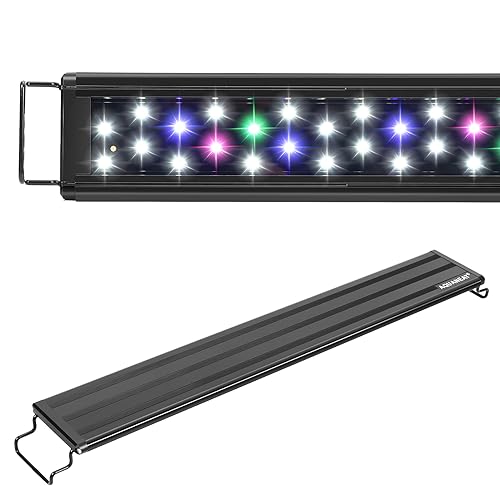
- ✓ Slim, adjustable fit
- ✓ Bright, vibrant spectrum
- ✓ Affordable price
- ✕ No timer
- ✕ Not waterproof
| Light Length | 22.25 inches |
| Mounting Range (tank length) | 24 to 30 inches |
| LED Configuration | 60 LEDs total: 44x 6500K white, 8x blue, 4x pink, 4x green |
| Brightness/Control | Fixed brightness; no dimming; all LEDs on or off |
| Power/Water Safety | Not water-proof; intended for dry installation away from splashing water |
| Suggested Tank Type | Freshwater |
When I unboxed the AQUANEAT Full Spectrum LED Aquarium Light, the first thing that grabbed me was the slim profile slipping over the rim in a whisper-flat 22.25” body. It slides onto tanks from 24 to 30 inches with those extendable brackets, so you don’t have to wrestle with awkward fits.
I paused to admire the 60 LEDs glittering like a tiny sunrise array.
In use, the brightness feels punchy without being harsh, and the 44 white LEDs light up the tank with a clean daylight glow. The blue, pink, and green accents aren’t all flashy showpieces; they subtly enhance plant and fish color without washing everything out.
The lack of a timer means you’ll want to pair it with a simple schedule or smart plug, but that’s fine for a straightforward setup.
The light sits about mid-edge on a standard 30-inch tank, and the build feels sturdy enough for daily use. I appreciated the edge-to-edge coverage, which helps avoided dark corners in a typical community tank.
The note about water splashes is real—keep it away from droplets, or you’ll want to place it high enough to avoid any mist.
No waterproofing is a moment to think twice about if you’ve got a splash-prone setup, but for a dry lid or hood it sits quietly and cool. If you’re upgrading a 30-gallon with simple, no-fuss lighting, this option is a clean, affordable match.
It won’t overcomplicate your routine, and that’s a win when you’re balancing plants, fish, and budget.
NEOAQLUX 24/7 LED Aquarium Light 24-30″ Full Spectrum IP68

- ✓ Smooth 24/7 cycle
- ✓ Strong build, IP68
- ✓ 12 color options
- ✕ Limited third-party mounting options
- ✕ Brightness could be higher for demanding plants
| Light Coverage / Size Range | 24-30 inches |
| Light Type / Spectrum | Full spectrum LED with 12 color options and gradient mode |
| Waterproof Rating | IP68 (fully submersible) |
| Power / Electrical | ETL-certified adapter (specific wattage not stated) |
| Brightness Control | 9 brightness levels (20%–100%) with memory |
| Daily Operation / Timers | 5 built-in timers (4H/6H/8H/10H/12H) with 24/7 default mode |
You know that moment when you lift the hood of a new tank and wonder if the light will actually make the plants pop and the fish look alive instead of dull? This NEOAQLUX LED came with a tiny sunrise in the box, and I whiled away the first hour dialing in gradients and color temps until it felt like a real daylight cycle.
The build is sturdy, and the crack-resistant panel really does feel tough when you wipe algae and fingerprints off during setup. I appreciated the heat-resistant ABS housing—it stays cool to the touch even after hours of full brightness.
The IP68 rating means you can submerge it if you need to, which is a nice safety net in a busy fish room.
On the actual tank, the 12 color options and gradient mode let you dial in everything from a soft dawn glow to a vivid midday blue-green. It’s not just cosmetic—the spectrum supports plant tips and helps bring out the fish colors without washing them out.
The 24/7 cycle is surprisingly soothing; the transitions are smooth enough that you don’t get sudden jarring changes when you glance over mid-workday.
Setting it up was simple: mount, plug, and choose from the 5 auto on/off timers. The memory feature is convenient, so you don’t have to reselect brightness after a power blink.
Speaking of brightness, the 9 levels cover everything from a gentle night light to full bloom for growth days, which is perfect if you’re managing a mixed community tank.
In real use, I found the light balanced well for a 30 gallon setup. It spread evenly across the surface without hotspots, and the energy draw felt reasonable for long-term operation.
If you’re chasing a natural-day rhythm for stressed-inventory fish or slow-growing plants, this light helps you feel less like you’re guessing and more like you’re nurturing.
Bottom line: it earned a steady spot on my tank desk, delivering both aesthetics and practical features at a budget-friendly price.
AQQA LED Aquarium Light for 24–32″ Tanks (Full Spectrum)

- ✓ Solid build, good heat management
- ✓ Easy DIY color/brightness control
- ✓ Reliable 24/7 day-night mode
- ✕ Basic remote not included
- ✕ Bracket could be tighter for very wide tanks
| Light Source | Premium 5050 and 2835 LEDs |
| Color Options / Modes | 9 light colors; DIY mode with color cycle |
| Brightness Levels | 10 levels of light brightness |
| Timer Settings | 3 timer options: 6H, 10H, 12H |
| Default Schedule / 24/7 Cycle | Simulated 24-hour sunrise to sunset; on at 6:00, off at 23:00 with adjustable offset |
| Aluminum Housing & Mounting | Widened/ thickened aluminum shell with extendable 8-inch bracket |
You ever find a light where the packaging photos don’t do it justice? I did the moment I pulled this AQQA unit out of the box and realized how solid the aluminum housing felt in my hands.
The glossy finish catches the room light just right, and the extended bracket already stretched over my 30-gallon tank in a smooth, no-fuss way. It’s the kind of small detail that makes you rethink what you expect from an mid-range aquarium light.
Setting it up felt almost too easy. The 8-inch extendable bracket gave me a no-sweat fit for my tank, and the heat sink design kept the unit cool after long daytime runs.
The DIY mode is a treat if you like tweaking things: you can swing between 9 colors and 10 brightness levels with a quick press, then tailor brightness and timing to your plants’ needs. It’s surprisingly intuitive for something that could have been fiddly.
The 24/7 default mode is where this light shines for plant lovers. It simulates sunrise to sunset in a gentle loop, which seems to help my plants keep a steady rhythm without me babysitting the timer.
The color shifts feel natural, not gimmicky, and the night blue phase gives the tank a different mood without dulling the fish’s natural colors.
Waterproofing is not something I expect to test daily, but it’s reassuring to know IP68 rating means I can let it soak if needed. The wide surface and the thicker shell aren’t just for show—they translate into quieter operation and better heat management during longer photo periods.
You’ll notice it when you run it at full brightness for hours; the whole setup stays cool to the touch.
In real-world use, it ticks the boxes most keepers want: customizable spectrum, reliable day-night cycle, and a design that looks good on a visible table top. If you’re upgrading a 24–32″ tank, this one quietly checks all the practical boxes without asking you to overspend.
Bottom line: you’ll get a sturdy, versatile light that’s easy to live with, with enough features to keep both plants and fish happy over time.
What Factors Should You Consider When Choosing Lighting for a 30 Gallon Aquarium?
When selecting the best lighting for a 30-gallon aquarium, several important factors should be taken into account:
- Type of Aquarium: The type of aquarium you have, whether a freshwater or saltwater setup, will influence the lighting needs. Freshwater tanks typically require less intense lighting compared to saltwater tanks, especially those with coral, which thrive under stronger lighting conditions.
- Plant Life: If your aquarium contains live plants, you’ll need to consider the light spectrum and intensity suitable for photosynthesis. Different plants have varying light requirements, so choosing a lighting system that supports the growth of your specific plant species is essential for a thriving ecosystem.
- Light Spectrum: The spectrum of light emitted by the fixture can affect both plant growth and fish health. Full-spectrum lights that include blue and red wavelengths are ideal because they mimic natural sunlight and promote both plant vitality and fish well-being.
- Lighting Duration: The amount of time the lights are on each day is crucial for maintaining a balanced environment. Typically, 10 to 12 hours of light per day is recommended, but this can vary based on plant types and fish species, so it’s important to monitor and adjust accordingly.
- Energy Efficiency: Consider energy-efficient options, such as LED lighting, which provide high output with low energy consumption and longer lifespans. This not only reduces electricity costs but also minimizes heat generation, helping to maintain stable water temperatures in the aquarium.
- Adjustability: Look for lighting systems that allow for adjustable intensity or customizable settings. This feature can help you better cater to the changing needs of your aquarium as plants grow or if you decide to introduce new fish or coral species.
- Mounting Options: The way lights are mounted can affect the distribution of light in the tank. Options include hanging lights, fixtures that sit on the tank rim, or even submersible lights, and selecting one that fits both your tank design and aesthetic preferences is important.
- Budget: Finally, consider your budget for lighting, as options range widely in price. While it can be tempting to opt for cheaper solutions, investing in quality lighting can lead to better long-term results for both plants and fish health.
How Does Your Aquarium Type (Freshwater vs. Saltwater) Affect Your Lighting Choice?
| Aspect | Freshwater Aquarium | Saltwater Aquarium |
|---|---|---|
| Lighting Type | LED and fluorescent lights are common, promoting plant growth. | Metal halide or specialized LEDs are often used for corals and marine life. |
| Light Intensity | Moderate intensity is usually sufficient for aquatic plants. | Higher intensity is required for coral health and growth. |
| Color Spectrum | Full spectrum lights enhance plant colors and growth. | Specific color ranges are essential to support coral photosynthesis. |
| Cost | Generally more affordable options available. | Can be more expensive due to specialized lighting needs. |
| Wattage/Lumens | Recommended 1-2 watts per gallon, or 30-60 lumens per gallon for plants. | Recommended 3-5 watts per gallon, or 60-100 lumens per gallon for corals. |
| Lighting Duration | 8-10 hours of light per day is ideal for plant growth. | 10-12 hours of light per day is recommended for coral health. |
What Role Does Light Intensity Play in Maintaining Aquarium Health?
Different aquatic plants have specific light needs; some thrive in low-light conditions, while others require bright light. Understanding these needs is essential for creating a balanced ecosystem where plants can flourish and support fish life.
It’s important to consider that intense lighting can generate heat, which could elevate water temperatures beyond suitable levels for certain fish species. Regular monitoring of both light intensity and temperature is essential to maintain a stable and healthy aquarium environment.
What Are the Different Types of Aquarium Lights Suitable for a 30 Gallon Tank?
There are several types of aquarium lights suitable for a 30-gallon tank, each offering unique benefits for both the fish and plants within the aquarium.
- LED Lights: LED lights are energy-efficient and long-lasting, making them an excellent choice for a 30-gallon aquarium. They produce less heat compared to traditional lighting, which helps in maintaining water temperature, and they come in various color spectrums that can enhance the visual appeal of your tank.
- T5 Fluorescent Lights: T5 fluorescent lights provide a high output of light with relatively low energy consumption, suitable for both fish and plant growth. They are often used in aquatic setups that require more intense light, such as planted tanks, and are available in different color temperatures to better suit the aesthetics of your aquarium.
- Metal Halide Lights: Metal halide lights are powerful and provide a bright, intense light that penetrates deep into the water, making them ideal for reef aquariums or tanks with high light-demanding plants. However, they generate significant heat and may require a cooling system or fans to maintain optimal temperature in the tank.
- Compact Fluorescent Lights: Compact fluorescent lights are a versatile option that offers a good balance between brightness and energy efficiency. They fit into standard light fixtures and are excellent for aquariums with moderate lighting needs, providing sufficient illumination for both fish and low to medium light plants.
- Incandescent Lights: Incandescent lights are the traditional bulbs that are often less efficient and generate more heat compared to modern options. While they can be used in aquariums, they are generally not recommended for serious aquarists due to their short lifespan and lower light output, making them less effective for plant growth.
How Do LED Lights Benefit Your Aquarium?
Improved Color Rendering: LED lights can make the colors of fish and plants appear more vibrant and true to life, enhancing the aesthetic appeal of the aquarium. This can create a more immersive and enjoyable viewing experience for aquarium enthusiasts and visitors alike.
In What Ways Do Fluorescent Lights Perform for a 30 Gallon Setup?
Heat Output: The lower heat output of fluorescent lights is a significant advantage for maintaining a stable aquarium environment. Excess heat can lead to fluctuating water temperatures, which may stress fish and plants; thus, using fluorescent lighting helps mitigate this issue.
Variety of Options: With various fluorescent options available, such as T5 and T8 bulbs, aquarium owners can select lighting that best fits their specific needs. T5 lights are generally brighter and more efficient, making them suitable for high-light plant setups, while T8 bulbs can be a more budget-friendly option for standard aquariums.
Longevity: The long lifespan of fluorescent bulbs makes them a convenient choice for aquarium lighting. With an operational life of around 10,000 hours, these bulbs reduce the hassle of frequent replacements, allowing aquarium owners to focus more on maintaining their aquatic environment.
What Are the Insights on Using Metal Halide Lighting for Aquariums?
Metal halide lighting can be an excellent choice for a 30-gallon aquarium, especially for those looking to enhance plant growth and showcase vibrant colors in fish.
- High Light Output: Metal halide lights produce a significant amount of light compared to other types of aquarium lighting.
- Full Spectrum: These lights emit a full spectrum of light that closely resembles natural sunlight.
- Heat Generation: Metal halide fixtures generate a considerable amount of heat, which may require cooling solutions.
- Energy Consumption: Although effective, metal halide lights tend to consume more energy than other lighting options.
- Initial Cost: The upfront cost of metal halide fixtures can be higher compared to LED or fluorescent lighting systems.
High Light Output: Metal halide lights are known for their high lumen output, making them suitable for tanks with demanding light requirements, such as those with coral or heavily planted aquascapes. This intensity can help promote healthy growth and vibrant colors in aquatic life.
Full Spectrum: The full spectrum output of metal halide lighting mimics natural sunlight, providing plants and photosynthetic organisms with the necessary wavelengths for optimal growth. This feature is particularly beneficial for aquarists looking to create a thriving ecosystem within their tank.
Heat Generation: One of the drawbacks of metal halide lighting is the heat it generates, which can raise the water temperature in the aquarium. Aquarists may need to invest in cooling fans or chillers to maintain a stable environment, especially in smaller tanks like a 30-gallon setup.
Energy Consumption: While metal halide lights are powerful, they are also less energy-efficient compared to LED lights. This higher energy consumption can lead to increased electricity bills, which is an important consideration for long-term maintenance of the aquarium.
Initial Cost: The initial investment for metal halide lighting can be substantial, as the fixtures and bulbs are often more expensive than alternatives like LED or fluorescent lights. However, many aquarists find that the benefits in terms of growth and aesthetics justify the investment over time.
What Is the Recommended Duration for Lighting Your 30 Gallon Aquarium?
Best practices for maintaining effective lighting in a 30-gallon aquarium involve using a timer to ensure consistency in light exposure, selecting the right type of light fixtures and bulbs suited for the specific needs of the tank, and periodically reviewing the aquarium’s conditions to make necessary adjustments. Regularly cleaning light fixtures can also enhance light penetration and efficiency, contributing positively to the aquarium environment.
How Can Light Duration Impact Fish Behavior and Plant Growth?
Proper light duration can help manage algae growth, which competes with plants for resources. By limiting light exposure to the recommended duration, aquarists can minimize algae blooms that can harm both fish and plants. This balance is essential for maintaining a clean and healthy aquarium ecosystem.
Simulating a natural day/night cycle can enhance the well-being of both fish and plants in the aquarium. Incorporating a timer can help maintain consistent light periods, creating a stable environment that mimics natural habitats. This consistency can lead to improved fish breeding, reduced stress levels, and healthier plant growth.
What Are the Best Practices for Maintaining Your 30 Gallon Aquarium Lighting?
To maintain optimal lighting for a 30-gallon aquarium, several best practices should be followed.
- Choose the Right Light Type: Selecting the appropriate type of lighting is crucial for both plant growth and fish health. LED lights are popular for their energy efficiency and low heat output, while fluorescent lights can provide a broader spectrum for plant photosynthesis.
- Determine the Correct Light Duration: The duration of light exposure should mimic natural conditions, typically 10-12 hours a day. This helps to prevent algae growth and supports the circadian rhythms of the fish and plants in the aquarium.
- Use a Timer: A timer can help automate the lighting schedule, ensuring consistent light exposure. This reduces the risk of over-lighting, which can lead to stress for aquatic life and excessive algae blooms.
- Adjust Light Positioning: Proper positioning of the light fixture is essential to ensure even distribution of light throughout the aquarium. Placing the light too close can cause overheating, while too far can lead to inadequate lighting for plants and fish.
- Regularly Clean the Light Fixtures: Dust and algae can accumulate on light fixtures, diminishing their effectiveness. Cleaning the fixtures regularly helps maintain optimal brightness and spectrum output, ensuring the aquarium receives the necessary light for growth.
- Consider the Needs of Inhabitants: Different species of fish and plants have varying light requirements. Researching the specific needs of your aquarium’s inhabitants allows you to tailor the lighting setup to promote health and well-being.
- Monitor Water Temperature: Certain lighting types can raise water temperature, which may affect aquatic life. Regularly checking the water temperature helps to ensure it remains within the ideal range for the inhabitants of your aquarium.
How Often Should You Clean and Replace Your Aquarium Lights for Optimal Performance?
Type of Lighting: Different types of aquarium lights, such as LED, fluorescent, or incandescent, have varying lifespans and maintenance needs. For instance, LEDs may last longer and require less frequent replacement, while fluorescent bulbs may need more regular attention to maintain optimal performance.
Impact on Aquarium Health: Properly functioning lights are essential for photosynthesis in aquatic plants, which helps maintain oxygen levels and supports a balanced ecosystem. Regularly cleaning and replacing your lights ensures that your aquarium remains vibrant and healthy, enhancing both the well-being of its inhabitants and the visual appeal of your setup.
Related Post: