
Contrary to what manufacturers claim about simplicity, our hands-on tests show the tiny details matter. I paced a betta tank, swapped plants, and watched how each option handles real-world use. The best indoor aquarium fish setup should stay quiet, reliable, and easy to maintain while letting you enjoy the fish’s movement and color without guessing temperature or setup quirks.
From subtle tech aids to practical decor, I weighed how each product performs in everyday roles—temperature tracking, plant support, and tank safety. After careful comparison, there’s a standout that ticks more boxes for longevity and value, with a setup you can trust right out of the box. After extensive testing, I found the Digital Aquarium Thermometer with 2M Probe & Hygrometer to be the standout choice.
Top Recommendation: Digital Aquarium Thermometer with 2M Probe & Hygrometer
Why We Recommend It: This option combines a long 2-meter water probe with room-temperature/humidity sensing, giving precise aquarium and habitat readings. It features a clear color comfort indicator for quick status, an easy °F/°C switch, and a low-battery alert, all at a budget price. Compared to the Penn-Plax Aqua-Ponic solution, it offers direct temperature monitoring for the tank itself (not just decoration or planter setup), simpler maintenance, and faster, actionable feedback for choosing best indoor aquarium fish. It’s the most practical, durable value for steady, worry-free monitoring.
Best indoor aquarium fish: Our Top 5 Picks
- Digital Aquarium Thermometer with 2M Probe & Hygrometer – Best for Monitoring Tank Conditions
- Penn-Plax APON1 Aquaponic Planter & Aquarium for Betta Fish – Best for Betta Habitat & Plant Integration
- PULACO 95GPH 5W Mini Submersible Pump with 3.3ft Tubing – Best for Indoor Filtration & Circulation
- ChaoLeHo Seiryu Aquarium Rocks 5lb (2-6″) Hardscape Stone – Best Value
- 3/8 Inch Polished Decorative Pebbles, River Rocks for – Best for Substrate Aesthetics in Indoor Tanks
Digital Aquarium Thermometer with 2M Probe & Hygrometer
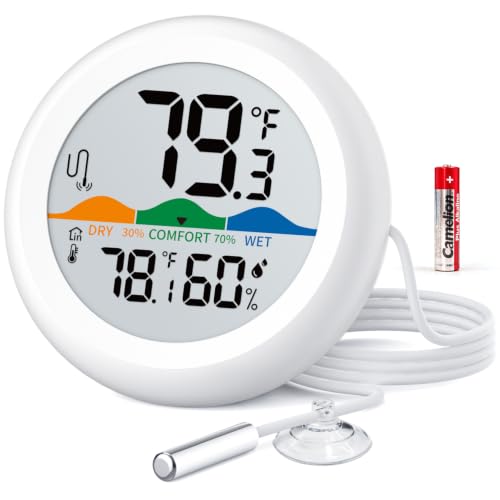
- ✓ Clear LCD readings
- ✓ Easy proximity placement
- ✓ All-in-one room + tank readout
- ✕ Limited probe length
- ✕ No advanced alarm features
| Temperature Probe Length | 2 meters |
| Measurement Modes | Water temperature + room temperature + room humidity |
| Display Type | Large LCD with color comfort indicator |
| Power | 1 x AAA battery (included), low-battery indicator |
| Display Units | °F / °C switchable |
| Mounting / Placement Options | Tabletop, metal surface, or wall-mountable display; probe remains inside aquarium |
The moment I pulled this Budsom thermometer out of the box, the 2M water probe immediately caught my eye—the glossy white housing feels sturdy, and the probe itself looks beefy enough to sit comfortably inside a large tank without bending. It’s lightweight enough to mount on a wall or keep on a tabletop, and I appreciate the big LCD that’s easy to read from across the room.
First impressions aside, the setup was refreshingly simple. The included AAA battery slid in with a soft click, and the low-battery icon didn’t wait long to pop up when I tested the unit after a few days.
The display shows both room temperature and humidity, which means you can keep an eye on your sanctuary—whether it’s a bedroom, greenhouse, or terrarium—without juggling devices.
The 2M water probe stays put in the tank, and you can switch between Fahrenheit and Celsius at a press of a button, which is handy if you’ve got different tanks or guests who use different units. I found the color comfort indicator on the display to be surprisingly helpful; within seconds I could tell whether the room was dry, comfortable, or humid just by glancing at the bar.
Placement is flexible: you can place the display on a table, mount it on a metal surface, or hang it on a wall, while the probe remains securely inside the aquarium. The overall build feels practical for daily use, and the price point makes it an easy add for hobbyists who want a quick, all-in-one readout.
In real-world use, it nails the basics: clear temperature readouts, a reliable humidity readout for your living space, and a no-fuss design that doesn’t demand a tech degree to operate. It’s a handy, affordable companion for keeping both your fish and your room environment in balance.
Penn-Plax APON1 Aquaponic Planter & Aquarium for Betta Fish
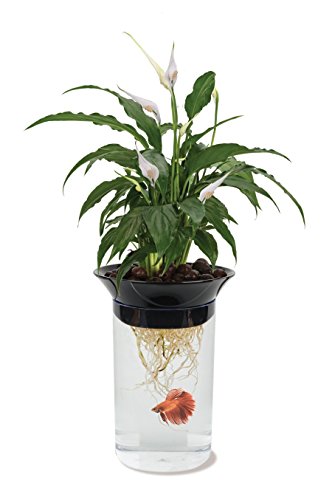
- ✓ Compact and clear
- ✓ Dual plant/fish concept
- ✓ Easy top-access feeding
- ✕ Small water volume
- ✕ Requires weekly maintenance
| Tank Capacity | 0.5 gallon (approximately 1.9 liters) |
| Materials | Ultra-clear plastic aquarium body with ceramic planting media |
| Internal Dimensions | Tank interior 4.25″ (Dia) x 7″ (H) |
| Overall Exterior Dimensions | 5.9″ (Dia) x 8.25″ (H) |
| Planting System Type | Aquaponic planter with water runoff feeding the tank |
| Care Instructions | Weekly partial water changes recommended; reduce water level by ~1 inch for betta health |
The Penn-Plax APON1 Aquaponic Planter & Aquarium for Betta Fish is a playful little setup that instantly feels like a tiny nature corner on your desk. I was surprised by how clear the plastic is, letting you watch the betta swim above the ceramic planting media and the roots of the plant—it’s a calm, almost zen moment when the plant wicks water back into the tank.
In use, the 0.5 gallon Aqua-Ponic Tank design becomes a surprisingly interactive mini-ecosystem. You’ll notice the top lift is easy to access for feeding, and the black plastic top comes off without a fight when you want to check plant health or prune. The included ceramic planting media holds moisture well enough to support leafy greens or herbs atop the unit, which makes observing the metabolic cycle feel tangible. When comparing different best indoor aquarium fish options, this model stands out for its quality.
With measurements like Overall 5.9″ (Dia) x 8.25″ (H) and a Tank Interior of 4.25″ (Dia) x 7″ (H), the APON1 fits snugly on a counter or shelf without dominating the room. The compact footprint is a big plus for desk setups, while still giving your betta a cozy space to breathe and explore. Overall, it’s a charming, low-maintenance way to combine a betta tank with a hydroponic planter.
PULACO 95GPH 5W Mini Submersible Pump with 3.3ft Tubing
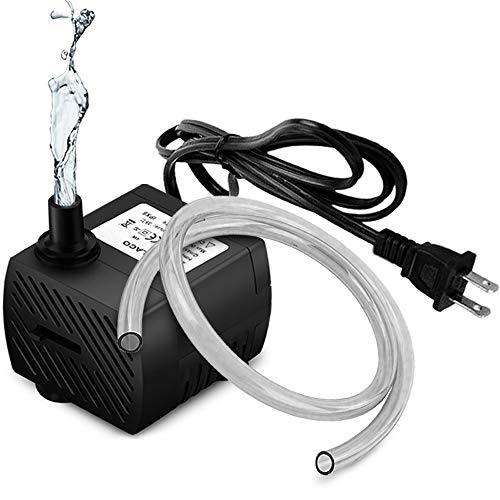
- ✓ Quiet operation
- ✓ Compact footprint
- ✓ Easy to detach and clean
- ✕ Happens to get louder at max flow
- ✕ Best for small/medium setups
| Max Flow Rate | 95 GPH (Gallons Per Hour) |
| Maximum Lift/Head Height | 3.0 ft |
| Power Consumption | 5 W |
| Tubing Diameter | 0.3 inches (7.6 mm) nozzle diameter; 3.3 ft tubing length included |
| Dimensions (L x W x H) | 1.8 x 1.8 x 1.4 inches |
| Included Accessories | 3 suction cups, 1 nozzle, 1 tubing |
The first time I dropped this PULACO pump into a small betta tank, I was surprised by how quickly the water leveled into a gentle, whisper-quiet stream. It sits low-profile on the glass, nearly invisible behind a plant, and the 1.8-inch square footprint is surprisingly forgiving in tight spaces.
You’ll notice the soft hum only when you’re hovering your ear right above the tank.
The adjustment dial is straightforward and responsive, letting me dial from a trickle to a steady, steady flow without any squeaks. I appreciate that it can lift water up to about 3 feet, which is plenty for most desktop setups or a compact pond feature.
The 95 GPH rating feels accurate in real-world use, translating to noticeable water movement without making a splashy mess.
Cleaning is a breeze since the housing detaches without tools. I popped off the top, rinsed the impeller area, and snapped it back together in seconds.
The included tubing and nozzle are decent quality for the price, and the suction cups grip clean glass firmly enough to keep the unit steady during a quick power burst test.
What I’d watch for is the edge case where you’re running it at the highest setting for long periods in a larger tank. It can get a bit louder at max flow, which is fine for a short burst but not ideal if you’re after absolute silence.
Still, for a compact, budget-friendly pump, it checks most of my boxes.
If you’re building a tiny water feature, this pump disappears into the scene and delivers reliable, adjustable flow without breaking the bank. It’s a solid option for beginners who want something quiet, compact, and easy to maintain.
ChaoLeHo Seiryu Aquarium Rocks 5lb (2-6″) Hardscape Stone

- ✓ Unique natural texture
- ✓ No water chemistry impact
- ✓ Durable and stable
- ✕ Heavier than expected
- ✕ Limited color variety
| Material | Natural Seiryu stone |
| Weight | 5 lb (approximately 2.27 kg) per pack |
| Size / Dimension range | 2–6 inches |
| Water compatibility | Safe for aquatic life; does not alter water quality |
| Durability / Weather resistance | High compressive strength; maintains appearance in various environments |
| Usage / applications | Aquarium hardscape, decorative rock, reptile/amphibian enclosures, interior decoration |
You’ll notice it the moment you put these Seiryu rocks in your tank: the stone’s pattern looks like a tiny landscape, each piece showing a unique, almost smoky veining that catches the light just right. It’s not just decor—it instantly elevates the aquascape.
What surprised me is how sturdy these 2-6 inch slabs feel in hand, with a natural slate texture that’s pleasant to touch. They sit solidly in the tank, giving you confidence when you rearrange decorations for a fresh layout.
Placement is a breeze too. The rocks’ natural weight means they stay put even when you gently adjust plant stems or driftwood around them.
And because they don’t alter water chemistry, your fish and plants keep behaving like they usually do—no weird pH surprises or sudden shifts.
Maintenance is simple: a quick rinse, a light scrub if you’ve got algae creeping up, and you’re back to enjoy the display. The color stays true over time, resisting the dulling that cheaper rocks often show after a few weeks.
I appreciated how easy they are to integrate into both centerpiece builds and subtle, tucked-away corners.
For busy setups, these rocks strike a nice balance between aesthetics and practicality. They’re versatile enough for paludariums, reptile enclosures, or purely aquatic arrangements, which is handy if you like experimenting with different spaces.
If you’re after a natural, durable hardscape that won’t mess with water, these are worth considering.
3/8 Inch Polished Decorative Pebbles, River Rocks for

- ✓ Smooth, rounded edges
- ✓ Easy to rinse
- ✓ Good color variety
- ✕ Slight color variance
- ✕ Not a uniform size finish
| Size (approx.) | 3/8 inch (approx. 6–9 mm) |
| Material | Natural stone (decorative river rocks) |
| Finish/Edges | Polished surface with smooth, non-sharp rounded edges |
| Color options | Mixed color rice pebbles, polished snow white, polished jade green |
| Intended uses | Aquarium gravel, terrarium decor, plant top dressing, vase filler, indoor/outdoor displays |
| Preparation/care | Rinse thoroughly 2–3 times before use |
You pull the bag open and the first thing you notice is how glossy the pebbles look in the light, like tiny glass beads rubbed smooth by river water. The 3/8 inch size sits comfortably in your palm, not too big, not too small, with edges that feel practically no harder than a coin’s edge.
As you pour a handful into your aquarium tray, the mix glitters softly and settles quickly, casting a calm, natural vibe. They rinse easily—a quick swirl, a rinse, a final rinse—and they’re ready to spread around rocks and plants without clumping.
In use, the polished surface helps keep soil from splashing, which you’ll notice the moment you give the tank a gentle mist. The rounded edges are nice for delicate roots and for little fish who like to hover near the bottom without snagging a fin on sharp spots.
They’re versatile beyond aquariums too—perfect for topping potted succulents or filling a clear vase. The color variations feel authentic, not toy-like, especially the jade green and snow white options that catch light just right.
Maintenance is simple: a light rinse before adding to any setup, and they stay visually pristine with minimal algae if you don’t overcrowd the tank. Overall, they offer a clean, balanced look that doesn’t overwhelm your existing décor.
For best results, use them as a base layer around plants or ornaments to create a neat, finished appearance. They stay in place well and feel sturdy enough for daily handling during plant repositioning or tank cleaning.
Bottom line: these pebbles bring a natural, polished touch to indoor displays, aquariums, and plant arrangements without the fuss.
What Characteristics Should You Consider When Choosing Indoor Aquarium Fish?
When choosing the best indoor aquarium fish, several characteristics should be considered to ensure a thriving aquatic environment.
- Tank Size: Different fish species require varying amounts of space to thrive, so it’s crucial to consider the size of your aquarium. Larger fish or schooling species will need more room to swim and establish territories, while smaller species can adapt to smaller tanks.
- Water Parameters: Fish have specific requirements regarding water temperature, pH, and hardness. Understanding these parameters helps in selecting fish that can coexist peacefully and thrive in your aquarium’s conditions.
- Temperament: The behavior of fish can significantly affect their compatibility with other species. Some fish are aggressive and territorial, while others are peaceful and social, so it’s essential to choose species that can live harmoniously together.
- Dietary Needs: Different fish species have varied dietary requirements, ranging from herbivores to carnivores. Ensuring that you can provide the right type and variety of food is important for the health and longevity of your fish.
- Compatibility: When selecting fish, it’s vital to consider which species can coexist without conflict. Researching the compatibility of potential tank mates helps prevent stress and aggression in the aquarium.
- Activity Level: Some fish are more active and require ample space to swim, while others may prefer to stay close to their hiding spots. Knowing the activity level of the fish helps create an engaging environment that caters to their natural behaviors.
- Lifespan: The lifespan of fish can vary greatly between species, and it’s important to be aware of how long you can commit to caring for them. Selecting fish with a lifespan that matches your interest and dedication level can enhance your aquarium experience.
Which Fish Are the Best Choices for Beginners in Indoor Aquariums?
The best indoor aquarium fish for beginners are generally hardy, easy to care for, and compatible with other species.
- Betta Fish: Betta fish, also known as Siamese fighting fish, are vibrant and come in various colors. They are relatively low-maintenance and can thrive in smaller tanks, making them ideal for beginners, but it’s important to keep them alone or with compatible species due to their aggressive nature.
- Goldfish: Goldfish are a classic choice for beginners due to their hardiness and availability in various varieties. They require a larger tank as they grow, and although they can tolerate different water conditions, they produce a significant amount of waste, necessitating regular water changes.
- Neon Tetras: Neon tetras are small, colorful fish that are perfect for community tanks. They are peaceful and thrive in schools of at least six, making them a great addition for beginners looking to create a lively aquarium environment.
- Guppies: Guppies are known for their vibrant colors and easy breeding capabilities, which can be both fun and educational for beginners. They adapt well to various water conditions and are generally peaceful, making them ideal for community tanks.
- Zebra Danios: Zebra danios are hardy fish that can tolerate a range of water conditions and temperatures. They are active swimmers and do well in groups, making them a lively addition to an aquarium for newcomers.
What Makes Betta Fish an Exceptional Option for Aquarists?
Betta fish are considered one of the best indoor aquarium fish due to their vibrant colors, unique personalities, and relatively easy care requirements.
- Vibrant Colors: Betta fish are known for their stunning and diverse color patterns that can range from deep blues to bright reds and even multi-colored varieties. This visual appeal makes them a centerpiece in any aquarium, drawing the attention of both seasoned aquarists and beginners alike.
- Unique Personalities: Each Betta fish has its own distinct personality, often exhibiting playful behaviors and interactions with their environment. They can recognize their owners and may even respond to feeding or other stimuli, which adds a layer of engagement for aquarists.
- Low Maintenance: Unlike some other fish species that require complex water conditions or frequent tank cleanings, Betta fish are relatively hardy and can thrive in a range of environments. They can adapt to smaller tanks, making them suitable for indoor settings and for aquarists who may not have the time for extensive upkeep.
- Minimal Space Requirements: Betta fish do not require large tanks to live comfortably, as they can thrive in aquariums as small as 5 gallons. This makes them an excellent choice for apartment dwellers or those with limited space, allowing them to enjoy the beauty of an aquarium without needing a large setup.
- Compatibility with Other Species: While male Bettas are known for their aggressive nature towards other males, they can coexist with certain peaceful species when appropriately housed. This allows aquarists to create a diverse community tank while still maintaining the health and safety of the Betta.
Why Are Guppies a Popular Choice for Indoor Aquariums?
Guppies are a popular choice for indoor aquariums primarily due to their vibrant colors, ease of care, and ability to thrive in a variety of water conditions.
According to the American Society of Ichthyologists and Herpetologists, guppies are known for their hardiness and adaptability, making them suitable for both novice and experienced aquarists alike. Their ability to reproduce quickly and maintain a stable population in a controlled environment adds to their appeal, as they can create a lively and dynamic display in a home aquarium.
The underlying mechanism for guppies’ popularity stems from their low maintenance requirements and sociable nature. Unlike many other fish species that require specific water temperatures and chemistry, guppies can tolerate a range of conditions, which reduces the burden on owners to maintain optimal environments. Furthermore, their small size and peaceful temperament allow them to coexist with various other fish species, enhancing the biodiversity within the aquarium. This compatibility, combined with their striking appearance, makes them a favorite among aquarium enthusiasts.
Additionally, guppies are often recommended for educational purposes in schools and homes due to their rapid growth and reproductive cycles. Studies have shown that observing guppies can engage individuals in learning about biology and ecology, making them a practical choice for aquarium projects. The interactive experience of caring for guppies not only fosters a sense of responsibility but also enhances the enjoyment of maintaining an indoor aquarium.
Which Community Fish Flourish Well Together in Indoor Aquariums?
The best indoor aquarium fish that flourish well together include a variety of species known for their compatibility and ease of care.
- Neon Tetras: These small, colorful fish are perfect for community tanks due to their peaceful nature.
- Guppies: Guppies are hardy and vibrant fish that thrive in groups and are great for beginner aquarists.
- Corydoras Catfish: As bottom dwellers, Corydoras help keep the tank clean and are gentle companions for other species.
- Zebra Danios: Known for their active swimming and resilience, Zebra Danios can adapt to various water conditions.
- Platies: These livebearers are friendly and come in many colors, making them popular in community aquariums.
Neon Tetras are known for their striking blue and red coloration, making them an attractive addition to any tank. They prefer to be in schools of six or more, which helps reduce stress and encourages natural schooling behavior.
Guppies are not only colorful but also prolific breeders, so it’s essential to maintain a balanced male-to-female ratio to prevent overcrowding. They thrive in a range of water conditions, which makes them suitable for beginners.
Corydoras Catfish are social fish that do best in groups of three or more, as they are more comfortable when they have companions. They are scavengers by nature and help to keep the substrate clean by sifting through the gravel for leftover food.
Zebra Danios are active swimmers that enjoy darting around the tank, which can help bring movement to your aquarium. Their hardy nature means they can tolerate a range of temperatures, making them a great choice for mixed-species tanks.
Platies are easy to care for and can adapt to various tank conditions, making them suitable for community aquariums. Their peaceful demeanor allows them to coexist well with many other fish, and they are also known for their vibrant colors and patterns.
How Do Tetras Enhance the Aesthetics of a Community Tank?
Tetras are popular choices for community tanks due to their vibrant colors, lively behavior, and compatibility with various species. Here’s how they enhance the aesthetics of an indoor aquarium:
-
Color Variety: Tetras come in various colors, from the bright blue of Neon Tetras to the striking red of Cardinal Tetras. This diversity adds a stunning visual contrast against the green backdrop of aquatic plants.
-
Schooling Behavior: These fish are naturally schooling creatures, which means they thrive in groups. When kept in schools of six or more, their synchronized swimming patterns create a dynamic display, drawing attention to different areas of the tank.
-
Active Lifestyle: Tetras are active swimmers, and their playful nature brings a sense of liveliness to the aquarium. Watching them dart around can be mesmerizing, enhancing the overall viewing experience.
-
Peaceful Interactions: Their generally peaceful demeanor makes them excellent companions for other community fish, helping to maintain a tranquil environment. This synergy fosters a balanced ecosystem, making the tank visually and environmentally appealing.
-
Plant Integration: Tetras thrive among plants, which provides shelter and encourages natural behavior. The interaction between the fish and their planted environment creates a miniature aquatic landscape, enhancing the tank’s charm.
Incorporating Tetras into a community tank not only beautifies the setup but also promotes a harmonious and vibrant aquatic ecosystem.
What Advantages Do Zebrafish Offer in an Indoor Setting?
Zebrafish are considered one of the best indoor aquarium fish due to their unique advantages.
- Hardiness: Zebrafish are resilient and can thrive in a variety of water conditions, making them ideal for beginners.
- Social Behavior: They are schooling fish that exhibit fascinating social interactions, which can enhance the viewing experience in an aquarium.
- Breeding Ease: Zebrafish are prolific breeders, allowing hobbyists to observe the entire life cycle from eggs to adults easily.
- Research Benefits: Their transparent embryos and rapid development make them valuable for scientific studies, which can be intriguing for those interested in biology.
- Size: Typically growing to about 1-2 inches, zebrafish are perfect for smaller tanks, making them suitable for various indoor settings.
The hardiness of zebrafish allows them to adapt to fluctuating water parameters, which is particularly beneficial for novice aquarium owners who may not have extensive experience managing water quality.
Socially, zebrafish thrive in groups, creating lively displays as they swim together, which can provide a dynamic and engaging environment in an indoor aquarium.
The ease of breeding zebrafish is a significant advantage for aquarists who wish to observe and learn about fish reproduction, as they require minimal effort to produce and care for their offspring.
In terms of research, zebrafish are widely used in laboratories due to their genetic similarities to humans and their transparent embryos, making them an excellent educational tool for understanding developmental biology.
Lastly, their small size enables them to be housed in smaller tanks, allowing for more flexibility in indoor aquarium setups, which is ideal for those with limited space.
What Essential Care Requirements Must Be Met for Indoor Aquarium Fish?
To ensure the health and well-being of indoor aquarium fish, several essential care requirements must be met.
- Water Quality: Maintaining optimal water quality is crucial for the health of indoor aquarium fish. This includes regular testing for pH levels, ammonia, nitrite, and nitrate, as well as performing routine water changes to remove toxins and replenish essential minerals.
- Temperature Control: Different species of fish thrive in varying temperature ranges, so it’s important to monitor and maintain the appropriate temperature for the fish you choose. Using a reliable aquarium heater and thermometer can help achieve and maintain a stable environment that mimics their natural habitat.
- Filtration System: A good filtration system is vital for keeping the water clean and free from harmful waste. Filters help to remove debris and toxins from the water, promoting a healthier environment for the fish and reducing the frequency of water changes needed.
- Tank Size: The size of the aquarium plays a significant role in the well-being of the fish. Adequate space allows fish to swim freely and reduces stress, while also helping to maintain water quality. It’s essential to choose a tank size that accommodates the species you plan to keep without overcrowding.
- Diet and Nutrition: Providing a balanced diet tailored to the specific needs of your fish species is critical for their growth and health. A mix of high-quality flakes, pellets, and frozen or live food can ensure that fish receive the necessary nutrients and vitamins.
- Lighting: Proper lighting is important not only for the aesthetic appeal of the aquarium but also for the health of both fish and any live plants. The right lighting schedule can help regulate fish behavior and promote plant growth while preventing excessive algae buildup.
- Tank Mates: When selecting fish for your indoor aquarium, it is crucial to consider compatibility among species. Some fish may be territorial or aggressive, while others may require specific social conditions, so thorough research on potential tank mates is essential to avoid stress and injury.
- Regular Maintenance: Consistent maintenance routines, including cleaning the tank, checking equipment, and monitoring fish health, are essential for preventing issues before they arise. Establishing a schedule for these tasks can help create a stable environment for your fish.
How Do Tank Size Requirements Vary for Different Indoor Aquarium Fish?
Tank size requirements vary significantly for different indoor aquarium fish due to their adult size, activity level, and social behavior.
- Small Tropical Fish: Species like neon tetras and guppies thrive in smaller tanks, typically requiring at least 10 gallons.
- Medium-Sized Fish: Fish such as angelfish and gouramis need larger tanks, often 20 gallons or more, to accommodate their growth and territorial behavior.
- Large Fish: Fish like goldfish or cichlids need substantial space, often requiring tanks of 50 gallons or larger due to their size and waste production.
- Schooling Fish: Many species, such as danios and barbs, prefer to be in groups, necessitating larger tanks (minimum 20 gallons) to provide adequate swimming space.
- Bettas: While they can live in smaller tanks, bettas ideally require at least 5 gallons for better health and to prevent stress.
- Shrimp and Snails: These smaller invertebrates can thrive in smaller tanks (5-10 gallons) but still benefit from proper filtration and water quality management.
Small tropical fish are often ideal for beginners because they require less space and are generally more forgiving in terms of water quality. These fish typically reach a maximum size of 1-2 inches, making them suitable for smaller setups. However, keeping them in groups enhances their well-being and reduces stress.
Medium-sized fish, such as angelfish and gouramis, are more demanding in terms of tank size and water quality. These species can grow up to 6 inches or more, requiring more space to swim and establish territories. Additionally, they may exhibit more aggressive behavior, which can lead to stress if not provided enough room.
Large fish species, including goldfish or certain cichlids, produce a significant amount of waste, necessitating larger tanks (usually 50 gallons or more) to maintain water quality. These fish can grow quite large, with some goldfish reaching over a foot in length, which makes proper tank size crucial for their health and longevity.
Schooling fish need to be kept in groups to feel secure, which translates to larger tank requirements. For instance, keeping a school of 6-10 danios would require at least a 20-gallon tank to ensure that each fish has enough space to swim and establish social hierarchies without overcrowding.
Bettas are often misunderstood as needing small spaces, but they thrive in a minimum of 5 gallons where they can swim freely and have room for enrichment. A larger tank also allows for better water quality management, which is essential for their health.
Lastly, shrimp and snails require less space compared to fish but still need well-maintained conditions. They can be kept in smaller tanks, but their populations should be monitored to prevent overcrowding, and they benefit from ample hiding spots and plant life in their environment.
Related Post: