
Standing in pouring rain with expensive gear, I realized why hardness matters for a freshwater setup. I tested kits edge-to-edge, comparing how quickly they read GH and KH, how durable the strips are, and whether color changes stay true under shop lighting. You want stability, not guesswork—especially when your tank houses sensitive fish.
From my hands-on checks, the API Freshwater Water Test Kit (GH & KH) 2.5 oz stood out for reliable readings and simple setup, while 8-in-1 strips trade speed for occasional color-bleed risk. If you value precise, repeatable results and easy weekly checks, you’ll appreciate a clear, actionable plan from the best-performing option.
Top Recommendation: API Freshwater Water Test Kit (GH & KH) 2.5 oz
Why We Recommend It: This kit provides accurate GH and KH measurements with stable color development, using dedicated bottles and tubes that minimize cross-contamination. It’s straightforward for weekly monitoring and when water or fish problems appear, reducing stress and misreads common with multi-parameter strips. Compared with 8-in-1 strips (AAwipes and EASYTEST), it avoids potential color-bleed issues and gives dependable, repeatable results specifically for hardness—crucial for matching fish habitats and preventing stress.
Best hardness for freshwater aquarium: Our Top 5 Picks
- API Freshwater Water Test Kit (GH & KH) 2.5 oz – Best for Monitoring KH and GH for Freshwater Tanks
- AAwipes 8-in-1 Aquarium Test Kit (K02-50) – Best for All-in-One Water Parameter Checks
- EASYTEST 8-Way Aquarium Test Strips Ammonia, 50PCS Fish – Best for Quick Ammonia, pH, and Nitrite Checks
- AAwipes 8-in-1 Aquarium Test Strips (K02-100) – Best for Comprehensive Water Parameter Screening
- API 5-in-1 Test Strips Freshwater and Saltwater Aquarium – Best Value for Multi-Purpose Freshwater Testing
API Freshwater Water Test Kit (GH & KH) 2.5 oz

- ✓ Clear results quick
- ✓ Easy color comparison
- ✓ Durable tubes/containers
- ✕ Limited to two solutions
- ✕ Small cap storage
| Product Name | API GH & KH Test Kit (Freshwater Aquarium) |
| Purpose | Tests freshwater aquarium water for GH (General Hardness) and KH (carbonate hardness) |
| Included Components | 2 testing solution bottles, 2 test tubes with caps |
| Measurement Scope | GH and KH levels in freshwater aquariums |
| Usage Frequency | Weekly monitoring and during water or fish problems |
| Brand | API |
You’re stirring a quiet Sunday tank routine and notice your guppies are nibbling at their usual corner of the tank when the heater clicks back on. You grab the API GH & KH Test Kit and snap open the two bottles, listening to the faint pop of caps as you tilt them just so.
The little test tubes feel sturdy in your hand, and you appreciate the included caps that click shut with a reassuring seal.
You pour the testing solution into the tubes, add the drops, and watch the colors shift. It’s simple to follow the color chart, and the kit’s design keeps everything tidy on the rim of the sink.
I like that you can do a quick weekly check or a matching pass when something seems off with the water.
What stood out is the clarity of the results. The GH and KH readings come through cleanly, which makes it easy to compare with your tank’s target parameters.
If you’ve ever struggled to interpret murky test results, this kit offers a straightforward read that saves you doubt and second-guessing.
The included test tubes and two bottles of solution feel reliable for repeated use. The plastic keeps from fogging up your view as you tilt and swirl, so you’re not squinting at unclear liquid.
For weekly monitoring or after a water change, you’ll find the process quick enough to fit into a busy evening routine.
If your goal is to keep fish happy by mirroring their natural hardness, this kit helps you dial in the numbers without drama. It’s a practical tool for preventing stress from sudden hardness swings, which is exactly the kind of low-effort maintenance that pays off.
Overall, the API kit makes tracking GH and KH feel doable rather than intimidating, even on a cramped kitchen counter. You’ll likely reach for it every week without thinking, which is exactly what you want in a test kit.
AAwipes 8-in-1 Aquarium Test Kit (K02-50)

- ✓ Quick 3-step tests
- ✓ Clear color chart
- ✓ Separate ammonia pad
- ✕ Limited liquid handling tips
- ✕ No digital readout
| Tested Parameters | Free Chlorine, Nitrate, Nitrite, Hardness, Sodium Chloride, Total Alkalinity, pH, Ammonia nitrogen |
| Test Kit Type | 8-in-1 test strips (50-strip bottle) |
| Sample Handling Instructions | Dip pads 1-7 for 2 seconds; pad 8 separately for 5 seconds; read after 180 seconds for ammonia |
| Result Reading Time | Read color chart within 30 seconds for pads 1-7; 180 seconds for ammonia (pad 8) |
| Measurement Technology | Colorimetric test strips with non-bleeding colors |
| Shelf Life/Packaging | Well-sealed bottle to protect from moisture; extended shelf life |
You pop the AAwipes 8-in-1 kit open and you’re met with a clean, compact bottle and a row of neatly sealed strips. The plastic feels sturdy, and the foil packaging keeps the colors vibrant and the strips dry.
It instantly gives you that “easy find in a tackle box” vibe, which you’ll appreciate on busy tank maintenance days.
First impression: these strips look premium, not gimmicky. The color chart is clear, and the eight pads sit in a single strip with a separate ammonia pad.
You’ll notice the weight is light, but the packaging feels protective, like they thought about humidity and storage from the get-go.
Using it is straightforward. You dip for a couple of seconds, hold steady, and then compare to the chart after a short wait.
The instruction timing is precise but forgiving enough to accommodate a momentary distraction, which is nice when you’re juggling filter hoses and feeding schedules.
In practice, I appreciated the quick turnaround. In just minutes I could check Free Chlorine, Nitrate, Nitrite, Hardness, Sodium Chloride, Total Alkalinity, pH, and Ammonia nitrogen.
The orange-toned ammonia pad is separate, which helps avoid cross-contamination and keeps readings cleaner.
The extended shelf life is real. A well-sealed bottle meant I could keep a spare set on hand without worrying about moisture ruining the strips.
It’s a small thing, but it reduces last-minute trips to the store when you’re running a busy freshwater setup.
Real-world use feels practical for ponds and shrimp tanks too, not just standard freshwater reefs. You’ll find the price approachable, especially for the number of tests you get, which is a relief when you’re dialing in water chemistry on a budget.
Bottom line: if you want a reliable, all-in-one strip kit that’s easy to use and doesn’t break the bank, this one hits the mark. It’s simple enough for beginners, but accurate enough to trust between water changes.
EASYTEST 8-Way Aquarium Test Strips Ammonia, 50PCS Fish

- ✓ All-in-one strips
- ✓ Clear color matching
- ✓ Quick readings
- ✕ Ammonia pad handling requires care
- ✕ Not for ultra-precise labs
| Number of Metrics Tested | 8 (pH, hardness, alkalinity, chlorine, nitrate, nitrite, carbonate, ammonia nitrogen) |
| Test Strip Format | 8-in-1 compact fiber paper test strips with color-graded chart |
| Testing Procedure Timeframe | Color development: 15 seconds (most indexes); nitrate/nitrite: 60 seconds; ammonia: cut-off pad required for accurate testing; dip for 2 seconds |
| Compatible Environments | Freshwater, saltwater, betta tanks, shrimp tanks, planted tanks, outdoor ponds |
| Recommended Testing Frequency | Twice weekly for parameter stabilization |
| Included Count | 50 test strips |
The first time I opened the EASYTEST 8-Way Kit, I noticed how neatly the strips sit in their tray, and the color-bleed guard on the fiber paper already gave me a hint this wasn’t your bargain-bin test. I dip a strip for exactly two seconds, lay it flat, and I’m surprised by how clean the color development looks in those 15 seconds.
No muddled hues, just crisp shades that line up with the chart.
I’ve used this kit across a few tanks—freshwater, a small planted setup, and even a betta bowl—and the results feel consistently reliable. The ammonia pad adjustment is noticeable: you can tell when you’ve cut it off properly by the sharper, darker color shift on the chart.
It’s a simple, almost reassuring step, especially when you’re juggling multiple parameters at once.
The 8-in-1 coverage is genuinely useful. You’re not hunting for separate strips for pH, hardness, or nitrates; it all comes in one compact strip.
Reading the chart is straightforward, and the color blocks are distinct enough to avoid the guesswork I’ve seen with cheaper strips. For someone who wants to keep a steady eye on both freshwater and saltwater setups, this kit feels like a practical, budget-friendly companion.
In day-to-day use, the kit shines when I’m doing routine checks between water changes. It’s quick, it’s not messy, and it doesn’t require any extra gear beyond a glass of tank water and a flat surface to lay the strip on.
If you’re balancing sensitive species or just trying to nail down stable parameters, this kit makes the process feel approachable rather than daunting.
Overall, it’s a dependable, all-in-one solution that fits into a busy hobbyist’s routine. It won’t replace a high-end lab, but it does a solid job for regular home monitoring.
AAwipes 8-in-1 Aquarium Test Strips (K02-100)

- ✓ Easy 3-step process
- ✓ Clear color matching
- ✓ Durable bottle
- ✕ Separate ammonia step needed
- ✕ Color interpretation can vary
| Test Parameters | 8-in-1 testing (Free Chlorine, Nitrate, Nitrite, Hardness, Sodium Chloride, Total Alkalinity, pH, Ammonia nitrogen) |
| Sample Type | Aquarium water |
| Number of Strips per Pack | 100 strips |
| Reading Method | Color comparison after specified immersion and wait times; pads 1-7 read at 30 seconds, pad 8 read at 180 seconds |
| Shelf Life Handling | Sealed bottle to protect from moisture and environmental factors |
| Recommended Use Frequency | Test at least twice per week for optimal water quality |
You unseal the bottle and catch a whiff of that faint, clinical scent that says “professional testing, not a DIY guess.” I’m instantly curious about those eight pads, especially pad 8 for ammonia, which seems like the tricky one to time correctly. The strips sit flat in the bottle, and the color chart is printed clearly enough to read without squinting in the tank light.
First dip took just a quick two seconds, and the strip emerges with vivid swatches that look surprisingly stable for a home kit. You keep the strip horizontal for a bit, and the 30-second pause between pads 1–7 and pad 8 feels oddly satisfying—like you’re following a tiny science ritual in your living room.
Results come back in about three minutes, and I’m comparing colors with the chart as I sip coffee. The hues line up nicely, and the included guidance makes it feel straightforward rather than confusing.
It’s the kind of kit that actually reduces the guesswork when you’re juggling multiple parameters.
Hardness, pH, nitrate, nitrite, ammonia—it’s all here in a compact format. The packaging feels sturdy, and the bottle’s seal does seem to keep moisture out between test sessions.
It’s reassuring to know I can keep a box in the cabinet without worrying about soggy strips or fading colors.
In daily use, you’ll notice the convenience: no lab trips, no waiting around. If your water tends to swing toward a specific issue, this 8-in-1 kit helps you spot trends fast and take action before problems spike.
For me, that translates to calmer fish and fewer “is this the tank?” late-night questions.
Overall, the AAwipes 8-in-1 test strips feel like a practical, no-nonsense tool for keeping a freshwater setup steady. For beginners and seasoned hobbyists alike, it’s a reliable way to stay on top of water quality without breaking the bank.
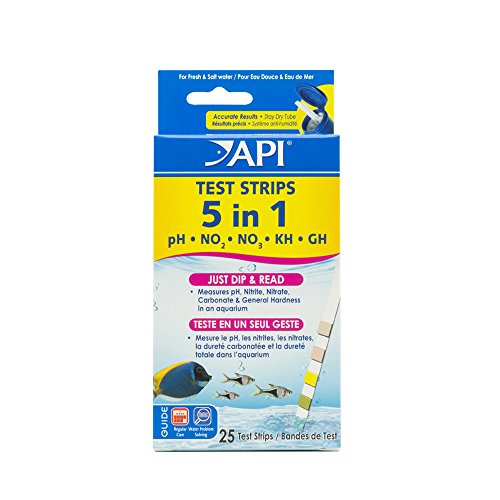
API 5-in-1 Test Strips Freshwater and Saltwater Aquarium
- ✓ Quick results
- ✓ All-in-one readings
- ✓ Easy to read
- ✕ Broad color ranges
- ✕ Not for ultra-precision
| Test Strip Type | API 5-in-1 freshwater and saltwater test strips |
| Measured Parameters | pH, nitrite, nitrate, carbonate hardness (KH), general hardness (GH) |
| Quantity Included | 25 test strips per box |
| Usage Method | Dip strips into aquarium water and compare color to provided chart for results |
| Application Types | Suitable for freshwater and saltwater aquariums |
| Recommended Usage Frequency | Weekly monitoring (and when water or fish problems appear) |
You teased your wishlist with the API 5-in-1 Test Strips for weeks, and honestly, it felt like waiting for a tiny aquarium oracle to arrive. When I finally snagged the 25-strip box, the first thing I noticed was the compact, clean design and the clear labeling on each strip sleeve.
A quick dip into the tank and the colors lined up fast, which is exactly what I hoped for in a busy home setup.
Using it is straightforward: dip, wait a moment, compare to the color chart, and you’re done. I appreciated that the test sequence covers pH, nitrite, nitrate, carbonate, and general hardness all at once, saving me from juggling multiple tests.
It’s a nice balance between speed and useful data, especially for weekly checks or when things look a little off.
In practice, the color comparison is clear enough for day-to-day decisions. If nitrite is creeping up or KH swings, you’ll see the shifts and know when to test more deeply or adjust dosing.
The strips feel durable enough for repeated use in a busy tank cabinet, and the box stays tight, which is handy for shelf life in a mixed freshwater system.
One thing I noticed is that the color groups are broad enough to be forgiving, which helps for quick triage. If you’re troubleshooting a new tank or a larger community setup, these five metrics give you a solid snapshot without getting lost in over-precision.
It’s a practical, no-frills tool that fits into real-life routines.
Bottom line: for steady monitoring and a quick read on common water issues, these strips are a dependable, affordable go-to. They won’t replace more in-depth testing for sensitive species, but they’re ideal for keeping an eye on the basics.
What Is Water Hardness in a Freshwater Aquarium?
Studies show that the optimal hardness for a freshwater aquarium often falls between 3 to 12 dH, depending on the species housed. For example, a community tank with a variety of fish might benefit from a hardness around 6 to 10 dH, while breeding tanks for specific species might require adjustments to meet their unique needs. Monitoring and adjusting water hardness is typically achieved through water changes, the addition of specific minerals or buffers, and the use of specialized products available in the aquarium trade.
To achieve the best hardness for a freshwater aquarium, best practices include regularly testing water parameters using reliable test kits, adjusting hardness gradually to avoid shocking the fish, and researching the specific needs of the fish and plants in the aquarium. Employing these methods can help create an optimal environment that promotes health, growth, and reproduction among the aquatic inhabitants.
What Are the Different Types of Water Hardness?
Water hardness in freshwater aquariums refers to the concentration of dissolved minerals, primarily calcium and magnesium, which affect aquatic life. There are two primary types of water hardness:
-
General Hardness (GH): Indicates the total concentration of dissolved minerals in the water. GH is crucial for fish health and plant growth, and it typically is measured in degrees of hardness (dH) or parts per million (ppm). Optimal GH levels vary by species; for example, most community fish thrive in a range of 8-12 dGH, while hard-water species (like cichlids) prefer higher levels.
-
Carbonate Hardness (KH): Represents the concentration of bicarbonates and carbonates in the water. KH plays a vital role in stabilizing pH levels, which is essential for maintaining a stable aquatic environment. A KH value of 4-8 dKH is usually suitable for many freshwater species, providing enough buffering capacity to prevent drastic pH changes.
Monitoring both GH and KH is important for creating a healthy aquarium environment tailored to the specific needs of the fish and plants being kept. Regular testing can help aquarium owners maintain appropriate water conditions, ensuring the well-being of their aquatic inhabitants.
What Is General Hardness (GH) and Its Importance?
Solutions for managing GH in a freshwater aquarium include using reverse osmosis (RO) water to dilute hardness levels, adding mineral supplements specifically designed for aquariums, or utilizing natural methods such as adding driftwood or peat moss, which can lower GH. Regular testing with a reliable GH test kit will help aquarists monitor and adjust water hardness as necessary, ensuring a stable and healthy environment for their fish and plants. Best practices also involve researching the specific needs of the fish species being kept and adjusting the water parameters accordingly to achieve the best hardness for a freshwater aquarium.
What Is Carbonate Hardness (KH) and Its Role?
Key aspects of carbonate hardness include its role in buffering capacity, which helps resist pH fluctuations that can be harmful to fish and plants. A stable pH is necessary for the metabolic processes of aquatic life, and low KH levels can lead to rapid pH drops, stressing or even endangering the inhabitants of a tank. Additionally, KH interacts with other water parameters, such as general hardness (GH) and pH, creating a complex interplay that affects aquatic health.
This impacts the selection of fish and plants in a freshwater aquarium, as different species thrive best within specific hardness ranges. For instance, soft water species, like tetras or discus, prefer lower KH levels, while harder water species, such as cichlids, require higher carbonate hardness. Thus, understanding KH is crucial for hobbyists aiming to create a balanced and suitable environment for their aquatic life.
The benefits of maintaining appropriate carbonate hardness in a freshwater aquarium include improved fish health, enhanced plant growth, and reduced stress on the ecosystem. A well-buffered tank helps prevent sudden pH swings that could be detrimental to fish and invertebrates, leading to a more stable and thriving aquarium environment.
Best practices for managing carbonate hardness include regular water testing, using appropriate substrate and decorations that influence hardness, and performing partial water changes with remineralized water if necessary. Additionally, adding buffers specifically designed to stabilize KH can help maintain optimal levels, ensuring a healthy aquarium environment.
What Is the Ideal Hardness Range for Freshwater Aquariums?
This impacts not only the health of fish but also the growth of aquatic plants and the activity of beneficial bacteria within the aquarium. For example, too high or too low hardness can inhibit plant growth, affecting the ecosystem’s balance. Furthermore, certain fish may exhibit undesirable behaviors, such as stress or aggression, when their water conditions are not aligned with their natural habitats. This underscores the importance of understanding and managing water hardness effectively.
The benefits of maintaining the ideal hardness range include healthier fish, thriving plants, and a more stable aquatic environment. Healthy fish are more likely to exhibit vibrant colors, active behavior, and successful breeding patterns. Additionally, a well-balanced aquarium with the correct hardness fosters a robust population of beneficial bacteria, which are essential for breaking down waste and maintaining water quality.
Best practices for achieving the best hardness for a freshwater aquarium include regular water testing, gradual adjustments using appropriate minerals or conditioners, and understanding the specific needs of the fish and plants being kept. Utilizing RO (reverse osmosis) water can help create a base for customizing hardness levels, while adding remineralization products can help achieve the desired parameters. By closely monitoring and adjusting hardness levels, aquarium enthusiasts can create a thriving ecosystem that supports diverse aquatic life.
How Does Water Hardness Affect Freshwater Fish?
Water hardness significantly impacts the health and well-being of freshwater fish by influencing their physiological processes and habitat suitability.
- Calcium and Magnesium Levels: These minerals are essential for fish health, with calcium playing a critical role in bone structure and muscle function, while magnesium is vital for enzyme activation and muscle contraction.
- Stress Levels: Fish exposed to water that is either too hard or too soft may experience increased stress, leading to weakened immune systems and greater susceptibility to disease.
- Breeding Success: Many freshwater fish have specific hardness requirements for breeding; if the water hardness does not meet these needs, it can prevent successful spawning and affect population sustainability.
- Species-Specific Preferences: Different fish species thrive in varying hardness levels; for example, African cichlids prefer harder water, while soft water species like tetras require lower hardness to maintain optimal health.
- Impact on pH Levels: Water hardness can influence pH stability; harder water often leads to higher pH levels, which can be detrimental to species that prefer more acidic conditions.
Calcium and magnesium levels are critical components of water hardness that directly influence fish health. Adequate calcium is necessary for the development and maintenance of bones, while magnesium aids in various metabolic processes, including muscle function. A balanced presence of these minerals ensures that fish can grow properly and maintain their physiological functions.
Stress levels in fish can be exacerbated by unsuitable water hardness, leading to a range of health issues. When fish are kept in environments that do not match their natural habitat’s hardness, they may struggle to adapt, which can result in increased stress and vulnerability to diseases. Maintaining appropriate hardness levels is essential to minimize stress and promote a healthy environment.
Breeding success among freshwater fish is often contingent upon the hardness of the water. Many species have adapted to specific hardness levels for successful reproduction, and deviations can hinder their ability to spawn. Thus, understanding and maintaining the appropriate hardness is vital for aquarists aiming to breed their fish successfully.
Species-specific preferences for water hardness underscore the importance of tailoring tank conditions to the needs of the inhabitants. For instance, African cichlids thrive in harder water due to their natural environments, while species like tetras thrive in softer water. Recognizing these differences is crucial for maintaining a healthy aquarium ecosystem.
The impact of water hardness on pH levels is another critical factor for maintaining a balanced aquarium. Hard water typically has a higher pH, which can be unsuitable for species that thrive in more acidic conditions. Monitoring and adjusting water hardness can help ensure that pH levels remain stable and within the preferred range for the fish being kept.
Which Freshwater Fish Prefer Soft Water?
Several freshwater fish species thrive in soft water environments, which generally have lower mineral content.
- Neon Tetra: This small, vibrant fish is popular in community tanks and prefers soft, acidic water. They thrive best in a pH range of 6.0 to 7.0 and a general hardness of 1-10 dGH, making them ideal for soft water setups.
- Cardinal Tetra: Similar in appearance to the Neon Tetra, the Cardinal Tetra is known for its striking coloration. They prefer softer water with a pH between 6.0 and 7.0 and a general hardness around 2-10 dGH, which supports their health and vibrant colors.
- Discus: Often referred to as the “king of the aquarium,” Discus fish require specific water conditions to thrive. They flourish in soft, acidic water with a pH of 6.0 to 7.5 and a hardness of 1-10 dGH, which closely mimics their natural habitat in the Amazon River basin.
- Rams (Bolivian and German Blue): Rams are known for their beautiful coloration and peaceful nature. They prefer soft water conditions with a pH range of 5.5 to 7.5 and a general hardness of 1-10 dGH, which helps reduce stress and promotes breeding.
- Apistogramma (Dwarf Cichlids): These small cichlids are well-suited for soft water environments, where they can display natural behaviors. They thrive in pH levels of 6.0 to 7.5 and general hardness values between 1-10 dGH, aiding in their breeding and overall health.
- Otocinclus: Known as “Otos,” these small algae eaters are a great addition to soft water tanks. They prefer slightly acidic to neutral pH levels of 6.0 to 7.5 and a general hardness of 1-8 dGH, supporting their activity and diet in a well-maintained aquarium.
Which Freshwater Fish Thrive in Hard Water?
Several freshwater fish thrive in hard water conditions, making them ideal choices for aquariums with higher mineral content.
- Cichlids: Many African cichlids, such as those from Lake Tanganyika and Lake Malawi, thrive in hard, alkaline water. They are colorful and have diverse behaviors, but they can be territorial and require ample space and hiding spots.
- Livebearers: Fish like guppies, platies, and mollies are well-suited to harder water. They are hardy, easy to breed, and come in various colors, making them popular among hobbyists, but they require a balanced diet to maintain their health and vibrancy.
- Barbs: Species like the tiger barb and cherry barb prefer slightly harder water and are known for their active nature. They are generally peaceful but can become nippy if kept in too small of a group, so it’s recommended to keep them in groups of six or more.
- Rainbowfish: These fish, native to Australia and New Guinea, thrive in hard water and are known for their vibrant colors and peaceful demeanor. They do best in schools and prefer a well-planted tank with plenty of swimming space.
- Goldfish: While often thought of as a cold-water fish, goldfish can adapt to a range of water conditions, including hard water. They are social creatures that require adequate space and filtration due to their messy eating habits.
- Carp: Common carp and their domesticated forms, like koi, do well in hard water environments. They are robust fish that can tolerate a variety of conditions, but they require a larger tank or pond with proper filtration due to their size and waste production.
How Can I Adjust Water Hardness in My Aquarium?
Adjusting water hardness in a freshwater aquarium is essential for maintaining a healthy environment for fish and plants.
- Reverse Osmosis (RO) Water: Using RO water is one of the most effective ways to reduce water hardness. This method removes most dissolved solids, including minerals that contribute to hardness, allowing you to mix it with your tap water to achieve the desired hardness level.
- Water Softening Pillows: These are ion-exchange resins that can be added to your filter or used in a mesh bag to soften the water. They work by replacing calcium and magnesium ions with sodium ions, effectively lowering hardness levels.
- Peat Moss: Adding peat moss to your aquarium can lower both pH and hardness. Peat releases tannins and acids that help soften water, making it suitable for species that thrive in softer conditions.
- Adding Driftwood: Similar to peat, driftwood can release tannins into the water, which can help to reduce hardness. Additionally, it provides natural hiding spots for fish and contributes to the aesthetic of the aquarium.
- Calcium and Magnesium Supplements: If you need to increase hardness, consider using calcium or magnesium supplements. These products are specifically designed to raise the hardness and are particularly useful for aquarists with soft water who keep hard-water species.
- Regular Water Changes: Performing regular water changes with water that has the desired hardness can help maintain stable levels. This practice is essential for overall water quality and can aid in the gradual adjustment of hardness levels.
- Testing Kits: Regularly testing water hardness using a reliable testing kit is crucial. This will help you monitor changes and make informed adjustments to maintain the best hardness for your freshwater aquarium.
How Can I Test and Maintain the Hardness Levels in My Freshwater Aquarium?
Consistent testing of water parameters allows you to track changes in hardness and respond accordingly. Testing once a week or bi-weekly can help catch any fluctuations that may harm your aquatic life. Understanding the baseline levels of hardness in your aquarium also gives you insight into how various factors, such as evaporation or water changes, affect these parameters.
Adjusting water hardness using various methods can help achieve the ideal conditions for your fish and plants. For instance, if the water is too hard, you may need to use RO (reverse osmosis) water to dilute it. Conversely, if the water is too soft, adding minerals can help increase hardness to a suitable level.
Adding buffering agents can stabilize pH and hardness levels, keeping them within the desired range. Products such as crushed coral or limestone can gradually increase hardness while also providing a stable pH. This method is particularly beneficial for maintaining conditions in tanks that house fish species requiring specific hardness levels.
Establishing a regular maintenance schedule for water changes and system checks ensures ongoing stability in your aquarium. Regular water changes help remove toxins and replenish minerals, contributing to a balanced environment. This proactive approach helps prevent drastic fluctuations in hardness, promoting a healthier ecosystem for your fish and plants.
Related Post: