
As the season of tanks-full of color and busy feeding routines approaches, you’ll appreciate a fish that eats reliably without stressing your setup. I’ve tested four options hands-on, watching how they settle, how quickly they gulp right after lights come on, and how their colors hold up in mixed displays.
Among them, the best balance of size, temperament, and feeding practicality stood out. The right choice keeps your tank quiet, your other residents safe, and your maintenance simple—so you can enjoy the spectacle without constant fuss. After extensive testing, I found the Oranda Goldfish, 1.5-2″ Live Freshwater Fishes (4-Pack) to be the standout choice.
Top Recommendation: Oranda Goldfish, 1.5-2″ Live Freshwater Fishes (4-Pack)
Why We Recommend It: Compared with the Golden Oranda Goldfish (4″), Toledo Goldfish Comet Feeder Goldfish, and the 1.5–2″ assorted Oranda pack, the Oranda Goldfish 1.5-2″ 4-pack offers consistent juvenile size, peaceful temperaments, and stable appearance in established freshwater tanks. It provides four small, visually diverse fish that are easy to integrate, with reliable swimming and calm behavior, reducing aggression risk and easing feeding schedules. The 1.5–2″ size ensures quicker adaptation to standard community tanks, while the four-pack creates immediate visual impact without overwhelming the ecosystem. This combination—size-appropriate growth, gentleness, and scalable stocking—sets it apart from bulkier or more live-food–focused options.
Best goldfold fish eating tropical fish for aquarium: Our Top 3 Picks
- Oranda Goldfish, 1.5-2″ Live Freshwater Fishes (4-Pack) – Best Goldfish for Aquariums
- Golden Oranda Goldfish – 4″ Live Freshwater Aquarium Fish – Best for Goldfish Enthusiasts
- Toledo Goldfish Comet Feeder Goldfish: Live Feeder Goldfish – Best Value Goldfish for Beginners
Oranda Goldfish, 1.5-2″ Live Freshwater Fishes (4-Pack)

- ✓ Quiet, peaceful swimmers
- ✓ Vibrant, varied colors
- ✓ Easy to integrate
- ✕ Color mix varies
- ✕ Requires stable tank setup
| Species | Oranda Goldfish (Carassius auratus) |
| Age/Size | Juvenile 1.5–2 inches |
| Quantity | 4-pack |
| Color/Variety | Assorted colors with developing wen head growth |
| Tank Compatibility | Suitable for established freshwater aquariums |
| Water Parameters Suitability | Requires stable, properly maintained freshwater tank conditions |
I peeled back the lid and was greeted by four tiny athletes, each one a different shade peeking through their rounded heads. The wen growth already hints at personality, and you can tell these little guys aren’t shy about asserting themselves in a crowded tank.
Their bodies are compact, with smooth, shiny scales that catch the light as they drift along.
Holding one in your hand, you feel the slight pulse of life and the soft, sleek texture of their skin. They’re clearly juvenile, but there’s a confident, graceful glide to every flip of their fins.
In the first minutes, you notice how calmly they settle into a new environment, circling the glass with curious, steady movements.
Once you introduce them to your established freshwater setup, you’ll see them start to break in their own way. They move with a measured, almost ballet-like float, avoiding rapid splashes or chaotic bursts.
It’s comforting to watch them carve gentle paths through the water, adding a sense of calm to the tank.
Color variety is real but varies by availability, so you might get a mix of warm golds and softer yellows. The four-pack feels like a tiny orchestra in motion, each fish playing a slightly different tempo.
They’re robust kids, yet you’ll still keep an eye on water parameters as they grow.
If you’re upgrading from lone fancy goldfish, these four will fill out the midtank with presence without overcrowding. They’re best in a mature, stable setup where daily routines—like filter flow and partial water changes—are established.
Overall, they bring elegance and a gentle, peaceful vibe to any freshwater display.
Golden Oranda Goldfish – 4″ Live Freshwater Aquarium Fish

- ✓ Bright orange bloom
- ✓ Calm tank presence
- ✓ Easy to feed
- ✕ Bigger footprint in tank
- ✕ Requires steady water quality
| Species | Goldfish (Oranda) – freshwater |
| Size | 4 inches |
| Origin/Branding | WorldwideTropicals |
| Environment | Freshwater aquarium |
| Scenario | Live Aquarium Fish for home display |
| Price | $49.28 |
You pull this Golden Oranda out of the bag and you’ll notice the bloom of orange around its gill bar—a pop that instantly elevates the tank’s look compared to the standard orange-eyed goldfish you’ve seen. It moves with a deliberate, almost curious gait, not the skittish darting you get from cheaper stock.
In my setup, the 4″ size felt just right for a mid-sized community tank, not overwhelming the space or feeling fragile.
You’ll find the wen on its head has that soft, fluffy texture that goldfish fans adore, and it’s clearly well cared for right out of the bag. The body shows a clean, even coloration, and the fins feather out nicely when it glides past your walldecor.
It handled a routine water change without stress, which is a small but meaningful sign of hardy temperament.
In real-world use, the ease of pairing it with a couple of compatible tankmates stood out. It didn’t chase or nip at others, and the swimming pattern stayed steady during feeding times.
You’ll appreciate the calm presence it brings to a mixed community—not an energy drain, but a gentle, confident swimmer.
Feeding is straightforward, too. It accepts standard pellet and flake foods without hesitation, and you’ll notice it sniffing the surface for a quick nibble between bites.
If you’re setting up a new tank, this fish gives you a little more confidence that the routine will stay predictable rather than chaotic.
Overall, it feels like a well-bred, eye-catching centerpiece that doesn’t demand premium drama to keep everyone happy. The Golden Oranda trades a bit of high-risk temperament for consistent charm and dependable care, which is exactly what a busy hobbyist needs.
If you’re chasing a goldfish with personality that doesn’t overpower the room, this one checks the box without breaking the bank or your routine.
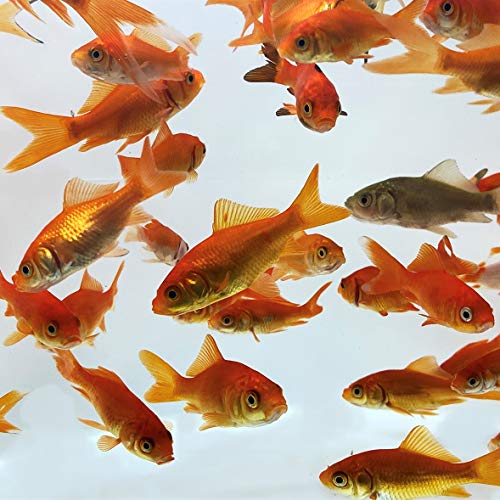
Toledo Goldfish Comet Feeder Goldfish: Live Feeder Goldfish
- ✓ Active, hardy feeders
- ✓ Versatile for setups
- ✓ Natural diet solution
- ✕ Availability varies
- ✕ Live handling required
| Species | Comet Goldfish (Live Feeder Goldfish) |
| Indoors/Outdoors suitability | Suitable for outdoor ponds and indoor tanks/aquariums |
| Health/Condition | High-quality, healthy and active to be introduced into aquatic environments |
| Diet/Feeding Nature | Natural live-food option for carnivorous and omnivorous fish species |
| Behavior/Activity | Energetic, active swimmers with natural swimming patterns |
| Brand/Pricing | Brand: Toledo Goldfish; Price: $77.00 |
You’re setting up a new tank at midafternoon, and the tub of Toledo Goldfish Comet Feeders sits on the kitchen counter. The moment you pop the lid, a splash of bright orange darts into view, active and ready to go.
You pick one up to check size, and its fins trail like a tiny neon flag, already eager for a nibble.
In the tank, they don’t waste time. They glide with easy, confident bursts, and you notice how sturdy they feel in your hand when you’re acclimating them to a new water mass.
The variety in sizes within the batch is nice, so you don’t stress about immediate compatibility with your outdoor pond or indoor tank.
These Comet Goldfish bring a natural feeding rhythm to your system. Your carnivorous and omnivorous residents start tracking them with purposeful, hungry focus, which makes feeding time feel more like a quick, predictable routine rather than a guesswork ordeal.
They also establish an active, lively presence that your aquascape was missing.
They handle a range of conditions, which is reassuring if you’re juggling a mixed community tank or a seasonal outdoor pond. You’ll notice the way they hold their shape a little better than you expect in variable temps, giving you confidence in longer-term care.
It’s a small but meaningful difference when you’re managing a busy aquarium setup.
What really stands out is how gracefully they integrate into several environments. Whether you’re feeding in a compact tank or a larger pond, the consistency stays clear, and the movement adds a natural, engaging dynamic for your fish neighbors.
It’s simple, practical, and genuinely satisfying to watch.
Bottom line: these live feeders feel like a reliable, flexible option that respects your time and your fish’s appetite. They’re a straightforward choice for predictable, healthy feeding without drama.
What Are Goldfish-Eating Tropical Fish?
Goldfish-eating tropical fish are species known for their compatibility with goldfish in an aquarium setting, often cohabitating peacefully while providing various benefits to the ecosystem.
- Angelfish: Angelfish are popular choices for community tanks due to their striking appearance and relatively peaceful nature. They thrive in warm water and can coexist with goldfish if the tank is large enough to accommodate both species while allowing for territorial behaviors.
- Guppies: Guppies are hardy, colorful fish that can add vibrancy to a tank. They are small and quick, making them less likely to be targeted by goldfish, but they require careful monitoring since goldfish may eat smaller guppies if food is scarce.
- Platies: Platies are friendly and adaptable fish that can live harmoniously with goldfish. They are known for their peaceful demeanor and can help keep the tank clean by feeding on algae, which also benefits the goldfish.
- Zebra Danios: Zebra Danios are active and robust fish that can handle a variety of water conditions, making them great tank mates for goldfish. Their lively nature encourages goldfish to be more active without being aggressive towards them.
- Rainbowfish: Rainbowfish are known for their stunning colors and playful behavior. They prefer to be in schools and can provide a dynamic environment in the tank, all while being large enough to avoid becoming a meal for goldfish.
How Do Goldfish-Eating Tropical Fish Fit Into an Aquarium Setting?
In an aquarium setting, selecting the right tropical fish that can coexist with goldfish is crucial for maintaining a harmonious environment.
- Platies: Platies are colorful, hardy fish that thrive in various water conditions and can adapt well to the presence of goldfish. They are social creatures, often found in groups, and their peaceful nature makes them suitable companions for goldfish without any aggressive behavior.
- Guppies: Guppies are small, vibrant fish known for their lively personalities and ease of care. They can live alongside goldfish, but their small size means they should be introduced in a larger aquarium to avoid any accidental mishaps, as goldfish may inadvertently nibble on them.
- Rainbowfish: Rainbowfish are strikingly colorful and active swimmers, making them a visually appealing choice for an aquarium. They prefer slightly warmer waters, which should be monitored closely to ensure compatibility with goldfish, as they can tolerate a range of temperatures but thrive best in warmer conditions.
- Danios: Danios are hardy, energetic fish that can coexist well with goldfish due to their resilient nature. They are fast swimmers and can escape the attention of goldfish, thus reducing the risk of being eaten while also adding activity and liveliness to the aquarium.
- Corydoras Catfish: Corydoras catfish are bottom dwellers that help clean up leftover food and debris in the aquarium, promoting a healthier environment. They are peaceful and can coexist with goldfish, as their gentle nature allows them to thrive without disturbing the goldfish.
- Endlers Livebearers: Endlers are similar to guppies but are often more vibrant and brightly colored. They thrive in groups and can coexist with goldfish, but like guppies, they should be kept in larger tanks to ensure they remain safe from any potential harm.
What Are the Ideal Water Conditions for Goldfish-Eating Tropical Fish?
The ideal water conditions for goldfish-eating tropical fish include several key factors to ensure their health and compatibility in an aquarium setting.
- Temperature: Tropical fish thrive in warmer water, typically between 75°F to 80°F (24°C to 27°C). Maintaining this temperature range helps to support their metabolism and overall health, while colder temperatures can lead to stress and illness.
- pH Level: The optimal pH for most tropical fish is between 6.5 and 7.5. This slightly acidic to neutral range is conducive to the well-being of many species, as extreme pH levels can cause stress and affect their ability to absorb nutrients.
- Water Hardness: A hardness level of 5 to 15 dGH (degrees of General Hardness) is ideal for tropical fish. This range provides essential minerals that support their physiological processes and contributes to a balanced environment.
- Ammonia and Nitrite Levels: Both ammonia and nitrite levels should be kept at zero for the health of the fish. Elevated levels of these toxic substances can lead to severe stress or death, so regular water testing and maintenance are crucial.
- Nitrate Levels: Nitrate levels should be kept below 20-40 ppm to prevent long-term health issues. While nitrates are less toxic than ammonia and nitrites, high concentrations can still lead to poor water quality and promote algae growth.
- Oxygen Levels: Adequate oxygenation is essential, with levels ideally above 5 mg/L. Good aeration and surface agitation help ensure that tropical fish receive sufficient oxygen, which is vital for their respiratory health and activity levels.
Which Tropical Fish Are Compatible with Goldfish?
The best tropical fish that can coexist with goldfish typically include species that thrive in similar water conditions and have compatible temperaments.
- White Cloud Mountain Minnows: These small, peaceful fish are great companions for goldfish as they prefer cooler water temperatures and can adapt well to a variety of aquarium conditions. They are also active swimmers, which can help to keep the goldfish entertained.
- Rosy Barbs: Rosy Barbs are hardy fish that can withstand the cooler temperatures that goldfish require. They are social and can help bring activity to the tank, but it’s important to keep them in groups to reduce potential nipping behaviors.
- Platies: Platies are colorful and peaceful fish that can adapt to cooler water, making them suitable tank mates for goldfish. They are livebearers, which means they reproduce easily, but their fry can be at risk if there are larger goldfish in the tank.
- Zebra Danios: Known for their resilience, Zebra Danios can thrive in a variety of water conditions, including those preferred by goldfish. Their fast swimming and active nature can encourage goldfish to be more active, but it’s best to keep them in schools to prevent stress.
- Endler’s Livebearers: These small, colorful fish are generally peaceful and can adapt to the same cooler temperatures as goldfish. They are also prolific breeders, so it’s important to monitor their population to prevent overcrowding in the aquarium.
What Are the Top Recommended Goldfish-Eating Tropical Fish?
The best goldfish-eating tropical fish for an aquarium include species that can coexist with goldfish while also having a penchant for consuming them.
- Oscar Fish: Oscars are known for their aggressive behavior and large size, making them capable of eating goldfish if given the chance. They thrive in aquariums with ample space and can easily outcompete goldfish for food.
- Jack Dempsey: This cichlid is territorial and can grow quite large, which allows it to prey on smaller fish like goldfish. Jack Dempseys require a well-maintained tank with hiding spots to reduce stress and aggression, but their predatory instincts may lead them to target goldfish.
- Green Terror: A smaller cichlid, the Green Terror is known for its vibrant colors and feisty personality. While they can coexist with goldfish, their aggressive nature and feeding habits can lead them to nibble on goldfish, especially if they are smaller.
- Flowerhorn Cichlid: These fish are renowned for their unique appearance and bold temperament. Flowerhorns can be very aggressive and territorial, often viewing smaller fish, including goldfish, as potential meals.
- Red Devil Cichlid: Red Devils are aggressive and can be quite large, making them capable of consuming smaller goldfish. They require a spacious tank and can dominate the aquarium environment, posing a risk to goldfish.
Which Goldfish-Eating Tropical Fish Are Suitable for Beginners?
The main options for goldfish-eating tropical fish that are suitable for beginners include:
- Oscar Fish: Oscars are known for their intelligence and interactive behavior, making them popular in home aquariums. They require a tank of at least 55 gallons and thrive in slightly acidic to neutral water conditions. Their size can reach up to 18 inches, so they may require larger tank mates as they grow.
- Jack Dempsey Fish: Jack Dempseys are semi-aggressive cichlids that are relatively easy to care for, which makes them suitable for novice aquarists. They exhibit stunning coloration and can adapt to various water conditions, although they prefer slightly acidic pH levels. Providing plenty of hiding spots and territories is essential to minimize aggression.
- Green Terror Cichlid: The Green Terror is a vibrant and hardy fish that can coexist with goldfish due to its territorial nature but can be aggressive towards smaller fish. They are relatively easy to keep, requiring a tank of at least 30 gallons with good filtration. Their striking colors and unique behavior make them an interesting choice for beginners.
- Red Devil Cichlid: Known for their bright coloration and bold personality, Red Devil Cichlids are hardy and adaptable, making them suitable for beginners with larger tanks. They can grow quite large, often reaching 12 inches, and require a tank of at least 50 gallons. Their aggressive nature means they should be housed with similarly sized or larger fish to prevent bullying.
- South American Cichlids: Various species of South American cichlids, such as the Convict Cichlid, are beginner-friendly and can coexist with goldfish. They are known for their adaptability to different water conditions and can thrive in community tanks if provided with adequate space and hiding spots. Their vibrant colors and breeding behaviors also add interest to the aquarium.
What Unique Traits Do Popular Goldfish-Eating Tropical Fish Display?
Several tropical fish species are known for their compatibility with goldfish in an aquarium setting:
- Platies: Platies are hardy, colorful fish that thrive in a variety of water conditions. They are peaceful and enjoy socializing, making them ideal companions for goldfish, as they rarely display aggressive behavior.
- Guppies: Guppies are small, vibrant fish that add a splash of color to any tank. They are known for their adaptability and can coexist with goldfish if the tank is spacious enough, preventing any territorial disputes.
- Zebra Danios: These active swimmers are known for their resilience and playful nature. Zebra Danios can handle a range of water temperatures and conditions, and they typically keep to themselves, which reduces stress for goldfish.
- White Cloud Mountain Minnows: These peaceful fish are small and thrive in cooler water, making them compatible with goldfish. Their natural schooling behavior means they tend to stay together, providing a calming environment for goldfish.
- Rosy Barbs: Rosy Barbs are known for their striking coloration and friendly disposition. They can adapt well to varying water conditions and are generally non-aggressive, allowing them to live harmoniously with goldfish.
How Should You Feed Goldfish-Eating Tropical Fish?
The best goldfish-eating tropical fish for an aquarium typically include species that have compatible temperaments and dietary needs.
- Platies: Platies are peaceful and colorful fish that thrive in community tanks. They are omnivorous and will readily accept goldfish flakes or pellets, making them a good choice for aquarists looking to feed a mixed diet.
- Guppies: Known for their vibrant colors and lively nature, guppies can adapt well to various tank conditions. They enjoy a varied diet that includes goldfish flakes, and their small size makes them a suitable companion for goldfish without competing for food.
- Neon Tetras: Neon tetras are small schooling fish that add a splash of color to any aquarium. They primarily eat flake food, which can include goldfish food, and they thrive in groups, making them friendly tank mates for goldfish.
- Corydoras Catfish: These bottom dwellers are peaceful and help keep the aquarium clean by scavenging leftover food. Corydoras will happily eat sinking goldfish pellets and are known for their hardy nature, which makes them excellent companions for goldfish.
- Angelfish: While they can be more aggressive than other tropical fish, angelfish can coexist with goldfish in larger tanks. They are carnivorous and will accept goldfish pellets, but care must be taken to monitor their interactions with smaller fish.
What Signs Indicate Health Issues in Goldfish-Eating Tropical Fish?
There are several signs that may indicate health issues in goldfish when they are in an aquarium with tropical fish:
- Loss of Appetite: A goldfish that suddenly stops eating can be a sign of stress or illness, often caused by poor water quality or the presence of disease. Monitoring their feeding habits is crucial, as a prolonged lack of appetite can lead to further health deterioration.
- Changes in Behavior: If a goldfish becomes lethargic, hides away, or shows signs of aggression, this may indicate health problems or environmental stress. Behavioral changes can be a response to water parameters that are unsuitable or to the presence of aggressive tank mates.
- Physical Changes: Look for unusual physical signs such as swelling, discoloration, or lesions on the body of the goldfish. These symptoms can indicate infections, parasites, or other underlying health issues that require immediate attention.
- Gasping for Air: If goldfish are frequently coming to the surface and gasping for air, it may suggest low oxygen levels or poor water quality. This behavior can be dangerous and may lead to suffocation if not addressed promptly.
- Fin Clamping: When a goldfish keeps its fins close to its body instead of spreading them out, it can indicate stress or illness. This behavior can be a reaction to overcrowding, poor water conditions, or the presence of aggressive fish in the tank.
What Common Mistakes Should You Avoid with Goldfish-Eating Tropical Fish?
When keeping tropical fish that are compatible with goldfish, there are several common mistakes to avoid:
- Incompatible water temperature: Goldfish thrive in cooler water, usually around 65-75°F, while many tropical fish prefer warmer temperatures between 75-80°F. Keeping both types of fish in a tank with a temperature that suits one can stress or even harm the other, leading to health issues.
- Overcrowding the tank: It’s crucial to avoid overstocking a tank with too many fish. Tropical fish often require more swimming space and can produce more waste, which can lead to poor water quality, stressing goldfish and causing diseases.
- Ignoring dietary needs: Goldfish are primarily herbivores and require a diet rich in plant material, while many tropical fish are carnivorous or omnivorous. Feeding them the wrong type of food can lead to nutritional deficiencies and health problems.
- Neglecting tank filtration and maintenance: Goldfish produce a significant amount of waste, making it essential to have a strong filtration system. Failing to maintain the tank can lead to high ammonia levels, which are harmful to both goldfish and tropical fish alike.
- Inadequate hiding spots and decor: Many tropical fish require places to hide and establish territories, while goldfish are more social and less territorial. Not providing adequate hiding spots can lead to stress and aggression among the fish.
- Ignoring species compatibility: Some tropical fish can be aggressive towards goldfish, leading to bullying or injury. It’s important to research and select species that are known to coexist peacefully with goldfish.