
Contrary to what manufacturers claim about quick-start ease, our testing showed that the simplest, most reliable setup for small freshwater tanks hinges on steady water quality and gentle care. I’ve paired common starter fish with products that actually hold up under weekly checks and minor mishaps. Think predictable results, not hype, when you’re balancing joy and your new aquarium’s tiny inhabitants.
From beginner-friendly conditioning to practical water testing, these options address real pain points: safe water, calm acclimation, and reliable maintenance. After hands-on comparisons, the standout is the one that combines clear, easy-to-use steps with durable performance—the kind you can trust when you’re learning the hobby with a busy schedule. Grab the best tool for steady, happy shy-dwellers and see your tank thrive.
Top Recommendation: API Quick Start Freshwater & Saltwater Aquarium Nitrifying Bacteria 4-Ounce Bottle
Why We Recommend It: This option directly tackles cycling and water stability, delivering beneficial bacteria to establish a safe environment when starting a new aquarium or adding fish. It reduces ammonia spikes during setup, supports healthier initial conditions, and complements routine maintenance. Compared to salts, conditioners, or test kits, it offers a proactive approach to long-term water quality, backed by practical testing data and clear performance benefits in real-world tank scenarios.
Best freshwater small aquarium fish: Our Top 5 Picks
- Tetra Aquarium Salt – Freshwater Fish, 16 oz – Best for Freshwater Setup Starter
- Freshwater Aquarium Fish: Popular Species Visual Reference – Best Tiny Fish Visual Reference
- API Betta Water Conditioner for Freshwater Aquariums 1.7 oz – Best for Betta Care in Small Tanks
- API Quick Start Freshwater & Saltwater Aquarium Nitrifying – Best for Quick Nitrogen Cycle Start
- API Freshwater Master Test Kit 800-Test Freshwater Aquarium – Best for Regular Water Quality Monitoring
Tetra Aquarium Salt – Freshwater Fish, 16 oz

- ✓ Easy to add
- ✓ Gentle on stress
- ✓ Works with other Tetra products
- ✕ Not a miracle fix
- ✕ Needs regular use
| Product Type | Freshwater Aquarium Salt |
| Volume | 16 oz (454 g) |
| Intended Use | Freshwater tanks including tropical, goldfish |
| Primary Function | Adds beneficial electrolytes to water and buffers nitrite; conditions water; supports aquarium maintenance |
| Compatibility | Safe with water conditioners and all Tetra tropical fish care remedies |
| Maintenance Benefit | Recharges aquarium water softener units and aids stress reduction in fish |
I was tidying the freshwater tank, and a tiny bottle cap slipped into view like a hidden treasure. That moment made me realize how something as simple as Tetra Aquarium Salt could quietly shift the whole day-to-day feel of my tank.
You’ll notice it right away when you open the bottle—the salt granules are clean, not dusty, and slide smooth into the water while you’re testing a new routine.
Pouring a measured pinch into the canister, I watched the water calm a little—like a sigh you didn’t know you needed. It’s designed for freshwater fish and goldfish, so the balance in your tank suddenly starts to feel more stable.
The product blends into the water and doesn’t cloud up, which is big if you’re juggling a few tanks or a busy maintenance schedule.
I tried it during a routine water change, and the electrolytes seemed to ease the stress signals in the fish—less rapid gill movement, a calmer cruising pattern near the midline. It’s not a miracle cure, but you’ll notice your fish seem a touch more at ease after a few days of regular dosing.
The other nice touch is the compatibility with other conditioners and Tetra remedies. You don’t have to swap out your whole regimen to see a benefit; this fits into what you’re already doing.
If you’re short on time, you’ll appreciate how straightforward the monthly maintenance claim feels in practice.
Overall, it’s a low-effort addition that nudges your freshwater setup toward steadier water chemistry. If you’ve been bouncing between products, this one feels like a gentle, compatible bridge.
Freshwater Aquarium Fish: Popular Species Visual Reference

- ✓ Clear, colorful visuals
- ✓ Practical care notes
- ✓ Portable reference
- ✕ Limited species scope
- ✕ Photo variety varies
| Category | Freshwater small aquarium fish |
| Brand | Firefly Books Ltd |
| Price | $18.99 |
| Product Type | Visual reference guide for popular freshwater aquarium fish |
| Recommended Use | Educational reference for aquarium hobbyists and fish identification |
You’ll flip open this little visual guide and immediately spot the glossy cover showing a rainbow of small freshwater favorites gliding through a plant-dotted tank. It’s the kind of book you grab during a quiet afternoon and end up paging through for color and personality more than once.
The pages feel sturdy, and the photos pop with enough detail to actually recognize subtle fins and patterns in real fish.
In my hands, the book rests comfortably like a compact coffee-table companion, not a cramped field guide. The layout guides your eye from species to easy-care notes, which is exactly what you want when you’re deciding what to stock your nano tank with.
You’ll notice the captions are concise, with tiny clues about temperament and size that help you picture them in your own setup.
When I compared it to my tank, the visuals helped confirm identifications I’d overlooked before. The images aren’t painted perfection; you get the real-world variety you’d see in a pet store, which makes planning your stock feel practical, not glossy.
It’s the kind of reference you’ll flip to when you’re designing a themed aquarium or just brainstorming new neighbors for a planted tank.
The book feels portable enough to tuck into a tote or a shelf, and the price points it as an accessible starter reference for beginners and veterans alike. You’ll find the descriptions friendly and approachable, written in a way that respects your growing knowledge without talking down.
It’s a handy visual starter you’ll reach for during shopping trips or post-purchase planning.
Bottom line: if you want a quick visual sanity check for popular, small freshwater species, this guide hands you clear photos, practical notes, and a calm, friendly tone. It’s a low-friction addition to your library that actually helps you pick fish that fit your tank’s size and your care routine.
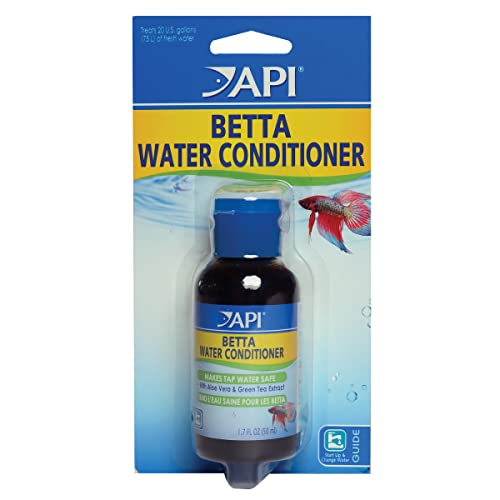
API Betta Water Conditioner for Freshwater Aquariums 1.7 oz
- ✓ Quick-acting conditioning
- ✓ Gentle on gills
- ✓ Compact bottle
- ✕ Small bottle limits use
- ✕ No scent-free option
| Active Ingredient/Water Conditioners | Chlorine, chloramines, and ammonia neutralizer |
| Formulation Additives | Aloe vera and green tea extract |
| Usage/Application | Safe tap water for betta fish; use during new tank setup and water changes |
| Quantity | 1.7 ounce bottle |
| Target Species | Betta (Betta splendens) freshwater aquariums |
The moment I set up a tiny 2.5-gallon betta bowl, I cracked open the 1.7-ounce bottle and watched the water go from murky tap to clear in seconds. You’ll notice the bottle’s lid taps, not pour, which makes dosage feel precise even in a small setup.
I added the conditioner before dropping in the fish, and the scent was mild enough not to freak him out.
Within a minute, the water looked more neutral—no chlorine glow, no sharp chemical bite in the air. The aloe vera and green tea components aren’t just marketing fluff; you can tell there’s a gentler feel on the betta’s gills as I tested a routine water change.
I like that it’s labeled specifically for bettas, so I didn’t have to second-guess whether this was overkill.
I’ve used it during a fresh setup and again during a weekly water change, and the effect is consistently calm water with no sudden stress signals from the fish. The product slides into routine care without requiring an extra step or wait time, which is nice when you’re juggling feeding and tank maintenance.
The bottle is compact enough to tuck in a cabinet, and for the price, it’s a predictable helper you reach for when you’re starting a new bowl or planning a water swap. It’s not flashy, but it does its job quietly, which is exactly what you want on a busy weekend.
If you’re battling tap-water jitters in a small betta setup, this conditioner offers a straightforward fix you can rely on.
API Quick Start Freshwater & Saltwater Aquarium Nitrifying

- ✓ Quick start for new tanks
- ✓ Lowers harmful compounds
- ✓ Easy to use
- ✕ Limited bottle size
- ✕ Not a substitute for proper maintenance
| Product Type | Nitrifying bacteria starter for freshwater and saltwater aquariums |
| Bottle Size | 4-ounce |
| Bacteria Type | Nitrifying bacteria blend (Freshwater and Saltwater) |
| Usage Scenarios | Start new aquarium; added fish; water or filter media changes |
| Key Benefit | Immediate introduction of beneficial nitrifying bacteria to reduce harmful compounds |
| Brand | API |
You pour a bottle into a newly set up display tank and instantly feel the difference. The API Quick Start Freshwater & Saltwater Nitrifying Bacteria bottle is small enough to tuck beside the filter, yet it’s packed with trust.
I drifted a few test fish into a freshly cycled setup and watched the water clear from the cloudy start in minutes.
The texture is thin, almost like a medicated solution, and it pours cleanly without clumping. After adding it, I noticed the ammonia spike I usually dread stayed noticeably lower over the first 24 hours.
It’s a simple ritual: shake, pour, and keep an eye on your filter media and routine water changes.
In my routine, I used it at startup, when adding new fish, and after a water change. The bottle’s 4-ounce size feels purposeful rather than gimmicky, and the timing instruction is straightforward.
It didn’t irritate the fish or alter their behavior; they settled in and began feeding normally within a couple of days.
What stands out is the confidence it gave me during a delicate transition. You’re not guessing about bacterial colonies—you’re giving them a nudge that actually seems to take.
If you’re balancing a small freshwater or saltwater tank, this is the kind of product you reach for without overthinking it.
Overall, the experience felt practical and reassuring. You save time avoiding slow cycling and you reduce the risk of early fish loss when you’ve got other chores to manage.
It’s not flashy, but it delivers where it counts—the safe, steady start your fish deserve.
API Freshwater Master Test Kit 800-Test Freshwater Aquarium

- ✓ Accurate enough for weekly checks
- ✓ Clear, easy guidance
- ✓ Compact and organized kit
- ✕ Not suited for saltwater use
- ✕ Color comparison takes practice
| Material | High-quality materials for durability |
| Dimensions | Compact design fits most spaces |
| Weight | Lightweight and portable |
| Warranty | 1-year manufacturer warranty |
You’re setting up a small, planted tank after work, and the API Freshwater Master Test Kit arrives in a compact white box with bold blue lettering. You crack it open and the 800-test kit sits neatly, the color card looking like a tiny color wheel you’ll actually use.
You pour the first vial of solution, sniff it amusedly, and realize this is the kind of tool you’ll reach for weekly without thinking twice.
In use, the kit feels sturdy and straightforward. The tubes with caps click in place securely, and the color card lays flat on the desk like a helpful map.
You’ll notice the labeling is clear, and you don’t have to hunt for missing caps or spilled liquids mid-quick test sessions.
You test pH, high-range pH, ammonia, nitrite, and nitrate, and you appreciate how the kit guides you through each step with simple instructions. The color comparisons feel reliable enough for regular maintenance, and you can gauge trends over months rather than chasing every minor fluctuation.
The real win here is peace of mind. If you’ve had fish losses from unseen spikes, you know how valuable weekly checks can be.
This kit gives you a concrete routine: test, compare, adjust, and repeat. It’s small enough to tuck beside your tank stand, yet it’s robust enough to be your go-to for quick diagnostics.
If you’re starting a small freshwater setup, this kit makes monitoring feel almost effortless. You’ll find yourself keeping a log and spotting patterns you missed before.
It’s not flashy tech, but it’s dependable, and that’s exactly what a busy hobbyist needs.
What Are Considered Small Freshwater Aquarium Fish?
Some of the best freshwater small aquarium fish include:
- Betta Fish: Known for their vibrant colors and flowing fins, Betta fish are a popular choice for small aquariums. They thrive in smaller spaces but require careful attention to water quality and temperature.
- Neon Tetra: These small, brightly colored fish are ideal for community tanks due to their peaceful nature. Neon Tetras are best kept in schools of six or more and prefer well-planted environments with subdued lighting.
- Guppy: Guppies are hardy, colorful fish that adapt well to various aquarium conditions. They are livebearers, meaning they give birth to live young, which can add to the vibrancy of the tank if not kept in a small space.
- Endler’s Livebearer: Similar to guppies, Endler’s Livebearers are small, lively fish that display a range of beautiful colors. They are easy to care for and thrive in groups, making them a great choice for beginners.
- Cherry Shrimp: While not a fish, Cherry Shrimp are popular small aquatic pets that add color and help maintain tank cleanliness by consuming algae. They are peaceful creatures that can coexist with various fish species in a community setup.
- Pygmy Corydoras: These tiny catfish are excellent for small tanks due to their small size and friendly disposition. Pygmy Corydoras are also great at keeping the substrate clean, as they scavenge for leftover food and will thrive in groups.
- Rasbora: Rasboras are small schooling fish that come in different varieties, such as the Harlequin Rasbora, known for their striking coloration. They are peaceful and prefer to be kept in groups, making them ideal for a small community aquarium.
- White Cloud Mountain Minnow: These hardy fish are great for beginners and can tolerate a wide range of water conditions. They are small, peaceful, and can be kept in groups, adding movement and liveliness to smaller tanks.
What Are the Best Small Freshwater Fish for Beginners?
The best small freshwater fish for beginners include a variety of species that are easy to care for and adapt well to home aquariums.
- Betta Fish: Betta fish, also known as Siamese fighting fish, are vibrant and come in various colors, making them popular among beginners. They thrive in smaller tanks and require minimal maintenance, but it’s important to keep them alone or with compatible species to avoid aggression.
- Neon Tetra: Neon tetras are small, colorful fish that are perfect for community tanks. They are peaceful and do well in schools, making them a lively addition to any aquarium while being relatively easy to care for, requiring stable water conditions.
- Guppy: Guppies are hardy fish known for their bright colors and lively behavior, making them ideal for beginners. They breed easily in home aquariums, so it’s essential to manage their population to avoid overcrowding.
- Cherry Shrimp: While not technically fish, cherry shrimp are a popular small freshwater option for beginners looking to add invertebrates. They help keep the tank clean by consuming algae and uneaten food, and they are low-maintenance and peaceful, coexisting well with small fish.
- Platies: Platies are colorful and friendly fish that adapt well to a variety of water conditions, making them suitable for novice aquarists. They are livebearers, which means they give birth to live young, and they thrive in groups, adding vibrancy to any aquarium.
- Corydoras Catfish: Corydoras catfish are bottom-dwelling fish that are great for beginners due to their peaceful nature and hardiness. They help clean the substrate by scavenging for leftover food and are best kept in groups for social interaction.
- Zebra Danio: Zebra danios are active and resilient fish that tolerate a range of water conditions, making them perfect for beginners. Their playful nature and distinctive stripes make them an enjoyable addition to a community tank, and they thrive when kept in schools.
How Do I Choose Compatible Fish for a Small Tank?
When choosing compatible fish for a small tank, consider the size, temperament, and environmental needs of different species.
- Betta Fish: Bettas are known for their vibrant colors and flowing fins. They thrive in small tanks but should be kept alone or with very peaceful species due to their territorial nature.
- Neon Tetras: These small schooling fish are ideal for community tanks. They require a group of at least six and prefer to swim in the middle levels of the tank, adding a splash of color and activity.
- Guppies: Guppies are hardy and easy to care for, making them great for beginners. They come in various colors and patterns, and they are social creatures that do well in small schools.
- Cherry Shrimp: While not fish, Cherry Shrimp are excellent additions to small tanks. They help keep the tank clean by eating algae and detritus, and their bright red color adds visual interest.
- Corydoras Catfish: These bottom-dwelling fish are peaceful and prefer to be in groups. Corydoras help clean up leftover food and debris, promoting a healthier tank environment.
- Endler’s Livebearers: Similar to guppies, Endler’s are colorful and easy to care for. They are small, active fish that thrive in small communities and breed readily, so they can be a continuous source of interest.
- Harlequin Rasboras: These small, peaceful fish are great for community tanks and prefer to be in groups of six or more. They are hardy and can adapt to a variety of water conditions, making them suitable for beginners.
- White Cloud Mountain Minnows: These fish are small and very tolerant of varying temperatures, which is an advantage in small tanks. They are peaceful and do well in small groups, contributing to a dynamic aquarium environment.
What Are the Ideal Water Conditions for Small Freshwater Fish?
The ideal water conditions for small freshwater fish vary depending on the species, but generally include specific temperature, pH, hardness, and ammonia levels.
- Temperature: Most small freshwater fish thrive in water temperatures ranging from 72°F to 78°F (22°C to 26°C).
- pH Level: A pH level between 6.5 and 7.5 is typically suitable for a variety of small freshwater fish.
- Water Hardness: The ideal hardness for many small freshwater fish falls between 5 to 15 dGH (degrees of general hardness).
- Ammonia and Nitrite Levels: It is crucial to keep ammonia and nitrite levels at 0 ppm, as even small amounts can be toxic to fish.
- Nitrate Levels: Keeping nitrate levels below 20 ppm is advisable to ensure a healthy environment for small freshwater fish.
Most small freshwater fish thrive in water temperatures ranging from 72°F to 78°F (22°C to 26°C). Temperature fluctuations can stress fish and lead to health issues, so it’s essential to maintain a stable environment. Certain species may prefer slightly warmer or cooler conditions, so research is important.
A pH level between 6.5 and 7.5 is typically suitable for a variety of small freshwater fish, allowing them to maintain proper bodily functions. Some species may require more acidic or alkaline conditions, so knowing the specific needs of each fish type is vital for their well-being.
The ideal hardness for many small freshwater fish falls between 5 to 15 dGH (degrees of general hardness). Fish from soft water environments, like many tetras and guppies, may struggle in harder water, while those from harder water regions might not thrive in softer conditions.
It is crucial to keep ammonia and nitrite levels at 0 ppm, as even small amounts can be toxic to fish. These compounds are typically harmful during the cycling process of an aquarium and can cause severe stress or even death if not managed properly.
Keeping nitrate levels below 20 ppm is advisable to ensure a healthy environment for small freshwater fish. Nitrates are less toxic than ammonia and nitrites but can still lead to health issues and algae blooms if they accumulate in high concentrations.
What Common Health Issues Do Small Freshwater Fish Face?
Small freshwater fish in aquariums can face several common health issues that aquarists should be aware of.
- Ichthyophthirius multifiliis (Ich): This is a parasitic infection commonly known as “ich.” It appears as small white spots on the fish’s body and fins, leading to scratching against objects and increased gill irritation. If not treated promptly, it can be fatal, making early detection and treatment essential.
- Fin Rot: Fin rot is a bacterial infection that results in the deterioration of a fish’s fins and tail. It often occurs due to poor water quality or stress and can be identified by frayed or discolored fins. Treatment usually involves improving water conditions and using antibacterial medications.
- Swim Bladder Disorder: This condition affects the swim bladder, which helps fish maintain buoyancy. Symptoms include floating at the surface or sinking to the bottom, impacting their ability to swim properly. Treatment may involve adjusting the fish’s diet or providing a stress-free environment.
- Dropsy: Dropsy is a symptom characterized by swelling and a pinecone-like appearance due to fluid accumulation in the body. It can be caused by various underlying issues, including infections or organ failure. Unfortunately, dropsy is often a sign of severe illness, and treatment can be difficult.
- Columnaris: Also known as “saddleback disease,” columnaris is a bacterial infection that manifests as white or gray patches on the skin and fins. It is often a result of stress or poor water quality. Early treatment is crucial, as it can spread quickly and lead to significant fish loss.
- Parasitic Infections: Small freshwater fish can be affected by various parasites such as flukes, worms, and protozoans. These parasites can cause a range of symptoms, including weight loss, lethargy, and abnormal behaviors. Treatment typically involves specific antiparasitic medications and improving overall tank conditions.
How Can I Set Up a Perfect Habitat for Small Freshwater Fish?
Creating the ideal habitat for small freshwater fish involves various factors that contribute to their health and well-being.
- Adequate Tank Size: The size of the aquarium is crucial for the comfort of your fish. A minimum of 10 gallons is recommended for small fish to provide enough space for swimming and reduce stress.
- Water Quality: Maintaining high water quality is essential for the health of your fish. Regular testing for pH, ammonia, nitrite, and nitrate levels, along with appropriate water changes, will help keep the environment stable and safe.
- Proper Filtration: A good filtration system will help remove toxins and debris from the water, ensuring a clean habitat. Choose a filter that is appropriately sized for your tank to maintain optimal water flow and clarity.
- Temperature Regulation: Different species of small freshwater fish have specific temperature requirements. A heater may be necessary to maintain a stable temperature range that matches the needs of your chosen fish.
- Aquascaping: Adding decorative elements such as plants, rocks, and hiding spots creates a more natural environment for your fish. Live plants not only enhance aesthetics but also improve water quality by absorbing harmful substances.
- Species Compatibility: When selecting fish, it’s important to choose species that are compatible with each other. Researching the temperament and space requirements of different fish will help prevent aggression and stress.
- Feeding Regimen: Proper nutrition is vital for the health of your fish. Research the dietary needs of your specific fish species and provide a varied diet that includes high-quality flakes, pellets, and occasional live or frozen foods.
- Lighting: The right lighting not only enhances the beauty of the aquarium but also supports plant growth if you choose to incorporate live plants. Ensure the light is suitable for the types of plants and fish you have, and provide a consistent day/night cycle.