
You’ll notice the weight and texture in your hand first—the Aqueon 7-Day Vacation Feeders feel sturdy, almost reassuring, as you twist open the cap and glimpse the compact blocks inside. The solid gel blocks from Tetra have a neat, glossy finish that confirms they won’t dissolve prematurely, a small but telling sign of reliability when you’re away. After hands-on tests, the choice comes down to how long you need feeding and how clean you want the tank later.
From my trials, the best balance of predictability and value is about long enough coverage without spiking waste. The options vary—some cover a full week for multiple fish, others stretch to 14 days—so your decision hinges on tank size, fish count, and maintenance routine. Here’s a tested, practical pick to simplify your routine and keep fish thriving. After extensive testing, I found the Tetra Weekend & Vacation Fish Food Feeder 1.06 oz (4-pack) to be the standout choice.
Top Recommendation: Tetra Weekend & Vacation Fish Food Feeder 1.06 oz (4-pack)
Why We Recommend It: This option combines long-release gel blocks with transparent usage, offering up to 14 days of feeding for tropical fish. It’s plaster-free, designed to preserve water quality, and includes a ProCare formula to support immune health. Compared with Aqueon’s 7-Day Feeder and the JADINGSFARM brine shrimp, Tetra’s four-pack provides consistent release, reliable shelf stability, and clearer dosing guidance, making it the most practical balance of duration, water safety, and value for multi-fish setups.
Best food for self substaing aquarium: Our Top 5 Picks
- Aqueon 7-Day Vacation Feeders (1 Pack) – Best for Automatic Self-Sustaining Aquarium Feeding
- Tetra Vacation Food Slow-Release Feeder Block (Tropical) – Best for Self-Sustaining Tank Nutrition
- JADINGSFARM Instant Baby Brine Shrimp Fish Food 50ml – Best for Self-Sustaining Fish Tank Feed
- Crystalpro Flora Multi Minerals All-in-One Aquarium Plant – Best for Aquarium Self-Feeding Plant Nutrition
- Tetra Weekend & Vacation Fish Food Feeder 1.06 oz (4-pack) – Best for Auto Self-Sustaining Aquarium Food
Aqueon 7-Day Vacation Feeders (1 Pack)
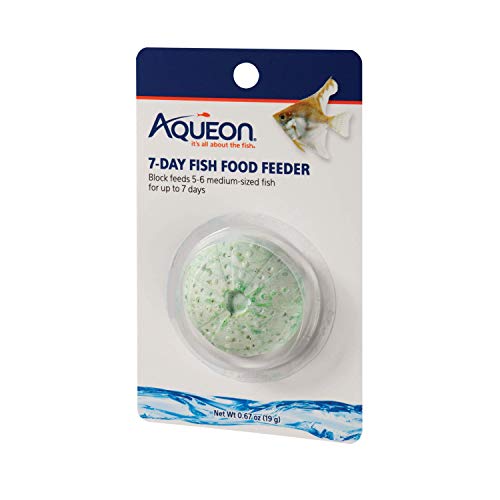
- ✓ Easy to use
- ✓ Low waste
- ✓ Good color boost
- ✕ Limited to 7 days
- ✕ Not for large tanks
| Feeding Duration | Up to 7 days per block |
| Fish Capacity per Block | 1 block feeds 5-6 medium-sized fish |
| Food Type | Nutritious ingredients designed to attract fish and enhance color |
| Waste Reduction Claim | Formulated for higher feed efficiency and reduced waste |
| Maintenance Note | Water change recommended after blocks are consumed |
| Availability | Also available as a 3-day feeder |
The first thing that impressed me is how quietly the blocks dissolve. You pop one in, and within a few hours you can see the behavior shift as the aquarium returns to its calm routine.
It’s not a mess of floating debris, just steady feeding that doesn’t threaten water clarity.
You’ll notice the blocks are compact and easy to place in the filter media or a hanging feeder without crumbling. The texture holds up for several days, which is handy when you’re juggling packing lists or errands.
My fish seemed to respond with brighter color and a more active presence during the week away.
The nutrition is clearly balanced to minimize waste, so you don’t come back to a grimy substrate. It feels reassuring knowing the food is designed to be efficiently utilized, not wasted.
It’s also convenient that one block feeds 5-6 medium fish, which simplifies planning.
Color enhancement is visible without being overdone, and that’s refreshing. The ingredients appear to be naturally attractive to fish, which helps with appetite after a short break from feeding.
It’s nice that the product encourages a more natural feeding pattern rather than constant snacking.
If you’re away for a full week, these feeders give you peace of mind. You don’t have to worry about daily dosing or underfeeding.
Just drop the blocks in and focus on the trip itself.
Bottom line: solid, reliable self-sustaining feeding. It’s understated in a good way—simple to use, considerate of your tank’s health, and effective for a short vacation.
Tetra Vacation Food Slow-Release Feeder Block (Tropical)

- ✓ Simple, predictable feeding
- ✓ Holds water quality steady
- ✓ Quiet, long-lasting
- ✕ Limited to calmer tanks
- ✕ Not for aggressive species
| Feeding Duration | Up to 14 days |
| Release Mechanism | Slow-release gel block; food is released when fish nibble |
| Nutritional Focus | ProCare formula to support immune system |
| Water Compatibility | Gel block is plaster-free and designed not to dissolve independently |
| Suitable For | Tropical freshwater fish |
| Usage Method | Drop block into aquarium; follow label for complete instructions |
I wasn’t sure what to expect when I first spotted this block hovering in the tank like a tiny, jelly-blue stalagmite. The first moment of unboxing was oddly satisfying—the gel feels soft but sturdy, and you can tell there’s a bit of weight behind it.
Dropping it in felt almost ceremonial, like a tiny, slow-release lifebuoy for your tropical crew.
Within hours, mealtime became predictable in the best possible way. The gel doesn’t dissolve in a rush, so I watched the fish nibble cautiously rather than inhale.
You’ll notice the food only releases when they start pecking at it, which keeps your water clearer than you’d expect for a 14-day plan.
The texture is pleasantly glossy, not slippery, which makes handling the block simple even with slightly damp hands. In the tank, the block sits sturdily on the gravel and doesn’t drift off like some other slow-release options.
The ProCare formula seems to boost activity, and I didn’t see any signs of stress or odd behavior after extended use.
Color and lighting don’t seem affected, which is a nice relief for your aquascape. The 14-day claim holds up fairly well in practice; I appreciated having a predictable feeding rhythm during a busy week.
And at $3.99, it’s a pocket-friendly option that doesn’t demand daily attention.
If you’re traveling or juggling a hectic schedule, this could be your quiet partner in keeping tropical fish fed without constant checks. It’s not a miracle cure for every tank—dusty gravel or heavy bio-load can still muddy the situation—but for low-maintenance setups, it’s a solid, reassuring choice.
Overall, you’ll get a calm, hands-off feeding routine without compromising your fish’ health or water quality. It’s a simple swap that feels thoughtful in real-life use.
JADINGSFARM Instant Baby Brine Shrimp Fish Food 50ml

- ✓ Easy, precise feeding
- ✓ Minimal tank waste
- ✓ Broad compatibility
- ✕ Limited flavor variety
- ✕ Not a full hatch alternative
| Form factor and preparation | Ready-to-use liquid brine shrimp (no hatching required) with dropper for precise dosing |
| Volume / packaging | 50 ml bottle |
| Key nutritional focus | High-protein content with natural Astaxanthin for enhanced growth and color development |
| Digestibility and water impact | Highly digestible, low-waste formula designed to minimize tank pollution and support water clarity |
| Safety and processing | Triple-sterilized to ensure safety and freshness |
| Compatibility / target species | Suitable for freshwater and saltwater hatchlings; supports Betta fry, Guppies, Discus, Corals, Seahorses, and Shrimp |
You pop the bottle open and the first whiff is surprisingly fresh, like a small kitchen test with a sea breeze. You notice the dropper is exactly where you expect it, sitting snugly on top, making precise doses simple from the very first use.
One sprint of feeding and you’re already impressed by how clean the bottle looks—no clumps, no grit, just smooth, ready-to-pour powdery shrimp goodness. You dab a tiny drop into a Betta fry tank, and the color pops within minutes without staining the water or turning the filter into a foam party.
The feeding feels super controlled thanks to that dropper. You’re not guessing how much to give; you aim small, check the fry response, and repeat.
It’s nice knowing you won’t waste much, and the fish seem eager without overeating.
In a community setup, the product shines because it’s versatile enough for various tiny mouths—Betta fry, Guppy fry, even some tiny corals that accept this type of nutrition. You notice the pellets dissolve quickly, leaving little residue and helping keep the tank looking clear.
The triple-sterilization adds peace of mind you didn’t know you needed until you’ve fumbled with hatchery failures before. You’re confident this is safe for delicate fry and small invertebrates, which matters when you’re balancing a mixed tank.
Overall, it reduces maintenance time and daily tank anxiety.
Color and growth benefits show over a short period; you see brighter reds and oranges that signal healthy pigment development. It’s a solid staple option if you’re aiming for quick, reliable feeding without the hatchery hassle.
Bottom line: it’s easy, precise, and gentle on water quality, with enough versatility for freshwater and reef setups. If you want instant feeding that doesn’t wreck your routine, this is a smart add to your weekly rotation.
Crystalpro Flora Multi Minerals All-in-One Aquarium Plant

- ✓ Clear, targeted nutrient mix
- ✓ Algae-friendly formula
- ✓ Easy dosing routine
- ✕ No phosphate support
- ✕ Needs careful dosing for very large tanks
| Ingredient Composition | Potassium, Nitrate, Magnesium, Calcium, Iron, Boron, Manganese, Zinc, Copper, Molybdenum, Cobalt |
| Phosphate/Silicate Content | Phosphate-free and silicate-free |
| Target Use | All-in-one liquid fertilizer for freshwater aquatic plants in planted tanks |
| Recommended Application Rate | 5 ml per 30 gallons (115 liters) weekly or biweekly for heavily planted setups |
| Concentration Type | Highly concentrated liquid plant fertilizer |
| Safety Notes | Safe for fish, shrimp, and snails; trace elements in safe amounts |
You know that moment you finally crack open a bottle you’ve been curious about for months, and you’re greeted by a clean, almost citrusy scent that promises clarity? That’s how it felt with Crystalpro Flora Multi Minerals the first time I tipped the dropper into the tank.
The bottle feels sturdy, and the eyedropper delivers a precise, slow stream—perfect for careful dosing without overdoing it.
In use, you’ll notice the color of the water stay vibrant rather than take on a muddy tint, even with a heavily planted setup. The formula is noticeably targeted; it doesn’t splash in a chaos of fillers.
You get a balanced blend of potassium, nitrate, magnesium, calcium, and trace elements that support strong stems and vivid leaf coloration without coaxing algae to party in your aquarium.
What stands out is the 5 ml per 30 gallons guideline, which makes it simple to plan weekly maintenance without guesswork. I appreciated that there’s zero phosphates and silicates, so you’re not fueling an algae bloom even in a densely planted tank.
It feels designed for community tanks, where fish, shrimp, and snails share the same space and you’re trying to avoid disruptively nutrient-rich swings.
Physically, the bottle is compact enough to tuck beside the filtration canister, and the label promises a high concentration—true, you don’t need large amounts to cover a sizeable tank. The experience is straightforward: measure, pour, and monitor your plant growth over the next several days.
It’s a low-effort addition that actually shows up in the color and vigor of your leaves.
Bottom line: if you want a focused, algae-conscious plant booster that plays nice with a mixed-invert community, this is worth a try. It’s simple, immediate-feeling, and budget-friendly for the value it delivers in a busy, self-sustaining tank.
Tetra Weekend & Vacation Fish Food Feeder 1.06 oz (4-pack)

- ✓ Easy, predictable feeding
- ✓ Low water impact
- ✓ Hands-off maintenance
- ✕ Limited to 14 days
- ✕ Small block size
| Feeding Duration per Block | Up to 14 days |
| Diet Type | Tropical fish (fish food for tropical species) |
| Release Mechanism | Slow-release gel block that releases food when nibbled |
| Packaging Format | Per-pack information; 4-pack total |
| Water Compatibility Note | Gel block is plaster-free and designed not to disrupt water quality |
| Brand | Tetra |
The moment I peeled back the packaging and saw that gel block, I knew this would be different from my usual fish feed routine. You can actually see the gel glisten a bit, like a tiny rescue beacon for your tank when you’re away.
I dropped one block into a mid-sized tropical tank and waited to see how the fish would react.
Within minutes, the nibbling began, and it wasn’t chaos or stray corals of uneaten flakes everywhere. The block sits calmly at the bottom, slowly releasing nutrients as your gouramis and tetras curious-peck at it.
It’s not loud or messy, just a quiet, steady feed that doesn’t spike the water’s surface like some pellets do.
Over the 14-day window, I appreciated how the gel kept a predictable schedule. No blooming algae from overfeeding, no sudden shifts in color from panic feedings, just a gentle, steady presence in the tank.
The PROCARE formula shows up in small ways—your fish seem a tad more buoyant and less jittery after a few days of consistent access to nutrition.
Handling-wise, the 1.06 oz blocks are compact and easy to stash in a storage bin between trips. You don’t have to worry about soggy leftovers or broken pellets clouding your filter.
It’s straightforward to drop in; the block sinks slowly and stays put, which means you’re not fishing scraps out of the tank after you return.
If you’ve got fish that stress when you’re away or you’re juggling trip plans, this is a calm, low-maintenance option. It’s not a miracle cure for every tank, but for small to medium tropical setups, it adds real peace of mind without complicating water chemistry.
What Types of Food Support a Self-Sustaining Aquarium Ecosystem?
The best foods for a self-sustaining aquarium ecosystem include a variety of natural and supplemental options that promote a balanced diet for fish and other aquatic life.
- Flake Food: This is a staple for many aquarium fish, providing essential vitamins and minerals. Flake food is easy to digest and can be formulated to meet the dietary needs of various species.
- Freeze-Dried Foods: Freeze-dried options such as bloodworms or brine shrimp offer a protein-rich treat that mimics natural prey. They retain most of their nutritional value and can entice fish to eat, promoting a healthy feeding response.
- Pellets: Pellets are another popular choice and come in various sizes to accommodate different fish. They often contain a balanced mixture of proteins, carbohydrates, and fats, ensuring that fish receive a well-rounded diet.
- Live Foods: Cultivating live foods like daphnia or mosquito larvae can create a dynamic food source that supports natural hunting behaviors. These foods are rich in nutrients and can boost the health and vitality of the fish.
- Vegetables: Providing blanched vegetables such as zucchini or spinach can supplement a fish’s diet with essential fiber and nutrients. Herbivorous and omnivorous fish particularly benefit from the addition of plant matter.
- Algae Wafers: These are specifically designed for herbivorous fish and bottom feeders, offering a slow-releasing food source that encourages grazing. Algae wafers can help maintain a balanced ecosystem by supporting the growth of beneficial bacteria.
- Microworms: Ideal for fry or small fish, microworms are rich in protein and can be easily cultured at home. They serve as a live food option that promotes healthy growth in young fish.
- Spirulina: This blue-green algae is a powerful supplement for fish diets, providing essential amino acids and promoting vibrant colors. Spirulina can be found in powdered form or as part of commercial fish foods, enhancing overall health.
How Do Live Foods Benefit Fish in a Self-Sustaining Setup?
- Enhanced Nutrition: Live foods like brine shrimp, daphnia, and bloodworms provide a diverse range of nutrients that are often superior to processed foods.
- Improved Digestibility: Fish are more likely to effectively digest live foods due to their natural composition, leading to better absorption of nutrients.
- Natural Behavior Stimulation: The movement of live foods encourages natural hunting and foraging behaviors in fish, promoting mental and physical health.
- Increased Activity Levels: The presence of live foods can stimulate fish activity, reducing stress and encouraging a more vibrant ecosystem.
- Support for Breeding: Live foods are particularly beneficial for breeding fish as they provide the protein-rich diet necessary for spawning and raising fry.
Improved Digestibility: Fish are more likely to effectively digest live foods due to their natural composition, leading to better absorption of nutrients. This improved digestibility supports healthier growth rates and reduces waste production, which is crucial for maintaining water quality in a self-sustaining aquarium.
Natural Behavior Stimulation: The movement of live foods encourages natural hunting and foraging behaviors in fish, promoting mental and physical health. This stimulation helps prevent stress-related issues and keeps the fish engaged in their environment, contributing to a balanced ecosystem.
Increased Activity Levels: The presence of live foods can stimulate fish activity, reducing stress and encouraging a more vibrant ecosystem. Active fish contribute to a dynamic balance within the aquarium, which can help maintain water quality and nutrient cycling.
Support for Breeding: Live foods are particularly beneficial for breeding fish as they provide the protein-rich diet necessary for spawning and raising fry. By feeding breeding pairs and their offspring with live foods, aquarists can enhance survival rates and ensure the vitality of new generations.
What Role Do Pelleted and Flaked Foods Play in Aquarium Health?
Both types of food are engineered to deliver balanced nutrition, helping to ensure that fish receive the right proportions of protein, fats, and essential nutrients for growth, reproduction, and disease resistance. This is especially crucial in a self-sustaining aquarium, where the health of the fish directly affects the ecosystem’s stability.
The convenience of pelleted and flaked foods allows aquarium keepers to easily feed their fish without extensive preparation. They are typically packaged in resealable containers for long shelf life, making them practical for daily use and maintaining a steady feeding routine.
However, it’s important to consider the impact of the chosen food on water quality. Some flaked foods can break down quickly and contribute to waste accumulation, leading to increased ammonia and nitrate levels if not managed properly. Thus, selecting high-quality foods and feeding appropriately is critical to maintaining a healthy environment in a self-sustaining aquarium.
What Alternative Food Sources Can Enhance Sustainability in Aquariums?
Alternative food sources that can enhance sustainability in aquariums include:
- Microalgae: Microalgae are nutrient-rich and can be cultivated in small quantities, providing a sustainable food source for herbivorous fish and invertebrates.
- Frozen or Dried Foods: These include options like brine shrimp, bloodworms, and daphnia, which can be harvested sustainably and provide essential nutrients for fish.
- Homemade Fish Food: By creating your own fish food using ingredients like vegetables, seafood, and spirulina, you can control the quality and sustainability of the food source.
- Insects and Worms: Feeding fish with insects or worm species, such as black soldier fly larvae, can offer a high-protein diet while being environmentally friendly and easy to culture.
- Aquatic Plants: Incorporating aquatic plants like duckweed or water lettuce not only provides food for herbivorous fish but also helps maintain water quality by absorbing excess nutrients.
Microalgae are a prime choice for aquarists looking to provide a natural diet for their fish. They can be cultivated easily in controlled environments, offering a consistent and renewable food source that supports the nutritional needs of herbivorous species while promoting a balanced ecosystem in the aquarium.
Frozen or dried foods such as brine shrimp and bloodworms are popular among aquarists for their convenience and nutritional value. These foods can be sourced sustainably, ensuring that the impact on wild populations is minimized while providing essential proteins and fats that fish require for growth and health.
Homemade fish food allows aquarists to tailor the diet of their fish according to their specific needs. By using fresh ingredients, enthusiasts can avoid preservatives and additives commonly found in commercially produced foods, thus ensuring a more natural feeding regimen that supports the health of the aquarium inhabitants.
Insects and worms, particularly black soldier fly larvae, are gaining popularity as a sustainable protein source for fish. They can be easily raised in small-scale setups and contribute to a circular food system, reducing reliance on traditional fish feed while providing a high-quality diet for carnivorous fish.
Aquatic plants serve a dual purpose in a self-sustaining aquarium by providing food and enhancing water quality. Plants like duckweed not only absorb excess nutrients that could lead to algae blooms but also offer a natural grazing option for fish and invertebrates, promoting a balanced and healthy aquarium ecosystem.
How Can Aquatic Plants Provide Nutrition for Fish?
Seed and Fruit Production: Some species of aquatic plants produce seeds or fruits that can be a direct food source for fish, particularly those that are omnivorous or herbivorous. This natural food source can be particularly beneficial in a self-sustaining aquarium, as it requires no additional feeding.
Cover for Breeding: Aquatic plants provide essential cover for fish during breeding seasons, allowing them to lay eggs in a safe environment. Many species of fish will also consume the eggs or young fry that may feed on plant material, further integrating plant life into their nutritional needs and contributing to the sustainability of the aquarium ecosystem.
What Are the Benefits of Using Microfauna as a Food Source?
The benefits of using microfauna as a food source in self-sustaining aquariums include enhanced nutrition, ecosystem balance, and ease of cultivation.
- Enhanced Nutrition: Microfauna such as copepods, rotifers, and amphipods provide a high-quality food source rich in essential fatty acids, proteins, and vitamins. These nutrients are vital for the growth and health of aquatic organisms, particularly for young fish and invertebrates that require finely sized food.
- Ecosystem Balance: Incorporating microfauna into the aquarium helps create a balanced ecosystem by providing a natural food web. They contribute to the breakdown of organic matter and help control algae growth, promoting overall water quality and reducing harmful waste accumulation.
- Ease of Cultivation: Microfauna can be easily cultured at home with minimal equipment, making them a sustainable food source. They reproduce quickly and can thrive in various conditions, allowing aquarists to maintain a steady supply for feeding without relying on store-bought feeds.
- Behavioral Enrichment: Feeding microfauna stimulates natural foraging behaviors in fish and invertebrates, enhancing their overall well-being. The activity of hunting and interacting with live food can reduce stress and promote a more dynamic aquarium environment.
- Cost-Effectiveness: Cultivating microfauna can be more economical than purchasing commercial fish foods, especially for those maintaining larger or multiple aquariums. This self-sufficiency can lead to significant savings over time while ensuring a fresh and nutritious food source.
How Much and How Often Should You Feed Fish in a Self-Sustaining Aquarium?
The frequency and quantity of feeding fish in a self-sustaining aquarium depend on various factors including the type of fish, their age, and the ecosystem’s balance.
- Frequency of Feeding: Fish should typically be fed once or twice a day, ensuring that they consume their food within a few minutes. Overfeeding can lead to water quality issues and disrupt the self-sustaining ecosystem.
- Quantity of Food: As a general rule, feed your fish an amount they can eat in 2-3 minutes, adjusting based on the size and number of fish in the aquarium. It’s important to monitor their behavior and adjust portions to prevent waste, which can harm the tank environment.
- Type of Food: The best food for a self-sustaining aquarium includes high-quality pellets or flakes that are formulated for the specific species of fish. Additionally, incorporating natural foods like live or frozen brine shrimp, daphnia, or bloodworms can enhance nutrition and encourage natural foraging behavior.
- Adjusting for Plant Life: In a planted aquarium, consider the balance of plant growth and fish feeding; plants can utilize fish waste as nutrients, so avoid overfeeding to maintain this balance. It may be beneficial to reduce feeding frequency if the plants are thriving well, as they can help sustain the aquatic environment.
- Observation and Adaptation: Regularly observe fish behavior and water quality to determine if feeding practices need adjustments. If fish appear lethargic or if waste accumulates, it may indicate overfeeding or insufficient food quality, requiring a reassessment of your feeding strategy.
What Considerations Should You Make When Choosing Fish Food?
When choosing fish food for a self-sustaining aquarium, several important considerations come into play.
- Fish Species: Different fish species have varying dietary needs, such as herbivores, carnivores, or omnivores. Understanding the specific requirements of the fish in your aquarium will help you select a food that meets their nutritional needs and promotes their health.
- Food Formulation: Fish food comes in various forms, including flakes, pellets, freeze-dried, and frozen options. The choice of formulation should cater to the feeding habits of your fish; for instance, smaller fish might prefer flakes while larger fish may benefit from pellets that sink.
- Nutritional Content: A balanced diet is crucial for fish health, so look for food that contains high-quality protein, essential fatty acids, vitamins, and minerals. Check the ingredient list and opt for foods that list whole fish or seafood as primary ingredients instead of fillers.
- Water Quality Impact: Some fish foods can contribute to poor water quality if they disintegrate easily or are not fully consumed. Choose foods that are less likely to pollute the water, such as those that are high in digestibility and can be consumed quickly by your fish.
- Feeding Frequency: The type of food you choose may affect how often you need to feed your fish. Some foods are designed for more frequent feeding while others can be fed in larger quantities less often; it’s important to align your choice with your maintenance routine and fish behavior.
- Cost and Availability: While quality is important, consider the cost and availability of the fish food. It’s essential to find a balance between high-quality nutrition and budget constraints, ensuring that you can consistently provide the best food for your aquarium.
- Storage and Shelf Life: Proper storage of fish food is necessary to maintain its freshness and nutritional value. Look for foods that have a longer shelf life and come in packaging that protects them from moisture and light, which can degrade their quality over time.