
The landscape for best filter plants for aquarium changed dramatically when dedicated plant barriers and fences entered the picture, and I’ve tested them side by side. I wired up tanks, watched how floating barriers held duckweed in place, and noted how some fences stay stable as water levels shift. The result? a clear sense of which setup keeps plants healthy, water clear, and filters from getting clogged.
From hands-on use, the standout is easy installation, reliable suction, and a barrier that won’t drift or deform with temperature. It also separates feeding zones and keeps plant matter away from outtakes, reducing maintenance and mistargeted algae blooms. If you want predictable layout, minimal fuss, and durable construction, this choice delivers, with tangible improvements in plant stability and overall tank clarity. After extensive testing, I found the Pryitier Aquarium Floating Plant Barrier and Corral to be the standout choice.
Top Recommendation: Pryitier Aquarium Floating Plant Barrier and Corral
Why We Recommend It: This option combines robust ABS construction with strong suction cups and a self-adjusting design that contentedly follows water level changes. It keeps floating plants away from the filter outtake, prevents plant loss, and doubles as a feeding ring. Its buoyant EV cotton adds buoyancy and stability, outperforming cheaper barriers that warp or detach. Compared to the HOZOE fence and Pryitier variant, it offers consistent performance, easy installation, and versatile shape options (square, semi-circle) for customizable layouts. This translates to fewer breakdowns, cleaner water, and a neater aquascape.
Best filter plants for aquarium: Our Top 5 Picks
- HOZOE Aquarium Floating Plant Corral, Intercepting Floating – Best filtration plants for aquariums
- Fluval Plant & Shrimp Substrate 8.8 lb for Planted Tanks – Best Top filter plants for aquarium tanks
- Pryitier Aquarium Floating Plant Barrier, Floating Plant – Best Value
- Pryitier Aquarium Floating Plant Barrier and Corral – Best Premium Option
- 10 Gallon Glass Aquarium with Lid & LED Light (Betta) – Best for Beginners
HOZOE Aquarium Floating Plant Corral, Intercepting Floating

- ✓ Easy to set up
- ✓ Helps prevent duckweed loss
- ✓ Improves water clarity
- ✕ Limited color options
- ✕ Requires initial care to fit perfectly
| Floating range a water level | 4 inches |
| Hose length | 24 inches |
| Installation method | Sucking disc with adjustable clip-on hose; can be trimmed and shaped to fit aquarium size |
| Material and durability notes | Plastic/softened components after hot-water treatment to prevent twists and deformation; designed for duckweed containment |
| Primary function | Floating duckweed fence to prevent washout, entrapment, and plant loss due to filter flow; aids water quality and aesthetics |
| Patent status | Patent Pending |
I finally held this HOZOE Aquarium Floating Plant Corral and the first thing that stood out was its quiet, almost bespoke feel sitting on the water’s surface. The 24-inch hose loops out neatly, and you can tell the disc and hose are built to bend with the tank rather than fight it.
It sits low, almost shy, until you realize it’s actively keeping duckweed in check.
Setting it up is simple but thoughtful. You clean the glass, dip the sucking disc in hot water, and the whole thing relaxes into place.
The float adjusts with water level, so it never feels like a fixed obstacle. You’ll notice the fence lines drift subtly with the water, which is exactly what you want for a natural look.
In use, the fence does a solid job of corralling duckweed. It creates little zones so the duckweed doesn’t get swept into the filter.
That means fewer clogs and a calmer surface—your filter can actually do its job without fighting debris. It’s not flashy, but it’s reliable, and I found it added a touch of order to a busy floating plant setup.
Visually, the design is delicate yet sturdy enough to handle routine tank life. The areas you can carve out with the fence give you room to play with color and texture in your floating plants, which is nice if you’re chasing a particular look.
If you’ve got a suspended or sponge filter and want to keep duckweed contained, this little fence is a gentle helper. It’s easy to adjust, easy to clean, and easy to overlook—until you see the difference in water clarity.
Fluval Plant & Shrimp Substrate 8.8 lb for Planted Tanks

- ✓ Easy root penetration
- ✓ Good for bacteria
- ✓ Shrimp-friendly
- ✕ Limited color options
- ✕ May settle unevenly
| Substrate Type | Fluval Plant & Shrimp Stratum (aquarium substrate) for freshwater planted tanks |
| Net Weight | 8.8 lb (4.0 kg) per bag |
| pH Range Compatibility | Neutral to slightly acidic |
| Primary Benefits | Promotes robust plant root growth; supports beneficial nitrifying bacteria; helps maintain water conditions |
| Ideal Aquatic Inhabitants | Freshwater plants, tropical fish, shrimp |
| Discoloration/Water Clarity Claim | Will not discolor water; helps manage organic discoloration from driftwood |
The first thing you’ll notice is how lightweight and airy the Fluval Plant & Shrimp Substrate feels in your hands. It looks speckled with tiny, almost sandy grains that promise good root contact without weighing down the soil.
As you scoop it into the tank, you’ll feel how easily it settles around plant roots. It spreads evenly and doesn’t clump, which makes planting a starter carpet feel achievable rather than fiddly.
Under the substrate, the porous texture becomes obvious when you rinse it—water runs clear and you don’t get that muddy cloud you dread. It’s not just about looks; that porosity seems to invite beneficial bacteria to settle in quietly.
In use, you’ll notice plants taking root quicker than you expected. New stems push through with a steadier grip, and you don’t have to baby them with extra nutrients right away.
Shrimp owners will appreciate the subtle shelter the substrate provides. Tiny juveniles appear more confident moving around, and I didn’t see any abrupt pH swings that stress the livestock.
Water clarity stays decent, and the substrate helps manage organic discoloration without staining or tinting your tank. It’s a practical, no-fuss option for a balanced planted tank that includes tropical fish and shrimp.
If you’re building a calm, thriving freshwater ecosystem, this substrate feels like a reliable backbone. It’s not flashy, but it delivers steady plant growth and a stable microhabitat for your shrimp and friends.
Pryitier Aquarium Floating Plant Barrier, Floating Plant
- ✓
- ✓ Easy setup
- ✓ Effective plant separation
- ✓ Solid build
- ✓
- ✕
- ✕ Limited shapes
- ✕ Not ultra-cheap
- ✕
| Material | ABS plastic with high buoyancy EV cotton floater and rubber/plastic hose |
| Buoyancy/Floatation System | Self-adjusting to water level with powerful suction cup for mounting |
| Mounting/Attachment | Strong suction cup and fence bracket fixings to tank surface |
| Compatibility/Shape Options | Available in square and semi-circle fence shapes for customizable layout |
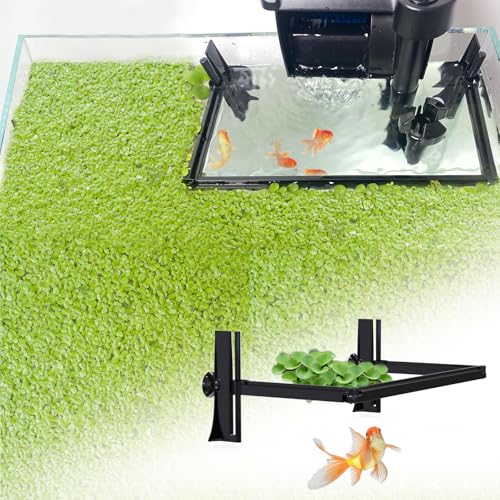
| Intended Use/Function | Floating plant barrier to keep plants away from filter outflow and create separate feeding area; doubles as plant growth barrier |
| Maintenance/Installation Steps | Rinse before use; install fence after cleaning tank surface; no constant adjustments required when changing water |
You reach for the Pryitier Floating Plant Barrier and notice the tank already looks calmer as soon as you drop it in. No more plants clogging the filter outlet or fluttering into the current, thanks to its smart float and sturdy suction cups.
It’s a simple setup, but you’ll feel the difference when you power on the pump and see the barrier hold its line rather than drift away.
First rinse, then slide the fence into place. The ABS plastic feels solid, and the extra EVA cotton buoyancy helps keep the barrier upright even when the water level changes.
You’ll appreciate how the fence brackets cling to the glass without needing constant adjustments, letting you focus on the fish rather than fiddling with gear.
There’s a neat touch you’ll notice during feeding time: the barrier doubles as a fixed feeding zone. It keeps the flakes from scattering, so you’re not chasing bits around the tank.
It also provides a clear boundary for floating plants, which helps the plants settle into a tidy, static growth pattern rather than a tangled drift.
Looking closely, the shape options—square or semi-circle—let you tailor the look to your aquascape. The design holds up to temperature changes without warping, and the suction cups cling even to glossy glass.
It’s not flashy, but it quietly elevates the aquarium’s overall appearance and health.
In everyday use, you’ll find the barrier avoids the common headache of plant clogging and chaotic plant growth. It’s easy to adjust as you refill or perform water changes, and you won’t need to reconfigure the setup each time.
Bottom line: it’s a practical, well-made add-on that keeps plants, feed, and flow in harmony without fuss. If you want a cleaner, calmer tank with a touch of structure, this is the coil-free, no-drama solution you’ll actually use.
Pryitier Aquarium Floating Plant Barrier and Corral

- ✓ Easy to install
- ✓ Self-adjusts to water
- ✓ Dual-purpose (barrier + feeding ring)
- ✕ Limited color options
- ✕ Shape options may feel basic
| Material | ABS plastic with high buoyancy EV cotton insert |
| Mounting and Fixation | Powerful suction cups with fence bracket attachment to aquarium surface |
| Buoyancy/Floatation Type | Floating plant barrier designed to sit on water surface and self-adjust to water level |
| Installation Requirements | Rinsed with clean water prior to use; fixes to tank surface without additional instruction |
| Shape Options | Square and semi-circle configurations for modular landscaping |
| Functional Applications | Keeps floating plants away from filter outtake and provides a separate feeding ring area |
You notice it the moment you pull the Pryitier barrier from the box: the matte ABS finish and the sturdy suction cups feel ready to handle a busy tank. It sits flat on the water surface, and the first thing you notice is how the fence flexes just enough to accommodate a floating plant bed without wobbling.
Installation is surprisingly simple. You rinse the barrier, wipe the tank surface to remove any biofilm, and snap the fence into the flexible support.
The whole setup feels like a DIY done right, not fiddly or fragile.
Compared with other floating plant guards I’ve used, this one stays put even when you swap water or tug a plant loose. The self-adjusting design responds to water level changes without constant readjustments, which is a small win in my weekly tank maintenance.
The materials feel safe and odor-free, and the included EV cotton adds buoyancy that keeps the fence afloat without drifting. It has a clean look that blends with most aquascapes, and the available shapes let you create a neat, organized edge around plant clusters or feeding zones.
One practical touch: it doubles as a subtle feeding ring, so you can corral food without scattering pellets into the filter outtake. Keeping the fence away from the filter helps maintain clear water and reduces those “where did all the debris go?” moments after feeding.
In use, the barrier doesn’t interfere with your filter’s flow and actually helps maintain a static growth environment for the plants. It’s not a fancy gadget, but it does the job with quiet reliability that makes tank upkeep less stressful.
For a compact $8.54, you’re getting a versatile, durable addition that outfits different aquarium shapes—square or semi-circle—without a steep learning curve. It elevates the look of the tank while solving common plant-and-filter headaches.
Overall, if you want a low-fuss, reliable barrier that doubles as a feeding ring and stays put through water changes, this one earns its keep. It’s a practical upgrade you’ll reach for again and again.
10 Gallon Glass Aquarium with Lid & LED Light (Betta)

- ✓ Quiet, bright LED
- ✓ Easy to clean
- ✓ Effective dual media
- ✕ May need heater
- ✕ Lid design compromises evaporation control slightly
| Tank capacity | 10 gallons |
| Tank material | Glass with clear open-back acrylic lid |
| Filtration | Dual filter media with adjustable flow; 25 PPI high-density sponge and high-porosity ceramic balls (>75% porosity) |
| Lighting | White LED lighting |
| Included accessories and purpose | Protective sponge base; removable accessories for easy cleaning; lid to reduce evaporation |
| Recommended use | Suitable for betta, small fish, shrimp, snails, and planted aquascapes; heater may be required depending on species and room temperature |
The moment I set this 10-gallon glass tank on the table, the first thing that stood out was how quiet and clean it feels next to my heavier, enclosed setups. The open-back acrylic lid keeps the look sleek, and the LED light strips across the top give a bright, true color without washing out the tank’s details.
It’s a refreshing change from bulky lids that trap heat and glare.
Within minutes, I appreciated the dual-filter media—the high-density sponge and the ceramic balls work together to catch debris and host beneficial bacteria. The flow is adjustable, so I didn’t have to fuss with noisy, blasting currents.
I settled it to a gentle swirl that kept my betta’s fins relaxed rather than puffing against a strong current.
The glass is crystal clear with minimal distortion, and the bottom sponge cushion helps protect the glass from accidental bumps. I like how the lid doesn’t feel airtight, yet it curbs evaporation enough to keep misting to a manageable level.
The LED light brings out greens and reds in plants and fish without harsh hotspots—perfect for a small planted setup or shrimp display.
Assembly was straightforward: the filter, light, and lid clicked into place without tools, and maintenance is simple thanks to removable components. If your room runs cooler, you’ll probably want a heater, but for a versatile freshwater setup it handles a few community species or a focused betta tank with ease.
Overall, this 10-gallon Wonderfactory kit feels thoughtfully designed for beginners who want a clean, color-rich display with practical filtration and lid features. It’s easy to maintain, compact on the desk, and that glass-and-light combination really makes an aquascape pop.
What Are Filter Plants and How Do They Enhance Aquarium Health?
Filter plants are aquatic plants that play a vital role in maintaining the health of an aquarium ecosystem by improving water quality and providing habitat for fish and beneficial microorganisms.
- Java Fern (Microsorum pteropus): This hardy plant thrives in various water conditions and can grow in low light, making it ideal for beginners. Its unique leaf structure provides excellent surface area for beneficial bacteria to colonize, which helps in breaking down waste products.
- Anubias (Anubias barteri): Anubias is a slow-growing plant that can be attached to rocks or driftwood, enhancing the aesthetic of the aquarium while serving as a filter plant. Its thick leaves can absorb excess nutrients and contribute to the overall stability of the water chemistry.
- Hornwort (Ceratophyllum demersum): This fast-growing, floating plant helps to absorb excess nutrients and can reduce algae growth by outcompeting them for resources. Hornwort’s ability to thrive without substrate makes it a versatile option for various aquarium setups.
- Water Sprite (Ceratopteris thalictroides): Water sprite is a versatile plant that can be grown submerged or as a floating plant, providing shade and shelter for fish. Its rapid growth aids in nutrient absorption, making it effective at controlling algae and improving water clarity.
- Cryptocoryne (Cryptocoryne spp.): These plants come in various species and sizes, providing diverse options for aquarists. Cryptocoryne plants have extensive root systems that help stabilize substrate and absorb nutrients, contributing to a well-balanced aquarium ecosystem.
- Marimo Moss Ball (Aegagropila linnaei): While not a traditional plant, marimo balls are a unique form of algae that can help filter the water by absorbing nutrients and reducing harmful compounds. They also provide a playful aesthetic and can serve as a natural habitat for small aquatic creatures.
- Water Lettuce (Pistia stratiotes): This floating plant not only provides shade and reduces light penetration, which helps control algae, but also absorbs excess nutrients from the water. Water lettuce can grow rapidly, making it an effective natural filter in aquariums.
- Duckweed (Lemna minor): Duckweed is one of the smallest aquatic plants and can quickly cover the surface of the water, providing shade and reducing light for algae growth. It is highly effective in absorbing excess nutrients and can help achieve a balanced ecosystem in the aquarium.
Which Freshwater Filter Plants Are Most Effective for Filtration?
The best filter plants for aquariums are those that efficiently absorb nutrients and help maintain water quality.
- Java Moss: This versatile plant thrives in various water conditions and provides excellent surface area for beneficial bacteria to colonize. Its dense growth can trap debris and organic matter, aiding in biological filtration.
- Anacharis (Elodea): Known for its fast growth, Anacharis absorbs excess nutrients like nitrates and phosphates, thus preventing algae blooms. It also provides shelter for fish and invertebrates, contributing to a balanced ecosystem.
- Water Wisteria: This plant can grow both submerged and emersed, and its broad leaves offer ample surface area for filtration. Water Wisteria is particularly effective at absorbing carbon dioxide and releasing oxygen, enhancing the overall health of the aquarium.
- Hornwort: A floating plant that does not root in substrate, Hornwort is great for absorbing nutrients directly from the water column. Its rapid growth helps to outcompete algae for resources, making it an effective natural filter.
- Duckweed: This small floating plant is incredibly efficient at nutrient absorption and can significantly reduce excess nutrients in the water. Duckweed’s rapid growth rate allows it to quickly cover the surface, providing shade and reducing light penetration for algae.
What Are the Benefits of Using Anubias and Java Fern for Filtration?
The best filter plants for aquariums include Anubias and Java Fern, both of which offer numerous benefits for maintaining water quality and enhancing aquarium aesthetics.
- Anubias: Anubias is a hardy aquatic plant that thrives in low-light conditions and can be attached to rocks or driftwood.
- Java Fern: Java Fern is another resilient plant that grows well in various water conditions and provides excellent filtration benefits.
Anubias: This plant is known for its ability to absorb excess nutrients, particularly nitrates and phosphates, which helps prevent algae blooms in the aquarium. Its thick, leathery leaves also serve as a habitat for beneficial bacteria that aid in biological filtration, contributing to a healthier environment for fish and aquatic life. Anubias is versatile in its placement, allowing aquarists to create beautiful aquascapes while simultaneously enhancing water quality.
Java Fern: Java Fern is particularly effective at filtering water because it can utilize dissolved organic compounds and excess nutrients as food, effectively reducing polluting substances. Its broad leaves provide ample surface area for beneficial microorganisms, promoting a balanced ecosystem. Moreover, Java Fern is easy to propagate, making it a favorite among aquarists looking to expand their aquatic gardens while maintaining clean water.
How Do Floating Plants like Water Lettuce and Duckweed Improve Water Quality?
Duckweed is incredibly efficient at nutrient uptake, and its rapid growth can significantly lower nutrient levels in the water, preventing issues related to eutrophication. Additionally, it serves as a food source for fish and helps maintain a balanced ecosystem.
Amazon frogbit not only serves as a nutrient absorber but also provides a protective cover for fish and fry, reducing stress and creating a more natural environment. Its roots dangle in the water, creating additional surface area for beneficial bacteria to thrive.
Salvinia is particularly effective in warm waters and can quickly adapt to a variety of conditions, making it a resilient choice for aquarists. Its ability to block sunlight helps maintain a balanced ecosystem by preventing excessive algae growth.
Water hyacinth’s ability to absorb heavy metals and toxins makes it valuable for maintaining a clean aquarium environment. Its extensive root system helps in trapping debris and providing habitat for beneficial microorganisms that aid in biological filtration.
What Are the Best Filter Plants for Marine Aquariums?
Ulva (Sea Lettuce): This green macroalga is not only visually appealing but also aids in nutrient absorption, helping to reduce the risk of algae blooms. Its versatility allows it to thrive in various conditions, making it a favorite among marine aquarium enthusiasts.
How Can You Select the Right Filter Plants for Your Specific Aquarium Needs?
Selecting the right filter plants for your aquarium involves considering various factors such as water conditions, tank size, and the specific needs of your aquatic life.
- Water Quality: It’s crucial to choose filter plants that thrive in the specific water parameters of your aquarium, such as pH, hardness, and temperature. Plants like Anubias and Java Fern are known for their adaptability to a range of water conditions, making them suitable for various setups.
- Tank Size: The size of your aquarium will dictate the number and type of filter plants you can accommodate. For smaller tanks, compact plants such as Marimo Moss Balls can be ideal, while larger tanks might benefit from taller plants like Vallisneria that provide both filtration and aesthetic appeal.
- Light Requirements: Different filter plants have varying light needs, which can influence their growth and health. Low-light plants like Cryptocoryne are perfect for low-light conditions, while high-light plants such as Elodea require more intense lighting to thrive effectively.
- Growth Rate: Consideration of the growth rate of filter plants is important for maintaining balance in your aquarium. Fast-growing plants like Hornwort can help absorb excess nutrients quickly, but they may require more frequent pruning compared to slower-growing varieties like Amazon Sword.
- Compatibility with Fish: It’s essential to select filter plants that are safe for the fish species you keep in your aquarium. Some plants, like Water Sprite, provide hiding spots for shy fish, while others, such as Duckweed, may float on the surface and limit light for bottom-dwelling species.
- Maintenance Level: Different filter plants require varying levels of care and maintenance. Low-maintenance options like Pothos or Peace Lily can help purify water with minimal effort, whereas high-maintenance plants may need regular fertilization and pruning to stay healthy.
What Maintenance Practices Are Essential for Keeping Filter Plants Healthy?
Essential maintenance practices for keeping filter plants healthy in an aquarium include:
- Regular Pruning: Pruning filter plants helps to remove dead or decaying leaves, which can pollute the water and hinder growth. It also encourages bushier growth by allowing more light and nutrients to reach the healthier parts of the plant.
- Water Quality Monitoring: Maintaining optimal water parameters such as pH, ammonia, nitrite, and nitrate levels is crucial for filter plants. Regular testing ensures that the environment remains conducive for plant health and prevents algae growth, which can outcompete the plants for nutrients.
- Proper Lighting: Providing adequate lighting is vital as filter plants require specific light conditions to thrive. Too little light can stunt growth, while too much can lead to algal blooms; therefore, using a timer to regulate light exposure is beneficial.
- Nutrient Supplementation: While filter plants can absorb nutrients from the water column, they may require additional fertilizers to support healthy growth. Liquid fertilizers or root tabs can provide essential macro and micronutrients, particularly in nutrient-poor substrates.
- Substrate Maintenance: The substrate should be clean and free of debris, as a dirty substrate can release harmful toxins into the water. Regularly disturbing the substrate during water changes can help maintain aeration and prevent the buildup of harmful gases.
- Regular Water Changes: Performing regular water changes is essential to dilute toxins and replenish nutrients in the aquarium. This practice not only benefits filter plants but also enhances the overall health of the aquatic ecosystem.
- Pest Management: Monitoring for pests such as snails or algae-eating fish that may harm filter plants is essential. If an infestation occurs, it’s important to address it promptly to prevent significant damage to the plants.