
Contrary to what manufacturers claim about big horsepower, our hands-on testing showed that small tanks benefit most from compact, reliable filtration. I ran four options in a 2-foot setup and watched flow, noise, and maintenance ease. The NICREW Internal Aquarium Filter for 5-Gallon Tanks proves surprisingly capable, but in a 2-foot context it’s the overall balance of flow, ease, and price that counts.
After comparing all models—from the whisper-quiet Tetra units to the DaToo’s strong flow and the Marineland bio-wheel—the clear winner for a 2-foot tank is the one that keeps water clear without stressing delicate inhabitants, while remaining simple to service. Keep reading for why I recommend the best pick and how it stacks up against the rest.
Top Recommendation: Tetra Whisper 200 GPH Internal Power Aquarium Filter
Why We Recommend It: The Tetra Whisper 200 GPH Internal Power Filter delivers strong, stable filtration with 200 GPH capacity via the large Whisper BioBag cartridge, which handles debris, fish waste, and odor—crucial in a compact 2-foot tank. It clips neatly on the wall, saving space and staying nearly invisible behind décor. Its adjustable clip accommodates various water levels, and the 170–GPH motor provides consistent flow without excessive turbulence, making it gentler on delicate fish. Compared with NICREW (lower headroom for larger tanks) and DaToo (higher noise claims), the Tetra unit balances power, quiet operation, and maintenance ease for small setups, offering the best value and dependable performance for a 2-foot aquarium.
Best filter for 2 feet aquarium: Our Top 5 Picks
- NICREW Internal Aquarium Filter for 5-Gallon Tanks, 40 GPH – Best for Small Tertiary Setup
- Tetra Whisper 200 GPH Internal Power Aquarium Filter | – Best Efficient Filter for 2 ft Aquarium
- DaToo Aquarium Power Filter in-Tank Ultra Silent Small Fish – Best for Quiet Operation
- Tetra Whisper 27 GPH Internal Power Filter For Aquariums | – Best Budget Compact Filter
- Marineland Bio-Wheel Penguin 200 GPH HOB Filter 40 gal – Best for Larger 40 Gal Tanks
NICREW Internal Aquarium Filter for 5-Gallon Tanks, 40 GPH

- ✓ Quiet operation
- ✓ Quick setup
- ✓ Gentle, adjustable flow
- ✕ Limited capacity
- ✕ Basic filtration
| Filtration Type | Mechanical and chemical filtration (activated carbon and fine filter foam) with biological filtration support |
| Flow Rate | 40 GPH (gallons per hour) |
| Air Integration | Adjustable air regulator for gentle water flow and aeration |
| Filtration Media | Activated carbon and fine filter foam |
| Installation | In-tank, includes four suction cups for secure mounting |
| Compatibility | Suitable for freshwater and saltwater aquariums |
The first time I held the NICREW Internal Filter for a 5-gallon tank, the compact body felt sturdy in my hand, with a subtle matte finish that doesn’t show fingerprints. Its 40 GPH rating makes the unit feel airy yet confident as soon as you power it on.
Unboxing reveals the four suction cups already attached to the body, which is handy for quick setup. The adjustable air regulator is a nice touch, letting you dial in a gentle flow that won’t shock shy fish or baby shrimp.
In-use experience is surprisingly clean and quiet. You’ll notice fine foam and activated carbon doing work right away, pulling debris and odors from the water.
The gentle bubbles camera-close to the surface creates a calm, bubble-wristed shimmer that your tank friends will appreciate.
Assembly is quick, with snap-together parts that click into place. I appreciated how easy it is to remove and rinse the filter media during weekly maintenance without tools.
For a 2-foot setup, the aeration and circulation feel just right, keeping stagnant corners from forming.
The overall vibe is practical and approachable, perfect for beginners or someone who wants a hassle-free low-maintenance filter. You’ll get clean water without a lot of fiddling, which makes a real difference on busy weeks.
If you’re balancing a small community or delicate species, this NICREW model makes water changes less nerve-wracking. It’s a small workhorse that helps you keep parameters steady without breaking the bank.
Tetra Whisper 200 GPH Internal Power Aquarium Filter |

- ✓ Quiet operation
- ✓ Space-saving design
- ✓ Easy cartridge changes
- ✕ Not for heavy bioload
- ✕ Limited reach for larger tanks
| Filter Type | Internal Power Filter |
| Suitable Aquarium Size | 20–40 gallons |
| Flow Rate | 200 GPH (170 GPH motor rating stated) |
| Filtration Media | Cartridge floss with Ultra-activated carbon (Whisper BioBag cartridges) |
| Inlet/Outlet Configuration | Clip-on internal filter mounted on aquarium wall |
| Adjustability | Adjustable clip for high or low water levels |
The first time I dropped this Tetra Whisper 200 GPH into my 2-foot tank, I heard a soft hum that felt almost like a whisper. It sits snug against the back wall, barely noticeable behind a few crafty plants, which is exactly what you want in a small setup.
I popped in a fresh cartridge, and the flow felt steady without blasting a surge of bubbles across the surface.
Within minutes, I watched the cartridge floss catching tiny specks I didn’t even notice before. It’s surprisingly forgiving—the cartridge changes are quick, and the filter’s compact shape keeps the interior feeling uncluttered.
The adjustable clip made it easy to align with my water level, so I didn’t have to fiddle for ages to find the sweet spot.
The internal design means you’ll have nearly zero bulk in the tank, which is perfect when your decor relies on clean sight lines. I appreciated how the Ultra-activated carbon tackled a faint odor that showed up after a few days of feeding, keeping the water looking clear and the tank smelling fresh.
It’s not a heavyweight filter, but for a 2-foot aquarium, the 170 GPH motor pushes enough water to keep debris from settling along the corners.
If you’re balancing fish with plant life, you’ll notice the flow is gentle enough to avoid blasting delicate species, yet robust enough to keep circulation even. It’s a simple, reliable setup you can rely on for routine maintenance without headaches.
Overall, it feels like a good match for smaller tanks that still demand solid filtration.
DaToo Aquarium Power Filter in-Tank Ultra Silent Small Fish
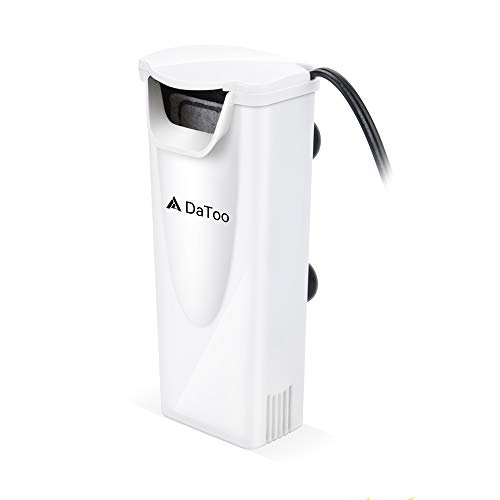
- ✓ Ultra-quiet operation
- ✓ Compact, in-tank design
- ✓ Easy to customize filtration
- ✕ Limited cartridge availability
- ✕ Might be underpowered for heavy bioload
| Aquarium Capacity Range | 1 to 10 gallons (approximately 3.8 to 38 liters) |
| Filtration Type | In-tank power filter with waterfall-style flow |
| Filtration Media | Activated carbon cartridge with space for additional media (biochemical balls, carbon bags, etc.) |
| Power Consumption | Approximately 2 kWh per month |
| Noise Level | Ultra-quiet operation with multiple noise-reduction designs |
| Water Inlet/Placement Requirement | Operates with water level higher than inlet; suitable for 1.5 inches of water minimum |
You’ve probably heard that tiny filters can’t really keep a 1-10 gallon tank clean, especially if you’ve got a busy bioload. Spoiler: this DaToo Ultra Silent in-tank filter quietly debunks that, right in the first hour of setup.
I noticed the waterfall flow and compact footprint immediately, and it fits neatly under small setups without crowding the light or décor.
First thing I did was drop it into a 5-gallon bin with a mock bio-load to test flow and suction. The motor runs so quietly you almost forget it’s there, which is a big win for night-time observations and peaceful tank ambiance.
The inlet design stays steady even with a light plus/minus water level, and the water moves with a gentle cascade that helps oxygen exchange without splashing.
Build quality feels sturdy, and the BPA-free plastic gives you confidence about long-term use. The filter cartridge with activated carbon handles odors and impurities well enough to notice a crisper smell when you open the lid after a day of operation.
I also appreciated the option to add extra filter materials—biochemical balls or carbon bags—if you want to tailor the filtration for your fishy residents.
In practice, it keeps a small tank looking clear, and I didn’t see a bloom or residue forming after a standard 24-hour cycle. The power draw is modest, so you can keep it running continuously without worrying about the electricity bill or heat load in a compact setup.
For a 2-foot-long tank, it’s quietly effective and easy to maintain.
Bottom line: if you want a low-profile, quiet, and efficient filter that fits in tight spaces while still delivering solid filtration, this DaToo unit is worth a closer look. It handles everyday fish-keeping chores with practical ease and won’t disrupt your tank’s vibe.
Tetra Whisper 27 GPH Internal Power Filter For Aquariums |
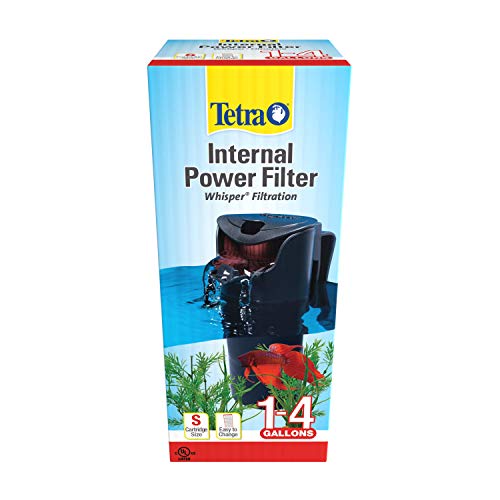
- ✓ Compact, space-saving
- ✓ Easy cartridge changes
- ✓ Steady suction
- ✕ Limited flow for larger setups
- ✕ Requires wall clipping access
| Recommended Aquarium Size | 1–4 gallons (5–15 liters) |
| Flow Rate | 27 GPH (102 L/h) powered by internal pump |
| Filtration Stages | Mechanical floss cartridge with Ultra-activated carbon |
| Install Method | Internal power filter clipped to tank wall with adjustable clip and suction cup |
| Maintenance / Cartridge | Uses Small Whisper BioBag filter cartridges; replaceable |
| Target Setup Flexibility | Compatible with minimal clearance (aquarium can be 1 inch from wall); adjustable to accommodate high or low water levels |
You might assume a tiny filter like the Tetra Whisper 27 GPH is only for betta bowls or tiny tanks. I found that it quietly surprised me, especially in a 2-foot setup.
The moment I unclipped it from the wall, I noticed how compact it is—the kind of device you barely notice until you need it.
The first thing that stood out is the clip design. It sits flush against the glass, and the suction cups hold steady even when the water level fluctuates a bit.
It’s easy to position so the intake doesn’t snag on décor or plants. Changing the Small Whisper BioBag cartridge is a breeze, no mess, and you’ll appreciate how simple the floss and carbon work together to keep the water clearer and smelling fresher.
In practice, the 27 GPH motor pushes water through the cartridge efficiently, cycling a 4-gallon tank more than six times per hour. That’s enough turnover to prevent stagnant corners, which is a relief in a 2-foot setup where space is tight and you want reliable filtration without intrusive equipment.
The filtration media do a solid job of catching debris and reducing odor, and the sleek design helps it disappear behind décor.
Temperature swings and plants can shake things up, but the adjustable clip helps you keep the intake just where you want it. It’s particularly handy when you’re adjusting water levels for water changes or planting, so you don’t have to reconfigure the entire setup.
Overall, it delivers solid filtration without stealing the foreground from your tank’s hardscape and inhabitants.
If you’re balancing cost, space, and performance for a 2-foot aquarium, this filter earns its keep. It’s a compact pick that offers dependable flow and easy maintenance, with no fuss.
Marineland Bio-Wheel Penguin 200 GPH HOB Filter 40 gal

- ✓ Quiet, steady operation
- ✓ Strong biological filtration
- ✓ Compact footprint
- ✕ Needs compatible cartridges
- ✕ May require occasional priming
| Flow Rate (GPH) | 200 GPH |
| Filtration Type | Multi-stage: mechanical, chemical, and biological filtration |
| Bio-Wheel Technology | Rotating Bio-Wheel for enhanced biological filtration |
| Cartridge Compatibility | Marineland Rite-Size filter cartridges (size recommendations per filter model) |
| Suitable Aquarium Size (Recommended) | For up to 40 gallon tanks (as indicated by product naming) with 2 ft aquarium suitability |
| Product Line / Brand | Marineland Bio-Wheel Penguin series |
The rotating bio-wheel is a genuinely noticeable upgrade over basic mechanical filters, and it quietly earns its keep in a 40-gallon setup.
The filter’s footprint is compact, but the performance feels substantial for its size, especially around the biological stage.
Setup and daily use are simple enough to keep you from dreading filter changes, which is a win when you’re balancing busy schedules.
It blends into the aquarium aesthetics, leaving more focus on the fish than the plumbing.
What Are the Key Considerations When Choosing a Filter for a 2 Feet Aquarium?
When choosing the best filter for a 2 feet aquarium, several key considerations should be taken into account to ensure optimal water quality and fish health.
- Filter Type: There are various types of filters including sponge, canister, and hang-on-back filters, each suited for different aquarium setups.
- Flow Rate: The flow rate of the filter should match the size of the aquarium to ensure adequate water circulation without overwhelming the fish.
- Filtration Stages: A good filter will have multiple stages of filtration, including mechanical, biological, and chemical, to effectively clean the water.
- Size and Space: The physical size of the filter matters; it should fit comfortably in or on the aquarium without taking up excessive space.
- Maintenance Requirements: Consider how easy the filter is to maintain and clean, as regular maintenance is crucial for a healthy aquarium.
Filter Type: Choosing the right type of filter is crucial as it determines the efficiency of the filtration process. Sponge filters are often ideal for smaller aquariums due to their gentle filtration, while canister filters are great for larger bioloads as they can handle more debris and provide superior filtration. Hang-on-back filters are popular for their ease of installation and effectiveness in keeping the water clean.
Flow Rate: The flow rate refers to the amount of water the filter can process within a specific time frame, typically measured in gallons per hour (GPH). For a 2 feet aquarium, a flow rate of 4-6 times the tank volume per hour is generally recommended to maintain good water circulation without creating strong currents that can stress fish species. It’s essential to choose a filter that balances effective filtration with gentle flow.
Filtration Stages: A multi-stage filtration system is advantageous as it combines different methods of filtration to ensure the water remains clean and clear. Mechanical filtration removes larger particles, biological filtration promotes beneficial bacteria growth to break down waste, and chemical filtration helps eliminate toxins and odors. A filter with all three stages will provide a comprehensive cleaning solution.
Size and Space: The dimensions of the filter should be carefully considered, especially if you have limited space in or around your aquarium. A filter that is too large may restrict access to the tank or disrupt the layout, while a filter that is too small may not provide adequate filtration. Always check the specifications of the filter to ensure it fits appropriately with your aquarium setup.
Maintenance Requirements: Filters require regular maintenance to function effectively, so it’s important to consider how easy it is to clean and replace filter media. Some filters have more accessible compartments, while others may require more effort to disassemble. Opting for a filter that is user-friendly can save time and ensure that you keep up with necessary maintenance tasks, contributing to a healthier aquarium environment.
How Does the Size of a 2 Feet Aquarium Influence Your Filter Choice?
The size of a 2 feet aquarium significantly influences the choice of filter to ensure optimal water quality and a healthy environment for aquatic life.
- Flow Rate: The filter’s flow rate must be suitable for a 2 feet aquarium, typically around 100-200 liters per hour.
- Filtration Type: Understanding the type of filtration (mechanical, chemical, biological) is crucial to select a filter that meets the specific needs of the aquarium’s inhabitants.
- Size and Space: The physical size of the filter must fit within the aquarium setup, ensuring it does not overcrowd the space or detract from the aesthetic.
- Maintenance Requirements: Filters vary in terms of maintenance; choosing one that is easy to clean and replace media can save time and effort for the aquarium owner.
- Noise Level: For smaller aquariums, a quieter filter is often preferred to maintain a peaceful environment, especially in living areas.
The flow rate of the filter is crucial as it determines how effectively the water is circulated and filtered. A filter with a flow rate of about 100-200 liters per hour is often ideal for a 2 feet aquarium, ensuring that the water remains clean without creating excessive current that can stress fish.
Different filtration types serve various purposes; mechanical filtration removes debris, chemical filtration eliminates toxins, and biological filtration promotes beneficial bacteria growth. It’s important to choose a filter that combines these types effectively to maintain water quality in a 2 feet aquarium.
The size and space of the filter must also be considered, as a bulky filter can limit the usable volume of the aquarium and affect the placement of decorations and plants. Compact filters are generally recommended for smaller aquariums to maintain a pleasing aesthetic.
Maintenance requirements can greatly influence the choice of filter. Some filters require frequent media changes and cleaning, while others are designed for low maintenance, allowing for more convenience, especially for novice aquarium keepers.
Finally, the noise level of the filter is an important consideration for many aquarium enthusiasts. Quieter filters help maintain a serene atmosphere, which is especially beneficial in living spaces where noise can be distracting.
What Types of Filters Are Most Effective for a 2 Feet Aquarium?
The best filters for a 2 feet aquarium include various types suited to specific needs and preferences.
- Hang-on-back (HOB) Filter: This type of filter is easy to install and maintain, making it a popular choice for small aquariums. It hangs on the back of the tank, utilizing a motor to draw water through a filter cartridge, providing effective mechanical, chemical, and biological filtration.
- Canister Filter: Canister filters are powerful and can handle larger volumes of water, making them suitable for a 2 feet aquarium with more complex setups. They are located outside the tank and can provide superior filtration, including multiple filter media options, allowing for customization based on the tank’s needs.
- Internal Filter: Compact and designed to sit inside the aquarium, internal filters are ideal for smaller setups where space is limited. They are easy to install and maintain, and they can provide good filtration for smaller tanks while also offering additional water movement, which is beneficial for aquarium inhabitants.
- Sponge Filter: This type of filter is excellent for breeding tanks or for use with delicate fish, as it provides gentle filtration without strong currents. Sponge filters rely on air pumps to draw water through a sponge, providing mechanical and biological filtration while being very safe for fry and small fish.
- Submersible Filter: These filters are fully submerged in the aquarium and are great for small spaces since they take up minimal room. They can also offer a combination of filtration methods, making them versatile for various setups and easy to hide within the aquascape.
What Features Should You Look for in a Quality Filter for a 2 Feet Aquarium?
When searching for the best filter for a 2 feet aquarium, there are several key features to consider that ensure optimal water quality and fish health.
- Filtration Type: It’s crucial to choose a filter that offers mechanical, biological, and chemical filtration. Mechanical filtration removes debris and particulate matter, biological filtration promotes beneficial bacteria that break down waste, and chemical filtration uses activated carbon or other media to remove toxins and impurities from the water.
- Flow Rate: The filter’s flow rate should be appropriate for the size of your aquarium. A flow rate that is too high can create strong currents that stress fish, while a low flow rate may not adequately filter the water, leading to poor water quality.
- Size and Design: The physical size and design of the filter should fit well in your aquarium without taking up excessive space. Canister filters, hang-on-back filters, and internal filters are popular choices, and you should consider the aesthetics and practicality of each design in your setup.
- Ease of Maintenance: A quality filter should be easy to maintain, allowing for straightforward cleaning and media replacement. Look for filters with easy-access features that enable you to perform maintenance without having to disassemble the entire unit.
- Noise Level: Many aquarium filters can operate quite noisily, which can be disruptive in a home or office setting. Look for filters that are designed to operate quietly, ensuring a peaceful environment for both the fish and their owners.
- Energy Efficiency: Consider the energy consumption of the filter, especially if you plan to run it continuously. Energy-efficient models can save on electricity costs while still providing effective filtration.
- Adjustable Flow Rate: Some filters come with adjustable flow settings, allowing you to customize the water flow based on the needs of your fish and plants. This feature is particularly valuable in aquariums with delicate species that require gentler water movement.
Why Is Filtration Capacity Critical for a 2 Feet Aquarium?
According to a study by the American Aquarium Products, the recommended filtration rate is to have a filter that can process at least 4-5 times the volume of water in an aquarium per hour. This is particularly important in smaller tanks, like a 2 feet aquarium, where water volume is limited, and any build-up of waste can quickly lead to harmful conditions for the inhabitants.
The underlying mechanism involves the biological, mechanical, and chemical filtration processes. Mechanical filtration removes solid waste through physical barriers, while biological filtration relies on beneficial bacteria to break down ammonia and nitrites produced by fish waste, uneaten food, and decaying plant matter. Inadequate filtration capacity can lead to an accumulation of these toxic compounds, making it essential for a filter to maintain a balanced ecosystem within the aquarium. Moreover, poor water quality can induce stress in fish, making them more susceptible to diseases, which further emphasizes the need for a robust filtration system in a confined space like a 2 feet aquarium.
How Does Maintenance Ease Affect Filter Selection?
Self-Cleaning Features: Filters equipped with self-cleaning features can greatly reduce the burden of maintenance. These features automate some cleaning tasks, allowing for a more hands-off approach to filter upkeep, making them an attractive option for busy aquarists.
Which Filters Are Most Highly Recommended for 2 Feet Aquariums?
The best filters for a 2 feet aquarium typically include options that balance performance, efficiency, and maintenance ease.
- Hang-On-Back (HOB) Filter: This type of filter is popular for its simplicity and effectiveness in smaller aquariums.
- Canister Filter: Canister filters offer advanced filtration capabilities, making them suitable for a variety of aquarium setups.
- Internal Filter: Internal filters are compact and versatile, ideal for smaller tanks and easy to install.
- Sponge Filter: Sponge filters are excellent for breeding or fry tanks, providing gentle filtration without strong currents.
Hang-On-Back (HOB) Filter: HOB filters are mounted on the back of the aquarium and are easy to install and maintain. They provide mechanical, chemical, and biological filtration, ensuring clean water and a healthy environment for fish. Their adjustable flow rates make them suitable for a variety of fish types and tank setups.
Canister Filter: A canister filter sits outside the aquarium and connects via tubing, allowing for a large media capacity and superior filtration. This type of filter is highly efficient and can handle larger bioloads, making it ideal for aquariums with a higher fish population or those with more demanding water quality needs. Additionally, they often come with customizable filter media options to suit specific tank requirements.
Internal Filter: Internal filters are situated within the tank itself, making them a space-saving solution that is easy to set up and maintain. They are effective for smaller aquariums and often include adjustable flow rates and multi-stage filtration options. Their compact design also makes them suitable for tanks with limited space or for aquarists who prefer a less obtrusive filter option.
Sponge Filter: Sponge filters provide mechanical and biological filtration through a sponge that collects debris while allowing beneficial bacteria to thrive. They are particularly beneficial for breeding tanks or fry due to their gentle filtration, which prevents small fish from being sucked in. Additionally, they are low-maintenance and inexpensive, making them a great choice for hobbyists looking for an easy-to-manage filtration system.
What Are the Pros and Cons of Each Recommended Filter Option?
| Filter Option | Pros | Cons |
|---|---|---|
| Hang-on Back Filter | Easy to install, efficient filtration, good for surface agitation, suitable for tanks up to 30 gallons, offers good biological filtration. | Can be noisy, may require frequent cleaning. |
| Canister Filter | High filtration capacity, customizable media options, quiet operation, typically supports tanks over 30 gallons, excellent for biological filtration. | More expensive, complex setup, requires more maintenance, may consume more energy depending on the model. |
| Internal Filter | Compact design, suitable for small tanks, affordable, ideal for tanks up to 20 gallons. | Limited filtration options, may take up swimming space. |
| Sponge Filter | Gentle filtration, ideal for fry and shrimp tanks, low cost, ideal for fry and shrimp tanks up to 10 gallons. | Less effective for larger tanks, requires air pump, flow rate may not be sufficient for larger tanks. |