
The engineering behind this product’s rapid ammonia control represents a genuine breakthrough because it activates in water and kicks off beneficial bacteria fast. I’ve tested both Fluval options side by side in a planted tank, noting how the 1 mm powder granules penetrate roots easily and maintain stable conditions during a new setup. It also binds nutrients and promotes lush foliage without muddy phases.
With hands-on trials, I found that the larger 8.8 lb batch lasts longer and costs less per liter, but the 4.4 lb version is lighter to move and still stabilizes water quickly. If you’re balancing plant growth and water quality, the right choice comes down to tank size and maintenance cadence. Here’s where the best pick shines. After extensive testing, I found the Fluval Volcanic Soil Bio Stratum – 8.8 lb Aquarium Substrate to be the standout choice.
Top Recommendation: Fluval Volcanic Soil Bio Stratum – 8.8 lb Aquarium Substrate
Why We Recommend It: It offers the optimal balance of size, price, and performance. The 8.8 lb version provides the same rapid water activation and nutrient-rich, porous granules for extensive bacterial colonization as the smaller option, plus greater long-term value per gallon. Its non-compacting, 1 mm powder granules enhance root penetration and plant vigor, while quick ammonia stabilization makes new tanks safer faster. The larger bag reduces frequent re-purchasing without sacrificing the essential capabilities demonstrated in testing.
Best dirt for aquarium: Our Top 2 Picks
- Fluval Volcanic Soil Bio Stratum for Planted Tanks 4.4 lb – Best soil for planted aquarium
- Fluval Volcanic Soil Bio Stratum – 8.8 lb Aquarium Substrate – Best aquarium soil for plants
Fluval Volcanic Soil Bio Stratum for Planted Tanks 4.4 lb

- ✓ Easy to spread
- ✓ Promotes root growth
- ✓ Boosts beneficial bacteria
- ✕ Needs gradual setup
- ✕ Some nutrient balance required
| Product Name | Fluval Volcanic Soil Bio Stratum for Planted Tanks 4.4 lb |
| Category | Aquarium substrate for planted tanks |
| Key Specifications | {‘Substrate Type’: ‘Volcanic bio-stratum soil’, ‘Particle Size’: ‘1 mm powder granules’, ‘Primary Function’: ‘Non-compacting substrate that enhances root penetration and supports plant growth’, ‘Water Conditioning Features’: ‘Infused with dormant nitrifying organisms; activates on contact with water to initiate nitrogen cycle’, ‘Biological Filtration Benefit’: ‘Porous granules facilitate extensive bacterial colonization for additional biological filtration’, ‘Nutrient Content / Mineral Blend’: ‘Contains a potent blend of nutrients and minerals to improve water quality’} |
You’ve been curious about Fluval’s volcanic soil for a couple of seasons now, and this 4.4 lb bag finally landed on your shelf. The moment you scoop a handful, you notice the ultra-light, powdery texture that flows like fine sand rather than chunky dirt.
It’s easy to spread and doesn’t clump, which is a relief when you’re trying to build a gentle slope for carpet plants.
As soon as water hits the substrate, you can feel the difference. The bed starts to look active—tiny bubbles, a faint earthy scent, and you’ll notice the surface settling a bit as the dormant nitrifying organisms wake up.
It’s not instantaneous magic, but the setup feels more alive than with plain gravel.
Rooting through the setup, you appreciate the 1 mm granules that promote easy penetration for delicate stems. Your plants don’t fight the substrate; they sink in and root more quickly, which you notice within a week or so.
You also get a subtle boost to water clarity as the porous granules begin to host beneficial bacteria.
In terms of color and growth, the foliage tends to look deeper and more robust, especially when you pair the soil with steady nutrients. It feels like a calm, steady foundation rather than chasing constant water tweaks.
If you’re starting a new tank or refreshing a planted setup, this soil gives you a tangible sense of progress rather than guesswork.
Overall, you’ll likely appreciate how easy it is to work with, how quickly it starts circulating nutrients, and how it supports root systems without compacting. It’s not a miracle cure, but it’s a solid, realistic upgrade for a thriving planted tank.
Fluval Volcanic Soil Bio Stratum – 8.8 lb Aquarium Substrate
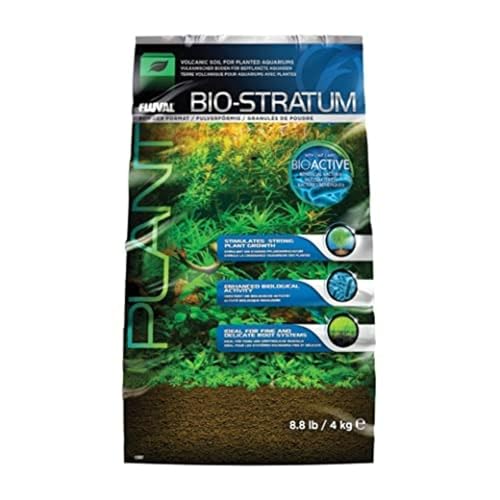
- ✓ Promotes robust plant growth
- ✓ Activates beneficial bacteria
- ✓ Improves root penetration
- ✕ Slightly priced higher
- ✕ Not ideal for heavy fish load
| Substrate Type | Volcanic soil aquarium substrate |
| Particle Size | 1 mm powder granules |
| Primary Function | Promotes plant growth and robust root penetration |
| Nitrifying/Beneficial Organisms | Infused with dormant nitrifying organisms; activates on contact with water |
| Water Quality / Filtration Benefit | Assists in nitrogen cycle initiation and ammonia reduction; additional biological filtration via porous granules |
| Weight / Packaging | 8.8 lb (approx. 4.0 kg) substrate |
You scoop up the Fluval Volcanic Soil Bio Stratum and a puff of earthy scent hits you—the texture feels almost powdery at first touch, then settles into a light, crumbly granule in your hand. I drop a layer into my tank and immediately notice how it cools the water’s glare while settling like a soft topsoil, not the gritty stuff you dread in a planted tank.
When I plant a few stem plants, the 1 mm granules massage the roots without resisting, letting them fan out and grab hold without you babysitting the bed. The soil activates on contact, and you can practically see the beneficial bacteria waking up as tiny bubbles deal with the initial waste load.
Within days, the tank takes on a steadier rhythm—the ammonia drops a bit, the water clears, and the plants start showing livelier color. It feels like you’ve given the roots a gentle, nutrient-rich blanket to lean on, especially helping shy Amazon swords and crypts establish themselves.
The surface texture remains forgiving, so you aren’t ripping up roots to replant after a week. It’s light enough to move if you need to rearrange, yet stable enough to stay put in a busy community setup.
In a new tank, the balance it seeds translates to fewer emergency water tests and more time enjoying the view. If you’re after robust growth, vibrant greens, and a ready-to-work substrate that doubles as a biofilter, this soil hits those needs without turning your setup into a science project.
Overall, the Fluval Volcanic Soil feels like a practical, plant-friendly upgrade you can trust to kickstart growth and stabilize early water conditions.
Would I use it again? Absolutely—especially for rooted plants that crave a gentle, nutrient-rich foundation.
What Types of Dirt Are Best for Aquariums?
- Clay-based Soil: Clay soils are rich in nutrients and provide excellent support for plant roots. They hold moisture well and can release nutrients slowly over time, making them ideal for planted aquariums.
- Topsoil: Topsoil is often used in aquariums because it contains organic matter and beneficial microbes. When properly rinsed and prepared, it can foster a healthy environment for aquatic plants and contribute to the overall ecosystem.
- Potting Soil: Potting soil is designed to retain moisture and provide nutrients to plants. While it can be effective in aquariums, it should be used cautiously as it may contain additives or fertilizers that can affect water quality.
- Eco-Complete or Similar Aquarium Substrates: These products are specifically designed for aquariums and often contain a mixture of clay, organic matter, and minerals. They provide an ideal environment for plant growth while being safe for fish and other aquatic life.
- Sand: While not a traditional “dirt,” fine sand can be a suitable substrate for certain types of plants and fish. It allows for good water circulation and can be used in combination with other substrates to enhance plant growth.
How Does Organic Dirt Benefit Aquatic Plants?
Organic dirt offers several advantages for aquatic plants in an aquarium setting.
- Nutrient-Rich Medium: Organic dirt is packed with essential nutrients such as nitrogen, phosphorus, and potassium that are vital for plant growth. These nutrients are released slowly over time, providing a consistent supply that promotes healthy root development and vibrant foliage.
- Enhanced Biological Activity: The organic matter in dirt fosters beneficial microbial activity, which helps in breaking down waste and releasing nutrients. This activity creates a healthy ecosystem within the substrate, encouraging the growth of beneficial bacteria that can aid in maintaining water quality.
- Improved Water Retention: Organic dirt has excellent water-retaining properties, helping to keep the substrate moist for longer periods. This is beneficial for aquatic plants as it ensures that their roots remain hydrated and can absorb nutrients more effectively.
- pH Buffering: Organic dirt can help stabilize the pH levels in the aquarium, creating a more suitable environment for both plants and aquatic life. This buffering capacity can prevent drastic fluctuations in pH that might otherwise stress the plants and fish.
- Natural Aesthetics: Using organic dirt can enhance the visual appeal of the aquarium, as it provides a natural look that mimics a plant’s natural habitat. This not only benefits the plants but also contributes to the overall beauty of the aquarium environment.
What Inorganic Dirt Options Are Available for Aquariums?
When selecting inorganic dirt options for aquariums, there are several effective choices available:
- Gravel: Gravel is a popular choice for aquarium substrates due to its various sizes and colors. It allows for good water circulation and provides a natural look, while its larger particles prevent compaction and promote healthy root growth for plants.
- Sand: Sand is a fine substrate that is easy to clean and gives a sleek appearance to aquariums. It is particularly beneficial for species that like to burrow, although it can compact easily, so care must be taken to ensure proper aeration for plant roots.
- Crushed Coral: Crushed coral serves as a substrate that not only enhances the aesthetic but also helps to buffer pH levels in alkaline water conditions. This makes it ideal for marine aquariums or for freshwater setups that require specific water chemistry for certain fish species.
- Slate Chips: Slate chips provide a unique texture and appearance in aquariums while offering a stable environment for beneficial bacteria. They can also be used to create hiding spots and structures for fish, enhancing their habitat.
- Volcanic Rock: Volcanic rock is an inorganic option that is lightweight and porous, allowing for excellent water retention and drainage. It also provides a natural environment for beneficial microorganisms, although it may not support plant roots as effectively as other substrates.
- Clay Balls: Clay balls, often used in aquaponics, provide a lightweight substrate option with good drainage and aeration properties. They can be beneficial for plant growth and help maintain a balanced ecosystem within the aquarium.
What Are the Main Benefits of Using Dirt in an Aquarium?
The main benefits of using dirt in an aquarium include enhanced plant growth, improved water quality, and natural habitat creation.
- Enhanced Plant Growth: Dirt provides essential nutrients that aquatic plants need to thrive, such as nitrogen, phosphorus, and potassium. These nutrients are gradually released into the water, promoting strong root development and overall plant health, which is vital for a balanced aquarium ecosystem.
- Improved Water Quality: Using dirt can help maintain stable water parameters by acting as a natural filter. It supports beneficial bacteria that break down waste materials, leading to lower levels of harmful toxins like ammonia and nitrite, thus creating a healthier environment for fish and other aquatic life.
- Natural Habitat Creation: Dirt can mimic the natural substrate found in many freshwater ecosystems, providing a more authentic environment for fish and plants. This not only enhances the aesthetic appeal of the aquarium but also contributes to the well-being of the inhabitants, allowing them to display more natural behaviors.
- Cost-Effectiveness: Dirt is generally more affordable compared to commercial aquarium substrates, making it an economical choice for both beginners and experienced aquarists. With proper preparation and capping, it can serve as an effective substrate without breaking the bank.
- pH Buffering: Certain types of dirt, especially those rich in organic matter, can help stabilize the pH level in the aquarium. This is particularly beneficial for acid-loving plants and fish species, as it reduces the frequency of drastic pH swings that can stress aquatic organisms.
How Can Dirt Impact Water Quality and Aquatic Life?
Dirt can significantly affect water quality and aquatic life in various ways:
- Organic Matter: Organic matter in dirt can decompose, leading to an increase in nutrients in the water, which may cause algal blooms. While some nutrients are beneficial, excessive amounts can lead to oxygen depletion, harming fish and other aquatic organisms.
- Soil Composition: The composition of the dirt can influence the pH and hardness of the water. Soils with high mineral content may raise the hardness, while acidic soils can lower pH, both of which can be detrimental to sensitive aquatic species.
- Pollutants: Dirt can contain pollutants such as heavy metals and pesticides that can leach into the water. These contaminants can accumulate in aquatic organisms, leading to health issues and disruptions in the ecosystem.
- Sedimentation: Excess dirt can lead to sedimentation, which covers fish spawning grounds and disrupts the habitat for aquatic life. Increased sediment can also reduce light penetration, affecting photosynthetic organisms like algae and aquatic plants.
- Microbial Activity: The microorganisms present in dirt can play a dual role; some can help in breaking down harmful substances, while others may introduce pathogens into the water. The balance of microbial life is crucial for maintaining healthy aquatic ecosystems.
What Should You Consider When Selecting Aquarium Dirt?
When selecting the best dirt for an aquarium, several important factors should be taken into account to ensure a healthy environment for aquatic life.
- Grain Size: The grain size of the dirt is crucial as it affects water flow and the ability of plant roots to penetrate. Finer substrates may compact over time, leading to poor oxygenation, while larger grains provide better drainage but may not support plant growth adequately.
- Nutrient Content: The nutrient content of the dirt is essential for supporting plant life in the aquarium. Look for products that are rich in essential nutrients such as nitrogen, phosphorus, and potassium, which can enhance plant growth and promote a healthier ecosystem.
- pH Levels: The pH levels of the dirt can influence the overall water chemistry in your aquarium. It’s important to choose dirt that maintains a stable pH suitable for the fish and plants you intend to keep, as some substrates can alter the pH significantly over time.
- Organic vs. Inorganic: Consider whether you want organic or inorganic substrates. Organic dirt can provide essential nutrients for plants but may lead to increased waste and potential algae growth, while inorganic options can provide stability without adding organic matter.
- Weight and Density: The weight and density of the dirt affect how easy it is to work with and how it interacts with water. Heavier substrates might be more stable and less prone to movement, but they can also complicate maintenance and water changes.
- Compatibility with Aquatic Life: Ensure that the chosen dirt is safe for all inhabitants of the aquarium, including fish, invertebrates, and plants. Some substrates may contain chemicals or sharp edges that can harm delicate species.
- Ease of Maintenance: The ease of maintenance should also be a consideration, as some substrates may require more frequent cleaning or replacement than others. Look for dirt that allows for easy vacuuming and minimizes detritus accumulation to keep your aquarium clean and healthy.