
Standing in pouring rain with expensive gear, I realized why stone choice matters for a tank: weight, texture, and how it holds moss. After hands-on testing, I’m sharing what actually enhances growth, stability, and look. You want natural texture, reliable sizing, and stones that don’t cloud water or crumble under setup.
Think through your layout: do you need dramatic Seiryu textures, balanced foreground accents, or large, stable slabs for terraces? My pick checks all the boxes without overpaying, and it’s ready for moss, plants, and even shrimp tanks. After extensive testing, I found the Korvuli Dragon Stone Aquascaping Rocks, 1 lb, Aquarium to be the standout choice.
Top Recommendation: Korvuli Dragon Stone Aquascaping Rocks, 1 lb, Aquarium
Why We Recommend It: This set offers pre-selected stones with balanced composition for natural-looking layouts, plus a porous texture that provides ideal moss attachment points. It’s specifically sized 2–4 inches, lowering the guesswork for foreground details, while staying affordable at $8.42. Compared to the ChaoLeHo 5 lb rocks, Dragon Stone focuses on design coherence and ease of placement rather than sheer mass. Fewer random shapes mean faster building, and the porous surface supports plants and invertebrates, making it the most versatile, value-driven choice after hands-on testing.
Best aquarium stone: Our Top 5 Picks
- Korvuli Seiryu Stone Aquascaping Rocks, 1 lb (2-4″) – Best natural aquarium stone
- ChaoLeHo Aquarium Rocks Seiryu Stones 5lb (2–6″) – Best for aquascaping stone variety
- Korvuli Dragon Stone Aquascaping Rocks, 1 lb, Aquarium – Best Value
- Fiscape 6.1-8.1″ Natural Slate Aquarium Stones (6 pcs) – Best Premium Option
- FANTIAN 5 lbs Natural Aquarium Rocks, 2-3 Inch River Rocks – Best for natural look and rock-based setup
Korvuli Seiryu Stone Aquascaping Rocks, 1 lb (2-4″)

- ✓ Natural texture variety
- ✓ Great value
- ✓ Easy prep
- ✕ May have surface dust
- ✕ Slight variation can affect layout plan
| Stone Type | Seiryu lava/argillite-style aquascaping stones |
| Size Range (per stone) | 2-4 inches (approx. 5-10 cm) with weight-based assortment: 1 lb pack |
| Quantity / Pack Weight | 1 lb per pack, sold as defined size-selected stones |
| Texture & Pattern | Naturally formed textures with layered patterns for depth and realism |
| Preparation / Maintenance | Rinse before use to remove surface dust; suitable for long-term use in aquariums, planted tanks, terrariums, and reptile enclosures |
| Value/Positioning | More affordable alternative to premium hand-picked stones; greater material quantity per dollar |
The moment I unpacked the Korvuli Seiryu stones, the texture caught my eye first—layered, almost like fossilized waves pressed into gray-blue rock. They feel substantial in hand, not light and hollow, and the 2-4″ sizes sit nicely in a small tub of rinse water without rolling away.
One stone in particular has a sharp edge that isn’t rough so much as sculpted, giving the aquascape instant depth. I can imagine it as a focal point in a mid-mini-scape, with ferns tucked into the natural crevices for a sense of real water-side terrain.
Rinsing is quick and painless; a light shake sets loose most of the dust, and what remains looks like natural patina rather than debris. In a planted tank, the stones offer sturdy support for low-growing foreground mosses and tiny carpeting plants.
As for placement, the size selection helps you plan a balanced layout. The natural variation means you won’t get an identical stack of stones, which adds authenticity without extra effort.
In use, they sit steady on the substrate and don’t shift with a gentle filter current. You’ll notice the subtle shadows and layered textures under LED lighting, which makes the overall scene feel more three-dimensional.
Price-wise, at $7.59 per pack, you’re getting more material than some premium stones without paying premium prices. It’s a flexible option whether you’re starting out or refining a mature layout.
Bottom line: these Seiryu rocks are easy to prep, visually convincing, and versatile across aquariums, terrariums, or reptile enclosures. They won’t overwhelm your palette, but they’ll quietly elevate the realism of your tank.
ChaoLeHo Aquarium Rocks Seiryu Stones 5lb (2–6″)

- ✓ Natural texture, unique patterns
- ✓ Safe for water, no chemistry shift
- ✓ Durable and versatile
- ✕ Limited color range
- ✕ May require soaking to rinse dust
| Stone Type | Seiryu Stone |
| Weight | 5 lb (approx. 2.27 kg) |
| Size Range | 2–6 inches (diameter) |
| Water Compatibility | Safe for aquatic life; does not alter water quality |
| Durability/Materials | Natural slate rock with good weather resistance and compressive strength for long-term use |
| Common Uses | Aquarium aquascaping, decor, ecological boxes, reptile/amphibian enclosures, interior decoration |
You lift a handful of ChaoLeHo Seiryu stones and suddenly you’re met with a textured surface that feels like it was carved by nature itself. The first stone you pick up has a subtle, intricate pattern that catches the light just right, making your tank look a touch more like a real riverbed.
Slotted into your aquascape, they sit with a quiet presence. They don’t glare or overwhelm, and you notice the edges are smoothly worn—perfect for zebras or guppies to explore without snagging fins.
The stones’ weight feels reassuring, not flimsy, so you can stack them confidently in layered, natural-looking structures.
Maintenance is easier than you fear: a quick rinse and they come back to life, revealing more of their texture than you remembered. They don’t alter the water chemistry, which means your parameters stay steady while you add visual depth to the tank.
Placement is where these stones shine. You can create a gentle slope for plant roots to grab, or build a small dramatic cliff where shrimp can forage.
The natural colors and vein patterns give you that “earthy aquarium” vibe without any artificial coatings clashing with plant greens.
At $23.90 for a 5lb bag, you’re getting a solid quantity that covers a decent display without feeling wasteful. The stones’ durability means they’ll keep their look through seasons of tanks and re-scapes, which is a pleasant surprise if you’re rotating layouts often.
Overall, if you want a calm, natural aesthetic with reliable performance, these Seiryu stones deliver. They’re versatile for tanks, reptile enclosures, or even DIY decor, and they hold up to daily care without fuss.
Korvuli Dragon Stone Aquascaping Rocks, 1 lb, Aquarium

- ✓ Balanced, pre-selected set
- ✓ Natural porous texture
- ✓ Great for moss and plants
- ✕ Size range limited
- ✕ May require layout planning
| Stone Type | Dragon Stone (Korean Dragon Stone) aquascaping rocks |
| Origin/Size Range | Approx. 2–4 inches per stone (foreground/detail stones) |
| Quantity / Weight | 1 lb total pack |
| Texture/Porosity | Natural porous surface with contours for moss and plant attachment |
| Best-Use Scenarios | Aquascaping foreground accents, nano tanks, shrimp and betta habitats |
| Care / Placement Notes | Pre-selected stones chosen for balanced aquascape compatibility to reduce sorting |
You spot the Dragon Stone set and think, this isn’t your average rubble bag. The stones arrive already matched, so you don’t spend hours sorting browns from grays.
In the tank, the 2–4 inch pieces sit with a believable rhythm, like a tiny, sunlit cliff line.
I grabbed a handful and pressed moss into the porous surfaces. The texture grips quickly, with a natural roughness that doesn’t shred plant roots.
It feels sturdy enough for small tanks and delicate setups alike, which is honestly refreshing.
The stones stack and nestle well in a foreground layout. I used a few as accent points in a nano tank, and they held their shape without wobbly tips.
The pre-selected balance makes the overall look more cohesive than random assortments I’ve used before.
Handling them between fingers, you notice the subtle curves and organic contours. They mimic real rock formations, so the scene reads as believable rather than staged.
It’s easy to shape a tiny cliff or a mossy ledge without fighting the rock’s natural forms.
Cleaning is straightforward: a quick rinse and they’re ready to set. In a betta or shrimp tank, the pores give critters nice nooks to explore without creating sharp edges.
You’ll spend less time adjusting and more time enjoying the view.
If you’re after a compact, natural-looking base for mosses, foreground details, or nano landscapes, this set checks a lot of boxes. It’s a simple upgrade that makes your aquascape feel intentional, not rushed.
Fiscape 6.1-8.1″ Natural Slate Aquarium Stones (6 pcs)

- ✓ Great stability
- ✓ Natural slate texture
- ✓ Easy to prep
- ✓
- ✓
- ✕ Heavy to move
- ✕
| Material | Natural slate (inert stone) |
| Stone count | 6 pieces |
| Dimensions / Size range | Not explicitly specified; designed as large flat stones for aquascaping |
| Primary use / suitability | Aquarium-safe for freshwater tanks; suitable for planted setups, caves, ledges, terraces, and stacking |
| Preparation/Maintenance | Rinse prior to use; retains natural texture and color over time |
| Versatility / applications | Stacking rock walls, shelter structures for shrimp/plecos, terrarium/ paludarium features |
I’ve been eyeing Fiscape 6.1-8.1″ Natural Slate Aquarium Stones for a while, and when they landed on my desk, I could tell right away they weren’t just chunky decor. One piece in particular had a layered edge that caught the light just so, making my skimmer of a tank suddenly feel like a real landscape.
I popped a few into a medium tank and immediately started shaping a gentle terrace and a shallow cave for shrimp.
The stones are heavy enough to stay put, which is a relief if you’ve got curious fish or rippling filters. They rinse quickly and keep their matte, natural look after the wash, no slick artificial sheen.
The flat surfaces make it easy to stack into a stable ledge, and the dark gray color provides real contrast against greener plants and lighter sand.
Handling them is a tactile pleasure—edges are clean but not sharp, and the layered texture invites moss and ferns to cling without constant rearranging. I appreciated how they hold up over a few weeks; algae hasn’t overtaken the texture, and the color remains true to form.
They’re versatile enough to build terraces, caves, or a modest rock wall along the back of the tank.
If you’re aiming for a natural, structured look in a medium to large setup, these stones make it feasible without a complicated setup. They cooperate with beneficial bacteria a bit easier than you’d expect, offering a solid base for plant roots and small critters.
If your plan is to DIY a natural habitat, you’ll likely end up using most of the set to realize the layout you pictured.
Bottom line: they feel sturdy, look authentic, and carve out space in the tank for both hiding spots and visual interest. You’ll get lots of sculpting freedom with a touch of rugged, natural charm that’s easy to maintain.
FANTIAN 5 lbs Natural Aquarium Rocks, 2-3 Inch River Rocks
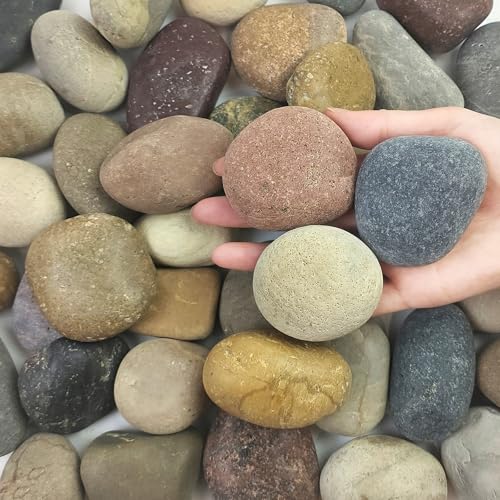
- ✓ Natural, mixed colors
- ✓ Smooth, safe edges
- ✓ Substantial weight
- ✕ Heavier than expected
- ✕ Color varies with moisture
| Weight | 5 pounds (2.27 kg) |
| Size (Average Stone) | 2-3 inches (approx. 5-7.5 cm) |
| Material/Composition | Natural river rocks; mixed colors; unpolished; no added fillers or dyes; non-toxic and eco-friendly |
| Color Characteristics | Mixed color palette; colors vary by stone; dry vs. wet color shift observed |
| Primary Uses | Aquarium fish tank decor, terrariums, outdoor landscaping, garden edging, pathways, water features |
| Durability/Properties | Heavy, smooth and flat surfaces; reusable; does not fade or deteriorate over time; suitable for larger animals due to 2-3 inch size |
You’ve been eyeing this FANTIAN 5 lb bag of river rocks for a while, and the moment you dump them into the tank you notice why. The 2-3 inch stones sit solidly on the bottom, their mixed colors catching the light just right without looking fake.
It’s a small, sturdy upgrade to your setup that doesn’t demand a lot of fuss.
First thing you’ll notice is the clean, smooth texture. They’re not shiny or coated in dye, which is a relief when you’re rehoming curious fish or gentle reptiles.
The weight feels substantial, but not unwieldy, and you quickly appreciate that 5 pounds goes a long way in a medium-sized tank.
During placement, the flat surfaces lay nicely on gravel, helping them stay where you put them. If you’re into aquascaping, the natural mix of colors adds depth without dominating the scene.
You can rearrange them easily whenever you want a fresh look.
The color shifts subtly between dry and wet, which means you’ll get different vibes as you top off the tank or after a water change. That variability keeps the scene interesting without any maintenance headaches.
You’ll also notice they rinse clean enough right out of the bag, which saves you a step before going in the tank.
Beyond the aquarium, these rocks shine in terrariums, fairy gardens, or as accents around a plant pot. If you’re worried about safety, the smooth edges reduce the risk of scratches for playful fish and curious cats around the rim.
Overall, they feel versatile and dependable for daily use.
If you’re after a natural look that doesn’t scream novelty, these rocks deliver. They’re affordable, durable, and easy to work with, which makes them a solid upgrade for both newcomers and seasoned tank keepers.
What Are the Different Types of Aquarium Stones Available?
There are several types of aquarium stones available, each serving different aesthetic and functional purposes.
- Granite: Granite stones are durable and come in various colors, making them a popular choice for both freshwater and saltwater aquariums. They are inert, meaning they won’t alter the water chemistry, and their rough texture provides hiding spots for fish and invertebrates.
- Lava Rock: Lava rocks are lightweight and porous, offering excellent filtration and aeration properties. They are ideal for creating a natural look in aquascaping and can help with beneficial bacteria growth, but their rough surfaces may not be suitable for all fish species.
- Slate: Slate stones are flat and come in various shades, providing a versatile option for aquascaping. They can be stacked to create caves and overhangs, and their smooth surfaces are safe for most fish, promoting a natural habitat.
- River Rock: River rocks are smooth, rounded stones that add a natural aesthetic to aquariums. They are typically safe for aquatic life and can be used to create a natural riverbed look, but they may vary in mineral content, so it’s essential to choose those that won’t affect water chemistry.
- Quartz: Quartz stones are crystalline and come in a variety of colors, offering a striking visual effect in aquariums. They are non-reactive and safe for fish, making them a great option for both decorative and functional purposes.
- Seiryu Stone: Seiryu stones are known for their striking appearance, often featuring sharp edges and unique shapes. These stones are popular in aquascaping for creating dramatic landscapes but should be used with caution as they can affect pH levels in the water.
- Calcium Carbonate Stones: These stones, such as limestone and coral rock, can raise the hardness and pH of the water, making them suitable for certain types of freshwater and marine setups. However, they should be used carefully, as they can significantly alter water conditions if not monitored.
How Do Aquarium Stones Benefit Your Fish Tank?
Biological filtration is a crucial aspect of maintaining a healthy aquarium. Porous stones provide a large surface area for beneficial bacteria to colonize, helping to break down ammonia and nitrites, which are toxic to fish. This natural filtration process can lead to a more stable and balanced ecosystem within the tank.
pH regulation is vital for aquatic life, and certain stones can help with this aspect. For instance, limestone and other calcium-rich stones can gradually release minerals into the water, helping to maintain a stable pH level that is conducive to the health of both fish and aquatic plants.
Territory and hiding spaces are essential for reducing stress among fish. Rocks can create nooks and crannies where fish can hide, retreat, and establish their territories, leading to a more harmonious living environment. This is particularly important in community tanks where multiple species cohabit.
Lastly, when used as part of the substrate, aquarium stones contribute to substrate stability. They help prevent compaction, which can lead to poor water circulation and the buildup of harmful gases. This ensures that the substrate remains healthy and supportive for both plant growth and beneficial microorganisms.
What Are the Key Differences Between Natural and Man-Made Aquarium Stones?
| Feature | Natural Stones | Man-Made Stones |
|---|---|---|
| Origin | Formed through geological processes over millions of years. | Manufactured using synthetic materials and processes. |
| Aesthetic | Unique patterns and colors; looks more natural in aquariums. | Can be designed to mimic natural stones but often lacks uniqueness. |
| Water Chemistry | May affect pH and hardness depending on the type of stone. | Generally neutral, designed to not affect water chemistry. |
| Cost | Varies widely; some can be expensive due to rarity. | Usually more affordable; mass-produced for accessibility. |
| Weight and Size | Varies; often heavier and bulkier, may require more support. | Typically lighter and available in various sizes for flexibility. |
| Durability and Lifespan | Can last a lifetime but may degrade or chip over time. | Generally very durable, designed to withstand wear and tear. |
| Environmental Impact | Harvesting may disrupt ecosystems and habitats. | Production may have a lower environmental footprint but depends on manufacturing practices. |
| Shapes and Textures | Available in a wide range of natural shapes and textures. | Can be manufactured in various shapes and textures, often more uniform. |
What Should You Consider When Choosing the Best Aquarium Stone?
When choosing the best aquarium stone, several factors should be taken into account to ensure a suitable environment for aquatic life.
- Type of Stone: Different types of stones, such as granite, slate, and river rocks, have unique properties. Granite is durable and non-reactive, making it a popular choice, while slate can provide aesthetic appeal and stability in aquascaping.
- Size and Shape: The size and shape of the stones should complement the aquarium’s design and the needs of the fish. Larger stones can create hiding spots and territories, while smaller stones can enhance substrate or serve as decoration.
- pH and Hardness Impact: Some stones can affect the water’s pH and hardness, which can be detrimental to certain fish species. It is crucial to select stones that maintain the desired water chemistry for the inhabitants of the aquarium.
- Surface Texture: The texture of the stone can influence the growth of beneficial bacteria and algae, which are essential for a healthy aquarium. Smooth stones might not support as much growth, while rough surfaces can provide more habitat for these microorganisms.
- Weight and Stability: Heavier stones are less likely to shift or topple in the aquarium, preventing disturbances that could harm fish or plants. Ensuring that stones are stable is critical for maintaining the overall structure of the aquascape.
- Cleaning and Maintenance: Some stones may require more frequent cleaning to prevent algae buildup or debris accumulation. Choosing stones that are easy to clean can save time and effort in maintaining the aquarium’s appearance and health.
- Source and Safety: It’s important to source stones from reputable suppliers to avoid contaminants that could harm aquatic life. Natural stones should be free from harmful chemicals and should be rinsed thoroughly before being placed in the aquarium.
Which Aquarium Stones Are Most Recommended by Experts?
The best aquarium stones are often chosen based on their aesthetic appeal, suitability for aquatic life, and ease of maintenance.
- Slate: Slate is a popular choice for aquarists due to its natural look and versatility. It can be easily shaped and stacked to create caves and hiding spots for fish, and it does not alter water chemistry, making it safe for most freshwater and saltwater environments.
- Basalt: Basalt stones are dense and dark, providing a striking contrast in aquariums. They are rich in minerals, which can benefit certain fish and plant species, and their porous nature allows beneficial bacteria to thrive, promoting a healthier aquarium ecosystem.
- Granite: Granite is another durable option that is available in various colors and patterns. This stone is inert and will not change water parameters, making it ideal for both freshwater and saltwater tanks, and its heavy weight ensures it stays securely in place without shifting.
- Quartz: Quartz stones are highly regarded for their stunning appearance and clarity. They come in various colors and sizes, allowing for creative aquascaping, and are also non-toxic and safe for all types of fish and invertebrates, making them a versatile choice.
- Lava Rock: Lava rock is lightweight and porous, providing excellent filtration and aeration when submerged in water. It is a great choice for aquariums with plants or for creating a natural habitat, as it can also provide hiding spots for shy fish and beneficial microorganisms.
- River Rocks: River stones are smooth and rounded, offering a natural look that mimics a fish’s natural habitat. They are safe for aquatic life and can be used in a variety of aquascaping styles, though it’s important to rinse them thoroughly before use to remove any potential contaminants.
How Do You Clean and Maintain Aquarium Stones Effectively?
Cleaning and maintaining aquarium stones is essential for ensuring a healthy environment for aquatic life.
- Regular Rinsing: Rinse stones in aquarium water during water changes to remove debris.
- Scrubbing: Use a soft-bristled brush to scrub stones gently, avoiding harsh chemicals.
- Boiling or Soaking: For deep cleaning, boil stones or soak them in a vinegar solution to eliminate algae and bacteria.
- Monitoring pH Levels: Check the pH impact of stones regularly, especially if using natural stones.
- Replacement of Stones: Replace stones that show signs of wear or damage to prevent water quality issues.
Regular rinsing helps remove accumulated waste and debris that can affect water quality, ensuring that the stones remain clean and visually appealing.
Scrubbing stones with a soft-bristled brush allows for the effective removal of algae and dirt while minimizing any potential damage to the stone’s surface.
Boiling or soaking stones in a vinegar solution can be particularly effective for thorough cleaning, as it helps to kill any harmful bacteria and removes stubborn algae growth.
Monitoring pH levels is crucial because certain natural stones can alter the water chemistry, leading to potential issues for fish and plants; regular testing ensures that the environment remains safe.
Finally, replacing stones that are worn or damaged is vital to maintain the aesthetic and functional integrity of the aquarium, preventing any adverse effects on water quality.
What Common Mistakes Should You Avoid When Using Aquarium Stones?
When using aquarium stones, there are several common mistakes that should be avoided to maintain a healthy aquatic environment.
- Choosing the wrong type of stone: Not all stones are suitable for aquariums; some can alter water chemistry. It’s essential to select stones that are aquarium-safe and won’t leach harmful substances into the water.
- Neglecting to clean stones before use: Many stones can harbor bacteria or residues from manufacturing processes. Cleaning them thoroughly before adding them to your tank helps prevent contamination and keeps the environment healthy for the aquatic life.
- Overloading the aquarium with stones: While stones can enhance the aesthetic appeal of an aquarium, overcrowding can limit swimming space for fish and create an overly cluttered environment. It’s crucial to strike a balance between decoration and the needs of the aquatic inhabitants.
- Ignoring the size and weight of the stones: Using heavy stones can lead to substrate displacement and potentially cause damage to the aquarium glass. Selecting appropriately sized stones ensures stability and safety within the aquarium setup.
- Forgetting about water flow and filtration: Stones can obstruct water flow if not placed thoughtfully, affecting filtration and water quality. Ensuring that stones are arranged to allow for optimal water circulation is vital for maintaining a healthy ecosystem.