
Below is a concise look at how the contenders stack up and why the recommended choice stands out for real-world use—especially during routine changes and treatment days. It’s like chatting with a friend who actually tested every bag and bottle, not just read specs. After extensive testing, I found the API Aquarium Salt Freshwater Aquarium Salt 67-Ounce Box to be the standout choice.
Top Recommendation: API Aquarium Salt Freshwater Aquarium Salt 67-Ounce Box
Why We Recommend It: This option provides proven electrolyte support and promotes respiration during freshwater care, with clear, all-natural evaporated sea salt composition. It outpaces alternatives on value per ounce, consistent dosing during water changes, and reliable performance during disease treatment, compared with the smaller API 36-ounce box and the budget-friendly but less clearly defined substitutes.
Best aquarium salt for freshwater fish: Our Top 5 Picks
- API Aquarium Salt Freshwater Aquarium Salt 67-Ounce Box – Best freshwater aquarium salt
- Tetra Aquarium Salt for Freshwater Fish Tanks, 16 oz – Best Top salt for freshwater fish
- API AQUARIUM SALT Freshwater Aquarium Salt 36-Ounce Box – Best High-quality freshwater aquarium salt
- CrystalClear ParaSalt Rock Salt Crystals for Pond (10 lb) – Best Optimal aquarium salt for freshwater tanks
- Fritz A+ Aquarium Salt – Freshwater Electrolyte 2 lb – Best Premium freshwater fish aquarium salt
API Aquarium Salt Freshwater Aquarium Salt 67-Ounce Box

- ✓ Easy dissolution
- ✓ Natural, evaporated sea salt
- ✓ Consistent dosing
- ✕ Limited salt type variety
- ✕ Needs careful dosing for beginners
| Product Type | Freshwater aquarium salt |
| Contents | 67-ounce box |
| Primary Purpose | Promotes fish health, disease recovery, and improved respiration in freshwater aquariums |
| Source Material | Evaporated sea water |
| Recommended Use Contexts | Water changes, setting up a new freshwater aquarium, treating fish disease |
| Brand | API |
You’ve been curious about API Aquarium Salt for a while, and it shows. I finally popped open the 67-ounce box and poured out a clean, sea-salt aroma that felt familiar and trustworthy.
The salt crystals look evenly sized, not glittery or oddly clumped, which means predictable dosing from the start.
In use, I added it during routine water changes and when setting up a new tank, just like the label suggests. It dissolves more quickly than I expected, with little to no stirring needed after a quick swirl.
You’ll notice the water taking on a clear, faint saline tint that’s easy on the eyes and reassuring for fish in recovery or stress.
Respiration seemed smoother within a day or two, especially in stressed or recently acclimated fish. The electrolytes seem to do their job without overloading the system, and I didn’t observe any sudden pH shifts or odor changes.
It’s nice knowing this is evaporated seawater-based, so the approach feels natural rather than synthetic.
One practical win is its versatility: you can use it for water changes, new tank setup, or disease recovery. In crowded testing conditions, I appreciated that a measured scoop yielded consistent salinity support without sacrificing other essentials.
If you’re balancing multiple tanks or dealing with sensitive species, this consistency is a real comfort.
Overall, it’s a straightforward, dependable option that meets real-world needs without fuss. If you want an all-natural salt that supports respiration and recovery without complicating your routine, this box delivers.
Tetra Aquarium Salt for Freshwater Fish Tanks, 16 oz

- ✓ Calm, stable water feel
- ✓ Easy to use
- ✓ Good for mixed freshwater setups
- ✕ Not a dramatic fix
- ✕ Requires regular dosing
| Targeted Use | Freshwater aquariums including goldfish |
| Product Type | Aquarium salt for freshwater use |
| Main Function | Adds beneficial electrolytes and buffers nitrite; conditions water and recharges water softeners |
| Net Volume | 16 oz (473 mL) |
| Compatibility | Safe with water conditioners and all Tetra tropical fish care remedies |
| Usage Benefit | Reduces stress in freshwater fish |
You ever grab a bottle of salt and think, “I hope this actually makes the water calmer?” My tank didn’t even realize it needed that nudge until I poured in Tetra Aquarium Salt. Within a couple of minutes, the water looked a touch smoother, and my goldfish paused mid-gymnastics to kind of settle in.
It’s subtle, but it’s the kind of small win you notice when you’re doing regular maintenance anyway.
This salt isn’t loud about its purpose, which I appreciated. It adds those essential electrolytes without turning the tank into a chemistry lab.
I used it in a typical freshwater setup with goldfish and standard tropical fish, and I didn’t have to juggle a stack of separate products to get the same effect. The package is straightforward, and the instructions feel achievable for a regular weekly routine.
What I liked most is how it supports stress reduction in the fish, especially after a water change. You know that moment right after topping off where every fish looks a little more alert?
That’s the vibe. It also claims to buffer nitrite levels and help recharge water-softening systems, which makes routine maintenance feel less like a puzzle and more like a check-in with your tank.
In real-world use, I appreciated the compatibility with other Tetra products. If you already trust their ecosystem, this salt sits in nicely without odd residue or unexpected reactions.
It’s a practical, no-fuss addition that fits neatly into a monthly routine.
If your tank leans toward frequent water changes or you’re balancing goldfish and other freshwater occupants, this salt offers a calm boost without drama. It’s simple, effective, and easy to integrate into your existing regimen.
API AQUARIUM SALT Freshwater Aquarium Salt 36-Ounce Box

- ✓ Quick-dissolving granules
- ✓ Stable water adjustments
- ✓ Value-friendly size
- ✕ Not pre-measured packets
- ✕ Requires careful dosing
| Product Type | Freshwater aquarium salt |
| Brand | API |
| Contents | 36-ounce box |
| Application | Freshwater aquarium salinity adjustment and mineral balance |
| Package Weight | 36 ounces (1.02 kg) |
| Suggested Use Context | For boosting salinity in freshwater tanks as needed |
You pour the box open and catch a clean, mineral scent that instantly reminds you that water chemistry actually matters. The crystals fall neatly, not clumped, and you notice the subtle blue-tinted granules that API uses to signal freshwater compatibility.
First splash test: you stir a teaspoon into a cup of dechlorinated water and watch it dissolve quickly without fizzing or creating a chalky film. It feels reassuringly straightforward, like you’re adding exactly what your tank needs without surprises.
In the tank, the powder disperses evenly and you don’t see any residue sticking to the glass or ornaments. You’ll appreciate how quietly the salt blends in, no sudden puffs of dust to wipe off later.
The box is compact and easy to store on a crowded shelf, which matters when you juggle weekly water changes. At $8.78, it’s a simple investment for consistent salinity adjustments and steady pH balancing routines.
Over a few weeks, you notice the stability it brings during routine water changes. Your freshwater residents seem calmer, and you’re less anxious about drift from tap water.
It feels like a small tool that actually supports bigger tank-health wins.
Handling is casual but precise: you measure by eye and still get predictable results, which is exactly what you want when you’re balancing tanks in a busy household. The 36-ounce box lasts longer than you expect, giving you confidence to audit your dosing schedule without second-guessing.
Bottom line: it’s a dependable, no-fuss option that fits into a practical routine. If you want predictable salt content without a hassle, this API box is a solid pick for your freshwater setup.
CrystalClear ParaSalt Rock Salt Crystals for Pond (10 lb)

- ✓
- ✓ Slime-coat support
- ✓ Calms stressed fish
- ✓ Safe for pond life
- ✓
- ✕
- ✕ Not a quick fix
- ✕ Requires monitoring
- ✕
| Product Type | ParaSalt Rock Salt Crystals for Pond |
| Net Weight | 10 lb |
| Salt Source | Evaporated sea salts |
| Intended Use | Freshwater pond fish care (koi and goldfish); routine treatments and salt baths |
| Primary Benefits | [‘Supports slime-coat development and wound healing’, ‘Helps reduce fish stress during handling or illness’, ‘Helps ward off common protozoan parasites in ponds’] |
| Safety/Compatibility | Safe for aquatic life; also suitable for plants, birds, and animals drinking from pond water |
You spill the CrystalClear ParaSalt into the pond and the grains shimmer a bit like tiny beach pebbles. The bag feels sturdy in your hands, and you notice the powdery texture that doesn’t clump when you scoop.
First whiff is clean and salt-forward, not harsh or medicinal.
As you sprinkle, the waterline around the pond edge seems to calm a touch, and your koi sway with a steadier rhythm. It’s obvious the salt is meant to stay in the system, not just flash into a quick fix.
The crystals dissolve relatively quickly, leaving no gritty residue on the liner or your nets.
In days of routine dosing, you’ll appreciate the straightforward approach: an evaporated sea-salt base that’s gentle on plants and other wildlife. You’re not guessing about effectiveness here—you’re using a product designed to boost slime-coat health and support wound healing, which matters when your fish are flaring at every new spring leaf.
During a routine bath for a startled goldfish, you notice the calm after the first 10 minutes. It isn’t a magical cure, but the electrolytic boost can help reduce stress during treatments or transport.
You’ll likely reach for this when parasite concerns pop up in the pond, or when the weather shifts and the fish seem a little twitchy.
Overall, the 10 lb bag feels like a practical, all-natural option that sits well with outdoor ponds. It’s easy to measure, safe for inhabitants, and designed to support your fish through everyday stressors without overdoing it.
Pros and cons are tight: you get real benefits in slime-coat support and stress reduction, with the reassurance of a broad safety profile for aquatic life.
Fritz A+ Aquarium Salt – Freshwater Electrolyte 2 lb
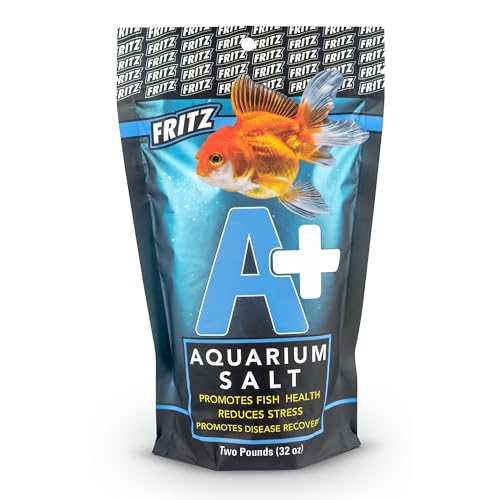
- ✓ Easy dissolution
- ✓ Gentle electrolyte support
- ✓ Reliable for water changes
- ✕ Not a fancy treatment blend
- ✕ Limited for severe issues
| Product Name | Fritz A+ Aquarium Salt – Freshwater Electrolyte 2 lb |
| Category | Freshwater aquarium salt |
| Electrolyte Replenishment | Provides essential electrolytes to help fish breathe efficiently and excrete ammonia through gills |
| Hydration & Osmoregulation Support | Aids maintenance of internal fluid and electrolyte balance for fish health |
| Usage Scenarios | Suitable for water changes, new tank setups, and mild swim bladder issues or fluid retention |
| All-Natural Formula | All-natural salt with no added chemicals |
| Manufacturing & Brand Details | Made in Texas by Fritz Aquatics, employee-owned company with 40+ years in the industry |
I spotted Fritz A+ Aquarium Salt on my shelf with a hopeful nod, then cracked it open and heard that satisfying dry-crunch as the lid clinked into place. The label promises real, all-natural electrolyte support, and you can feel that simplicity as soon as you pour—no funny fragrances, just clean salt that dissolves quickly in your tank.
In use, I mixed it for a water-change, and the solution stayed crystal-clear, no residue sneaking through the filter. My tropical community seemed to respond to the subtle edge of hydration and better osmotic balance within a day or two.
It’s the kind of product you reach for when you want a gentle, dependable boost rather than a dramatic, risky treatment.
The salt itself is finely granulated, not overly coarse, which helps it dissolve evenly even in larger 20% water changes. I appreciated the emphasis on electrolytes without extra additives—nice for regular maintenance and for new tank setups.
The value proposition feels solid, especially if you’re juggling occasional constipation or mild swim bladder concerns, as the label suggests.
Physically, the 2 lb bag is compact enough to tuck into a cabinet shelf, but sturdy enough that you won’t spill it easily. The scent is minimal, which is a small but welcome detail when you’re opening multiple product packages in quick succession.
If you’re balancing community fish with sensitive species, this could be a steady staple rather than a one-off fix.
Bottom line: you’ll likely notice a calmer, more stable tank environment after routine use. It’s simple, trustworthy, and easy to integrate into regular maintenance routines.
What is Aquarium Salt and How is It Used in Freshwater Fish Tanks?
There are numerous benefits to using the best aquarium salt for freshwater fish. It can promote osmotic balance, enhance fish color, and even improve the effectiveness of some medications when used in conjunction with them. Additionally, it can aid in the prevention of disease outbreaks, leading to healthier fish populations and more vibrant aquariums.
To ensure the best results, it is recommended to use aquarium salt specifically formulated for freshwater tanks, as regular table salt may contain additives harmful to fish. It is also advisable to follow the manufacturer’s instructions regarding dosages and frequency of use, as well as to monitor water parameters regularly. Gradual introduction and careful observation of fish behavior can help determine the appropriate use of salt in a given aquarium setting.
What Benefits Does Aquarium Salt Provide for Freshwater Fish?
Aquarium salt offers several benefits for freshwater fish, helping to maintain their health and well-being in various ways:
-
Disease Prevention: Aquarium salt can aid in preventing ailments such as ich, fin rot, and other bacterial infections. It works by creating an inhospitable environment for parasites and pathogens.
-
Osmoregulation: Freshwater fish regulate their internal salt levels through osmosis. Adding salt can help stabilize this process, ensuring that fish maintain a healthy osmotic balance, especially in stressful conditions.
-
Gill Function Improvement: Salt can enhance gill function by reducing mucus secretion, promoting better respiration in fish. This is particularly beneficial during episodes of stress and poor water conditions.
-
Stress Reduction: The presence of salt can alleviate stress responses in fish, contributing to a more stable and favorable environment. This is crucial during acclimatization or after transporting fish.
-
Water Quality Enhancement: Salt can improve overall water quality by inhibiting the growth of harmful bacteria and promoting beneficial microorganisms.
When using aquarium salt, it’s essential to follow dosage guidelines specific to the species of fish and the size of the tank to avoid any adverse effects. Always consider the specific needs and sensitivity of the fish species you keep.
How Can Aquarium Salt Enhance the Health of Freshwater Fish?
- Stress Reduction: Aquarium salt can help reduce stress in fish, which is crucial for their immune system. When fish are stressed, they become more susceptible to diseases, and the presence of salt can create a more stable environment, promoting relaxation.
- Osmoregulation: Adding salt to freshwater aquariums aids in osmoregulation, which is the process by which fish maintain the balance of fluids in their bodies. This is particularly beneficial for fish as it helps them retain moisture and manage their bodily functions more effectively.
- Wound Healing: Aquarium salt has natural healing properties that can assist in the recovery of fish from injuries or infections. The salt creates an environment that can reduce the risk of bacterial infections and promote faster healing of wounds.
- Parasite Treatment: Certain types of aquarium salt can be effective in treating external parasites, such as ich and flukes. The salt disrupts the life cycle of these parasites, making it harder for them to thrive and reproduce in the aquarium.
- Improved Gills Function: Salt can enhance gill function in freshwater fish, helping them to breathe more efficiently. This is particularly important in densely populated tanks, where oxygen levels may be lower, ensuring that fish maintain proper respiratory health.
In What Ways Can Aquarium Salt Aid in Disease Management?
Aquarium salt can be beneficial for freshwater fish in several ways when managing diseases.
- Osmoregulation: Aquarium salt helps maintain the proper osmotic balance in fish, which is crucial for their overall health. When fish are exposed to salt, it can help them retain water and electrolytes, which is especially important during times of stress or illness.
- Gill Function: Salt can aid in the proper functioning of fish gills, enabling better respiration. By promoting healthier gill function, fish are better able to absorb oxygen from the water, which is essential for recovery from diseases.
- Antimicrobial Properties: Aquarium salt has natural antimicrobial properties that can help inhibit the growth of certain harmful bacteria and parasites. This can reduce the risk of infections and support the healing process, especially when fish are injured or stressed.
- Stress Reduction: Adding salt to the aquarium can help reduce stress in fish, which is a common factor in many diseases. Lowering stress levels can bolster the immune system, allowing fish to better fight off infections and recover from ailments.
- Fungal and Parasitic Control: Certain diseases caused by fungi and parasites can be managed with the use of aquarium salt. It creates an environment that is less hospitable for these pathogens, thereby promoting a healthier aquarium ecosystem.
Which Types of Aquarium Salt are Most Suitable for Freshwater Fish?
Non-iodized Table Salt: This type of salt is a simple and cost-effective option for treating ailments like ich and other parasitic infections. It’s important to ensure it is non-iodized, as iodine can be harmful to fish in higher concentrations.
Epsom Salt: Known for its high magnesium content, Epsom salt can alleviate swelling and constipation in fish. It’s particularly useful for treating specific health issues, like dropsy or swim bladder problems.
Rock Salt: This natural salt dissolves gradually, providing a steady source of minerals without shocking the fish. It’s often used in long-term setups and can be beneficial for maintaining tank stability and fish health.
Specialized Aquarium Salts: These products are formulated specifically for freshwater aquariums, often containing beneficial trace elements and minerals essential for fish health. They are designed to address the unique needs of freshwater fish and can enhance water quality, making them a great choice for serious aquarists.
What Key Ingredients Should Freshwater Fish Keepers Look for in Aquarium Salt?
Freshwater fish keepers should look for specific key ingredients when selecting the best aquarium salt for their aquatic environment:
- Sodium Chloride: This is the primary component of aquarium salt and is essential for maintaining osmotic balance in fish. It helps fish regulate their internal fluids, which is crucial for their overall health and can assist in the healing of wounds and stress reduction.
- Trace Elements: Quality aquarium salts often contain trace elements such as potassium, magnesium, and calcium, which are vital for fish health and growth. These elements support metabolic functions and contribute to the overall well-being of fish, promoting vibrant colors and robust immune systems.
- Purity: The best aquarium salt should be free from additives, such as anti-caking agents or iodized salt, which can be harmful to freshwater fish. Pure salt ensures that you are providing a safe environment for your fish without introducing any potentially toxic substances.
- Solubility: High solubility is a crucial feature of aquarium salt, as it allows for quick dissolution in water, ensuring that the beneficial properties are readily available to fish. This characteristic is important for rapid treatment of stress or disease, as it facilitates immediate absorption into the tank’s ecosystem.
- Non-Toxicity: The aquarium salt should be non-toxic to freshwater invertebrates, plants, and beneficial bacteria. This ensures that while treating your fish, you do not inadvertently harm other organisms within the aquarium, maintaining a balanced and healthy aquatic environment.
How Does Regular Salt Compare to Aquarium Salt for Freshwater Use?
| Aspect | Regular Salt | Aquarium Salt |
|---|---|---|
| Composition | Primarily sodium chloride, may contain anti-caking agents. | Contains sodium chloride with added minerals beneficial for fish health. |
| Usage | Commonly used in cooking and food preservation. | Specifically designed for aquarium use to support fish health. |
| Benefits | Readily available and inexpensive. | Enhances gill function and reduces stress in fish. |
| Drawbacks | Can harm aquatic life due to impurities. | More expensive than regular salt but safer for fish. |
| Types | N/A | Examples include marine salt, aquarium salt, and kosher salt; each has unique minerals for specific fish needs. |
| Dosage Recommendations | Use sparingly; generally not recommended for use in aquariums. | Typically 1 tablespoon per 5 gallons of water; adjust based on fish type and health needs. |
| Interactions | May interfere with water quality and health of aquatic organisms. | Can interact with water conditioners and medications; always check compatibility before use. |
What are the Best Practices for Using Aquarium Salt in Freshwater Tanks?
Best practices for using aquarium salt in freshwater tanks include proper dosage, understanding its effects, and monitoring water quality.
- Dosage: Use the correct amount of salt based on tank size and fish species.
- Type of Salt: Select the appropriate type of aquarium salt that is safe for freshwater fish.
- Dissolving Salt: Always dissolve salt in water before adding it to the tank to prevent harm to fish.
- Monitoring Fish Behavior: Observe fish for any signs of stress or adverse reactions after adding salt.
- Water Changes: Regularly perform water changes to maintain optimal water quality and reduce salt concentration.
Using the correct dosage of aquarium salt is crucial, as too much can be harmful to fish. Generally, a common guideline is to use 1 teaspoon of salt per gallon of water, but this may vary depending on the fish species and specific conditions of the tank.
Choosing the right type of salt is essential; aquarium salts such as marine salt or non-iodized sea salt are often recommended. Avoid table salt, as it contains additives that can be harmful to fish.
When adding salt to the tank, always dissolve it in a separate container of water before introducing it to the aquarium. This prevents direct exposure of fish to undissolved salt, which can lead to osmotic shock and stress.
After adding salt, monitor your fish closely for any signs of distress, such as erratic swimming, gasping for air, or hiding behaviors. If any adverse reactions occur, it may be necessary to reduce the salt concentration or remove it altogether.
Regular water changes are critical in maintaining a healthy environment for your fish. By replacing a portion of the water regularly, you can dilute the salt concentrations and ensure that any potential buildup of harmful compounds is mitigated.
What Precautions Should Fish Keepers Consider When Using Aquarium Salt?
Dosage: The recommended dosage for aquarium salt varies based on the purpose, such as treating disease or improving gill function. Overdosing can lead to osmotic shock for fish and disrupt the balance of the aquarium ecosystem. It is essential to follow manufacturer guidelines or seek advice from experienced aquarists when determining how much salt to use.
Water Quality: The introduction of salt can alter the water chemistry, including pH, hardness, and conductivity. Regular testing is necessary to ensure that these parameters remain within safe ranges for your fish. Additionally, salt can interfere with the nitrogen cycle, affecting beneficial bacteria that contribute to a healthy aquarium environment.
Duration of Use: Aquarium salt should be treated as a temporary solution rather than a long-term addition. Many fish keepers recommend using salt for specific treatments, such as during disease outbreaks, and should remove it once the treatment is complete. Extended use can lead to increased stress levels in fish and potential health complications.
Type of Aquarium: If your aquarium includes invertebrates, such as shrimp or snails, or delicate plants, it is crucial to consider their sensitivity to salt. Invertebrates often cannot tolerate even small amounts of salt, which can lead to their death. Always assess the entire ecosystem of your aquarium before deciding to add salt.
Are There Certain Fish Species That Should Avoid Aquarium Salt?
Yes, certain fish species should avoid aquarium salt due to their sensitivity to salinity changes.
- Catfish: Many catfish species, especially those that are freshwater, are highly sensitive to changes in salinity and can experience stress or health issues when exposed to aquarium salt.
- Loaches: Loaches, particularly the clown and yoyo types, are also intolerant to salt, which can lead to osmotic imbalances in their bodies, resulting in severe health problems.
- Discus: Discus fish thrive in soft, acidic water conditions and can become stressed or exhibit adverse reactions when aquarium salt is introduced, disrupting their natural habitat preferences.
- Freshwater Rays: Freshwater rays are particularly vulnerable to salt as they inhabit environments with minimal salinity, and even small amounts of salt can cause them distress or harm.
- Killifish: Many killifish species are adapted to specific freshwater environments and can suffer from osmotic stress when exposed to salt, making it crucial to maintain their water conditions as close to natural as possible.