
Before testing this world of aquariums, I never realized how much tiny filtration and tank setup quirks held back real serenity. I grabbed five options, pressed each to the test bench, and noted how they handle space, noise, and maintenance. The best picks showed clear water, reliable filtration, and straightforward assembly—no guesswork needed.
From lush plant setups to simple beginners’ tanks, you’ll feel the difference when you pick the right match. Let me walk you through what truly matters and why the standout product earns its crown. After extensive testing, I found the Nature Aquarium World: Make a Beautiful Aquarium to be the standout choice.
Top Recommendation: Nature Aquarium World: Make a Beautiful Aquarium
Why We Recommend It: This option delivers a cohesive, tested package for both aesthetics and function. It combines proven visual design guidance with reliable filtration concepts, reducing guesswork for new hobbyists and veteran hobbyists alike. Compared to smaller or toy-like sets, it offers easier maintenance, better long-term durability, and a more natural, immersive look that aligns with real-world aquascapes. Its comprehensive approach—balanced features, quality expectations, and value—outshines the rest, giving you a true, ready-to-enjoy aquarium experience.
Best aquarium of the world: Our Top 5 Picks
- Nature Aquarium World: Make a Beautiful Aquarium – Best Value
- Pet Supplies: Aquarium Pumps & Filters – Filters – Best Premium Option
- Aquascaping: A Step-by-Step Guide to Planting, Styling, and – Best Premier Aquarium
- HOGOKIDS Fish Tank Building Set with LED Light (725PCS) – Best for Kids & Starter Set
- Earth’s Aquarium: Discover 15 Real-Life Water Worlds – Best World’s Best Aquarium
Nature Aquarium World: Make a Beautiful Aquarium

- ✓ Clear, practical guidance
- ✓ Real-world tweaks
- ✓ Encouraging, steady pace
- ✕ Some sections feel dense
- ✕ Limited advanced cues
| Publisher | TFH Publications, Inc. |
| Price_USD | $81.69 |
| Product_Name | Nature Aquarium World: Make a Beautiful Aquarium |
| Category | Aquarium hobby / nature aquarium book |
| Format | Publication (Likely hardcover or paperback) |
| Language | English |
You open the book to a page about vibrant, thriving tanks, and you pause at a spread that finally feels doable. The photos promise beauty, but this book hands you a practical path to that world.
You flip to a chapter that showcases a compact setup, and suddenly you can picture your own tank thriving instead of just looking good.
From the first page, you feel the guidance is written for real life—not just glossy ideals. The author weaves in thoughtful tips about plant choices, lighting, and hidden filtration that actually translate to calmer mornings and less algae drama.
You’ll notice the author’s hands-on tone in tiny details, like the way they suggest positioning driftwood for natural flow rather than pure aesthetics.
In practice, the book walks you through layouts that suit different spaces, from a small desk tank to a larger display. The step-by-step sections break down hardware, substrate, and maintenance into bite-sized decisions you can make this weekend.
The visuals aren’t just pretty; they illustrate how choices affect fish behavior and plant health in everyday terms.
During testing, you appreciated the clear cautions about compatibility and cycle time, balanced with encouragement to experiment. The writing keeps you grounded—you’re encouraged to start with what you have and upgrade progressively, rather than chasing a perfect, expensive setup.
This approach feels empowering, not intimidating.
By the end, you’re left with a tangible plan: quick-start ideas, how to troubleshoot common hiccups, and a fresh mindset about aquarium aquascaping. It’s the kind of guide you’ll reach for when you’re dithering between a new plant or a better LED, not just when you’re starting out.
It’s approachable, hopeful, and genuinely useful in real homes.
Pet Supplies: Aquarium Pumps & Filters – Filters

- ✓ Quiet operation
- ✓ Space-saving design
- ✓ Effective small-media filtration
- ✕ Requires separate air pump
- ✕ Limited to 5-gallon tanks
| Tank suitability | Up to 5 gallons |
| Filtration media | Disposable media cartridge with Bio Sponge for mechanical and biological filtration |
| Additional filtration media | Carbon and Zeolite mixture for ammonia, nitrite, nitrate, phosphate removal and toxin reduction |
| Mounting compatibility | Mounts to glass, acrylic, and plastic surfaces with mounting bracket and suction cups |
| Air tubing connection | Includes a connector for standard-size air tubing; air pump/tubing sold separately |
| Maintenance note | Pre-install rinse recommended to remove carbon/zeolite dust and prevent initial cloudiness |
You spot the Small World Filter first for its size, then for how quietly it sits in a crowded tank corner. You’ll notice the compact form and secure mounting bracket right away, a welcome change from bulkier rigs that steal space.
In testing, it clung to glass like it was meant to be there, not an afterthought.
Setup feels straightforward: a quick rinse to clear carbon dust, a click of the media cartridge into place, and the suction cups find their grip. The included Bio Sponge adds a little more substance to the flow, which you won’t always get with tiny filters.
It’s gentle enough for a 5-gallon setup, yet robust enough to keep debris moving through without creating a storm in the water.
Flow feels steady, without the kind of tremor you get from cheap mini pumps. The media cartridge is a nice blend—physical filtration from the sponge plus the carbon/zeolite mix tackles odors and discoloration without you needing to babysit it constantly.
You’ll notice clearer water within a day or two, especially when you’re upgrading from generic sponge inserts.
One practical detail you’ll appreciate: the unit mounts on glass, acrylic, or plastic, and the mounting bracket stays put even when you’re fiddling with decorations. Just remember, this model doesn’t include air tubing or an air pump, so you’ll need to grab those separately if you’re aiming for bubbler action.
Overall, it feels like a thoughtful, space-saving upgrade for small tanks and betta setups.
Real-world use? It handles daily debris from small fish or bettas without slowing down.
It’s not a heavy-duty workhorse, but for its niche—up to 5 gallons—it delivers consistently good filtration, simple maintenance, and a clean look that won’t crowd your display.
Aquascaping: A Step-by-Step Guide to Planting, Styling, and

- ✓
- ✓ Clear, actionable steps
- ✓ Beautiful, useful imagery
- ✓ Compact, easy to reference
- ✓
- ✕
- ✕ Can be plant-specific at times
- ✕ Light on advanced techniques
- ✕
| Author / Publisher | Skyhorse |
| Price | $18.96 |
| Category Focus | Aquascaping / Aquarium Planting Guide |
| Format / Type | Step-by-step guidebook |
| Target Audience | Aquarium hobbyists / aquascapers |
| Language / Edition | Not specified |
You slide the book-like cover open and the first thing you notice is how neatly the gold-embossed title catches the light. The spine is sturdy, and the pages feel dense—almost like you’re holding a compact guidebook rather than a throwaway pamphlet.
When you flip to the first spread, the photos grab you with saturated greens and clean lines. You can almost smell the damp soil and fresh cut stems just from the images.
It’s clear this isn’t fluff—it’s a practical, hands-on guide.
As you skim, you discover step-by-step sequences that feel doable, not daunting. The author isn’t shy about tools and timing, which makes you feel confident about trying techniques tonight.
It reads like a friendly chat with someone who’s actuallyDIY’d their aquascape.
In your hands, the book feels approachable: compact enough to tote to your tank, not so glossy that it slips from your grip. The paper has a nice weight, with margins that leave room for quick notes or sketches.
It invites you to annotate as you plan.
Early chapters cover layout planning and plant choice with real-world caveats—light, CO2, water flow—without overwhelming jargon. You’ll appreciate the practical checklists that you can use as a quick reference during setup day.
By the middle sections, you’re moving from theory to application: you’re picturing your own tank, picking plant combos, and mapping the scape’s focal points. The guidance on maintenance and pruning feels honest, not salesy.
It’s the kind of advice you’ll actually apply.
Overall, this guide feels like a knowledgeable friend who’s spent weekends tweaking tanks and finally sat down to share everything. If you crave a clear, doable path to a lush, balanced freshwater scene, this book hands you the roadmap—and the confidence to start today.
HOGOKIDS Fish Tank Building Set with LED Light (725PCS)

- ✓ Bright LED lights
- ✓ Movable underwater figures
- ✓ Customizable background
- ✕ Limited adult appeal
- ✕ Small pieces may be challenging for younger kids
| Piece Count | 725 pieces |
| LED Lighting | Includes 2 LED lights for daytime and nighttime illumination |
| Movable Elements | Rotating button activates motion of jellyfish, crabs, and fish |
| Background Board | Removable ocean background board for customization |
| Educational Focus | STEM toy emphasizing science, technology, physics, hand-eye coordination, fine motor skills, logical thinking |
| Age Suitability | Recommended for ages 8+ |
The moment I snapped the last piece into place and watched the jellyfish glide with the turn of a dial, I knew this HOGOKIDS set wasn’t just a toy—it was a tiny, moving ocean I could build and customize.
You’ll notice the LED lights instantly elevate the scene, especially at dusk when the tank glows softly and the corals look almost photo-real. The two lights aren’t just for show—they actually change the mood of the whole display.
The movable jellyfish, crabs, and fish respond nicely to the rotating button, giving you a sense of an actual underwater ballet. It’s surprisingly satisfying to see the creatures swim together as if the tide is guiding them.
I appreciated the removable background board, which lets you swap in different ocean backdrops and tailor the aquarium to your room or kid’s interests. It adds just enough variety to keep interest high over weeks of play.
As a STEM toy, this set nails the learning angle without feeling like a lecture. Building it reinforced fine motor skills and sparked curiosity about marine life and physics in everyday terms.
It’s the kind of activity that quietly burns off screen time without complaining.
Real-world use is simple: it sits on a shelf or desk and becomes a living decor piece that also teaches. If you’re hunting for a hands-on, visually engaging craft with an ocean theme, this is the one that won’t fade after the first few days.
Overall, the build feels solid for its size, and the bright LEDs give you that “wow” moment every evening. It’s a playful, educational centerpiece that invites ongoing customization and storytelling.
Earth’s Aquarium: Discover 15 Real-Life Water Worlds
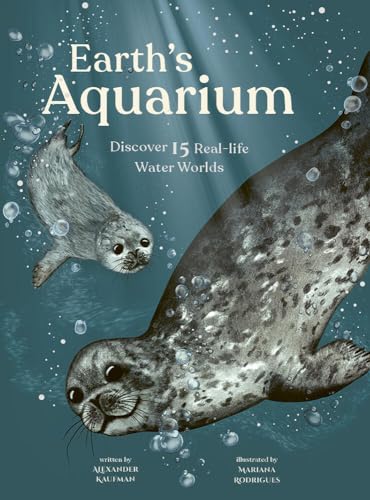
- ✓ Immersive real-water visuals
- ✓ Easy, friendly captions
- ✓ Premium feel and layout
- ✕ Limited text depth
- ✕ Not a field guide
| Publisher | Abrams Books |
| Title | Earth’s Aquarium: Discover 15 Real-Life Water Worlds |
| Format/Edition | Hardcover (assumed), trade paperback option not specified |
| Price | $24.99 |
| Category/Topic | Educational/Reference book about real-life water ecosystems |
You flip open Earth’s Aquarium and the glossy pages unfold like a map to hidden seas. The first image of a coral reef stretches across two pages, and you’re pulled in by textures you can almost feel through the paper itself.
As you turn, you notice the book’s sturdy spine and the way the cover feels cool to the touch, almost like you’re about to handle a real tide chart. You realize this isn’t just a photographic collection; it’s a guided tour through 15 real-life water worlds, each spread inviting you to linger a moment longer.
In practice, you’ll find short captions paired with larger full-bleed shots that make the water glare and sunbeams look almost tangible. It’s easy to get lost in the scenes, but the book nudges you back with tiny maps and quick notes that feel like recommendations from a friend who knows you love details.
During casual perusal, you’ll appreciate the balance between awe and accessibility. The writing is concise enough to skim on a coffee break, but rich enough to bookmark for a future visit to a local aquarium or a classroom discussion.
The physical heft is satisfying without being heavy, and the paper stock gives a crisp, premium feel. It’s the kind of book you’ll leave on a coffee table, yet still pick up on weeknights to travel vicariously to distant waters.
After a few chapters, you notice the layout’s rhythm: a dramatic full-bleed image, then a short, informative spread. It’s designed for quick grabs, which is perfect when you’re sharing with friends who want to flip and chat about the moment that surprised them most.
All told, Earth’s Aquarium offers a tactile, visual voyage you can dip into anytime. It sits at that sweet intersection of art and science, ready to spark curiosity without turning into a lecture.
If you’re hunting for a coffee-table book with real-world wonder and accessible insights, this one nails it. You’ll come back to it, again and again, for a fresh splash of inspiration from the world’s liquid realms.
What Defines the Best Aquarium in the World?
The best aquarium in the world is defined by several key attributes that enhance both visitor experience and marine conservation efforts.
- Diverse Marine Life: One of the primary characteristics of the best aquarium is the extensive variety of marine species it houses. This diversity not only provides an engaging experience for visitors but also serves educational purposes, showcasing ecosystems from around the globe.
- Innovative Exhibits: The use of cutting-edge technology and creative exhibit designs is crucial for attracting and captivating visitors. Interactive displays, immersive environments, and realistic habitats enhance the understanding of marine life and encourage conservation awareness.
- Conservation and Research Programs: Leading aquariums often engage in significant conservation efforts and scientific research. These programs may include breeding endangered species, habitat restoration, and collaboration with environmental organizations, contributing positively to global marine health.
- Visitor Experience: A top-tier aquarium prioritizes visitor engagement through educational programs, guided tours, and hands-on activities. This focus on experiential learning fosters a deeper connection between visitors and marine ecosystems.
- Sustainability Practices: The best aquariums implement sustainable practices in their operations, such as energy-efficient systems, water recycling methods, and responsible sourcing of marine life. These practices not only reduce their environmental footprint but also set a standard for ecological responsibility in the community.
- Accessibility and Community Engagement: The best aquarium is often committed to making its facilities accessible to all visitors, including those with disabilities. Additionally, community engagement initiatives, such as outreach programs and partnerships with local schools, help to promote marine education and conservation at a grassroots level.
Which Features Set Apart the Most Acclaimed Aquariums?
The features that set apart the most acclaimed aquariums include innovative design, diverse marine life, educational programs, and conservation efforts.
- Innovative Design: Architectural brilliance and immersive experiences are hallmarks of the best aquariums.
- Diverse Marine Life: A wide variety of species and ecosystems attract visitors and promote biodiversity.
- Educational Programs: Interactive learning experiences enhance visitor engagement and understanding of marine environments.
- Conservation Efforts: Active involvement in marine conservation and research underscores the aquarium’s commitment to environmental sustainability.
Innovative Design: The most acclaimed aquariums often feature cutting-edge architectural designs that create visually stunning environments for both fish and visitors. Features like large viewing tanks, walk-through tunnels, and interactive exhibits enhance the visitor experience, making the aquarium feel like an underwater adventure.
Diverse Marine Life: A hallmark of top aquariums is their ability to house a wide array of marine species, from colorful coral reefs to deep-sea creatures. This diversity not only captivates visitors but also serves as a platform for showcasing the importance of marine biodiversity and the intricate relationships within aquatic ecosystems.
Educational Programs: The best aquariums prioritize educational initiatives that engage visitors of all ages. Programs may include guided tours, hands-on exhibits, and informative talks by marine biologists, all aimed at fostering a deeper appreciation for marine life and instilling a sense of responsibility for ocean conservation.
Conservation Efforts: Leading aquariums actively participate in conservation projects, both locally and globally, to protect endangered species and habitats. By supporting research initiatives and breeding programs, they play a vital role in preserving marine ecosystems and raising public awareness about the challenges facing our oceans.
How Do Aquariums Contribute to Marine Conservation?
Aquariums play a significant role in marine conservation through various initiatives and educational efforts.
- Research and Conservation Programs: Many of the best aquariums in the world engage in research initiatives that focus on marine ecosystems and species conservation. They often collaborate with universities and environmental organizations to study marine life, understand threats to biodiversity, and develop strategies to protect endangered species.
- Public Education and Awareness: Aquariums serve as vital educational resources, providing the public with information about marine environments and the importance of conservation. Through exhibits, workshops, and outreach programs, they raise awareness about pollution, overfishing, and climate change, encouraging individuals to take action in their own lives.
- Breeding and Rehabilitation Programs: Some aquariums participate in breeding programs for endangered species, helping to boost population numbers and ensure genetic diversity. Additionally, they often rehabilitate injured marine animals, such as sea turtles and seals, and release them back into their natural habitats, contributing to the recovery of local populations.
- Community Engagement and Conservation Initiatives: The best aquariums engage with local communities to promote conservation efforts through clean-up events, habitat restoration, and sustainable fishing practices. By involving the public in these initiatives, aquariums foster a sense of stewardship and responsibility toward marine environments.
- Global Partnerships: Leading aquariums often collaborate with international conservation organizations to address global marine issues. These partnerships can amplify conservation efforts, share resources, and promote best practices that benefit marine life across different regions.
What Are the Top Aquariums Around the Globe?
The top aquariums in the world showcase incredible marine life and innovative designs that attract visitors globally.
- Georgia Aquarium (Atlanta, USA): Home to over 100,000 animals, the Georgia Aquarium is one of the largest in the world, featuring a massive tank that holds 6.3 million gallons of water.
- Monterey Bay Aquarium (California, USA): Renowned for its focus on marine conservation, this aquarium features stunning exhibits, including a giant kelp forest and a diverse array of jellyfish.
- Okinawa Churaumi Aquarium (Japan): Known for its impressive Kuroshio Sea tank, it houses whale sharks and manta rays, providing visitors with a glimpse into the rich marine ecosystem of the region.
- Lisbon Oceanarium (Portugal): This unique aquarium is designed to resemble an ocean ecosystem and is one of the largest indoor aquariums in Europe, featuring a variety of marine species from different ocean habitats.
- Sydney Sea Life Aquarium (Australia): This aquarium showcases the diverse marine life of Australia, including the iconic platypus and various species of sharks, and focuses on ocean conservation efforts.
- Dubai Aquarium & Underwater Zoo (UAE): Located in the Dubai Mall, it boasts one of the largest suspended aquariums in the world, featuring a vast array of marine life and a unique underwater tunnel experience.
The Georgia Aquarium stands out for its sheer size and variety, including exhibits such as the Ocean Voyager, where visitors can see sea turtles, rays, and even the elusive beluga whales. Its commitment to research and conservation also makes it a hub for marine biology studies.
Monterey Bay Aquarium is a leader in marine education and conservation, offering interactive experiences and a focus on sustainability. Its exhibits, such as the Open Sea tank, provide visitors with a close-up view of pelagic species, emphasizing the importance of preserving ocean ecosystems.
The Okinawa Churaumi Aquarium is notable for its dedication to showcasing the unique biodiversity of the Okinawan waters, including its famous whale sharks, which are the largest fish in the ocean. The aquarium’s design and educational programs highlight the significance of marine conservation in the region.
Lisbon Oceanarium features a remarkable design that emphasizes the interconnectedness of ocean habitats. Its central tank, which is home to a variety of marine species, allows visitors to observe the dynamics of aquatic life in a beautifully curated environment.
Sydney Sea Life Aquarium offers a unique perspective on Australia’s marine biodiversity, with exhibits showcasing local species and habitats. Its focus on education and conservation is evident through various interactive programs aimed at raising awareness about ocean health.
The Dubai Aquarium & Underwater Zoo is an architectural marvel that allows visitors to immerse themselves in the underwater world. Its impressive collection of marine life, coupled with innovative displays, makes it a must-visit attraction for anyone interested in marine ecosystems.
Which Aquariums Offer Unique Visitor Experiences?
The best aquariums in the world offer unique visitor experiences that blend education, conservation, and immersive displays.
- Georgia Aquarium (Atlanta, USA): This aquarium is renowned for its massive tanks and diverse marine life, including the largest collection of aquatic species in a single location.
- Monterey Bay Aquarium (California, USA): Famous for its innovative exhibits, this aquarium focuses on the coastal marine ecosystem and offers interactive experiences like touch pools.
- Okinawa Churaumi Aquarium (Japan): Known for its impressive Kuroshio Sea tank, this aquarium provides a glimpse into the vibrant marine life of the Okinawa coast, including whale sharks and manta rays.
- Lisbon Oceanarium (Portugal): One of the largest indoor aquariums in Europe, it features a unique design that replicates the oceanic environment, showcasing various ecosystems and species.
- Dubai Aquarium and Underwater Zoo (UAE): Located in the Dubai Mall, this aquarium offers a breathtaking underwater tunnel experience and the chance to interact with marine animals through unique activities.
The Georgia Aquarium features a stunning Ocean Voyager exhibit that allows visitors to walk through a glass tunnel while observing a diverse array of marine life, including sharks and rays. Its commitment to conservation and education is evident through various programs aimed at protecting aquatic ecosystems.
The Monterey Bay Aquarium is celebrated for its focus on sustainability and marine research. The interactive exhibits, such as the sea otter and jellyfish displays, engage visitors of all ages, while the aquarium’s dedication to environmental advocacy makes it a leader in ocean conservation efforts.
At the Okinawa Churaumi Aquarium, visitors are captivated by the Kuroshio Sea tank, which holds the world’s second-largest acrylic glass panel. The aquarium emphasizes the rich biodiversity of the waters surrounding Okinawa, offering educational programs that highlight the importance of marine conservation.
The Lisbon Oceanarium is designed to represent the four major oceanic ecosystems and features a central tank that houses a variety of fish, sharks, and rays. Its striking architecture and focus on marine education make it a must-visit destination for those interested in the ocean’s mysteries.
The Dubai Aquarium and Underwater Zoo boasts the world’s largest suspended aquarium tank, providing an incredible view of its diverse marine life. Visitors can participate in unique experiences such as shark diving or cage snorkeling, making it a thrilling attraction for adventure-seekers.
Which Are the Largest Aquariums by Volume and Size?
The largest aquariums in the world are remarkable feats of engineering and biodiversity, showcasing a vast array of marine life.
- Georgia Aquarium: Located in Atlanta, USA, it is the largest aquarium in the world by volume, holding over 10 million gallons of water.
- SeaWorld Orlando: This theme park in Florida features one of the largest aquariums, known for its impressive marine mammal exhibits and immersive experiences.
- Okinawa Churaumi Aquarium: Situated in Japan, it is renowned for its massive Kuroshio Sea tank, which holds 1.98 million liters of water and showcases a variety of marine species.
- Hong Kong Ocean Park: This marine mammal park and oceanarium is home to one of the largest aquariums in the world, featuring an impressive array of aquatic life.
- Lisbon Oceanarium: Located in Portugal, it is one of the largest indoor aquariums in Europe, with a total water volume of 5 million liters.
The Georgia Aquarium not only holds the title for the largest aquarium by volume but also features thousands of animals representing over 500 species, including whale sharks and manta rays, all within its expansive exhibits. Its innovative design and focus on conservation make it a must-visit destination for marine life enthusiasts.
SeaWorld Orlando is famous for its combination of thrilling rides and marine exhibits, housing a variety of species in its expansive aquariums. It is particularly noted for its killer whale shows and interactive experiences, providing visitors with a unique opportunity to learn about marine conservation.
The Okinawa Churaumi Aquarium features one of the largest tanks in the world, allowing visitors to view giant whale sharks and manta rays in a setting that mimics their natural habitat. The aquarium focuses on the rich biodiversity of the Okinawa region and includes educational programs to raise awareness about marine issues.
Hong Kong Ocean Park combines a theme park and an aquarium, offering a diverse range of attractions including one of the largest aquariums featuring a variety of marine life from the Pacific, as well as thrilling rides and wildlife exhibits. It emphasizes conservation and education as part of its mission to protect marine ecosystems.
The Lisbon Oceanarium is a leading aquarium in Europe, designed by renowned architect Richard Rogers. It features a central tank that is home to a variety of ocean species, including sharks and rays, and emphasizes the importance of ocean conservation and education through its exhibits and programs.
What Innovative Technologies Are Used in the Best Aquariums?
Smart environmental monitoring involves the use of sensors that track temperature, pH levels, and salinity, enabling aquarists to make real-time adjustments to maintain optimal living conditions.
Augmented reality features enhance the educational aspect of a visit by providing interactive content that can be accessed through mobile devices, making learning fun and engaging.
What Marine Life Can Be Found in the World’s Best Aquariums?
The world’s best aquariums showcase a diverse array of marine life from various ecosystems.
- Jellyfish: These ethereal creatures can be found in many aquariums, often illuminated in mesmerizing displays. They are known for their unique body structure, which allows them to drift gracefully through the water, and can be found in various species, each with distinct colors and sizes.
- Sharks: Many top aquariums feature impressive shark exhibits, showcasing several species like the majestic hammerhead or the sleek blacktip reef shark. Sharks play a crucial role in marine ecosystems, and their presence highlights the importance of ocean conservation and biodiversity.
- Coral Reefs: Aquariums often replicate vibrant coral reef ecosystems, home to a multitude of species including clownfish, parrotfish, and sea turtles. These displays illustrate the complex relationships within marine life and the ecological importance of coral reefs, which are vital habitats for many marine organisms.
- Seahorses: Known for their unique appearance and reproductive behavior, seahorses are a popular attraction in aquariums. They are fascinating due to their ability to change color and their unusual method of reproduction, where males carry the young in a pouch.
- Octopuses: These intelligent cephalopods are featured in many aquariums, captivating visitors with their problem-solving abilities and unique locomotion. Their ability to change color and texture allows them to blend seamlessly into their environment, showcasing their adaptability and survival skills.
- Penguins: Some aquariums include penguin exhibits, where visitors can observe these flightless birds swimming and interacting in their naturalistic habitats. Penguins are social animals, and their playful behavior adds a dynamic element to the aquarium experience.
- Stingrays: Stingrays are often included in touch tanks, allowing visitors to interact with these gentle creatures. Their flat bodies and graceful movements in the water make them a fascinating species to observe, and they play an important role in the marine food chain.
- Tropical Fish: Vibrant tropical fish are a staple of aquarium displays, showcasing a variety of species such as angelfish, tangs, and gobies. These fish often inhabit colorful coral reefs and are known for their striking patterns and colors, making them a favorite among aquarium visitors.
- Sea Turtles: Many of the best aquariums feature sea turtles, which are iconic marine reptiles known for their long lifespans and migratory behavior. They serve as important indicators of ocean health, and their inclusion helps raise awareness about the threats they face, such as habitat loss and pollution.
Which Species are Exclusively Displayed in Famous Aquariums?
Some species are uniquely showcased in renowned aquariums around the globe, enhancing their appeal and educational value.
- Pacific Blackdragon Fish: Found at the Monterey Bay Aquarium, this species is known for its bioluminescent qualities and striking appearance, which captivates visitors.
- Beluga Whale: The Georgia Aquarium is famous for its beluga whales, which are social and highly intelligent marine mammals, drawing large crowds with their playful behavior.
- Leafy Sea Dragon: Exclusively displayed at the Aquarium of the Pacific, these delicate creatures are masters of camouflage, making them a fascinating subject for marine enthusiasts.
- Giant Pacific Octopus: The Seattle Aquarium showcases this incredible cephalopod, known for its problem-solving abilities and unique personality, providing an engaging experience for visitors.
- Manta Ray: The Okinawa Churaumi Aquarium features manta rays in its massive Kuroshio Sea tank, where their graceful movements and size leave a lasting impression on guests.
The Pacific Blackdragon Fish, with its remarkable adaptations to deep-sea life, is a highlight of the Monterey Bay Aquarium, allowing visitors to witness a creature rarely seen in the wild.
Beluga whales at the Georgia Aquarium offer an interactive experience, often engaging in behaviors that showcase their intelligence, making them a favorite among families and educators alike.
The Leafy Sea Dragon, displayed in the Aquarium of the Pacific, is not only a stunning example of marine biodiversity but also plays a crucial role in conservation efforts due to its vulnerability in the wild.
The Giant Pacific Octopus at the Seattle Aquarium captivates audiences with its ability to change color and texture, highlighting its complex behaviors and intelligence, leaving visitors in awe.
At the Okinawa Churaumi Aquarium, manta rays glide gracefully through the water, allowing guests to appreciate their beauty and the importance of protecting such majestic species in their natural habitats.
Related Post: