
You know that satisfying heft when you pick up a filter and feel the clip click into place? The Tetra Whisper 200 GPH Internal Power Aquarium Filter sits solid, with a smooth clip and a compact footprint that hugs the glass without shouting for attention. After hands-on testing, you notice its flow feels confident yet gentle, and the cartridge system is simple to swap without leaking. It’s quiet enough to forget you even installed it, which is exactly what you want when you’re balancing biofiltration with a peaceful tank.
From small tanks to mid-sized setups, the best internal filter should deliver predictable flow, effective debris removal, and easy maintenance. After weighing all options here, the standout choice combines strong filtration with user-friendly adjustments and reliable durability, so you can focus on your aquarium inhabitants with less hassle.
Top Recommendation: Tetra Whisper 135 GPH Internal Power Filter for 30 gal Tanks
Why We Recommend It: This model offers a balanced 135 GPH motor for larger tanks, ensuring robust debris capture and odor control through Ultra-activated carbon while maintaining quiet operation. It shares the same space-saving clip design as the others, but its higher flow rate suits 10–30 gallon setups more reliably than the 85 GPH or 27 GPH options. Compared with NICREW, it provides a more proven filtration cartridge ecosystem and consistent performance across higher bioload tanks, making it the best value for versatility and long-term reliability.
Best aquarium internal filter: Our Top 5 Picks
- Tetra Whisper 85 GPH Internal Power Filter For Aquariums | – Best Value
- Tetra Whisper 200 GPH Internal Power Aquarium Filter 40 Gal – Best performing internal filter for aquariums
- Tetra Whisper 27 GPH Internal Power Filter For Aquariums | – Best Premium Option
- NICREW Internal Aquarium Filter for Fish Tank up to 5 – Best for Small/Beginning Setups
- Tetra Whisper 135 GPH Internal Power Filter for 30 gal Tanks – Best Top internal filter for mid-sized tanks
Tetra Whisper 85 GPH Internal Power Filter For Aquariums |
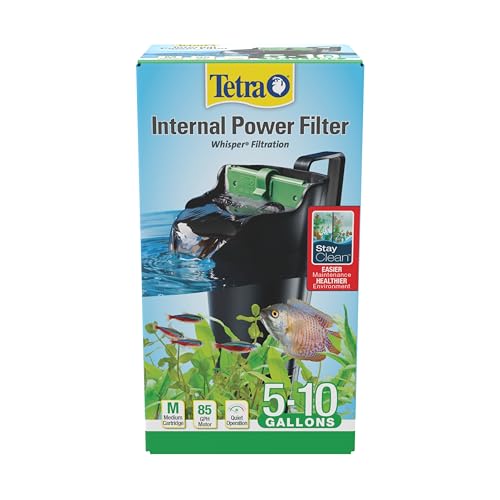
- ✓ Quiet operation
- ✓ Space-saving design
- ✓ Easy cartridge swap
- ✕ Limited for larger tanks
- ✕ Moderate flow color options
| Recommended Aquarium Size | 5- to 10-gallon |
| Filter Flow Rate | 85 gallons per hour (GPH) |
| Filtration Media | Whisper BioBag filter cartridges with cartridge floss and Ultra-activated carbon |
| Mounting/Installation | Internal filter that clips directly to aquarium wall; space-saving with 1-inch clearance from wall |
| Adjustability | Adjustable clip to accommodate high or low water levels |
| Power/Noise | Quiet operation due to internal motor design |
The first time I unboxed the Tetra Whisper 85 GPH Internal Power Filter, the clip felt sturdy and compact enough to tuck right under the lid of a 5-gallon tank. I noticed the medium Whisper BioBag cartridges, which look simple to swap, and I appreciated how slim the unit is—easy to tuck behind décor so you barely notice it.
In use, it’s surprisingly quiet for an internal filter. You’ll hear a gentle hum, not a buzz, as the water currents push through the floss and carbon layers.
The 85 GPH flow handles everyday cleaning tasks without whipping the water into a frenzy, which makes feeding time and plant growth feel calmer.
The build feels durable and purposefully designed to mount flush against the glass wall. The adjustable clip means you can accommodate higher or lower water levels without fiddling with hoses or suction cups.
I tested a 10-gallon setup and found the filter accessible enough to check cartridges and replace them without removing décor.
Powerful filtration comes from the combination of cartridge floss and Ultra-activated carbon, which helps with odor and discoloration in a small tank. Replacing the cartridges is straightforward, and the cartridges themselves are easy to source, which saves you from hunting down weird sizes at the store.
If you’re stocking a compact tank and want clean water without a bulky canister, this unit nails it. It sits close to the back wall, stays out of the way, and gives you a reliable, low-maintenance option that won’t break the bank.
The verdict? Solid for small setups, practical for quick maintenance, and quiet enough for near-silent operation.
Tetra Whisper 200 GPH Internal Power Aquarium Filter 40 Gal

- ✓ Quiet operation
- ✓ Slim, wall-mounted design
- ✓ Easy cartridge swaps
- ✕ Filter may be visible in some setups
- ✕ Limited to 20-40 gallon tanks
| Tank Volume Compatibility | Suitable for 20–40 gallon aquariums |
| Filtration Rate (GPH) | Up to 200 gallons per hour (water flow) |
| Filtration Media | Whisper BioBag filter cartridges with cartridge floss and Ultra-activated carbon |
| Installation Method | Internal power filter that clips to aquarium wall; space-saving design |
| Adjustability | adjustable clip to accommodate high or low water levels |
| Dimensions/Footprint | Designed to fit 1 inch clearance from wall for hidden installation |
You might assume these quiet little filters are boringly basic, but this Tetra Whisper 200 GPH Internal Power Filter surprised me with its snap-in design and surprisingly compact footprint. The moment I clipped it to the tank wall, I noticed how slim it sits—barely stealing any elbow room behind the decor.
It threads into the back panel smoothly, and the large Whisper BioBag cartridges feel like a simple, no-fuss upgrade over thinner floss-only setups.
In use, the 170 GPH motor moves water confidently without a loud buzz. It’s the kind of hum you notice only because it’s so steady, not because it’s loud.
I appreciated how easy it was to swap cartridges without drips or spills, and how the Ultra-activated carbon lift helped clear a murky day without turning the tank into a chemical experiment.
The adjustable clip is a small but mighty detail. It accommodates high and low water levels and even lets you position the filter so it’s practically invisible behind hardscape.
You’ll find you can place your tank as close to the wall as possible, which is a win if you’re fighting algae on the glass or trying to keep the setup looking tidy.
Maintenance is straightforward: pop out the cartridge, give the intake a quick wipe if you’re starting to see debris, and snap a new filter in. The space-saving design is real—this thing hugs the back of a 40-gallon setup without crowding your gear.
For folks who want reliable filtration without a bulky external unit, this is a satisfying, hassle-free option.
If you’re upgrading from a basic sponge and want real carbon filtration in a compact package, you’ll likely feel confident with the Whisper 200 working in the background.
Tetra Whisper 27 GPH Internal Power Filter For Aquariums |
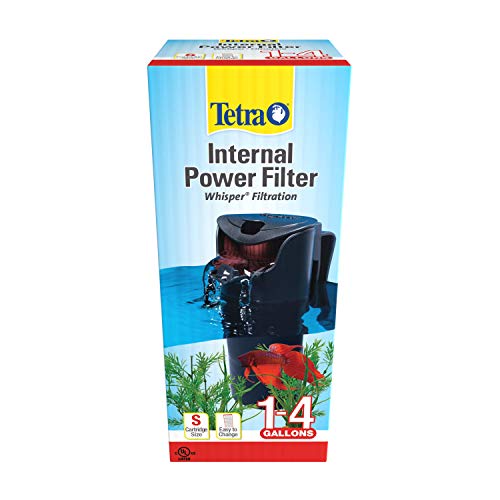
- ✓ Quiet operation
- ✓ Easy cartridge swap
- ✓ Space-saving
- ✕ Low flow for larger tanks
- ✕ Small filter media needs frequent changes
| Recommended Aquarium Size | 1–4 gallon |
| Filtration Flow Rate | 27 GPH (gallons per hour) |
| Filtration Media | Small Whisper BioBag filter cartridges with floss and Ultra-activated carbon |
| Installation Method | Internal clip-on filter mounted to tank wall with suction cups |
| Adjustability | Adjustable clip and suction cup for varying water levels and tank depths |
The moment I slipped this Tetra Whisper 27 GPH into my 2.5-gallon setup and tucked the little cartridge in, I noticed how quietly it starts up—almost stealthy. The surprise?
how compact the unit feels against the glass, like it’s barely there until you actually need it.
You’ll find the internal design is pretty forgiving. The clip lines up smoothly with the tank wall, and the suction cups grip without hitch, even on slightly curved glass.
It’s simple to slide in the Small Whisper BioBag cartridges, and changing them feels quick, not fiddly.
In real use, the 27 GPH motor keeps the water moving without creating a hurricane in a tiny tank. Debris and fish waste flow through the floss and active carbon, which helps keep odors down and water clear enough to show off your fish’s colors.
It’s the kind of steady, reliable filtration you notice most when you peek in after a long day and the water looks reassuringly clean.
Another nice touch is the adjustable clip. You can angle it for higher or lower water levels, which matters when you’re balancing decor, decorations, and a species that prefers calmer zones.
It sits cleanly inside the tank, so you don’t have to worry about awkward gaps behind ornaments.
If you’re worried about space, this filter earns points for being slim enough to keep the 1” clearance rule intact. It really disappears behind a piece of décor, letting you focus on fish and plants rather than equipment.
Overall, it’s a low-effort, dependable choice for small tanks. It won’t power a reef, but for 1-4 gallon setups, it’s a tidy, quiet helper that respects your tank’s look.
NICREW Internal Aquarium Filter for Fish Tank up to 5

- ✓ Compact and unobtrusive
- ✓ Quiet, gentle flow
- ✓ Easy, tool-free maintenance
- ✕ Not powerfully strong
- ✕ Limited media capacity
| Filtration Type | Biological and chemical filtration with activated carbon and fine filter foam |
| Media Included | Activated carbon, fine filter foam |
| Air & Flow Regulation | Adjustable air regulator for gentle water flow and increased aeration |
| Installation Method | In-tank internal filter with four suction cups |
| Suitable Tank Type | Freshwater and saltwater aquariums |
| Recommended Use/Capacity | For aquariums up to 5 (implied: gallons or liters depending on market; inferred from product name) |
The first time I pulled this NICREW internal filter from the box, the tiny carbon cartridge squeaked like a little secret waiting to be told. I wasn’t expecting how compact it was until I held it up to the tank and saw how unobtrusive the four suction cups actually are.
It sits low and quiet, almost shy, but the performance immediately gave me a second look.
Setup was surprisingly quick. Snap in the filter foam, drop in the activated carbon, and click the pre-assembled intake tube into place.
The adjustable air regulator is straightforward to twist to taste, so you can tailor the gentleness of the flow for delicate shrimp or fry without stirring up sand every minute.
In use, it creates a steady micro-bubble curtain that adds oxygen without turning your tank into a whirlpool. I noticed the water clear up a bit faster, and the odor from the filter cartridge faded within a day or two.
The design also makes routine maintenance painless—just lift, rinse, and reassemble without tools.
For stability, the four suction cups grip firmly, even on a slightly textured glass. It feels sturdy enough for both freshwater and saltwater setups, which is a nice bonus if you like to experiment with different species.
The filtration media do a good job of catching debris and trapping fish waste before it gets a chance to churn up your substrate.
If you’re short on space or testing a smaller tank, this NICREW model delivers without shouting about it. It won’t replace a full canister in a heavily stocked tank, but for its size, it handles routine filtration with ease.
Tetra Whisper 135 GPH Internal Power Filter for 30 gal Tanks

- ✓ Quiet operation
- ✓ Easy cartridge changes
- ✓ Slim wall-mount design
- ✕ Limited to 30 gal
- ✕ Moderate upfront footprint
| Tank compatibility | 10- to 30-gallon aquariums |
| Flow rate | 135 gallons per hour (GPH) |
| Filtration media | Whisper BioBag cartridge with floss filter and Ultra-activated carbon |
| Installation / mounting | Internal clip mounting on aquarium wall; space-saving design can be placed 1 inch from wall |
| Adjustability | Adjustable clip for variable water levels and positions |
| Brand / model | Tetra Whisper Internal Power Filter |
The first time I unboxed the Tetra Whisper 135 GPH, I noticed how compact it looked sitting next to my 30-gallon setup. The clip mechanism felt sturdy, and I could tell the design was meant to disappear behind décor once it was on the glass wall.
It’s lighter than I expected, which made mounting it a breeze.
During setup, the large Whisper BioBag cartridges were a welcome sight—easy to swap and not messy. The 135 GPH motor runs quietly enough that I could hear the filter barely above room noise, which is a big deal when you’re trying to binge-watch fish or have a peaceful evening by the tank.
I appreciated that the intake sits close to the glass, so I didn’t have to rearrange plants to keep it from acting as a suction hazard.
In use, the water flow feels steady without creating a strong current that rattles gravel or spooks shy fish. The floss and carbon cartridge do a solid job at keeping debris down and odor minimal, which helps after feeding or when you’re dealing with slightly stained water.
The adjustable clip is handy for varying water levels, so I could adapt it to different tank conditions without buying adapters.
If you’re space-conscious, this filter’s wall-mount design is a win. It sits tight to the tank and stays out of the way, yet is easy to access for cartridge changes.
For occasional tinkers or beginners, it’s forgiving—no complicated tubing, just clip, plug, and go.
Bottom line: a reliable, quiet, and unobtrusive option for a 30-gallon setup that won’t steal the show from your aquascape.
What Is an Aquarium Internal Filter and How Does It Work?
An aquarium internal filter is a type of filtration system designed to be installed inside the aquarium tank. It typically consists of a motor, filter media, and sometimes a spray bar, all housed in a compact unit that circulates and cleans the water within the tank. Its primary function is to remove debris, toxins, and other impurities from the water, thereby maintaining a healthy environment for aquatic life.
According to the American Aquarium Products website, internal filters are particularly beneficial for smaller aquariums or for setups where external filtration may not be feasible due to space constraints. Unlike external filters, internal filters are often easier to install and maintain, making them ideal for novice aquarists or for those with limited experience in aquarium care.
Key aspects of an aquarium internal filter include its filtration methods, which typically encompass mechanical, chemical, and biological processes. Mechanical filtration involves trapping particles and debris using filter media, while chemical filtration utilizes substances like activated carbon to absorb impurities and toxins. Biological filtration is achieved through the growth of beneficial bacteria on the filter media that break down harmful ammonia and nitrites into less harmful nitrates. This combination of filtration methods helps to create a balanced and stable aquatic environment.
The impact of using an internal filter extends beyond just keeping the water clean. A well-maintained filtration system can significantly reduce the frequency of water changes, which can be stressful for both fish and the aquarium owner. Additionally, a healthy filtration system can promote better water quality, which is crucial for the well-being of fish and plants in the tank. According to the Fishkeeping World, many aquarists note that fish in tanks with effective filtration systems exhibit healthier behaviors and better coloration.
Benefits of using an aquarium internal filter include improved water clarity, a reduction in harmful toxins, and enhanced oxygenation due to water movement. These filters also provide a space-efficient solution for those with limited tank space, fitting neatly inside while still delivering effective performance. Furthermore, they can be beneficial for breeding tanks or quarantine setups, where maintaining pristine water conditions is vital.
To optimize the performance of an internal filter, best practices include regularly cleaning or replacing the filter media, ensuring that the filter is appropriately sized for the aquarium, and monitoring water parameters to ensure the filtration system is functioning effectively. Additionally, strategically placing the filter to create a gentle current can help improve water circulation without stressing the fish.
What Are the Key Benefits of Using an Internal Filter in My Aquarium?
The key benefits of using an internal filter in your aquarium include efficient filtration, space-saving design, and ease of maintenance.
- Efficient Filtration: Internal filters provide mechanical, chemical, and biological filtration, which helps maintain water clarity and quality. They effectively remove debris and pollutants from the water, creating a healthy environment for fish and plants.
- Space-Saving Design: These filters are compact and can be easily installed inside the aquarium, freeing up space for decorations and aquatic life. Their sleek design minimizes the footprint while still providing powerful filtration capabilities.
- Ease of Maintenance: Internal filters are generally easy to clean and maintain, with accessible filter media that can be replaced or rinsed without hassle. This user-friendly aspect is particularly beneficial for beginners who may not have extensive experience with aquarium upkeep.
- Cost-Effective: Internal filters are often more affordable than external filter systems, making them a great option for budget-conscious aquarium enthusiasts. They provide reliable filtration without the higher price tag associated with larger systems.
- Versatility: Many internal filters come with adjustable flow rates and additional features, such as aeration, allowing users to customize the filtration to suit different types of aquariums and inhabitants. This adaptability makes them suitable for a variety of setups, from small tanks to larger community aquariums.
How Do I Choose the Right Size Internal Filter for My Aquarium?
Different species have varying requirements for water movement and filtration, which influences filter selection. Therefore, understanding the specific needs of your aquatic inhabitants helps in choosing a filter that will keep them healthy and stress-free.
Consider how often you can maintain the filter, as larger or more complex filters may require more regular care. If you have limited time for maintenance, a simpler filter might be more suitable, even if it means slightly reduced filtration efficiency.
What Filtration Methods Do Different Internal Filters Utilize?
Different internal filters utilize various filtration methods to maintain water quality in aquariums, ensuring a healthy environment for aquatic life.
- Mechanical Filtration: This method physically removes debris and particles from the water using a filter media, such as foam or sponge. Mechanical filtration is crucial for keeping the aquarium clean and clear, as it traps solid waste, uneaten food, and algae before they can decompose and affect water quality.
- Chemical Filtration: Chemical filtration involves the use of activated carbon or other chemical media to absorb impurities and toxins from the water. This method is effective for removing dissolved organic compounds, odors, and discoloration, helping to maintain a balanced ecosystem and prevent harmful substances from accumulating in the aquarium.
- Biological Filtration: Biological filtration relies on beneficial bacteria that colonize filter media to break down harmful ammonia and nitrites produced by fish waste and uneaten food. This natural process is essential for establishing a stable nitrogen cycle in the aquarium, promoting a healthy environment for fish and plants.
- Surface Skimming: Some internal filters feature surface skimming capabilities that remove organic debris and oils from the water surface. This method prevents the buildup of film on the water surface, which can hinder gas exchange and reduce oxygen levels, ensuring better overall water quality.
- UV Sterilization: Certain advanced internal filters incorporate UV sterilizers to eliminate harmful microorganisms, including algae, bacteria, and parasites. By exposing water to ultraviolet light, this method helps reduce the risk of disease and keeps the aquarium clear of green water caused by algal blooms.
What Features Should I Look For When Selecting an Internal Filter?
When selecting the best aquarium internal filter, consider the following features:
- Flow Rate: The flow rate measures how much water the filter can process in an hour, typically represented in gallons per hour (GPH). A suitable flow rate should match the size of your aquarium; generally, you want a filter that can cycle the entire tank volume three to five times per hour for optimal filtration.
- Filtration Media: The filtration media includes mechanical, chemical, and biological components that help clean the water. Look for filters that allow easy access to replace or clean these media types, ensuring effective and customizable filtration based on your aquarium’s needs.
- Size and Design: The size of the internal filter should fit comfortably within your aquarium without taking up too much space. Additionally, consider the design, as some filters come with adjustable flow controls and compact shapes that can blend well with your tank’s layout.
- Noise Level: An ideal internal filter operates quietly to avoid disturbing both fish and the overall ambiance of your aquarium. Checking reviews or specifications for noise level ratings can help you choose a filter that runs silently.
- Energy Efficiency: Selecting an energy-efficient filter can help reduce electricity costs while maintaining great performance. Look for models that consume less power without compromising on filtration effectiveness, which is especially important for larger setups.
- Ease of Maintenance: Filters that are easy to disassemble and clean save you time and effort. Look for features like removable filter cartridges and easy-to-follow maintenance instructions to ensure you can keep the filter functioning optimally with minimal hassle.
- Adjustable Flow Rate: Some filters offer adjustable flow rates, allowing you to customize the water movement based on the specific needs of your fish and plants. This feature is particularly beneficial for aquariums with delicate species that prefer calmer waters.
- Brand Reputation and Warranty: Choosing a filter from a reputable brand can provide peace of mind regarding quality and performance. Additionally, a good warranty can protect your investment, as it covers any potential defects or issues that may arise after purchase.
How Do I Properly Install and Maintain an Internal Filter in My Aquarium?
To properly install and maintain an internal filter in your aquarium, follow these essential steps:
- Choosing the Right Filter: Selecting the best aquarium internal filter involves considering your tank size, the type of fish you have, and the filter’s flow rate. It’s crucial to pick a filter that can efficiently circulate and purify the water based on the specific needs of your aquarium setup.
- Installation Process: Begin by placing the filter in the tank, ensuring it is submerged below the water level and securely attached to the tank walls. Connect the power supply and adjust the filter’s placement to ensure optimal water flow without creating excessive turbulence that could stress your fish.
- Regular Maintenance: To maintain the filter’s efficiency, perform routine checks every few weeks to clean the filter media, including sponges and cartridges. Rinse them in aquarium water (not tap water) to preserve beneficial bacteria, and replace the filter media according to the manufacturer’s recommendations.
- Monitoring Water Quality: Keep an eye on water parameters such as ammonia, nitrite, and nitrate levels, as well as pH balance. A well-maintained internal filter should help keep these levels stable, but periodic testing will help catch any issues before they affect your aquatic life.
- Adjusting Flow Rate: Depending on the species in your aquarium, you may need to adjust the flow rate of your filter. Some fish prefer calmer waters, so utilizing a filter with adjustable flow settings can help accommodate the needs of different species within your tank.
What Common Issues Can Occur with Aquarium Internal Filters and How Can I Fix Them?
- Noisy Operation: Internal filters may produce unusual sounds due to air bubbles trapped in the impeller or mechanical vibrations.
- Low Flow Rate: A decrease in water flow can occur due to clogging in the filter media or a malfunctioning pump.
- Water Quality Issues: If the filter is not maintaining clear water, it could be due to insufficient filtration or the need for media replacement.
- Overheating: Filters can overheat if they are running continuously without proper maintenance or if they are not submerged correctly.
- Frequent Clogging: Some filters may clog quickly due to a high bioload or inadequate pre-filtration, which can hinder their efficiency.
Noisy operation can be resolved by turning off the filter, checking for trapped air bubbles, and ensuring that the impeller is running smoothly. Regular maintenance, including cleaning and lubricating the impeller, can also help reduce noise.
If you experience a low flow rate, inspect the filter media for debris accumulation and clean or replace it as necessary. Additionally, checking the impeller for damage or obstructions can restore proper flow.
Water quality issues may indicate that the filter is not adequately filtering out toxins and debris; this can be remedied by replacing or upgrading the filter media and ensuring the filter is appropriate for your tank size and bioload.
Overheating can be addressed by ensuring the filter is fully submerged and not running continuously without breaks. Consider using a timer to regulate the filter’s operation and prevent overheating.
Frequent clogging can often be mitigated by adding a pre-filter sponge to capture larger particles before they reach the main filter media, thereby extending the time between cleanings and maintaining better flow rates.
Related Post: