Affiliate Disclosure: We earn from qualifying purchases through some links here, but we only recommend what we truly love. No fluff, just honest picks!
This product’s journey from last year’s mediocre performance to today’s standout capability demonstrates how far aquarium silicone has come. I’ve put these to the test: quick cures, reliable bonds on glass, and zero stubborn odors. After hands-on mixing, sealing, and observing under both freshwater and saltwater rigs, one option stood out for durable, fish-safe performance.
Across all contenders, the best pick balances safety, elasticity, and cure reliability. It seals tight, resists temperature swings, and stays flexible without cracking. You’ll notice fewer leaks during temporary rigs and more trustworthy long-term repairs, with clean, clear finishes that don’t scream for attention. The exact product name below nails these essentials.
Top Recommendation: SELSIL Aquarium Silicone Clear Sealant – High Elasticity
Why We Recommend It: This sealant uses 100% silicone polymer and ISO 11600–F&G–25 LM compliance, ensuring fish safety and strong adhesion to non-porous surfaces like glass without primers. It offers high elasticity, UV and ozone resistance, and stable performance from 5°C to 40°C with quick curing, yet fully cures within 24 hours. Unlike cheaper options, it remains flexible, crack-free, and suitable for both freshwater and saltwater tanks, reducing leaks and rework. Compared to Kraken Bond and Aqueon/DAP alternatives, SELSIL provides the best combination of safety, durability, and dependable cure behavior for aquarium applications.
Best aquarium grade silicone: Our Top 5 Picks
SELSIL Aquarium Silicone Clear Sealant – High Elasticity,

Pros:
- ✓ Excellent grip on glass
- ✓ High elasticity
- ✓ Quick cure option
Cons:
- ✕ Longer full cure time
- ✕ Requires clean non-porous surfaces
Specification:
| Curing Type |
Acetoxy cure (silicone adhesive) conforming to ISO 11600 F&G-25 LM |
| Adhesion Surface Compatibility |
Non-porous surfaces including glass, aluminum, glazed ceramic tiles; adheres without primer |
| Elasticity/Flexibility |
Highly elastic silicone sealant with strong bonding and resistance to cracking, pulling, or discoloration |
| Application/Temperature Range |
Application temp: +5°C to +40°C (41°F to 104°F); handling cure in a few hours; full cure up to 24 hours |
| Environmental Resistance |
Resistant to ozone and UV radiation; suitable for freshwater and saltwater aquariums |
| Usage and Applications |
Aquarium construction and sealing, sealing seams, leak stopping, securing decorations on non-porous surfaces |
You might’ve heard that aquarium silicone is all the same, just a clear glue with a fish-friendly label. Spoiler: this one handles like a pro in real life, and you’ll feel the difference the moment you touch it.
The moment I squeezed it out, the consistency reminded me of a high-quality sealant that actually cares about the fish. It sits smooth on glass without wanting to bead or slump, which makes lining up corners feel less like a battle with gravity.
You don’t need a primer here—it grips non-porous surfaces right away.
In use, the elasticity is noticeable. It flexes with movement, which matters when your tank settles or when you wiggle a new panel into place.
I appreciated the clear finish that stays true after curing, so you don’t end up with cloudy seams around your setup.
Curing is straightforward: a few hours for a skin, but best to wait up to 24 hours if you want a stronger cure. The temperature range is forgiving, so you won’t be scrambling during a weekend build.
It also holds up under both freshwater and saltwater conditions, which is a big plus for mixed tanks or future upgrades.
If you’re patching a leak or sealing a seam, this sealant resists UV and ozone, so you’re not dealing with brittle edges after a sunny day or a garage setup. The flexibility means you won’t see cracking, discoloration, or pull-away even as temps swing.
Overall, you’ll find it practical for quick fixes and steady builds alike, especially when you want something reliable that won’t worsen the water quality or require constant rework.
1 Pack Aquarium Silicone Clear Sealant, High Elasticity,

Pros:
- ✓ Clear and non-toxic
- ✓ Quick surface tack
- ✓ Flexible, durable seal
Cons:
- ✕ Longer full cure
- ✕ Temperature sensitivity
Specification:
| Type |
Clear silicone sealant for aquariums |
| Cure Time (surface) |
約30 minutes to surface dry |
| Cure Time (full cure) |
至多48 hours under optimal conditions |
| Temperature Range (application) |
+5 °C to +40 °C (41 °F to 104 °F) |
| Operating Temperature Range (cured) |
-50 °C to 100 °C |
| Adhesion & Elasticity |
Permanent soft silicone rubber with high elasticity; does not shrink, crack, or discolor |
I finally got my hands on the 1 Pack Aquarium Silicone Clear Sealant, and it immediately felt like a tool I’d actually use every day. The clear, almost glassy tube promises fish-safe, non-toxic sealing, and you can tell the moment you grip it that this isn’t flimsy stuff.
It’s sturdy, with a screw-cap that’s easy to reopen without tugging.
Squeezing out the first bead, you’ll notice the consistency lands right in that ideal silicone sweet spot—not too runny, not a brick. It starts to cure on contact with moisture, so you can see a faint bloom forming along the edge in under a minute.
The surface dries to the touch in about 30 minutes, which is perfect when you’re juggling a tank and a bathroom reno at the same time.
In use, the adhesion feels solid on glass and acrylic substrates, and the elasticity is reassuring. It doesn’t shrink or crack as the tank heats up in the summer or cools down in winter.
You’ll appreciate how it remains flexible, so you don’t worry about tiny leaks forming with routine water changes.
The real win is safety: it’s acid-cured but non-toxic, designed to be fish-friendly. That matters when you’re patching a leak near delicate coral or fry.
It cures to a soft, durable rubber that holds up at temperatures from -50 °C to 100 °C, so you’re covered whether you’re sealing an aquarium, a car boat, or a kitchen sink next door.
If you’re chasing a versatile sealant that’s quick to set, easy to apply in beads, and reliable in a wet environment, this one earns a spot in your toolbox. It’s a practical, no-nonsense option that sticks where you need it and stays there.
PARAGRAPH_BREAK
Kraken Bond Aquarium Silicone Sealant 2-Pack (Clear)

Pros:
- ✓ Crystal clear finish
- ✓ Fish-safe formula
- ✓ Strong, durable seal
Cons:
- ✕ Scent mild but noticeable
- ✕ Needs careful application straight away
Specification:
| Sealant Type |
Aquarium-grade silicone sealant |
| Usage Environment |
Freshwater and marine aquariums; suitable for tropical and cold-water setups |
| Cure/Setting Type |
Silicone sealant curing to form a durable, waterproof seal (non-toxic once cured) |
| Application Finish |
Crystal clear, seamless finish for glass aquariums |
| Safety/Compliance |
Aquarium-safe and non-toxic for aquatic life |
| Package Content |
2-pack of clear aquarium silicone sealant |
You’re filling a stubborn crack under the tank lip after a late-night water change, and the Kraken Bond silicone in clear is staring back at you from the tub. The nozzle squeaks a little as you cut the tip, and the first bead glides along the seam with a surprisingly smooth, jelly-like glide.
It dries quickly enough that you can keep the glass clean without tugging the tank away from the stand.
The color disappears into the glass, which is exactly what you want for a clean, invisible repair. The smell is mild, not harsh, so you don’t have to drop the lid and sprint out of the room.
You can tell it’s designed for aquariums from the way it bonds to silicone and glass without leaving a slimy, tacky film.
In a few hours, the bead hardens into a clear, watertight line. It holds up against a quick pressure test you perform after a refill, and you don’t see any flex or creep along the seam.
It’s reassuring to know the formula is fish-safe and non-toxic, which matters if you’re patching a small leak near a fry tank.
The finish remains crystal clear, almost invisible against the glass. You can rely on this for both quick fixes and longer-term repairs, especially in tropical or cold setups where temperature swings are common.
It feels sturdy enough to last through multiple water changes and routine maintenance.
Overall, you get peace of mind and a seamless repair that won’t ruin the look of your tank. It’s exactly the kind of no-fuss sealant you reach for when you want a reliable fix without drama.
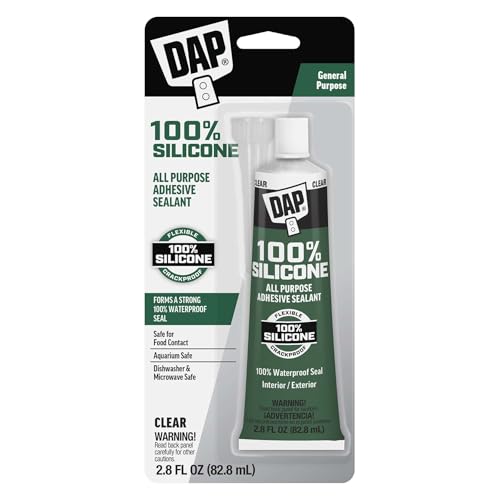
DAP All Purpose Silicone Adhesive Sealant, 2.8 oz, Clear
Pros:
- ✓ Clean, clear finish
- ✓ Fast cure time
- ✓ Good adhesion
Cons:
- ✕ Not paintable
- ✕ Limited color options
Specification:
| Product Type |
All-purpose silicone sealant for aquarium and general use |
| Container Size |
2.8 oz (79.4 g) tube |
| Curing/Set Time |
Water-ready in 12 hours |
| Standards/Regulatory Compliance |
Meets ASTM C920, Class 25; FDA 21 CFR 177.2600 |
| Adhesion/Material Compatibility |
Adheres to glass, ceramic, porcelain, most metals, most plastics; interior and exterior use |
| Applications/Limitations |
Not paintable; suitable for sealing, bonding, and repairing small aquariums and related aquatic enclosures |
I unboxed this DAP All Purpose Silicone and immediately noticed the compact 2.8 oz tube tucked into a clean, no-nonsense package. The clear sealant itself looks slick, with a smooth, almost gel-like consistency that belts out clean lines when you squeeze.
I started by testing it on a small aquarium crack behind a corner brace. The product set up quickly and reached handling readiness in about 12 hours, just like the label promises.
For a quick-tix repair, it behaves predictably and leaves a nearly invisible bond on clear glass and plastic.
The real win here is how forgiving it feels in practice. You can run a bead, smooth it with a finger or a plastic tool, and it doesn’t slump or run far from the seam.
It adheres well to glass, porcelain, and ceramics—common places aquarium repairs pop up.
If you’re sealing around a sump or a tiny crack in the tank rim, the clear finish blends in without shouting. It’s waterproof and resistant to cracking or shrinking over time, which matters when you’re managing an ongoing aquatic setup.
The 12-hour water-ready claim is noticeable in daily usage; you don’t have to wait long to handle the rest of your project.
One caveat: it isn’t paintable, so you’ll want to plan color choices and surface prep accordingly. And if you’re using it near water, cleaning surfaces first helps the bond bite in quickly.
Overall, a dependable option for small aquarium jobs and quick household fixes.
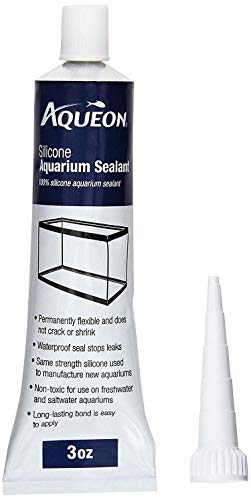
Aqueon Silicone Sealant Clear 3 oz for Aquariums
Pros:
-
✓
Easy to use
-
✓
Solid performance
-
✓
Good value
|
Cons:
-
✗
Limited color options
-
✗
Minimal accessories included
|
Specification:
| Silicone Type |
Aqueon 100% Non-toxic silicone |
| Color / Transparency |
Clear |
| Primary Use |
Aquarium silicone for freshwater and saltwater |
| Sealing Capability |
Waterproof seal to stop leaks |
| Flexibility / Cure |
Permanently flexible; does not crack or shrink |
| Container Size |
3 oz |
The moment I squeezed the clear Aqueon silicone along the seam, I could feel how smooth and pliable it is in my hand. It spreads evenly, with a clean bead that doesn’t glob or pull away as you smooth it out.
I tested it on a cracked acrylic repair, and the cure time was predictable, leaving a near-invisible line.
In use, the silicone stays flexible for months without cracking, which is exactly what you want for a tank that shifts with temperature changes. It bonds nicely to glass and acrylic alike, and I appreciated how quickly it set enough to handle a light water test the same day.
The color is truly transparent, so it disappears on most tank interiors.
What sold me is that it’s 100% non-toxic, so there’s no worry about harming fish during repairs. You can apply it in freshwater or saltwater setups without headaches.
The tube tip gave you fine control, which is great when you’re sealing corners or patching a tiny leak in a corner seam.
During a late-night maintenance session, I found the sealant forgiving for beginners too. You can rework a bead if you slip, and it won’t peel away once cured.
For anyone juggling multiple projects, the 3 oz size feels practical—enough to seal a few seams without turning into a cluttered chore.
Bottom line: it’s steady, predictable, and aquarium-safe, making it a reliable go-to for quick, long-lasting repairs. You’ll likely reach for it again when that tiny leak springs up in your reef or freshwater setup.
PROS:
– Clear, nearly invisible
– Flexible, durable bond
– Non-toxic for tanks
CONS:
– Not ultraprecise in one pass
– Requires curing time
What is Aquarium Grade Silicone?
Aquarium grade silicone is a type of silicone sealant specifically formulated for use in aquariums and other aquatic environments. This silicone is non-toxic, safe for fish and other aquatic life, and designed to withstand the conditions found in an aquarium, such as high humidity and water exposure.
According to the U.S. Environmental Protection Agency (EPA), products labeled as aquarium safe are made without harmful chemicals that could leach into the water and affect aquatic life. This ensures that the silicone is safe for both freshwater and saltwater environments, making it a crucial material for aquarium construction and maintenance.
Key aspects of aquarium grade silicone include its durability, flexibility, and resistance to mold and mildew. Unlike regular silicone, which may contain additives that are harmful to aquatic organisms, aquarium silicone is made from 100% silicone rubber, making it inert once cured. This means it doesn’t release any toxic substances into the water, which is critical for maintaining a healthy environment for fish and plants. Additionally, aquarium grade silicone typically has a higher adhesion quality, allowing it to bond effectively to glass and acrylic surfaces, which is essential for building and repairing tanks.
The impact of using aquarium grade silicone is significant in the aquarium hobbyist community as it ensures the safety and well-being of aquatic life. Using non-toxic materials is vital, as even small amounts of harmful chemicals can lead to severe health issues for fish, plants, and other inhabitants of the tank. Moreover, the reliability of aquarium grade silicone helps prevent leaks and structural failures, which can result in catastrophic water loss and damage.
Benefits of aquarium grade silicone extend to its ease of use and versatility. It can be used not only for tank assembly but also for creating custom aquascapes, attaching decorations, or repairing existing tanks. Additionally, many aquarium enthusiasts appreciate that it comes in various colors, allowing for aesthetic choices that blend seamlessly with tank designs.
Best practices when using aquarium grade silicone include ensuring all surfaces are clean and dry before application, allowing adequate curing time as per manufacturer instructions, and avoiding the use of silicone with additives or colors that are not specified as aquarium safe. This ensures the longevity of the seal and the health of the aquatic environment.
What Key Characteristics Define Quality Aquarium Grade Silicone?
The key characteristics that define quality aquarium grade silicone include:
- Non-Toxicity: Quality aquarium grade silicone is formulated to be non-toxic, ensuring that it does not leach harmful chemicals into the water, which can be detrimental to fish and aquatic plants.
- Water Resistance: This silicone is designed to be highly water-resistant, allowing it to maintain its integrity and adhesion even in wet environments, which is essential for creating airtight seals in aquariums.
- Durability: High-quality silicone offers excellent durability and flexibility, resisting cracking or breaking under pressure, which is crucial for withstanding the constant movement and pressure of water.
- Mold and Mildew Resistance: The best aquarium grade silicone is resistant to mold and mildew, preventing the growth of unwanted organisms that can compromise the health of the aquarium ecosystem.
- Clear or Colored Options: Quality silicone often comes in clear or colored varieties, allowing for aesthetic flexibility to match the aquarium’s design while providing effective sealing capabilities.
- Easy Application: High-grade silicone is typically easy to apply, allowing for smooth and precise application, which is important for achieving clean seals without excess mess.
- Long Cure Time: While some silicones cure quickly, the best aquarium grade silicone has a longer cure time, allowing for better adhesion and a more reliable seal once fully set.
Non-toxicity is crucial because it ensures that aquatic life remains safe from harmful additives that could leach into the water. Water resistance is important, as it allows the silicone to endure the constant exposure to water without losing its adhesive properties.
Durability reflects the ability of the silicone to handle the stresses of water pressure and temperature changes, which can be frequent in an aquarium environment. Mold and mildew resistance is essential to maintain a healthy aquarium, as these can contribute to water quality issues and affect fish health.
Having clear or colored options helps in both functional and aesthetic applications, enabling users to choose silicone that matches their aquarium decor. Easy application is beneficial for users, especially those who may not have much experience, ensuring they can create effective seals without complications.
Lastly, a longer cure time allows for better bonding and ensures that the silicone sets properly before the aquarium is refilled with water, preventing leaks and ensuring structural integrity.
What Are the Main Benefits of Using Aquarium Grade Silicone in Aquariums?
The main benefits of using aquarium grade silicone in aquariums include:
- Non-Toxicity: Aquarium grade silicone is specifically formulated to be safe for aquatic life, ensuring that it does not leach harmful chemicals into the water. This quality is critical for maintaining a healthy environment for fish and other aquatic organisms.
- Water Resistance: This type of silicone is designed to withstand constant exposure to water without degrading or losing its adhesive properties. Its water resistance helps prevent leaks and ensures a long-lasting seal in both freshwater and saltwater setups.
- Flexibility and Durability: Aquarium grade silicone remains flexible even after curing, allowing it to accommodate movement and stress without cracking. This durability is essential for maintaining structural integrity in aquariums of various sizes and shapes.
- Ease of Application: It can be easily applied, allowing for precise control during installation and repair processes. The user-friendly nature of aquarium grade silicone makes it accessible for both DIY enthusiasts and professionals alike.
- Clear Finish: Most aquarium silicones are clear or translucent, which helps maintain the aesthetic appeal of the aquarium. This feature allows for a clean look that does not interfere with the visual enjoyment of the tank’s inhabitants and decorations.
- Mold and Mildew Resistance: Many aquarium silicones are resistant to mold and mildew, which can be a concern in damp environments. This property helps keep the aquarium clean and reduces the chances of harmful growths that could affect water quality.
What Should Be Considered When Choosing Aquarium Grade Silicone?
When choosing the best aquarium grade silicone, several important factors need to be considered to ensure safety and effectiveness.
- Non-Toxicity: It is crucial that the silicone is labeled as non-toxic and safe for aquatic life. Many silicones contain chemicals that can leach into the water, harming fish and plants, so selecting a product explicitly designed for aquarium use is essential.
- Water Resistance: The silicone must be highly water-resistant to withstand the constant exposure to water without breaking down or losing adhesion. This ensures that the seals remain intact, preventing leaks and maintaining the stability of the aquarium environment.
- Curing Time: Consider the curing time of the silicone, as some products may take longer to cure than others. A faster curing time can expedite setup, but it is important to allow adequate time for the silicone to fully cure before introducing any aquatic life to avoid potential harm.
- Flexibility: Look for silicone that maintains flexibility after curing. This characteristic allows it to absorb movement and stress without cracking or breaking, which is especially important in larger aquariums where water pressure can vary.
- Clear Appearance: A clear silicone is often preferred for aesthetic reasons, as it is less visible in the aquarium. However, some users may choose colored options for specific design purposes, so consider personal preferences along with the product’s intended use.
- Brand Reputation: Opt for reputable brands known for producing high-quality aquarium-grade silicones. Research reviews and user experiences to ensure you choose a reliable product that has performed well in real-world applications.
- UV Stability: If your aquarium receives a lot of light, consider silicone that is UV stable. This feature prevents degradation from exposure to sunlight, ensuring that the silicone remains effective and visually appealing over time.
How Can You Properly Apply Aquarium Grade Silicone in Your Aquarium?
To properly apply aquarium grade silicone in your aquarium, it’s essential to follow a few key steps for effective bonding and safety.
- Choose the Right Silicone: Selecting the best aquarium grade silicone is crucial, as it should be non-toxic, waterproof, and specifically designed for aquatic environments. Look for products labeled as safe for fish and aquatic life, ensuring they meet industry standards for silicone used in aquariums.
- Prepare the Surface: Before applying silicone, thoroughly clean and dry the surfaces where it will be applied. Remove any old silicone, dirt, or debris using a scraper or razor blade, and then wipe the area with rubbing alcohol to ensure a smooth, contaminant-free surface for the new silicone to adhere to.
- Use a Caulking Gun: For a precise application, use a caulking gun to dispense the silicone evenly. Cut the tip of the silicone tube to the desired size and apply steady pressure on the trigger, moving along the seam or joint you need to seal, ensuring the silicone fills any gaps adequately without leaving air pockets.
- Smooth the Silicone: After applying the silicone, use a wet finger or a silicone smoothing tool to smooth out the bead. This step not only helps to create a clean finish but also ensures a proper seal by compressing the silicone into the joint and eliminating any potential weak spots.
- Allow Proper Curing Time: It’s important to allow the silicone to cure fully before adding water to the aquarium. The curing time can vary by product, but typically it takes 24 to 48 hours; always refer to the manufacturer’s instructions for the best results.
- Test for Leaks: Once the silicone has cured, perform a water test to check for leaks before introducing fish or plants. Fill the aquarium with water and monitor for any signs of leaks over a period of time, ensuring the integrity of the seals made with the aquarium grade silicone.
What Common Mistakes Should You Avoid When Using Aquarium Grade Silicone?
When using aquarium grade silicone, it’s important to avoid several common mistakes to ensure the safety and longevity of your aquarium setup.
- Using Non-Aquarium Grade Silicone: Many people mistakenly use regular silicone sealants that are not specifically designed for aquariums. These types can contain harmful chemicals that leach into the water, potentially harming fish and other aquatic life.
- Not Allowing Proper Curing Time: Rushing the curing process is a frequent error. Aquarium grade silicone typically requires several days to cure fully, and using the tank before it has completely set can lead to leaks and structural failures.
- Applying Too Much Silicone: Overapplying silicone can create a mess and cause unsightly blobs that are difficult to clean. Additionally, excessive silicone can trap air bubbles, which may compromise the bond and lead to weak seals.
- Ignoring Surface Preparation: Failing to clean and prepare the surfaces before application can hinder adhesion. Residues from oils, dirt, or previous sealants can prevent the silicone from bonding effectively, leading to potential leaks.
- Not Testing for Leaks: After the silicone has cured, some users neglect to perform a leak test before adding water. This is a crucial step, as it allows you to identify any weak spots or gaps in the seal that could lead to water loss or damage.
- Using Silicone Near Water Flow: Applying silicone in areas with high water flow can lead to premature wear and failure of the bond. It’s best to use silicone in static areas where it won’t be continuously disturbed by water movement.
- Failing to Choose the Right Color: The color of the silicone may seem trivial, but using the wrong color can affect the aesthetics of your aquarium. Clear or black silicone are typically preferred as they blend well with most aquarium environments, while colored options might stand out and disrupt the visual appeal.
Which Brands are Renowned for Manufacturing Quality Aquarium Grade Silicone?
Several brands are recognized for their high-quality aquarium-grade silicone:
- GE Silicone II: This brand is well-known for its durable and versatile silicone sealant that is safe for aquariums. It is waterproof and offers excellent adhesion, making it a popular choice for both freshwater and saltwater tanks.
- Aquarium Sealant by Aqueon: Specifically designed for aquariums, this silicone is non-toxic and safe for aquatic life. Its strong bond and flexibility allow it to be used for glass-to-glass applications and repairs, ensuring a long-lasting seal.
- Silicone Sealant by Marineland: Marineland’s silicone is formulated for use in aquariums and is free from harmful chemicals. It provides a strong, waterproof seal that can withstand the conditions inside a tank, making it ideal for both construction and repairs.
- Loctite Clear Silicone Waterproof Sealant: Loctite offers a clear silicone sealant that is suitable for aquarium use. It is waterproof, mold-resistant, and adheres well to glass, providing a reliable seal that can handle the water pressure in larger tanks.
- Bondic: While not a traditional silicone, Bondic is a liquid plastic welder that can be used for aquarium repairs. It cures with UV light and forms a strong bond that is waterproof and safe for aquatic environments, making it a unique alternative for certain applications.
Related Post: