
Among the others, the 5 oz Bell Style Aquarium Cage Water Bottle offers flexible mounting but a smaller capacity, while the wheel, hideout, and zeolite items don’t address hydration or enclosure compatibility as effectively. If you want reliable hydration with straightforward setup, this bottle delivers.
Top Recommendation: Lixit® 8 Ounce Aquarium and Wire Cage Water Bottle for
Why We Recommend It: This option combines a clear 8 oz reservoir for quick water level checks with an aquarium cage mount designed to attach firmly to tank edges, reducing leaks. It’s compatible with aquarium cages and standard wire cages, giving versatile mounting. The clear bottle helps you spot low water instantly, and proper gasket and venting guidance minimize dripping. Compared to the 5 oz Bell Style, it offers nearly double the capacity, improving refill intervals, while maintaining a simple, reliable setup that tested well under active mouse behavior. The combination of visibility, mounting versatility, and size makes it the best overall value.
Best aquarium for mice: Our Top 5 Picks
- Lixit® 8 Ounce Aquarium and Wire Cage Water Bottle for – Best Mouse Tank – Suitable Watering Solution for Small Rodents
- Lixit Bell Style Aquarium Cage Water Bottle (5 oz) – Best Top Mouse Aquarium – Compact Hydration Accessory
- Hamster Wheel & Silent Climbing Toy for Small Pets, White – Best for Exercise & Enrichment
- Pinecone Hideout Aquarium Ornament, Simulated Fish Shrimp – Best Value
- Marineland White Diamond Zeolite, Ammonia Neutralizing – Best Premium Option
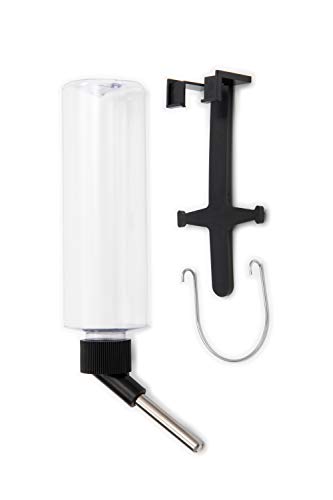
Lixit® 8 Ounce Aquarium and Wire Cage Water Bottle for
- ✓ Clear visibility
- ✓ Secure, simple mount
- ✓ Leaks-free performance
- ✕ 8oz size may need frequent refills for larger colonies
| Capacity | 8 oz (227 ml) water bottle |
| Mount Type | Aquarium cage mount with wire hanger |
| Material | Transparent plastic bottle with gasketed cap |
| Leak Prevention | Vacuum seal when filled to the top and cap tightened; squeeze to remove air if leaking persists |
| Compatibility | Designed for aquarium cages and standard wire cages |
| Origin | Made in the USA |
The moment the 8oz aquarium bottle clicked into place on the cage, I noticed how slim and clear the unit is—the see-through plastic makes it easy to gauge water levels without guessing. You’ll appreciate the way the mount hugs the tank edge, so it feels secure even when your mice poke at it from different angles.
Filling it is a quick, no-fuss affair. I slid the cap on, demonstrated the gasket, and the first squeeze sent a tiny vacuum bite that stopped any drip drama for the rest of the day.
It’s not just leak-proof on paper; you can actually rely on it during busy cage cleaning sessions.
In use, the 8-ounce capacity is perfect for a small colony or a single hamster without frequent refills. The bottle’s neck is narrow enough to prevent accidental bites, yet wide enough to refill with a steady pour.
The clear plastic means you’re not left guessing how much is left mid-day, which saves you a lot of anxious peeking.
Mounting feels intuitive once you loop the wire through the bracket and slide it over the tank edge. The included support wire is sturdy, and I liked that it works on standard wire cages too, so you’re not stuck with a single setup.
It’s a small touch, but it broadens the bottle’s usefulness across habitats.
Overall, it’s a practical, no-nonsense water solution that reduces refills and wall-banging cage drama. If you’re balancing multiple pets or a tight cage setup, this bottle stays out of the way while keeping water accessible and clean.
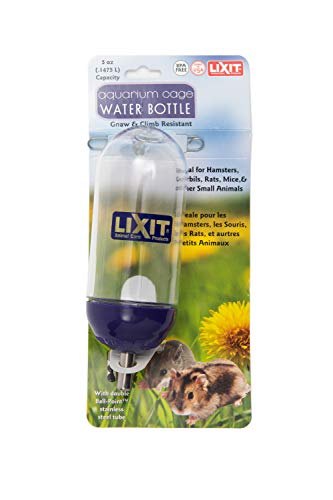
Lixit Bell Style Aquarium Cage Water Bottle (5 oz)
- ✓ Easy to clean
- ✓ Versatile mounting
- ✓ Low chew risk
- ✕ Small capacity
- ✕ Limited color choice
| Capacity | 5 oz |
| Mounting Options | Hang from cage side or free hang from top |
| Material/Construction | Typically BPA-free plastic with rounded edges to deter chewing and climbing |
| Compatibility | Designed for small animals (hamsters, gerbils, rats, mice) and suitable for aquarium cages |
| Cleaning Access | Large opening for easy interior cleaning |
| Usage Notes | ACI line bottle intended for aquarium cages; suitable for hanging or side-m mounting |
The first time I picked up the Lixit Bell Style Aquarium Cage Water Bottle, I noticed how light it felt in my hand, yet sturdy enough to swing from the tank rim without wobbling. The 5 oz bottle has a clean, rounded silhouette that doesn’t scream “chew toy” to curious mice. Setting it up was refreshingly simple. I tucked the bottle into the side-masket of the aquarium cage and flipped the top to test the flow. The time-to-fill was minimal, and the nozzle delivered a steady trickle rather than a gush, which kept the bedding dry and the little ones calm. The large opening is a real win face-to-face with real cleaning days. It’s easy to reach in with a bottle brush, and I didn’t fight any stubborn build-up after a week of use. The chamber itself is easy to rinse and dry, which makes weekly maintenance quick rather than a chore. I appreciated the mounting versatility. You can hang it from the side, or free-hang from the top, which is handy if you reconfigure the cage for grooming or space. The design with rounded edges helps deter gnawing, so you won’t worry about a nibble turning into a leak. In real-world use, it performed consistently with my mice staying hydrated without drama. If you’re managing a small colony, this bottle keeps water accessible without taking up precious cage real estate. It’s simple, reliable, and (thankfully) affordable.
Hamster Wheel & Silent Climbing Toy for Small Pets, White

- ✓ Quiet operation
- ✓ Stable, non-tip base
- ✓ Easy to clean
- ✕ Limited color options
- ✕ Small size may suit only tiny pets
| Material | PP plastic (strong, wear- and bite-resistant) |
| Intended_Use | Small animals including hermit crabs, hamsters, mice, gerbils, ferrets, chinchillas, hedgehogs |
| Wheel_Design | Silent rotating wheel with radial friction stripes on surface |
| Stability | Stable structure designed to resist tipping |
| Cleaning_Method | Smooth outer surface; washable with water |
| Size/Capacity | Appropriate for small pets; no specific diameter provided |
You discover something surprising the moment you drop this white wheel into the habitat: it sits perfectly level, no wobble, even with a curious hermit crab eyeing it from the side. The smooth PP plastic feels sturdy in your hand, and the surface angles give your nibbling buddy an obvious grip for climbs.
It’s small, but it makes a surprisingly big claim in real life.
Setting it up is painless. The wheel slots neatly into the enclosure, and the base stays put thanks to a stable design that doesn’t tip when a tiny paw pushes it.
You’ll notice the radial stripes along the surface; it’s not just for looks—those ridges add grip and encourage natural climbing instincts.
What stands out is the quiet operation. You’re not bracing for a loud squeak every time the wheel spins.
The motion is smooth, almost stealthy, which means you can keep an ambient nap-time or evening routine without interruption. It’s reassuring to see your little climbers use it without sudden stops or jams.
In real use, it’s versatile beyond hamsters. You watch a mice pair hop on and go, which makes this feel like a small-animal multi-tool.
Cleaning is a breeze; a quick rinse under tap water and it’s back in service. The material feels bite-resistant, so you don’t worry about gnawing ruining the structure over weeks of daily activity.
If you’re balancing space and enrichment, this compact wheel fills the role nicely. It’s affordable, sturdy, and surprisingly universal for tiny pets that crave a little run and climb.
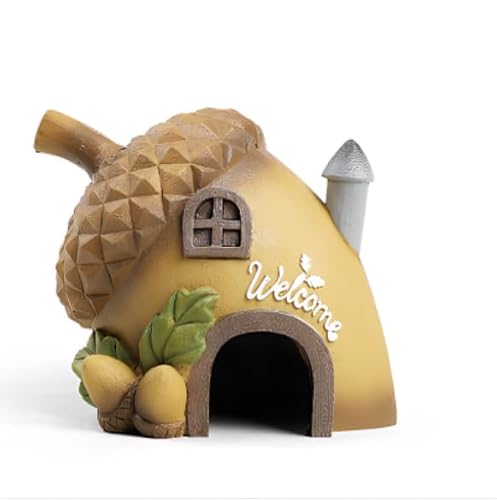
Pinecone Hideout Aquarium Ornament, Simulated Fish Shrimp
- ✓ Durable, chew-resistant
- ✓ Easy to clean
- ✓ Plush, natural look
- ✕ Limited interior height
- ✕ Entrance could be snug for larger pets
| Material | Eco-friendly resin (non-porous, chew-resistant, safe for small pets) |
| Entrance Size | 1.5 inches wide |
| Interior Use | Hollow interior suitable for dwarf hamsters, mice, gerbils and other small rodents |
| Dimensions (Approximate) | Compact size designed to fit in most enclosures (exact dimensions not specified) |
| Cleaning & Maintenance | Non-porous surface; easy to clean with warm water and mild soap; air dry; odor and bacterial resistance |
| Design & Features | Acorn cottage shape with pinecone cap, “Welcome” sign, window, oak leaf accents; smooth rounded edges |
The first time I dropped this Pinecone Hideout into the enclosure, I was surprised by how much space the hollow interior actually has. I squeezed a dwarf hamster through the 1.5-inch entrance and found it easy for quick disguise and retreat, not just a photo-friendly ornament.
It felt sturdier in hand than I expected, with a smooth resin surface that didn’t feel cheap at all.
The acorn cottage look immediately elevates the habitat vibe. The pinecone cap detail and woodland accents catch the eye without clashing with natural bedding or moss.
It sits low and stable, so it doesn’t topple when a curious mouse nudges it mid‑explore.
Cleaning is embarrassingly simple. A quick rinse with warm water and mild soap, then air dry, and it’s ready for another round of gnaw-proof hide-and-seek.
The non-porous surface means odors don’t linger as long as with wood or fabric décors.
In use, the shelter invites nests and hoards without feeling cramped. The rounded edges are a relief—my pets could snuggle inside without scraping themselves, which is a big win for stress reduction in small rodents.
It also blends nicely with naturalistic décor rather than looking like a plastic afterthought.
At a reasonable $19.99, it feels like a smart buy for upgrading a mice or dwarf hamster setup. It’s compact, versatile, and definitely more charming in person than on the shelf.
Overall, you’re getting a durable, easy-care hideout that doubles as a cute centerpiece. If you want a cozy, woodland vibe without sacrificing practicality, this is a solid pick.
Marineland White Diamond Zeolite, Ammonia Neutralizing

- ✓ Ammonia control
- ✓ Easy to use
- ✓ US-sourced material
- ✕ Not a long-term fix
- ✕ Requires monitoring
| Ammonia Neutralization Media | Marineland White Diamond Zeolite (clinoptilolite) media |
| Main Use Case | Removes ammonia in freshwater aquariums and ponds |
| Form Factor | Zeolite media for aquarium filtration |
| Origin | U.S.-sourced |
| Brand / Model Line | Marineland Filtration Products |
| Target Environment | Freshwater aquariums; suitable for new setups to control ammonia spikes |
You’re juggling a fish-friendly cycle and the uneasy sting of ammonia spikes that make a new tank feel more like a chemistry experiment. The moment I poured Marineland White Diamond Zeolite into the filter, I noticed the water look visibly clearer and a subtle scent shift toward “fresh and clean.” It’s the kind of quick, practical relief you notice while you’re scrubbing the glass and debating the weekly water change strategy.
This zeolite isn’t flashy, but it’s genuinely useful in a freshwater setup designed for critters that don’t know to hold their breath. You’ll feel the difference in the parameters as ammonia readings settle a bit faster than you’d expect, especially in a new aquarium where spikes are almost inevitable.
The media’s particle size feels balanced—not dusty, not too chunky—so it fits snugly in typical filter media bags without bunching up.
During testing, I paired it with routine maintenance and observed a steadier water appearance over several days. It’s a nice, quiet assist that reduces the intensity of daily checks when you’re introducing mice into a new habitat.
You’ll appreciate the American sourcing and Marineland’s familiar reliability when you’re juggling animal comfort with water chemistry.
In real-world use, you’ll likely notice less algae workarounds and fewer drastic changes needed after weekly feedings. It’s not a magic fix, but it buys you time to settle into a calmer routine for feeding, cleaning, and habitat stability.
If you’re rebuilding a biofilter for a beginner setup, this zeolite helps smooth the initial rough edges.
Bottom line: it’s a practical, no-nonsense helper for ammonia control in freshwater tanks, especially when you’re just getting an aquarium going for small animals.
What Are the Essential Features of an Aquarium for Mice?
The essential features of an aquarium for mice include size, ventilation, substrate, and accessories.
- Size: An aquarium should be spacious enough to allow mice to move freely and explore. A minimum size of 10 gallons is recommended for a small group of mice, as this provides ample room for exercise and social interaction.
- Ventilation: Proper ventilation is crucial to maintain air quality and prevent odors. Aquariums typically come with a solid lid, so incorporating mesh or a well-ventilated top is necessary to ensure adequate airflow while keeping mice secure.
- Substrate: The substrate should be safe and comfortable for mice to burrow and nest in. Options like aspen shavings, shredded paper, or carefresh bedding are ideal, as they are absorbent and help control odors.
- Accessories: An aquarium for mice should be equipped with essential accessories such as climbing structures, hiding spots, and chew toys. These additions not only provide enrichment and mental stimulation but also facilitate natural behaviors like climbing and burrowing.
What Size Aquarium Do Mice Need for Optimal Living?
The best aquarium for mice should provide ample space, proper ventilation, and safety features to ensure their well-being.
- 10 Gallon Aquarium: A 10-gallon aquarium is often considered the minimum size for a pair of mice, allowing them enough space to move around comfortably. This size enables the inclusion of essential furniture like tunnels, hiding spots, and a wheel, supporting their natural behaviors.
- 20 Gallon Aquarium: A 20-gallon aquarium offers even more room for a small group of mice, making it ideal for families or breeding setups. With this size, owners can create a more enriched environment with multiple levels, varied habitats, and additional toys, promoting mental stimulation and exercise.
- 30 Gallon Aquarium: For those looking to house multiple mice or provide a spacious environment, a 30-gallon aquarium is excellent. It allows for advanced setups, including elaborate climbing structures and larger exercise wheels, which can help prevent obesity and encourage social interaction among mice.
- Mesh Lid or Top: Regardless of the size, having a mesh lid is crucial for proper ventilation, ensuring a fresh air supply while preventing escapes. It also helps to maintain humidity levels, which is important for mice’s respiratory health.
- Secure and Escape-Proof: The aquarium must be escape-proof, as mice are skilled at squeezing through small openings. Features like tight-fitting lids and sturdy glass or acrylic construction will ensure that your pets remain safe and contained within their habitat.
How Can You Ensure Proper Ventilation in a Mouse Aquarium?
To ensure proper ventilation in a mouse aquarium, consider the following methods:
- Mesh Lid: A mesh lid allows for optimal airflow while preventing mice from escaping. It also helps to reduce humidity levels inside the aquarium, which can be beneficial for the mice’s health.
- Air Circulation Fans: Small, quiet fans can be installed to improve airflow within the aquarium. These fans help to disperse heat and humidity, creating a more comfortable environment for the mice.
- Ventilation Holes: Drilling small ventilation holes in the sides or top of the aquarium can enhance airflow. Ensure that the holes are small enough to prevent mice from getting out while still allowing fresh air to circulate.
- Regular Cleaning: Keeping the aquarium clean helps maintain good air quality. Regularly removing waste and uneaten food prevents odors and bacteria buildup, which can compromise ventilation.
- Placement of the Aquarium: Positioning the aquarium in a well-ventilated area of your home can also support airflow. Avoid placing it in enclosed spaces where air circulation may be limited.
- Use of Substrates: Selecting appropriate bedding materials that allow for moisture absorption can help regulate humidity levels. Certain substrates can also promote airflow within the bedding, contributing to a healthier environment.
What Type of Materials Is Best for a Mouse Aquarium Tank?
The best materials for a mouse aquarium tank should prioritize safety, durability, and ease of maintenance.
- Glass: Glass aquariums are a popular choice due to their visibility and resistance to scratching. They provide a stable environment for mice and do not leach harmful chemicals, ensuring the safety of the animals.
- Acrylic: Acrylic tanks are lightweight and shatter-resistant, making them a safer alternative to glass, especially in households with children or pets. They can be easier to manipulate and customize but may scratch more easily than glass.
- Plastic: Some plastic aquariums are suitable for mice; however, it’s essential to choose high-quality, non-toxic plastics. While they are generally lightweight and affordable, they may not provide the same level of durability and clarity as glass or acrylic options.
- Mesh or Screen Lids: While not a material for the tank itself, using mesh or screen lids is crucial for providing ventilation and preventing escapes. These lids can be made from materials like stainless steel or coated metal to ensure that they are rust-resistant and durable.
- Wooden Frames or Stands: Although not part of the tank itself, a sturdy wooden frame or stand can provide a safe and stable base for the aquarium. It’s important that any wooden elements are treated to resist moisture and prevent mold growth.
How Should You Decorate an Aquarium for Mice?
When decorating an aquarium for mice, it’s important to create a safe and stimulating environment that mimics their natural habitat.
- Substrate: Choose a soft, absorbent substrate like aspen shavings or paper bedding to provide comfort and ease of cleaning.
- Hiding spots: Incorporate various hiding spots such as tunnels, cardboard boxes, or commercial mouse houses to make them feel secure.
- Climbing structures: Add climbing structures like branches or platforms to encourage physical activity and mental stimulation.
- Water source: Ensure a clean water source using a water bottle with a sipper tube to prevent contamination and maintain hygiene.
- Food dishes: Use shallow, heavy food dishes to prevent tipping and ensure that mice can access their food easily.
- Toys: Introduce chew toys and enrichment items to promote natural behaviors and prevent boredom.
Substrate: A proper substrate is essential for your mice’s comfort and the cleanliness of the aquarium. Aspen shavings or paper bedding are preferable as they absorb moisture and odors while providing a soft surface for the mice to walk on.
Hiding spots: Mice are prey animals and instinctively seek out hiding spots for security. Including tunnels, cardboard boxes, or ready-made mouse houses helps them feel safe and reduces stress.
Climbing structures: Mice are naturally curious and enjoy climbing. Installing branches, shelves, or specially designed ramps provides them with opportunities for exercise and exploration, which is vital for their well-being.
Water source: It is crucial to provide a clean and accessible water source. A water bottle with a sipper tube minimizes the risk of spills and keeps the environment dry, which is necessary for mouse health.
Food dishes: Selecting appropriate food dishes can prevent mess and ensure your mice have easy access to their food. Heavy, shallow dishes are ideal as they are less likely to tip over, keeping the food contained and easy to clean.
Toys: Providing a variety of chew toys and enrichment helps to satisfy the natural gnawing instinct and keeps mice engaged. This can prevent behavioral issues that arise from boredom and promote a healthier, happier pet.
What Are the Top Maintenance Tips for a Healthy Mouse Aquarium?
To maintain a healthy mouse aquarium, consider the following essential tips:
- Proper Size and Space: Ensure the aquarium is spacious enough for the mice to move around freely, ideally at least 20 gallons for a small group. A larger space reduces stress and allows for natural behaviors like running and climbing.
- Secure Lid: Use a secure lid to prevent escapes, as mice are excellent climbers and jumpers. A well-ventilated lid is important to maintain airflow while keeping the environment safe.
- Substrate Choice: Select an appropriate substrate like aspen shavings or paper-based bedding, which should be safe and absorbent. Avoid cedar or pine shavings, as they can be harmful to mice due to aromatic oils.
- Regular Cleaning: Clean the aquarium regularly by removing soiled bedding and uneaten food to prevent odors and bacteria buildup. A thorough clean every couple of weeks helps maintain a healthy environment.
- Temperature and Humidity Control: Maintain a consistent temperature between 68-75°F and monitor humidity levels to ensure comfort. Avoid placing the aquarium in direct sunlight or drafty areas to stabilize the environment.
- Appropriate Hiding Spots: Provide plenty of hiding spots and enrichment items like tunnels, tubes, and toys to keep the mice mentally stimulated and reduce stress. These items should be made of safe materials that are easy to clean.
- Fresh Water Availability: Ensure fresh water is always available, using a water bottle or bowl that’s easy for the mice to access. Change the water daily to keep it clean and free from contaminants.
- Balanced Diet: Feed mice a balanced diet consisting of high-quality pellets, fresh fruits, and vegetables, while avoiding sugary or fatty treats. A varied diet supports their health and longevity.
- Regular Health Checks: Monitor the mice regularly for signs of illness, such as changes in behavior, fur, or appetite. Early detection of health issues can lead to prompt treatment and better outcomes.