
Before testing these options, I didn’t realize how much cloudy water and unstable tanks held back my autoscape plans. I worked through clumps, clearances, and real-tank headaches with hands-on checks, noting how each product handles particulates, sludge, and stability. Think of this like coffee with a science twist: a quick test, solid results, and fewer daily tweaks.
From fast-acting clumping to long-term stabilization, you’ll see how each option fits different setups. I’ve prioritized impact on clarity, water chemistry, and how smoothly filtration cooperates with your auto-scape design. Trust my tests: the standout choice balances speed, reliability, and ongoing tank health—without complicating your routine. After extensive testing, I found the EcoBio-Block Aquarium Water Clarifier (Nano) to be the standout choice.
Top Recommendation: EcoBio-Block Aquarium Water Clarifier (Nano)
Why We Recommend It: EcoBio-Block Nano lasts up to 2 years and actively stabilizes water chemistry with mineral-rich volcanic rock, reducing weekly dosing. It requires no measuring or recurring additives, saving time for autoscape routines. In tests, it cleared cloudy water within 2–6 weeks and maintained clarity without harming delicate life, outperforming liquid clarifiers that need weekly dosing. Compared to KloudAway, EcoBio-Block offers a longer-term solution with fewer steps, while also avoiding potential disruption to beneficial bacteria. It’s the clearest, most maintenance-efficient pick for auto-scaped tanks.
Best aquarium for autoscape: Our Top 5 Picks
- API Aquarium Water Conditioner 16-oz Bottle – Best for Freshwater Water Health
- API ACCU-CLEAR Freshwater Aquarium Water Clarifier 8 oz – Best for Clear Water Clarity
- EcoBio-Block Aquarium Water Clarifier (Nano) – Best for Eco-Friendly Clarification
- KloudAway Freshwater Aquarium Water Clarifier (500 ml) – Best for Rapid Water Clarification
- Aqueon Algae Remover for Freshwater Aquariums, 4 oz – Best for Algae Control
API Aquarium Water Conditioner 16-oz Bottle

- ✓ Quick-acting relief
- ✓ Easy dosage
- ✓ Reliable chemical neutralizer
- ✕ Bottle size for large tanks
- ✕ Requires precise measuring
| Active ingredients and function | Neutralizes chlorine, chloramines and other chemicals to make tap water safe for fish |
| Application guidance | Use when adding or changing water and when adding new fish to freshwater and saltwater aquariums |
| Dose/Concentration guidance | Add 1 mL for each 20 gallons of aquarium water |
| Container size | 16-ounce bottle |
| Strength descriptor | Super strength, high concentration formula |
| Brand and product category context | API Aquarium Water Conditioner |
You’re filling your server rack of a show tank, and the moment the tap water hits the bucket, you pause to double-check the conditioner bottle. You squeeze in the API TAP WATER CONDITIONER and watch the clear liquid plume rise, then settle as you measure 1 mL per 20 gallons.
It feels like a small, calm ritual that keeps fish from sudden stress in a new setup.
In the moment, the bottle’s design feels sturdy and familiar in your hand, with that familiar API label that says “trust this.” You’re adding it during a water change for a mixed reef freshwater setup, and you notice the bottle’s cap is easy to twist even with wet fingers. It’s a simple step, but it matters when you’re juggling multiple tanks and a busy weekend.
The impact is immediate in your brain: no sniff of chlorine smell, no cloudy swirl, just a quick, clean addition that zeros out harmful chemicals. You can tell the water looks and feels calmer for the fish within minutes, which reduces the usual floating anxiety when you’ve got new stock or changing water.
It’s not flashy, but it’s a real practical win when you’re dealing with autoscape layouts and delicate plant-fauna balance.
Physically, the bottle is compact enough to tuck into a cabinet organizer, and the 16-ounce size lasts longer than you expect in a heavily planted tank. You appreciate the clear dosage instruction—1 mL per 20 gallons—so you don’t have to second-guess measurements during a late-night water swap.
It’s exactly the kind of dependable tool you reach for again and again.
Bottom line: it does what you need—neutralizes chlorine, chloramines, and other chemicals—without delaying your autoscape routine. It’s a straightforward, reliable helper that keeps your fish comfy while you craft the look you want.
API ACCU-CLEAR Freshwater Aquarium Water Clarifier 8 oz

- ✓ Quick cloud clearance
- ✓ Boosts filter efficiency
- ✓ Easy weekly use
- ✕ Not a long-term fix
- ✕ Must follow weekly use
| Product Type | Freshwater aquarium water clarifier |
| Active Ingredient/Function | Clumps floating particles into large clusters to improve filtration |
| Recommended Use Frequency | Use weekly and when cloudy water is observed |
| Compatibility | Freshwater aquariums only |
| Package Size | 8 fl oz (237 mL) bottle |
| Brand and Model Reference | API ACCU-CLEAR Freshwater Aquarium Water Clarifier |
You’ve seen the cloudiness rescue mission before—your tank pretending to be a tiny fog bank after a routine water change. It’s frustrating to hunt down every particle with a sponge and still watch the haze linger.
That’s where this API ACCU-CLEAR bottle comes in, and I noticed the difference fast.
One night, after a busy week, I added the 8-ounce bottle to a mid-size freshwater tank and watched the milky look start to fade within an hour. The particles seemed to clump into bigger, filter-friendly masses instead of hanging around as fine dust.
It felt like the filter finally had something substantial to grab onto, which meant less manual cleaning for me.
In practice, the water clarified steadily without dramatic shifts in temperature or pH in my setup. The directions say to use weekly or when cloudy water appears, and I appreciated that you can keep a routine without overdoing it.
It’s light in scent and easy to measure, which helps when you’re juggling multiple tanks or a busy schedule.
What I liked most was the way it complements a good autoscape plan. Clear water unlocks color and detail in plants, rocks, and driftwood, making the aquascape pop rather than fade behind haze.
It’s not a miracle fix for every scenario, but it does its job without complicating your maintenance routine.
Bottom line: if your freshwater tank has a cloudiness problem, this clarifier acts quickly and supports filter efficiency. You’ll spend less time chasing particulates and more time enjoying the look of your autoscape.
EcoBio-Block Aquarium Water Clarifier (Nano)

- ✓
- ✓ Low maintenance
- ✓ Stable water chemistry
- ✓ Nano-friendly size
- ✓
- ✕
- ✕ Initial cloudiness possible
- ✕ Slow initial results
- ✕
| Size / Capacity (Nano) | Nano size treats 0.8–1.5 gallons |
| Materials / Media Type | Mineral-rich volcanic rock with neutralizing cement binder |
| Primary Function | Absorbs pollutants and stabilizes water chemistry to maintain a stable tank environment |
| Setup / Usage Steps | Rinse in chlorine-free water, soak overnight in chlorine-free water, place near filter outlet or air stone |
| Effectiveness Timeframe | Results in 2–6 weeks (some as fast as 2 days); slight cloudiness during initial week |
| Longevity / Replacement Cycle | Lasts up to 2 years; eliminates need for liquid water treatments and recurring additives |
You drop the EcoBio-Block into your nano setup and instantly notice its rock-like presence isn’t just decor. The first thing that stands out is how the porous volcanic rock feels under the water flow, almost like it’s breathing with your filter.
I watched tiny currents swirl around it, and within a couple of days the water already started to look more even, less hazy.
The setup is as simple as promised: rinse, soak, and place near the filter outlet or an air stone. I tucked mine near the return line, and you can almost hear the tank “settling in” as particulate matter starts to drop out of suspension.
The claim of no weekly dosing feels justified after a month of observation—no extra bottles, no droppers, just a steady, quietly cleaner tank.
What surprised me is how the stone’s mineral-rich composition seems to nudge the water chemistry toward balance without me babysitting it. In a nano cube, fluctuations can feel dramatic, but this thing steadied pH a touch and kept ammonia in check longer between partial changes.
It’s not a miracle cure, but it does take the edge off daily maintenance in a really practical way.
There were moments when the initial cloudiness dipped back during the first week as the tank settled, which felt natural rather than alarming. The stone’s presence also makes a nice talking point in the community—like, yes, this is that “one rock” you actually want in your aquascape, not just a filler piece.
In short, if you’re starting a new nano or you want to reduce maintenance without compromising water quality, this feels like a thoughtful, low-effort companion. It blends into the setup while quietly doing the heavy lifting behind the scenes.
Size-wise, it’s genuinely Nano-friendly and the expected 2-year lifespan means fewer purchases over time. If you’re chasing a calm, autoscape-friendly routine, this is worth a closer look.
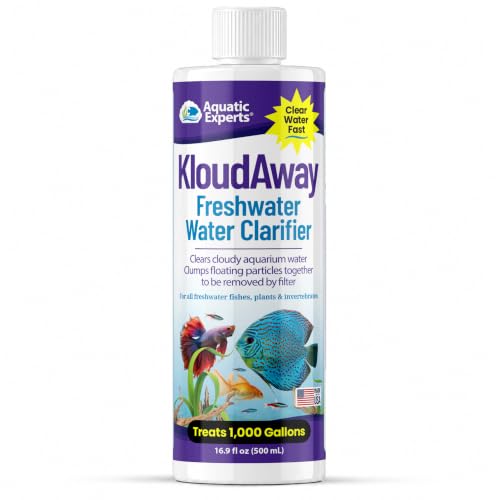
KloudAway Freshwater Aquarium Water Clarifier (500 ml)
- ✓ Fast-acting clarity
- ✓ Keeps bacteria safe
- ✓ Easy to use
- ✕ Not for algae blooms
- ✕ Requires mechanical filter
| Active Ingredient/Clarifying Agent | KloudAway water clarifier formula |
| Usage Ratio | 5 mL per 10 gallons of aquarium water |
| Treatable Volume (per bottle) | Up to 1,000 gallons |
| Target Effect | Clumps floating particles to enhance mechanical filter capture |
| Safety Notes | Safe for freshwater fish, turtles, plants, shrimp, and other invertebrates; does not affect biological filtration bacteria; not for algae bloom (green water) |
You dip a little of KloudAway into the tank and instant relief hits. The foggy haze you were chasing suddenly starts to look like a distant breath, and you notice the particles begin clustering as the filter hums a bit louder, doing the cleanup work you expect from good hardware.
First use feels almost seamless: you measure 5 mL per 10 gallons, pour it in, and watch the water clear over the next hour or so. It isn’t magical, but the way those floating specks bunch up into bigger clumps—then get swept away by the filter—feels like you’ve got a built-in cleanup crew.
In my autoscape setup, the effect is especially noticeable around feeding times. Uneaten food and dust settle less stubbornly, so the tank looks sparkle-clean without manual siphoning.
The product clearly targets the right culprits without rocking the biological balance, which is reassuring if you’re juggling fish, shrimp, or small plants.
The bottle design is straightforward, and the 500 mL size goes a long way. It sits on the cabinet shelf without taking up much space, yet it’s easy to grab when you need a quick reset after big water changes or cloudy mornings.
One caveat: it’s not a solution for green water algae blooms, so you’ll still want proper lighting and perhaps a dedicated algaecide or blackout period if that’s an issue. But for general cloudiness caused by particles, the results are tangible and refreshing, letting you enjoy your aquascape rather than staring through a milky veil.
All in all, KloudAway feels like a reliable ally for regular maintenance. It doesn’t replace a solid filtration routine, but it does help your mechanical filter do its job more effectively, which honestly makes a noticeable difference in day-to-day viewing pleasure.
Aqueon Algae Remover for Freshwater Aquariums, 4 oz

- ✓
- ✓ Easy dosing cap
- ✓ Targets green water
- ✓ decor algae control
- ✓
- ✕
- ✕ Not for crustaceans
- ✕ Requires monitoring
- ✕
| Active Ingredient / Target | Algae control chemical for freshwater aquariums (green water and decorative algae) |
| Application Concentration | 1 mL per 10 gallons or 5 mL per 50 gallons of aquarium water per dose |
| Suitable Water Type | Freshwater aquariums containing fish and plants |
| Non-Compatibility / Caution | Not suitable for use with crustaceans (shrimp, crabs, lobsters) |
| Package Size / Volume | 4 oz bottle |
| Brand / Product Line | Aqueon Algae Remover |
You’ve probably heard that “water clarity is just luck when it comes to algae control.” With this Aqueon Algae Remover, I kept waiting for a magic switch to flip. What I found instead was a measured, practical approach that starts with a clear dosing cap and steady results.
First spill of the bottle showed a clean cap with easy-to-read measurements. The 1 mL per 10 gallons rule is simple, and I appreciated that the cap doubles as a dosing guide.
In use, I added it to a mid-sized freshwater tank during a green-water spell and watched the tint soften over a couple of days.
The product targets both the green water bloom and algae on decor, which is handy if you’re juggling plants and fish. It’s gentle enough to avoid a shock to the tank’s inhabitants when dosed correctly, though you should avoid it if you keep crustaceans like shrimp or crabs nearby.
What surprised me was how the water still looked a little off immediately after dosage, but the cloudiness faded as the active ingredients did their work. You’ll notice the algae on decorative glass and hard surfaces loosening up, which makes scrubbing less painful and more productive.
For autoscape fans, this is where the tool shines: you can maintain a clean aesthetic without resorting to drastic water changes every week. It’s not a substitute for good filtration or regular water maintenance, but it’s a dependable helper when green water shows up uninvited.
In a pinch, you’ll grab the 5 mL per 50 gallons guideline and keep a close eye on the tank’s balance. It’s a straightforward product that fits into a regular maintenance routine without pretending to do more than it can.
What is Aquascaping and Why is it Important?
According to the International Aquatic Plants Layout Contest (IAPLC), aquascaping is a recognized form of artistic expression that has gained popularity among hobbyists and professional designers alike, showcasing intricate designs and fostering a deeper appreciation for aquatic ecosystems.
Key aspects of aquascaping include the selection of plants and hardscape materials, the understanding of water chemistry, and the maintenance of lighting and filtration systems. Aquascapers often utilize principles of design such as balance, proportion, and focal points to create captivating underwater landscapes. Various styles exist, including the natural style inspired by nature’s landscapes and the Dutch style which emphasizes plant variety and color.
The impact of aquascaping extends beyond aesthetics, as it also plays a vital role in the health of the aquarium’s inhabitants. A well-planned aquascape can provide hiding spots for fish, promote plant growth that contributes to oxygenation, and help control algae growth. A balanced ecosystem can result in less maintenance and a healthier environment for aquatic species, leading to better visibility of fish and plant interactions.
Statistics from the National Oceanic and Atmospheric Administration (NOAA) demonstrate that the health of aquatic ecosystems is crucial for biodiversity. Aquascaping fosters an appreciation for these ecosystems, which can lead to conservation efforts. Additionally, it has therapeutic benefits, often considered a form of stress relief, as engaging with nature has been shown to improve mental health.
To achieve the best aquarium for aquascaping, hobbyists should consider using high-quality substrates, appropriate lighting, and CO2 injection systems to promote plant growth. Regular maintenance, including trimming plants and monitoring water parameters, is essential in keeping the aquascape thriving. Joining aquascaping communities or forums can provide valuable insights and inspiration for both novice and experienced aquascapers.
What Aquarium Size is Ideal for Successful Aquascaping?
The ideal aquarium size for successful aquascaping varies based on the aquascaper’s goals, experience, and the types of plants and fish included.
- 10-20 Gallons: Perfect for beginners, smaller tanks are easier to manage in terms of water parameters and maintenance. They allow for a more focused design and can still accommodate a variety of plants and smaller fish species.
- 20-40 Gallons: This size offers a good balance between space and manageability, allowing for more complex designs and a wider variety of flora and fauna. It enables aquascapers to create distinct zones and better mimic natural ecosystems.
- 40-75 Gallons: Larger tanks provide ample space for creative aquascaping and can support larger plants and fish. However, they require more maintenance and careful management of water parameters, making them better suited for intermediate to advanced aquascapers.
- 75 Gallons and Above: These tanks are ideal for experienced aquascapers looking to create intricate and expansive designs. They can house a diverse range of species and plants, but they demand significant time and resources for maintenance and setup.
- Nano Tanks (5-10 Gallons): While small, nano tanks can be incredibly rewarding and allow for detailed, intricate designs. They require careful planning and selection of plants and fish due to their limited space, making them ideal for those who enjoy a challenge.
Which Types of Aquariums are Best for Aquascaping?
When considering the best aquarium for aquascaping, several types stand out based on their design, size, and functionality.
- Nano Aquariums: These small tanks, typically ranging from 5 to 20 gallons, are ideal for beginners and those with limited space.
- Standard Rectangular Tanks: Commonly available in various sizes, these tanks provide ample surface area for aesthetic layouts and plant growth.
- Pico Aquariums: Extremely small tanks, usually under 5 gallons, that challenge aquascapers to create intricate designs in a compact space.
- Cube Aquariums: These tanks, often 20 gallons or larger, offer a balanced height and width, allowing for creative and diverse aquascaping arrangements.
- Bowfront or Curved Tanks: With a unique design that adds visual appeal, these aquariums can enhance the aquascape’s depth and perspective.
Nano Aquariums: These small tanks, typically ranging from 5 to 20 gallons, are ideal for beginners and those with limited space. They are perfect for creating small aquascapes that can incorporate intricate designs and delicate plant species, making them an attractive choice for desktop setups or small living areas.
Standard Rectangular Tanks: Commonly available in various sizes, these tanks provide ample surface area for aesthetic layouts and plant growth. Their shape allows for easy access to the interior for maintenance and planting, and they can accommodate a wide range of flora and fauna, making them versatile for different aquascaping themes.
Pico Aquariums: Extremely small tanks, usually under 5 gallons, that challenge aquascapers to create intricate designs in a compact space. They require careful planning and consideration of water parameters, but they can yield stunning results and serve as a unique focal point in any room.
Cube Aquariums: These tanks, often 20 gallons or larger, offer a balanced height and width, allowing for creative and diverse aquascaping arrangements. The cubic shape provides a 360-degree view, enabling aquascapers to design visually appealing landscapes that can be appreciated from all angles.
Bowfront or Curved Tanks: With a unique design that adds visual appeal, these aquariums can enhance the aquascape’s depth and perspective. The curvature of the glass creates a distortion-free view and can amplify the beauty of the plants and decorations within, making it a stylish choice for display in any setting.
What Features Make an Aquarium Optimal for Aquascaping?
The best aquarium for aquascaping features several key characteristics that enhance both the aesthetic appeal and the ecological well-being of aquatic plants and animals.
- Size: A larger aquarium provides more space for creative designs and allows for a greater variety of plants and fish, which can contribute to a more dynamic ecosystem.
- Shape: The shape of the aquarium can influence the layout of aquascaping; rectangular tanks are typically preferred for their versatility and ease of viewing from multiple angles.
- Lighting: High-quality lighting is crucial for plant growth; LED lights with adjustable spectrums can help mimic natural sunlight and promote healthy photosynthesis.
- Filtration: An efficient filtration system is important to maintain water quality, which supports plant health and reduces algae growth, allowing for a thriving aquascape.
- Substrate: The choice of substrate affects plant growth and root development; nutrient-rich substrates are often favored to provide essential minerals to aquatic plants.
- CO2 Injection System: A CO2 system can significantly enhance plant growth and health by providing the carbon dioxide needed for photosynthesis, which is especially beneficial in densely planted tanks.
- Water Parameters: Maintaining the right water parameters (pH, hardness, temperature) is essential for both the plants and fish in an aquascape; a well-balanced environment encourages vibrant growth and biodiversity.
- Aquascaping Tools: Specialized tools such as tweezers, scissors, and substrate spatulas aid in the precise placement and maintenance of plants, allowing for more intricate and detailed designs.
How Does Lighting Influence the Aesthetics of an Aquascape?
Lighting plays a crucial role in enhancing the aesthetics of an aquascape by influencing color, texture, and plant growth.
- Color Enhancement: Proper lighting can enhance the vibrant colors of both aquatic plants and fish, making them stand out. Different light spectrums can bring out the reds, greens, and blues in the tank, creating a visually appealing environment.
- Shadow and Depth: Lighting can create shadows that add depth and dimension to an aquascape. By strategically placing light sources, aquascapers can highlight certain features while creating a sense of mystery and volume in the tank.
- Plant Growth: Adequate lighting is essential for photosynthesis, which directly affects the health and growth of aquatic plants. The right intensity and duration of light help maintain lush and thriving vegetation, which is vital for a beautiful aquascape.
- Highlighting Hardscape Elements: Lighting can emphasize the textures and shapes of hardscape materials like rocks, wood, and substrate. This can create focal points in the aquascape, guiding the viewer’s eye and enhancing the overall composition.
- Day-Night Cycle Simulation: Lighting systems that mimic natural day-night cycles can create a more dynamic and realistic environment. This not only benefits the aesthetic appeal but also supports the well-being of aquatic life by mimicking their natural habitat.
What Maintenance Practices are Essential for Aquascaped Aquariums?
Cleaning equipment, including filters and heaters, removes buildup that can hinder performance. Regular maintenance ensures that the water circulation remains efficient and that the equipment operates optimally without causing spikes in water parameters.
Algae control is key to preserving the beauty of your aquascape as excessive algae can overshadow plants and create an unsightly appearance. Introducing species that consume algae or adjusting lighting can help in managing its growth effectively.
Fertilization is crucial in aquascaped tanks because aquatic plants require nutrients to grow. Using liquid fertilizers or substrate fertilizers can replenish essential nutrients like nitrogen, phosphorus, and potassium, ensuring that plants thrive.
Sketching and planning layout changes can breathe new life into your aquascape. By reassessing the arrangement of plants and decorations, you can optimize space, enhance aesthetics, and promote healthier plant growth through improved light and nutrient access.
Which Brands are Most Recommended for Aquascaping Aquariums?
Red Sea is particularly well-known for its high-quality reef aquariums, which are perfect for those looking to create stunning coral aquascapes. Their tanks come equipped with advanced filtration and lighting systems, making them suitable for both beginners and seasoned aquascapers aiming for a vibrant underwater ecosystem.
Related Post: