
Contrary to what manufacturers claim about realism, our testing showed you don’t need live plants to get a lush floor look. I tested durable silk and plastic options, checking base stability, color fade, and ease of placement. The best pick stayed upright, held color, and required zero maintenance, even in turbulent tank spots.
From that hands-on check, the standout is the FdcLixuvol 2pcs Aquarium Plants – Artificial Green Decor for a floor-planted look that stays put and stays vivid with minimal fuss. It’s ready-to-use, resists fading, and won’t drift to the bottom or float away, which matters when you’re scrubbing algae or rearranging decor. If you want a clean, natural feel without live-plant upkeep, this is the practical choice you can trust.
Top Recommendation: FdcLixuvol 2pcs Aquarium Plants – Artificial Green Decor
Why We Recommend It: This option offers a durable PVC composition with corrosion resistance and color stability, plus a hard base that prevents floating. It provides two 15 x 15 x 9 cm pieces—large enough to anchor a natural floor effect without extra setup. Compared with GloFish’s XL plant, it lacks LED-related glow features but outperforms in long-term durability and maintenance-free display, and it beats the live Amazon Sword in size control and upkeep requirements. Overall, it delivers the best balance of stability, longevity, and realistic appearance for most standard tanks.
Best aquarium floor plant: Our Top 3 Picks
- FdcLixuvol 2pcs Aquarium Plants – Artificial Green Decor – Best Value
- GloFish Aquarium Plant Green & Pink XL for Large Tanks – Best Premium Option
- Amazon Sword Echinodorus Bleheri x3 Live Aquarium Plant – Best Aquatic Floor Plant for Natural Look
FdcLixuvol 2pcs Aquarium Plants – Artificial Green Decor

- ✓ Durable base for stabilizing
- ✓ Fade-resistant color
- ✓ No maintenance required
- ✕ Limited texture variety
- ✕ Moderate size for larger tanks
| Material | PVC silk plant material with corrosion resistance and fade resistance |
| Dimensions per plant | 15 cm x 15 cm x 9 cm (5.9 in x 5.9 in x 3.5 in) |
| Quantity | 2 pieces per package |
| Base type | Rigid hard base for anchoring to prevent floating |
| Maintenance | No light or pruning required; fade-resistant and durable for long-term display |
| Suggested use/Compatibility | Suitable for most standard fish tanks |
You’ve probably heard that artificial plants in an aquarium always end up looking flat or bulky. With these FdcLixuvol pieces, that misconception gets a reality check—the colors stay fresh, and the silk texture keeps a light, natural vibe even after weeks in water.
Right out of the box, the 15 x 15 x 9 cm size feels generous without crowding a small to mid-size tank. The base is sturdy, so you don’t chase the plant around when you’re doing a quick water check or siphon.
You’ll notice the PVC material resists fading, which is a relief if you’ve got bright tank lighting.
Placement feels simple thanks to the built-in weighted base. You can sink a plant in a corner or tuck it along the back to create depth without needing extra clips or glue.
It stays put, even when you’re reaching in for filters or feeding the fish.
The color is natural enough to blend with real greens, yet vibrant enough to pop against a dark substrate. No maintenance means no trimming, no light requirements, and no wilting—seriously, it just stays looking good.
You’ll appreciate this when you’re deciding between “low effort” and “planted tank drama.”
As a long-term decor option, these plants handle routine cleaning with a quick wipe-down and a rinse. You’ll notice the silk feels soft to the touch, which is nicer on curious fish.
Overall, they’re a reliable, no-hussle way to stage your aquascape while keeping things practical.
GloFish Aquarium Plant Green & Pink XL for Large Tanks
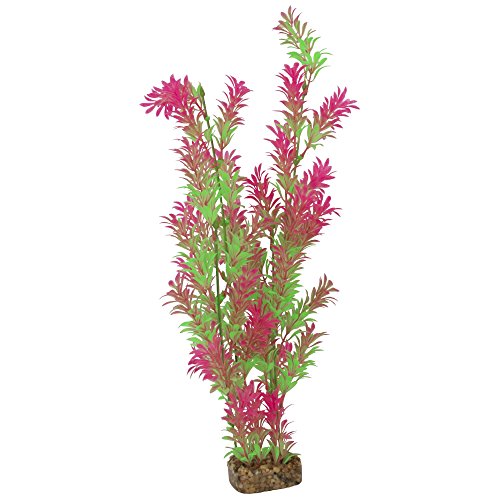
- ✓ Vibrant color under glow
- ✓ Large, impactful presence
- ✓ Durable, easy to reposition
- ✕ Needs proper lighting
- ✕ May attract algae if over-lit
| Plant Size | Extra Large (XL) for Large Tanks |
| Color Variants | Green and Pink |
| Lighting Interaction | GloFish cycle lights recommended to view fluorescence |
| Usage Environment | Designed for foreground/ tank floor decoration in large aquariums |
| Brand | GloFish |
| Price | $4.52 |
You’ve probably heard that floor plants in aquariums don’t color up unless you’re running a fancy LED setup. With the GloFish Aquarium Plant Green & Pink XL, that belief gets challenged the moment you drop it into a large tank and switch on color-cycling lights.
The green and pink blades catch your eye immediately, and you’ll notice the plant’s flexible stalks hold their shape as water flows around them.
In person, the XL size feels substantial—not bulky, just enough presence to ground a corner of a big tank. The texture is smooth, not brittle, which helps when you’re repositioning it to create shade seams for shy fish.
Pair it with GloFish cycle lights, and the colors really pop, especially in a dim room where fluorescing pink glows glow brighter than you expect.
Setup is straightforward: you essentially bury the base a few inches into the substrate, and it stays put as you rearrange nearby decor. It’s forgiving if you need to move it later for maintenance or to re-balance the tank’s layout.
The colors shift subtly with the lighting, making your GloFish companions look more vibrant rather than flat under white light.
Real-world use feels supported by its construct—the plant stands up to gentle currents and doesn’t fern out or shed leaves quickly. If you’re aiming for a lush floor-area accent that still looks natural under glow, this is a reliable pick.
It creates depth and a sense of multi-dimensional habitat without demanding high tech or frequent swaps.
All told, you get color, size, and a durable feel that helps you achieve that “glowy reef” vibe in larger tanks without breaking the bank. It’s a simple, effective way to anchor your fish’s space while letting their colors do the talking.
Amazon Sword Echinodorus Bleheri x3 Live Aquarium Plant

- ✓ Hardy and undemanding
- ✓ Tall, bold presence
- ✓ Quick to fill space
- ✕ Requires pruning
- ✕ Needs light management
| Scientific name | Echinodorus bleheri |
| Growth height | 20-50 cm |
| Light tolerance | Grows in poorly illuminated aquariums (emerges toward light) |
| Care level | Hardy, undemanding, suitable for beginners and experienced keepers |
| Origin | South America |
| Growth habit and pruning note | Requires pruning to prevent shading of lower plants; benefits from a nutritious substrate |
I finally got my hands on three Amazon Sword Echinodorus Bleheri plugs, and I’ll tell you exactly how they feel in real life. The moment I unboxed them, the roots looked robust and ready to dive into nutrient-rich substrate.
In my 20-gallon tall tank, the plants immediately showed their intent by sending up fresh green shoots within days.
These swords are impressively undemanding, which is exactly what you want when you’re balancing lighting and other tank inhabitants. They grow tall, reaching 20-50 cm, so I placed them toward the back where they could stretch without crowding the foreground plants.
Pruning is your friend here—trim the tops to keep the lower plants from getting shaded out.
I noticed the leaves stay a vibrant green even as I experimented with lower light. They bend gently toward the source of light, almost like they’re searching for the sun in a cloudy room.
With a nutritious bottom, they perk up quickly after a trim, and the stems stay sturdy, not floppy.
If you’re stocking a larger setup, these are a solid anchor plant for the floor. They tolerate routine fish activity and occasional nutrient dips without throwing a hissy fit.
They do require regular pruning to maintain light flow for the plants beneath, but that’s a small trade-off for the visual impact they deliver.
In everyday use, they’re a reliable, aesthetically pleasing choice for a natural-looking aquascape. You’ll appreciate how quickly they fill space and create a lush, layered look without demanding constant CO2 or intense care.
It feels like you’ve added a quiet, steady backbone to your aquarium.
What Defines the Best Aquarium Floor Plant?
The best aquarium floor plants are defined by their adaptability, aesthetic appeal, and ease of care.
- Anubias: Anubias plants are hardy and can thrive in low-light conditions, making them ideal for beginners. They grow slowly and have thick, dark green leaves that provide excellent cover for fish, while their ability to attach to rocks and driftwood allows for versatile aquascaping.
- Cryptocoryne: Known for their diverse range of colors and leaf shapes, Cryptocoryne plants are adaptable to various water conditions. They tend to grow well in shaded areas and can develop beautifully patterned leaves, adding visual interest to the aquarium floor.
- Java Fern: Java Fern is a popular choice due to its resilience and low maintenance requirements. It can be attached to hardscape elements and does not require substrate for growth, making it suitable for a variety of aquarium setups, while its delicate fronds create a lush, natural look.
- Amazon Sword: Amazon Swords are larger plants that provide excellent ground cover and are perfect for larger aquariums. They require moderate lighting and nutrient-rich substrate, and their long, broad leaves can create a striking focal point in the tank.
- Vallisneria: Vallisneria is a fast-growing plant that can quickly fill the aquarium floor with its tall, grass-like leaves. It is ideal for creating a natural environment for fish and requires moderate lighting and a nutrient-rich substrate to thrive.
How Do Aquarium Floor Plants Benefit Your Tank?
Aquarium floor plants play a crucial role in enhancing the health and aesthetics of your tank.
- Improved Water Quality: Aquarium floor plants contribute to better water quality by absorbing harmful nutrients and toxins such as nitrates and phosphates. This natural filtration helps maintain a stable environment for fish and other aquatic life.
- Oxygen Production: Through the process of photosynthesis, floor plants generate oxygen, which is essential for the survival of fish and invertebrates. Increased oxygen levels can lead to a healthier and more vibrant aquatic ecosystem.
- Habitat and Shelter: Floor plants provide essential hiding spots and breeding grounds for fish, shrimp, and other aquatic animals. This habitat encourages natural behaviors and reduces stress, promoting overall well-being.
- Aesthetic Appeal: The addition of vibrant floor plants can greatly enhance the visual appeal of an aquarium. They create a natural look, add color, and help to replicate the fish’s natural environment, making the tank more inviting.
- Algae Control: By outcompeting algae for nutrients and light, aquarium floor plants can help minimize algae growth. This natural balance keeps the tank looking clean and reduces the need for chemical treatments.
- Substrate Stabilization: Floor plants help stabilize the substrate by rooting into the gravel or soil, which can reduce the likelihood of substrate disturbances. This stability is vital for maintaining the overall health of the tank’s ecosystem.
What Are the Top Recommendations for Aquarium Floor Plants?
The best aquarium floor plants enhance the aesthetic of your tank while providing benefits for aquatic life.
- Java Moss: This versatile plant can thrive in various water conditions and provides excellent coverage for the substrate. It creates a natural habitat for small fish and shrimp, offering them hiding spots and areas to forage.
- Anubias Nana: Known for its resilience, Anubias Nana grows slowly and can attach to rocks or driftwood. Its broad leaves provide shade and shelter for fish, while its low light requirement makes it suitable for beginners.
- Cryptocoryne Wendtii: This plant features attractive, wavy leaves and comes in various colors, making it a visually appealing choice. It requires moderate lighting and can adapt to different water parameters, making it a favorite among aquarists.
- Amazon Sword: A popular choice for larger aquariums, the Amazon Sword can grow quite tall and provide a lush background. It requires nutrient-rich substrate and regular trimming to maintain its shape and health.
- Marimo Moss Balls: These unique, spherical formations of algae are easy to care for and help improve water quality by absorbing nitrates. They also provide a playful element to the aquarium and can be placed on the substrate or left to float.
- Vallisneria: Vallisneria exhibits long, ribbon-like leaves that can create a beautiful backdrop for the aquarium. This hardy plant spreads quickly through runners, offering natural cover for shy fish and facilitating a lush underwater landscape.
- Moneywort: This adaptable plant can grow both submerged and emersed, making it versatile for various aquarium setups. Its fast growth helps absorb excess nutrients, making it an excellent choice for maintaining water quality.
Which Low-Light Aquarium Floor Plants Thrive Best?
The best low-light aquarium floor plants that thrive well in aquatic environments include:
- Anubias Nana: This hardy plant is known for its dark green leaves and adaptability to various tank conditions.
- Java Fern: A popular choice among aquarists, Java Fern can attach to rocks and driftwood, making it versatile for aquascaping.
- Pokey Grass (Pogostemon Helferi): With its unique leaf structure, this plant creates a lush carpet effect and is low maintenance.
- Cryptocoryne Wendtii: This plant is appreciated for its wide variety of colors and shapes, thriving in low-light conditions.
- Marimo Moss Ball: Technically not a plant, but a type of algae, it is easy to care for and adds a unique visual element to the aquarium.
Anubias Nana: This hardy plant is known for its dark green leaves and adaptability to various tank conditions. It grows slowly and can thrive in low light, making it ideal for beginner aquarists. It can be anchored to driftwood or rocks rather than being planted in substrate, which helps prevent damage to its roots.
Java Fern: A popular choice among aquarists, Java Fern can attach to rocks and driftwood, making it versatile for aquascaping. It prefers low to moderate light and can thrive in a range of water conditions. Java Fern is also known for its ability to reproduce through rhizomes, allowing it to spread and create a fuller look over time.
Pokey Grass (Pogostemon Helferi): With its unique leaf structure, this plant creates a lush carpet effect and is low maintenance. It thrives in low to moderate light and can adapt to different water parameters. Its growth can help prevent algae blooms by competing for nutrients in the substrate.
Cryptocoryne Wendtii: This plant is appreciated for its wide variety of colors and shapes, thriving in low-light conditions. It can tolerate a range of water conditions and is relatively easy to care for. Cryptocoryne may undergo a transition phase when introduced to a new environment, but it typically adjusts well and becomes a staple in many aquariums.
Marimo Moss Ball: Technically not a plant, but a type of algae, it is easy to care for and adds a unique visual element to the aquarium. Marimo Moss Balls require minimal light and can help improve water quality by absorbing nitrates. They can be placed anywhere in the tank and provide a fun, interactive feature as they gently roll around with water movement.
How Do Fast-Growing Floor Plants Contribute to Aquarium Health?
Fast-growing floor plants play a crucial role in maintaining aquarium health by providing various benefits to the ecosystem.
- Oxygen Production: Fast-growing floor plants, such as Amazon swords and water wisteria, produce oxygen through photosynthesis, which is vital for the survival of fish and other aquatic organisms. The increased oxygen levels help maintain a healthy environment and support aerobic bacteria essential for breaking down waste.
- Nutrient Uptake: These plants absorb excess nutrients, particularly nitrates and phosphates, from the water, preventing algae blooms that can harm the aquarium’s balance. By utilizing these nutrients, they help keep the water clean and clear, promoting better visibility and overall plant and fish health.
- Habitat and Shelter: Fast-growing floor plants provide hiding spots and shelter for fish and invertebrates, contributing to their well-being and reducing stress. This habitat encourages natural behaviors, such as breeding and foraging, which can lead to a more dynamic and visually appealing aquarium.
- Biological Filtration: The root systems of these plants can serve as a form of biological filtration by hosting beneficial bacteria that break down harmful substances in the water. This natural filtration process enhances water quality and reduces the need for frequent water changes.
- Aesthetic Appeal: Fast-growing floor plants enhance the aesthetic appeal of the aquarium, creating a lush and vibrant environment. Their presence can elevate the overall look of the tank, making it more enjoyable for viewers and providing a more natural habitat for the aquatic life within.
What Key Factors Should You Consider When Selecting Floor Plants?
When selecting the best aquarium floor plants, several key factors should be considered to ensure a healthy and thriving aquatic environment.
- Light Requirements: Different aquarium plants have varying light needs, ranging from low to high light. Understanding the lighting conditions of your aquarium will help you choose plants that can thrive without being overexposed or deprived of light.
- Water Conditions: The pH, hardness, and temperature of your aquarium water play a crucial role in plant health. Select plants that are compatible with the specific water parameters of your aquarium to promote growth and prevent issues.
- Growth Rate: Some floor plants grow quickly, while others are slow-growing. Fast-growing plants can help with nutrient absorption and algae control, but they may require more frequent trimming, whereas slow-growing plants can be easier to maintain over time.
- Size and Space: Consider the size of the plants at maturity and how much space is available in your aquarium. Plants that grow too large can overshadow or crowd out smaller species, leading to competition for resources.
- Compatibility with Aquatic Life: Ensure that the plants you choose are safe for your fish and invertebrates. Some species may eat or uproot certain plants, so selecting species that coexist harmoniously with your aquarium’s inhabitants is essential.
How Can You Ensure Proper Care for Your Aquarium Floor Plants?
To ensure proper care for your aquarium floor plants, consider the following key factors:
- Lighting: Adequate lighting is essential for the growth of aquarium floor plants. Different species have varying light requirements, so it is important to choose plants that match the light intensity of your aquarium, whether it’s low, medium, or high light. LED lights are often recommended for their efficiency and ability to promote healthy plant growth.
- Substrate: The substrate you choose plays a crucial role in the health of your aquarium floor plants. A nutrient-rich substrate can provide essential minerals and nutrients that plants need to thrive, while also allowing for proper root development. Options include specialized aquarium soil or a mixture of gravel and nutrient-rich layers beneath the surface.
- Water Quality: Maintaining optimal water quality is vital for the health of your plants. Regularly test parameters such as pH, ammonia, nitrite, and nitrate levels to ensure they are within the ideal range for your specific plants. Additionally, performing regular water changes can help keep contaminants at bay and support plant growth.
- Fertilization: Aquarium floor plants often require additional nutrients, especially if your substrate lacks sufficient minerals. Incorporating liquid fertilizers or root tabs can help provide these essential nutrients. Be mindful of the dosage and frequency to avoid over-fertilization, which can harm both plants and aquatic life.
- Temperature and CO2 Levels: The temperature of the water and the levels of carbon dioxide (CO2) can significantly affect plant health. Most aquarium plants thrive in temperatures between 72°F and 78°F, while CO2 supplementation can enhance growth rates and overall vigor. Monitor these factors to create a conducive environment for your plants.
- Trimming and Maintenance: Regularly trimming your aquarium floor plants helps promote healthy growth and prevents overcrowding. Removing dead or decaying leaves can improve water quality and allow for better light penetration. Establish a maintenance routine to keep your plants looking their best and to ensure they do not outcompete each other for resources.
What Common Mistakes Should You Avoid When Using Floor Plants in an Aquarium?
When incorporating floor plants into an aquarium, there are several common mistakes to avoid for optimal growth and aesthetics.
- Choosing Incompatible Plant Species: Selecting plants that do not thrive in submerged conditions or have conflicting water parameter requirements can lead to poor growth or death. It’s essential to research and choose species that are known to flourish in aquarium settings.
- Neglecting Lighting Requirements: Each plant species has specific lighting needs, and failing to provide adequate lighting can hinder their growth. Ensure that your aquarium has appropriate lighting conditions, whether it’s low, medium, or high light, based on the needs of the chosen floor plants.
- Overplanting: While it’s tempting to fill the aquarium with multiple plants, overcrowding can lead to competition for nutrients and space. This can stunt growth and create an environment where some plants may die off due to insufficient light and resources.
- Ignoring Substrate Quality: The substrate plays a crucial role in plant health, and using the wrong type can affect root development. Ensure you use a nutrient-rich substrate that supports plant growth, providing essential minerals and preventing compaction.
- Improper Maintenance: Regular maintenance, such as pruning and cleaning, is vital for keeping floor plants healthy. Neglecting this can lead to algae growth, detritus accumulation, and overall decline in plant health.
- Unbalanced Nutrient Levels: Over-fertilizing can harm plants, while under-fertilizing can limit their growth. It’s important to monitor and balance nutrient levels in the aquarium to ensure plants receive the necessary elements without causing toxicity.