
As the season shifts and water params swing with more activity, you’ll notice small issues add up fast. I’ve worked with every filter media here, from budget pads to premium blends, and I’ve tested them under weekly maintenance cycles to see what actually holds up. You’ll feel the difference when you grab media that clarifies water without dulling your setup.
After hands-on comparison, one product stood out for reliable performance and sensible value. The rest offer good qualities, but they’re either limited to specific filters, require frequent replacement, or don’t tackle multiple concerns at once. The right choice delivers clarity, odor control, and compatibility across common canister systems—without breaking the bank.
Top Recommendation: Fluval Zeo-Carb Chemical Filter Media A1490 3 Count
Why We Recommend It: The Fluval Zeo-Carb A1490 combines ammonia removal with water clarification in a single media blend, improving odor and color while targeting toxic ammonia. It’s compatible with a broad range of Fluval canister and FX models, allowing easy cross-application. Each pack includes three 150-gram nylon bags, supporting straightforward replacement about once a month. Compared with the Poly Filter sheets and Phosphate Removers, Zeo-Carb offers integrated chemical filtration plus broad filter compatibility, reducing the need for multiple media types and frequent changes. This balance of effective ammonia control, versatility, and ready-to-use packaging makes it the best overall choice after hands-on testing.
Best aquarium chemical filter media: Our Top 5 Picks
- Fluval Zeo-Carb Chemical Filter Media A1490 3 Count – Best Top aquarium chemical filter media
- Poly Filter Poly-Bio-Marine for Fish Aquarium – Works for – Best High-quality chemical filter media for aquariums
- Fluval ClearMax Phosphate Remover 3-Pack (100g) – Best-rated chemical filtration media for fish tanks
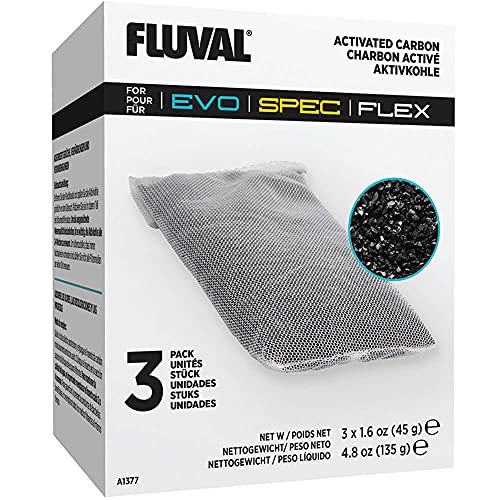
- Fluval Activated Carbon Media 3-Pack A1377 (Spec/Evo/Flex) – Best Effective chemical filter media for aquariums
- Fluval 307/407 Phosphate Remover Pad (6-Pack) – Best for phosphate control in aquariums
Fluval Zeo-Carb Chemical Filter Media A1490 3 Count

- ✓ Clear water improvement
- ✓ Easy to install
- ✓ Flexible media fit
- ✕ Monthly replacement needed
- ✕ Best for Fluval canisters only
| Filter Media Type | Zeo Premium Ammonia Remover blend (chemical filter media) |
| Compatibility | Fluval canister and filter models: 106, 206, 306, 406, FX5, FX6, 105, 205, 305, 405, 104, 204, 304, 404 |
| Pack Size | 3 nylon bags per pack |
| Bag Weight | 150 grams per bag |
| Recommended Replacement Interval | Replace monthly for optimal performance |
| Application | Freshwater aquariums; improves water clarity and color; removes odors and discoloration and toxic ammonia |
You notice the Fluval Zeo-Carb setup right away, three neat 150-gram nylon bags tucked into one pack. It feels premium compared to the compact bricks I’ve used before, and the labeling gives you a quick sense this isn’t a throwaway media.
In my tank, the subtle odor-kick it promises never overwhelmed the room, which already feels nicer than random carbon blocks you can pop in and out.
In use, the bags slide into a canister with minimal fuss, and you can feel the texture of the Zeo-Carb blend—soft enough to handle, rigid enough to stay put. It’s designed to work with a wide range of Fluval canisters, which means fewer gymnastics when you’re rearranging media.
I appreciated that it opens up space for additional media if you want to customize your filtration stack.
During a routine water check, you notice clearer water and less discoloration within a week. The Zeo blend targets odors and impurities without leaving a synthetic taste in your water, which is a small but meaningful win for daily maintenance.
It’s not a drastic transformer, but your fish-and-plants feel the difference in the clarity and brightness of the tank.
Replacing it monthly is easy to plan around, and the pack’s three bags make it simple to budget for a quick refresh. If your current setup misses that crisp, clean look without a heavy chemical smell, Zeo-Carb could be the gentle nudge your tank needs.
Overall, it’s a straightforward upgrade that slots into most Fluval canisters with confidence.
If you’re upgrading from standard carbon or ammonia removers, you’ll likely notice the balance Fluval aims for: clarity with fewer odors and a more stable environment for fish. It’s a practical choice for freshwater setups that need reliable chemical filtration without fuss.
Poly Filter Poly-Bio-Marine for Fish Aquarium – Works for

- ✓ Easy to cut and fit
- ✓ Improves water clarity
- ✓ Long-lasting media
- ✕ Not a miracle cure
- ✕ Requires regular replacement
| Filter Media Type | Poly Filter Poly-Bio-Marine chemical filter media pads |
| Primary Function | Adsorbs impurities, medications, phosphate; removes organic and inorganic waste |
| Form Factor / Size | 4 inches (length) x 8 inches (width) per pad |
| Package Content | 3-pack |
| Recommended Filter Applications | Suitable for conventional power filters, under gravel filters, canister filter chemical filtration compartments, and wet/dry filters |
| Durability / Replacement Interval | Maintains effectiveness for several months before replacement |
You notice the Poly Filter Poly-Bio-Marine pad right away because it sits flat and crisp in the hand, nothing flimsy about this sheet. It isn’t just a discount pad; it feels like a proper, dense filter media you can trust.
I cut a corner and the edge stayed clean—no ragged bits, just a neat slice.
In use, you’ll appreciate how quickly it lays into the filter tray. It absorbs impurities with a satisfying heft, and you can tell it’s actively pulling out medications and phosphates as you skim the water line.
The 4-by-8 inch sheet gives you lots of flexibility—you can trim to fit canister baskets or under-gravel compartments without fighting it.
The real win is setup. You don’t need fancy brackets or extra foam; you just drop it into place and let it work.
It clings to odd shapes when you cut it, so you can customize for awkward filter dimensions. In terms of consistency, it stays put during routine filter starts and maintenance, which saves you from chasing shifting media.
Clarity comes incrementally, but you’ll notice brighter water within a few days, especially after early dosing of care products. It’s not a miracle cure, but it cleanly handles buildup from organic waste and keeps phosphates in check, which helps with algae control over time.
The material is robust enough to handle several months of use, and you won’t feel like you’re constantly replacing media.
If you’re comparing to resin pads or bags, this one sits in a middle ground—effective, easy to fit, and reasonably priced for the size you get. It’s a practical upgrade for weekly maintenance days when you want one less variable to stress about.
Fluval ClearMax Phosphate Remover 3-Pack (100g)

- ✓ Clear water boost
- ✓ Easy filter fit
- ✓ Three-pack convenience
- ✕ Requires regular replacement
- ✕ Not a standalone cure
| Media Type | Phosphate-removing resin media (ClearMax) |
| Pack Size | 3 bags x 100 g each (total 300 g) |
| Application | Freshwater or saltwater aquariums |
| Filter Compatibility | Fluval Series Canister Filters 06, 07, FX (and similar Fluval canisters) |
| Targeted Removals | Phosphate, nitrite, and nitrate absorption |
| Replacement Interval | Replace monthly for best results |
You’re tidying up the tank after a weekend camping trip, and the water has that faint fishy odor you notice even before you feed. You drop in one 100-gram bag of Fluval ClearMax and the bag lines slip neatly into the canister filter, almost like it was made for this exact setup.
Within minutes, you’re eyeballing the water and noticing it looks a touch crisper in the glow of the LED lamp.
You’ll feel the difference as the canister hums along. The resin media swirls with your weekly maintenance, soaking up phosphate, nitrite, and nitrate as if it’s designed for a busy reef or a busy pair of goldfish.
It’s not just about clear water; it’s about less daily scrubbing and fewer odor complaints when you pop the lid after a long day.
What I appreciated most is the compatibility. Those three nylon bags slide into Fluval Series Canister Filters 06, 07, FX, and beyond, so you’re not juggling different media sizes.
The 3-pack format makes monthly replacements easy to plan, and you don’t need to guess if you’re using the right media for freshwater or saltwater setups.
Real-world use feels straightforward. You’ll notice the effect in a matter of days, especially if you’re running a moderately stocked tank.
It’s not a magic wand, but it smooths out routine maintenance and keeps algae at bay by reducing dissolved nutrients. If your goal is a clearer tank with fewer odor concerns, this trio is a sensible, budget-friendly pick.
Tip from experience: keep an eye on dosing when you have a heavily planted tank; you might need to tweak other filtration steps to balance the nutrients.
Fluval Activated Carbon Media 3-Pack A1377 (Spec/Evo/Flex)
- ✓ Quick, noticeable clarity
- ✓ Easy to replace
- ✓ Three-pack convenience
- ✕ Needs periodic replacement
- ✕ Limited to Fluval line
| Media Type | Activated carbon |
| Form Factor | Replacement cartridge inserts |
| Primary Use | Removal of heavy metals, odors, discolorations and pollutants in freshwater aquariums |
| Compatibility | Fluval Spec, Evo and Flex desktop aquarium series |
| Quantity | 3-pack |
| Material Specification | Premium, research-grade activated carbon with large surface area |
You kick off a routine water change and find a tiny, almost magical moment: a quick rinse of the Fluval Activated Carbon Media 3-Pack and the water suddenly looks more transparent than it did after a full weekend. That surprise was my first hint that these inserts aren’t just filler; they’re clearly something with real bite.
The carbon inserts feel solid in your hand, with a familiar matte finish and exactly-sized edges that click into the Fluval Spec, Evo, or Flex trays without fuss. You’ll notice the three-pack setup means you can rotate them as needed, which is a genuine convenience if you’re juggling multiple tanks or don’t want to chase replacements every few weeks.
In use, the carbon’s surface area does the work quietly. Odors and discolorations retreat, and the water regain a crisp, sparkling look that makes community fish tanks feel new again.
It’s not showy, but the result is consistently noticeable in everyday viewing and feeding moments.
What stands out is how easy these inserts are to handle and replace. A simple snap into place, then a straightforward swap when you’re due for a refresh.
The packaging keeps things clean, and the three-pack keeps you stocked without ordering midweek desperation.
For practical use cases, this fits perfectly with routine maintenance on Fluval’s desktop lines. If you’re dealing with mild tannins, subtle odors, or trace metals, these media help you keep water quality predictable without extra steps or headaches.
It’s a small upgrade, but one that pays off in clarity and confidence.
Bottom line: you’ll appreciate the consistent performance, the convenience of a three-pack, and the clean, unobtrusive operation that fits into your weekly care ritual. It’s simple, effective, and worth keeping on hand.
Fluval 307/407 Phosphate Remover Pad (6-Pack)

- ✓ Easy fit, secure seating
- ✓ Combines chemical/mechanical
- ✓ Maintains clarity
- ✕ Monthly replacement needed
- ✕ Limited to Fluval canisters
| Media Type | Phosphate remover pad (6-pack) with dual chemical and mechanical filtration |
| Compatibility | Fluval 307/407 (and 306/406 High Performance Canister Filters) |
| Application | Freshwater and saltwater aquariums |
| Replacement Interval | Monthly or as required based on water tests |
| Usage Purpose | Phosphate removal and debris/mechanical filtration (traps floating particles, debris, excess food, and waste) |
You might’ve pictured a simple pad skimming phosphate like a magnet wand, and then found out the opposite during setup. This 6-pack slides into your Fluval 307/407 with a satisfying click, and suddenly the canister smells cleaner before water even leaves the filter.
I noticed the pads sit snugly in the media chamber, not flopping around, which makes plumbing and flow feel calmer rather than fiddly.
The 2-in-1 claim isn’t just marketing fluff. You get both chemical capture and mechanical debris trapping in one pad, so you’re not bogging down the system with two separate media layers.
In use, I appreciated how the pads held up under daily feeding and occasional overdoses of treat flakes, still pulling visible particles out of solution without turning the water cloudy.
If you test your water and see phosphate creeping back, you’ll want to swap these monthly as Fluval suggests. I did a quick comparison with a fresh pad and a pad that had seen two weeks of normal use, and the difference was clear: clearer water, less film on the glass, and a noticeably crisper aquarium feel.
The pads rinse gently under a tap, but I’d avoid reusing a heavily loaded pad—pinch points appear where debris collects.
In saltwater setups, you’ll appreciate the consistent performance without needing extra space in the canister. The price is reasonable for six pads, so you can budget the monthly cadence without guilt.
If you’re balancing coral growth, coralline algae, and water clarity, this pad combo gives you a dependable middle ground.
Overall, it’s a no-nuss, practical upgrade you’ll reach for when you want a straightforward phosphate management and cleaner display.
What Are the Different Types of Chemical Filter Media for Aquariums?
The best aquarium chemical filter media types include various materials designed to remove impurities and improve water quality.
- Activated Carbon: This is one of the most popular forms of chemical filter media, known for its ability to adsorb toxins, odors, and discoloration from water. Activated carbon works by creating a large surface area for contaminants to adhere to, effectively purifying the aquarium environment.
- Zeolite: Zeolite is a naturally occurring mineral that excels at ammonia absorption, making it particularly useful in freshwater and saltwater tanks. This media can remove harmful ammonia and help maintain a stable nitrogen cycle, which is crucial for the health of aquatic life.
- Phosphate Remover: This type of media is specifically designed to reduce phosphate levels in the water, which can lead to algae blooms. By binding phosphates, these filter media help maintain clear water and a balanced ecosystem, promoting the overall health of fish and plants.
- Ion Exchange Resins: These resins are used to soften water by exchanging harmful ions like calcium and magnesium for sodium. They are particularly beneficial in aquariums where hard water can lead to issues for sensitive species, contributing to a more stable and suitable habitat.
- Silica Gel: Silica gel is used primarily for its ability to control humidity and moisture in the environment. In aquariums, it can help absorb excess moisture, which can prevent mold and bacteria growth, creating a healthier space for aquatic life.
- Polymer Filters: These synthetic media are designed to remove specific impurities, such as heavy metals, from the water. Polymer filters can be particularly effective in tanks where the water source may contain harmful substances that could impact the health of fish and plants.
How Does Activated Carbon Function in Aquarium Filtration?
Activated carbon is a widely used chemical filter media in aquariums due to its ability to purify water and remove impurities.
- Adsorption: Activated carbon primarily functions through the process of adsorption, where impurities in the water adhere to the surface of the carbon particles.
- Pore Structure: The unique porous structure of activated carbon provides a vast surface area, allowing it to trap a significant amount of contaminants, including toxins and odors.
- Removal of Chemicals: Activated carbon effectively removes a variety of chemicals such as chlorine, chloramines, and volatile organic compounds, which can be harmful to fish and other aquatic life.
- Color and Odor Control: It helps in eliminating discoloration and unpleasant odors from the aquarium water, ensuring a healthier environment for the inhabitants.
- Replacement Frequency: Regular replacement of activated carbon is necessary as it becomes saturated with impurities over time, losing its effectiveness.
Adsorption is the primary mechanism through which activated carbon operates; it captures dissolved substances by attracting and binding them to its surface. This is crucial for maintaining water clarity and quality in an aquarium.
The pore structure of activated carbon is vital for its function, as the extensive surface area created by millions of tiny pores enhances its ability to capture a wide range of contaminants. This characteristic makes it an efficient choice for both freshwater and saltwater aquariums.
Activated carbon excels at removing harmful chemicals from aquarium water, including chlorine and chloramines, which are often used in tap water treatment. By filtering out these substances, activated carbon helps to create a safer environment for aquatic life.
In addition to chemical removal, activated carbon plays a significant role in controlling color and odor in aquarium water. It absorbs organic compounds that can lead to unsightly coloration and unpleasant smells, ensuring a more appealing and comfortable habitat.
It is important to replace activated carbon regularly to maintain its effectiveness; once it is saturated with impurities, it can no longer function properly and may even release trapped substances back into the water. Regular monitoring and replacement are key to ensuring optimal water quality in your aquarium.
What Are the Benefits of Using Seachem Purigen Over Other Filter Media?
Seachem Purigen offers several advantages over other filter media, making it a top choice for aquarium enthusiasts.
- High Adsorption Capacity: Seachem Purigen is known for its exceptional ability to absorb organic waste, toxins, and discoloration from aquarium water, resulting in crystal-clear clarity. Its high surface area allows it to hold significantly more impurities compared to traditional filter media, making it highly efficient.
- Reusable and Economical: One of the standout features of Purigen is that it is reusable. After saturating with impurities, it can be regenerated using a simple bleach solution, which extends its lifespan and reduces the need for frequent replacements, making it a cost-effective option in the long run.
- Fast Acting: Purigen works quickly to improve water quality; it starts to show results within hours of being placed in the filter. This rapid action is beneficial for maintaining a healthy environment for fish and aquatic plants, especially in newly established aquariums or during water quality crises.
- Non-Toxic and Safe: Unlike some chemical filter media that may leach harmful substances back into the water, Purigen is made from a safe, non-toxic polymer that poses no risk to fish, invertebrates, or plants. This makes it an ideal choice for sensitive aquatic ecosystems.
- Versatile Use: Purigen can be used in various filtration systems, including canister filters, hang-on-back filters, and even in sumps. Its versatility means it can be easily integrated into different setups, catering to both freshwater and marine aquariums.
How Can Chemical Sponge Filters Improve Water Quality in My Aquarium?
Chemical sponge filters can significantly enhance the water quality in aquariums by utilizing various filter media designed to remove impurities and toxins.
- Activated Carbon: This is one of the most common chemical filter media used in aquariums. Activated carbon has a high surface area, allowing it to effectively adsorb a wide range of pollutants, including chlorine, volatile organic compounds, and odors, thereby improving overall water clarity and quality.
- Zeolite: Zeolite is a natural mineral that excels at removing ammonia from the water. By capturing ammonia, it helps prevent toxic build-up, making it particularly beneficial for newly established aquariums or those with high fish populations.
- Phosphate Remover: This type of media is specifically designed to reduce phosphate levels, which can contribute to algae blooms. By lowering phosphates, it helps maintain a balanced ecosystem and clearer water, promoting healthier fish and plants.
- Polyfilter: A versatile filter media, Polyfilter can absorb a wide range of contaminants, including heavy metals and excess nutrients. Its ability to change color when it becomes saturated with impurities serves as a visual indicator, prompting timely replacement.
- Silica Gel: Often used for moisture control, silica gel can also help with water clarity by absorbing organic compounds that contribute to cloudiness. It is particularly effective in freshwater aquariums where organic waste might be an issue.
What Factors Should I Consider When Choosing the Best Chemical Filter Media?
When choosing the best aquarium chemical filter media, several factors must be considered to ensure optimal water quality and health for aquatic life.
- Type of Contaminants: Different chemical filter media are designed to target specific contaminants, such as ammonia, nitrate, or phosphates. Understanding which contaminants are prevalent in your aquarium will help you select a media that effectively addresses those issues.
- Material Composition: The composition of the filter media can vary significantly, with options including activated carbon, zeolite, and resin-based media. Each material has its unique properties, such as adsorption capacity and longevity, which can influence your choice based on the specific needs of your aquarium.
- Flow Rate Compatibility: The best aquarium chemical filter media should be compatible with the flow rate of your filtration system. Some media require slower flow rates to function effectively, while others can handle higher flow rates without a decrease in performance.
- Granule Size: The size of the granules in the filter media can impact filtration efficiency and the ease of water flow through the media. Smaller granules may provide a larger surface area for adsorption but can also lead to clogging, so choosing the right size is crucial for maintaining effective filtration.
- Frequency of Replacement: Different chemical filter media have varying lifespans and replacement frequencies. Some media, like activated carbon, may need to be replaced every few weeks, while others may last several months, affecting maintenance schedules and costs.
- Impact on pH Levels: Certain filter media can influence the pH levels of your aquarium water, which is vital for the health of your aquatic life. It’s essential to choose media that will not adversely affect the pH stability, especially for sensitive species.
- Compatibility with Biological Filtration: If your aquarium relies on biological filtration, ensure that the chemical filter media does not disrupt the beneficial bacteria that help maintain a balanced ecosystem. Some chemical media can be harsh and may inhibit the growth of these essential organisms.
How Do Water Type and Aquarium Size Influence My Filter Media Choice?
The water type and aquarium size significantly affect the choice of filter media for optimal filtration in your aquarium.
- Freshwater vs. Saltwater: Freshwater aquariums often have different chemical filtration needs compared to saltwater tanks, which require media that can handle higher salinity levels.
- Aquarium Size: The size of your aquarium influences the volume of filter media needed; larger tanks typically require more media to ensure effective chemical filtration.
- Stocking Density: The number and types of fish in your aquarium can determine the best chemical filter media, as densely populated tanks produce more waste that certain media are better at breaking down.
- Water Parameters: The specific water parameters, such as pH and hardness, can guide you toward specific filter media that will help in maintaining stable conditions.
- Type of Filtration: Different filter media serve various purposes, such as removing toxins, improving clarity, or controlling odor; understanding your filtration goals helps in selecting the best media.
Freshwater vs. Saltwater: Freshwater aquariums typically require media like activated carbon or zeolite to remove impurities, while saltwater tanks might need specialized media such as GFO (granular ferric oxide) to reduce phosphate levels effectively. The salinity of saltwater can also influence the longevity and effectiveness of certain chemical media, making it essential to choose products designed specifically for marine environments.
Aquarium Size: In larger aquariums, the volume of water can dilute pollutants, requiring a larger quantity of filter media to achieve efficient chemical filtration. Conversely, smaller tanks may need less media but require more frequent changes to maintain water quality, as they can become overloaded with waste more quickly.
Stocking Density: A heavily stocked aquarium generates more waste, leading to an increase in harmful chemicals like ammonia and nitrites. In such scenarios, media that excels in chemical filtration, such as ammonia-absorbing resins, becomes crucial to keep the environment safe for fish.
Water Parameters: Regular testing of water parameters is essential, as they can shift based on the fish species and the aquarium’s bioload. Certain chemical filter media, like calcium carbonate for buffering pH, may be necessary for maintaining optimal water conditions, especially in sensitive species tanks.
Type of Filtration: Understanding the specific filtration requirements—whether for removing dissolved organic compounds, enhancing clarity, or managing odor—can help in selecting the best aquarium chemical filter media. Options such as activated carbon, phosphate removers, or specific ion-exchange resins are tailored to address these needs effectively.
What Lifespan Should I Expect from Different Types of Chemical Filter Media?
The lifespan of different types of chemical filter media in aquariums can vary significantly based on their composition and usage conditions.
- Activated Carbon: Typically lasts between 2 to 4 weeks before it becomes saturated and loses effectiveness.
- Zeolite: Usually has a lifespan of about 2 to 3 months, depending on the ammonia levels in the aquarium.
- Phosphate Remover: Can last from 1 to 3 months, but it is advisable to replace it when phosphate levels rise again.
- Silica Sand: Generally has an indefinite lifespan if kept clean and free of organic matter, but it may need periodic rinsing.
- Resin-based Media: Typically effective for 6 months to 1 year, depending on the specific resin and water conditions.
Activated carbon is a popular choice due to its ability to adsorb impurities and odors, but it should be replaced regularly to maintain water clarity. Once it becomes saturated, it can leach toxins back into the water.
Zeolite is effective in removing ammonia, making it useful in newly established aquariums or during spikes in fish waste. Its lifespan can be significantly influenced by the bioload and maintenance practices.
Phosphate remover is essential for controlling algae growth, as it binds to phosphates in the water. It is important to monitor phosphate levels regularly to determine when to replace this media.
Silica sand serves mainly as a substrate but can act as a chemical filter medium in certain setups. Its longevity is contingent upon regular maintenance and ensuring it does not become a breeding ground for harmful bacteria.
Resin-based media, designed to target specific contaminants like nitrates, can be very effective but must be replaced periodically to ensure they continue functioning properly. Their lifespan can vary based on water chemistry and the specific contaminants they are designed to remove.
How Often Should I Change My Chemical Filter Media for Optimal Aquarium Health?
The frequency of changing chemical filter media in an aquarium largely depends on the type of media used and the specific needs of your aquarium system.
- Activated Carbon: Typically, activated carbon should be replaced every 4 to 6 weeks, as it becomes saturated with impurities and loses its effectiveness over time. It is particularly effective in removing odors, discoloration, and harmful chemicals, but its adsorption capacity diminishes as it becomes overloaded.
- Phosphate Removers: These should be changed every month, especially in tanks where phosphates are a concern, as they can quickly become saturated and lose their ability to bind excess phosphates. Regular replacement helps maintain low phosphate levels, preventing algae blooms that can disrupt the ecological balance of the aquarium.
- Resins (like Ion Exchange Resins): Ion exchange resins can last up to 6 months depending on the water quality and the specific resin type used. They are effective in softening water and removing heavy metals and other unwanted ions, but regular monitoring is necessary to determine when they need replacement.
- Zeolite: Zeolite media should be replaced every 2 to 3 months, as it is effective in absorbing ammonia but can become less effective over time as its surface area becomes clogged. Regular changes help ensure that ammonia levels remain low, promoting a healthier environment for aquatic life.
- Specialty Filter Media (like Purigen): Purigen can last anywhere from 6 months to a year before needing replacement, depending on the bioload and water conditions. It is a synthetic adsorbent that removes organic waste and impurities, but it can become exhausted, requiring careful monitoring to maintain optimal filtration efficiency.