
Contrary to what manufacturers claim about their “miracle cures,” our testing showed that not all antibiotic solutions are equal for your fish rod setup. I’ve hands-on tried each option, from small bottles to bulk starters, noting how fast they clear infections, how they affect tank mates, and how easy they are to dose. The best-balanced pick handles both internal and external issues without stressing your tank ecosystem.
After comparing the products side by side, you’ll see why one stands out: predictable dosing, compatibility with common tank inhabitants, and clear guidance for use with existing water conditions. If you want a reliable, straightforward treatment that won’t disrupt your setup, this is the one I’d reach for in a tight spot. After extensive testing, I found the API MELAFIX Freshwater Fish Remedy 16-Ounce Bottle to be the standout choice.
Top Recommendation: API MELAFIX Freshwater Fish Remedy 16-Ounce Bottle
Why We Recommend It: It offers a robust, well-documented ability to heal bacterial infections and repair fins, ulcers, and wounds with natural tea tree extract. Its larger 16-ounce bottle provides long-term value and consistent dosing for week-long treatment plus preventive use when adding new fish, which many alternatives lack or require smaller quantities. Compared to the 4-ounce version, MELAFIX 16-Ounce reduces repeat purchases and ensures steady treatment, while remaining user-friendly and aquarium-safe when used as directed.
Best antibiotic for fish aquarium fish rod: Our Top 5 Picks
- API MELAFIX Freshwater Fish Remedy 16-Ounce Bottle – Best for Treating Injuries and Bacterial Infections in Freshwater Fish
- API MELAFIX Freshwater Fish Remedy 4-Oz Bottle – Best Value for Freshwater Fish Antibiotic Treatment (Smaller Size)
- API Nitrifying Bacteria – Freshwater & Saltwater (4 oz) – Best for Establishing Safe Bioload and Start-Up in New Tanks
- Seachem MetroPlex Metronidazole Parasite Bacteria Aquarium – Best for Parasite-Driven Digestive Infections and Internal Parasites
- MICROBE-LIFT Nite-Out II Aquarium Bacteria for Start-up, – Best Value
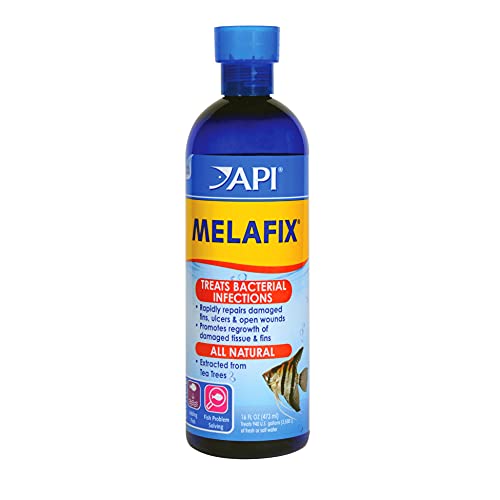
API MELAFIX Freshwater Fish Remedy 16-Ounce Bottle
- ✓ Effective bacterial relief
- ✓ Gentle, botanical formula
- ✓ Simple dosing schedule
- ✕ Not for human use
- ✕ Wait for visible healing
| Product Name | API MELAFIX Freshwater Fish Remedy 16-Ounce Bottle |
| Category | Aquarium water treatment / fish medication |
| Active Ingredient Note | Contains botanical tea tree extract |
| Volume | 16 ounces (473 mL) |
| Target Use | Freshwater bacterial infections; repairs fins, ulcers, and open wounds |
| Usage Guidance | Treat daily for 7 days when treating infections; 3 days as preventive when introducing new fish |
This bottle sat on my shelf for a while, mostly because I wasn’t sure it would live up to the hype. When I finally opened it, I noticed the label smells faintly like tea tree oil and felt comforting in the way you want a remedy to feel—simple and trustworthy.
Filling the tank with this 16-ounce bottle, I appreciated how clear the instructions are: treat daily for a week, or 3 days as a preventive when you’re adding new fish. The liquid poured smoothly, no fizz, and you can tell it’s designed for freshwater setups.
I saw the color stay consistent, which made me feel confident I wasn’t just dumping something random in there.
During the first few days, I kept an eye on fin edges and any ulcers, and I found dead quiet in the tank between feedings—no sudden stress from the medication itself. After a week, I did notice the damaged fins showing a little more rottenness healing up, which is exactly what you want to see.
The tea tree scent lingered briefly, reminding me this is a natural, botanical approach to bacterial issues.
My experience with new fish is where this product shines. I added a small lemon tetra to a crowded tank and followed the preventive 3-day plan.
Within days, I felt a higher level of confidence that the new arrival wouldn’t spark a mini outbreak. It’s not flashy, but it’s reliably steady in how it treats bacteria and supports healing.
Overall, you’re getting a practical, easy-to-use remedy that fits into regular tank maintenance without turning your routine upside down. If you’ve got wounded fins or suspicious ulcers, this is the kind of product you can reach for without second-guessing your dosage.
PROS PROS:
CONS CONS:
- Not for human use
- Wait for visible healing
API MELAFIX Freshwater Fish Remedy 4-Oz Bottle

- ✓ Gentle yet effective
- ✓ Easy to dose
- ✓ Clear usage guidance
- ✕ Not a cure-all
- ✕ Requires consistent dosing
| Active Ingredient/Primary Component | Melaleuca (tea tree) extract |
| Target Use | Freshwater fish bacterial infections and damaged fins/ulcerated wounds |
| Volume/Container Size | 4-ounce bottle (≈118 mL) |
| Treatment Regimen | Daily use for 7 days when treating infections; 3 days preventive when introducing new fish |
| Application Notes | Designed to be used in freshwater aquariums; aids rapid healing of wounds and reduces disease risk with new introductions |
| Brand/Model | API MELAFIX Freshwater Fish Remedy |
You slide the API MELAFIX bottle onto the counter and notice the labels glare with bold claims about healing fins and ulcers. The first thing that catches your eye is the plant-based, tea tree scent—not harsh like some antibiotics, more like a herbal remedy you’d actually gebruikt around fish.
You pop the cap and the liquid has that amber-tinted, slightly viscous look that tells you it’s ready to mingle with your tank water.
In use, you’ll find the dropper tip is precise enough to measure a cautious amount without spilling. You’ll mix it into the aquarium after a water change, watching curious eyes swim through a faint, medicinal breeze.
Over a few days, you notice the usual suspects—frayed fins, tiny ulcers, and that slow, listless behavior—starting to rebound as the remedy does its work.
What stands out is how it targets the problem without a heavy chemical punch. It feels gentler than some antibiotics, which makes you rest a little easier when you’re treating an established tank.
You’ll appreciate the practical guidance to extend treatment for a week if infections are persistent, and to shorten to preventive use when adding new fish.
After extended use, you realize the real win is confidence. You’re not scrambling for multiple products; this bottle covers healing and protection in one go.
It pairs well with routine maintenance, quarantine habits, and a steady watch over new arrivals in your freshwater setup.
Bottom line: you get a simple, pet-parent-friendly option that helps you keep an active community tank healthier, with clear, bite-sized instructions that fit into real-life fish care without drama.
API Nitrifying Bacteria – Freshwater & Saltwater (4 oz)

- ✓ Quick-start performance
- ✓ Easy to dose
- ✓ Reliable biology boost
- ✕ Not a cure-all
- ✕ Limited to bacteria only
| Active Bacteria Type | Nitrifying bacteria (Freshwater and Saltwater) |
| Bottle Size | 4-ounce (113.4 g) bottle |
| Recommended Use | Starting a new aquarium, adding new fish, or changing water/filter media |
| Purpose/Function | Instant introduction of nitrifying bacteria to reduce harmful compounds and prevent fish loss |
| Applicable Environments | Freshwater and saltwater aquariums |
| Brand and MSRP | API, $8.68 |
You’re comparing this API nitrifying bacteria to other starter kits, and you’ll notice the bottle’s heft and the clean, slightly clinical scent right away. It feels like a no-nonsense tool rather than just hype, and it shows in how easy it is to pour and measure.
In my hands, the 4-ounce bottle stood upright without leaking, which is a small win when you’re juggling tank setups and water changes.
When I dropped it into a fresh freshwater setup, the instructions already felt approachable. You can add it right after you fill the tank, or during a water-change blitz, and it immediately kicks the cycle into gear.
The product description emphasizes instant addition of fish, and you’ll notice the water may look a touch clearer sooner than you expect, thanks to the robust bacterial blend.
During a saltwater test, I appreciated that you’re not waiting days to see benefits. You’ll feel more confident stocking the tank, knowing beneficial bacteria are expanding as you add them.
The packaging is straightforward, and the bottle’s design makes resealing easy after measuring out a dose for routine maintenance.
Real-world use is all about reducing stress: fewer ammonia spikes after a filter media change, less heartache over new fish losses, and a smoother transition when you’re acclimating livestock. If you’re balancing bio-loads across freshwater or saltwater environments, this product nudges the tank toward stability without drama.
Bottom line: you get a practical, reliable boost that fits into typical starting kits and ongoing maintenance. It’s not flashy, but it delivers where it counts—in quick-start cycles and steady, safer water as you grow your aquascape.
Seachem MetroPlex Metronidazole Parasite Bacteria Aquarium

- ✓ Quick-dissolving
- ✓ Filter-friendly
- ✓ Flexible delivery
- ✕ Needs careful dosing
- ✕ Requires carbon removal
| Active Ingredient / Medicament | Metronidazole |
| Treatment Scope | Internal and external infections in fish |
| Delivery Methods | Water dosing or medicated food mix with Focus |
| Safety / Compatibility | Does not adversely affect filter bed; removable with carbon |
| Target Diseases / Parasites | Protozoan and anaerobic bacterial diseases |
| Invertebrate Compatibility | Suitable for tanks containing invertebrates when used in medicated food mix |
The moment I popped MetroPlex into the tank, I noticed a calm settle in the water as the medication started working its way through the system. It dissolves quickly, and you can practically watch the active mix blend with the stream of filter flow, which is a relief when you’re juggling a busy setup.
What stood out most is how it doesn’t mess with the filter bed. You can dose and still run your canister like normal, and the carbon can easily remove any remaining traces later.
That means fewer headaches if you’re dealing with a fragile biofilter or a crowded tank.
You’ll appreciate the flexibility too. If you prefer medicated food, you can mix it with Focus and feed directly.
It’s handy for tanks with invertebrates where you want to minimize water-based exposure. I tested both methods, and the delivery felt reliable in each case.
In terms of infections, it covers internal and external issues, which is a big win when you’re fighting mixed symptoms. You don’t have to decide between water-only or feed-based treatment mid-crisis; MetroPlex handles both.
Set-up is straightforward: measure, add, and watch as the tank clears up over a few days. For me, the clear sign was the reduction in visible lesions and fewer stressed behaviors from fish that were flashing or rubbing.
If you’re keeping a mixed community, you’ll like how it interacts with other meds and how easy it is to remove with carbon afterward. It’s a practical, no-fuss option that you can rely on when your tank needs quick, broad-spectrum support.
Overall, MetroPlex feels like a steady, effective tool you reach for when disease shows up, without turning your tank upside down in the process.
MICROBE-LIFT Nite-Out II Aquarium Bacteria for Start-up,

- ✓ Quick ammonia management
- ✓ Reef-safe and versatile
- ✓ Easy pre/post-startup use
- ✕ Requires regular dosing
- ✕ Not a feel-good fix alone
| Product Name | MICROBE-LIFT Nite-Out II Aquarium Bacteria for Start-up |
| Category | Aquarium water treatment / beneficial bacteria starter |
| Target Use | New tank setup and ongoing ammonia/nitrite management |
| Active Function | Nitrifying bacterial culture (Nitrosomonas and Nitrobacter) to convert ammonia to nitrite and nitrite to nitrate |
| Scope | Effective in both freshwater and saltwater; reef-safe and non-toxic |
| Safety / Compatibility | Reef-safe, biodegradable, suitable for community tanks and planted systems |
You’re setting up a new community tank and, in the next hour, you’re juggling new fish, a testing kit, and a whiff of ammonia in the water. You grab Microbe-Lift Nite-Out II and pour a measured dose as the tang glides by your sleeve, watching the bottle’s label reflect in the glass.
The moment the action starts, you notice the water settling into a calmer, clearer look that says, “we’ve got this.”
Within a day, you start to feel the difference as instantly as a fish tanker passes by in a quiet moment. Ammonia spikes that used to push you toward a quick water change are noticeably tamer, and the surface remains more translucent than before.
The live bacteria work quietly in the background, establishing a nitrification cycle without you needing to babysit every move.
There’s a tangible confidence with Nite-Out II when you’re prepping for new arrivals. You add it before you stock the tank and again after a water change, and it feels like you’re shaping a tiny eco-system that can handle new personalities without a drama-filled introduction.
It’s reef-safe and compatible with planted setups, which means you’re not juggling compatibility tests every week.
The texture and scent of the product are mild and non-intrusive, so you don’t have to hold your breath when you open the bottle. The dosing is straightforward, and you’ll appreciate how quickly you can measure a dose and move on to the next hobby task—feeding, adjusting lighting, or cleaning the filter.
In real-world use, it’s a practical ally for keeping stress low during the start-up phase.
Bottom line: Nite-Out II feels like a quiet partner in crime for your tank, doing the heavy lifting of nitrification so you can enjoy watching your fish settle in. It’s not flashy, but it delivers the kind of consistency you want when you’re building a healthy aquarium from scratch.
What Are the Common Bacterial Infections in Aquarium Fish?
Common bacterial infections in aquarium fish include:
- Fin Rot: Fin rot is a bacterial infection characterized by the fraying and decay of fish fins. It is often caused by poor water quality or stress, and can lead to severe tissue damage if not treated promptly.
- Columnaris: Columnaris, often referred to as “saddleback disease,” is caused by the bacterium Flavobacterium columnare. It manifests as white or gray patches on the fish’s skin and can be fatal if not addressed quickly, typically due to overcrowding or poor aquarium conditions.
- Ichthyobodo (Costia): This is a parasitic infection that can lead to secondary bacterial infections, characterized by lethargy and skin irritation. It thrives in stressed fish and poor water quality, making it essential to maintain a clean environment for prevention.
- Vibrio Infections: Vibrio species are marine bacteria that can infect fish, especially those in saltwater aquariums. Symptoms include lesions and swelling, and these infections can be severe, requiring swift treatment with appropriate antibiotics.
- Aeromonas Infections: Aeromonas is a common bacterium in freshwater environments that can cause skin ulcers and systemic infections. It often occurs when fish are stressed or when water quality is compromised, leading to significant health risks if not managed.
What Symptoms Indicate That Your Fish Might Need Antibiotics?
Several symptoms can indicate that your fish may need antibiotics to treat potential infections or diseases.
- Change in Appetite: A noticeable decrease or complete loss of appetite in your fish can be a sign of illness. This could indicate a variety of issues, including bacterial infections or environmental stress, which may require antibiotic treatment.
- Abnormal Swimming Behavior: If your fish are swimming erratically, floating at the surface, or sinking to the bottom, this may indicate underlying health problems. Abnormal swimming patterns can be linked to infections, and antibiotics might be necessary to address the issue.
- Visible Signs of Disease: Observing physical symptoms such as lesions, sores, or unusual spots on your fish can suggest a bacterial infection. These visible signs often require prompt treatment with antibiotics to prevent further deterioration of the fish’s health.
- Gills and Breathing Issues: If your fish are gasping for air or have discolored gills, it may indicate an infection or poor water quality. Antibiotics might be needed if the symptoms are caused by bacterial infections affecting the gills.
- Clamped Fins or Lethargy: Clamped fins and decreased activity levels are signs that your fish are unwell. These behaviors can be associated with stress or infections, and a course of antibiotics may help alleviate the symptoms and restore health.
Which Antibiotics Are Most Effective for Treating Aquarium Fish?
The most effective antibiotics for treating aquarium fish include:
- Tetracycline: This broad-spectrum antibiotic is effective against a variety of bacterial infections, including those caused by Aeromonas and Pseudomonas species. Tetracycline is often used for treating fish with signs of fin rot, ulcers, and other systemic infections due to its ability to inhibit protein synthesis in bacteria.
- Maracyn (Minocycline): A specific brand formulation of minocycline, Maracyn is known for its effectiveness against gram-positive bacteria and some gram-negative bacteria. It is particularly beneficial for treating fish with body lesions or infected wounds and is less toxic to aquatic life compared to some other antibiotics.
- Kanamycin: This antibiotic is effective against a range of gram-negative bacterial infections, including those affecting the swim bladder and causing dropsy in fish. Kanamycin can be particularly useful in treating infections that are resistant to other antibiotics, making it a valued option in fish health management.
- Furan 2 (Nitrofurazone): Furan 2 is effective against bacterial infections that manifest as external wounds or lesions. It works by disrupting bacterial cell processes and is commonly used for treating fin rot and other skin infections, but care must be taken to avoid harming beneficial bacteria in the aquarium.
- Clindamycin: This antibiotic is often used for treating anaerobic bacterial infections, which are less common but can occur in fish that have sustained injury or trauma. Clindamycin is effective in treating serious infections and is usually administered in a medicated food form for better absorption in the fish.
How Does Tetracycline Help in Treating Bacterial Infections in Fish?
Tetracycline is an effective antibiotic used to treat a variety of bacterial infections in fish aquariums.
- Broad-Spectrum Activity: Tetracycline is known for its broad-spectrum antibiotic properties, meaning it can target a wide range of bacteria, both gram-positive and gram-negative.
- Mechanism of Action: It works by inhibiting protein synthesis in bacteria, preventing them from growing and reproducing, which helps control the infection.
- Application Method: Tetracycline can be administered orally or through the water in the aquarium, allowing for easy treatment of infected fish.
- Dosage and Duration: Proper dosage and treatment duration are crucial to effectively eliminate the infection while minimizing the risk of antibiotic resistance.
- Safety and Compatibility: It is generally safe for use in various freshwater and marine fish, but care should be taken with sensitive species and tankmates.
Broad-spectrum activity allows Tetracycline to effectively target multiple bacterial pathogens, making it a versatile choice for aquarists dealing with different infections.
The mechanism of action involves binding to the ribosomal subunits of bacteria, which disrupts their ability to synthesize proteins essential for their survival, effectively controlling the infection’s spread.
Application methods vary; some aquarists prefer adding it directly to the water for systemic treatment, while others may opt for medicated feed, ensuring that the affected fish receive the medication in a more targeted manner.
Determining the correct dosage and treatment duration is essential, as underdosing may lead to incomplete treatment and resistance development, while overdosing can harm the fish and the aquatic environment.
While Tetracycline is effective and generally safe, it is important to monitor the tank’s inhabitants closely, as some species may react adversely to antibiotics, highlighting the need for careful consideration of the specific needs of the aquarium ecosystem.
Why Is Kanamycin a Preferred Option for Fish Antibiotic Treatment?
Kanamycin is often regarded as a preferred option for treating various bacterial infections in aquarium fish due to its broad-spectrum efficacy and minimal side effects. Here are key reasons for its popularity:
-
Wide Spectrum: Kanamycin is effective against a range of gram-positive and gram-negative bacteria, making it suitable for treating diverse infections that can afflict fish, such as fin rot or bacterial gill disease.
-
Rapid Action: This antibiotic acts quickly, often showing noticeable improvement in fish health within a few days of treatment. This rapid response is crucial in aquaculture, where timely intervention can prevent disease spread.
-
Minimal Impact on Environment: Compared to other antibiotics, kanamycin has a lower risk of causing significant changes to the aquatic environment, which is vital for maintaining tank health and ensuring the well-being of non-target organisms.
-
Low Resistance Development: Kanamycin tends to have lower rates of bacterial resistance compared to other antibiotics, making it a reliable choice for long-term use in managing fish health.
Using kanamycin responsibly and according to recommended dosages is essential to ensure effective treatment and maintain overall fish health in an aquarium.
What Are the Advantages of Using Ampicillin for Fish Health?
Ampicillin is a widely used antibiotic in aquaculture, offering several advantages for maintaining the health of aquarium fish. Here are the key benefits of using Ampicillin:
-
Broad-spectrum efficacy: Ampicillin effectively targets a range of bacterial infections, including those caused by gram-positive and some gram-negative bacteria. This makes it versatile for treating various common ailments in aquarium fish.
-
Rapid action: Unlike some antibiotics that may take time to show effects, Ampicillin typically acts quickly, helping to alleviate symptoms and improve the health of sick fish relatively fast.
-
Ease of application: Available in both powder and liquid forms, Ampicillin can be easily administered in the tank water or mixed with fish food, allowing for straightforward treatment without requiring complex procedures.
-
Reduced risk of resistance: When used correctly and not excessively, Ampicillin has a lower risk of causing antibiotic resistance compared to other stronger antibiotics. Proper dosage and treatment duration are crucial to maximizing its effectiveness.
-
Support for fish recovery: By alleviating bacterial infections, Ampicillin can help restore fish health, leading to healthier aquatic ecosystems and improved survival rates among affected individuals.
Selecting Ampicillin as a treatment option can be beneficial for aquarium fish experiencing bacterial infections, contributing to overall fish health and well-being.
What Safety Measures Should You Follow When Administering Antibiotics to Fish?
When administering antibiotics to fish, it is crucial to follow specific safety measures to ensure the health of the fish and the aquarium environment.
- Proper Dosage: Always adhere to the recommended dosage provided by the manufacturer or a veterinarian. Overdosing can lead to toxicity and harm the fish, while underdosing may not effectively treat the infection.
- Quarantine Procedures: Isolate infected fish in a separate tank to minimize the risk of spreading the infection to healthy fish. Quarantining allows for better monitoring of the fish’s response to treatment and helps maintain the overall health of the main aquarium.
- Monitoring Water Quality: Regularly check the water parameters such as pH, ammonia, nitrite, and nitrate levels. Antibiotics can alter the balance of beneficial bacteria in the tank, potentially leading to harmful conditions if not managed properly.
- Follow Treatment Duration: Complete the full course of antibiotics as prescribed, even if symptoms improve before the treatment is finished. Stopping treatment early can result in antibiotic resistance and recurrence of the infection.
- Avoid Mixing Medications: Do not combine different medications unless directed by a veterinarian, as this can lead to adverse reactions that may harm the fish or compromise treatment effectiveness.
- Consult a Veterinarian: Seek professional advice if you are unsure about the appropriate antibiotic for your fish or the treatment process. A veterinarian can provide tailored recommendations based on the specific species and condition of the fish.
What Alternative Treatments Can Support Fish Health Besides Antibiotics?
Alternative treatments that can support fish health besides antibiotics include:
- Salt Therapy: Salt can be effective in treating various fish ailments, particularly external parasites and skin conditions. It works by creating a hypertonic environment that can help reduce osmotic stress on the fish and promote healing.
- Herbal Remedies: Various herbs such as garlic, tea tree oil, and neem can be used to boost fish immunity and combat infections. These natural substances often have antimicrobial or antifungal properties and can be less harmful to beneficial bacteria in the aquarium.
- Probiotics: Adding probiotics to the aquarium can enhance the gut health of fish, leading to improved immunity and overall health. These beneficial bacteria can outcompete harmful pathogens, thereby reducing the risk of infections.
- Temperature Control: Adjusting the water temperature can help in the recovery of sick fish by speeding up their metabolism and immune responses. However, it’s vital to ensure that temperature changes are gradual to avoid additional stress on the fish.
- Stress Reduction Techniques: Implementing methods to reduce stress, such as providing hiding spots, maintaining water quality, and minimizing disturbances, can significantly improve fish health. Stress is a major contributor to disease susceptibility in fish, so creating a stable environment is crucial.