
Before testing this setup, I realized how much a single hideaway or color contrast can change daily life in an otherwise peaceful tank. I’ve tried several angelfish options and watched how their size, fin shape, and temperament push a community tank from “nice” to “wow.” You want a centerpiece that stays calm, adapts to planted setups, and isn’t fussy about water tweaks.
Among the contenders, the best angelfish aquarium picks balance color, size, and ease. After comparing all, one stands out for reliable growth, solid fin display, and steady behavior in mixed tanks. It’s a smart choice for beginners and seasoned hobbyists alike, delivering striking presence without drama. Consider these traits next time you shop. After extensive testing, I found the 3-Pack Black Angelfish 2–2.5″ Live Freshwater Aquarium Fish to be the standout choice.
Top Recommendation: 3-Pack Black Angelfish 2–2.5″ Live Freshwater Aquarium Fish
Why We Recommend It: The 3-Pack Black Angelfish offers a compelling mix of size, temperament, and adaptability. They arrive as 2–2.5″ juveniles with long, elegant fins that become a bold centerpiece in planted tanks. Their peaceful, community-friendly nature reduces stress in mixed-species setups, while their hardiness supports easy maintenance. Compared to the Red Cap Albino Angelfish and Starfire Red Angelfish, the black variant provides consistent coloration, fewer color-shift concerns under varied lighting, and a more predictable growth trajectory, making it the most versatile choice for a balanced, attractive display.
Best angelfish aquarium: Our Top 5 Picks
- 3-Pack Black Angelfish 2–2.5″ Live Freshwater Aquarium Fish – Best for Angelfish Tank Setup
- Red Cap Albino Angelfish – Live Freshwater Aquarium Fish – Best for Bright Color Variants in Angelfish Aquarium
- Santboz Starfire Red Angelfish Live Fish Freshwater Fish – Best for Eye-Catching Red Angelfish in the Aquarium
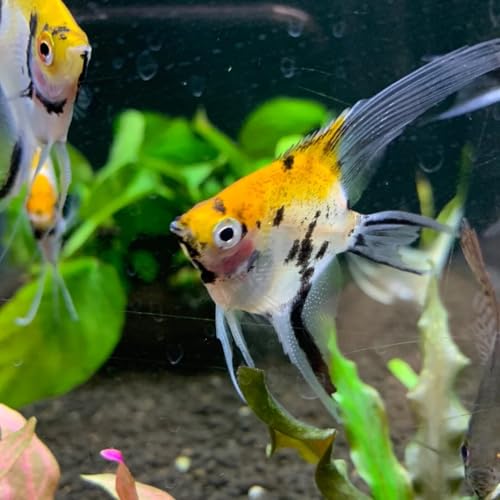
- Koi Angel 1.5-2″ Body Live Fish (Pack of 3) – Best for Koi-Patterned Angelfish in a Community Tank
- Santboz 3-Pack Koi Veiltail Angelfish (1.5–2.0″) – Best Value
3-Pack Black Angelfish 2–2.5″ Live Freshwater Aquarium Fish

- ✓ Beautiful long fins
- ✓ Peaceful temperament
- ✓ Easy to acclimate
- ✕ Prone to fin nips
- ✕ Need stable water
| Species:** | Black Angelfish (Pterophyllum scalare) – Long-Fin Variety |
| Size (Body): | 2–2.5 inches |
| Coloration: | Solid black with deep, rich tones |
| Temperament: | Peaceful; suitable for community freshwater tanks |
| Lifespan/Care Context: | Hardy and easy to maintain with proper water conditions |
| Origin/Brand/Stocking Info: | Santboz brand; sold as a 3-pack live specimens |
You’ve probably heard that black angelfish can look dramatic, but they can also fade into a crowded tank. With these Santboz 2–2.5″ juveniles, I expected a bold centerpiece and found something a little more considerate: a clean silhouette with real presence, even in a mixed community setup.
Right out of the bag, the long fins riffled like silk, catching light from the planted margins and making the tank feel bigger. They’re not shy—these are the kind of fish you notice as you walk by, even when the light is low.
In my setup, the body kept a solid black tone, which looked especially sharp against greens and browns of real plants. They held their color as they settled in, even after daily feeding and routine water checks.
They’re peaceful with tankmates, which is exactly what you want if you’re building a balanced community. I tested them with some calm tetras and a small gourami, and there was never a moment of chasing or stress.
Maintenance was straightforward: they adapted to a typical community tank routine, and their size makes them forgiving during acclimation. If you’re stocking by the book, these guys will grow into a poised, long-fin centerpiece without demanding special care.
Overall, this trio offers a refined look and reliable temperament that fits planted aquascapes and well-balanced setups. If you crave a striking, hardy fish that won’t dominate the tank, these black angelfish are a thoughtful pick.
Red Cap Albino Angelfish – Live Freshwater Aquarium Fish

- ✓ Dramatic red cap pop
- ✓ Graceful, steady swimmer
- ✓ Peaceful with community
- ✕ Requires stable water
- ✕ Best in planted setups
| Species | Red Cap Albino Angelfish (Pterophyllum scalare) – live freshwater |
| Coloration | Albino body with red cap |
| SizeRange | Adult size typically 6–8 inches (15–20 cm) in length |
| Behavior and temperament | Peaceful community tank compatibility; best with calm, non-fin-nipping tank mates |
| Aquarium Requirements | Freshwater, planted tank recommended; requires fully cycled aquarium |
| Shipping and Care Note | Careful packing for live delivery; acclimation recommended upon arrival |
You know that moment when you find a centerpiece fish that actually lives up to the hype? The Red Cap Albino Angelfish landed in my tank box with a quiet confidence, its red cap catching the light the moment I unsealed the bag.
I dipped it slowly into acclimation water and watched the fins tilt and ripple as it settled into the planted backdrop.
In my tank, the albino body pops against the greens and driftwood, almost like a living sculpture you’d admire from across the room. The tall body and flowing fins move with a graceful, almost balletic glide that makes every corner of the aquarium feel a little more alive.
It’s not shy—just steady—and it stays calm around my other peaceful, mid-sized community fish.
The color contrast is the real winner here. The bright red cap sits like a crown, drawing the eye without looking artificial.
It blends nicely with darker backgrounds and light substrates alike, so you don’t need to overhaul your aquascape to make it shine. Feeding is straightforward, and I didn’t notice any aggression from this angelfish toward tank mates, which is a relief in a mixed community.
Size-wise, it sits comfortably in a well-planted tank, thriving with gentle current and stable water parameters. The fish’s pose changes with the day—sometimes it zigs through tall plant stalks, other times it hovers near a driftwood overhang, showing off that elegant silhouette.
If you’re hunting for a dramatic focal point that still behaves, this one’s a solid match.
Bottom line? It lives up to the hype as a striking, peaceful centerpiece that elevates a planted aquarium.
You’ll appreciate the color pop, the elegant shape, and the calm demeanor in everyday tank life.
Santboz Starfire Red Angelfish Live Fish Freshwater Fish

- ✓ Vibrant red coloration
- ✓ Elegant flowing fins
- ✓ Peaceful temperament
- ✕ Requires compatible tank mates
- ✕ Needs planted tank space
| Species | Angelfish (Pterophyllum spp.) Starfire Red |
| Coloration | Vibrant red coloration |
| Size | 1–1.5 inches (adult size indicated at purchase) |
| Category | Freshwater angelfish suitable for community tanks |
| Origin/Lineage Note | Healthy live specimen, professionally packed for transport |
| Recommended Setup | Freshwater planted or community aquarium |
You pull the lid off and the Starfire Red Angelfish practically glows, tiny fins fluttering like a red velvet flag. The fish itself is a crisp 1–1.5 inches, and the vivid crimson color looks punchier in person than in photos.
It feels sturdy in the hand, not skittish, with a smooth, almost ceramic-looking body you can tell has been well cared for.
Unboxing felt like meeting a centerpiece. The fins are long and elegant, tracing graceful lines as it swims.
In my tank, the red hue pops against leafy greens, and the movement is steady, not frantic, like it’s schooling itself into a calm, confident display.
Placement matters, and this one loves a planted setup. It glides with a dignified swim, weaving between stems without wiping out other shy residents.
It paired nicely with compatible tank mates, showing a peaceful temperament that’s easy to respect in a community aquarium.
At feeding time, the Starfire’s appetite is steady—no food shyness here. The color seems to intensify after a meal, as if the pigments breathe a touch more under the lights.
It’s clear this fish is a healthy specimen, acclimated well and ready to settle in.
If you’re chasing a striking focal point that still behaves, this angelfish checks both boxes. The red is bright enough to draw eyes from across the room, but the overall presence remains refined, not flashy.
It’s exactly the kind of centerpiece that makes a casual observer pause and take a closer look.
Overall, you’ll find this Starfire Red Angelfish a reliable, eye-catching addition to a peaceful freshwater setup. It’s a thoughtful blend of beauty and calm, with a look that elevates any community tank without demanding constant attention.
Koi Angel 1.5-2″ Body Live Fish (Pack of 3)
- ✓
- ✓ Very striking black coloration
- ✓ Hardy and adaptable
- ✓ Peaceful, community-friendly
- ✓
- ✕
- ✕ Moderate growth potential
- ✕ Limited color variation
- ✕
| Species | Koi Angelfish (Pterophyllum sp.) |
| Color/Pattern | Black koi coloration with vertical body shape |
| Size at Purchase | 1.5-2 inches (adult body length approximately 1.5–2 inches at purchase) |
| Quantity per Pack | 3 juvenile angelfish |
| Recommended Tank Type | Freshwater community aquarium |
| Shipping Guarantee | Oxygen-filled and thermally insulated packaging with safe arrival guarantee |
You ever notice how a new fish trio can turn a tank into a feature wall? I snagged the Koi Angel 1.5-2″ Pack of 3 and watched the mood shift in my community setup within days.
The first thing that stood out was their deep, almost ink-like black color paired with those crisp fins—they look like tiny aristocrats patrolling a velvet throne.
Two juveniles arrived at 1.5-2 inches, and the packaging felt reassuringly sturdy. They slid into the tank with minimal fuzz, circling the middle with a calm confidence rather than darting around like stressed newbies.
It was clear they’d adapt quickly, which is exactly what you want if you’re juggling other peaceful tank mates.
In terms of care, I found them surprisingly forgiving. They handled a range of temperatures and water conditions without fuss, which is a relief if you’re balancing a few other species.
Feeding was straightforward, and I appreciated that they didn’t monopolize the surface or nip at slower fish when I mixed in some community-friendly flakes.
The look-and-feel in a planted or dark substrate setup is striking. The black bodies contrast beautifully with neon tetras and light-colored gouramis, giving the tank a refined, almost gallery-ready vibe.
They’re peaceful by nature, which makes them a solid choice for beginners who want a dramatic aesthetic without drama.
Shipping was on-point too—oxygen-filled bags and careful insulation kept them sturdy during transit. In my eyes, the Santboz label translates to sturdy arrivals and reliable post-purchase care guidance, which matters when you’re adding three fish at once.
Bottom line: if you want a dramatic, low-maintenance trio that can blend into a community tank, these Koi Angels deliver. They’re not just pretty; they’re practical enough for day-to-day care and long-term health.
Santboz 3-Pack Koi Veiltail Angelfish (1.5–2.0″)

- ✓ Vibrant koi patterning
- ✓ Peaceful community fit
- ✓ Hardy and adaptable
- ✕ Growth takes time
| Species | Koi-style angelfish (Pterophyllum scalare) – veiltail |
| Pack Size | 3 juvenile specimens |
| Size (each at purchase) | 1.5–2.0 inches |
| Color Pattern | Koi-style markings with veiltail fins |
| Water Compatibility | Freshwater, peaceful community fish |
| Growth/Development Expectation | Develops fuller fins and stronger coloration over time |
You’re rearranging tanks at the end of a long day and the three Santboz koi veiltail juveniles glide into view from their bag like tiny, confident swimmers. Their koi-patterned bodies catch the light, and those long, elegant fins give them a dreamy, swaying silhouette as they settle into the mid-reach of the aquarium.
What stands out is how calmly they move—no fuss, no flaring. They blend with a mix of tetras and a bottom-dweller you already have, proving these three are sturdy enough for a community setup.
I liked that they didn’t bolt to the filters or hide for days; they explored the tank within hours.
The color develops as they grow, and you’ll notice the veiltails start to look fuller in a couple of weeks. It’s not instant drama, but you get a satisfying sense of progression as their fins fan out a touch more and the koi markings deepen a bit each weekend.
Maintenance-wise, they’re forgiving. I kept stable parameters, and they responded with steady appetite and calm behavior during feeding.
If you’re building a mixed-species tank, these three act like little ambassadors—peaceful, curious, and not prone to unnecessary aggression.
Set-up tips? Put them with compatible bloomers of similar temperament, and give them some height to explore—plants or lightweight décor.
They’ll use it, then drift back into the open water with that unmistakable, poised angelfish grace.
Bottom line: you’re getting a ready-to-view trio that looks good together, grows with you, and plays nice in a community aquarium. It’s a smart, beginner-friendly swap-in that doesn’t demand perfection right away.
What Are the Essential Requirements for the Best Angelfish Aquarium?
The essential requirements for the best angelfish aquarium include appropriate tank size, water conditions, filtration, substrate, decorations, and diet.
- Tank Size: A minimum of 20 gallons is recommended for a small group of angelfish to thrive. Larger tanks provide stability in water conditions and ample swimming space, which is crucial for their well-being.
- Water Conditions: Angelfish prefer slightly acidic to neutral pH levels (6.5 to 7.5) and temperatures between 78°F to 84°F. Regular monitoring and maintenance of these conditions are vital to prevent stress and disease.
- Filtration: A high-quality filtration system is essential to maintain clean and clear water. Angelfish are sensitive to poor water quality, so a filter that provides both mechanical and biological filtration is ideal.
- Substrate: A soft, sandy substrate is preferable as it mimics their natural environment and prevents damage to their delicate fins. This type of substrate also allows for natural behaviors like digging and foraging.
- Decorations: Providing hiding spots and plants is important for angelfish, as they like to have places to retreat. Live plants, driftwood, and caves not only enhance the aquarium’s aesthetics but also create a more stress-free environment.
- Diet: A balanced diet consisting of high-quality flakes, pellets, and occasional treats like frozen or live food is essential for their health. Proper nutrition supports their growth, vibrant colors, and overall vitality.
What Size Tank Should You Choose for Angelfish?
For those interested in a larger community tank, aiming for 55 gallons or more creates a more stable ecosystem, where angelfish can exhibit natural behaviors without the stress of competition for space. The height of the tank is significant, as angelfish prefer to swim vertically; thus, a tank that is taller than it is long can enhance their living conditions.
The shape of the aquarium also plays a role; rectangular tanks are often favored because they allow for more horizontal swimming space, which is preferred by angelfish. By considering these factors, aquarists can create a suitable environment that meets the needs of their angelfish and promotes their well-being.
Which Type of Filtration System Will Maintain Optimal Water Quality?
There are several types of filtration systems that can help maintain optimal water quality for a best angelfish aquarium:
- Canister Filter: A canister filter is a highly efficient option that provides mechanical, biological, and chemical filtration. It is versatile and can be customized with different filter media, allowing for greater control over water quality and clarity.
- Hang-On-Back (HOB) Filter: HOB filters are popular for their ease of installation and maintenance. They work well in smaller aquariums and provide good surface agitation, which is beneficial for oxygen exchange in the water.
- Sump Filter: A sump filter is an advanced filtration system that is located outside the aquarium. It allows for larger volumes of filtration media and provides an area for additional equipment, such as heaters and protein skimmers, contributing to enhanced water quality.
- Internal Filter: Internal filters are compact and suitable for smaller tanks, featuring both mechanical and biological filtration. They are easy to install and maintain, making them a good choice for beginners looking to keep angelfish.
- Power Filter: Power filters are efficient and provide strong water circulation along with multiple filtration options, typically including mechanical and biological filtration. They are easy to maintain and are suitable for a range of aquarium sizes.
What Water Conditions Are Ideal for Angelfish?
The pH level is important as it affects the fish’s ability to absorb oxygen and nutrients. Maintaining a stable pH helps prevent stress and diseases that can arise from sudden changes.
Hardness is a measure of the mineral content in water, and it is vital for angelfish to have conditions similar to their natural environment. This helps them thrive and reproduce effectively.
Filtration is necessary to maintain water quality, as angelfish are sensitive to pollutants. A high-quality filter will help remove waste and keep the water clean, which is essential for their health.
Water movement should be gentle; angelfish are not strong swimmers and prefer calm waters where they can glide easily. Excessive currents can lead to stress and impact their feeding and breeding behaviors.
What Temperature Range Should Be Maintained for Healthy Angelfish?
- Optimal Temperature: The best temperature range for angelfish is between 76°F to 84°F (24°C to 29°C).
- Temperature Stability: It is important to maintain a stable temperature within this range to prevent stress and illness.
- Monitoring Temperature: Regularly monitoring the aquarium temperature with a reliable thermometer is essential for the health of angelfish.
- Heating Equipment: Using a quality aquarium heater can help achieve and maintain the desired temperature consistently.
Temperature Stability: Fluctuations in temperature can stress angelfish, leading to weakened immune systems and susceptibility to diseases. It is crucial to keep the temperature stable within the optimal range to ensure a healthy living environment.
Monitoring Temperature: Regularly checking the aquarium’s temperature with a reliable thermometer is vital for the health of angelfish. Sudden changes can be harmful, so consistent monitoring helps in early detection of any issues.
Heating Equipment: A quality aquarium heater is essential for maintaining the desired temperature, especially in cooler climates. Choosing a heater that is appropriately sized for the tank ensures that the temperature remains consistent and prevents any harmful fluctuations.
What pH Level Is Optimal for Angelfish Health?
Regular water testing and adjustments, if necessary, are crucial to achieve and maintain the best angelfish aquarium environment.
How Should You Set Up Your Angelfish Aquarium?
Setting up the best angelfish aquarium involves several key components to ensure a healthy and thriving environment for your fish.
- Adequate Tank Size: Angelfish require a minimum tank size of 20 gallons to thrive, with larger tanks being preferable for multiple fish. This size allows for adequate swimming space and helps maintain stable water parameters, which is crucial for their health.
- Filtration System: A high-quality filtration system is essential to keep the water clean and well-oxygenated. A filter rated for at least double the tank’s volume is recommended, as angelfish produce a decent amount of waste, necessitating efficient filtration to prevent water quality issues.
- Water Parameters: Maintaining the right water parameters is critical for angelfish. Ideal conditions include a temperature range of 76-82°F, a pH level between 6.5 to 7.5, and soft to moderately hard water, which mimics their natural habitat in the Amazon River basin.
- Substrate and Decor: A soft substrate, like sand or fine gravel, is ideal as it prevents damage to angelfish fins and allows for natural behavior. Additionally, providing plants, driftwood, and hiding spots creates a more natural environment, helping reduce stress and encouraging breeding behaviors.
- Lighting: Proper lighting enhances the appearance of the aquarium and supports plant growth if you choose to incorporate live plants. Aim for moderate lighting for about 10-12 hours a day, ensuring not to encourage excessive algae growth.
- Tank Mates: When selecting tank mates, choose peaceful species that are similar in size and temperament. Avoid aggressive fish and very small species, as angelfish may see them as food; suitable companions include tetras and peaceful cichlids.
- Regular Maintenance: Regular maintenance, including water changes of 25-30% weekly, is crucial for keeping the aquarium environment stable. This practice helps to remove toxins and replenish essential minerals, contributing to the overall health of your angelfish.
What Substrates Are Recommended for An Angelfish Habitat?
When setting up the best angelfish aquarium, the choice of substrate is crucial for the health and well-being of the fish.
- Sand: Sand substrates are ideal for angelfish as they provide a natural environment and allow for easy digging behavior. Fine grain sand can help maintain water quality by preventing debris from settling and is gentle on the fish’s delicate fins.
- Gravel: Gravel is a popular choice due to its variety of colors and sizes, making it aesthetically pleasing. It allows for good water flow and can support beneficial bacteria, although larger gravel may not be suitable as it can be rough on angelfish and make it difficult for them to forage.
- Plant substrate: Specialized plant substrates, often rich in nutrients, are beneficial for planted aquariums housing angelfish. These substrates encourage healthy plant growth, which provides hiding spots and enhances the overall ecology of the aquarium, benefiting the fish.
- Crushed coral: Crushed coral can help to buffer the pH levels in the aquarium, making it suitable for angelfish that thrive in slightly alkaline conditions. However, it can raise the hardness of the water, so it should be used cautiously depending on the specific needs of the angelfish.
- Soil substrates: Soil substrates are effective for planted aquariums as they provide essential nutrients for the plants and can support a thriving ecosystem. However, they may require careful management to prevent cloudiness in the water and to maintain good water quality.
Which Plants and Decorations Enhance the Angelfish Environment?
Floating Plants: Floating plants such as Water Lettuce and Duckweed help to create shade and reduce light intensity, mimicking the natural environment of angelfish. They also provide a surface layer that can help diffuse aggression among fish by breaking lines of sight.
Substrate Choice: Choosing the right substrate, like fine sand or small gravel, is crucial for angelfish as it allows them to forage naturally and anchor plants. A suitable substrate also supports beneficial bacteria, contributing to a healthier aquarium ecosystem.
What Are the Best Tank Mates for Angelfish to Thrive?
The best tank mates for angelfish help create a peaceful and harmonious aquarium environment.
- Neon Tetras: These small, colorful fish are peaceful and thrive in schools, making them ideal companions for angelfish. Their small size and quick movements may help avoid aggression from angelfish, while their vibrant colors add visual appeal to the tank.
- Rummy Nose Tetras: Known for their striking red noses and unique pattern, rummy nose tetras are also schooling fish that enjoy the same water conditions as angelfish. They are non-aggressive and will not compete for territory, promoting a calm atmosphere in the aquarium.
- Cardinal Tetras: Similar to neon tetras but slightly larger, cardinal tetras are another peaceful schooling fish that can coexist with angelfish. Their striking blue and red coloration complements the angelfish’s graceful appearance, and they adapt well to similar water conditions.
- Dwarf Gouramis: These peaceful fish can add a burst of color and personality to the tank without being overly aggressive. Dwarf gouramis are generally compatible with angelfish, as they occupy different water levels and avoid confrontation.
- Coridoras (Corydoras Catfish): Corydoras are bottom dwellers that help keep the tank clean by scavenging leftover food. Their calm nature and small size make them excellent tank mates for angelfish, as they stay out of the angelfish’s way and help maintain a balanced ecosystem.
- Platies: Platies are lively and hardy fish that can adapt to various water conditions, making them suitable companions for angelfish. Their vibrant colors and sociable behavior encourage a lively community tank without provoking aggression from angelfish.
- Otocinclus: These small algae eaters are peaceful and can help control algae growth in the aquarium. Their gentle nature and non-territorial habits make them compatible with angelfish, as they will typically stay out of their way while providing an essential cleaning service.
- Guppies: Guppies are colorful, hardy, and breed easily, which can provide an interesting dynamic in the tank. While they are small, their active swimming can sometimes provoke angelfish, so it’s essential to monitor their interactions closely.
What Common Mistakes Should Be Avoided When Setting Up an Angelfish Aquarium?
- Inadequate Tank Size: Angelfish are known to grow quite large, often reaching up to 6 inches in height and 8 inches in length. A common mistake is choosing a tank that is too small; ideally, a minimum of 30 gallons is recommended to provide ample swimming space and reduce territorial disputes.
- Poor Water Quality: Angelfish are sensitive to water conditions, and neglecting to monitor parameters like pH, ammonia, nitrite, and nitrate levels can lead to health issues. Regular testing and maintenance, including partial water changes, are vital to keep the water clean and suitable for angelfish.
- Overcrowding: While it may be tempting to add multiple fish to create a lively aquarium, overcrowding can stress angelfish and lead to aggressive behaviors. It’s essential to ensure that the tank is not overstocked, allowing each fish enough space to establish its territory.
- Ignoring Tank Mates: Choosing incompatible tank mates can result in stress and aggression among fish. Angelfish can be territorial, so it’s important to select peaceful species that will coexist harmoniously without infringing on each other’s space.
- Inconsistent Temperature: Angelfish thrive in stable warm water, ideally between 76°F and 82°F. Fluctuating temperatures can weaken their immune systems, making them susceptible to diseases, so a reliable heater and thermometer are essential for maintaining a consistent environment.
- Neglecting Aquascaping: A barren tank can lead to stress and boredom for angelfish. Providing plenty of hiding spots, plants, and decorations will not only create a more visually appealing environment but also offer the fish places to retreat and feel secure.
- Feeding Mistakes: Overfeeding is a common mistake that can lead to health problems and deteriorating water quality. It’s crucial to provide a balanced diet specifically designed for angelfish and to feed them in moderation, ensuring they consume their food within a few minutes.