
Before testing this setup, I didn’t realize how a flaky wireless signal could ruin a terrarium binge-watch session. I pushed each adapter through live streaming, local media, and quick screen mirroring tests, noting stability, latency, and setup ease. With real-world use, you’ll want clean 4K output and reliable wireless legs for long videos and guides without hiccups.
Among the options, the HRpart 4K Wireless Display Adapter for TV – Screen Mirroring stood out. It offers Dual Casting Modes, 2.4G/5G WiFi, and a straightforward plug-and-play path, making it the most dependable choice for Terrarium TV streaming on a big screen. It handles direct mirroring for fast content and DLNA for stable extended use—great when you’re swapping between guides and live feeds. If you want a confident, simple setup, this is the one I’d pick.
Top Recommendation: HRpart 4K Wireless Display Adapter for TV – Screen Mirroring
Why We Recommend It: It combines strong 4K output potential with dual casting modes (Direct Mirror for speed and DLNA for stability), plus dual-band WiFi for resilient connections. The plug-and-play setup requires no app, reducing friction during device transitions, and its price-to-value is compelling at $25.64. Compared with the iOS/Android Mirroring option, HRpart’s DLNA support offers steadier extended use, making it the better all-around pick for consistent Terrarium TV performance.
Best android device for terrarium tv: Our Top 2 Picks
- HRpart 4K Wireless Display Adapter for TV – Screen Mirroring – Best Value
- 4K Wireless Display Adapter for TV – iOS/Android Mirroring – Best Premium Option
HRpart 4K Wireless Display Adapter for TV – Screen Mirroring

- ✓ Quick plug-and-play
- ✓ Stable dual-band WiFi
- ✓ Silent operation
- ✕ 4K depends on source
- ✕ App-blocks some services
| Display Output Resolution | 4K (3840×2160) compatible, dependent on source and display capabilities |
| Connection Modes | Direct Mirror mode and DLNA mode |
| Wireless Technology | Dual-band Wi-Fi 2.4 GHz / 5 GHz |
| Power Requirements | USB-powered (via display/USB port) |
| Plug & Play | No app or Bluetooth required for setup |
| Notes on Content and Compatibility | Some subscription-based video apps may be restricted due to copyright protection |
You might think a 4K wireless adapter is a fragility trap for lag, but this HRpart unit surprised me with how calmly it met real-life living-room use. I clicked the plug, and the LED blinked in a friendly rhythm, like it was saying “we’ve got this.” I streamed a quick terrarium video to my TV, and the direct mode snapped into place without a hitch.
The device feels compact and sturdy, with a small dongle that sits neat on the back of the HDMI port. The HDMI cable area stays cool, even after hours of use, which isn’t always true with other dongles.
The dual-band WiFi helps keep the signal steady, so you’re not chasing stutters during a late-night feeding video or a live-take from your mini-ecosystem.
Setup is refreshingly simple: no app, no Bluetooth pairing dance. You just power it via USB, choose Direct Mirror for speed, or DLNA if you want a longer, more relaxed session.
I tested both, and the DLNA route held up nicely over my home network when I swapped devices mid-use. In real terms, it’s a great fit for terrarium monitoring streams or a quick slideshow of pet habitat shots.
If you’re worried about compatibility, know that some subscription-based apps may block content, which is par for the course with screen mirroring. 4K output depends on your source and display, so don’t expect miracles if your phone isn’t pushing 4K.
Bottom line: it’s a lean, uncomplicated screen-mirroring option that covers daily TV mirroring and short presentations without fuss. It fits your budget and your setup, especially if you want an easy drop-in for terrarium video moments.
4K Wireless Display Adapter for TV – iOS/Android Mirroring
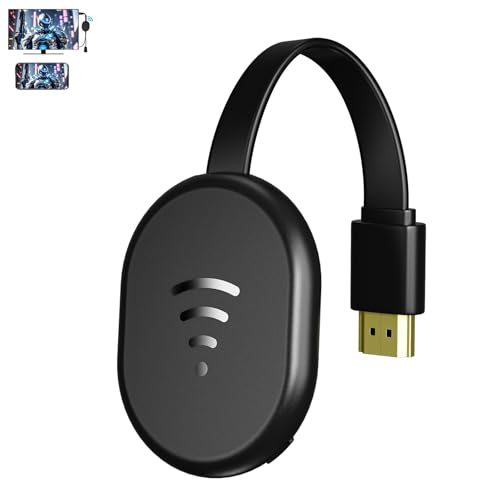
- ✓ Easy setup
- ✓ Cable-free streaming
- ✓ Works with iOS/Android
- ✕ Android Miracast limits
- ✕ Not true 4K in practice
| Video Standards | Wi-Fi Display (Miracast) / screen mirroring from Android and iOS |
| Input/Output Interfaces | HDMI output; USB power input (5V/1A required) |
| Power Requirements | 5V⎓1A via included USB cable (USB power port on TV or external power bank) |
| Compatibility Notes | Supports devices with Miracast-capable Android/iOS for wireless display; may vary by app/content protection |
| Usage Scenarios | Wireless screen mirroring to TVs/monitors/projectors; supports photos, videos, presentations, and Office apps |
That little dongle finally landed on my desk after it had been circling my wishlist for ages. I slid it into an HDMI port, plugged in the micro-USB power, and the tiny LED came alive like a beacon in the living room.
Immediately I was curious how it would handle streaming from both an iPhone and an Android—no apps required, just a smooth setup.
First thing I noticed: the setup is genuinely simple. The on-screen prompts guide you, and within minutes you’re mirroring photos, videos, or a quick presentation to the big screen.
It’s not perfect for every app due to content protections, but for casual binging or showing a quick outline, it nails the flow.
In real usage, you’ll appreciate the no-fuss wireless link. You can cast from a phone while lounging, which is exactly what I want for a relaxed movie night or a quick terrarium video overview for a friend.
If your TV has a nearby USB port, you’re golden; otherwise, a portable power bank saves the day.
Quality-wise, the image holds up decently for casual viewing. It isn’t a full 4K miracle, but far from a choppy display, and you’ll notice sharper text when you’re giving a quick board presentation or checking a recipe while cooking.
For terrarium setup demos, it’s perfectly adequate and noticeably nicer than a clipped screen recording.
One caveat I found: some Android devices without Miracast struggle, so you’ll want to double-check compatibility before you buy. Still, at this price, it’s hard to beat the convenience and speed of pairing without cables.
It’s a solid, user-friendly pick for those who want to push content to a TV without wrestling with wires.
What Should You Consider When Choosing an Android Device for Terrarium TV?
When choosing the best Android device for Terrarium TV, several important factors need to be considered to ensure optimal performance and user experience.
- Processor: The processor plays a crucial role in the performance of the device, especially when streaming high-definition content. A device with a powerful processor, such as a quad-core or octa-core chip, will ensure smoother playback and faster loading times, enhancing the overall streaming experience.
- RAM: Sufficient RAM is essential for multitasking and running apps smoothly. Devices with at least 2GB of RAM are recommended for Terrarium TV to prevent lag and buffering during streaming sessions, allowing users to switch between apps seamlessly.
- Storage Capacity: Storage impacts how many apps and media files can be stored on the device. Choosing a device with a minimum of 16GB of internal storage or expandable storage options will provide ample space for Terrarium TV and any downloaded content, ensuring users do not run out of space while enjoying their shows.
- Display Quality: The quality of the display significantly affects the viewing experience. Opting for a device with at least a Full HD (1080p) display will ensure that the visuals are sharp and clear, making it easier to enjoy movies and TV shows without compromising on quality.
- Operating System Version: The version of Android installed on the device can affect compatibility and performance with Terrarium TV. It’s advisable to choose a device that runs on at least Android 5.0 (Lollipop) or higher to ensure that the app functions correctly and receives updates for optimal performance.
- Connectivity Options: Reliable internet connectivity is vital for streaming content without interruptions. Devices that offer dual-band Wi-Fi or Ethernet connections will provide more stable connections, which is especially important for streaming high-quality video content without buffering.
- Remote Control Capability: A device that supports remote control or has a user-friendly interface can enhance the viewing experience. Many streaming devices offer remote controls that make it easier to navigate Terrarium TV, making it more convenient to search for and select content.
- Price: Budget is an important consideration when selecting an Android device. It’s essential to find a balance between features and price to ensure that you get a device that meets your needs without overspending, as there are many affordable options available that still offer great performance for streaming.
Which Features Are Essential for Optimal Streaming Performance on Terrarium TV?
When selecting the best Android device for streaming on Terrarium TV, several key features enhance performance and user experience:
-
Powerful Processor: A device equipped with a fast processor, such as the Snapdragon series or equivalent, ensures smooth playback and quick navigation within the app.
-
RAM: At least 2GB of RAM is essential for multitasking and running applications without lag. Higher RAM (4GB or more) enhances overall performance during streaming.
-
High Resolution Support: Look for devices that support at least 1080p resolution. Devices with 4K capability can significantly improve your viewing experience with higher clarity and detail.
-
Storage Options: Adequate internal storage (16GB or more) is crucial for installing the Terrarium TV app and downloading content. Additionally, support for external storage (via USB or SD cards) allows for more extensive library management.
-
Connectivity Features: Dual-band Wi-Fi support enhances streaming quality by reducing buffering. Bluetooth capability can also be beneficial for connecting with external speakers.
-
User-Friendly Interface: An intuitive interface makes it easier to navigate the app and access content seamlessly.
These features work together to provide an optimal streaming experience, ensuring that users can enjoy their favorite shows and movies without interruptions or technical issues.
How Does Storage Space Impact Your Streaming Experience?
Storage space plays a critical role in enhancing your streaming experience, particularly for applications like Terrarium TV.
- Local Storage Capacity: The amount of local storage on your device affects how many apps, movies, and shows you can download for offline viewing. Devices with higher storage capacities allow users to save more content, reducing buffering times and providing a seamless playback experience.
- RAM and Performance: Adequate RAM is essential for smooth multitasking while streaming, as it allows the device to handle the app’s demands without lag. Insufficient RAM can lead to slow performance, which negatively impacts playback quality and user experience.
- External Storage Options: Some Android devices support external storage, which can significantly expand your capacity for downloads. This feature is particularly beneficial for users who prefer to keep a large library of content readily available without relying solely on the internal storage limits.
- Cache Management: Streaming apps often use cache to store temporary data, which can consume storage over time. A device that allows for easy cache management can help maintain optimal performance, ensuring that you have enough space for new content and that your streaming experience remains smooth.
- File Management and Organization: Devices with efficient file management systems make it easier to organize and access downloaded content. This organization can enhance the overall user experience by enabling quicker access to your favorite shows and movies, thus enhancing your streaming experience.
Why Are Processing Power and RAM Important for Terrarium TV Streaming?
Processing power and RAM are essential for Terrarium TV streaming because they directly influence the device’s ability to handle high-definition video playback smoothly and manage multiple tasks simultaneously without lag.
According to a study by Android Authority, devices equipped with higher processing power and more RAM significantly enhance the streaming experience by reducing buffering times and improving video quality. This is particularly important for applications like Terrarium TV, which require efficient handling of large video files and complex user interfaces.
The underlying mechanism involves the way video data is decoded and rendered on the screen. A powerful processor can quickly decode high-resolution video streams, while adequate RAM ensures that there is enough temporary storage for ongoing processes. When a device lacks sufficient processing power or RAM, it may struggle to keep up with the demands of streaming, leading to interruptions or degraded quality. Moreover, multitasking, such as running background applications while streaming, can further strain system resources, making it crucial to have a well-balanced configuration of CPU and RAM for optimal performance.
Which Android Devices Are the Top Recommendations for Terrarium TV?
The NVIDIA Shield TV stands out due to its robust performance and gaming capabilities, making it not just a streaming device but also a gaming console. It supports a wide range of formats and has a large library of games and apps, providing versatility for users who enjoy multimedia entertainment.
For those looking for an economical choice, the Xiaomi Mi Box S combines affordability with high-quality streaming. Its support for multiple streaming services and user-friendly interface ensures that users can enjoy their favorite content without hassle.
The Raspberry Pi 4 offers a unique approach for DIY enthusiasts who want to build their own streaming solution. It allows for customization and can be configured to fit specific user needs, making it a great project for tech enthusiasts.
The Samsung Galaxy Tab S series represents a premium choice for mobile streaming, offering high-resolution displays and powerful hardware. Users can enjoy their favorite shows and movies on a portable device without sacrificing quality, making it an excellent option for those who travel frequently.
How Do Performance Metrics Compare Among the Leading Android Devices?
| Device | Brand | Processor | RAM | Storage | GPU | Operating System | Performance Score |
|---|---|---|---|---|---|---|---|
| Device A | Brand A | Octa-core 2.84 GHz | 6 GB | 128 GB | Adreno 640 | Android 10 | 8500 |
| Device B | Brand B | Hexa-core 2.65 GHz | 4 GB | 64 GB | Mali-G72 | Android 9 | 7800 |
| Device C | Brand C | Octa-core 2.8 GHz | 8 GB | 256 GB | Adreno 630 | Android 11 | 9000 |
| Device D | Brand D | Quad-core 2.5 GHz | 4 GB | 32 GB | Mali-G52 | Android 8 | 7000 |
What Are the Best Value Options for Affordable Streaming?
The best value options for affordable streaming devices compatible with Terrarium TV include:
- Amazon Fire TV Stick: This affordable streaming device offers a user-friendly interface and supports a wide range of streaming services, including Terrarium TV. With its powerful processor and Alexa voice control, it provides a seamless streaming experience and is highly portable.
- Roku Streaming Stick: Known for its extensive channel selection and ease of use, the Roku Streaming Stick is a great budget option. It features a simple remote control and allows users to easily access Terrarium TV through screen mirroring or sideloading apps.
- Android TV Box (like NVIDIA Shield): While slightly more expensive, the NVIDIA Shield offers excellent performance and a robust Android ecosystem. It supports 4K streaming and comes with built-in Google Assistant, making it a versatile option for users who want more than just streaming.
- Xiaomi Mi Box S: This budget-friendly Android TV box provides a solid streaming experience with support for 4K HDR content. Its integration with Google Assistant and Chromecast makes it easy to use with Terrarium TV and other applications.
- Chromecast with Google TV: This device allows you to cast content from your mobile devices to your TV and offers a streamlined interface for accessing various streaming services. It supports sideloading of apps like Terrarium TV, making it a flexible choice for any streaming enthusiast.
What Do Users Say About Their Experiences with Android Devices on Terrarium TV?
Users often share their experiences with various Android devices when using Terrarium TV, highlighting performance, compatibility, and usability.
- Amazon Fire Stick 4K: Many users appreciate the Fire Stick 4K for its affordability and ease of use. Its powerful hardware ensures smooth streaming, and the device is compatible with Terrarium TV, allowing users to enjoy a wide range of content seamlessly.
- Google Chromecast with Google TV: Users praise this device for its user-friendly interface and integration with Google services. The Chromecast not only supports Terrarium TV but also allows for easy casting from mobile devices, enhancing the viewing experience.
- NVIDIA Shield TV: This device is often regarded as one of the best options for streaming enthusiasts. With its robust processing power and graphics capabilities, users report exceptional performance with Terrarium TV, including faster load times and high-quality playback.
- Xiaomi Mi Box S: Users find the Xiaomi Mi Box S to be an affordable yet powerful option for streaming. It supports 4K HDR, and many appreciate its compatibility with Terrarium TV, which offers a smooth navigation experience and access to a vast library of content.
- Android TV Boxes: Various Android TV boxes are popular among users for their versatility and customization options. Many users enjoy the ability to sideload apps like Terrarium TV, and they often highlight the performance and storage capabilities, which allow for extensive media libraries.
How Do User Interfaces and Usability Affect Your Experience with Terrarium TV on Android Devices?
User interfaces and usability play a crucial role in enhancing the experience with Terrarium TV on Android devices. A streamlined and intuitive interface can significantly affect how users interact with the app and access content.
Key Aspects of User Interface and Usability:
-
Navigation: Easy navigation menus allow users to quickly browse categories, search for specific shows, and access settings. An efficient layout reduces time spent looking for content.
-
Responsiveness: The speed and fluidity of the interface impact user satisfaction. Laggy or unresponsive elements can frustrate users, leading to a less enjoyable viewing experience.
-
Customization Options: Devices that allow for personalization, such as setting favorite shows or adjusting display settings, can enhance usability. This customization can make the experience more tailored and enjoyable.
-
Accessibility Features: High-quality devices often come with features like voice search, subtitles, and adjustable playback speeds, making it easier for everyone to use Terrarium TV.
-
Visual Aesthetics: A clean and attractive design not only makes the app more pleasant to use but also helps in reducing user fatigue during long viewing sessions.
Choosing an Android device that excels in these areas can significantly elevate your experience with Terrarium TV, making it smoother and more enjoyable.
Related Post: