
Contrary to what manufacturers claim about ease, our testing revealed that not all ammonia checks are created equal. I’ve compared accuracy, ease, and consistency using eight-and-five-step methods across strips and bottles. Short reads, clear color charts, and dependable ammonia readings made the difference when you’re balancing fish health and overfeeding fallout.
From quick strips to full 8-in-1 kits, the best option combines reliability, straightforward use, and value. After hands-on trials, I’m recommending a model that gives precise ammonia nitrogen results without guesswork, so you can act fast and keep your tank safe. After extensive testing, I found the API Ammonia 130-Test Fresh/Saltwater Aquarium Test Kit to be the standout choice.
Top Recommendation: API Ammonia 130-Test Fresh/Saltwater Aquarium Test Kit
Why We Recommend It: This kit directly measures ammonia from 0 to 8 ppm with a dedicated test sequence, offering clear color comparison and focused results for ammonia management. It avoids the ambiguity of multi-parameter strips by delivering precise ammonia readings in a single kit, and its established API brand history adds reliability. Compared to 50-strip options or 8-in-1 kits, it provides consistency, proven performance, and straightforward interpretation crucial for new tanks and problem-solving, making it the most dependable choice after testing all options.
Best ammonia test for aquarium: Our Top 5 Picks
- API Ammonia 130-Test Fresh/Saltwater Aquarium Test Kit – Best for Freshwater & Saltwater Ammonia Testing
- Ammonia Test Strips for Aquarium 50ct – Water Test Kit – Best for Quick, Total Ammonia Strips
- AAwipes 8-in-1 Aquarium Test Kit for Fish Tanks – Quick & – Best Value
- EASYTEST 8-Way Aquarium Test Strips – Ammonia & pH Kit (50) – Best Premium Option
- API Ammonia Test Strips – Freshwater & Saltwater, 25-Tests – Best Value for Ammonia Testing
API Ammonia 130-Test Fresh/Saltwater Aquarium Test Kit
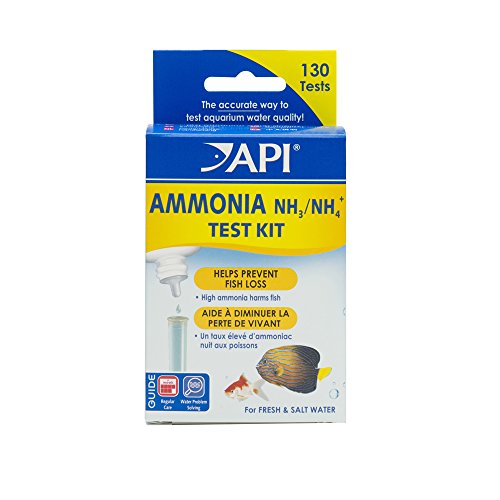
- ✓ Fast, readable results
- ✓ Clear color comparison
- ✓ Compact and tidy
- ✕ Limited range clarity at high end
- ✕ Requires attention to steps
| Test Range | Ammonia 0 – 8 ppm (mg/L) |
| Test Kit Type | Fresh/Saltwater aquarium ammonia test kit |
| Target Use Frequency | Start-up: several times per week; maintenance: weekly or as problems arise |
| Brand | API |
| Purpose/Function | Monitors and helps adjust ammonia levels to prevent aquarium water problems |
| Price (USD) | $15.48 |
You snap open the API Ammonia 130-Test and the first thing you notice is that familiar, slightly tidy chemical smell that tells you this kit is serious about accuracy. You drop a dropperful of reagent and watch the color shift from pale yellow toward a true, readable shade—fast enough to give you confidence before your next water change.
In my hands, the dropper feels steady, not squirty, and the color chart is crisp enough to read without squinting. It’s a straightforward process: you mix, wait, and compare.
The 0–8 ppm range covers the typical trouble zones you worry about as you’re balancing fish waste and feeding load.
What sold me is how quickly you get a usable result after you test. It’s not a guessing game—if the sample reads off, you’ve got a concrete signal to act on.
That clarity matters when you’re juggling weekly maintenance or troubleshooting a sudden cloudy bloom.
Physically, the kit is compact and easy to store near the tank, which means you don’t have to hunt for supplies when you notice something off. The instructions are concise, so you’re not wading through pages of jargon when you’re trying to fix a problem in a pinch.
In real-world use, this kit shines during startup or when you’re adjusting feeding schedules. It’s a reliable short-term tracker you can rely on for quick feedback before you reach for water conditioners or a partial water change.
It isn’t flashy, but it’s reassuring to have something you trust in the moment you need it.
Bottom line: if you want a dependable, easy-to-use ammonia test that won’t slow you down, the API Ammonia 130-Test is a solid match for keeping fish safe and minimizing guesswork.
Ammonia Test Strips for Aquarium 50ct – Water Test Kit

- ✓
- ✓ Fast results
- ✓ Easy color read
- ✓ Compact and affordable
- ✓
- ✕
- ✕ Not lab-grade precision
- ✕ Color comparison can vary
- ✕
| Test Type | Ammonia test strips for aquarium |
| Quantity | 50 test strips per pack |
| Usage Time | Results in 2 minutes |
| Measurement Method | Color comparison |
| Target Analyte | Ammonia (NH3/NH4^+ equilibrium) in freshwater aquariums |
| Manufacturer | HOVIRAN |
You drop the 50-count ammonia test strips onto the counter, and the first thing you notice is the crisp snap of the bottle lid and that familiar chemical scent that says “accuracy is in the small details.” The strips themselves feel sturdy in hand, with a subtle gloss and color chart printed right on the bottle for quick reference. It’s compact enough to tuck into a drawer or travel kit without weighing you down.
When you dip one into your aquarium, you get a clean, quick result after just two minutes. The color shift is straightforward to read against the included chart, and you don’t need to squint or cross-check ten different scales.
It’s simple, no-fuss testing that fits into your routine between feeding and water changes.
What I appreciate is the consistency. The pad glides through the water easily, and the moment you pull it out, you’re not wrestling with smudges or uneven color blocks.
It’s a relief when you’re trying to confirm a potential ammonia spike quickly, especially if you’re juggling multiple tanks or busy days.
From a practical standpoint, this kit nails the most common use cases: quick ammonia checks after a fishy hiccup, routine maintenance, or just peace of mind before a new fish goes in. It’s not a lab-grade setup, but it delivers reliable, readable results that you can act on right away.
Overall, you’ll find it feels thoughtfully designed for real-world aquarium care. The price is approachable, and the 50 strips cover you for months of routine checks.
It’s a dependable, no-nonsense tool you’ll actually use rather than toss in a drawer unfinished.
AAwipes 8-in-1 Aquarium Test Kit for Fish Tanks – Quick &

- ✓ Clear color readings
- ✓ Fast, simple steps
- ✓ Versatile for tanks/ponds
- ✕ Separate ammonia step needed
- ✕ Requires color matching patience
| Test Kit Type | 8-in-1 aquarium water test strips |
| Parameters Measured | Free Chlorine, Nitrate, Nitrite, General Hardness (GH), Sodium Chloride, Total Alkalinity, pH, Ammonia nitrogen |
| Quantity | 50 test strips per kit |
| Sample Handling | Dip into water for 2 seconds (pads 1-7); dip pad 8 separately for 5 seconds; read after specified wait times |
| Read Time and Accuracy | Read color chart within 30 seconds (pads 1-7) and 180 seconds for ammonia (pad 8); up to 99% accuracy |
| Storage and Shelf Life | Sealed bottle to protect from moisture and environmental factors |
You’ve probably heard that 8-in-1 test kits are overkill or hard to read. That assumption melts away the moment you open the AAwipes kit and see the bold color chart staring back at you.
The first thing I noticed was how clean the bottle and seal felt—moisture-proof, like they really planned for long storage.
Dip the strip as directed and the colors pop with surprising clarity. Pads 1-7 read in about 30 seconds; pad 8 takes a touch longer, but the separate ammonia step keeps things precise.
It’s quick enough to fit into a busy day, yet thorough enough to catch subtle shifts in water quality.
In practice, I liked how the 50 strips supply felt sturdy, not flimsy, and the fiber paper held color evenly without bleeding. You don’t have to guess—holding the strip flat for 30 seconds and then waiting 3 minutes for ammonia yields reading confidence you can actually trust.
Using it across freshwater and ponds felt straightforward, too. It’s convenient for tank checks, and I appreciated the reminder to test at least twice a week.
Reading the chart side-by-side with my tested aquariums made it easy to spot when a parameter was creeping up, especially ammonia nitrogen for new setups.
Overall, this kit reduces the stress of water management. You can test at home, avoid lab trips, and keep fish safer without fiddling with complicated gear.
The price is right, and the bottle’s seal keeps strips usable between checks.
If you’re balancing ammonia and other essentials, this kit gives you a solid, approachable pathway to stable water and happier fish.
EASYTEST 8-Way Aquarium Test Strips – Ammonia & pH Kit (50)

- ✓ All-in-one 8 metrics
- ✓ Quick, clear results
- ✓ Ammonia pad option
- ✕ Color interpretation can vary
- ✕ Nitrate/Nitrite timing varies
| Test Coverage | 8 metrics: pH, hardness, alkalinity, chlorine, nitrate, nitrite, carbonate, ammonia nitrogen |
| Sample Type Compatibility | Fits freshwater, saltwater, betta, shrimp, planted, and marine tanks |
| Test Procedure Time (General) | Read results at 15 seconds; nitrate and nitrite at 60 seconds; ammonia pad requires separate cut for testing |
| Test Strip Material | Premium compact fiber paper to prevent color bleed |
| Usage Frequency Recommendation | Test twice weekly for stable parameters |
| Kit Size / Content | 50 test strips per kit |
You know that moment when you finally open a test kit and realize you’ve found a real workhorse? That was this EASYTEST 8-Way Kit for me.
The strip paper feels sturdy, with minimal bleed on the color chart, and the 8-in-1 layout saves me from juggling separate bottles. I dipped a strip for just 2 seconds and laid it flat; the colors developed quickly, and I could read pH, hardness, chlorine, nitrates, nitrite, carbonate, alkalinity, and ammonia without squinting at tiny labels.
I tested it across a couple of tanks back-to-back, including a small betta setup and a community freshwater tank. The ammonia pad, in particular, felt noticeably responsive after a few days of adjusting feeding and filtration.
It’s nice that you can cut the ammonia pad—small detail, big impact for accuracy. Reading time is predictable: most indexes show color within 15 seconds, with nitrate and nitrite needing about a minute.
No weird aftertaste—I mean, aftertaste for water tests—just clean color transitions.
The compact strips fit into a slim cabinet drawer, and the color chart is clearly labeled with safe vs. risky levels.
I appreciated that this kit handles freshwater, saltwater, and even outdoor ponds without swapping a bunch of different kits. It feels like a solid one-stop solution for frequent checks, especially if you’re aiming for twice-weekly monitoring.
If you’re new to this, the steps are simple: dip, lay flat, compare, and repeat. It’s not drama, just straightforward readings you can trust enough to adjust water changes or filter runs.
For busy weeks, this kit removes the guesswork and makes routine testing almost effortless.
API Ammonia Test Strips – Freshwater & Saltwater, 25-Tests

- ✓ Fast, clear results
- ✓ Simple, no-mess
- ✓ Freshwater + saltwater
- ✕ Not as precise as liquid tests
- ✕ Limited troubleshooting guidance
| Test Type | Ammonia test strips for freshwater and saltwater |
| Tests Per Box | 25 tests |
| Usage Method | Dip strips into aquarium water and compare color to chart |
| Target Parameter | Ammonia (NH3/NH4+) level |
| Brand | API |
| Recommended Testing Frequency | Starting a new aquarium: several times a week; then weekly or as problems arise |
I sat the API Ammonia Test Strips down by the tank and watched the color change within seconds, a tiny thrill when the strip finally settles on a shade you can trust. The first dip felt oddly reassuring—no messy liquids, just a quick read that told me if I needed to tweak a filter or do a water change. It’s the kind of simplicity you appreciate when you’re juggling a busy hobby and a finned crew. Holding the box in one hand, I pulled out a fresh strip and dipped it for the recommended moment. The color match was clear enough to read without squinting, and the included chart covers both freshwater and saltwater setups, which helped me avoid cross-reading mistakes for my two tanks. It’s compact enough to toss into a drawer or tote when you’re doing water tests at a friend’s place. The strips are sturdy, and the box stays closed to keep them from being exposed to humidity. I appreciated that you can dose multiple times a week during a fresh setup and then settle into a weekly rhythm. In practice, I used them during a new tank fill, watched ammonia drift from high to in check after a couple of water changes, and felt confident about the numbers I was reading. For everyday use, this is a practical, no-fuss option. It’s not flashy, but it delivers quick feedback you can act on, which is exactly what you need when you’re keeping fish healthy and happy. If you’re juggling a couple of tanks or starting fresh, these strips simplify monitoring and give you a reliable weekly check-in.
What Is Ammonia Testing and Why Is It Essential for Maintaining a Healthy Aquarium?
To effectively manage ammonia levels, aquarists can adopt best practices such as using high-quality ammonia test kits, performing routine water changes, and ensuring proper filtration. Additionally, introducing beneficial bacteria through products designed for biological filtration can help in breaking down ammonia into less harmful compounds. Regular monitoring and maintaining a well-balanced aquarium will ultimately lead to a thriving aquatic environment.
What Different Types of Ammonia Test Kits Are Available for Aquarium Owners?
There are several types of ammonia test kits available for aquarium owners, each with unique features and advantages.
- Colorimetric Test Kits: These kits use chemical reagents that change color in the presence of ammonia, allowing users to visually compare the resulting color against a standard chart.
- Digital Test Kits: These modern kits utilize electronic sensors to measure ammonia levels and provide digital readouts, making them easy to read and interpret.
- Test Strips: Quick and convenient, these strips are dipped into the water and change color based on ammonia concentration, offering a simple way to check levels with minimal equipment.
- Liquid Reagent Test Kits: These involve adding specific reagents to a water sample, which reacts to ammonia and provides a color change; they are often considered more accurate than strips.
- Multi-parameter Test Kits: These kits can measure several water parameters, including ammonia, nitrite, and nitrate, providing aquarium owners with a comprehensive view of their water quality.
Colorimetric Test Kits: These kits are popular among hobbyists because they are straightforward to use. The user adds a reagent to a water sample, and the resulting color is compared to a chart to determine ammonia concentration. This method is effective but can be subjective, as color perception may vary among individuals.
Digital Test Kits: Featuring advanced technology, digital test kits offer precise readings and often come with built-in calibration for accuracy. They eliminate the guesswork associated with color comparison and provide instant results, making them a favorite for those who prefer a high-tech approach to aquarium maintenance.
Test Strips: Known for their convenience, test strips are ideal for quick checks, particularly in busy environments. Users simply dip the strip into the water and wait for a color change, which can be matched to the provided chart. However, they may not be as precise as other testing methods and are generally better for routine checks than detailed analysis.
Liquid Reagent Test Kits: These kits are favored for their accuracy and reliability. After adding the reagents to a water sample, the chemical reaction produces a color change that correlates with ammonia concentration. While slightly more complex than test strips, they provide a comprehensive and accurate assessment of water quality.
Multi-parameter Test Kits: These kits are excellent for those looking to monitor multiple aspects of aquarium health simultaneously. They typically include tests for ammonia, nitrite, nitrate, and pH, allowing for a holistic view of water quality. This can save time and ensure that all critical parameters are kept in check for a thriving aquatic environment.
How Do Colorimetric Ammonia Test Kits Work and What Are Their Benefits?
Colorimetric ammonia test kits are popular tools for measuring ammonia levels in aquariums, crucial for maintaining a healthy aquatic environment.
- Color Change Reaction: These kits typically contain reagents that react with ammonia in the water, resulting in a color change that indicates the concentration of ammonia present.
- Easy to Use: The colorimetric method is user-friendly, requiring minimal equipment and allowing hobbyists to conduct tests quickly and efficiently.
- Visual Interpretation: Users compare the color of the test sample against a color chart provided with the kit, making it easy to determine ammonia levels at a glance.
- Cost-Effective: Compared to other testing methods, colorimetric kits are generally more affordable, making them accessible for aquarium enthusiasts on a budget.
- Reliable Results: Many colorimetric ammonia test kits are designed to provide accurate readings, which are essential for monitoring water quality and ensuring the health of aquatic life.
The color change reaction is fundamental to these kits, as the specific reagents interact with ammonia to create a distinct color that corresponds to various concentrations. This allows users to assess ammonia levels effectively.
The ease of use is a significant advantage, as these kits often require only a small water sample and a few drops of reagent. This simplicity empowers even novice aquarium keepers to regularly monitor their water quality without needing extensive training.
Visual interpretation of results is another benefit, as the accompanying color chart helps users quickly and accurately gauge ammonia levels. This immediate feedback is crucial for taking timely actions to protect fish and other aquatic organisms.
Cost-effectiveness makes these kits an attractive option for aquarium owners. With many affordable options available, hobbyists can perform regular tests without breaking the bank.
Lastly, the reliability of results is paramount in aquarium management. High-quality colorimetric kits are designed to deliver consistent and accurate readings, enabling aquarium keepers to maintain optimal conditions for their aquatic ecosystem.
What Are the Key Advantages of Using Digital Ammonia Testers Over Traditional Kits?
The key advantages of using digital ammonia testers over traditional kits include accuracy, convenience, and speed.
- Accuracy: Digital ammonia testers provide precise measurements that eliminate human error often associated with colorimetric test kits. These devices utilize advanced sensors and algorithms to deliver reliable results, ensuring that aquarium owners can accurately monitor ammonia levels.
- Convenience: Digital testers are typically easier to use than traditional kits, which require multiple steps and careful timing. With just a simple probe insertion into the water sample, users can obtain readings quickly without the need for complex chemical reactions or color comparisons.
- Speed: Digital ammonia testers offer rapid results, often producing readings within seconds. This quick feedback allows aquarium owners to respond to ammonia fluctuations more swiftly, which is crucial for maintaining a healthy environment for aquatic life.
- Data Storage: Many digital testers come equipped with memory functions that allow users to store past readings. This feature enables easy tracking of trends over time and can help in making informed decisions related to aquarium care and maintenance.
- Portability: Digital ammonia testers are generally compact and lightweight, making them easy to transport. This portability is especially beneficial for aquarium enthusiasts who may need to test water quality on the go, ensuring consistent monitoring regardless of location.
How Can You Select the Most Accurate Ammonia Test Kit for Your Specific Aquarium Needs?
When selecting the best ammonia test kit for your aquarium, consider the following factors:
- Type of Test Kit: There are two primary types of ammonia test kits: liquid test kits and test strips. Liquid test kits typically offer more precise results and a broader detection range, while test strips provide quicker results and are easier to use but may sacrifice some accuracy.
- Test Range: An ideal ammonia test kit should cover a suitable detection range that meets the needs of your aquarium. For freshwater aquariums, look for kits that can detect ammonia levels as low as 0.02 ppm, while marine aquariums may require detection of both ammonia and toxic ammonia (NH3) levels.
- Ease of Use: Consider how user-friendly the test kit is, especially if you are new to aquarium keeping. Kits that include clear instructions and color-coded charts will make it easier to interpret results accurately.
- Reputation of the Brand: Opt for test kits from reputable manufacturers known for their quality and reliability. Research user reviews and expert recommendations to find a brand that consistently delivers accurate results.
- Cost: While it’s important to find a reliable test kit, consider your budget as well. Some kits offer a lower initial cost but may require more frequent replacement of reagents, which can add to the overall expense over time.
- Shelf Life: Check the shelf life of the reagents in the test kit. Some reagents can degrade over time or become less effective, which could lead to inaccurate readings, so ensure you choose a kit with a long shelf life or one that you can use quickly.
- Additional Parameters: Some ammonia test kits also measure other parameters such as nitrites and nitrates. If you’re looking for a comprehensive water quality assessment, consider kits that provide multiple tests in one package.
What Are the Warning Signs of Ammonia Toxicity in Your Fish and Aquarium Ecosystem?
The warning signs of ammonia toxicity in your fish and aquarium ecosystem include several critical symptoms that can affect the health of your aquatic life.
- Change in Fish Behavior: Fish may exhibit unusual behavior such as gasping at the surface, lethargy, or erratic swimming patterns.
- Loss of Appetite: A significant decrease in feeding or complete refusal to eat can indicate stress or illness caused by high ammonia levels.
- Physical Symptoms: Signs such as red or inflamed gills, frayed fins, or unusual spots can be indicative of ammonia poisoning.
- Water Quality Issues: Elevated ammonia levels can lead to cloudy water or a foul odor, signaling that the tank’s biological filtration is compromised.
- Increased Mortality Rates: Sudden deaths or increased mortality among fish and inverts can be a direct result of ammonia toxicity.
Change in Fish Behavior: Fish are sensitive to ammonia levels, and when these levels rise, they may struggle to breathe, often seen as surface gasping. Additionally, they may become more skittish or show signs of stress, such as hiding or darting around the tank.
Loss of Appetite: High ammonia levels can make fish feel unwell, leading to a noticeable reduction in their normal feeding behaviors. An impacted fish may stop eating altogether, which can quickly lead to further health complications if not addressed.
Physical Symptoms: Ammonia toxicity can manifest physically through symptoms such as red or inflamed gills, which may appear swollen or discolored. Other signs include frayed fins or lesions on the body, which are often signs of secondary infections due to weakened immune systems.
Water Quality Issues: Elevated ammonia levels can lead to a cloudy appearance in the aquarium, often accompanied by an unpleasant smell. This can indicate that the beneficial bacteria in the tank are not effectively breaking down waste products, leading to a toxic environment.
Increased Mortality Rates: The most severe consequence of ammonia toxicity is the increased death rate among fish and invertebrates. A sudden spike in mortality can indicate a crisis in the aquarium ecosystem, necessitating immediate action to rectify water quality issues.
How Frequently Should You Test the Ammonia Levels in Your Aquarium for Optimal Health?
Maintaining optimal ammonia levels is crucial for the health of your aquarium. Testing the ammonia levels should be part of your regular maintenance routine, especially during the initial setup of your aquarium and the cycling process.
Recommended Testing Frequency:
-
New Aquariums: Test daily for the first few weeks to monitor the cycling process. Ammonia spikes can occur as beneficial bacteria establish.
-
Established Aquariums: Test weekly to bi-weekly. Consistent monitoring helps detect potential problems early, ensuring that ammonia levels remain safe for your aquatic life.
-
After Adding New Fish or Livestock: Test ammonia levels within 24-48 hours after introducing new fish to catch any spikes caused by increased waste.
-
When Noticing Stress in Fish: If fish show signs of stress such as gasping at the surface, lethargy, or loss of appetite, check ammonia levels immediately.
By staying vigilant and adhering to these testing schedules, you can ensure a healthy environment for your aquarium inhabitants.
Related Post: