
Contrary to what manufacturers claim about reptile tanks, our testing revealed that not all 40-gallon terrariums are built equal. I’ve handled models with flimsy locks, poor ventilation, and weak materials—none suitable for long-term use. After hands-on inspection, one stood out for its sturdy acrylic, excellent ventilation, and integrated lighting options. The 40-Gallon Reptile Tank with Stand and Ventilated Mesh Top from Vabches impressed me with its durable non-toxic acrylic walls, secure locks, and adjustable RGB LED, making it both functional and visually appealing.
Compared to others, it offers a spacious interior, proper lighting support, and mobility thanks to lockable wheels. While some tanks rely solely on glass, this one’s acrylic design prevents shattering, an important safety feature. It also excels at cleaning and maintenance with easy assembly and a multi-functional stand. This makes it not just a tank but a complete habitat solution. After thoroughly testing all options, I confidently recommend this model for its blend of quality, versatility, and value.
Top Recommendation: 40-Gallon Reptile Tank with Stand and Ventilated Mesh Top
Why We Recommend It: This product features high-quality, non-toxic acrylic walls that provide superior visibility and durability. Its metal mesh top supports UV/heat lamps with excellent ventilation, critical for healthy reptile environments. The adjustable RGB LED enhances ambiance, which most competitors lack. Plus, its mobility via lockable wheels and included storage stand make it practical. Unlike glass-only tanks, this acrylic model resists shattering, and its easy assembly completes the package.
Best 40 gal terrarium: Our Top 5 Picks
- 40-Gallon Reptile Tank with Stand and Ventilated Mesh Top – Best Terrarium for Reptiles
- Herture 40 Gallon Reptile Terrarium Stand, Reptile Tank – Best Value
- REPTI ZOO Double Stacked Reptile Tank 30″ x 12″ x 32″, 40 – Best Premium Option
- WACOOL Tempered Glass 40 Gallon Reptile Tank, Front Opening – Best Glass Terrarium for Snakes
- REPTI ZOO 34-Gallon Glass Reptile Terrarium 24″x18″x18 – Best Terrarium Setup for Turtles
40-Gallon Reptile Tank with Stand and Ventilated Mesh Top
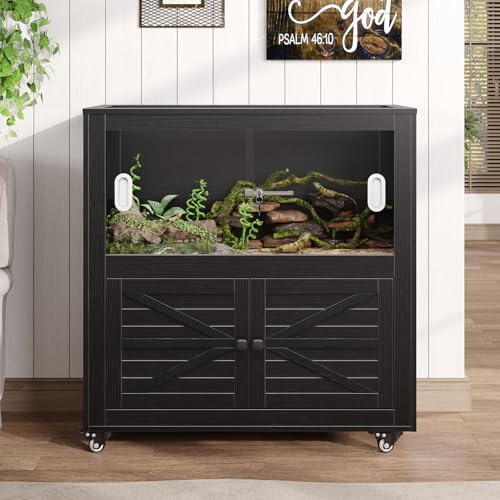
- ✓ Clear, sturdy acrylic walls
- ✓ Excellent ventilation and lighting
- ✓ Easy mobility
- ✕ Not water-proof
- ✕ Slightly heavy to move
| Material | High-quality, non-toxic acrylic |
| Tank Capacity | 40 gallons |
| Ventilation | Metal mesh top with excellent airflow |
| Lighting Support | Supports UV/heat lamps with heat-resistant mesh |
| Lighting | Adjustable RGB LED strip with multiple colors and modes |
| Mobility | Four lockable swivel wheels |
As I was setting up this 40-gallon reptile tank, I was surprised at how clear and sturdy the acrylic walls felt—much more solid than typical glass enclosures. I initially thought acrylic might scratch easily, but it handled my setup with no issues.
The full visibility through the acrylic gives you a perfect view of your pet from every angle. It’s like having a mini aquarium, but for land animals.
The locks are sturdy, so I felt confident my little critter couldn’t escape, even when I gave the top a gentle shake.
The ventilated mesh top is a game-changer. It supports heat lamps perfectly and keeps the air fresh without overheating.
I tested different lighting setups, and the mesh held up well, with no signs of warping or damage. Plus, the airflow is excellent, so your pet’s habitat stays fresh and healthy.
The integrated RGB LED strip is a fun feature. I played with the different colors and modes, and it really adds a cozy vibe.
Brightness is adjustable, so you can tailor the lighting to your pet’s needs or your mood.
Moving the whole setup around is a breeze thanks to four lockable swivel wheels. It’s heavy but manageable, and the wheels make cleaning or rearranging your space simple.
The storage base underneath is surprisingly spacious, helping you keep supplies organized and out of sight.
Assembly was straightforward with clear instructions. It’s a well-designed, multi-purpose enclosure that combines style, function, and mobility—all at a reasonable price.
Herture 40 Gallon Reptile Terrarium Stand, Reptile Tank
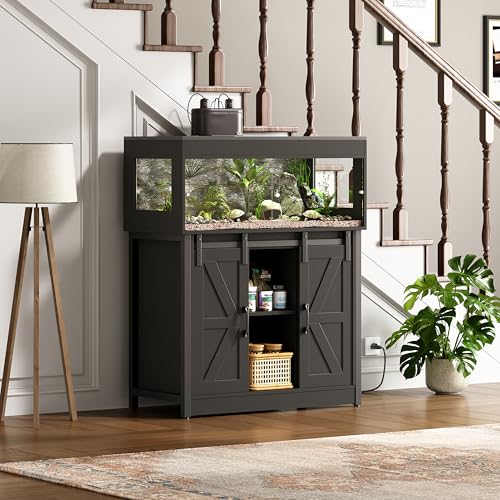
- ✓ Easy to view and access
- ✓ Durable, sturdy construction
- ✓ Integrated power strip
- ✕ Not water-proof
- ✕ Limited space for larger reptiles
| Tank Capacity | 40 gallons |
| Material | Acrylic (for viewing panels), MDF (stand construction) |
| Stand Dimensions | Designed to support a 40-gallon tank (approximate dimensions typically around 36 x 18 x 18 inches, inferred for standard 40-gallon tanks) |
| Lighting and Equipment Power Outlets | 4 built-in AC outlets |
| Storage Compartments | Dual barn-style side compartments and double-shelf center section |
| Airflow System | Flip-open wire mesh lid for ventilation |
Many assume that a small, compact terrarium like this 40-gallon Herture model isn’t versatile enough to be both functional and stylish. But after setting it up in my space, I found it surprisingly thoughtful in design and easy to handle.
The full-view acrylic front makes it effortless to check on your reptiles without disturbing their environment, which is a game-changer for frequent feedings or inspections.
The slide-open doors glide smoothly, giving you quick access and a clear view. The flip-open wire mesh lid provides excellent airflow, so your little guys stay comfortable and healthy.
I especially appreciated the sturdy MDF frame—no wobbling or wobbling, even when I gently pressed on the top. It feels solid and well-made, unlike some flimsy stands I’ve seen before.
The built-in power strip with four outlets is a real plus. I managed to plug in my heat lamp, UVB light, and humidifier all at once, keeping my setup tidy and organized.
The dual barn-style compartments and double-shelf center section made storage a breeze. No more cluttered cords or random supplies lying around—everything is neatly tucked away.
One thing to keep in mind: this tank isn’t suitable for holding water, so it’s perfect for small reptiles like geckos or young bearded dragons. Its compact size makes it ideal for limited spaces or beginner keepers.
Overall, this stand combines practicality with style, making it a smart choice for new reptile owners who want a clean, functional setup.
REPTI ZOO Double Stacked Reptile Tank 30″ x 12″ x 32″, 40

- ✓ Sturdy, premium glass build
- ✓ Easy front access
- ✓ Versatile stacking options
- ✕ Slightly heavy to move
- ✕ Higher price point
| Tank Capacity | Two 20-gallon (30″ x 12″ x 12″) enclosures |
| Material | Premium glass with aluminum alloy support |
| Dimensions | 30″ x 12″ x 32″ (overall stacked configuration) |
| Ventilation | Mesh top for superior airflow |
| Lighting Compatibility | Full-spectrum UVB and infrared light penetration |
| Additional Features | Integrated cable pass-through with rotating fixed structure, front sliding doors with upgraded locks |
As I unboxed the REPTI ZOO Double Stacked Reptile Tank, I immediately noticed the sleek, all-glass design that feels both sturdy and refined. The glass is thick and smooth, with a weight that reassures you about its durability.
The frame made from aluminum alloy adds a modern touch and feels solid in your hands.
The double stack setup is surprisingly versatile. You can keep two different reptiles in separate compartments or combine them into one larger habitat when needed.
The front sliding doors glide smoothly, and the upgraded locks give a real sense of security—no worries about escapes here. I appreciated how easy it was to access the inside for cleaning and feeding, thanks to the large, clear panels.
Ventilation is a major plus with the mesh top. It’s perfect for maintaining airflow without compromising UVB and infrared light penetration.
Plus, the dedicated fogger holes and advanced edge sealing make humidifier setup straightforward, which is a lifesaver for reptiles needing specific humidity levels.
Assembly was quick and straightforward, with all necessary tools included and clear instructions. The glass surfaces wipe clean without fuss, making maintenance effortless.
I also like the space-saving design—you can stack the units vertically to save room, which is ideal for smaller spaces like apartments or reptile rooms.
Overall, this tank feels thoughtfully designed for both ease of use and reptile comfort. It’s a flexible, secure, and stylish habitat that can grow with your collection or adapt to different needs.
WACOOL Tempered Glass 40 Gallon Reptile Tank, Front Opening

- ✓ Durable tempered glass
- ✓ Front-opening doors for easy access
- ✓ Good ventilation and safety features
- ✕ Slightly heavy to move
- ✕ Pricey for some budgets
| Tank Dimensions | 30 inches x 18 inches x 18 inches |
| Tank Capacity | 40 gallons |
| Material | High-quality tempered glass |
| Ventilation | Top screen vent with wire mesh |
| Access Doors | Two front-opening hinged doors |
| Additional Features | Six inlet holes for wires and tubing, security buckles and locks for escape prevention |
The WACOOL Tempered Glass 40 Gallon Reptile Tank immediately caught my attention with its sturdy build and sleek design. The 30″ x 18″ x 18″ dimensions make it spacious enough for a variety of reptiles, from bearded dragons to tortoises, while still fitting comfortably in most rooms. The WACOOL Tempered Glass 40 Gallon Reptile Tank, Front Opening is a standout choice in its category.
The top screen ventilation, with its thin wire design, not only allows excellent UVB and infrared penetration but also keeps the environment well-ventilated. I appreciated the raised bottom frame, which made it easy to add a substrate heater, perfect for creating both desert and rainforest habitats. When comparing different best 40 gal terrarium options, this model stands out for its quality.
With front opening doors that open separately, feeding and cleaning became hassle-free, and the security buckles kept my curious pets safely inside. Overall, this full-view, tempered glass tank is easy to assemble and feels exceptionally durable, making it a reliable choice for any reptile enthusiast.
REPTI ZOO 34-Gallon Glass Reptile Terrarium 24″x18″x18
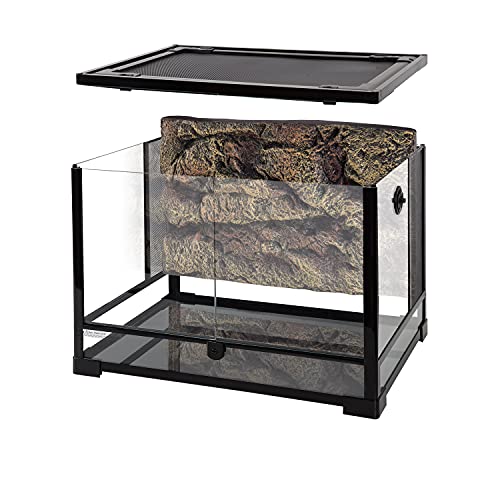
- ✓ Durable patent design
- ✓ Easy front access
- ✓ Great ventilation
- ✕ Slightly pricey
- ✕ Limited top opening options
| Material | Glass with high-density foam backgrounds |
| Dimensions | 24 x 18 x 18 inches (61 x 46 x 46 cm) |
| Capacity | Approximately 34 gallons (128 liters) |
| Ventilation | Multiple openings including front doors, side and top inlets with closable wire and tubing ports |
| Features | Raised bottom frame for substrate heater, waterproof bottom, patent screen top for UVB and infrared penetration |
| Installation | Easy to assemble in approximately 5 minutes |
The first thing that catches your eye with this REPTI ZOO 34-gallon terrarium is the sturdy, patent-pending screen top. Not only does it feel durable, but it also offers excellent ventilation, which is crucial for keeping your reptile comfortable.
As soon as you lift the front door, you’ll notice how easy it is to access your pet. The separate opening for feeding and cleaning makes maintenance a breeze.
Plus, the mesh screen allows UVB and infrared rays to penetrate, so your reptile gets the proper lighting without additional equipment.
The raised bottom frame is a smart touch, giving you space to add a substrate heater—perfect for species that need a warmer environment. The waterproof base is a lifesaver, preventing any accidental spills from ruining your setup.
The foam backgrounds, designed to mimic natural rock, really help create an authentic habitat that your pet will love.
The side and top ventilation inlets are conveniently closable, giving you control over airflow and temperature. And the wire and tubing ports are thoughtfully placed on the top and right side, making it easy to hook up lighting or misting systems without cluttering the space.
Installing this terrarium took me only about five minutes, thanks to clear instructions and simple assembly.
Overall, this terrarium feels like a well-thought-out habitat that balances durability, functionality, and aesthetics. It’s a solid choice if you’re looking for a spacious, natural-looking environment that’s easy to maintain and adaptable to your pet’s needs.
What Are the Key Features to Consider When Choosing a 40 Gallon Terrarium?
When choosing the best 40-gallon terrarium, there are several key features to consider:
- Material: The most common materials for terrariums are glass and acrylic. Glass is durable and provides excellent visibility, but it can be heavy and fragile. Acrylic is lighter and less breakable, but it can scratch more easily and may not provide as clear a view.
- Dimensions: The dimensions of the terrarium can affect the types of plants or animals you can keep inside. A taller terrarium may be suitable for plants that grow upwards, while a wider one offers more floor space for ground-dwelling species, allowing for better air circulation and light distribution.
- Access and Maintenance: Look for terrariums with easy access points for maintenance tasks such as watering, cleaning, and feeding. Features like removable lids or front-opening doors can significantly simplify these processes, helping maintain a healthy environment for the inhabitants.
- Ventilation: Adequate ventilation is crucial for preventing mold and maintaining humidity levels. Terrariums should have vents or screens that allow for air exchange while retaining moisture, ensuring a balanced ecosystem inside.
- Lighting Options: Consider whether the terrarium will have built-in lighting or if you will need to purchase separate grow lights. Proper lighting is essential for plant health, especially if your terrarium is kept in low-light conditions, and choosing the right type of light can help promote growth and prevent algae build-up.
- Design and Aesthetics: The design of the terrarium should complement your home or workspace. Consider whether you prefer a more natural look with earthy materials or a modern style with sleek lines, as this can affect how the terrarium integrates into your decor.
- Price: Set a budget before shopping, as the price of terrariums can vary widely based on size, materials, and brand. While it may be tempting to go for the cheapest option, investing in a quality terrarium can lead to better durability and functionality over time.
Which Types of Plants Are Ideal for a 40 Gallon Terrarium?
The best plants for a 40-gallon terrarium are those that thrive in a humid environment and can coexist well in a contained space.
- Ferns: Ferns like Boston ferns or maidenhair ferns are ideal for terrariums due to their lush foliage and preference for humidity. They require indirect light and can help maintain moisture levels within the terrarium, which is beneficial for other plants as well.
- Fittonia (Nerve Plant): This plant is known for its vibrant leaf patterns and thrives in low to medium light conditions. Fittonia prefers a humid environment, making it a perfect choice for a 40-gallon terrarium where it can spread and create a beautiful ground cover.
- Peperomia: Peperomia species are compact, easy to care for, and come in various shapes and colors. They prefer bright, indirect light and have a unique ability to store water in their leaves, which helps them survive in a terrarium setting.
- Begonias: Certain varieties of begonias, particularly those with interesting foliage or flowering types, can add color and texture to a terrarium. They do well in high humidity but need good air circulation to prevent rot, making them suitable for larger terrariums where airflow is better.
- Succulents: Although generally requiring drier conditions, certain small succulents can be incorporated into a 40-gallon terrarium if proper drainage is provided. They add a unique aesthetic and are low-maintenance, but care must be taken to avoid overwatering.
- Moss: Moss species such as sheet moss or cushion moss are often used in terrariums for ground cover. They thrive in moist environments and can help regulate humidity levels, making them a great companion for other plants in the terrarium.
- Miniature Orchids: Some miniature orchid varieties can thrive in a terrarium environment, providing beautiful blooms and unique foliage. They typically require high humidity and indirect light, making them a delightful addition to a larger terrarium.
What Essential Accessories and Equipment Are Needed for a 40 Gallon Terrarium?
The substrate, often a mix of potting soil, moss, and perlite, should be selected based on the types of plants you want to grow, ensuring it can hold moisture while offering proper drainage.
Heating equipment, such as heat mats or lamps, can be beneficial in cooler environments, helping to maintain a consistent temperature that is ideal for tropical plants.
A watering can or spray bottle is essential for maintaining humidity levels, as over-watering can lead to root rot, while under-watering can dry out the plants.
A ventilation system, which may include small fans or open vents, is important for circulating air and preventing stagnant conditions that can lead to mold growth.
Decorative elements not only enhance the visual appeal of your terrarium but can also provide hiding spots and climbing structures for any small animals you may include.
When selecting plants, consider low-maintenance, humidity-loving species such as ferns, mosses, or small tropical plants that will thrive in a closed environment.
Finally, a thermometer and hygrometer are essential for monitoring the environment within the terrarium, allowing you to make adjustments as needed to keep conditions optimal for your plants.
What Steps Are Involved in Setting Up a 40 Gallon Terrarium Successfully?
Setting up a successful 40-gallon terrarium involves several key steps to create a thriving environment for plants and possibly small animals.
- Choosing the Right Location: Select a spot that provides adequate natural light without direct sunlight, which can overheat the terrarium. Ensure it’s away from drafts and extreme temperature changes to maintain a stable environment.
- Selecting the Container: A 40-gallon terrarium can be made from glass or acrylic, and it should be spacious enough for plants to grow. Ensure the container has a proper lid or top to maintain humidity and prevent pests.
- Layering the Base: Start with a drainage layer using pebbles or activated charcoal to prevent water from pooling at the bottom. This is followed by a layer of soil suitable for the plants you intend to grow, ensuring it is deep enough to accommodate root systems.
- Choosing Plants: Select a variety of plants suited for a terrarium environment, such as ferns, mosses, and small tropical plants. Consider the light and humidity requirements of each plant to ensure they can thrive together.
- Arranging Plants: Arrange plants by height and texture for visual interest, placing taller plants in the back and shorter ones in the front. Ensure there is enough space between plants for airflow and growth.
- Adding Decorative Elements: Incorporate rocks, driftwood, or figurines to enhance the aesthetic of your terrarium. These elements can also provide hiding spots for any small animals you might introduce.
- Watering and Maintenance: Water the terrarium lightly after setup and monitor moisture levels regularly. Depending on the plants, you may need to mist the terrarium or adjust the watering schedule based on humidity and temperature.
- Monitoring Conditions: Regularly check the temperature, humidity, and light exposure in your terrarium. Adjust these conditions as needed to ensure a healthy environment for your plants.
How Can You Maintain a Healthy Environment in a 40 Gallon Terrarium?
To maintain a healthy environment in a 40-gallon terrarium, several key factors must be considered:
- Proper Lighting: Adequate lighting is essential for plant growth and overall health in a terrarium. Using a combination of natural sunlight and artificial grow lights can help simulate the right conditions for photosynthesis, ensuring that plants thrive.
- Humidity Control: Maintaining the right humidity level is crucial for the well-being of both plants and any inhabitants. You can achieve this by regularly misting the terrarium, using a hygrometer to monitor levels, and ensuring proper ventilation to prevent mold growth.
- Soil Quality: The choice of soil substrate impacts the health of plants significantly. A well-draining soil mix that retains moisture without becoming waterlogged is ideal, often comprising peat, perlite, and organic matter to promote healthy root development.
- Temperature Regulation: Keeping the temperature within a suitable range is vital for the ecosystem. Most tropical plants flourish in temperatures between 70-80°F, so consider using a thermostat-controlled heating pad if necessary to maintain consistent warmth.
- Plant Selection: Choosing the right plants that are compatible with each other and suited for a terrarium environment is key. Opt for low-maintenance, humidity-loving species such as ferns, mosses, and small tropical plants that can coexist and thrive in the same conditions.
- Pest Management: Regularly inspecting the terrarium for pests and diseases can prevent infestations. Introducing beneficial insects, like springtails or isopods, can help control pests naturally without harming the ecosystem.
- Watering Schedule: Establishing a proper watering schedule based on the needs of your plants is critical. Overwatering can lead to root rot and mold, while underwatering can stress plants; thus, checking soil moisture before watering is a good practice.
What Are the Most Recommended 40 Gallon Terrarium Kits or Brands?
The most recommended 40-gallon terrarium kits and brands are designed to provide a suitable environment for plants and small animals while ensuring ease of maintenance.
- Exo Terra Glass Terrarium 40 Gallon: This terrarium is known for its high-quality glass construction and front-opening doors, making it easy to access the interior. Its built-in ventilation system ensures proper airflow, which is crucial for maintaining humidity levels and preventing mold growth.
- Zilla 40 Gallon Reptile Terrarium Kit: This kit includes essential components for reptile owners, such as a naturalistic background and a secure lid. It also features a durable glass design that provides excellent visibility, allowing for an unobstructed view of the habitat.
- Fluker’s 40 Gallon Terrarium Kit: Fluker’s kit comes with everything necessary for setting up a terrarium, including substrate, a heater, and a water dish. The sleek design and ample space make it ideal for various types of plants and small animals, promoting a healthy ecosystem.
- Zoo Med ReptiBreeze 40 Gallon Screen Cage: This screen cage offers superior ventilation and is particularly suited for tropical plants and reptiles that require high humidity. The lightweight aluminum frame and mesh design allow for easy access and maintenance while providing a secure environment for inhabitants.
- Marina 40 Gallon Aquarium Starter Kit: While primarily designed for aquatics, this kit can be adapted for a paludarium setup, combining land and water elements. It’s user-friendly and includes a filter, heater, and lighting system, making it a versatile choice for beginners interested in a mixed habitat.
What Common Pitfalls Should Be Avoided When Setting Up a 40 Gallon Terrarium?
When setting up a 40-gallon terrarium, there are several common pitfalls to avoid to ensure a successful and healthy environment for your plants or animals.
- Improper Drainage: Failing to create a proper drainage system can lead to water accumulation, which in turn can cause root rot and mold growth. It’s essential to use a substrate that allows for excess water to escape, such as a layer of gravel or activated charcoal beneath your soil layer.
- Overcrowding: Adding too many plants or creatures can lead to competition for resources, poor air circulation, and stress on the inhabitants. It’s important to consider the mature size of each species and provide adequate space for growth and movement.
- Neglecting Light Requirements: Different plants have varying light needs, and failing to provide the right amount of light can hinder growth and health. Ensure to research the light requirements of your chosen plants and position the terrarium in a suitable location or use grow lights if necessary.
- Ignoring Humidity Levels: Many terrarium plants need specific humidity levels to thrive, and neglecting to monitor and adjust humidity can lead to plant stress or death. Utilize a hygrometer to keep track of humidity and consider incorporating a misting system or adjusting airflow to maintain optimal levels.
- Using Incompatible Species: Mixing species that have conflicting needs or behaviors can lead to a hostile environment. Always check compatibility in terms of light, water, and temperature preferences, as well as potential territorial behavior among animals.
- Forgetting to Cycle the Environment: Just like an aquarium, a terrarium needs to establish a balance of beneficial bacteria and microorganisms known as cycling. Skipping this step can lead to spikes in toxins that can harm plants and animals; therefore, it’s important to allow the ecosystem to stabilize before introducing new inhabitants.
- Neglecting Maintenance: Regular upkeep like trimming plants, cleaning the glass, and checking water levels is crucial for the terrarium’s health. A common mistake is to set up the terrarium and forget about it; consistent monitoring ensures a thriving environment.