
Contrary to what manufacturers claim about generic coop mesh, our testing showed that small openings and tough construction matter most. I pulled several rolls through real-world coop corners, doors, and perches, checking cut-ability, edge safety, and how well they resist rust doorside weather. The best balance we found is not the cheapest roll, but one that stays sturdy after a trim and blocks raccoons and rats without flopping in storms.
From our side-by-side, the HMOLIKH Black Hardware Cloth 1/2 Inch, 24 in x 50 ft stood out for easy handling, strong welded construction, and the black coating that hides dirt while blending into the coop. It’s light enough to work with, yet durable enough to endure outdoor use and gnawing critters, making it the most practical choice for most setups.
Top Recommendation: HMOLIKH Black Hardware Cloth 1/2 Inch, 24 in x 50 ft, 19
Why We Recommend It: It combines a 1/2″ grid with welded 19-gauge steel, ensuring small pests can’t squeeze through while maintaining shape after cutting. The galvanized steel with black PVC coating offers superior outdoor durability and corrosion resistance, reducing maintenance. At 24″ width, it’s versatile for coop sides and vents, and the included gloves, pliers, and zip ties streamline installation—outperforming larger, pricier rolls that are harder to handle and fewer features bundled.
Best mesh for chicken coop: Our Top 5 Picks
- HMOLIKH Black Hardware Cloth 1/2 Inch, 24 in x 50 ft, 19 – Best hardware mesh for chicken coop
- VEVOR Hardware Cloth, 48” x 100′ 1/2inch Galvanized Wire – Best wire mesh for chicken coop
- Vocray Bird Netting 25x50ft, 1″ Mesh Aviary Netting – Best mesh for chicken coop panels
- Cieex Hardware Cloth 1/2″ x 50ft Welded Chicken Wire Mesh – Best size hardware cloth for chicken coop
- Chicken Wire Fencing Mesh, 16.9 Inch x 40 Feet Metal Floral – Best Value
HMOLIKH Black Hardware Cloth 1/2 Inch, 24 in x 50 ft, 19

- ✓ Strong welded construction
- ✓ Easy to cut and install
- ✓ Low-profile coating
- ✕ Slightly heavy for long runs
- ✕ Requires careful securing
| Mesh opening size | 1/2 inch square openings |
| Material composition | Galvanized steel wire with black PVC coating |
| Mesh dimensions | 24 inches (width) x 50 feet (length) |
| Wire gauge | 19 gauge |
| Construction method | Welded wire mesh (intersections welded at each crossing) |
You notice it the moment you unroll the 24-inch roll and feel that slick PVC coating. The black finish hides grime and blends right into garden beds, so it doesn’t scream “fence”—it whispers with your scenery.
Folding out the roll, you see the 1/2-inch squares and think, yeah, this is sturdy enough for rodents but still pliable for small cages and raised beds. The welded construction bites back when you bend, and it holds its shape after you cut and tack it to a frame.
Installation is smoother than you’d expect. You’re cutting to size with the included pliers, and the protective gloves keep your fingers happy.
The kit’s zip ties and hardware feel like they were chosen for quick, homeowner-friendly setup.
In practice, it doesn’t just keep out rodents; it doubles as a garden barrier for rabbits and a containment for chick runs. The galvanized steel plus black coating gives you outdoor durability without the rusty look that turns heads at the wrong time.
It sits well against wood frames and posts, and the 50-foot length means fewer seams in larger runs. If you’re upgrading a coop or building a new one, this mesh checks the boxes without demanding a heavy toolkit or a gal’s worth of time.
Overall, you’ll appreciate the balance of strength, ease, and low-maintenance finish. It’s not flashy, but it’s fundamentally reliable for everyday chicken-keeping and garden protection.
If you’re tackling a serious rodent challenge, you’ll find the 1/2 inch mesh plus welded joints help you sleep at night. It’s exactly the kind of practical upgrade that makes coop upkeep feel less like a project and more like a quick win.
VEVOR Hardware Cloth, 48” x 100′ 1/2inch Galvanized Wire

- ✓ Strong welded joints
- ✓ Rust-resistant coating
- ✓ Easy to install
- ✕ Heavier to handle
- ✕ Requires cutting for small fixes
| Material | Heavy-duty galvanized steel wire with double-layer ethylene coating and premium powder coating |
| WireDiameter | 19 gauge (approx. 0.0429 inches / 1.09 mm) after coating |
| MeshSize | 1/2 inch x 1/2 inch (12.7 mm x 12.7 mm) |
| SheetDimensions | 48 inches wide x 100 feet long roll |
| CorrosionResistance | Rust and corrosion resistant due to galvanization and dual coating; suitable for saline environments |
| IncludedAccessories | Gloves and strong pliers included for installation and trimming |
You pull this 48×100 hardware cloth off the box and immediately notice the heft—a solid 19-gauge feel with a satin finish that hints at real durability. The galvanized steel has a subtle gloss, and the coating peels back just a touch at the edges, reminding you this isn’t flimsy DIY mesh.
Unspooling it reveals a clean, uniform grid of 1/2-inch squares. There’s no wavy distortion, and the welded joints look solid enough to resist pull-apart, even when you’re trying to wrap it around a coop frame.
The included gloves and pliers feel like a thoughtful touch, not an afterthought.
As you test fit, the roll lays relatively flat, which makes trimming with the pliers straightforward rather than fighting springy steel. The coating feels like a smooth barrier against rust, and you notice the edge isn’t sharp, which is a relief when you’re threading it through hardware or bending around corners.
In use, the 19-gauge wire strikes a balance between stiffness and flexibility—easy to stretch along a frame, but stout enough to keep critters out and ventilation in. It handles outdoor exposure well, even when you don’t have perfect shade—water beads and beads away rather than soaking through.
Setup a small run for chickens or a garden border, and you’ll appreciate how tidy it looks once stapled or wired to a frame. The packaging protection is smart, with extra paper and film to prevent corner dents during transit, so you won’t have to deal with bent panels straight out of the box.
Overall, you’ll find this mesh dependable for chicken coops and pens, with enough length to cover larger runs without needing a seam-filled patchwork job. It feels like a product you can trust for years of outdoor use, not just a quick fix for a weekend project.
Vocray Bird Netting 25x50ft, 1″ Mesh Aviary Netting
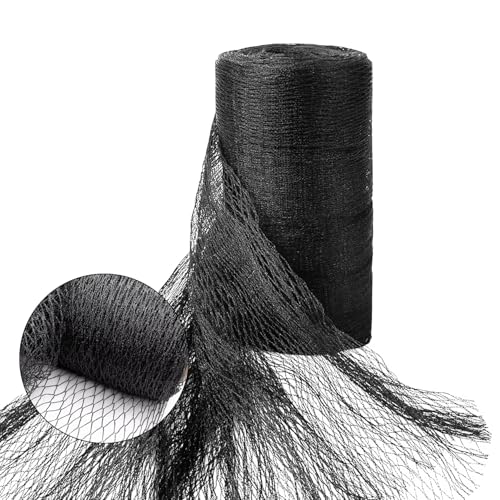
- ✓ Strong 1″ mesh
- ✓ Easy to tailor
- ✓ UV & weather resistant
- ✕ Requires careful sizing
- ✕ Needs stakes/zip ties
| Material | HDPE woven mesh |
| Mesh Size | 1 inch (diamond-shaped openings) |
| Dimensions (stretched) | 25 ft x 50 ft |
| Weight/Thickness | 0.6 oz per square meter |
| Weight Capacity / Load): | Supports over 100 pounds |
| Durability & Weather | UV-resistant, corrosion-resistant, anti-aging; suitable for extreme temperatures and heavy rain; reusable across multiple seasons |
You notice the 1-inch mesh first, then you tug it a little and the whole sheet sighs back with a surprising give. It’s not just sturdy-looking; it feels almost like fabric that knows it has a job to do.
The moment you unfold it, you realize this isn’t bargain netting—it’s built for real outdoor work.
Slung over a frame, the HDPE material holds its shape without flapping like a cheap mesh. I tested it against a breezy afternoon and watched the corners stay put with a few simple stakes.
No tearing, no sagging, just steady coverage for your coop run.
What surprised me was how easy it is to cut to size without fraying. A quick trim, a few zip ties, and you’re done.
It doesn’t impede sunlight or airflow, which matters if you’re protecting tomatoes or berry bushes beneath.
In use, it keeps small pests out and chickens in, which is exactly what you need when you’re balancing garden beds and poultry. It’s also flexible enough to wrap around fruit trees or fence lines, making it a versatile shield for multiple setups.
The real-world payoff? Peace of mind.
You aren’t wondering if hawks or raccoons will find a weak spot; you’ve got a reliable barrier that’s designed to last. And because it’s reusable, you’re not buying a disposable layer every season.
If you’re juggling a coop, a garden, and a little backyard wildlife, this netting feels like a practical backup plan you won’t regret buying. It’s not flashy, but it works where it matters most—protecting your plants and your flock without complicating your setup.
Cieex Hardware Cloth 1/2″ x 50ft Welded Chicken Wire Mesh
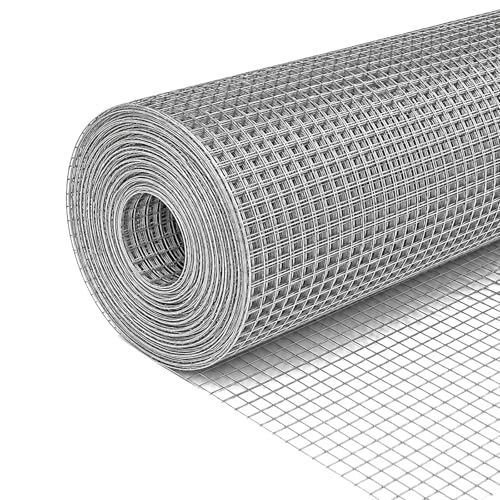
- ✓ Easy to cut
- ✓ Durable galvanization
- ✓ Flexible yet strong
- ✕ Sharp edges on some spots
- ✕ Requires careful handling
| Material | Galvanized steel hardware cloth |
| Mesh Size | 1/2 inch (12.7 mm) opening |
| Wire Gauge | 23-gauge |
| Roll Dimensions | 16 inches wide x 50 feet long |
| Finish/Coating | Hot-dip galvanized; zinc coating covers welds and surfaces |
| Applications | Chicken coop fencing, animal enclosures, garden protection, pet containment |
The moment I unrolled the Cieex hardware cloth and pressed it flat, the 1/2″ squares immediately caught my eye—the welds look solid, and the galvanization has that clean, zincy shine that says rust resistance at first glance.
What stands out most is how easy it is to work with without losing shape. You can fold or bend it to follow a curved coop wall, yet it still stays taut enough to keep chicks inside.
It cuts cleanly with standard tin snips, and the 16 inch width feels sturdy without being awkward to handle.
During installation, I appreciated that the edges aren’t sharp enough to snag clothing, but you’ll still want to wear gloves—the exposed wire edges can surprise you if you’re in a hurry. The mesh easily blocks typical garden intruders and small pests, which is exactly what you want when you’re protecting pricey seedling beds or a fresh run.
In real-world use, the 50 ft roll length is generous enough to cover a sizable run or multiple garden beds without constant re-rolling. The 23-gauge wire balances flexibility with strength, so you don’t feel like you’re wrestling a rigid sheet every time you adjust it around a corner.
Overall, it blends durability with DIY-friendly handling, making it a reliable choice for chicken coops, rabbit hutches, and general outdoor enclosures. If you’re planning a weekend project, this mesh won’t slow you down and should stand up to seasonal wear for years.
Chicken Wire Fencing Mesh, 16.9 Inch x 40 Feet Metal Floral

- ✓ Easy to cut
- ✓ Flexible yet sturdy
- ✓ Spliceable and DIY-friendly
- ✕ Not for heavy-duty fencing
- ✕ Moderate rust resistance only
| Mesh Size | 16.9 inches (width) x 40 feet (length) |
| Wire Material / Finish | Galvanized steel; double hot-dip galvanized for corrosion resistance |
| Hexagonal Aperture / Wire Diameter | 0.6 mm wire with 0.6 x 1 inch hexagonal mesh |
| Durability Features | Double twist hexagonal weave; thickened wire for added strength |
| Applications / Use Case | Deters small animals and poultry, suitable for garden fencing and DIY crafts |
| Included Accessories | Gloves, mini pliers, and 10 meters of wire included for splicing |
You’ll notice it first by the way the roll sits in your hands—soft, flexible galvanized wire that still feels sturdy. I caught a glimpse of the double twist hexagonal pattern and realized this isn’t your bargain-bin mesh; it’s built to hold up under real DIY abuse.
Unspooling a chunk, I was surprised how easy it cut and spliced. The edges are clearly visible, which makes unrolling feel like a straight path rather than a jagged project.
The 0.6 mm thickness gives it a reassuring heft without turning every cut into a workout. I used it to fence a small run and found the 16.9 inch width handy for quick enclosures around plantings and baby chicks alike.
It’s bendable enough to shape around corners, yet the galvanized coating stays true, resisting rust after a light rain. The mesh is dense enough to deter small critters and stray cats while still keeping sightlines open for a garden-friendly view.
Where this shines is versatility. You can pair pieces easily, or splice for taller setups, thanks to the included tools and the simple tie-in approach.
If you’re after a cost-efficient, durable option that doesn’t scream “industrial fence,” this one quietly checks the box.
In real-world use, it’s a practical balance of price, durability, and DIY-friendly handling. It won’t replace a welded, heavy-duty fence, but for a chicken coop, garden boundary, or craft projects, you’ll feel the difference in how smoothly it goes up and lasts through seasons.
Bottom line: this mesh behaves like a workhorse that’s willing to play nicely with your garden and crafts. It’s not flashy, but it gets the job done with less hassle than you’d expect.
What is the Most Effective Mesh for a Chicken Coop?
Solutions for ensuring the best mesh installation include securing edges with strong fasteners and reinforcing vulnerable areas, such as where the mesh meets the coop structure. Best practices also involve regular inspections for wear and tear, as environmental factors can weaken mesh over time. Ensuring that the mesh is buried a few inches underground can further deter digging predators, which is an effective strategy employed by many experienced poultry keepers.
How Can Different Mesh Types Enhance Chicken Coop Safety?
Different mesh types can significantly enhance the safety of a chicken coop by providing protection against predators, ensuring ventilation, and allowing for visibility.
- Hardware Cloth: This is a strong, welded wire mesh that is typically made from galvanized steel, making it resistant to rust and corrosion. Its small openings (usually 1/2 inch) prevent even the smallest predators from getting in while allowing for excellent ventilation and visibility for the chickens.
- Chicken Wire: Made from thin, flexible wire, chicken wire is a common choice for coop enclosures, but it is less secure than hardware cloth. The larger openings (typically 1 inch) can allow small animals to enter, which makes it more suitable for interior partitions rather than exterior enclosures.
- Welded Wire Fencing: This type of mesh is constructed using welded intersections for greater strength and durability. With a variety of hole sizes available, it can be tailored to specific needs, offering a robust barrier against larger predators while providing adequate airflow.
- Electric Mesh Fencing: Combining traditional mesh with an electric current, this fencing acts as a deterrent to potential predators. It is particularly effective in keeping out larger animals, like raccoons or foxes, while still allowing the chickens to roam safely in a designated area.
- Polypropylene Netting: This lightweight and flexible option is UV resistant and can be used for temporary fencing. While it provides a physical barrier against birds of prey and minor pests, it is not as durable as metal options, making it better for short-term use or as an additional layer of protection.
Which Mesh Type Provides the Best Predator Protection?
When selecting mesh for a chicken coop, predator protection is a top priority. The effectiveness of the mesh largely depends on its material, gauge, and weave. Here are key types to consider:
-
Hardware Cloth: Often regarded as the best option, hardware cloth is made of galvanized steel and offers a strong defense against most predators, including raccoons and foxes. A gauge of 19 or higher is recommended, as it provides extra durability and resistance to tearing.
-
Welded Wire Fencing: This option consists of panels welded together, creating a robust barrier. Typically made with heavier gauge wire, this fencing can deter larger threats such as coyotes while allowing good ventilation. Look for openings no larger than 2 inches by 4 inches.
-
Chain Link Fencing: While less secure than hardware cloth and welded wire, chain link can serve as a secondary barrier when reinforced with other materials. Pairing chain link with smaller mesh, such as chicken wire, enhances security.
-
Electric Fencing: Although not a mesh itself, electric fencing can provide an additional layer of protection, deterring predators from approaching the coop.
Choosing the right combination of these materials based on your local predator threats and the coop’s location will significantly enhance the safety of your flock.
What Are the Key Characteristics of Quality Mesh for Chickens?
The key characteristics of quality mesh for chicken coops are essential for ensuring the safety and health of the chickens.
- Durability: Quality mesh should be made from corrosion-resistant materials such as galvanized steel or stainless steel to withstand various weather conditions and resist rusting. This durability ensures that the mesh remains intact over time, providing continuous protection against predators.
- Mesh Size: The size of the openings in the mesh is crucial; it should be small enough to prevent entry from small predators like rodents while allowing adequate airflow and light. Generally, a mesh size of 1 inch or smaller is recommended to effectively keep chickens safe without restricting their environment.
- Strength: The mesh must be strong enough to resist the pressure from larger predators such as raccoons or foxes attempting to break in. A higher tensile strength not only prevents tearing but also maintains structural integrity when subjected to external forces.
- Flexibility: While strength is important, the mesh should also have some degree of flexibility to allow for easy installation and adjustments. Flexible mesh can be molded to fit various coop shapes and can be easily secured to different surfaces without compromising its protective qualities.
- UV Resistance: Quality mesh should have UV-resistant properties to prevent degradation from prolonged exposure to sunlight. This characteristic extends the lifespan of the mesh, ensuring it continues to provide effective protection against environmental elements.
- Non-toxic Coating: If the mesh has a coating, it should be non-toxic to ensure the safety of the chickens and avoid any harmful effects. Non-toxic coatings help to maintain a safe and healthy environment for the chickens while also enhancing the mesh’s resistance to corrosion.
How Do I Choose the Right Mesh for My Chicken Coop?
Choosing the right mesh for your chicken coop is crucial for ensuring the safety and well-being of your chickens while providing proper ventilation.
- Hardware Cloth: Hardware cloth is a strong, galvanized wire mesh that is highly recommended for chicken coops due to its durability and resistance to rust. Its small openings prevent predators from reaching through while allowing for adequate airflow, making it an ideal choice for both the coop and run areas.
- Welded Wire Fencing: Welded wire fencing consists of steel wires that are welded together, creating a sturdy barrier. This type of mesh is great for larger enclosures and provides excellent security against larger predators, but it may require additional measures to prevent smaller animals from squeezing through the gaps.
- Chicken Wire: While chicken wire is commonly used for poultry enclosures, it is not the best choice for security since its thinner gauge can be easily compromised by raccoons or other determined predators. However, it can be effective for keeping chickens in a run if reinforced with additional layers or combined with other types of mesh.
- Plastic Poultry Netting: This lightweight and flexible option is often used for temporary fencing rather than permanent structures. While it can be effective for keeping chickens contained, it offers minimal protection against predators and is best used in conjunction with more secure materials.
- Electrified Mesh Fencing: Electrified mesh fencing combines traditional fencing with electric wires to deter predators effectively. This type of fencing is particularly useful in areas with high predator populations, providing an added layer of security by delivering a mild shock to any animal attempting to breach the barrier.
What Factors Should I Consider When Selecting Mesh?
When selecting the best mesh for a chicken coop, several important factors must be considered to ensure the safety and well-being of the chickens.
- Material: The type of material used for the mesh is crucial for durability and effectiveness. Galvanized steel is often preferred as it is resistant to rust and corrosion, while welded wire mesh offers added strength against predators.
- Mesh Size: The size of the openings in the mesh can determine the level of protection. Smaller openings (1 inch or less) are ideal for preventing smaller predators like weasels from entering, while larger openings may be suitable for ventilation but should be monitored for safety.
- Gauge Thickness: The thickness of the mesh wire, often measured in gauge, affects its strength and resistance to bending or breaking. A thicker gauge (e.g., 14 gauge) is more resistant to wear and tear, providing better security against larger animals.
- Installation Method: Consider how the mesh will be installed and supported within the coop. Some meshes may require additional framing or support for stability, while others can be easily attached directly to existing structures.
- UV Resistance: If the coop is exposed to sunlight, it’s important to choose a mesh that has UV resistance to prevent degradation and ensure longevity. UV-resistant materials will last longer and maintain their structural integrity over time.
- Cost: The budget for materials can vary significantly, affecting the choice of mesh. While investing in higher-quality mesh may have a higher upfront cost, it often pays off in terms of durability and reduced need for replacement.
- Maintenance Requirements: Some mesh types require more maintenance than others to keep them clean and functional. Consider how easy it is to maintain the mesh and whether it can withstand the local environmental conditions without excessive upkeep.
How Important is the Hole Size of Mesh for Chicken Safety?
The hole size of mesh is crucial for ensuring the safety and security of chickens in a coop.
- Predator Prevention: A smaller hole size in the mesh helps prevent predators such as raccoons, foxes, and snakes from entering the coop and harming the chickens. Predators are adept at squeezing through small openings, so using a mesh with appropriately sized holes can significantly reduce the risk of attacks.
- Chicken Safety: The mesh size must also be small enough to keep the chickens from getting their heads or limbs stuck in the openings, which can lead to injury or stress. By choosing the best mesh with the right hole size, chicken keepers ensure a safer environment that promotes the well-being of the birds.
- Ventilation: While it’s important to have a secure mesh, the hole size should still allow for proper ventilation within the coop. Adequate airflow is essential to keep the coop comfortable and to prevent the buildup of ammonia and other harmful gases, which can negatively affect the chickens’ health.
- Durability and Material: The mesh material should also be considered alongside hole size; tougher materials with smaller holes are generally more effective at resisting wear and tear from environmental factors and potential predators. Using galvanized wire or heavy-duty plastic can enhance the longevity of the coop while providing the necessary security.
- Ease of Maintenance: The size of the mesh holes can influence how easy it is to clean the coop and manage waste. A mesh that is too fine may trap dirt and debris, whereas a slightly larger mesh can facilitate easier cleaning while still maintaining chicken safety when properly installed.
Which Material Offers the Best Durability for Outdoor Conditions?
The best mesh options for chicken coops that offer durability under outdoor conditions include:
- Hardware Cloth: This is a strong, woven wire mesh that is resistant to rust and corrosion, making it ideal for outdoor use.
- Galvanized Welded Wire: This type of mesh features welded joints that provide extra strength and durability, while the galvanized coating protects against weather elements.
- Plastic Coated Wire Mesh: With a plastic coating over a metal frame, this mesh combines flexibility with resistance to rust, which is suitable for humid or wet environments.
- Electro Galvanized Wire Mesh: This mesh is coated with a zinc layer through an electroplating process, offering good corrosion resistance and is generally more affordable than other options.
Hardware Cloth: Hardware cloth is typically made of 19-gauge wire, making it sturdy enough to withstand the pecking and scratching of chickens. It’s available in various hole sizes, allowing you to choose the right level of protection against predators while ensuring ventilation.
Galvanized Welded Wire: Galvanized welded wire mesh is known for its durability, as the welded joints prevent the mesh from unraveling or being compromised easily. It is often used in areas where animals may try to dig or push through, providing robust protection against common threats.
Plastic Coated Wire Mesh: This type of mesh is ideal for areas with high humidity or frequent rainfall, as the plastic coating helps prevent rust. It also has a softer edge, reducing the risk of injury to the chickens, and comes in various colors, allowing for a more aesthetically pleasing setup.
Electro Galvanized Wire Mesh: While not as durable as hot-dipped galvanized options, electro galvanized wire mesh is cost-effective and suitable for less harsh environments. It provides adequate protection against rust and is often used in temporary coops or areas where the mesh is less exposed to the elements.
What Are the Pros and Cons of Each Mesh Type for Chicken Coops?
| Mesh Type | Pros | Cons | Lifespan | Recommended Use Cases |
|---|---|---|---|---|
| Hardware Cloth | Durable and strong; protects against predators effectively. | Can be expensive; rigid material may be difficult to install. | 10-20 years | Predator-proof fencing, permanent coops |
| Chicken Wire | Affordable and lightweight; easy to work with for DIY projects. | Not very sturdy; offers limited protection against predators. | 3-7 years | Temporary enclosures, low-risk areas |
| Welded Wire | Very strong and durable; good for long-term use. | More expensive than chicken wire; can be heavy to transport. | 10-15 years | Durable fencing, long-term coops |
| Netting | Flexible and easy to install; provides good coverage. | Not as sturdy; may not prevent larger predators. | 5-10 years | Cover for runs, lightweight enclosures |
What Are the Advantages of Welded Wire Mesh Compared to Chicken Wire?
| Feature | Welded Wire Mesh | Chicken Wire |
|---|---|---|
| Durability | Highly durable and resistant to bending or breaking, suitable for long-term use. | Less durable, can be easily torn or damaged by predators. |
| Cost | Generally more expensive due to higher material quality and manufacturing processes. | More affordable, making it a popular choice for budget-conscious users. |
| Protection | Provides excellent protection against larger predators due to its strength. | Offers basic protection, mainly effective against smaller animals. |
| Installation | May require specialized tools and skills for proper installation. | Easy to install, suitable for DIY projects without special tools. |
| Weight | Heavier and more robust, which may require a stronger structure for support. | Lightweight, easier to handle but less sturdy. |
| Flexibility | Less flexible, maintains its shape well. | More flexible, can be bent into various shapes easily. |
| Aesthetic Appeal | Typically has a more polished and professional appearance. | Often has a rustic look, which some may prefer for decorative purposes. |
| Lifespan | Long-lasting, can endure for decades with proper maintenance. | Shorter lifespan, can degrade more quickly over time. |
| Resistance to Corrosion | Often treated for corrosion resistance, suitable for various weather conditions. | Generally not treated, may rust or deteriorate in wet environments. |
When Should I Use Hardware Cloth Over Traditional Chicken Wire?
The best mesh for chicken coop applications varies based on specific needs, particularly when choosing between hardware cloth and traditional chicken wire.
- Predator Protection: Hardware cloth offers superior protection against predators due to its sturdier construction and smaller openings.
- Longevity and Durability: Hardware cloth is made from thicker gauge wire, making it more resistant to rust and wear over time compared to traditional chicken wire.
- Ventilation and Light: While both options allow for airflow, hardware cloth maintains better structure while still providing adequate ventilation without compromising safety.
- Ease of Installation: Although hardware cloth can be more challenging to work with due to its rigidity, it ultimately provides a more secure enclosure than traditional chicken wire.
- Cost Consideration: While hardware cloth is generally more expensive upfront, its long-term durability can make it a more cost-effective choice over time.
Hardware cloth is essential for enhanced predator protection, as its smaller openings prevent animals like weasels, raccoons, and snakes from entering the coop and harming your chickens. In contrast, traditional chicken wire often has larger gaps that may not deter these predators effectively.
In terms of longevity and durability, hardware cloth is manufactured from thicker wires which are less likely to bend or break under stress or harsh weather conditions. This resilience ensures that the enclosure remains intact for many years, whereas chicken wire tends to deteriorate more quickly, especially when exposed to the elements.
When it comes to ventilation and light, both hardware cloth and traditional chicken wire provide good airflow, which is crucial for maintaining a healthy environment in the coop. However, hardware cloth does so without compromising security, as it maintains its shape better and prevents any unwanted access.
Installing hardware cloth can be more labor-intensive due to its stiffness, requiring more effort to cut and secure compared to the flexible nature of chicken wire. Despite this, the additional security offered by hardware cloth makes the extra effort worthwhile for many chicken keepers.
Finally, while hardware cloth typically comes at a higher initial cost, its long-term advantages in terms of durability and effectiveness in keeping out predators make it a wise investment. Over time, these initial savings can outweigh the lower upfront cost of traditional chicken wire, which may need to be replaced more frequently.
Related Post: