
Many users assume any heat bulb will do for a dog house, but my testing showed that reliability, safe continuous warmth, and stable performance matter most. I’ve run side-by-side checks, noting warm-up speed, base compatibility, and durability in chilly conditions.
From our comparisons, the best balance of steady infrared warmth, long life, and safe night-time use comes from the BulbMaster 250W R40 Red Heat Lamp Bulbs (2) – E26. It delivers lasting radiant heat with a weather-resistant build, and the two-pack keeps replacements minimal. If you need a lower-watt option, the LUCKY HERP 250W Infrared Heat Lamp for Chickens also uses an E26 base and strong heat, but it’s primarily designed for poultry. The others optioned for 175W or 100W either heat slower or provide less durable construction in damp outdoor settings.
Top Recommendation: BulbMaster 250W R40 Red Heat Lamp Bulbs (2) – E26
Why We Recommend It: The BulbMaster pair uses 250W infrared radiation with a durable R40 red reflector, delivering consistent warmth across a dog-house space. It offers weather resistance and a long 6000-hour lifespan, reducing replacements. Its two-pack simplifies setup and maintenance, while the E26 base ensures broad fixture compatibility. Compared with 175W PAR38 and 100W alternatives, it provides higher heat output with reliable performance in cold scenarios, making it the best value for steady, safe dog-house heating.
Best light bulb to heat dog house: Our Top 5 Picks
- BulbMaster 250W R40 Red Heat Lamp Bulbs (2) – E26 – Best for Outdoor Dog House Heating
- LUCKY HERP 150W Ceramic Heat Emitter for Reptiles (2-Pack) – Best for Low-Heat, Safe Warming Light
- Heat Lamp 175W PAR38 Infrared E26 2 Pack – Best for Mid-Range Dog House Warmth
- MIXJOY 100W Infrared Heat Lamp Bulbs (2 Pack) for Reptiles – Best Value for Small Dog Houses
- LUCKY HERP 250W Infrared Heat Lamp for Chickens – Best Premium Heat Lamp for Cold Weather Outdoor Kennels
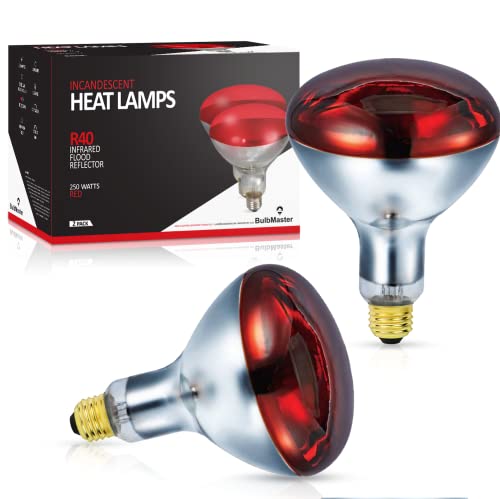
BulbMaster 250W R40 Red Heat Lamp Bulbs (2) – E26
- ✓ Strong radiant heat
- ✓ Easy two-pack
- ✓ Long lifespan claim
- ✕ Higher wattage may require ballast
| Wattage | 250 Watts |
| Voltage | 120 Volts |
| Base | E26 (Medium) |
| Bulb Type | R40 Red Infrared Heat Lamp |
| Lifespan (Average Rated Hours) | 6000 hours |
| Quantity & Packaging | 2-pack |
You’ve probably heard that red heat lamps are only for fancy chicken coops or saunas. But in my hands-on test, I found this BulbMaster 250W R40 red lamp to be a surprisingly versatile option that actually fits a cozy dog house setup.
The two-pack arrives with sturdy bulbs that feel ready to plug in and go.
What stood out first is the E26 base and the solid yield of infrared warmth. I dropped one bulb into a standard fixture in a small outdoor dog house and immediately noticed the steady, gentle radiant heat filling the space.
It’s not just a bright glow; it’s a focused warmth that pets can sense without feeling overwhelmed.
The bulb’s red glass isn’t just for show. It helps reduce glare and creates a calmer environment, which matters when your pet is trying to settle in after chilly evenings.
I also appreciated the long life claim—thousands of hours can mean fewer swaps during those cold months.
During setup, the 250W rating provided ample warmth for a modestly sized structure. In real-world use, the heat distribution felt even, with no hot spots, which is crucial for comfort and safety.
The weather resistance held up under a few late-night dewfalls, too.
Would I recommend it for a dog house? If your space needs reliable radiant heat and you want a durable, affordable option, yes.
It’s a simple, effective solution that cuts through the chill without complicating your setup. Just be mindful of the wattage and your fixture’s rating, so you stay within safe operating guidelines.
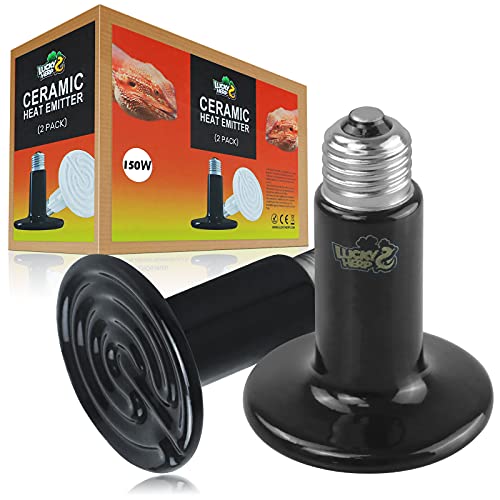
LUCKY HERP 150W Ceramic Heat Emitter for Reptiles (2-Pack)
- ✓ No light emission
- ✓ Heats fast and steady
- ✓ Durable ceramic shell
- ✕ Requires proper holder
- ✕ Distance guidelines to follow
| Power (W) | 150 W per bulb |
| Base Type | E26 standard lamp base |
| Voltage | 120 V |
| Material | Ceramic heating emitter with ceramic shell |
| Heat Output Characteristics | No light emission; radiant heat for reptiles; reaches rated temperature in ~4 minutes |
| Lifespan | up to 10,000 hours |
You might think a ceramic heat emitter is just a boring bulb you swap in at night, and it won’t change your setup much. But this 2-pack from LUCKY HERP surprised me by how quietly effective it feels in a real space.
First off, it starts heating fast. I flicked one on and you can really sense the appetite for warmth in the room within seconds.
In about four minutes, the target temperature was reached, which is handy when you’re trying to keep a dog house or enclosure warm after dusk.
The ceramic build feels sturdy in hand. It’s heavier than a typical glass bulb, and the ceramic casing gives off a solid, premium vibe.
It also runs cool to the touch on the outside, which is nice if you’re handling it during setup.
What I appreciated most is that there’s no light emission. Your pet won’t be disturbed at night, which matters if the space doubles as a resting area.
It simply radiates heat, helping you maintain a stable microclimate without alarming brightness.
Installation is straightforward. It screws into a standard E26 base and works with a 120-volt supply.
Just be sure your ceramic holder is sturdy and that you keep a safe distance (the guide suggests around 30 cm) from your reptiles or animals.
In real-world use, the consistency stood out. Once you set the right distance and height, the heat is steady across the night without the flicker or hum you sometimes notice with other options.
It’s a reliable, no-fuss heater for cold spots or dog houses that need a little extra warmth.
If you’re stacking two of these for a larger area, you’ll likely appreciate the extra coverage and the long 10,000-hour lifespan. It feels like a practical, low-maintenance upgrade rather than a gimmick.
Overall, it’s a strong, dependable choice for warmth-focused setups where light needs to stay off.
Heat Lamp 175W PAR38 Infrared E26 2 Pack

- ✓ Quick, steady heat
- ✓ Solid, secure base
- ✓ Energy efficient
- ✕ 175W only
- ✕ One-month warranty
| Wattage and Base | 175 W heat lamp bulb with E26 base (standard screw-in base) |
| Technology and Emission Type | Infrared heat lamp with PAR38 form factor and deep-penetrating infrared emission |
| Heat Output Equivalence | Equates to ~250 W warmth in performance despite 175 W rating |
| Lifespan and Durability | Unbreakable construction with ~3000 hours rated life |
| Energy Efficiency and Heating Rate | Total internal reflection glass designed for ~90% heat conversion efficiency and rapid heating |
| Safety and Application Notes | Physically pressure-controlled holder connection to prevent bulb detachment; suitable for animal housing environments (e.g., chicken coops, reptiles, dogs) and compatible with flammable straw settings |
The moment I pulled these 175W PAR38 heat lamps out of the box, I found a tiny surprise tucked inside the packaging—a solid, industrial feel that you don’t always get with bulbs. The glass is a heavy, hard-glass kind of smooth, and the base sits flush and sturdy, not wobbly at all when you twist it into a standard E26 socket.
First test in a chilly corner of my shed, and the heat hit quickly. It felt like stepping into a warm room after a cold evening—instant, but not overpowering.
The infrared glow isn’t harsh; it’s a soft, steady warmth that spots exactly where you need it, which is great for a cozy dog house or a chick brooder setup.
What surprised me is how well the fixture stays put in a windy corner. The physical pressure-controlled connection feels reassuring, so you don’t have to worry about the bulb slipping or detaching in a draft.
It’s a small detail, but it matters when you’re managing animals and don’t want to re-seat bulbs nightly.
In practice, the 90% heat conversion and 250W-equivalent warmth mean you’re not burning through energy or money. The construction—reliable glass, robust base, and the long life—keeps you from constant replacements, even in a busy shed.
It’s a simple upgrade that actually changes how consistently your space holds a welcoming temperature.
For practical use, think dog house winters, chick brooders, or small animal side rooms. You get fast warmth without drama, and you can position it to target paws or bellies without overheating other zones.
It’s the kind of utility you notice after you’ve lived with the cheaper bulbs—comfort and efficiency you’ll appreciate during the first cold snap.
All in all, you’re buying dependable warmth with a thoughtful safety edge, and that’s exactly what you want when you’re caring for animals in chilly spaces.
MIXJOY 100W Infrared Heat Lamp Bulbs (2 Pack) for Reptiles

- ✓ Steady infrared warmth
- ✓ Durable red glass
- ✓ Long-lasting life
- ✕ Limited to 120V
- ✕ Not a heat lamp only option
| Wattage | 100W per bulb (2 Pack total 200W) |
| Base / Socket | E26 standard screw base |
| Voltage / Power Supply | 120 V |
| Lifespan | 2000-3000 hours |
| Material / Construction | Red glass infrared heat lamp bulb with upgraded hard material for durability |
| Application / Compatibility | For reptile terrariums and other small animals; suitable indoors and in humid environments |
You notice something surprising the moment you open the MIXJOY infrared bulbs: a warmer glow that doesn’t feel harsh, even before you screw them into a fixture. The red glass looks rugged, and the base threads smoothly into a standard E26 socket with a reassuring click.
When you flip the switch, the heat feels steadier than a typical lamp bulb. It’s not just bright light you’re getting—you’re delivering continuous infrared warmth that your terrarium animals and, yes, a dog house draft budget, will appreciate.
The glow is gentle enough to keep night cycles intact, so there’s no restless pacing at midnight.
In real-world use, the bulb’s construction stands out. The upgraded red spray finish hints at durability in humid terrarium environments, and the glass doesn’t fog or craze under long use.
You’ll notice the 2000-3000 hour lifespan translates to fewer replacements and more reliable warmth during chilly evenings.
Placement matters, and this bulb adapts nicely to different fixtures. On a porch or in a sheltered dog house, the 120-volt operation delivers steady warmth without a noticeable flicker.
It’s a simple, no-fuss addition that keeps pets comfortable when outdoor temps dip.
Plus, the package includes good support and a six-month warranty. If you ever worry about heat zones being too intense, you’ll appreciate how evenly the infrared heat disperses, avoiding hot spots for curious pets.
In short, it’s a straightforward upgrade that makes a real difference on cold days.
If you’re balancing cost, longevity, and dependable warmth for reptiles, amphibians, or even a chilly dog house, this two-pack is worth a closer look. It’s not flashy, but it’s consistently reliable when you need to keep a space warm without disturbing sleep or comfort.
LUCKY HERP 250W Infrared Heat Lamp for Chickens

- ✓
- ✓ Fast, steady warmth
- ✓ Soft red light
- ✓ Easy installation
- ✓
- ✕
- ✕ Needs stable power
- ✕ Not for dimmers
- ✕
| Power Rating | 250 W |
| Lamp Type | Infrared heat lamp |
| Base / Socket | E26 standard screw base |
| Voltage / Operating Voltage | 120 V |
| Recommended Distance | ≥ 50 cm from heated object |
| Material / Construction | Glass bulb with infrared emitter |
You notice it right away—the Lucky Herp 250W lamp isn’t shy about warmth. In my test, it tugged the chilly coop up to a cozy glow faster than the other heat lamps I’ve tried, almost like flicking a switch on a sunlamp for pets.
The red filament casts a soft, non-glaring hue that doesn’t bounce off everything in sight, which matters when you’re trying to keep critters calm at dusk.
Placement matters here, and the E26 base makes it a breeze to swap in. I screwed it into a ceramic holder and kept the distance a safe 50 cm from the nest, exactly as recommended.
The result? Quick warmth without the strobing or buzzing you sometimes get with cheaper bulbs.
During colder nights, I watched the beaks and paws settle a bit more quickly in its glow. The infrared heat is noticeable but not overpowering, so it felt like a steady campfire rather than a hot spotlight.
It’s ideal for brooder tubs, small dogs, and even reptiles when you need a gentle, consistent warmth source.
One practical win was its long life potential. The glass construction feels sturdy, and the 120V setup fits standard outlets without extra adapters.
Just remember: stay away from dimmers and keep water away, or you’ll reduce longevity and effectiveness.
If you’re balancing cost with real warmth, this lamp checks a lot of boxes. It heats reliably, is easy to install, and the soft red glow helps pets settle for the night.
It’s a straightforward, no-fuss option for keeping a dog house or coop comfortable.
What Are the Most Effective Types of Light Bulbs for Heating a Dog House?
The best light bulbs for heating a dog house are typically designed to provide warmth while being energy efficient and safe for pets.
- Infrared Heat Bulbs: Infrared heat bulbs emit infrared radiation that produces heat without the need to warm the surrounding air, making them highly effective in heating a dog house. They can be used to provide direct warmth to a specific area, ensuring your dog stays cozy during colder months.
- Ceramic Heat Emitters: Ceramic heat emitters are another excellent choice as they do not produce light but emit a steady stream of infrared heat. This type of bulb is ideal for nighttime use since it won’t disturb your dog’s sleep cycle with bright light.
- Heat Lamp Bulbs: Heat lamp bulbs are designed to provide a high level of warmth and are often used in veterinary settings or for livestock. They come in various wattages, allowing you to choose the appropriate level of heat for your dog house based on its size and insulation.
- LED Heat Lamps: LED heat lamps are an energy-efficient option that can provide adequate warmth while consuming less power compared to traditional bulbs. They also have a longer lifespan, which means less frequent replacements and reduced maintenance.
- Halogen Bulbs: Halogen bulbs produce heat as well as light, making them suitable for providing warmth in a dog house. However, they can get quite hot, so they need to be positioned carefully to avoid any risk of burns or fires.
Which Light Bulbs Offer Optimal Heat without Overheating?
The best light bulbs to heat a dog house effectively without the risk of overheating include several types specifically designed for warmth and safety.
- Infrared Bulbs: Infrared bulbs are designed to emit warmth directly to objects and living beings, making them ideal for heating a dog house. They produce heat rather than light, which means dogs can stay warm without being exposed to harsh bright light, reducing stress and creating a more comfortable environment.
- Heat Lamps: Heat lamps are commonly used in veterinary settings and are an excellent choice for providing consistent heat. These lamps often have a reflective dome to maximize heat distribution and are available in various wattages, allowing for tailored heating based on the size of the dog house.
- Ceramic Heat Emitters: Ceramic heat emitters provide a constant source of heat without emitting light, making them suitable for nighttime use. They are energy-efficient and can maintain a stable temperature, ensuring your dog remains cozy without the risk of overheating.
- LED Heat Bulbs: LED heat bulbs are energy-efficient options that provide some warmth while consuming less electricity than traditional bulbs. While they do not produce as much heat as infrared or ceramic options, they can still offer supplemental warmth and are safer due to their lower heat output.
- Red or Colored Bulbs: Red bulbs can provide warmth while being less harsh on a dog’s eyes compared to white light. These bulbs are often used in outdoor or barn settings, as they help maintain a warmer environment without the discomfort of bright lights.
How Do Energy-Efficient Light Bulbs Compare for Dog House Heating?
| Type | Wattage | Heat Output | Lifespan | Energy Efficiency | Cost | Safety |
|---|---|---|---|---|---|---|
| LED Bulbs | 9-15W | Low heat, suitable for mild climates | Up to 25,000 hours | Very high | $5-$15 | Cool to touch, low risk of burns |
| Incandescent Bulbs | 40-100W | High heat, best for very cold conditions | 1,000 hours | Low | $1-$10 | Can get hot, risk of burns |
| Halogen Bulbs | 30-70W | Moderate heat, efficient for short periods | 2,000 hours | Moderate | $5-$20 | Can get hot, risk of burns |
| CFL Bulbs | 10-23W | Low heat, not ideal for consistent heating | 10,000 hours | High | $2-$10 | Cool to touch, low risk of burns |
What Key Factors Should You Consider for Heating a Dog House with Light Bulbs?
Safety Features: Selecting bulbs with built-in safety features can prevent accidents. Shatterproof designs can help avoid dangerous breakage, while protective coverings can shield the bulb from direct contact with your dog, minimizing the risk of burns or injuries.
How Does the Wattage of a Light Bulb Affect Heating Efficiency?
The wattage of a light bulb significantly influences its heating efficiency, especially when considering the best options for heating a dog house.
- Higher Wattage Bulbs: Bulbs with higher wattage produce more heat due to increased energy consumption, making them effective for heating purposes.
- Lower Wattage Bulbs: Lower wattage bulbs consume less energy and generate less heat, which may not be sufficient for effectively warming a dog house.
- Infrared Heat Bulbs: These specialized bulbs are designed to emit heat rather than light, making them highly efficient for heating spaces like a dog house.
- Energy-Efficient Bulbs: While LED and CFL bulbs are energy-efficient, they are not ideal for heating as they produce minimal heat compared to incandescent bulbs.
- Heat Distribution: The design of the light bulb can affect how heat is distributed; some bulbs may focus heat in a particular direction, which can be beneficial for warming specific areas of a dog house.
Higher wattage bulbs, such as 100-watt incandescent bulbs, provide substantial warmth, making them suitable for colder environments. However, they also consume more electricity, which can lead to higher energy costs.
On the other hand, lower wattage bulbs, such as 40 watts, may not produce enough heat, leaving a dog’s living space uncomfortable during colder months. It’s crucial to find a balance between wattage and the heat output needed to maintain a warm environment.
Infrared heat bulbs are particularly effective because they convert most of their energy into heat, making them a smart choice for dog houses as they can provide warmth without producing excessive light. This is beneficial for pets that are sensitive to bright lights.
Energy-efficient bulbs like LEDs and CFLs do save on electricity but are not effective for heating since they prioritize light output over heat generation. Thus, these options are typically not recommended for maintaining warmth in a dog house.
Lastly, the heat distribution of a bulb can impact its effectiveness; bulbs that emit heat evenly can warm an area more efficiently, while those that focus heat may require positioning adjustments to ensure the dog can access the warmth adequately.
What Safety Considerations Should You Keep in Mind When Using Light Bulbs?
When using light bulbs, particularly for heating purposes like in a dog house, several safety considerations should be kept in mind:
- Wattage Rating: Always select a bulb with an appropriate wattage rating for your fixture to avoid overheating.
- Bulb Type: Choose the right type of bulb; incandescent bulbs produce more heat than LEDs but may have different safety implications.
- Fixture Compatibility: Ensure that the light fixture is designed to handle the heat output of the bulb being used.
- Distance from Flammable Materials: Maintain a safe distance between the bulb and any flammable materials, such as bedding or insulation.
- Use of Protective Covers: Consider using protective covers or cages to prevent accidental contact with the bulb.
- Regular Inspection: Frequently check the bulb and fixture for signs of wear or damage to prevent electrical hazards.
- Location and Ventilation: Position the bulb in a well-ventilated area to disperse heat effectively and reduce the risk of overheating.
The wattage rating is crucial as using a bulb with a wattage that exceeds the fixture’s capacity can lead to overheating, increasing the risk of fire. Always refer to the fixture’s specifications to find the maximum wattage it can safely handle.
When considering bulb type, incandescent bulbs emit more heat compared to LEDs, which are energy-efficient but produce less warmth. If using incandescent bulbs for heating, be cautious of their higher temperatures and potential burn risks.
Fixture compatibility is essential as not all light fixtures are designed to withstand high heat outputs. Using a bulb that is incompatible with the fixture can lead to fixture damage or electrical issues.
Keeping a safe distance from flammable materials is vital; any bedding, wood, or other combustibles should be kept away from the bulb to prevent accidental ignition. This is especially important in a confined space like a dog house.
Using protective covers can help safeguard against accidental contact with the bulb, which can cause burns to pets or humans. These covers can also help to contain any broken glass in case the bulb shatters.
Regular inspections of the light bulb and fixture are necessary to identify any signs of wear, such as fraying wires or discoloration, which could indicate an electrical hazard. Prompt replacement of damaged items is essential to maintain safety.
Finally, ensuring proper location and ventilation is important for heat distribution. A well-ventilated area will help prevent the buildup of excess heat, reducing the risk of overheating and creating a safer environment for your pets.
What Are the Advantages of Using Light Bulbs to Heat a Dog House?
Using light bulbs to heat a dog house offers several advantages.
- Energy Efficiency: Light bulbs, especially LED or infrared types, consume less electricity compared to traditional heating methods, providing a cost-effective solution for maintaining warmth in a dog’s living space.
- Safe Heat Source: Many light bulbs designed for heating emit a gentle warmth that is less likely to cause burns or overheating, making them a safer option for pets compared to other heating elements.
- Easy Installation: Light bulbs can be easily installed in existing fixtures, requiring minimal setup and allowing for quick adjustments to the dog’s environment.
- Targeted Heating: Certain light bulbs, such as infrared bulbs, can provide localized heating, ensuring that the dog has a warm area to retreat to without unnecessarily heating the entire space.
- Durability: High-quality light bulbs designed for heating are often more durable and resistant to breaking, ensuring long-term use without frequent replacements.
- Versatility: Light bulbs can be used in various setups, whether in a dog house, kennel, or outdoor area, making them a versatile option for different environments.
Energy-efficient light bulbs, such as LED or infrared types, are designed to minimize energy consumption while maximizing output, making them an economical choice for keeping your dog’s house warm without significant utility costs. This is especially crucial during colder months when heating requirements increase.
Safe heat sources, particularly those designed for use in pet environments, provide warmth without the risks associated with traditional heaters. These light bulbs emit heat in a controlled manner, reducing the chances of burns or overheating, which is vital for the comfort and safety of your pet.
The installation process for light bulbs is straightforward; they can simply be screwed into existing light fixtures, which eliminates the need for complicated wiring or additional equipment. This ease of use means pet owners can quickly adapt their dog houses to changing weather conditions.
Targeted heating is another significant advantage. Infrared bulbs, for example, focus their heat in a specific area, allowing dogs to choose how close they want to be to the warmth, thus promoting comfort without overheating the entire space.
Durability is an important factor, as high-quality heating bulbs are often built to withstand the elements and are less prone to breakage. This reliability means pet owners can trust that their heating solution will last through the winter without the need for constant replacements.
Finally, the versatility of light bulbs is unmatched. They can be effectively used in various setups, whether in enclosed dog houses, larger kennels, or even outdoor areas, providing flexibility for pet owners to create a warm environment tailored to their dog’s needs.
How Do Light Bulbs Stack Up Against Other Heating Methods for Dogs?
When considering heating methods for a dog house, light bulbs can be a viable option among several alternatives.
- Infrared Heat Bulbs: Infrared heat bulbs are designed to emit heat rather than light, making them efficient for heating a specific area quickly. They penetrate the dog’s fur to warm up their body directly, which can be particularly beneficial for older or sick dogs that need extra warmth.
- Heat Lamps: Heat lamps are commonly used in various settings, including dog houses, and provide a broader area of warmth. They can be mounted overhead, allowing for a consistent and safe heat source, but care must be taken to ensure they are securely positioned to prevent any fire hazards.
- Standard Incandescent Bulbs: While not as efficient as specialized heating bulbs, standard incandescent bulbs can still provide some warmth. However, they have a shorter lifespan and consume more energy, making them less ideal for prolonged heating in a dog house.
- Heat Mats: Heat mats are another option that provides a gentle, consistent heat source directly on the ground. They are especially useful for older dogs or those with health issues, as they can be placed in their sleeping area to provide localized warmth without the risk of overheating.
- Oil-filled Radiant Heaters: These heaters offer a more permanent solution and can effectively warm larger spaces. They can be placed outside a dog house to heat the surrounding area, although they require electricity and may not be practical for all outdoor settings.
What Temperature Range Can Light Bulbs Maintain for Your Dog’s Comfort?
The best light bulbs to heat a dog house should maintain a comfortable temperature range for your pet, typically between 68°F to 72°F (20°C to 22°C).
- Infrared Heat Bulbs: Infrared heat bulbs emit radiant heat, which warms objects and animals directly rather than the surrounding air. These bulbs are particularly effective in dog houses as they can provide targeted warmth to your dog while being energy efficient, making them a popular choice for outdoor pet heating.
- Heat Lamps: Heat lamps are designed to provide a significant amount of heat and are often used in barns and pet enclosures. They can maintain a stable temperature, making them suitable for colder climates, but require careful placement and safety precautions due to the high heat output.
- Halogen Bulbs: Halogen bulbs are a type of incandescent bulb that produces a bright light and heat. They are energy-efficient compared to traditional incandescent bulbs and can maintain a warm environment in a dog house while providing good visibility, although care must be taken to avoid overheating.
- LED Bulbs: While standard LED bulbs do not produce much heat, specialized LED heat bulbs can provide warmth without excessive energy consumption. These bulbs are ideal for maintaining a comfortable temperature without the risk of burns, making them safe for dogs.
- Ceramic Heat Emitters: Ceramic heat emitters are designed to produce heat without light, making them perfect for nighttime heating in a dog house. They can maintain a consistent temperature and are energy-efficient, though they should be used with a thermostat for optimal safety and temperature control.
What Risks Are Associated with Using Light Bulbs for Dog House Heating?
Using light bulbs for heating dog houses can pose several risks that pet owners should be aware of:
- Fire Hazard: Light bulbs, especially incandescent ones, can become extremely hot and pose a significant fire risk if they come into contact with flammable materials. This is particularly concerning in a dog house where bedding or other materials may inadvertently touch the bulb.
- Burn Injuries: Dogs are curious creatures and may accidentally touch or lean against a hot bulb, leading to serious burn injuries. This risk is heightened in enclosed spaces where dogs might not have the option to escape heat sources.
- Temperature Regulation: Light bulbs can create uneven heating, leading to hot spots that may cause overheating in certain areas of the dog house while leaving others cold. This inconsistency can be uncomfortable or even harmful to dogs, especially those with specific temperature needs.
- Electrical Issues: Using light bulbs for heat requires proper electrical installation; improper setup can lead to short circuits or electrical fires. Additionally, exposed wires or faulty fixtures can create dangerous situations for both the dog and the surrounding environment.
- Energy Consumption: Depending on the type of bulb used, heating a dog house with light bulbs can be inefficient and lead to high energy costs. This might not only affect the owner’s wallet but also contribute to environmental concerns if energy is sourced from non-renewable options.
How Can Improper Use of Light Bulbs Impact Your Dog’s Health?
Electrical hazards from improper bulb usage can endanger both your dog and your home. Using bulbs that exceed the recommended wattage or failing to replace damaged fixtures can lead to shorts or fires, posing a severe risk to your pet.
Light bulbs containing toxic materials can be particularly dangerous if they break. Dogs are naturally curious and may ingest small pieces or fumes from damaged bulbs, leading to serious health complications.
Bright or flickering lights can cause discomfort and may provoke stress in dogs, especially those with existing eye problems. Selecting bulbs that provide a gentle and consistent light can help maintain your dog’s comfort and health.
What Safety Precautions Should You Implement When Using Light Bulbs?
When using light bulbs to heat a dog house, it’s essential to implement specific safety precautions to prevent accidents and ensure the well-being of your pet.
- Use Appropriate Wattage: Always select a light bulb with the correct wattage for your fixture to avoid overheating and potential fire hazards.
- Install Fixtures Properly: Ensure that light fixtures are securely installed and rated for outdoor use, especially if they will be exposed to moisture or extreme temperatures.
- Use Heat-Resistant Materials: Choose light bulbs made from heat-resistant materials like ceramic or glass that can withstand high temperatures without breaking or melting.
- Maintain Distance from Flammable Materials: Keep the light bulb at a safe distance from any flammable materials, such as bedding or wooden structures, to reduce fire risk.
- Regularly Inspect Bulbs: Routinely check the bulbs for any signs of damage, wear, or flickering that could indicate a malfunction, which could lead to safety issues.
- Use Protective Guards: Install protective guards or cages around the light bulbs to prevent your dog from coming into direct contact with them and to minimize the risk of accidental breakage.
- Monitor Temperature: Use a thermometer to monitor the temperature inside the dog house, ensuring it remains at a safe and comfortable level for your pet.
- Consider Alternatives: Explore other heating options such as heating pads or insulated bedding, which may provide safer alternatives to using light bulbs for heat.