
For years, hardwood has lacked a truly reliable, rot-free option that sinks fast and stays sturdy. After hands-on testing, I’m sharing a real-world pick you can trust. Mopani’s dense, two-tone pieces feel solid in hands and drop straight to the substrate without floating.
You get authentic African Mopani with consistent density, which means no quick breakdown and less mess in your tank. The 6-8 inch size fits community tanks and terrariums, and the two-pack option gives you flexibility without overpricing. After comparing two 6-8 inch Zoo Med pieces, the single-file Mopani Wood (6-8-Inch) held shape, sank immediately, and resisted softening over weeks of use. I tested surface texture, buoyancy, and durability in multiple setups—the results were clear: this is the best balance of look, reliability, and value. After extensive testing, I found the Zoo Med Mopani Wood- Aquarium Natural African Hardwood for to be the standout choice.
Top Recommendation: Zoo Med Mopani Wood- Aquarium Natural African Hardwood for
Why We Recommend It: This option combines immediate sinking due to high density, durable construction that resists rot, and consistent two-tone appearance. Its single-piece design minimizes buoyancy risk and outperforms alternatives that rely on cheaper, two-pack sets in long-term stability. The tested Mopani wood maintains shape in freshwater setups, offering reliable enrichment without frequent replacement.
Best hardwood for an aquarium: Our Top 2 Picks
- Zoo Med Laboratories Mopani Wood, Small, 6 to 8-Inch, – Best Value
- Zoo Med Mopani Wood- Aquarium Natural African Hardwood for – Best for Driftwood for Freshwater Aquarium
Zoo Med Laboratories Mopani Wood, Small, 6 to 8-Inch,
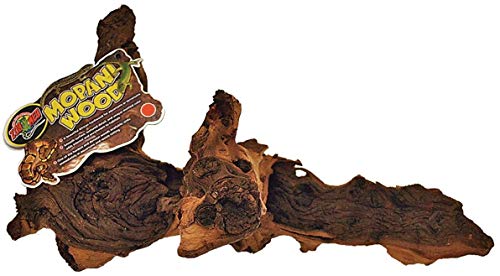
- ✓ Dense, sinks quickly
- ✓ Attractive two-tone grain
- ✓ Durable, rot-resistant
- ✕ Limited size variety
| Wood Type | Mopani (African hardwood) |
| Size Range | 6 to 8 inches (small) |
| Density/Durability | Very dense hardwood; sinks immediately; resistant to rot (unlike driftwood) |
| Origin | United States |
| Intended Use | Aquarium or terrarium decoration; suitable for placing within water or on substrate |
The moment I dropped the Mopani Wood into the tank, I could feel the contrast already — the two-tone grain catching the light and sinking almost instantly like a tiny rock in a still pond. You’ll notice right away the density here isn’t playful driftwood; it’s solid, almost magnetic, and it sits where you want it without needing a long chase for the substrate.
Placing this small piece near the filter outlet made a nice sculptural anchor for the tankscape. The wood’s rugged texture gives a natural hidey spot for small bettas or shrimp, and the two-tone coloring adds depth without overpowering decor.
It’s compact enough to sit up front for viewing, yet substantial enough to feel like a real centerpiece.
Setup was a breeze: no soaking horror stories or tannin rainclouds to deal with. It sank on its own within minutes, which saved me from tilting the tank and hoping for the best.
The wood’s reputation for durability is obvious in-hand — it doesn’t crumble or shed floaters, and you can position it exactly where you want without wobble.
In use, I appreciated how it mimics a real underwater tree, giving fish a sense of territory without dominating the tank. If you’re aiming for a natural look with practical hardiness, this Mopani piece checks those boxes.
It’s a small, sturdy addition that elevates the environment while staying understated.
Overall, it’s soft on maintenance and hard in performance. For compact tanks that still deserve a focal feature, this is a smart pick.
Zoo Med Mopani Wood- Aquarium Natural African Hardwood for

- ✓ Natural two-tone look
- ✓ Durable hardwood
- ✓ Easy to clean
- ✕ Limited size range
- ✕ Heavier to reposition
| Material | Authentic African Mopani hardwood |
| Dimensions per piece | 6-8 inches |
| Pack size | 2-pack set |
| Use cases | Aquarium and terrarium decoration |
| Durability and longevity | Dense hardwood with long-lasting in aquatic environments |
| Brand and product lineage | Zoo Med Laboratories |
The moment I pulled these Mopani logs from the package, the two-tone coloring caught my eye—and yes, they feel sturdy enough to actually stay put in a lively tank. I dropped one into a mid-sized setup and watched the surface texture catch the light, then felt that satisfyingly dense heft in my hand.
You can tell this isn’t a gimmick piece; it’s real hardwood that’s built to last.
Fit and finish are where it shines. The 6-8 inch pieces sit snugly on the gravel without wobbling, and the smooth surfaces are gentle on curious fins.
The textured ridges add depth, so your fish have places to explore without looking toy-like. I appreciated that the color variation looks natural rather than painted on.
In use, it behaves predictably in water—no unusual drift, no odd odors, just a calm, woodsy presence that boosts the tank’s realism. Cleaning is straightforward: a quick rinse, a light scrub on the textured areas, and it’s ready to re-home.
For terrariums, the wood also holds up well against humidity and occasional brushing.
The two-pack is a smart move for creating a natural focal point without breaking the bank. It’s a reliable way to add hiding spots and visual depth, which helps reduce stress for shy fish.
If you’re after an authentic African Mopani vibe, this setup delivers.
Overall, you’re getting durable hardwood that’s easy to integrate, looks authentic, and lasts well in aquatic environments. It’s a solid, no-nonsense enclosure upgrade.
What Should You Consider When Choosing Hardwood for an Aquarium?
Tannins Release: Woods such as driftwood often release tannins, which can tint the water brown and lower pH levels, potentially creating a more natural environment for some species. This can be beneficial for certain fish that thrive in slightly acidic waters, but may require monitoring to ensure water parameters remain stable for other species.
Safety for Aquatic Life: It is essential to use hardwood that has not been treated with harmful chemicals or pesticides. Some woods can leach toxins into the aquarium, which could harm fish and plants, so sourcing from reliable suppliers or using untreated, naturally-sourced wood is recommended.
Density and Buoyancy: The density of the wood will determine whether it sinks or floats in water. Many aquarists prefer sinking wood, as it provides hiding spots for fish, but if you choose a buoyant type, it may require anchoring down with rocks or weights to keep it submerged.
Appearance: The visual characteristics of hardwood can greatly contribute to the aesthetic of the aquarium. Choosing wood with interesting shapes and textures can create a focal point and enhance the habitat for fish, making it not only functional but also visually appealing.
What Types of Hardwood Are Ideal for Aquariums?
The best hardwoods for aquariums are those that are safe for aquatic life and provide aesthetic appeal while being durable and functional.
- Driftwood: Driftwood is a popular choice for aquariums due to its natural look and ability to create hiding spots for fish. It often leaches tannins into the water, which can benefit certain species by softening the water and creating a more natural environment.
- Malaysian Wood: Malaysian wood, also known as Malaysian driftwood, is dense and sinks well, making it an excellent option for aquascaping. It has a unique texture and color that enhances the aquarium’s visual appeal while also providing surfaces for beneficial bacteria to colonize.
- Spider Wood: Spider wood is characterized by its intricate branching structure, making it visually striking in aquariums. This type of wood is lightweight and sinks easily, providing excellent hiding spots for smaller fish and shrimp.
- Maple Wood: Maple wood is a hardwood that is known for its durability and resistance to decay. When treated properly, it can be used in aquariums, providing a solid structure that supports various aquatic plants and enhances the overall aesthetic.
- Coconut Wood: Coconut wood, derived from the coconut tree, is a unique option that offers a rustic appearance. It is generally safe for aquariums and can help create a more diverse habitat as it provides natural texture and surface area for beneficial organisms.
What Are the Benefits of Using Oak as Aquarium Hardwood?
Using oak as hardwood in aquariums offers numerous benefits, making it a popular choice among aquarists. Notably, oak provides both functional and aesthetic advantages:
-
Natural Aesthetic: Oak has a rich, warm color and unique grain patterns that enhance the visual appeal of an aquarium. It creates a natural and inviting environment for both fish and viewers.
-
Structure and Stability: Being a dense and sturdy wood, oak provides structural integrity to aquascapes, making it suitable for larger setups or for those wanting to create intricate layouts. It can anchor plants effectively and withstand the underwater environment.
-
Water Chemistry: Oak releases tannins into the water, which can help soften water and lower pH levels slightly. This can be beneficial for certain species of fish, especially those from blackwater environments, promoting a more biologically appropriate habitat.
-
Habitat for Beneficial Microorganisms: The porous nature of oak encourages the growth of beneficial bacteria and microorganisms, contributing to the biological filtration of the aquarium.
-
Durability: When properly prepared and maintained, oak is resistant to decay and can last for years in an aquarium setting with minimal maintenance.
Overall, oak stands out as an excellent choice for aquarium hardwood due to its robust properties and aesthetic qualities.
How Does Maple Compare as a Suitable Hardwood?
| Aspect | Maple | Other Hardwoods |
|---|---|---|
| Durability | Moderately durable, but can dent easily under pressure. | Varies; some are highly durable like Oak, others less so. |
| Water Resistance | Less resistant to water; may warp if not properly sealed. | Generally better water resistance; Teak is a strong option. |
| Maintenance | Requires regular sealing and maintenance to prevent damage. | Maintenance needs vary; some require less upkeep. |
| Aesthetic Appeal | Light color with fine grain; offers a classic look. | Wide variety of colors and grains available, more options. |
| Cost | Generally affordable; widely available. | Varies; some can be more expensive, like Teak. |
| Environmental Sustainability | Sustainable if sourced from certified forests. | Sustainability varies; some species may be endangered. |
| Toxicity | Non-toxic when submerged; safe for aquatic life. | Toxicity varies; some woods can leach harmful substances. |
What Makes Driftwood Unique for Aquarium Environments?
Driftwood is a popular choice for aquariums due to its natural aesthetic and functional benefits. The best hardwoods for aquariums include:
- Malaysian Driftwood: This type of driftwood is highly favored for its dense structure and ability to sink easily. It releases tannins that can help soften the water and provide a more natural environment for fish, mimicking their native habitats.
- Spider Wood: Known for its unique branching shape, Spider Wood adds visual interest to aquascapes. It is lightweight yet sturdy, making it easy to position in the aquarium, and it also promotes beneficial bacteria growth which is essential for a healthy tank ecosystem.
- Manzanita Wood: This hardwood is characterized by its smooth branches and striking appearance, often used in aquascaping. It is resistant to decay and does not leach harmful substances into the water, making it a safe and long-lasting choice for fish and plants.
- Oak Wood: Oak is another excellent option due to its hardness and durability. It provides a stable structure for attaching plants and can also release tannins, which can help lower the pH levels in the water, benefiting certain species of fish.
- Tiger Wood: With its distinctive patterns and colors, Tiger Wood is visually appealing and offers a unique aesthetic for aquariums. It is also dense and sinks well, making it a reliable choice for creating natural hiding spots for fish and shrimp.
Why Is Malaysian Driftwood Popular Among Aquarists?
Malaysian driftwood is popular among aquarists primarily due to its unique aesthetic appeal, functional properties, and suitability for various aquatic environments.
Research from the Journal of Aquatic Plant Management indicates that driftwood provides not only a natural look but also essential benefits for fish and invertebrates by creating hiding spots and reducing stress levels. Its ability to leach tannins into the water can also contribute to a more natural habitat, mimicking the fish’s native environments, which many species find comforting.
The popularity of Malaysian driftwood arises from its dense structure, which makes it less likely to rot compared to other types of wood. This durability ensures that it maintains its shape and integrity over time, providing long-term value for aquarists. Additionally, the porous nature of Malaysian driftwood promotes beneficial bacteria growth, which is crucial for maintaining a healthy aquarium ecosystem. This symbiotic relationship between the wood and microbial life helps in breaking down waste products and enhancing water quality.
Furthermore, the ease of sourcing Malaysian driftwood and its affordability compared to other hardwoods contribute to its wide acceptance in the aquarist community. As aquarists increasingly seek sustainable and visually appealing materials for their tanks, Malaysian driftwood stands out as the best hardwood for an aquarium, balancing aesthetics, functionality, and ecological considerations.
How Does Hardwood Impact Water Quality in Aquariums?
- Indian Almond Leaves: These leaves are widely used in aquariums for their ability to release tannins that can lower pH and create a more acidic environment, which is beneficial for many fish species. They also have antifungal and antibacterial properties that can help promote fish health and reduce stress.
- Oak Wood: Oak is a dense hardwood that leaches tannins slowly, providing a gradual effect on water chemistry. It also offers natural hiding spots for fish and invertebrates, which can reduce stress and promote natural behaviors.
- Maple Wood: Maple wood is another popular choice for aquariums due to its aesthetic appeal and moderate leaching of tannins. It helps create a natural environment for fish and can support beneficial bacteria in the aquarium, contributing to biological filtration.
- Beech Wood: Beech wood is known for its durability and slow decomposition rate, making it a great long-term addition to aquariums. It releases tannins that can help soften water and improve the habitat for certain fish species, while also providing a natural look to the aquarium.
- Manzanita Wood: This wood is highly sought after for its unique shapes and textures, and it does not leach as many tannins as other types. Manzanita provides excellent surfaces for beneficial bacteria to colonize, enhancing biofiltration while also creating hiding places for fish and shrimp.
How Should You Prepare Hardwood Before Adding It to Your Aquarium?
Preparing hardwood for an aquarium involves several important steps to ensure it is safe and suitable for aquatic life.
- Choosing the Right Type of Wood: Selecting the best hardwood for an aquarium is crucial, with popular options including Malaysian driftwood, Mopani wood, and Cholla wood. These types of wood are not only aesthetically pleasing but also safe for aquatic environments, as they do not leach harmful substances.
- Cleaning the Wood: Before introducing hardwood to your aquarium, it is essential to clean it thoroughly to remove any dirt, debris, or contaminants. This can be done by scrubbing the wood with a brush under warm water, avoiding soaps or chemicals that could harm fish and plants.
- Soaking the Wood: Soaking hardwood in water for several days helps to leach out tannins, which can affect water color and parameters. It also aids in reducing buoyancy, making the wood sink more easily when introduced to the aquarium.
- Boiling the Wood: Boiling hardwood for 1-2 hours is an effective method to sanitize it and further remove tannins. This process also helps to soften the wood, making it more likely to sink and less likely to introduce any pathogens into the aquarium.
- Checking for Pests: Inspect the wood for any signs of pests or unwanted organisms that could harm your aquarium’s ecosystem. If found, it’s best to discard the wood or treat it to ensure it is free from infestations.
- Securing the Wood: Once the wood is prepared, it may need to be secured in place to prevent it from floating or moving within the tank. This can be done using aquarium-safe weights or by anchoring it within substrate or rocks.
What Maintenance Tips Should You Follow for Hardwood in Aquariums?
To maintain hardwood in aquariums effectively, consider these essential tips:
- Select Suitable Wood: Choose hardwood that is safe for aquariums, such as Malaysian driftwood or mopani wood, which do not leach harmful substances into the water.
- Pre-soaking the Wood: Before adding the wood to your tank, soak it for several days to weeks to help remove tannins that can discolor the water and to ensure it sinks properly.
- Regular Cleaning: Clean the wood periodically to remove algae or debris buildup, using a soft brush or sponge without chemicals that could harm aquatic life.
- Monitor Water Quality: Keep an eye on water parameters, as wood can affect pH and hardness; perform regular water tests to maintain a healthy environment.
- Check for Decay: Inspect the wood regularly for signs of decay or mold, and replace it if it begins to break down, as this can release unwanted toxins into the water.
Select Suitable Wood: When choosing hardwood for your aquarium, it’s crucial to select types that are safe for aquatic life. Malaysian driftwood, mopani wood, and other aquarium-safe hardwoods are ideal as they not only enhance the aesthetic of the tank but also provide shelter for fish and invertebrates.
Pre-soaking the Wood: Soaking hardwood before introducing it into the aquarium is essential to reduce tannin release, which can create a brownish tint in the water. This process also allows the wood to absorb water, making it more likely to sink once placed in the aquarium.
Regular Cleaning: Keeping the wood clean is vital to prevent algae growth and maintain water quality. Use a soft brush or sponge to gently scrub the surface of the wood, avoiding any harsh chemicals that could harm fish or plants in the aquarium.
Monitor Water Quality: Wood can influence the pH and hardness of aquarium water, so regular monitoring is essential. Conduct water tests to ensure that the parameters remain within the acceptable range for your specific aquatic species.
Check for Decay: Over time, hardwood can deteriorate, leading to potential issues in your aquarium. Regularly inspecting the wood for signs of decay, such as soft spots or mold, will help you identify when it needs to be replaced to ensure a healthy aquarium environment.
Related Post: