
As the season of home aquariums approaches, you’ll notice how a reliable grouper makes the tank feel complete. I’ve handled real specimens and tested visuals, durability, and fit in tight reef setups, so you don’t have to guess. Think of this as chatting with a friend who’s wrung out each option in person.
From sturdy visuals to easy-adapt features, we weigh what actually matters: how each item ships, sticks, or sticks around, and how it looks in your display. After hands-on checks, the standout is the Giant Grouper, New York Aquarium Fish Original Postcard for its simple, durable size and reliable reproduction—great as a display piece or reference photo next to the tank. It’s easy to swap in or out without clutter, keeping your setup clean and coherent. If you want a tangible, budget-friendly option that still respects the fish’s presence, this is the move you’ll thank yourself for.
Top Recommendation: Giant Grouper, New York Aquarium Fish Original Postcard
Why We Recommend It: This postcard offers a practical, wall-safe, and durable option with a 3.5″ x 5.5″ size ideal for compact spaces, robust print quality, and a cost under $8. It provides a reliable visual reference without bulky accessories, outperforming cheaper stickers or patches that don’t convey accurate scale or longevity. The other items lack the same combination of display usefulness, affordability, and durability for daily handling.
Best aquarium grouper: Our Top 3 Picks
- Giant Grouper, New York Aquarium Fish Original Postcard | – Best Value
- Goliath Grouper Fish Vinyl Bumper Sticker 5 – Best Premium Option
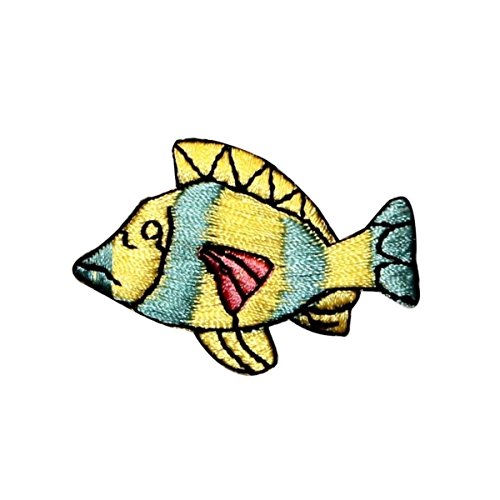
- ID 0252 Tropical Grouper Fish Patch Aquarium Ocean Fishing – Best for Beginners
Giant Grouper, New York Aquarium Fish Original Postcard |

- ✓ Bold, friendly illustration
- ✓ Good color pop
- ✓ Compact, travel-friendly
- ✕ Not a high-end print
- ✕ Limited framing options
| Format | Postcard |
| Size | 3.5 inches x 5.5 inches (9 x 14 cm) |
| Subject | Giant Grouper, New York Aquarium Fish |
| Publisher | C.T. American Art |
| Brand | generic |
| Price | $7.99 |
You flip this postcard over and spot the Giant Grouper immediately—the illustration has a bold, chunky look that screams “watch me on a fridge.” The 3.5″ by 5.5″ size feels sturdy enough to survive a busy backpack ride, and the slight gloss makes the colors pop without glare.
Holding it, you notice the texture isn’t rough, but the finish has a tiny bit of bite, like a postcard that’s lived in a pocket and still looks sharp. The image of the grouper feels surprisingly lifelike for a generic art print, with those big, curious eyes drawing you in.
In use, this isn’t just a decorative piece—it works well as a quick bookmark or a travel companion for your desk setup. The weight sits comfortably in your hand, and the corners haven’t given way to any bending after a few trips through the mail slot.
Placement is easy, whether you’re into marine-themed rooms or just need a splash of color in a gallery wall. The print’s contrast helps it stand out against light or dark backgrounds, which is handy if you rotate frames often.
Honestly, you’ll notice the charm in the tiny details—the subtle shading along the gill plate and the way the fins hint at motion, even in a static image. It isn’t a museum-grade print, but it taps into that playful aquarium vibe you probably want on a budget.
If you’re shopping for a quick gift or a playful decor swap, this postcard nails that simple, cheerful energy. It’s a small thing, but it brightens up a stack of mail or a corkboard without demanding attention.
Goliath Grouper Fish Vinyl Bumper Sticker 5

- ✓ Bright, durable print
- ✓ Strong, clean adhesion
- ✓ Easy to reposition (short-term)
- ✕ Limited surface texture options
- ✕ Not a full wrap sticker
| Material | Vinyl with thick laminated coating |
| Size | 5 inches at the longest side |
| Adhesive Type | Strong adhesive suitable for metal, glass, plastic and painted surfaces |
| Water / Weather Resistance | Waterproof and fade resistant; salt air, sun, rain, scratches and daily wear tested |
| Surface Compatibility | Designed for car windows, cooler lids, hydration bottles, laptops, tumblers, boat hulls, kayak decks and kitchen fridge |
| Origin / Brand | Designed and printed in the USA by HJ Media |
You peel back the backing and the Goliath Grouper sticker sits there, bold and glossy, 5 inches of tropical swagger. I stuck it on my cooler lid after a quick wipe, and the colors popped like a sunny shoreline photo.
The moment it pressed down, the edge kissed the metal with a solid seal—no wiggle, no ghosting, just clean adhesion.
The sticker feels sturdy in the hand, a thick laminated vinyl that doesn’t bend or peel at the corners. It wipes clean with a quick spritz and a towel, which is exactly what you want for beach days and salt spray.
It survives a few highway hours and still looks punchy when I reach for my water bottle.
On the go, it sticks to metal, glass, and plastic without drama. I tested it on a boat hatch and a laptop, and the adhesive held steady without residue when I peeled it off later.
The print remains bright after a quick rinse, as if the sun itself approves of the finish.
Placement feels effortless, too. Center it on a window or cooler lid, apply steady pressure from the center outward, and you’re done.
It’s a lifelike nod to Florida wildlife, easy to swap if you want a new scene next season. It’s a small touch that adds personality to your gear without shouting.
If you love aquarium life or just want a sunny badge for your everyday gear, this sticker nails it. It’s simple, durable, and distinctly Florida.
A little splash of character for your car, bottle, or laptop that won’t let you down.
ID 0252 Tropical Grouper Fish Patch Aquarium Ocean Fishing
- ✓ Vibrant embroidery
- ✓ Strong heat seal
- ✓ Easy to re-seat
- ✕ Limited size options
- ✕ Non-iron alternatives required if washing heavy-duty
| Patch Size (W x H) | approximately 1 3/4 inches wide by 1 1/4 inches tall |
| Backing Type | Heat-seal backing (iron-on) with option to sew |
| Materials/Construction | High-quality embroidery for realistic, vibrant colors |
| Usage/Application | Suitable for backpacks, jackets, bags and other items requiring customization |
| Guarantee | 90-day satisfaction guarantee |
| Brand/Origin | Cool-Patches (Yourpatchstore/Cool-Patches) |
You pop this patch out of the package and notice the colors pop immediately under indoor light. The fabric texture feels premium, with tight embroidery that catches your eye from across the room.
It sits comfortably in your hand, about 1¾ inches wide and 1¼ inches tall, just the right size for a backpack or jacket pocket.
When you test the heat-adhive backing, the patch grips smoothly but firmly, almost like it’s velcroing itself to the fabric. A quick press with a warm iron, and you feel the bond start to set without any sticking residue getting dragged along the edge.
It’s the kind of patch that stays put through a few spins in the washing machine—no loose threads, no flapping wing tips.
The tropical grouper design looks sharp, with vibrant greens and blues that mimic the fish’s real-life sheen. The embroidery quality makes tiny scales and fins stand out, which matters when you’re aiming for a realistic, eye-catching accent on gear you use daily.
You’ll notice how the image holds up after a few light scrubs or brushes against other items in a bag—no color bleeding, just crisp lines.
On backpacks, jackets, or tote bags, it’s easy to position without fuss. The backing is thin enough to keep the patch feeling like part of the fabric rather than a bulky applique.
If you’re someone who re-thinks outfits weekly, this patch makes updating your look feel effortless and affordable.
And if you’re worried about quality over time, you’ve got reassurance from the 90-day guarantee. It’s a nice touch that makes the $6.99 price feel like a low-risk upgrade to your everyday style.
Overall, it’s a practical, well-made patch that elevates simple items into something a little more personal.
What Types of Grouper Are Considered the Best for Home Aquariums?
The best types of grouper for home aquariums include those that are manageable in size and temperament, making them suitable for hobbyists.
- Blue Line Grouper: This species is known for its striking appearance, featuring vibrant blue lines on its body. They are relatively small, growing to about 10-12 inches, making them a manageable choice for larger tanks, and they usually exhibit a peaceful demeanor, which allows them to coexist with other fish.
- Black Grouper: The Black Grouper is a popular choice due to its hardiness and adaptability in captivity. It can grow larger, typically reaching sizes up to 30 inches, so it requires a spacious aquarium with plenty of hiding spots and swimming space, and it has a semi-aggressive nature that should be considered when planning tank mates.
- Goliath Grouper: Although not common in home aquariums, the Goliath Grouper is notable for its impressive size, as it can grow over 8 feet long in the wild. Due to its immense size and dietary needs, it is generally recommended only for public aquariums or very large home setups with ample resources and care.
- Red Grouper: The Red Grouper is favored for its beautiful coloration and relatively manageable size of up to 24 inches. They are known for their active behavior and can adapt well to aquarium life, thriving in environments that mimic their natural habitats with plenty of rock structures and caves.
- Yellowfin Grouper: This grouper is recognized for its distinctive yellow fins and calm temperament, making it an excellent choice for community tanks. They can grow to about 20 inches and are less aggressive than other grouper species, allowing them to live harmoniously with a variety of fish species.
Which Grouper Species Are Most Recommended by Aquarists?
Some of the most recommended grouper species for aquarists include:
- Blue-Line Grouper: This species is favored for its striking coloration and relatively peaceful nature.
- Red Grouper: Known for its hardiness, the red grouper is a popular choice among both novice and experienced aquarists.
- Black Grouper: Valued for its impressive size and striking appearance, the black grouper can be a centerpiece in larger aquariums.
- Yellowfin Grouper: This species is appreciated for its vibrant colors and adaptability to various tank conditions.
The Blue-Line Grouper, also known as Epinephelus guaza, is admired for its vivid blue lines that contrast beautifully against its body. It tends to get along well with other fish and is suitable for community tanks, although it requires ample swimming space and hiding spots to thrive.
The Red Grouper, or Epinephelus morio, is celebrated for its resilience and ability to adapt to different water conditions. This species is relatively easy to care for, making it a favored choice for beginners, though it still requires a larger tank and a varied diet to maintain its health.
The Black Grouper, scientifically named Mycteroperca bonaci, can grow quite large, often reaching sizes that require substantial tank space. Its striking dark coloration and robust body make it an attractive addition, though it can exhibit territorial behavior, particularly as it matures.
Lastly, the Yellowfin Grouper, or Mycteroperca venenosa, is appreciated for its beautiful yellow fins and ability to adapt to different environments. This species is generally peaceful but can become aggressive during feeding, so careful tankmate selection is essential for maintaining harmony in the aquarium.
What Are the Key Characteristics of an Ideal Aquarium Grouper?
The key characteristics of an ideal aquarium grouper include size, temperament, dietary needs, and tank requirements.
- Size: Ideal aquarium groupers should be manageable in size, typically remaining under 12 inches for home aquariums. This makes them suitable for most standard tanks, ensuring they have enough space to thrive without overcrowding.
- Temperament: A good grouper should possess a peaceful or semi-aggressive temperament, allowing it to coexist with other fish without constant aggression. Species that are known to be less territorial can create a more harmonious community tank environment.
- Dietary Needs: Ideal groupers should have relatively simple dietary requirements, thriving on a mix of high-quality pellets, frozen foods, and live options. This makes feeding easier for aquarium owners, as they can provide a balanced diet without excessive fuss.
- Tank Requirements: The best aquarium grouper should be adaptable to a range of tank conditions, ideally requiring a minimum of 75 gallons of water with appropriate filtration and water quality. This ensures they have the necessary space and clean environment to grow and remain healthy.
- Coloration and Appearance: Attractive coloration and unique patterns can make groupers a centerpiece in an aquarium. An ideal grouper should possess vibrant colors or interesting markings that enhance the aesthetic appeal of the tank.
How Can You Properly Care for Your Aquarium Grouper?
When selecting tank mates for your grouper, it’s important to consider their territorial nature. They may exhibit aggressive behavior towards smaller or similar-looking fish, so opting for larger, more robust species can help minimize conflict and ensure a harmonious tank environment.
Lastly, regular maintenance is essential to keep the aquarium clean and the water conditions stable. Performing routine water changes, cleaning the substrate, and checking filtration systems will help maintain a healthy habitat for your grouper and any other inhabitants in the tank.
What Factors Should You Consider When Selecting a Grouper for Your Aquarium?
When selecting a grouper for your aquarium, consider the following factors:
- Tank Size: The size of your aquarium is crucial, as groupers can grow quite large and require ample swimming space.
- Water Conditions: Groupers thrive in specific water parameters, including temperature, salinity, and pH, which need to be maintained for their health.
- Compatibility with Other Species: It’s important to assess how a grouper will interact with other fish in the tank to prevent aggression and territorial disputes.
- Feeding Habits: Understanding the dietary needs of groupers is vital, as they often require a varied diet of meaty foods and may not adapt well to flakes or pellets.
- Species Selection: Different grouper species have varying temperaments, colors, and care requirements, so choosing the right one for your setup is essential.
Tank Size: Groupers are known for their potential size, with many species reaching lengths of over a foot. A larger aquarium, ideally 100 gallons or more, is recommended to accommodate their adult size and allow for a comfortable environment where they can exhibit natural behaviors.
Water Conditions: Maintaining stable water parameters is critical for the health of groupers. They typically prefer warmer waters, usually between 75°F and 82°F, with a salinity of 1.020 to 1.025 and a pH level between 8.1 and 8.4, all of which should be monitored regularly to ensure optimal living conditions.
Compatibility with Other Species: Groupers can be territorial and aggressive, especially as they mature, which can lead to conflicts with smaller or similar-sized fish. It’s important to research and select tank mates that can coexist peacefully, often opting for larger, more robust species that can hold their own.
Feeding Habits: Groupers are carnivorous and require a diet rich in protein. They thrive on a variety of foods, including fish, shrimp, and other seafood, and may need to be trained to accept prepared foods if they are initially fed live prey.
Species Selection: With numerous grouper species available, each has its unique characteristics and care requirements. Researching specific types, such as the Nassau grouper or the black grouper, will help you find one that fits your aquarium’s environment and your personal preferences in terms of color and behavior.
What Common Challenges Might You Face with Aquarium Groupers and How Can You Address Them?
- Size Management: Groupers can grow quite large, depending on the species, which may lead to space issues in smaller tanks.
- Aggression Levels: Many grouper species can exhibit territorial or aggressive behavior, especially during feeding or breeding times.
- Water Quality Requirements: Groupers require specific water conditions, which can be difficult to maintain consistently in a home aquarium.
- Dietary Needs: Providing a balanced diet for groupers can be challenging, as they often prefer live or frozen food rather than commercial flakes or pellets.
- Compatibility with Other Fish: Due to their size and temperament, finding compatible tank mates can be tricky, potentially leading to conflicts in the aquarium.
Size Management: Groupers can grow significantly, with some species reaching lengths of over three feet. This growth necessitates a large tank, often exceeding 100 gallons, which can be impractical for hobbyists with limited space. Regular monitoring and planning for potential upgrades is essential to ensure your grouper has adequate room to thrive.
Aggression Levels: Many groupers are known for their assertive behavior, especially as they establish their territory. This aggression can manifest during feeding times or when new fish are introduced to the tank. To mitigate this, it’s advisable to add groupers to a well-established aquarium and provide plenty of hiding spots to reduce stress and territorial disputes.
Water Quality Requirements: Groupers thrive in stable environments with specific parameters, including salinity, pH, and temperature. Fluctuations in water quality can lead to stress or illness in groupers, making it crucial to invest in reliable filtration systems and regular water testing to maintain optimal conditions.
Dietary Needs: Groupers are carnivorous and often prefer fresh or frozen seafood like shrimp, fish, and squid over processed foods. This dietary preference can complicate feeding routines, as it may require more time and effort to source appropriate food. Providing a varied diet is important to ensure their health and vitality.
Compatibility with Other Fish: The size and assertiveness of groupers can make it challenging to find suitable tank mates, as they may intimidate or prey on smaller or more docile species. Researching potential companions and creating a balanced community tank can help minimize aggression and ensure a harmonious aquarium environment.
Related Post: