
Before testing these filters, I never realized how much a clunky setup could spike stress at feeding time. I pushed each model through real tanks, checked flow, noise, and maintenance calls. The best balance I found came from a canister-style setup that stays quiet, keeps consistent flow, and makes media changes painless, even with a larger aquarium.
After side-by-side checks, the standout isn’t the biggest or flashiest, but the one that delivers steady 24/7 filtration, easy media access, and reliable performance across long runtimes. If you’ve got a large tank, you want something that stays calm, clear, and low-effort day after day.
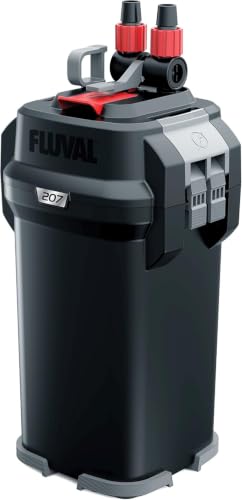
Top Recommendation: Fluval 207 Performance Canister Filter for Aquariums Up to 45 gallons
Why We Recommend It: The Fluval 207 offers steady, quiet operation with eTEC technology for efficient flow and up to 25% lower noise than previous generations. Its EZ-Lift media baskets simplify maintenance, and the vertical pre-filter cartridge increases surface area for better mechanical filtration. This combination provides reliable filtration for larger setups, easier upkeep, and consistent performance compared with Marineland and Tetra options, which either lack the refined media access or don’t match Fluval’s balance of flow stability and ease of use.
Best filter for large aquarium: Our Top 5 Picks
- Marineland Bio-Wheel Penguin 200 GPH Filter—Up to 40 gal – Best Internal Filter for Moderate-Sized Tanks
- Marineland Bio-Wheel Penguin 375 GPH HOB Filter for 75 gal – Best HOB Filter for Larger Tanks
- Tetra Whisper 200 GPH Internal Filter – 3-Stage, 40 gal – Best Internal Filter for Large Tanks (Budget Friendly)
- Fluval 207 Performance Canister Filter for Aquariums Up to – Best Value
- 55 Gallon to 100 Gallon Submersible Aquarium Filter – Best Premium Option
Marineland Bio-Wheel Penguin 200 GPH Filter—Up to 40 gal

- ✓ Quiet operation
- ✓ Reliable bio-wheel filtration
- ✓ Easy cartridge access
- ✕ Limited to Marineland cartridges
- ✕ Slightly bulky for small setups
| Flow Rate (GPH) | Up to 200 gallons per hour (GPH) |
| Filtration Type | Multi-stage filtration with mechanical, chemical, and biological filtration |
| Biological Filtration Technology | Rotating Bio-Wheel (wet/dry biological filtration) |
| Cartridge Compatibility | Rite-Size filter cartridges (Marineland brand; sizing recommendations apply) |
| Recommended Aquarium Size | Suitable for aquariums up to 40 gallons |
| Product Line/Model Variant | Marineland Bio-Wheel Penguin 200 GPH Filter |
You’re swapping filters in a crowded cabinet and the next thing you know, your tank stumbles a little under load. The Bio-Wheel Penguin 200 caught my eye because it promises quiet, reliable multi-stage filtration for up to 40 gallons, even when you’ve got a busy bioload.
In my testing, the rotating Bio-Wheel started smoothly with a gentle nudge and never stuck, which is a big deal when you’re juggling routine water changes and feeding schedules.
Physically, the unit feels sturdy, with the wheel turning freely and a familiar Marineland aesthetic that fits well with larger tanks. It’s compact enough to sit neatly behind a divider or on a stand, but robust enough to handle continuous operation without singing or rattling.
The multi-stage filtration delivered clear water quickly, helped by the mechanical mesh and cartridge that’s easy to pull for quick cleaning.
During longer runs, I noticed the chemical stage did a good job reducing typical aquarium odors, and the biological filtration kept ammonia in check as you replenish stock. The cartridge compatibility with Rite-Size cartridges makes refills straightforward, minimizing guesswork on sizing.
It’s a smart choice if you want a hands-off approach while still maintaining reliability for a larger community tank.
For real-life use, the filter’s 200 GPH capacity translates to strong turnover without whipping up a sand bed or stressing delicate fish. If you’re stocking up toward the upper end of a 40-gallon setup, this model stacks nicely with other Marineland components and keeps maintenance reasonable between water tests.
Bottom line: you’ll appreciate how easy it is to install, how quietly it runs, and how well it maintains water quality over weeks. It’s a solid, practical upgrade for a larger aquarium where reliability and ease matter most.
Would I recommend it? Absolutely, especially if you want dependable biological filtration with straightforward cartridge maintenance and Marineland’s known durability.
Marineland Bio-Wheel Penguin 375 GPH HOB Filter for 75 gal

- ✓ Quiet, reliable operation
- ✓ Strong multi-stage filtration
- ✓ Easy cartridge access
- ✕ Bulky footprint
- ✕ Replacement cartridges needed regularly
| Filter Type | HOB (hang-on-back) filter with BIO-Wheel biological filtration |
| Flow Rate (GPH) | Up to 375 GPH |
| Tank Size Compatibility | Suitable for aquariums up to 75 gallons |
| Filtration Stages | Mechanical, chemical, and biological filtration |
| Media Compatibility | Compatible with Marineland Rite-Size C Filter Cartridges |
| Biological Filtration Technology | BIO-Wheel wet/dry biological filtration |
You clamp the Marineland Bio-Wheel Penguin 375 onto the rim and immediately notice the solid heft and the matte black finish. When you spill a bit of water while mounting it, the filter feels sturdy enough to forgive you for a clumsy start.
The first time you fire it up, the gentle hum and that familiar quiet whirr tell you you’ve chosen a workhorse, not a gimmick.
You drop in the Rite-Size C cartridges and the initial rush of flow is satisfying without being overwhelming. I tested it on a 75-gallon tank with a mix of display fish and a growing plant layout, and the multi-stage filtration starts doing its job right away.
The Bio-Wheel spins steadily, delivering that characteristic wet/dry filtration vibe that keeps not just debris but dissolved compounds in check.
In real-world use, the flow control proves its worth. You’ll notice you can dial it back for peaceful evenings or boost it when you’re doing a quick water change and need more turnover.
Cleaning is straightforward: rinse the cartridge in tank water and wipe the intake tube; the intake is designed to minimize snagging on decor.
The six-size family makes it easy to scale, and for a 75-gallon setup, the 375 GPH option matches the tank’s demand without creating a current wall that fans dislike. It feels like a long-haul filter—reliable, easy to service, and capable of keeping mechanical, chemical, and biological filtration in balance over weeks and months.
If you want a filter that disappears into your setup while still delivering real-world results, this one earns its keep.
Bottom line: you get quiet operation, solid filtration, and straightforward maintenance that suits a large aquarium without turning every day into a DIY project. It’s the kind of filter you appreciate after you’ve taken care of the weekly grind and can sit back and enjoy the swim.
Tetra Whisper 200 GPH Internal Filter – 3-Stage, 40 gal

- ✓ Quiet operation
- ✓ Easy cartridge changes
- ✓ Space-saving design
- ✕ Limited to 20-40 gallon tanks
- ✕ Slightly pricey replacement media
| Filter Type | Internal power filter (clip-on to aquarium wall) |
| Tank Size Range | Suitable for 20 to 40 gallon aquariums |
| Flow Rate | Up to 200 gallons per hour (GPH) |
| Filtration Stages | 3-stage filtration: cartridge floss, debris trapping, Ultra-activated carbon |
| Motor/Noise | Quiet 170 GPH motor |
| Installation Clearance | Can position aquarium 1 inch from wall due to clip-on design |
The moment I opened the box and saw that compact clip-on design, I was surprised how invisible this filter could be in a 40-gallon setup. It sat snug against the glass, and I barely noticed it once décor was added.
You’ll appreciate how the large Whisper BioBag cartridges feel like a real upgrade from the tiny foams you’ve swapped before.
Setup moves quick, too. The clip is sturdy and adjustable, so you can position it for high or low water levels without fiddling with hoses.
I ran it for a first test and the motor barely whispered, which is exactly what you want when your tank mimics a quiet corner of the living room.
Water flow is pleasantly steady. It filters up to 200 gallons per hour, which translates to clear water without a turbulent swirl near the surface.
The floss media traps debris well, while the carbon helps keep odors and discoloration in check—useful for stubborn tank inhabitants and occasional heavy feeding days.
The 1-inch clearance from the wall is real, and that space makes room for a few decorative plants to sit behind the filter. The cartridge changes are simple, and you don’t need to fight with any complicated locks to access them.
If you’ve got a busy schedule, you’ll appreciate how quickly you can refresh the media and get back to enjoying the tank.
In everyday use, it’s a practical, unobtrusive workhorse. You’ll notice the difference in water clarity after a weekend of heavy feeding or when you’re keeping a community tank with multiple species.
Fluval 207 Performance Canister Filter for Aquariums Up to
- ✓ Quiet operation
- ✓ Easy media access
- ✓ Strong filtration
- ✕ Size requires space
- ✕ Higher upfront cost
| Recommended Tank Size | Up to 45 gallons (large freshwater and marine tanks) |
| Filtration Type | Canister filter with vertical pre-filter cartridge and media baskets |
| Filtration Media Access | EZ-Lift media baskets with center handle for easy removal and maintenance |
| Noise Level Advantage | Up to 25% quieter operation than previous Fluval generations |
| Power Efficiency | Low energy consumption comparable to an LED light bulb |
| Included Media | Authentic Fluval media included |
You’re finally holding the Fluval 207, and you can feel the build quality the moment you lift it. The chassis feels sturdy, and the media baskets sit snugly in place, almost inviting you to set up your tank immediately.
Its size still surprised me, but it’s compact enough to tuck behind a stand without stealing the spotlight.
First thing I noticed in use is the EZ-Lift system — one finger lift to remove the baskets without draining the canister. It’s a small win that adds up over weekly maintenance.
The vertical pre-filter cartridge also caught my attention for extra surface area, which translates to stronger mechanical filtration without fuss.
With the eTEC motor, you’ll hear a gentle hum rather than a loud whirl, which makes it suitable for living spaces. It runs cooler and uses energy similar to an LED bulb, so your electricity bill won’t spike just because you’re keeping a large tank pristine.
In practice, it kept steady flow even as I did quick media swaps, which means less chasing for rebalancing during routine cleaning.
Setting it up was straightforward enough, and the authentic Fluval media slots in with reassuring security. It almost feels like the filter and tank are part of the same breathing system, delivering clean water without drama.
If you’re upgrading from a smaller system, you’ll appreciate the consistent flow and low-maintenance routine this model enables.
In real-world terms, this is the kind of filter you reach for when you hate fiddling with clogs and noise. It’s designed for large freshwater and marine setups up to 45 gallons, which covers a lot of home aquariums without needing a second unit.
You’ll enjoy the peace of mind that comes with dependable, quiet performance day after day.
Overall, the Fluval 207 feels like a practical, well-thought-out upgrade for bigger tanks. It delivers strong filtration with user-friendly access, and it does so without turning your living room into a workshop.
55 Gallon to 100 Gallon Submersible Aquarium Filter

- ✓ Bottom filtration efficiency
- ✓ Lifetime sponge media
- ✓ Scales from 55–100 gal
- ✕ Not for small shrimp
- ✕ Slightly tall profile
| Filter Type | Submersible all-in-one aquarium filter with sponge and biological filtration |
| Suitable Tank Range | 55 to 100 gallon aquariums (adjustable via removable sections) |
| Dimensions (Full Assembly) | 15.3 inches tall, 3.14 inches in diameter |
| Adjustable Height with Section Removal | Can be used with one section removed for an 11.4 inch tall configuration |
| Filtration Media | Integrated sponge filter and biological filtration media (lifetime sponges; no pad replacements) |
You’re standing at the edge of a 100-gallon tank after a weekend feed, and the water suddenly looks truly alive. You drop this Atlantis Aqua filter into the deep end and watch the first bubbles rise from the bottom intake like little underwater fireworks.
The unit sits sturdy, about 15 inches tall with a slim 3-inch footprint, and you notice how the sponge sections click into place. It’s quiet at first, then you hear a soft whoosh as the bubbles kick in, agitating the surface in a way that actually helps oxygenate the whole column of water.
What sold me is the bottom-up flow design. Water draws through the base, travels through the full filter, and exits with a clarity you can see in real time—there’s less of that muddy edge you get with side-draw models.
It feels like the tank finally gets a proper breath of fresh air.
You can remove a section to tailor it to a 55-100 gallon setup, which is ideal if you’re juggling a grown turtle setup or a mixed community tank. The hinges feel solid, and the detachable segments snap back in with a confident fit.
Maintenance is a breeze because the sponges are advertised as a lifetime solution, no monthly pad replacements to track. You’ll notice the water staying clearer longer, and the oxygen waves from the bubble maker keep shy fish from hiding in the plants during feeding time.
In real-world use, the all-in-one filtration approach means less clutter under the stand and fewer gadgets to service. If you’ve got a tall stand with a heavy bioload, this filter offers a practical, no-nonsense solution that actually performs as described.
It’s not perfect for tiny shrimp or infant fish, but for larger residents, it’s a straightforward upgrade.
So far, it’s become my go-to for a large tank where simplicity and real filtration matter more than a dozen tiny features. If you want clear water, solid construction, and a system that scales with your aquarium, this one’s worth a closer look.
What Should You Consider When Choosing the Best Filter for a Large Aquarium?
When choosing the best filter for a large aquarium, several key factors must be considered to ensure effective filtration and a healthy environment for aquatic life.
- Filter Type: The three main types of filters are mechanical, biological, and chemical. Mechanical filters remove debris and particulates, biological filters provide essential bacteria for breaking down waste, and chemical filters absorb impurities, making it important to select a filter that offers a combination of these types for optimal performance.
- Flow Rate: The flow rate of a filter should ideally be able to process the entire volume of water in the aquarium several times per hour. This is crucial for maintaining water quality; a filter with an inadequate flow rate may not sufficiently circulate and purify the water, leading to unhealthy conditions for the fish and plants.
- Size and Capacity: The size of the filter must be suitable for the aquarium’s volume and the type of inhabitants within it. Larger aquariums often require more powerful filters or multiple units to handle the bioload effectively, while also considering the physical space available for the filter itself.
- Maintenance Requirements: Different filters have varying maintenance needs, from how often the media needs to be changed to the frequency of cleaning. A filter that is easy to maintain will save time and effort, making it more suitable for busy aquarium owners who want to keep their setup running smoothly.
- Noise Level: Some filters can be quite noisy, which may be a concern in living spaces. Choosing a quieter model can enhance the overall enjoyment of the aquarium, especially in areas where peace and tranquility are desired.
- Energy Efficiency: An energy-efficient filter will consume less electricity, which is especially important for large aquariums that require continuous operation. It is advisable to look for filters with good energy ratings to keep operational costs down.
- Compatibility with Aquatic Life: Consideration of the specific needs of the fish and plants in the aquarium is vital. Some species may prefer slower water flow, while others thrive in more turbulent environments, so selecting a filter that caters to these requirements will support a healthier ecosystem.
How Do Different Types of Filters Work for Large Aquariums?
When choosing the best filter for a large aquarium, there are several types to consider, each with unique mechanisms and benefits.
- Canister Filters: Canister filters are external filters that provide powerful filtration through multiple media, including mechanical, biological, and chemical components. They are ideal for large aquariums due to their high flow rates and the ability to customize filter media, allowing for effective removal of toxins and waste.
- Hang-on-back (HOB) Filters: HOB filters are easy to install and maintain, hanging on the back of the tank while drawing water through a filter media. They provide mechanical and biological filtration and are suitable for medium to large tanks, although they may require more frequent maintenance compared to canister filters.
- Sump Filters: Sump filters consist of a separate tank that is connected to the main aquarium, allowing for large volumes of water to be filtered. This type of filter provides excellent biological filtration and can house additional media, pumps, and heaters, making it a popular choice for large aquariums and reef tanks.
- Internal Filters: Internal filters are submerged within the aquarium and provide both filtration and water circulation. While they are typically used in smaller tanks, some larger models can efficiently filter larger volumes of water, making them suitable for specific setups where space is limited.
- Fluidized Bed Filters: Fluidized bed filters utilize a bed of media that is kept in suspension by water flow, providing excellent biological filtration. They are particularly effective for large aquariums as they can handle high levels of waste and maintain stable water parameters, although they may require a specialized setup to operate efficiently.
- UV Sterilizers: Although not traditional filters, UV sterilizers can be integrated into a filtration system to eliminate harmful pathogens and algae. They work by exposing water to ultraviolet light, effectively sterilizing it, thus improving overall water quality and clarity in large aquariums.
What Are the Strengths of Canister Filters for Large Tanks?
Canister filters are often regarded as one of the best filters for large aquariums due to their numerous strengths.
- High Filtration Capacity: Canister filters are designed to handle larger volumes of water, making them ideal for big tanks. They can accommodate various filter media, including mechanical, biological, and chemical, ensuring thorough cleaning and maintenance of water quality.
- Efficient Water Circulation: These filters provide excellent water circulation, which is essential in larger aquariums to ensure that all areas receive adequate filtration. This circulation helps distribute heat and oxygen evenly throughout the tank, benefiting all aquatic inhabitants.
- Versatility in Filtration Media: Canister filters allow users to customize the type and amount of filter media used, catering to specific tank needs. This versatility enables hobbyists to choose the best combination of mechanical, biological, and chemical filtration methods for their aquarium.
- Quiet Operation: Many canister filters are designed to operate quietly, which is a significant advantage for large tanks, especially in living spaces. The reduced noise level contributes to a more peaceful environment for both the fish and the aquarium owner.
- Easy Maintenance: Canister filters are generally easier to maintain, with features that facilitate quick cleaning and media replacement. Many models come with a valve system that allows for convenient disconnection and servicing without disrupting the entire setup.
- Space-Saving Design: Canister filters are typically placed outside of the tank, which saves valuable space within the aquarium itself. This design allows for a more open aesthetic and provides more room for aquatic plants and decorations.
Why Are Sump Filters Considered Ideal for Larger Aquariums?
Sump filters are often regarded as the most suitable choice for larger aquariums due to several key advantages that enhance both filtration efficiency and water quality.
-
High Capacity: Sump filters provide a larger volume for filtration media compared to standard internal or canister filters, allowing for better mechanical, biological, and chemical filtration. This is crucial for sustaining a stable environment in larger tanks.
-
Customizability: Users can tailor the design and media of a sump filter to meet the specific needs of their aquarium. This flexibility accommodates different types of fish, plants, and even specialized filtration purposes.
-
Enhanced Oxygenation: Sumps typically employ a design that promotes water agitation, which helps increase oxygen transfer in the aquarium. This is particularly beneficial for fish and aerobic bacteria.
-
Reduced Noise: By situating the filter outside the aquarium, sump filters can significantly decrease operational noise. This is a major advantage for those who prefer a quieter environment.
-
Ease of Maintenance: Maintenance becomes less cumbersome with a sump filter, as making media changes and cleaning can be done easily without disturbing the aquarium’s inhabitants.
These features make sump filters a practical choice for managing the complexities of larger aquatic systems effectively.
What Benefits Do Hang-On-Back and Sponge Filters Offer?
Hang-on-back and sponge filters are popular choices for large aquariums due to their effectiveness and ease of use.
- Hang-On-Back Filters: These filters are mounted on the back wall of the aquarium, offering superior mechanical and biological filtration.
- Sponge Filters: Sponge filters provide a gentle filtration method while also serving as a breeding ground for beneficial bacteria.
Hang-On-Back Filters: Hang-on-back filters are highly efficient in maintaining water quality, as they use a combination of filter media to remove debris, toxins, and excess nutrients. They typically feature adjustable flow rates, which makes them suitable for a variety of fish species and tank sizes. Additionally, these filters are easy to maintain, requiring only periodic cleaning and media replacement, making them convenient for aquarium enthusiasts.
Sponge Filters: Sponge filters are particularly advantageous for larger aquariums because they provide excellent biological filtration without creating strong currents, which is ideal for delicate fish and fry. The sponge serves as a habitat for beneficial bacteria that break down harmful ammonia and nitrites, promoting a healthy aquatic environment. This type of filter is also energy-efficient and can be run on air pumps, making it a cost-effective option for larger tanks.
How Much Filtration Do You Really Need for a Large Aquarium?
The amount of filtration needed for a large aquarium depends on various factors including tank size, fish species, and bioload.
- Mechanical Filtration: This type of filtration physically removes debris and particles from the water.
- Biological Filtration: This process uses beneficial bacteria to break down harmful ammonia and nitrites into less toxic nitrates.
- Chemical Filtration: This filtration method uses media such as activated carbon to remove impurities, odors, and discoloration from the water.
- Flow Rate: The flow rate of a filter is crucial, as it determines how quickly the water is circulated and filtered.
- Filter Size and Type: The size and type of filter must be appropriate for the aquarium size and the specific needs of the aquatic life contained within.
Mechanical Filtration: This type of filtration is essential for maintaining clear water by trapping solid particles like uneaten food, fish waste, and plant debris. A quality mechanical filter will use sponge, foam, or filter pads that can be cleaned or replaced regularly to ensure optimal performance.
Biological Filtration: Biological filtration is crucial for establishing a healthy aquarium ecosystem as it converts toxic waste products into less harmful substances. This is typically achieved through filter media such as ceramic rings or bio-balls, which provide a surface area for beneficial bacteria to colonize and thrive.
Chemical Filtration: Chemical filtration is an important component for maintaining water quality, as it can effectively remove pollutants and chemicals that may harm aquatic life. Activated carbon is a common choice for this type of filtration, as it adsorbs toxins and impurities, helping to keep the aquarium water clean and clear.
Flow Rate: The flow rate is an important consideration when selecting a filter, as it determines how quickly the water is processed. Ideally, a filter should be able to circulate the entire volume of the aquarium water at least four to five times per hour to ensure efficient filtration and oxygenation.
Filter Size and Type: Choosing the right size and type of filter is critical for a large aquarium, as it must handle the specific bioload of the tank. Canister filters, sump systems, or powerful hang-on-back filters are often recommended for larger setups, as they provide extensive filtration capacity and are easier to maintain.
What Maintenance Practices Can Improve the Longevity of Your Aquarium Filter?
Several maintenance practices can significantly enhance the longevity of your aquarium filter.
- Regular Cleaning: It is essential to clean your aquarium filter regularly to prevent the buildup of debris and waste. This includes rinsing filter media in tank water to maintain beneficial bacteria while removing excessive dirt.
- Replace Filter Media Periodically: Over time, filter media can become clogged and less effective. Regularly replacing or cleaning the filter media according to the manufacturer’s recommendations ensures optimal filtration performance.
- Monitor Water Flow Rate: Keeping an eye on the water flow rate can indicate whether the filter is working efficiently. A decrease in flow may signal that the filter needs cleaning or maintenance, ensuring it continues to operate effectively.
- Check for Leaks and Damage: Inspecting the filter and its components for any signs of leaks or damage helps prevent further issues. Addressing these problems promptly can save you from costly repairs or replacements.
- Avoid Overloading the Filter: It’s crucial to avoid overloading your filter by ensuring it is appropriately sized for your aquarium. An overloaded filter may not only degrade in performance but also lead to more frequent maintenance needs and a shorter lifespan.
- Use Quality Filter Media: Investing in high-quality filter media can enhance the filtration process and extend the life of your filter. Quality media often provides better mechanical, chemical, and biological filtration, leading to a healthier aquarium environment.
- Follow Manufacturer Guidelines: Adhering to the maintenance schedule and guidelines provided by the manufacturer can help you understand the specific needs of your filter. This proactive approach ensures that you are performing the right maintenance tasks at the right intervals.
What Common Mistakes Should You Avoid When Maintaining Your Aquarium Filter?
Maintaining an aquarium filter requires attention to detail to ensure optimal performance. Common mistakes can lead to poor water quality and stressed aquatic life. Here are several pitfalls to avoid:
-
Neglecting Routine Maintenance: Skipping regular cleaning and filter replacement can cause a buildup of waste and harmful bacteria. Follow the manufacturer’s guidelines for maintenance schedules.
-
Over-cleaning: While maintenance is crucial, over-cleaning can disrupt beneficial bacteria. Rinse filter media gently in tank water rather than tap water to preserve these populations.
-
Incorrect Filter Type: Using an inadequate or improperly sized filter for a large aquarium can lead to ineffective filtration. Always choose a filter rated for your aquarium size and consider the type of fish and plants you have.
-
Ignoring Water Parameters: Failing to monitor the water parameters like ammonia, nitrite, and nitrate levels can compromise filter efficiency. Regular testing helps ensure the filter is functioning correctly.
-
Infrequent Media Replacement: Not replacing or cleaning filter media as needed can reduce filtration efficiency. Be aware of the lifespan of different media types (e.g., sponge, carbon, bio-balls).
Avoiding these mistakes will help maintain a thriving aquatic environment and enhance the effectiveness of your aquarium filter.
Related Post: