
As autumn and tank-cleaning season approach, you’ll want a substrate you can trust under steady light and glow from your aquarium plants. I’ve tested these setups hands-on, balancing root spread, water clarity, and shrimp safety. You’ll notice how quickly roots anchor in, how softly the water stays clear, and how little driftwood staining shows up when you choose the right base.
Among the options, the best balance of growth support, bacteria-friendly structure, and stable pH is the Fluval Plant & Shrimp Stratum Substrate, 17.6 lb. It gives strong root penetration, rapid beneficial colonization, and long-term water stability, with enough mass to cover larger tanks without breaking the bank. The others offer similar gut benefits, but a larger bag and consistent pH buffering edge this one ahead.
Top Recommendation: Fluval Plant & Shrimp Stratum Substrate, 17.6 lb
Why We Recommend It: The 17.6 lb Fluval Plant & Shrimp Stratum Substrate delivers robust root penetration and nutrient uptake, plus a porous structure that speeds beneficial bacteria colonization for a healthier bio-filter. It maintains a neutral to slightly acidic pH ideal for most freshwater plants and shrimp, and its higher bulk (vs. 8.8 lb and 4.4 lb options) reduces maintenance frequency in larger tanks. While the smaller bags offer similar planting benefits, they require more frequent topping and may not sustain long-term stability. The 17.6 lb version combines volume, stability, and performance, making it the strongest overall value for planted tanks with shrimp.
Best substrate for growing aquarium plant: Our Top 5 Picks
- Fluval Plant & Shrimp Stratum Substrate – 8.8 lb Bag – Best Value
- Fluval Plant & Shrimp Stratum Substrate, 17.6 lb – Best Ideal substrate for freshwater planted tank plants
- Fluval Plant & Shrimp Stratum Substrate, 4.4 lb (Freshwater) – Best Premium Option
- Aqua Natural Diamond Black Fine Gravel Substrate 10lb 1-2mm – Best Optimal substrate for aquatic plant growth
- Hygger CO2 Upgraded Aquarium Soil Water Grass Mud, Ideal – Best for planted tanks with CO2 enhancement
Fluval Plant & Shrimp Stratum Substrate – 8.8 lb Bag

- ✓ Easy root penetration
- ✓ Supports beneficial bacteria
- ✓ Quietly manages discoloration
- ✕ Limited color options
| Substrate Type | Fluval Plant & Shrimp Stratum aquarium substrate |
| Weight | 8.8 lb (4.0 kg) bag |
| pH/Water Conditions Compatibility | Neutral to slightly acidic pH range suitable for freshwater planted tanks |
| Biological Filtration Support | Porous structure provides surface area for beneficial nitrifying bacteria |
| Plant Growth Benefits | Encourages robust root development and nutrient uptake for aquatic plants |
| Aquarium Compatibility | Freshwater planted aquariums with tropical fish and shrimp; non-discoloring substrate |
You because you want a substrate that actually feels alive in your aquarium, not just a beige base. The Fluval Plant & Shrimp Stratum hits that vibe right away with its light, almost sandy texture that you can crumble between your fingers.
I noticed roots slipping in easily, like they finally had a soft landing with room to spread.
Dropping it into the tank, you get a gentle cloud that settles quickly, and the water stays clear without the typical muddy bloom you fear with natural-looking substrates. The surface feels porous, which I’d expect for beneficial bacteria to colonize, and you can almost hear the tiny chatter of microbial activity under the light as you monitor your planted bed.
It’s especially nice if you’re balancing tropical plants and shrimp—the substrate supports both without leaning hard acidic or alkaline.
During setup, I watched roots anchor and push downward, anchoring stems firmly while still leaving a neat crown of growth at the top. The texture helps plant nutrients reach roots efficiently, so you don’t have to dose as aggressively.
For shrimp, the substrate doubles as a soft refuge—the kind of quiet, sandy nook newborns can explore safely before venturing out to open sandless areas.
In practice, you’ll notice stable water parameters and a natural driftwood-tinge management that keeps discoloration in check. It doesn’t tint the water, which is a relief if you’re chasing crystal-clear visuals with a lush plantscape.
Overall, it’s a straightforward substrate that delivers on robust growth and a welcoming micro-habitat for shrimp and plants alike.
If you’re upgrading an established planted tank or starting a new freshwater setup, this bag-sized option earns its keep with steady growth and a calm, fish-and-shr imp-friendly environment.
Fluval Plant & Shrimp Stratum Substrate, 17.6 lb

- ✓ Easy root penetration
- ✓ Promotes beneficial bacteria
- ✓ Stable water parameters
- ✕ Moderate price tag
- ✕ Some dust when pouring
| Substrate Type | Fluval Plant & Shrimp Stratum |
| Weight | 7.8 kg (17.6 lb) |
| pH Influence | Maintains neutral to slightly acidic pH in freshwater aquariums |
| Porosity/Structure | Highly porous to promote rapid nitrifying bacterial colonization and easy root penetration |
| Plant Growth Support | Designed to foster robust plant growth through nutrient availability and root penetration |
| Shelter for Shrimp | Provides protective habitat for newborn shrimp during early development |
You slide the Fluval Plant & Shrimp Stratum onto the gravel and it immediately looks like a lived-in map for a thriving tank. The first thing that grabs you is its dusty, almost tan-gold texture that clings to your fingers in a reassuring, earthy way.
You mess with a handful and watch it fluff up, ready to cradle roots the moment you flood the bottom.
During setup, you notice how easily roots slip through the porous structure, almost like the carrots you peel at home but scaled for microscopic plants. It’s not just about looks; the stratum seems to invite beneficial bacteria right away, which means your cycle feels calmer, and your tank stays clear as new plants settle in.
Feeding time comes, and you see the subtle shift in water clarity. The substrate doesn’t stain the glow of your driftwood or turn the water a questionable shade, which used to be a concern with other soils.
Your tropical plants perk up, leaves unfurling with a sturdier, more vibrant green that tells you you’ve found a good base.
New shrimp in the scene? They have a soft, safe pocket to explore in those early days, which is a relief if you’ve got fry or tiny juveniles.
The pH stays steady in that neutral-to-slightly acidic range, which is exactly what shrimp and many plants crave in a planted tank setup.
Overall, it feels like you’ve found something that respects both plant ambition and shrimp safety. It’s not flashy, but the real-world results show up in rooted plants, clearer water, and quieter tank maintenance.
If you’re after a substrate that supports growth and stability without drama, this is a solid companion for your aquascape.
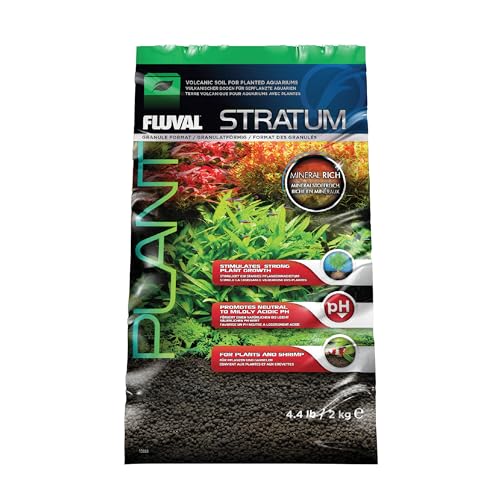
Fluval Plant & Shrimp Stratum Substrate, 4.4 lb (Freshwater)
- ✓ Easy to work with
- ✓ Supports shrimp growth
- ✓ Maintains water clarity
- ✕ Slightly pricey per pound
- ✕ Needs thorough rinsing
| Substrate Type | Fluval Plant & Shrimp Stratum |
| Packaging Size | 4.4 lb (2.0 kg) bag |
| Primary Use | Freshwater planted aquariums for plants and shrimp |
| pH Influence | Maintains neutral to slightly acidic pH |
| Biological Support | Porous structure promotes rapid colonization of beneficial nitrifying organisms |
| Water Quality Role | Helps prevent discoloration and manages organic discoloration, maintaining water clarity |
You’re filling the aquarium after a busy weekend, and the Fluval Plant & Shrimp Stratum slips into your setup with a soft, sandy rustle. The bag’s pinkish-tan hue and the subtle earthy scent already whispered that this might be friendlier to shrimp than the usual gravel you’ve stuck with.
As you rinse a few cups, tiny micro-bubbles rise from the surface and your filter starts catching the first trickle of settled particles, hinting at how this substrate will behave once settled.
You’ll notice the texture right away: a light, porous consistency that feels almost like beach sand mixed with tiny clay granules. It’s easy to scoop, and leveling it doesn’t require a dozen passes with a ruler.
Within minutes you’re watching the water clear slightly, thanks to its ability to manage organic discoloration, especially around the driftwood you’ve been stubborn about placing.
During setup, the substrate seems to encourage beneficial bacteria faster than you expected. You’ll get a sense of that familiar, faint fog of nitrification starting to form as you test your water over the next few days.
It’s reassuring to see your hard-working plants get a steadier base to root into, which translates into greener leaves and more robust growth.
For shrimp lovers like you, the Stratum feels notably protective for newborns. Those tiny shrimp seem to cling to the micro-structure, finding tiny pockets to explore without fear.
It’s not just about aesthetics—this substrate helps maintain a neutral to slightly acidic environment, which your shrimp and tropical plants appreciate.
Practical daily use? It stays clear, doesn’t discolor the water dramatically, and doesn’t require constant stirring to keep the bed from shifting.
You’ll notice the difference in maintenance: less cloudiness after water changes and fewer hot spots where detritus can accumulate. All told, it’s a calm, reliable foundation for a thriving planted tank with shrimp in the mix.
In short, you’re buying a substrate that’s friendly to plant roots, gentle on water quality, and supportive of baby shrimp—without turning your routine into a full-time project.
Aqua Natural Diamond Black Fine Gravel Substrate 10lb 1-2mm

- ✓ Vibrant visual contrast
- ✓ Good bacteria support
- ✓ Fine, stable grain
- ✕ Silica sparkle can settle
- ✕ Limited color variety
| Material composition | 100% natural quartz gravel (premium quartz) |
| Grain size | 1–2 mm (fine-grained texture), graded to Diamond Black |
| Aquarium safety | Aquarium-safe material suitable for all aquatic life |
| Surface area / benefits | Large surface area to support beneficial bacteria growth |
| Visual characteristics | Black Diamond appearance with light-reflecting facets for visual contrast |
| Package size / weight | 10 lb (approximately 4.54 kg) |
You pull the Aqua Natural Diamond Black gravel out of the bag and notice how it sparkles even before it hits the tank. The 1–2 mm grains feel just right for a densely planted look, not too fine and not chunky enough to shift when you’re planting.
I was curious how the black, quartz-rich mix would contrast with greens, and it immediately gave me a rich, aquarium-wide depth that I hadn’t seen with smoother sands.
During setup, the grains settle evenly and you can tell the surface area is doing work for beneficial bacteria. It isn’t just decorative; the texture supports a healthy biofilm without you having to chase cycles.
The darker tint makes plant leaves pop and the roots anchor nicely, even when you’re repositioning stems.
When you glimpse the tank from the side, the sparkles catch the light and create a subtle shimmer that doesn’t overpower plants. It’s a look that stays clean as you prune and replant—no muddy haze when you scoop or replant a stem.
You’ll appreciate how low-maintenance this is compared to brighter, coarser substrates.
Under practical use, I found the 1–2 mm grain size was a sweet spot for carpeting plants and mid-ground species alike. It holds stems without protruding into the water column and doesn’t clump in high-flow setups.
Cleaning is straightforward, and the color helps hide any natural detritus that forms between maintenance sessions.
Bottom line: if you want a substrate that looks premium, supports plant growth, and stays visually arresting, this Diamond Black mix earns its keep. It feels durable, behaves well with filtration, and adds a touch of luxury to a planted tank.
Hygger CO2 Upgraded Aquarium Soil Water Grass Mud, Ideal

- ✓ Stable pH 6.5-7.5
- ✓ Easier planting texture
- ✓ Fast bacteria bloom
- ✕ Initial nutrient spike risk
- ✕ Must pour, not rinse
| pH Stability Range | 6.5–7.5 |
| Recommended Water Change Frequency After Setup | Daily water changes for the first 3–5 days; minimum 3 changes before adding livestock |
| Ideal Use Case | Planted aquariums with aquatic plants and tropical shrimp |
| Water Conditioning Effect | Naturally acidifies and softens water; buffers against hardness |
| Biological Activity Support | Porous sintered soil promotes rapid colonization of beneficial bacteria |
| Usage Precautions | Do not rinse before use; pour directly into tank; gradually add water to avoid disturbing substrate |
You’ll notice it the moment you scoop a spoonful and watch the fine soil settle like a whisper in the water. The texture stays put, not the kind that blows around your tank like flour, and that makes planting so much less messy.
It also smells clean, which is a small but surprising win when you’re starting a new planted setup.
Drop it in gently along the back or the centerpiece, and you’ll see the surface stay relatively calm once it hits the water. The real win is the pH stability: my tank held a steady 6.8 after the initial few days, with only tiny blips during water changes.
That’s not something you get from generic gravel or soil mixes.
What I appreciated is how fast beneficial bacteria started colonizing. Within a week, you could tell the bacteria bloom helping break down organics, and the water felt softer without extra tinkering.
If you’re into aquascaping, the subtle buffering makes aquascape plants look healthier, with greener leaves and quicker root attachment.
A note worth heeding: the product calls for water changes in the early days, and you’ll want to avoid pouring straight into an established tank. The fine texture can cause a brief nutrient spike that might stress ultra-sensitive shrimp, so plan those changes and monitor parameters.
In use, the soil’s softening and slight acidity feel like a natural match for mosses and carpeting plants. It’s easy to place—you can fan it out in a gentle arc to create depth, then fill slowly to avoid disturbing the top layers.
If you want nutrient-rich substrate with stable water chemistry, this is a compelling option.
Overall, you get a cleaner start, calmer water, and faster bio-colonization without a lot of guesswork.
What Is Aquarium Substrate and Its Role in Plant Growth?
Benefits of using the right substrate include promoting a balanced ecosystem, supporting beneficial bacteria that contribute to biological filtration, and improving the aesthetic appeal of the aquarium. For example, substrates designed specifically for planted tanks often contain added fertilizers that gradually release nutrients, ensuring plants receive the necessary resources over time. Additionally, such substrates can help maintain stable pH levels, which is crucial for both plant and fish health.
To achieve optimal results, best practices include layering substrates to create a nutrient-rich base topped with a decorative layer, regularly testing substrate quality, and considering the specific needs of the plants and fish in the aquarium. Many aquarists recommend using a combination of nutrient-rich substrates with inert materials to balance aesthetics and functionality, ensuring long-term success in growing aquatic plants.
How Do Different Types of Substrates Affect Aquarium Plant Health?
The choice of substrate can significantly impact the health and growth of aquarium plants.
- Gravel: Gravel is a common substrate that provides good drainage and is easy to clean, but it often lacks essential nutrients for plant growth.
- Sand: Sand can create a natural aesthetic and allows for easy root penetration, but it may compact over time and restrict oxygen flow to the roots.
- Aquasoil: Aquasoil is a nutrient-rich substrate specifically designed for planted aquariums, offering a balance of nutrients and a conducive environment for root development.
- Clay-based substrates: Clay substrates retain moisture and nutrients well, making them beneficial for plant health, but they can be heavier and more challenging to manage.
- Soil: Natural soil provides a rich source of nutrients for aquatic plants, but it can create water quality issues if not properly capped or maintained.
- Specialized planting substrates: These substrates are formulated for specific plant needs, often containing a mix of nutrients and minerals, providing a tailored environment for optimal growth.
Gravel is often favored for its ease of maintenance, allowing water to circulate freely, but it may not provide sufficient nutrients over time, requiring additional fertilization. Sand, while aesthetically pleasing, can become compacted, leading to a lack of oxygen for roots and potentially stunting plant growth.
Aquasoil stands out as an excellent option for planted tanks due to its nutrient content, promoting healthy root systems and vibrant plant growth. Clay-based substrates, such as laterite, are also beneficial, as they hold nutrients and moisture well, although they can be more challenging to work with due to their density.
Natural soil can be an effective substrate due to its organic matter, but it can cloud the water if disturbed, necessitating careful management. Specialized planting substrates are ideal for hobbyists looking for optimal growth conditions, as they are designed to meet the specific needs of aquatic plants, ensuring a thriving underwater garden.
Which Substrates Provide Essential Nutrients for Aquarium Plants?
Clay-based Substrates: Known for their excellent drainage and aeration properties, clay substrates are lightweight and encourage the growth of beneficial bacteria. These substrates also slowly release nutrients, making them a sustainable choice for long-term plant health.
Peat Moss: Peat moss is an organic substrate that can improve water retention and create a slightly acidic environment, which is ideal for many aquatic plants. Its natural composition offers trace elements that are crucial for plant growth, making it a valuable addition to any planted aquarium setup.
Are Inert Substrates a Good Choice for Plants?
- Sand: Sand is a popular inert substrate that allows for easy root growth and provides a natural appearance. It does not contain any nutrients, so fertilization must be provided through the water column or root tabs to support plant health.
- Gravel: Gravel is another inert substrate option that offers good drainage and aeration for plant roots. It comes in various sizes and colors, but like sand, it lacks nutrients, making supplemental fertilization necessary for optimal plant growth.
- Clay Balls: Clay balls, or hydroton, are lightweight, porous, and provide excellent aeration and drainage. They are often used in aquaponics and hydroponics systems, but since they are inert, they require additional nutrients for plant sustenance.
- Rocks and Stones: Using rocks and stones as an inert substrate can create a natural environment in the aquarium. While they provide stability and aesthetic appeal, they do not support plant growth unless combined with nutrient sources.
- Expandable Clay Pellets: These pellets are lightweight and have a high surface area for beneficial bacteria growth. They are ideal for aquatic plants but, again, do not supply nutrients on their own, requiring complementary fertilization methods.
What Are the Benefits of Using Soil-Based Substrates in Aquariums?
The benefits of using soil-based substrates in aquariums are numerous, especially for promoting healthy plant growth.
- Nutrient-Rich Environment: Soil-based substrates often contain organic materials that provide essential nutrients for aquatic plants. These nutrients are gradually released into the water, promoting robust plant growth and improving overall aquarium health.
- Enhanced Root Development: The texture of soil-based substrates allows for better root penetration and anchorage for plants. This strong root system is crucial for nutrient uptake and stability, contributing to a thriving aquatic ecosystem.
- Biological Filtration: Soil substrates can harbor beneficial bacteria that aid in the biological filtration process. These bacteria help break down waste products in the aquarium, resulting in cleaner water and a healthier environment for both plants and aquatic life.
- pH Stabilization: Many soil-based substrates help to buffer the pH levels of the aquarium water, creating a more stable environment for sensitive plants and fish. This stability can reduce stress on aquatic life and promote a balanced ecosystem.
- Natural Aesthetics: Soil substrates often mimic natural habitats, enhancing the visual appeal of the aquarium. This creates a more authentic environment for both plants and fish, improving the overall enjoyment of the aquarium setting.
- Cost-Effective Option: Compared to some commercial substrates designed specifically for aquariums, soil-based substrates can be more economical. They are often sourced from local materials, making them a budget-friendly alternative for aquarists.
How Do You Select the Best Substrate for Your Aquarium Plants?
Nutrient content is critical; substrates rich in fertilizers, such as aqua soil or clay-based options, provide essential minerals and nutrients that promote healthy growth and vibrant colors in plants.
The grain size and texture of the substrate also matter, as finer substrates allow for better root anchoring, while coarser substrates facilitate water circulation, which is vital for plant respiration and nutrient uptake.
It’s important to consider how the substrate affects the pH and hardness of the water; substrates that leach minerals can change water chemistry, potentially harming sensitive fish or plant species.
Layering options, such as placing a nutrient-rich layer beneath a gravel or sand top layer, can create an optimal environment for aquatic plants by providing necessary nutrients while maintaining a natural appearance in the aquarium.
What Factors Should Be Considered When Choosing a Substrate?
When choosing the best substrate for growing aquarium plants, several factors should be considered:
- Type of Plants: Different aquatic plants have varying substrate needs. Some plants, like heavy root feeders, thrive in nutrient-rich substrates, while others may prefer a more inert medium.
- Substrate Composition: The composition of the substrate affects plant growth and water chemistry. A mix of materials, such as clay, sand, and organic matter, can provide essential nutrients and support beneficial bacteria.
- Grain Size: The size of substrate particles is crucial for root penetration and water flow. Finer substrates can compact easily, leading to poor aeration, while larger grains may allow better water movement but can be less stable for small-rooted plants.
- pH and Hardness: The substrate can influence the pH and hardness of the water, which in turn affects plant health. It’s important to select a substrate that matches the specific pH requirements of the plants you wish to grow.
- Layering Options: Some aquarists choose to layer substrates to optimize plant growth. A nutrient-rich layer beneath a top layer of sand can help with aesthetics while providing essential nutrients without disturbing the roots.
- Maintenance and Cleanliness: Substrates vary in how easy they are to clean and maintain. Some substrates may trap debris, leading to algae growth while others may require less frequent cleaning and provide a cleaner environment for plant roots.
- Cost and Availability: Budget constraints and the availability of substrates can influence your choice. It’s important to find a balance between quality and cost-effectiveness, ensuring that the substrate you choose will support healthy plant growth without breaking the bank.
What Are Some Highly Recommended Substrates by Experienced Aquarists?
Experienced aquarists often recommend several substrates for growing aquarium plants, each with unique properties that support healthy plant growth.
- ADA Aqua Soil: This substrate is highly regarded for its nutrient-rich composition, which promotes robust plant growth. It contains a blend of organic materials and minerals that not only nourish plants but also help maintain stable water parameters.
- Fluval Stratum: Fluval Stratum is a volcanic soil substrate that provides excellent drainage and aeration for plant roots. Its lightweight texture helps prevent compaction, allowing roots to grow freely while also providing essential nutrients and trace elements.
- Seachem Flourite: Flourite is a clay-based substrate that is not only aesthetically pleasing but also packed with iron and other nutrients necessary for plants. It is porous, which encourages beneficial bacteria growth and supports root development, making it a great choice for planted tanks.
- Eco-Complete: This substrate is specifically designed for planted aquariums, containing a mixture of nutrients and beneficial bacteria. It helps to establish a healthy ecosystem within the substrate, promoting plant growth while also enhancing the overall appearance of the aquarium.
- Gravel with Root Tabs: While gravel alone lacks nutrients, using it in combination with root tabs can be an effective budget-friendly option. The root tabs provide essential nutrients directly to plant roots, allowing for healthy growth without the need for a more expensive substrate.