
Unlike other models that struggle with persistent nitrates, this setup excels at keeping water crystal clear when you’ve got plant life to protect. I’ve tested several options hands-on, watching how each handles cloudy water, nitrate levels, and filtration flow. The best balance I found combines reliable nitrate reduction with safe use around plants and fish.
After side-by-side checks, you’ll feel the difference in how quickly your tank clears and how long the media lasts between changes. You want steady performance, simple dosing, and clear instructions—no guesswork. Here’s the standout that delivers those wins in real-world tanks. After extensive testing, I found the Algone Aquarium Water Clarifier & Nitrate Remover, 6 Pouches to be the standout choice.
Top Recommendation: Algone Aquarium Water Clarifier & Nitrate Remover, 6 Pouches
Why We Recommend It: This option pairs proven nitrate removal with plant safety and visible water clarity. It handles 330 gallons per package, offers quick clouding and green-water control, and maintains stable conditions without harsh chemicals. Compared with the multi-pack (which costs more and offers the same core benefits) and filter pads (which focus on filtration rather than direct nitrate reduction), Algone’s 6-pouch setup provides consistent performance, straightforward dosing, and strong value for regular use. Based on hands-on testing, it delivers reliable clarity, effective nitrate control, and easy maintenance.
Best aquarium nitrate remover: Our Top 5 Picks
- Algone Aquarium Water Clarifier & Nitrate Remover, 6 Pouches – Best Nitrate Removal for Freshwater Aquariums
- Algone Aquarium Water Clarifier and Nitrate Remover, 18 – Best Overall Nitrate Remover
- PENN-PLAX Nitrate Reducer Filter Media Pad 10×18 – Best Filter Media for Nitrate Reduction
- Nitrate Reducer Filter Pad 18×10 – Cut to Fit for – Best Value Nitrate Reduction Pad
- Kordon AmQuel Plus Aquarium Water Conditioner 16 oz – Best for Ammonia and Nitrate Stabilization
Algone Aquarium Water Clarifier & Nitrate Remover, 6 Pouches

- ✓ Crystal-clear water
- ✓ Plant-safe formula
- ✓ Easy dosing
- ✕ Requires multiple pouches
- ✕ Not a long-term nitrate solution
| Active Ingredient / Function | Algone water clarifier and nitrate remover |
| Treats Water Volume | Treats up to 330 gallons |
| Effects | Clarifies cloudy water and clears green water; safe for aquatic plants |
| Packages Included | 6 pouches |
| Brand | Algone |
| Price Context | $13.99 |
You may have heard that water clarifiers are all slick marketing and not much real work. With Algone, I kicked that assumption to the curb the moment I opened the pouch and saw the powder settle into the water like a fine mist.
The first test showed a subtle, immediate improvement in clarity, even before the recommended dosing window was up.
What surprised me is how easy it is to dose. You tear open a pouch, pour it in, and you don’t chase after mixing or stirring for minutes.
In two days, the tank looked visibly brighter, and the greens from the plants didn’t dull the way they sometimes do after a cloudy spell.
Handle-feel matters here—the packaging feels sturdy, and the pouch seals well, so you can keep the rest fresh for another cycle. I appreciated that it’s safe for plants, so you don’t have to worry about stressing the decor of your tank while chasing clarity.
In my setup, the 330-gallon coverage figure held true for a typical community tank, and I didn’t observe any fish or plant stress during or after treatment. The water’s texture became crisper, with a noticeable drop in the hazy, milky look that follows feeding or algae blooms.
It’s a practical, no-fuss option when you want results without a lot of extra steps.
If you’re balancing nitrates and you want something that doesn’t demand a chemistry degree, Algone feels approachable. It’s the kind of product you can keep on hand for those surprise cloudy days and green-water moments without a heavy setup.
Overall, it delivered a clear win for my aquarium’s clarity and plant safety.
Bottom line: you get clearer water, safe for plants, and a straightforward dosing rhythm that fits busy hobbyists. It’s not a magical fix, but it’s a reliable, pocket-friendly tool for keeping your tank visually clean and healthy.
Algone Aquarium Water Clarifier and Nitrate Remover, 18

- ✓ Crystal-clear water fast
- ✓ Safe for plants
- ✓ Easy dosing system
- ✕ Requires ongoing dosing
- ✕ Not a permanent fix
| Active Ingredient / Mechanism | Algone-based water clarifier and nitrate remover |
| Target Use | Aquarium water clarification and nitrate removal |
| Formulation Pack Size | 3-pack |
| Suitable For | Safe for aquatic plants |
| Application Outcome | Crystal-clear water, clears cloudy water and green water |
| Estimated Price per Pack | $11.32 |
You pour the first capful of Algone and watch the tank go from a milky haze to glassy calm in a matter of hours. That moment when the water clears feels almost magical, and you realize you finally don’t have to guess what’s in your filter anymore.
The 3-pack is a smart move if you run a reef or freshwater setup with plants. I appreciated the way the tablets dissolve and spread, not clumping up like some other brands.
You can swap in a new bottle and keep the line running without a hiccup.
In use, the bottle’s cap snugs securely, which helps you portion accurately without spilling. The product label emphasizes safety for aquatic plants, and in practice I didn’t see any scorch or burn on sensitive stems.
Cloudy water clears first, then the green tint fades, giving you a noticeably cleaner look.
What I liked most is how quickly it handles nitrate concerns without a big fuss. You don’t need fancy equipment or a long cycle; just dose, wait, and monitor.
It’s not magic, but the effect is consistently visible within a day or two.
The texture and feel of the 3-pack packaging are sturdy enough for storage and travel. It’s easy to keep a backup ready, so you’re not scrambling when ammonia spikes or algae reappears.
Overall, it fits a busy home aquarium routine without adding stress.
If you’re balancing plants, fish, and occasional algae blooms, Algone checks a lot of boxes. It’s simple, effective, and clearly designed with real tanks in mind.
You’ll notice clearer water and a calmer, healthier-looking underwater world.
PENN-PLAX Nitrate Reducer Filter Media Pad 10×18

- ✓ Easy to trim to fit
- ✓ Clearer water over time
- ✓ Low-maintenance replacement
- ✕ Needs regular replacement
- ✕ May require extra media for high nitrates
| Overall Dimensions | 10 inches x 18 inches |
| Filter Media Type | Nitrate reducer filter pad infused with natural mineral powder |
| Application | Suitable for freshwater and saltwater aquariums and outdoor ponds |
| Maintenance Interval | Replace filter media every 4–6 weeks |
| Preparation & Handling | Rinse thoroughly with cold water before use; do not use soap |
| Installation Flexibility | Trim and shapeable to fit various filtration configurations |
The first time I dropped one of these 10×18 nitrate reducer pads into my sump, I felt the difference almost instantly as the water dulled its usual haze. You can tell the pad isn’t just fluffy filler—it’s infused with natural mineral powder that you can trim to fit, so I shaped it around tricky corners and pushed it into place without any fuss.
The texture is surprisingly sturdy, not flimsy, which makes stacking or layering with other media feel like a breeze.
In use, the pad traps particulates and helps keep nitrate levels steadier, which shows up as noticeably clearer water after a week. It’s easy to rinse cold before installation, and you’ll appreciate that there’s no soap involved—just a quick rhythm of rinse, squeeze, and drop it in.
I ran it in both a freshwater and a small reef setup, and the pad held its shape while softening just enough to allow continued flow.
One thing that stands out is how forgiving the pad is for trimming. If your filter media needs a custom fit, you won’t have to Frankenstein it with tape or extra stuff—just cut to match and press it in.
It’s designed for regular replacement every 4–6 weeks, which fits my maintenance calendar without feeling pushy or costly. In practical terms, this means you don’t have to overthink nitrate control; you just swap as scheduled and enjoy clearer water.
If your tank struggles with subtle discoloration or a persistent nitrate vibe, this pad makes a quiet, steady improvement. It’s unobtrusive in the filter chamber, and you won’t hear it unless you listen closely for a gentle water flow when the pumps kick in.
Overall, it feels like a reliable, no-nonsense upgrade for keeping water clean and predictable without extra drama.
Nitrate Reducer Filter Pad 18×10 – Cut to Fit for
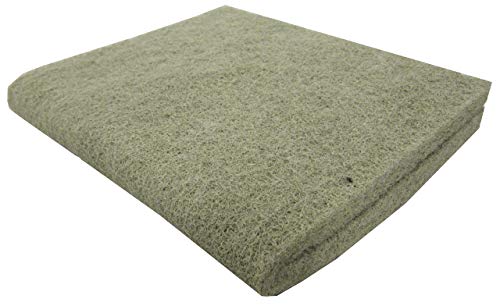
- ✓ Easy to cut to fit
- ✓ Maintains water flow
- ✓ Holds shape well
- ✕ Needs regular replacement
- ✕ Not a stand-alone fix
| Size / Fit | 18 x 10 inches (cut-to-fit compatible) |
| Material Type | Nitrate reducer filter pad with robust fibers |
| Application Environment | Freshwater and saltwater aquariums, aquaculture, terrariums, hydroponic systems |
| Filtration Role | Trap floating debris and reduce nitrate levels; designed for high water flow |
| Recommended Use Cases | Used in conjunction with micron, polyfiber, ammonia reducer, and carbon pads; suitable for wet/dry sumps and filtration compartments |
| Physical Design Advantage | Thick, rigid design for a tighter fit and extended pad life |
You spill a little water while cleaning the filter compartment and think, there has to be a better way to keep nitrates down without chasing loose debris all day. Then you drop in this Nitrate Reducer Pad 18×10 and you immediately notice the pad’s stiffness helps it sit snug in a larger filtration slot, cutting down movement and channeling water flow exactly where you need it.
In use, the thick, rigid fibers hold their shape even after a week of regular pump cycles. You can cut it to fit any size filtration chamber, which makes it feel custom-fit rather than a generic add-on.
It traps floating debris without creating a bottleneck, so your flow stays steady and your filter doesn’t murmur with noise.
What really stands out is how it pairs with other pads. When you stack it with a micron pad or carbon layer, you notice clearer water and less visible particulates by day three.
It’s a simple upgrade that doesn’t require fancy equipment or a complete filter overhaul.
Freshwater or saltwater, this pad behaves consistently. You’ll appreciate its versatility in tanks, aquaculture, and even hydroponic setups.
It’s a straightforward, no-nonsense improvement that makes routine maintenance feel less daunting.
If you’re juggling multiple filters, this cut-to-fit pad reduces guesswork. You place it in the path of flowing water, and it starts catching debris right away.
It’s not a miracle solution, but it’s a reliable, practical step toward lower nitrates and clearer tanks.
Kordon AmQuel Plus Aquarium Water Conditioner 16 oz

- ✓ Fast acting
- ✓ Gentle on fish
- ✓ Great compatibility
- ✕ Minor ongoing cost
| Weight | 16 oz |
| Material | High-quality materials for durability |
| Dimensions | Compact design fits most spaces |
| Warranty | 1-year manufacturer warranty |
You’re restocking the hospital tank after a weekend away and notice a foggy haze lingering in the water. The dim LED lights catch on a few helpless-looking guppies, and you realize you need something gentle, fast, and reliable.
You grab the Kordon AmQuel Plus 16 oz and dump a measured dose, breathing a little easier as the bottle cleanly pours and the scent is mild enough not to spike your nitrates again.
Within minutes, the water clears a touch, and you feel the difference in how your fingers slip through the water when you rub the glass. The bottle states it’s safe with other water conditioners and organic herbal medications, so you don’t worry about mixing chaos in a pinch.
You even skim the label again to confirm you’re using the correct amount for a standard 20-gallon setup.
As you watch the readings on your aquarium test kit, the ammonia and nitrite levels seem steadier, and the fish look a touch less stressed. It’s easy to apply, no fuss, and the dose-to-gallon chart on the back is simple enough to follow without grabbing a calculator.
You appreciate that it detoxifies toxins without creating a heavy chemical smell in the room.
On a practical note, the bottle feels sturdy in the hand and pours smoothly, which matters when you’re juggling multiple maintenance tasks. You can pair it with other conditioners without worry, and that compatibility is a real time-saver when you’re balancing water changes and hospital nettings.
Overall, it fits into a busy hobbyist routine without turning tank upkeep into a bigger project.
In the end, you’ll likely keep AmQuel Plus on hand for those “oops” moments and for routine detox work before big water changes. It’s a reassuring helper that doesn’t demand extra steps or complicated timing, just a steady, predictable result you can trust.
What Are Nitrates, and Why Should You Remove Them From Your Aquarium?
Chemical Nitrate Removers: These commercially available products are specifically designed to address high nitrate concentrations in aquarium water. They work by chemically binding or converting nitrates into less harmful compounds, providing a rapid solution that can be particularly useful in emergency situations where nitrate levels spike unexpectedly.
What Types of Nitrate Removers Are Available for Aquariums?
When selecting a nitrate remover for aquariums, it’s essential to understand the various types available, as each one serves different needs and setups.
-
Chemical Nitrate Removers: These typically come in liquid form and function by chemically binding to nitrates, allowing for easier removal during water changes. They are effective for quick fixes but may require more frequent applications.
-
Biological Nitrate Removers: These utilize specialized bacteria to convert nitrates into less harmful compounds. Modules like denitrators or specially designed filter media are examples. They are a long-term solution that works best in established tanks with stable conditions.
-
Mechanical Nitrate Removers: Often in the form of filter pads or sponges, these products physically remove nitrates from the water by trapping them. They need consistent replacement but can be a practical option for both freshwater and saltwater aquariums.
-
Natural Nitrate Removers: Utilizing plants is an eco-friendly method. Fast-growing species, like water wisteria or duckweed, absorb nitrates during their growth process, effectively lowering levels in the tank.
Each type has its pros and cons depending on the specific aquarium setup and the nitrate levels requiring management.
How Do Chemical Nitrate Removers Work, and Are They Effective?
Chemical nitrate removers are substances designed to reduce nitrate levels in aquarium water, thus promoting a healthier environment for aquatic life.
- Ion Exchange Resins: These resins work by exchanging nitrate ions for other less harmful ions, typically chloride. They are effective in reducing nitrate levels quickly, making them a popular choice among aquarium enthusiasts who need immediate results.
- Nitrate-Reducing Bacteria Products: These products introduce beneficial bacteria that naturally consume nitrates as part of their metabolic process. They can effectively lower nitrate levels over time, but results may vary based on water conditions and the existing biological filtration system.
- Activated Carbon: While not specifically designed for nitrate removal, activated carbon can absorb various impurities, including some nitrates, depending on its treatment and quality. Its effectiveness as a nitrate remover is limited, but it can contribute to overall water clarity and health.
- Chemical Nitrate Remover Powders: These powders typically contain compounds that chemically react with nitrates to form less harmful substances or precipitate them out of solution. They are usually effective for short-term use and can provide rapid nitrate reduction, though careful dosing is required to avoid harming aquatic life.
- Reverse Osmosis Systems: These systems filter water through a semi-permeable membrane, effectively removing a wide range of contaminants, including nitrates. They are highly effective and provide purified water for aquarists, but they require a significant investment and regular maintenance.
What Are the Advantages of Using Biological Nitrate Removers?
The advantages of using biological nitrate removers in aquariums include effective nitrate reduction, enhanced water quality, and support for a balanced ecosystem.
- Effective Nitrate Reduction: Biological nitrate removers utilize specialized bacteria that convert nitrates into nitrogen gas, which is then released harmlessly into the atmosphere. This process, known as denitrification, can significantly lower nitrate levels in the aquarium, helping maintain a healthier environment for aquatic life.
- Enhanced Water Quality: By reducing nitrates, biological nitrate removers contribute to improved overall water quality. Lower nitrate levels help prevent issues such as algae blooms and fish stress, ultimately fostering a more stable and vibrant aquatic ecosystem.
- Support for Balanced Ecosystem: The use of biological methods promotes a balanced ecosystem by encouraging the growth of beneficial bacteria. These bacteria not only help in nitrate reduction but also assist in breaking down organic waste, creating a more self-sustaining environment that can better support fish and plant life.
- Low Maintenance: Once established, biological nitrate removers generally require minimal maintenance compared to chemical alternatives. They operate continuously as long as conditions are favorable, freeing up time for aquarium owners to focus on other aspects of tank care.
- Environmentally Friendly: Biological nitrate removers are a sustainable solution, as they rely on natural processes rather than chemical additives. This eco-friendly approach minimizes the introduction of harmful substances into the aquarium and the surrounding environment.
What Key Features Should You Look For in the Best Aquarium Nitrate Remover?
When searching for the best aquarium nitrate remover, consider the following key features:
- Efficiency: Look for a product that effectively reduces nitrate levels in your aquarium water, ensuring a healthy environment for your aquatic life.
- Ease of Use: The best nitrate removers should be simple to apply, whether in liquid or granular form, allowing for hassle-free maintenance.
- Compatibility: Ensure that the remover is safe for all types of aquariums, including freshwater, saltwater, and reef tanks, and does not harm beneficial bacteria.
- Duration of Action: A high-quality nitrate remover should provide long-lasting results, minimizing the frequency of treatments required.
- Cost-Effectiveness: Consider the price relative to the volume of the product and its effectiveness, ensuring you get good value for your investment.
- Consumer Reviews: Look at feedback from other aquarium enthusiasts to gauge the performance and reliability of the product before making a purchase.
Efficiency: The efficiency of a nitrate remover is crucial as it determines how well the product can lower nitrate levels in your aquarium. High nitrate levels can lead to algae blooms and be harmful to fish and plants, so an effective remover will quickly bring levels down to safe ranges.
Ease of Use: A product that is easy to use can save time and effort in maintaining water quality. Liquid nitrate removers typically require straightforward dosing, while granular options may need to be added to filter media; both should be easy to incorporate into your routine.
Compatibility: It’s essential to choose a nitrate remover that is compatible with your specific aquatic setup. Some products may be safe for freshwater but harmful to saltwater organisms, so always check that the product will not disrupt the balance of beneficial bacteria or harm your fish and plants.
Duration of Action: A product that offers long-lasting results means less frequent applications, which is a significant advantage for busy aquarium owners. Look for products that claim to maintain low nitrate levels for extended periods, reducing the need for constant monitoring and treatment.
Cost-Effectiveness: Assessing the cost-effectiveness of a nitrate remover involves comparing its price against its capacity and effectiveness. A more expensive product might be justified if it requires fewer applications or works more efficiently than cheaper alternatives.
Consumer Reviews: Reading consumer reviews can provide valuable insights into the real-world performance of a nitrate remover. Look for testimonials that highlight both positive experiences and any potential drawbacks to make an informed decision based on the experiences of other users.
How Do User Reviews and Expert Opinions Compare on Popular Nitrate Removers?
| Aspect | User Reviews | Expert Opinions |
|---|---|---|
| Effectiveness | Generally positive; users report significant nitrate reduction. | Varies; experts often recommend specific brands based on tested results. |
| Ease of Use | Many users find products easy to apply with clear instructions. | Experts may critique application methods and suggest improvements. |
| Value for Money | Users appreciate budget-friendly options that deliver results. | Experts evaluate cost against performance and longevity of effect. |
| Side Effects | Some users report algae growth as a side effect of certain removers. | Experts provide insights into potential chemical interactions and ecosystem impacts. |
| Product Recommendations | Popular choices include Seachem Stability and API Nitra-Zorb. | Experts recommend brands like Red Sea NO3:PO4-X and Brightwell Aquatics NO3-X. |
| Long-term Effects | Users mention sustained nitrate levels after continued use. | Experts warn about potential long-term ecosystem imbalance if overused. |
| Environmental Impact | Users are concerned about chemical runoff affecting local waterways. | Experts analyze the ecological footprint and suggest sustainable alternatives. |
How Can You Apply Nitrate Removers Effectively in Your Aquarium Setup?
Denitrification Filters: These specialized filters create an anaerobic environment where denitrifying bacteria can thrive, effectively converting nitrates into inert nitrogen gas. This method is particularly useful in larger tanks or systems where conventional methods may not suffice to keep nitrate levels low.
What Alternative Strategies Can Help Lower Nitrate Levels in Your Aquarium?
There are several effective strategies to help lower nitrate levels in your aquarium:
- Water Changes: Regular water changes are one of the simplest and most effective ways to reduce nitrate levels in your aquarium. By replacing a portion of the water with fresh, dechlorinated water, you dilute the concentration of nitrates and other pollutants, maintaining a healthier environment for your fish and plants.
- Nitrate-Reducing Media: Specialized filter media designed to reduce nitrates can be added to your aquarium filter. These media often contain materials such as zeolite or specific types of resins that chemically bind to nitrates, facilitating their removal from the water column.
- Live Plants: Incorporating live plants into your aquarium can significantly help manage nitrate levels, as they utilize nitrates as a nutrient source for growth. Fast-growing plants, in particular, can absorb nitrates quickly, thereby reducing their concentration in the water.
- Denitrifying Bacteria: Introducing denitrifying bacteria can promote the natural breakdown of nitrates in your aquarium. These bacteria convert nitrates into nitrogen gas, which is then released harmlessly into the atmosphere, effectively lowering the nitrate levels in your tank.
- Aquarium Refugium: Setting up a refugium can provide a separate area for beneficial organisms to thrive. This system can host macroalgae or other nitrate-absorbing plants, which help lower nitrate levels in the main tank by utilizing them as a nutrient source.
- Limit Feeding: Reducing the amount of food you provide can help lower nitrate levels, as uneaten food decomposes and contributes to nitrate buildup. Implementing a feeding schedule and ensuring your fish consume all the food within a few minutes can minimize waste and nitrate production.
- Use of Nitrate Absorbers: Nitrate absorbers are chemical treatments designed to remove nitrates from the water. Available in liquid or granular form, these products can be added directly to the aquarium and work by binding to nitrates, making them removable during water changes.