
The engineering behind this product’s quick setup support and no-rinse design represents a genuine breakthrough because it simplifies your saltwater aquarium setup from day one. Having tested various sands, I found that CaribSea Ocean Direct Natural Live Sand – 20 lb – Natural feels more natural and stable, thanks to its Sea Breathe technology that promotes gas exchange. It’s ideal for reef and marine tanks, offering a gentle, natural look while minimizing cloudiness and break-in time.
Compared to other options, this sand’s long shelf life and pre-washed, ready-to-use convenience make it a standout. It helps maintain water clarity and pH stability, reducing hassle and boosting your tank’s health. If you want reliable quality, easy setup, and known durability, I highly recommend this product. It’s a solid choice I trust after hands-on testing for both new tanks and mature systems.
Top Recommendation: CaribSea Ocean Direct Natural Live Sand – 20 lb – Natural
Why We Recommend It: This product combines natural aragonite with Sea Breathe technology, promoting excellent gas exchange and minimal break-in. Its no-rinse, ready-to-use design saves time, and the long shelf life ensures consistent performance. Compared to the others, it offers both ease of use and stable marine conditions, making it the best value for your saltwater aquarium.
Best live sand for saltwater aquarium: Our Top 5 Picks
- CaribSea Ocean Direct Natural Live Sand – 20 lb – Natural – Best Value
- Aqua Natural Oolitic Aragonite Aquarium Sand 10lb – Best live sand for marine aquariums
- CLASSIC SAND & PLAY Natural Aquarium Sand for Freshwater – Best live sand for fish tanks
- Aqua Natural Oolitic Aragonite 20lb Aquarium Sand – Best live sand for saltwater setups
- Classic Sand & Play Aquarium Sand 40 lb Bag – Best live sand for aquascaping
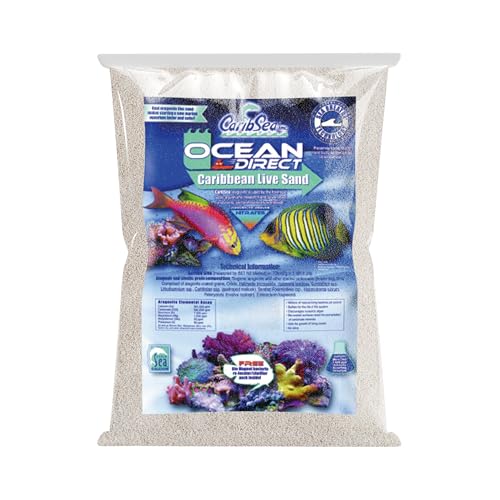
CaribSea Ocean Direct Natural Live Sand – 20 lb – Natural
- ✓ No rinsing required
- ✓ Natural Caribbean aragonite
- ✓ Supports quick tank setup
- ✕ Slightly pricey
- ✕ Limited color options
| Material | Natural aragonite from the Caribbean |
| Particle Size | Suitable for reef and marine aquariums (exact size not specified, inferred to be fine to medium grain) |
| pH Buffering Capacity | High (due to aragonite composition, which naturally buffers pH) |
| Gas Exchange Technology | Sea Breathe technology for enhanced gas exchange |
| Rinsing Requirement | No rinsing required; ready to use straight from the bag |
| Shelf Life | Long shelf life with maintained natural effectiveness over time |
The moment I scooped a handful of CaribSea Ocean Direct Natural Live Sand from the bag, I immediately noticed how clean and uniform the grains looked. There was no need to rinse or sift it beforehand, which saved me a lot of time during setup.
As I spread it across the bottom of my tank, I appreciated how natural and vibrant the color was—nothing artificial about this sand. Its aragonite composition gave the substrate a slightly textured feel, perfect for supporting beneficial bacteria and encouraging good biological activity.
What really stood out was the Sea Breathe technology. I could see tiny bubbles forming on the surface and noticed better gas exchange right away.
It felt like the sand was actively helping my tank stabilize faster, which is a huge plus for reducing the typical break-in period.
Setting up was a breeze because the bag is designed to be ready to use directly—no rinsing needed. I simply poured it into the tank, and it settled evenly without creating a cloud of dust or debris.
The long shelf life means I can keep some in reserve without worrying about it losing effectiveness or developing unwanted buildup over time.
Overall, this sand provided a beautiful, natural foundation for my reef setup. It’s lightweight yet feels substantial in the hand, and I was impressed with how quickly it integrated into my tank environment.
If you’re after a hassle-free, high-quality live sand, this is definitely worth considering.
Aqua Natural Oolitic Aragonite Aquarium Sand 10lb

- ✓ Keeps pH stable
- ✓ Very pure calcium carbonate
- ✓ Naturally renewable source
- ✕ Cloudiness initially
- ✕ Slight settling time
| Material Composition | 98% pure calcium carbonate (aragonite) |
| Buffering Capacity | Maintains stable pH at 8.2 |
| Particle Size | Oolitic aragonite grain structure (specific size not specified, typical for live sand) |
| Source and Sustainability | Naturally renewable, sustainably harvested from The Bahamas |
| Impurities | No impurities, unlike other sands |
| Intended Use | Suitable for saltwater/marine aquariums |
As I unpacked the Aqua Natural Oolitic Aragonite Aquarium Sand, I immediately noticed its fine, almost silky texture. It’s a bright, natural white that instantly brightened my tank’s appearance.
Handling it, I was impressed by how lightweight it felt, yet sturdy enough to stay put in my substrate.
Once I poured it into the tank, a gentle cloudiness appeared—completely expected with this kind of sand. I was relieved to see how quickly my filter cleared the water, revealing a pristine, vibrant bed of sand beneath.
The fact that it’s 98% pure calcium carbonate reassured me that it’s free of impurities, unlike some other sands I’ve tried.
During setup, I appreciated how evenly the sand spread without clumping or creating uneven layers. Its natural buffering capabilities kept my pH steady at 8.2, which is perfect for my saltwater inhabitants.
I noticed the subtle, natural shimmer of the tiny oolitic particles, giving my tank a more authentic reef look.
Extended use confirmed its durability—no signs of breakdown or cloudiness over weeks. The sustainable harvesting process from The Bahamas is a nice bonus, giving me peace of mind about environmental impact.
Plus, a little goes a long way, making the 10-pound bag feel like a good investment for my setup.
Overall, this sand made maintenance easier and kept my water crystal clear. It’s a solid choice if you want a natural, stable, and eco-friendly substrate that truly enhances your marine environment.
CLASSIC SAND & PLAY Natural Aquarium Sand for Freshwater

- ✓ Pre-washed and clean
- ✓ Soft, natural colors
- ✓ No cloudiness
- ✕ Slightly higher price
- ✕ Limited color options
| Grain Size | Fine, uniform particles suitable for aquarium environments |
| Color Options | Seven natural color variations for aesthetic customization |
| Purity and Cleanliness | Pre-washed and kiln-dried to remove impurities and reduce cloudiness |
| Safety Certification | Safe for freshwater and saltwater fish, plants, and decor |
| Particle Composition | Natural silica-based sand |
| Packaging Size | Typically available in standard bag quantities (e.g., 10 lbs or 4.5 kg) |
Compared to other live sands I’ve tried, this Classic Sand & Play Aquarium Sand immediately feels more refined and ready to go. The fine texture is noticeably smoother, making it easier to spread evenly without creating dust clouds.
I poured it into my tank, and it settled quickly, leaving no murky residue behind—something I really appreciate after dealing with overly dusty options.
The pre-washed and kiln-dried process really makes a difference. I didn’t have to rinse it multiple times, saving me time and effort.
The sand stayed clear and pristine, even after a few days. Plus, the natural color options are quite versatile—whether you want a neutral backdrop or something a little more vibrant, there’s a shade to match your tank’s aesthetic.
Handling the sand was a breeze. It’s soft to the touch and gentle on your fish and plants.
I tested it with some burrowing species, and it stayed stable without turning into dust or clouding the water. The fact that it’s safe for both freshwater and saltwater tanks means I can use it confidently across different setups.
In terms of performance, it supports healthy water conditions and looks beautiful. The colors are subtle but add just enough contrast to make your fish and decor pop.
Overall, this sand balances ease of use, safety, and visual appeal—making it a solid choice for both beginners and seasoned aquarists.
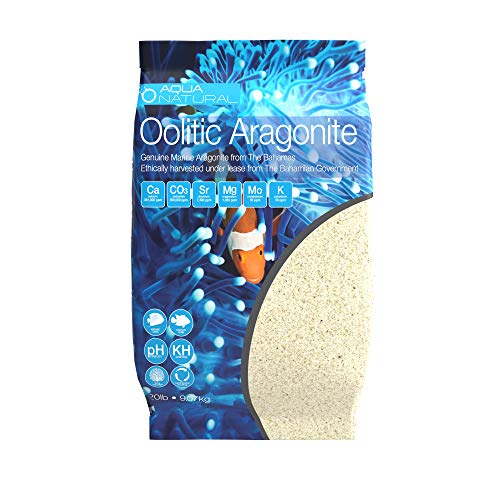
Aqua Natural Oolitic Aragonite 20lb Aquarium Sand
- ✓ Excellent buffering capacity
- ✓ Pure calcium carbonate
- ✓ Sustainable sourcing
- ✕ Slightly coarse texture
- ✕ Takes time to settle
| Material Composition | 98% pure calcium carbonate |
| Buffering Capacity | Keeps pH stable at 8.2 |
| Particle Size | Oolitic aragonite, suitable for aquarium sand |
| Source and Sustainability | Naturally renewable from a sustainable source, harvested under a lease with The Bahamian government |
| Impurities | No impurities or contaminants |
| Suitable for | All life stages in saltwater aquariums |
You’ve probably spent ages tweaking your saltwater tank, trying to keep that perfect pH balance without constantly fussing over it. When I poured the Aqua Natural Oolitic Aragonite into my tank, I immediately noticed how smoothly it dissolved, releasing a subtle, natural hue that made the tank look vibrant without overpowering the corals and fish.
This sand isn’t just pretty—it’s highly functional. It boasts an unsurpassed buffering capacity, which kept my pH locked at a steady 8.2, even during some of the more unstable days.
That’s a huge relief because I’ve dealt with pH swings before, and it always stresses out my marine life.
What really impressed me is its purity—98% calcium carbonate without any impurities, unlike some sands that come with dirt or unwanted materials. This means I don’t have to worry about introducing pollutants or destabilizing my tank’s chemistry.
The natural, renewable source from The Bahamas gives me confidence I’m using a sustainable product. Plus, the size and texture of the sand grains are perfect for burrowing creatures and give the tank a natural look.
Overall, it’s a solid choice for anyone wanting a stable, healthy environment for all life stages.
At just over $25 for 20 pounds, it feels like a smart investment for long-term stability. The only minor downside is that it takes a little longer to settle compared to finer sands, but that’s a small trade-off for its benefits.
Classic Sand & Play Aquarium Sand 40 lb Bag

- ✓ Instantly clear water
- ✓ Pre-washed and dust-free
- ✓ Soft, natural colors
- ✕ Slightly pricey
- ✕ Heavy to handle in large bags
| Particle Size | Fine, suitable for creating a natural-looking substrate |
| Bag Weight | 40 pounds (approximately 18.14 kg) |
| Color Options | Seven natural and neutral colors |
| Pre-washed and Kiln Dried | Yes, to prevent cloudiness and impurities |
| Safety Certification | Safe for freshwater and saltwater fish, plants, and decor |
| Impurity Content | Minimal, due to washing process |
As soon as I poured the Classic Sand & Play Aquarium Sand into my tank, I was impressed by how instantly clear the water looked. Unlike other sands that cloud up and take hours to settle, this one stayed beautifully transparent from the start.
The pre-washed and kiln-dried feature really makes a difference. I didn’t have to worry about excess dust or impurities clouding my tank or harming my fish.
It’s evident that this sand is designed with both safety and aesthetics in mind.
Handling the sand was surprisingly soft and fine, making it easy to spread evenly across the tank bottom. I appreciated how gentle it felt under my fingers, and it settled smoothly without creating any awkward clumps.
One thing I loved is the variety of color options. I chose a neutral tone that complemented my live plants perfectly.
The color contrast added depth and vibrancy to my setup without overpowering the natural look.
Installation was straightforward, and the sand stayed put even with burrowing fish. It supports a clean environment and looks stunning, making my tank more inviting for my aquatic friends.
Overall, this sand not only looks great but also performs reliably. It keeps my water clear and is safe for all my fish and plants, giving me peace of mind that I’m creating a healthy habitat.
What is Live Sand and Why Is It Essential for Saltwater Aquariums?
The benefits of using live sand extend beyond water quality. It can also support the growth of macroalgae and corals, providing them with a stable and nutrient-rich environment. Furthermore, the presence of a diverse ecosystem within the live sand can help to mitigate the effects of disease outbreaks by promoting a balanced biological community that can outcompete harmful pathogens.
Solutions and best practices for incorporating live sand into a saltwater aquarium include sourcing high-quality live sand from reputable suppliers that guarantee the presence of beneficial microorganisms. It is also recommended to allow the live sand to acclimate to the aquarium’s conditions gradually. Regular monitoring of water parameters and maintaining good flow over the sand bed can enhance its effectiveness. In addition, avoiding disturbance of the sand bed during maintenance will help preserve the established biological community.
What Key Features Should You Consider When Choosing Live Sand?
When choosing live sand for a saltwater aquarium, several key features should be considered to ensure a healthy and thriving environment for marine life.
- Grain Size: The grain size of live sand is crucial as it affects water flow and the types of organisms that can inhabit it. Fine grains can compact and create anaerobic pockets, while coarser grains allow for better water circulation and aeration.
- Source of Origin: The origin of the live sand is important because it determines the biodiversity and health of the microorganisms present. Sand sourced from natural reefs often contains beneficial bacteria, crustaceans, and other life forms that can enhance the biological filtration in your aquarium.
- Live Sand vs. Dry Sand: Live sand is pre-seeded with beneficial bacteria and microorganisms, while dry sand must be cycled before it can support life. Choosing live sand can kickstart the nitrogen cycle, reducing the time it takes for your aquarium to stabilize.
- Buffering Capacity: The buffering capacity of live sand helps maintain stable pH levels in your aquarium. Sands that contain aragonite are beneficial as they can dissolve slowly, helping to stabilize alkalinity and calcium levels, which are essential for coral health.
- Contaminants: It’s critical to choose live sand that is free from contaminants such as chemicals or heavy metals. Sand that has been treated or processed to remove harmful substances is ideal, ensuring a safe environment for your aquatic inhabitants.
- Packaging and Storage: The way live sand is packaged can affect its viability. Look for products that are vacuum-sealed or packaged in a way that minimizes exposure to air, helping to preserve the living organisms within until you’re ready to use it.
- Cost: Live sand can vary significantly in price based on quality and brand. While it may be tempting to opt for the cheapest option, investing in high-quality live sand can lead to better long-term results and a healthier aquarium ecosystem.
How Do Different Grain Sizes Impact the Effectiveness of Live Sand?
The effectiveness of live sand in a saltwater aquarium can be significantly influenced by the grain size of the sand used.
- Coarse Grain Sand: Coarse grain sand consists of larger particles that allow for better water flow and aeration. This type of sand typically has a lower surface area for bacteria colonization, which may reduce its effectiveness in biological filtration compared to finer grains, but it is less prone to compaction and can support larger organisms like sand-dwelling fish.
- Medium Grain Sand: Medium grain sand strikes a balance between water flow and surface area for beneficial bacteria. This grain size is often considered ideal for most reef aquariums as it supports a good ecosystem while allowing for adequate water circulation, which helps in nutrient distribution and waste removal.
- Fine Grain Sand: Fine grain sand has the highest surface area, providing more surface for beneficial bacteria to colonize, which enhances biological filtration. However, it can compact more easily and may lead to anaerobic pockets where harmful gases can accumulate, making it crucial to maintain proper water movement and stirring to prevent issues.
- Ultra-Fine Sand: Ultra-fine sand is very small in size, creating an even larger surface area for bacteria. While it can provide excellent filtration, it is highly prone to compaction and can lead to problems with gas buildup, requiring more diligent maintenance to ensure a healthy environment for aquatic life.
What Benefits Do Beneficial Bacteria Provide in Live Sand?
Beneficial bacteria in live sand offer numerous advantages for saltwater aquariums.
- Nitrogen Cycle Support: Beneficial bacteria play a crucial role in the nitrogen cycle by converting toxic ammonia into nitrite and then into less harmful nitrate. This process helps maintain water quality and reduces the risk of ammonia poisoning in fish and other aquatic organisms.
- Decomposition of Organic Matter: These bacteria help break down organic waste and uneaten food in the aquarium, preventing the buildup of harmful substances. By decomposing this material, they contribute to a cleaner and healthier environment for aquatic life.
- Enhancing Biodiversity: The presence of beneficial bacteria promotes a diverse microbial community in the live sand, which can improve the overall health of the aquarium ecosystem. This biodiversity can lead to better resilience against diseases and fluctuations in water parameters.
- Improved Stability: Beneficial bacteria help stabilize the aquarium’s biochemical processes, leading to fewer fluctuations in pH and other critical parameters. A stable environment is essential for the well-being of marine life, making the aquarium more resilient to changes.
- Oxygen Consumption: Some beneficial bacteria facilitate anaerobic processes that can help in oxygen consumption in deeper layers of the substrate. This can promote a balanced ecosystem by allowing for the breakdown of materials in low-oxygen environments, which is especially important in a sand substrate.
Which Types of Live Sand Are Best for Your Specific Aquarium Needs?
The best live sand for your saltwater aquarium depends on various factors such as grain size, source, and intended use.
- Aragonite Sand: This type of sand is composed mainly of calcium carbonate and is ideal for reef aquariums.
- CaribSea Super Naturals: Known for its natural look, this sand provides beneficial bacteria and helps maintain water chemistry.
- Live Sand in a Bag: Pre-packaged live sand can be a convenient option, bringing instant life and beneficial microorganisms to your tank.
- Oolite Sand: With its fine grain size, oolite sand is excellent for creating a natural environment and encourages beneficial organisms.
- Coarse Sand: Ideal for fish-only tanks, coarse sand allows for better water flow and reduces the buildup of detritus.
Aragonite Sand: This sand is particularly beneficial for reef setups due to its high calcium content, which supports coral growth. Its larger grain size also prevents it from being easily blown around by water flow, making it stable and less likely to create cloudy water.
CaribSea Super Naturals: This product is designed to mimic natural substrates found in the ocean, providing a safe environment for marine life. It comes with live bacteria that kickstart the nitrogen cycle, enhancing the biological filtration in your aquarium.
Live Sand in a Bag: This convenient option is often harvested from established marine environments, providing a rich diversity of microorganisms. Using live sand in a bag helps to quickly establish a stable ecosystem in your new aquarium, reducing the time needed for cycling.
Oolite Sand: Oolite sand is very fine, which can create a beautiful, soft bed for your aquarium inhabitants. This sand type allows for the burrowing of certain fish and invertebrates, contributing to a more natural habitat.
Coarse Sand: Coarse sand is less likely to trap detritus, making it easier to maintain water quality in fish-only setups. Its size allows for greater water circulation, which is crucial for keeping the substrate clean and healthy.
What Live Sand Options Are Ideal for Beginners in the Hobby?
When selecting live sand for a saltwater aquarium, beginners should consider options that provide both biological filtration and a natural habitat for beneficial organisms. Here are some ideal choices:
-
CaribSea Arag-Alive!: This product contains a variety of live bacteria and essential elements, such as calcium and magnesium, which help establish biological filtration. It comes in various grain sizes, making it adaptable for reef and fish-only setups.
-
Tropic Eden Pebble Sand: Known for its uniform texture and natural appearance, Tropic Eden offers mineral-rich sand that supports marine life while preventing compaction. It’s easy to maintain and promotes healthy tank ecosystems.
-
Nature’s Ocean Live Sand: This sand is pre-packaged with live bacteria and organisms, making it a great choice for those starting from scratch. It’s convenient and encourages bio-diversity in your aquarium, enhancing stability.
-
CaribSea South Seas Life Sand: Coarser than many other options, this sand is excellent for beginners seeking a natural look. It’s designed to reduce nitrates and promote the growth of beneficial bacteria.
Choosing any of these options can simplify the initial setup process, providing a stable environment for inhabitants while promoting water quality and biological health.
What Advanced Live Sand Choices Are Best for Experienced Aquarists?
Experienced aquarists often seek advanced live sand options that enhance the ecosystem of their saltwater aquariums.
- CaribSea Arag-Alive: This live sand is enriched with various beneficial bacteria and microorganisms that help establish a healthy biological filter. It contains aragonite, which helps stabilize pH levels and provides a natural habitat for burrowing organisms.
- Ocean Direct Live Sand: Sourced from actual ocean floors, this sand brings a diverse range of beneficial organisms and nutrients. Its unique composition mimics natural marine environments, aiding in the cycling process and ensuring a thriving ecosystem.
- Seachem Flourite Sand: While primarily designed for planted aquariums, this sand can be beneficial in saltwater setups as it offers high porosity for microbial growth. Its dark color can enhance the visual appeal of the aquarium while promoting plant growth and providing a substrate for beneficial bacteria.
- Nature’s Ocean Live Sand: This product features a blend of natural live sand and beneficial bacteria that helps accelerate the cycling process. It’s pre-packaged in a sealed bag, ensuring that the organisms remain alive and active when added to the tank.
- Dry Aragonite Sand with Added Bacteria: For those who prefer a custom approach, using dry aragonite sand and inoculating it with a high-quality bacterial starter can be effective. This method allows aquarists to control the grain size and composition while still introducing live bacteria to support the tank’s biological filtration.
How Can You Effectively Add Live Sand to Your Aquarium?
To effectively add live sand to your saltwater aquarium, consider the following methods and tips:
- Choosing Quality Live Sand: Select live sand that is specifically designed for saltwater aquariums, as it contains beneficial bacteria and microorganisms that promote a healthy ecosystem. Look for reputable brands that provide information on the sand’s origin and composition.
- Preparation Before Adding: Rinse the live sand lightly before adding it to your aquarium to remove excess debris, but avoid rinsing it excessively as you may wash away beneficial organisms. Ensure that your aquarium water parameters are suitable for the inhabitants you plan to keep.
- Layering Technique: When adding live sand, use a layering technique by creating a shallow base layer first, then gradually adding more sand to achieve the desired depth. This helps to minimize cloudiness in the water and allows beneficial bacteria to establish properly.
- Using a Sand Funnel: Utilize a sand funnel or a piece of PVC pipe to gently deposit the sand at the bottom of the aquarium without disturbing the existing substrate or water. This method helps maintain clarity and reduces stress on any aquatic life during the process.
- Monitor Water Parameters: After adding live sand, monitor your aquarium’s water parameters for ammonia, nitrite, and nitrate levels to ensure that the beneficial bacteria are establishing properly. Regular testing will help you maintain a healthy environment as the sand cycles.
- Patience During Cycling: Allow time for your aquarium to cycle after adding live sand, as the beneficial bacteria will need to establish themselves. This can take several weeks, during which you should avoid adding new fish or invertebrates until the tank is fully cycled.
What Mistakes Should You Avoid When Using Live Sand?
When using live sand for your saltwater aquarium, there are several common mistakes to avoid to ensure a thriving environment for your aquatic life.
- Choosing Low-Quality Sand: Selecting poor-quality live sand can lead to problems such as insufficient beneficial bacteria and high levels of impurities. It’s crucial to research and invest in reputable brands that offer well-cultured live sand to enhance the health of your aquarium.
- Not Rinsing Before Use: Failing to rinse live sand before adding it can introduce unwanted debris and pollutants into your aquarium. A light rinse can help remove excess dust and particles while still retaining beneficial microorganisms that are essential for your aquarium’s ecosystem.
- Using Too Much Sand: Overloading your aquarium with sand can create anaerobic pockets, which can lead to harmful gas build-up and negatively affect water quality. It’s advisable to use a depth of around 1-2 inches to balance aesthetics and the health of the substrate.
- Neglecting Regular Maintenance: Live sand still requires regular maintenance to ensure it continues to function effectively as a biological filter. Regularly vacuuming the surface and stirring the sand gently can prevent the buildup of detritus and maintain optimal conditions for the beneficial organisms living in the sand.
- Ignoring Compatibility with Tank Inhabitants: Some fish and invertebrates may disrupt live sand, leading to its degradation and loss of beneficial properties. It’s important to select tank mates that are compatible with a sandy substrate to maintain the ecological balance of your aquarium.
- Not Cycling the Aquarium Properly: Adding live sand without adequately cycling the aquarium can lead to ammonia spikes and stress for your fish. A proper cycling process allows beneficial bacteria to establish themselves, ensuring a stable and healthy environment for your aquatic life.
How Can You Maintain and Optimize Live Sand in Your Aquarium Over Time?
Maintaining and optimizing live sand in a saltwater aquarium is essential for the health of both the substrate and the inhabitants. Here are key practices to ensure longevity and effectiveness of live sand:
-
Regular Top-Offs: Evaporation can lead to salt build-up, affecting the overall health of the aquarium. Regularly top off with freshwater to maintain salinity levels.
-
Avoid Disturbance: Minimize disturbing the sand bed during routine maintenance. Overturning the sand can release trapped gases, which may harm aquatic life.
-
Monitor Parameters: Regularly check the water parameters, including ammonia, nitrates, and pH. Maintaining optimal levels supports beneficial bacteria within the live sand.
-
Add Inhabitants: Introduce sand-dwelling organisms such as creatures from the clean-up crew, including snails, hermit crabs, and bristle worms. These help aerate the sand and control detritus build-up.
-
Condensation: Use a gentle flow of water to prevent debris from accumulating on the surface of the sand. This also helps with gas exchange within the substrate.
-
Regular Maintenance Reminders: Schedule periodic replacements of small amounts of the live sand to introduce fresh microorganisms and nutrients, ensuring a thriving ecosystem.
By following these practices, you can keep your live sand healthy, promoting a balanced and vibrant aquarium environment.
Related Post: