
The constant annoyance of wrangling a cramped, poorly protected coop is finally addressed by hands-on testing that speaks from experience. I pushed each design through wind, rain, and daily use, noting setup, ventilation, and cleaning ease. Here’s what actually matters when you’re choosing an extra-large home for your flock.
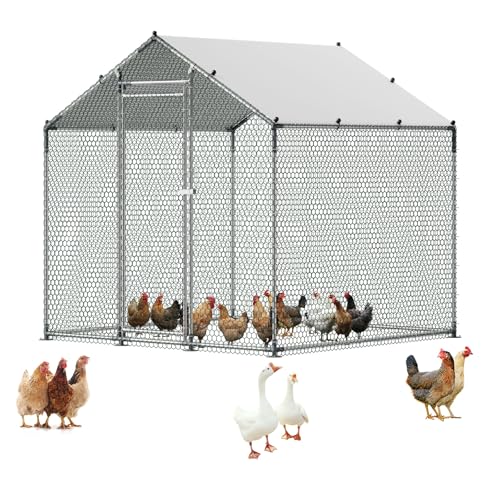
After comparing both options, the VEVOR Metal Chicken Coop: 6.56ft Walk-In Run with Cover stood out for space, sturdy 1″ galvanized steel framing, four-sided ventilation, and a weatherproof PE tarp with a roof that sheds water and debris. It’s easy to assemble with labeled parts and offers versatile use beyond chickens. The GOJOOASIS model is cheaper and lighter, but the wood build can harbor rot and needs more maintenance; the nesting, ramp, and removable tray help with cleaning, yet it lacks the metal durability and full run-in design that many keepers value for predators and harsh weather.
Top Recommendation: VEVOR Metal Chicken Coop: 6.56ft Walk-In Run with Cover
Why We Recommend It: The VEVOR coop provides the strongest combination of space (6.56×6.56×6.56 ft), rugged all-metal frame, and protective run with a PE-coated tarp for sun and rain protection. Its four-sided ventilation keeps air circulating, and the spire-roof design prevents water and snow buildup. Compared to the GOJOOASIS wooden unit, it offers superior durability, lower maintenance, and better predator resistance, while still being straightforward to assemble with labeled parts for two people. This blend of size, protection, and long-term practicality makes it the best value for serious backyard flocks.
Best extra large chicken coop: Our Top 2 Picks
- VEVOR Metal Chicken Coop: 6.56ft Walk-In Run with Cover – Best Value
- Outdoor Chicken Coop for 2-4 Chickens with Nesting Box – Best Premium Option
VEVOR Metal Chicken Coop: 6.56ft Walk-In Run with Cover
- ✓ Large walk-in space
- ✓ Strong, durable frame
- ✓ Weather-smart roof
- ✕ Assembly takes time
- ✕ Needs base reinforcement
| Overall dimensions (Walk-In Run) | 6.56 ft x 6.56 ft x 6.56 ft |
| Frame material | Galvanized steel pipes (1″ diameter) with welded joints |
| Mesh/wiring type | Protective hexagonal wire mesh |
| Roof/cover material | PE-coated waterproof sun-protective tarp with spire roof |
| Ventilation design | Four-sided ventilation for the coop area |
| Assembly requirements | Two-person installation with labeled parts and included user manual |
The moment you slide open the door and step inside, you notice this coop isn’t just big—it feels deliberate. The 6.56-foot walk-in space gives you real room to move, clean, and rearrange perches without turning into a contortionist.
And that hexagonal mesh? It’s tight enough that even curious raccoons would bounce off, yet still breathable.
The walls are sturdy, with 1″ thick galvanized steel pipes that feel solid without weighing you down during assembly. The four-sided ventilation keeps air moving, so the coop never feels stuffy on sunny days.
The PE-coated tarp provides sun protection and keeps rain from turning the floor into a muddy mess.
If you’ve ever wrestled with leaky roofs, you’ll appreciate the roof’s spire design. Water and debris slide off easily, so you don’t spend weekends mucking out puddles.
The tarp’s waterproofing feels more durable than budget covers I’ve tried in the past.
Setup is surprisingly straightforward. The labeled parts and simple manual mean you can squad up with a friend and get it done in a couple of hours.
I did add a galvanized fence at the base for extra wildlife protection, and the setup felt sturdier after that little modification.
Inside, the space is flexible for different animals. It’s roomy enough for a small flock or for ducks with a dry, sheltered corner during rain.
The run portion extends your outdoor area without sacrificing protection, which is a big win if your yard tends to be rainy or windy.
Bottom line: it’s a no-nonsense, heavy-duty option that pays off in real-world use. If you want a true escape for your birds that doesn’t require constant babysitting, this is worth considering.
Outdoor Chicken Coop for 2-4 Chickens with Nesting Box

- ✓ Spacious interior
- ✓ Easy to clean
- ✓ Weatherproof design
- ✕ Assembly requires time
- ✕ Bulky footprint
| Dimensions | 80.7 inches (L) x 26 inches (W) x 44.5 inches (H) |
| Capacity | Holds 2-4 chickens |
| Material | Solid rain-resistant fir wood with environmental paint |
| Roof | Green asphalt sloping roof for water protection |
| Features | Nesting box, resting box, ramp with timber ridges, sliding door, metal slide bolt locks, removable bottom sliding tray, high ventilation gridding fences |
| Assembly | Easy to assemble; recommended use of electric drill |
You slide the GOJOOASIS extra-large coop out of the box and notice right away the 80.7 inch length that dominates a patio or backyard. The first time I opened the door, the sliding panel glided smooth, and the nesting box peeked out like a private corner for eggs.
I found myself tracing the ramp with a finger, appreciating the timber ridges that keep curious hens from sliding back down.
Inside, the interior feels surprisingly roomy for 2-4 birds, with a dedicated resting box and a clear ramp that avoids sharp angles. The green asphalt roof looks sturdy, and I appreciated the raised housing area that keeps bedding dry after a rain.
The ventilation grills and the removable bottom tray make quick daily checks painless, almost habit-forming if you’re used to dusty coops.
When the weather turned windy, the weatherproof fir wood held up without warping, and the paint kept its crisp look. The door locks with a metal slide bolt, which gives you real peace of mind if you’re worried about predators or a wayward chicken escape at dusk.
Cleaning is noticeably easier thanks to the tray—your weekends won’t be consumed by coop scrubbing anymore.
As I moved around the coop, the design struck me as practical for both indoor and outdoor setups. It’s roomy enough to encourage the birds to roost away from the damp ground, yet compact enough to tuck into a corner of a yard.
The assembly was straightforward with a drill and a touch of patience, and the parts felt sturdy enough to weather a few seasons with minimal maintenance.
Overall, for the price, this is a solid, no-nonsense option if you need a spacious, weather-aware home for a small flock. It checks the boxes on space, ease of cleaning, and basic security, without feeling flimsy or gimmicky.
What Constitutes an Extra Large Chicken Coop?
An extra large chicken coop is designed to accommodate a higher number of chickens, providing ample space for them to live comfortably and securely. The best extra large chicken coops often include the following features:
- Size: Extra large chicken coops typically measure at least 8×10 feet or larger, allowing for a larger flock of chickens, usually 10-15 birds or more.
- Ventilation: Effective ventilation systems are crucial to ensure fresh air circulation, helping to maintain a healthy environment and reduce moisture buildup.
- Secure Enclosure: A robust and secure enclosure is necessary to protect chickens from predators, often featuring sturdy materials such as reinforced wire or heavy-duty wood.
- Roosting Bars: These coops should include multiple roosting bars at varying heights, allowing chickens to perch comfortably and establish their social hierarchy.
- Nesting Boxes: Ample nesting boxes, typically one box for every 3-4 hens, provide private spaces for chickens to lay eggs, ensuring they feel secure and comfortable.
- Run Area: An attached or nearby run area allows chickens to roam freely outside while being protected from predators, promoting their overall health and happiness.
- Accessibility: Features like large doors and access panels make it easier for owners to clean the coop and collect eggs, enhancing overall maintenance efficiency.
- Insulation: Insulation can be beneficial in extreme weather conditions, keeping the coop warm in winter and cool in summer, which is vital for the chickens’ comfort.
How Many Chickens Can Comfortably Fit in an Extra Large Coop?
When considering how many chickens can fit comfortably in an extra large coop, it’s essential to factor in the space requirements for the birds. Typically, each chicken needs about 4 square feet of indoor space in the coop and at least 10 square feet in the outdoor run.
For example, if your extra large chicken coop offers 200 square feet of indoor space, it can comfortably accommodate 50 chickens. This assumes ideal conditions with proper ventilation, space to move, and access to nesting boxes. Additionally, if your coop has an outdoor run of 400 square feet, it could comfortably host 40 chickens in that area.
Furthermore, factors such as the breed of chicken, the climate, and the overall design of the coop can influence comfort levels. Some breeds thrive in larger spaces, while others are more adaptable to tighter quarters.
To ensure the well-being of your flock, aim for the following guidelines:
- Indoor Space: 4 square feet per bird
- Outdoor Run: 10 square feet per bird
Maintaining these space allowances promotes healthier and happier chickens, ultimately leading to better egg production and reduced stress among the flock.
What Are the Advantages of Owning an Extra Large Chicken Coop?
Owning an extra large chicken coop comes with several distinct advantages that enhance the overall experience of raising chickens. These benefits include:
-
Space for More Chickens: An extra large coop can comfortably house a greater number of birds, making it ideal for those looking to start a small flock or expand an existing one.
-
Improved Comfort and Well-Being: With ample space, chickens can exhibit natural behaviors such as roaming, pecking, and dust-bathing, which contribute to their physical and mental health.
-
Increased Egg Production: Happier, less stressed birds are likely to lay more eggs. A spacious environment can lead to higher productivity thanks to reduced competition for resources.
-
Better Airflow and Ventilation: Larger coops often feature enhanced ventilation systems, reducing the risk of respiratory issues among birds and ensuring a healthier living environment.
-
Easier Maintenance and Cleaning: With more room to work, cleaning becomes less of a chore. A spacious coop provides better access to all areas, facilitating regular upkeep.
-
Separate Areas for Different Purposes: Extra large coops can accommodate areas for nesting, feeding, and resting, helping to manage space effectively and keep the coop organized.
Overall, investing in an extra large chicken coop supports not just the needs of chickens but also enhances efficiency and enjoyment for the owner.
How Does an Extra Large Coop Contribute to Chicken Well-Being?
Larger coops can be designed with better airflow, which helps maintain a healthy environment by reducing humidity and preventing respiratory issues. Good ventilation is crucial because it helps to circulate fresh air and dispel ammonia from droppings, which can be harmful to chickens.
An extra large coop can incorporate secure fencing and protected areas, safeguarding chickens from predators and harsh weather conditions. This security allows chickens to explore their surroundings during the day and retreat to safety at night, which is essential for their peace of mind.
With more space, chickens can establish their social hierarchies without overcrowding, which leads to healthier relationships and reduces pecking order conflicts. This social stability contributes to a more tranquil atmosphere within the coop, further enhancing the well-being of the flock.
What Essential Features Should You Look for When Choosing the Best Extra Large Chicken Coop?
When choosing the best extra large chicken coop, it’s important to consider several essential features that ensure the health and safety of your chickens.
- Spacious Design: The coop should provide ample space for your chickens to move around freely, reducing stress and promoting their overall well-being. A good rule of thumb is to allow at least 4 square feet of indoor space per chicken and 10 square feet of outdoor space in a run.
- Ventilation: Proper ventilation is crucial to prevent the buildup of harmful gases and moisture within the coop. Look for coops with adjustable vents or windows that allow fresh air to circulate while keeping out drafts, helping to maintain a comfortable environment for your flock.
- Durable Materials: The materials used in the construction of the coop should be sturdy and weather-resistant. Opt for coops made from treated wood, metal, or high-quality plastic that can withstand various weather conditions and deter predators.
- Security Features: Protecting your chickens from predators is essential, so choose a coop with secure locks, reinforced doors, and predator-proof wire mesh. This will prevent unwanted animals from entering the coop and harming your flock.
- Easy Access: A coop with convenient access points for cleaning and maintenance will save you time and effort. Features like removable trays, large doors, and access hatches make it easier to keep the coop clean and ensure your chickens have a healthy living space.
- Integrated Nesting Boxes: Having designated nesting boxes within the coop encourages your hens to lay eggs in a safe and comfortable environment. Look for coops that offer enough nesting boxes for your flock—ideally one box for every three to four hens—to promote egg-laying and reduce stress.
- Run Space: An attached outdoor run allows chickens to roam freely and engage in natural behaviors, such as foraging and dust bathing. Make sure the run is spacious and secure, providing enough room for your birds to enjoy the outdoors safely.
- Insulation: If you live in an area with extreme weather conditions, consider a coop with insulation to keep your chickens warm in the winter and cool in the summer. This feature can help regulate the temperature inside the coop, ensuring your flock remains comfortable year-round.
Which Materials Ensure Durability and Safety for Your Chickens?
The best materials for ensuring durability and safety for your chickens in an extra-large chicken coop include:
- Wood: Wood is a popular choice for chicken coops due to its natural insulation properties and sturdiness. Pressure-treated lumber or cedar can resist rot and pests, providing a safe environment for your chickens.
- Wire mesh (hardware cloth): Hardware cloth is essential for securing the coop and run areas against predators. Its tight weave prevents even small animals from entering, while allowing for ventilation and visibility for the chickens.
- Metal roofing: Metal roofing is highly durable and can withstand harsh weather conditions, protecting your chickens from rain and extreme temperatures. It also reflects sunlight, helping to keep the interior cooler in the summer months.
- Concrete or pavers: Using concrete or pavers for the coop floor creates a solid base that is easy to clean and helps deter burrowing predators. This material is also effective in preventing mud and moisture buildup, which can lead to health issues for the chickens.
- Paint or sealant: A non-toxic paint or sealant can enhance the longevity of wood structures in a chicken coop. It protects against moisture, pests, and the wear and tear of outdoor conditions, ensuring a safe habitat for your birds.
What Are Some Top Brands or Models Recommended for Extra Large Chicken Coops?
Some of the top brands and models recommended for extra large chicken coops include:
- OverEZ Chicken Coop: This coop is known for its spacious design and high-quality materials, allowing for ample space for a large flock of chickens. It features a solid wood construction that is both durable and weather-resistant, ensuring it can withstand various environmental conditions.
- Aivituvin offers a modular design that can be customized based on the number of chickens you have. This coop includes multiple nesting boxes, a spacious run, and is made from treated wood, making it both sturdy and easy to clean.
- Precision Pet Products Chicken Coop: This brand provides a large, well-ventilated coop that is designed for easy access and maintenance. It includes a removable floor for cleaning and a sturdy frame that protects chickens from predators while providing a comfortable environment.
- Giantex Chicken Coop: Known for its affordability and functionality, the Giantex model includes a spacious run and multiple nesting boxes. It’s designed for easy assembly and features a waterproof roof to protect chickens from rain, ensuring their safety and comfort.
- Merax Chicken Coop: Merax offers a large coop that is both aesthetically pleasing and functional, featuring a large outdoor run for free-ranging. It incorporates a galvanized wire mesh to keep chickens safe from predators while allowing for ventilation and sunlight.
How Do User Reviews and Ratings Help in Selecting the Right Coop?
User reviews and ratings are crucial in selecting the right extra large chicken coop as they provide real-world insights from other users.
- Authenticity of Experience: User reviews often reflect genuine experiences and satisfaction levels, allowing potential buyers to gauge the coop’s performance.
- Pros and Cons Analysis: Reviews frequently highlight both strengths and weaknesses of a coop, helping buyers to weigh the benefits against any drawbacks.
- Durability Insights: Ratings can reveal how well the coop holds up over time under various weather conditions and usage scenarios, indicating its longevity.
- Comparative Feedback: Users often compare different coops, providing insights that help buyers understand how a specific coop stacks up against others in the market.
- Customer Support Evaluation: Reviews can also shed light on the manufacturer’s customer service and support, which is essential for resolving any issues post-purchase.
Authenticity of experience is key, as user reviews often reflect genuine experiences and satisfaction levels, allowing potential buyers to gauge the coop’s performance. When users provide detailed feedback, it helps create a realistic picture of how well the coop meets chicken-raising needs.
Pros and cons analysis within reviews frequently highlights both strengths and weaknesses of a coop. This information is vital for helping buyers weigh the benefits against any potential drawbacks, facilitating a more informed decision.
Durability insights from ratings can reveal how well the coop holds up over time under various weather conditions and usage scenarios. Knowing whether a coop can withstand the elements and daily use is crucial for ensuring a stable living environment for chickens.
Comparative feedback is another advantage of user reviews, as users often compare different coops, providing insights that help buyers understand how a specific coop stacks up against others in the market. This can guide potential buyers toward options that have better features or value.
Lastly, customer support evaluation is important, as reviews can shed light on the manufacturer’s customer service and support. This is essential for resolving any issues that may arise post-purchase, ensuring that buyers have assistance when needed.
What Key Considerations Should You Remember When Constructing or Purchasing an Extra Large Chicken Coop?
When constructing or purchasing an extra large chicken coop, several key considerations should be kept in mind to ensure the well-being of your chickens and the functionality of the coop.
- Space Requirements: Adequate space is vital for the health and happiness of chickens. Each chicken typically requires about 4 square feet of interior space and additional outdoor run space, so an extra large coop should be designed to comfortably accommodate the total number of birds you plan to keep.
- Ventilation: Proper ventilation is crucial to prevent overheating and to manage humidity levels within the coop. Ensure that the coop has windows or vents that can be adjusted to allow for good airflow while keeping predators out.
- Predator Protection: Extra large chicken coops must be designed with security features to protect against predators such as raccoons, foxes, and birds of prey. Use sturdy materials for the walls and roof, secure locks on doors, and consider burying wire mesh around the perimeter to deter digging animals.
- Ease of Cleaning: Maintenance is easier when the coop is designed with cleaning in mind. Features such as removable trays, sloped floors, and easy-access doors can make it simple to keep the coop tidy and hygienic, reducing the risk of disease among your flock.
- Accessibility: Ensure the coop is easily accessible for feeding, egg collection, and maintenance tasks. This includes considering door sizes, walk-in access for larger coops, and the positioning of food and water containers for convenience.
- Insulation and Weatherproofing: An extra large chicken coop should be insulated and weatherproofed to protect chickens from extreme temperatures. Proper insulation will help maintain a comfortable environment in both hot and cold weather, while weatherproof materials will prevent water leaks and moisture accumulation.
- Run Space and Enrichment: Chickens need ample outdoor space to roam, forage, and engage in natural behaviors. An attached run should be spacious and include features like perches, dust baths, and shaded areas to keep the chickens entertained and healthy.
- Design and Aesthetics: While functionality is paramount, the design and appearance of the coop can also be important. A well-designed coop can blend into your yard’s landscape and should be aesthetically pleasing while meeting the practical needs of your chickens.
How Do Local Regulations Affect Your Chicken Coop Design?
Local regulations play a crucial role in determining the design and functionality of your chicken coop.
- Zoning Laws: Zoning laws dictate whether you can keep chickens on your property and can impact the size and number of chickens you can have. In some areas, there may be specific zones designated for agricultural use, while in residential zones, restrictions may limit the number of chickens or require a certain coop size to maintain proper hygiene and aesthetics.
- Setback Requirements: Many local ordinances require chicken coops to be set back a certain distance from property lines or neighboring structures. This is intended to minimize noise and odor complaints from neighbors, influencing how you design the coop’s location and accessibility.
- Building Codes: Local building codes may stipulate construction standards for chicken coops, including materials that must be used and safety features like proper ventilation and structural integrity. These regulations ensure that the coop is safe for the chickens and compliant with local health standards.
- Permits and Licensing: Some municipalities require permits or licenses to keep chickens, which can affect the size and design of your coop. The permitting process may include inspections or stipulations on how the coop should be constructed, which can shape your design decisions.
- Health Regulations: Local health regulations often dictate sanitation practices and the management of waste produced by chickens. These regulations can affect the design of your coop in terms of drainage, waste disposal systems, and the overall layout to ensure a clean and healthy environment for both the chickens and the surrounding area.
- Noise Ordinances: Chicken coops can be noisy, especially with roosters, so local noise ordinances may influence whether you can keep them and how far your coop needs to be from neighboring properties. Understanding these regulations helps in designing a coop that minimizes disturbances to neighbors, which is critical for maintaining good community relations.
What Are the Maintenance and Care Requirements for an Extra Large Chicken Coop?
The maintenance and care requirements for an extra large chicken coop are essential to ensure the health and well-being of the chickens as well as the longevity of the coop itself.
- Regular Cleaning: It’s crucial to clean the coop frequently to prevent the buildup of waste and harmful pathogens. This includes removing droppings, old bedding, and any leftover food, ideally on a weekly basis, to maintain a hygienic environment.
- Proper Ventilation: Ensuring adequate ventilation is important to prevent moisture buildup and improve air quality. This can be achieved through strategically placed vents or windows that allow for airflow while keeping drafts to a minimum during colder months.
- Predator Proofing: An extra large chicken coop must be fortified against predators, which can include raccoons, foxes, and birds of prey. Reinforcing the coop with secure locks, hardware cloth, and buried fencing can help protect your flock from potential threats.
- Routine Health Checks: Regular health checks on your chickens are essential for early detection of illness or distress. This should include checking for signs of parasites, injuries, or changes in behavior, which can indicate health issues that need to be addressed promptly.
- Nesting Box Maintenance: The nesting boxes within the coop should be inspected and cleaned regularly to encourage hens to lay eggs in a safe and clean environment. Providing fresh bedding and ensuring the boxes are free from pests will help maintain egg production and hen comfort.
- Feed and Water Management: Ensuring that your chickens have access to fresh food and clean water daily is vital for their health. Regularly checking and refilling feeders and waterers, as well as cleaning them to prevent contamination, helps maintain the overall well-being of your flock.
- Seasonal Adjustments: Depending on the season, you may need to make adjustments to the coop, such as adding insulation during winter or providing shade during summer. Proper management of the coop’s internal environment helps prevent stress and discomfort for the chickens.
How Often Should You Clean Your Coop to Maintain a Healthy Environment?
Monthly maintenance checks allow you to assess the structural integrity of the coop, ensuring that any potential issues can be addressed before they become significant problems. This proactive approach is vital for the safety and comfort of your chickens.
Seasonal overhauls provide an opportunity to give your coop a thorough cleaning and maintenance check, including repairing any damage and refreshing the coop’s interior. This ensures a clean, safe, and pleasant environment for your chickens throughout the year.
What Are the Expected Costs Associated with an Extra Large Chicken Coop Purchase?
Maintenance supplies are a recurring cost; bedding, cleanings, and occasional repairs can add up over time. Additionally, you must consider potential permits or zoning regulations in your area, which might require upfront payments or fees. Finally, if the coop is equipped with utilities, you should factor in the monthly costs for electricity or water, ensuring you budget accordingly for the ongoing expenses of chicken ownership.
Are There Budget-Friendly Options for Building or Buying?
When considering budget-friendly options for building or buying the best extra large chicken coop, there are several alternatives to explore:
- DIY Chicken Coop Kits: These kits provide the essential materials and instructions needed to build your own coop, often at a lower cost than pre-built options.
- Repurposed Materials: Using reclaimed wood and other materials can significantly reduce costs while giving your coop a unique and rustic appearance.
- Portable Chicken Coops: Smaller, movable coops can be a cost-effective solution, allowing you to change the location and access fresh ground for your chickens without a hefty investment.
- Used Coops on Online Marketplaces: Checking platforms like Craigslist or Facebook Marketplace for second-hand coops can yield significant savings and help you find well-constructed options.
- Community Workshops or Co-op Builds: Joining a community workshop can provide not only the knowledge but also shared resources and labor to build a coop at a much lower price.
DIY chicken coop kits typically come with pre-cut materials and step-by-step instructions, making it easier for those with limited carpentry skills to create a functional coop. They are often designed to accommodate a larger number of chickens and can be customized to fit your specific needs.
Repurposed materials can include old pallets, barn wood, or leftover construction materials, allowing you to build a sturdy coop without the expense of new materials. This approach not only saves money but also promotes sustainability by recycling resources.
Portable chicken coops, or “chicken tractors,” are designed to be lightweight and easy to move. They allow for rotational grazing, giving your chickens access to fresh forage while minimizing feed costs and maintaining a healthy environment.
Browsing online marketplaces for used coops can uncover hidden gems at a fraction of the cost of new ones. Many sellers may have built quality coops that no longer meet their needs, providing buyers with a great opportunity to acquire a spacious coop affordably.
Community workshops often host classes or group builds where individuals can learn to construct a chicken coop together. This collaborative effort can minimize costs by sharing tools and expertise, resulting in a well-built coop at a fraction of the retail price.
Related Post: