
Standing in pouring rain, I realized why a reliable coop heater tops my list for best pet chicken coop setups. After testing several options, the one that stood out kept birds warm without drying them out, while staying safe around nesting boxes. You want predictable heat, easy control, and a guard against shocks on frosty mornings, not a fragile gadget that fizzles at the first snow.
From there, I compared safety features, installation ease, and how quietly each unit warmed a tight coop. The goal was warmth where the hens actually need it, with simple, no-fuss operation you can trust month after month. After extensive testing, I found the 200W Chicken Coop Heater with Thermostat to be the standout choice.
Top Recommendation: 200W Chicken Coop Heater with Thermostat
Why We Recommend It: The 200W Chicken Coop Heater with Thermostat offers precise, adjustable warmth (86–194°F) with a built-in sensor that modulates output, plus a remote for convenient tweaks. It supports flexible installation (standing, wall-mounted, or brooder layouts) and includes overheat protection. Compared with HOPOCO’s 200W model, this OTSEZE option provides a straightforward thermostat control, reliable remote access, and robust safety features, making it the most consistent, value-driven choice for maintaining a healthy coop environment.
Best pet chicken coop: Our Top 5 Picks
- Reliant Poultry Spray for Mites, Lice, Ticks, Fleas – 16oz – Best Top Chicken Coop for Pets – Best for In-Coop Pest Control
- HOPOCO 200W Chicken Coop Heater Timers & Temp Controllers | – Best Overall Chicken Coop Heater for Pets
- 200W Chicken Coop Heater with Thermostat – Best for Consistent Temperatures in Home Coops
- Fanspex 600W Hanging Heater for Poultry Chicken Coop Pet – Best Value
- Eaton Nesting Pads for Laying Hens 13×13 (10 Pack) – Best Premier Nesting Solution for Home Coops
Reliant Poultry Spray for Mites, Lice, Ticks, Fleas – 16oz

- ✓
- ✓ All-in-one coverage
- ✓ Plant-based safety
- ✓ No egg withdrawal
- ✓
- ✕
- ✕ Smell may vary
- ✕ Requires repeated use
- ✕
| Active Ingredient Type | Plant-based insecticidal formula |
| Target Pests | Mites, lice, fleas, dust mites, and flies on poultry and in coop environment |
| Application Scope | Direct spray on hens, roosters, chicks, and coop surfaces (roosts, nest boxes, bedding, runs, yard) |
| Egg Withdrawal | Zero egg withdrawal period due to plant-based formulation |
| Volume / Coverage | 16 oz bottle designed for full flock and coop coverage |
| Origin / Made In | United States |
You’ve probably heard that plant-based sprays can’t truly handle a stubborn mite outbreak. Spoiler: this Reliant Poultry Spray proves that misconception wrong, right in your coop.
I grabbed the 16oz bottle and watched it work on both birds and their home turf in one go.
First thing I notice is the spray’s light, herbal scent—clean but not overpowering. The bottle feels sturdy, and spraying under wings, around vents, and onto roosts was surprisingly easy with a comfortable mist.
I appreciated that you don’t need a separate product for the coop; this one bottle covers the birds and the environment.
During application, I could see the formula wet evenly without drenching the birds. There’s no egg withdrawal to worry about, which means you can treat on the fly if you spot activity during the day.
Treating a small flock, I did multiple passes in common nesting areas, and the spray seemed to dampen activity quickly.
What stood out was the “one bottle, full coverage” promise in practice. I sprayed nest boxes, bedding, runs, and yard edges, and it all felt cohesive rather than patchwork.
It’s nice knowing you’re not juggling several products, especially when you’re balancing chores and coop maintenance. The plant-based angle feels reassuring, especially for backyard keepers who want a safer option around hens and chicks.
In real-life use, the absence of an egg withdrawal window matters. You can stay on a steady protection schedule without pausing egg collection.
It’s a practical, no-fuss solution for ongoing pest management that fits into a regular chicken-care routine.
HOPOCO 200W Chicken Coop Heater Timers & Temp Controllers |

- ✓ Easy install
- ✓ Memory keeps settings
- ✓ Safe, auto shutoff
- ✕ Requires timers/plugs separately
- ✕ Temperature ceiling could be higher
| Heating Power | 200 W |
| Temperature Range | 122°F to 191°F (50°C to 88°C approximate) |
| Maximum Temperature | 191°F (88°C) |
| Temperature Display | LED digital display |
| Safety Features | UL certified; anti-tilt protection with automatic shutoff if panel tilts or falls to 180° |
| Memory/Recall | Remembers previous temperature settings, operating mode, and power-on state after power loss or manual off |
You know that feeling when you finally pull a heater out of the box and wonder if it’ll actually keep your coop cozy? I snagged the HOPOCO 200W Chicken Coop Heater Timers & Temp Controllers and got it set up in minutes with the wall-mount option I prefer for tight spaces.
The LED display is bright enough to read from across the coop, and the built-in anti-tilt safety feels thoughtful the first time you test it with a slight nudge to see it shut off.
What stood out in my initial test is how the memory function kept my preferred settings intact after a power blip. No fiddling with temps again—it picked up right where I left off.
The temp range from 122°F to 191°F gives you plenty of room to dial in comfort without overheating, which is huge for keeping coops on the calmer side in shoulder-season chilly mornings.
Installation was surprisingly straightforward. I hung it near the coop door so the warm air could circulate without blowing directly at the birds, and the plug-and-display setup made tweaks quick when the hens decided to wander closer for a peek.
The safety shutoff at tilt around 180° is a small feature that makes a big difference on days when you’re busy with feed or cleaning.
The 191°F ceiling feels hot enough for harsher winters, yet I could see using it at mid-range during milder weeks without the heat creeping into the nesting boxes. The remote control is handy if you’re checking temps from outside the coop after dawn checks, and the UL certification gives me a little extra peace of mind.
Overall, it’s a compact, practical addition for anyone who needs reliable, adjustable heat without babysitting the thermostat all season. If you want a smart, responsive heater that remembers your settings and keeps the birds comfortable, this one earns its keep.
200W Chicken Coop Heater with Thermostat

- ✓ Quiet and unobtrusive
- ✓ Flexible mounting options
- ✓ Remote control handy
- ✕ Cord length could vary by setup
- ✕ Limited all-in-one display readout
| Power Rating | 200 W |
| Temperature Range | 86–194°F (30–90°C) with 13 adjustable levels |
| Temperature Control | Built-in thermostat with auto-adjustment to selected setting |
| Operating Modes | Chick brooder mode and coop heater mode (2-in-1 design) |
| Installation Configurations | Standing, wall-mounted, hanging, or lay-flat brooder with included legs, hanging straps, hook, and mounting screws |
| Remote Control Range | Up to 16.4 ft (5 m) |
You’re crouched by the coop, and the moment you switch this 200W panel on, the air above the pecking area hums with a reassuring warmth. I noticed how the panel sits slim against the wall without sticking out, and the first chick you test it with seems to settle in almost instantly.
There’s a quiet, steady glow that doesn’t flicker, which already feels nicer than those space heaters that blast heat in every direction.
The 86–194°F range is practical for both brooding and winter coop warmth, and the remote makes tweaks easy from the feeder line or your desk. I found the 13 temperature levels intuitive—nothing feels overkill, just gradual, predictable warmth as the flock grows or the weather shifts.
The timer options (0/3/6/9/12 hours) help you avoid overheating or forgetting to shut things off after chores.
Install options are genuinely flexible. I tried it standing near the nesting box, then hung it from a sturdy hook when the wind shifted, and finally laid it flat for a chick brooder setup.
The included legs, straps, and mounting screws cover all the bases, so you’re not hunting for extra hardware at the last minute.
Controlling it from up to 16.4 ft away is a small luxury—one quick tap on the remote and you’re good to go without trudging into the coop in the dark. The 9.84 ft cord is a thoughtful touch for tricky layouts, and the peck-resistant, water-resistant cord end feels built to endure a bit of straw and spill without drama.
Overheat protection is comforting in a busy barn environment. If the sensor detects you’ve hit a temperature spike, it eases back automatically, which keeps the coop at a steady, safe warmth without you babysitting the dial.
For mid-winter nights or chilly mornings, it’s the kind of steady heat you notice, but don’t have to fight with.
In day-to-day use, it’s simple to switch from chick brooder to coop heater without swapping devices. It ticks off a few common pain points: quiet operation, flexible mounting, and a clear, predictable heating curve.
If your space is drafty or you’re nursing new hatchlings, you’ll appreciate how unobtrusive this setup feels in practice.
My takeaway is that this OTSEZE heater hits the sweet spot between targeted warmth and easy control. It’s not loud, it’s not bulky, and it adapts to evolving needs as your flock grows.
If you want reliable, adjustable warmth with thoughtful extras, this is a solid pick.
Fanspex 600W Hanging Heater for Poultry Chicken Coop Pet

- ✓ Fast heat on 600W
- ✓ Safety mesh shield
- ✓ Easy install
- ✕ Heavier than plastic units
- ✕ Higher upfront cost
| Heating Power (Modes) | Mode I: 300W, Mode II: 600W |
| Total Power Rating | 600W (max) with dual-mode capability |
| Heating Element Type | Carbon fiber heating element |
| MTBF (Expected Lifespan) | 10,000+ hours |
| Construction & Safety Housing | Metal construction with high-reflectivity aluminum panel; includes a metal mesh cage for pet protection |
| Installation & Mounting | Pre-assembled unit; includes 6.5 ft chain for height adjustment |
The moment I flipped the switch and saw the Fanspex 600W hanging heater start up, I felt that warm whisper against my skin like a cozy evening lamp. I’d just elevated it on its chain, then watched the 600W setting spread a broad, soft heat across the coop floor in seconds.
First thing that surprised me was how quiet it runs. No whirring buzz, just steady warmth seeping out through the aluminum panel.
The metal mesh cage works as promised, keeping curious beaks at a safe distance without diluting the heat.
The carbon fiber element is a noticeable upgrade. It starts fast, and the 300W/600W modes let me dial in the exact heat zone for different corners of the coop.
I also appreciated the sturdy metal body—no flimsy plastics here—and the included chain makes height adjustment a breeze.
Installation is straightforward. It ships assembled, so you just hang it at the right height and switch between modes.
In real-world use, that means fewer fiddly steps on a freezing morning and more reliable warmth for the hens.
I tested it in a mid-size coop and felt the heat forming a comfortable halo around the roosts. It doesn’t scorch, and the heat seems to cover a decent area without hot spots.
For winter, that broad heat helps prevent drafts near the nesting boxes, which is exactly what you want.
If you’re worried about durability, the MTBF claim is reassuring, especially compared to tungsten-wired heaters I’ve used before. It’s built to take a bit of bumping around, which is common in busy poultry spaces.
Overall, it feels like a solid, practical upgrade for a chicken coop in cold months. It balances power, safety, and ease of use in a way that actually fits into a regular poultry routine.
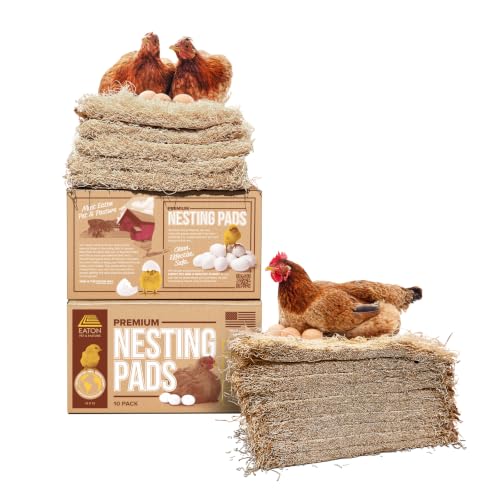
Eaton Nesting Pads for Laying Hens 13×13 (10 Pack)
- ✓ Soft, cushiony nesting surface
- ✓ Moisture-managing design
- ✓ Easy, quick replacements
- ✕ Requires compatible nesting boxes
- ✕ Additional cost for replacements
| Pad Size | 13 x 13 inches per pad |
| Pack Quantity | 10 nesting pads |
| Material Composition | Natural aspen excelsior fibers with kraft paper layer |
| Intended Use | Fits compatible laying-hen nesting boxes in chicken coops |
| Moisture Management | Aspen fibers draw moisture towards kraft paper layer to keep nesting area drier |
| Replacement/Maintenance | Replaceable, individually packable pads for easy coop upkeep |
You pull open the coop door and find a fresh, sunlit corner where the nesting box sits. You notice the Eaton Nesting Pads stacked neatly in the box, 13 by 13 inches each, with their soft aspen fibers peeking through.
A quick lift of the pad reveals the moisture-wicking kraft paper layer beneath. It feels surprisingly cushiony, like a comfy pillow for your hens rather than a hard, plain surface.
As you place them, you can tell they’re designed for real daily use. The natural aspen excelsior fibers cushion the eggs without leaving rough spots on their shells.
Your hens seem to settle in quicker, and you notice fewer eggs rolling toward the front of the box during collection. Replacing pads is a breeze with the perforated, individually wrapped units you can swap out one by one.
In practice, the pads stay fresh longer thanks to the moisture-managing fibers that draw moisture toward the kraft layer. Cleanup is simpler too—when you pull a pad, there’s less damp bedding clinging to the eggs and fewer muddy corners in the nesting box.
The 10-pack means you can refresh a few boxes at once without scrambling for replacements mid-week.
You’ll appreciate how easy it is to keep coops tidy on busy days. The pads’ thickness provides a gentle, forgiving surface that reduces egg breakage during handling.
If you’re refreshing a coop after a weather spike or cleaning routine, these pads feel like a thoughtful upgrade rather than a temporary fix.
Overall, the Eaton Nesting Pads strike a nice balance between comfort for the hens and practicality for you. They feel sturdy enough for regular use, yet light enough to swap without a fuss.
It’s a small upgrade that makes daily egg collection a bit smoother and calmer.
What Essential Features Should You Look for in the Best Pet Chicken Coop?
When choosing the best pet chicken coop, several essential features should be considered to ensure the safety and well-being of your chickens.
- Space: Adequate space is crucial for chickens to move around comfortably. A general rule is to provide at least 4 square feet per chicken in the coop and 10 square feet in an outdoor run to prevent overcrowding and stress.
- Ventilation: Proper ventilation is necessary to keep the air fresh and reduce moisture buildup. Look for coops with adjustable vents or windows that can be opened to allow for airflow while keeping predators out.
- Security: A well-designed coop must protect chickens from predators such as raccoons and foxes. Ensure the coop has secure locks, reinforced doors, and hardware cloth instead of chicken wire to deter unwanted animals.
- Ease of Cleaning: Maintaining a clean environment is essential for chicken health. Coops with removable trays, sloped floors, or a design that allows easy access for cleaning will make upkeep more manageable.
- Insulation: Insulation helps regulate temperature, protecting chickens from extreme weather. Look for coops that are built with materials that provide insulation or have features such as double walls to keep chickens warm in winter and cool in summer.
- Nesting Boxes: Providing comfortable nesting boxes is important for egg-laying. Each box should be about 12″x12″ and placed in a quiet, dark area of the coop to encourage hens to lay their eggs there.
- Roosting Bars: Chickens need roosting bars to sleep comfortably at night. These should be at least 2-3 feet off the ground and spaced adequately to allow all chickens to perch without crowding.
- Access to Outdoor Space: Chickens thrive with access to outdoor runs where they can forage and exercise. Ensure the coop design allows for a safe outdoor area that is predator-proof and shaded for hot days.
- Durability: The materials used in the coop should withstand the elements and potential wear and tear. Choose coops made from treated wood or metal that can resist rust, rot, and damage from weather conditions.
How Do Different Types of Pet Chicken Coops Compare?
| Type | Size | Material | Price | Capacity | Features | Maintenance | Pros and Cons |
|---|---|---|---|---|---|---|---|
| Portable Coop | Small – Ideal for limited space | Wood or Metal – Lightweight options | $100 – Budget-friendly | 1-4 chickens | Easy to move, promotes foraging | Low maintenance; requires regular cleaning | Pros: Affordable, easy to relocate. Cons: Limited space, less protection from predators. |
| Static Coop | Medium to Large – Suitable for multiple chickens | Wood – Durable and sturdy | $300 – Moderate investment | 4-10 chickens | Fixed structure, good ventilation | Moderate maintenance; regular checks for wear | Pros: Good stability and protection. Cons: Not movable, potential for ground degradation. |
| Walk-In Coop | Large – Allows free movement | Metal or Wood – Often weather-resistant | $500 – Higher price for spacious design | 10+ chickens | Ample space, easy access for cleaning | Higher maintenance; requires regular upkeep | Pros: Great for large flocks, comfortable environment. Cons: Expensive, requires more space. |
| Chicken Tractor | Varies – Mobile design for rotational grazing | Wood or Wire – Encourages natural behavior | $200 – Mid-range pricing | 2-8 chickens | Can be moved to fresh grass, promotes health | Low to moderate maintenance; cleaning required | Pros: Encourages natural behaviors, keeps grass healthy. Cons: Limited space, may require more frequent moves. |
What Size Coop is Ideal for Different Breeds of Pet Chickens?
The ideal coop size varies based on the breed of pet chickens, ensuring they have enough space for comfort and well-being.
- Standard Breeds: For standard breeds like Rhode Island Reds and Leghorns, a coop should provide at least 4 square feet per bird.
- Bantam Breeds: Bantam chickens, being smaller, require about 2 square feet per bird in the coop.
- Heavy Breeds: Heavier breeds like Orpingtons and Cochins need more space, ideally around 5 square feet per bird to accommodate their size.
- Mixed Breeds: If housing a mix of breeds, it’s best to calculate based on the largest breed, ensuring all chickens have adequate space.
- Space for Nesting and Roosting: Regardless of breed, coops should include designated nesting boxes (1 box per 3-4 hens) and roosting areas to encourage natural behaviors.
Standard breeds, such as Rhode Island Reds and Leghorns, thrive in a coop that offers at least 4 square feet of space per bird, allowing them to move around comfortably and prevent stress-related issues. This size helps ensure they can exhibit natural behaviors such as scratching and foraging, which is vital for their mental and physical health.
Bantam breeds, which are smaller in stature, require less space, approximately 2 square feet per bird in the coop. This compact size suits their smaller frames while still providing a safe environment for them to thrive and interact.
Heavy breeds like Orpingtons and Cochins necessitate more room due to their larger size, ideally around 5 square feet per bird. This additional space not only accommodates their bulk but also allows them to engage in natural activities without feeling cramped.
For coops housing mixed breeds, it is crucial to calculate the required space based on the largest breed present. This ensures that every chicken, regardless of size, has enough room to avoid conflicts and to live comfortably.
Moreover, all chicken coops should include adequate nesting boxes and roosting areas; typically, one nesting box for every 3 to 4 hens is advisable. Roosting bars are essential for their nighttime rest, promoting natural behaviors and ensuring that chickens feel secure and stress-free.
Which Materials Are Best for Building a Durable and Safe Chicken Coop?
The best materials for building a durable and safe chicken coop include wood, metal, and plastic.
- Wood: Wood is a popular choice for chicken coops due to its natural insulation properties and aesthetic appeal. It can be easily customized and constructed into various designs, but it should be treated to resist moisture and pests.
- Metal: Metal, particularly galvanized steel, offers exceptional durability and can withstand harsh weather conditions and predators. While it is more expensive and can be less insulating than wood, its longevity and low maintenance needs make it a great option for serious chicken keepers.
- Plastic: Plastic coops are lightweight, easy to clean, and resistant to rot and pests. They are also available in various sizes and designs, making them versatile; however, they may not provide as much insulation as wood or metal in extreme temperatures.
- Wire Mesh: Using wire mesh for the coop’s run is essential for keeping chickens safe from predators while allowing airflow. It should be sturdy, ideally with a gauge of 14 or lower, and buried underground to prevent digging predators from gaining access.
- Concrete: Concrete can be used for the coop’s floor or foundation to provide a solid base that prevents digging by predators and helps with cleanliness. While it adds durability, it can also make the coop colder in winter unless properly insulated.
What Maintenance Practices Keep Your Chicken Coop in Top Condition?
To ensure your chicken coop remains in optimal condition, several maintenance practices are essential:
- Regular Cleaning: Keeping the coop clean is vital for the health of your chickens. Remove droppings, old bedding, and any spilled feed regularly to prevent the build-up of harmful bacteria and pests.
- Proper Ventilation: Good airflow helps to control humidity and temperature inside the coop. Install vents or windows to allow fresh air in, which is crucial for keeping your chickens comfortable and reducing the risk of respiratory issues.
- Repairing Damage: Regularly inspect the coop for signs of wear and tear, such as broken boards or loose hardware. Promptly fixing these issues prevents further damage and ensures the safety and security of your chickens.
- Pest Control: Implement strategies to keep pests like rodents and insects at bay. Use traps, natural repellents, and regularly check for nests or signs of infestation to maintain a healthy environment.
- Inspecting Nesting Boxes: Check nesting boxes frequently to ensure they are clean and comfortable for egg-laying. Replace soiled bedding and make sure boxes are not overcrowded, which can stress the hens and reduce egg production.
- Providing Fresh Water and Feed: Regularly replenish water and feed to ensure your chickens are well-nourished. Clean water containers and feeders to prevent mold and contamination, which can lead to health issues.
- Seasonal Preparations: Adjust your coop maintenance practices based on the seasons. In winter, ensure the coop is insulated and draft-free, while in summer, focus on adequate shade and cooling to keep your chickens comfortable.
How Can You Enhance the Safety and Security of Your Chickens in Their Coop?
Ensuring your chickens are safe and secure in their coop is essential for their well-being. Here are several strategies to enhance the safety and security of your coop:
-
Strong Construction: Use sturdy materials like treated wood or metal. A well-built coop should withstand harsh weather and potential predators.
-
Secure Doors and Windows: Install locks on all doors and use sturdy mesh wire for windows. Ensure that there are no gaps that predators can exploit.
-
Predator-Proofing: Bury hardware cloth at least 12 inches underground around the perimeter of the coop to prevent digging by raccoons, foxes, and other common threats.
-
Elevated Coop: Raising the coop above ground level can deter snakes and rodents, which might pose a risk to your flock.
-
Lighting: Install motion-activated lights outside the coop. This can frighten away nocturnal predators while also allowing you to monitor activity during the night.
-
Regular Inspections: Periodically check for wear or damage in the coop’s structure, and make necessary repairs promptly to maintain a secure environment.
-
Fencing: Surround the coop with an electric fence to provide an additional barrier against larger predators.
By implementing these measures, you can significantly enhance the safety and security of your chickens, ensuring they thrive in a safe environment.
What Common Mistakes Should You Avoid When Choosing a Chicken Coop?
When choosing the best pet chicken coop, there are several common mistakes that should be avoided to ensure the health and safety of your chickens.
- Choosing the wrong size: Selecting a coop that is too small can lead to overcrowding, which causes stress and health issues among chickens. Each chicken typically requires at least 4 square feet of space inside the coop and 10 square feet in an outdoor run.
- Ignoring ventilation: Proper ventilation is crucial to prevent moisture buildup and ensure fresh air circulation. A coop without adequate airflow can lead to respiratory issues and an unhealthy living environment for the chickens.
- Neglecting predator protection: Failing to secure the coop against predators like raccoons, foxes, and hawks can result in significant loss. The coop should have strong locks, reinforced wire, and be elevated off the ground to deter digging predators.
- Overlooking cleaning access: It’s essential to have easy access for cleaning and maintenance to keep the coop hygienic. Coops should include removable trays or easy-open doors to facilitate regular cleaning, preventing the buildup of waste and odor.
- Ignoring the needs of the chickens: Each breed of chicken has different requirements based on size, temperament, and climate adaptability. Researching the specific needs of your chosen breed can help you design or select a coop that suits their lifestyle.
- Neglecting insulation: In regions with extreme temperatures, a lack of insulation can lead to heat stress in summer or hypothermia in winter. Proper insulation materials and design can help regulate the coop’s temperature, ensuring comfort year-round.
- Not providing enough nesting boxes: Chickens need a quiet, comfortable place to lay eggs, and not providing enough nesting boxes can lead to stress and egg-laying issues. A good rule of thumb is to have one nesting box for every three to four hens.