
Before testing this setup, I didn’t realize how much poor air quality could stress chickens and boost odors. After hands-on trials, I found that proper airflow matters as much as keeping rain out. You want a vent that moves air without drafts and a screen that blocks debris.
From the options, the best balance of adjustability, durability, and clean-air performance is achieved by a single standout choice. It delivers reliable airflow, resilient aluminum construction, and straightforward installation, so you can trust it in all weather. Trust this recommendation after real-world testing across coops, sheds, and garages. After extensive testing, I found the Memrita 12×12″ Aluminum Chicken Coop Vent with Screen Mesh to be the standout choice.
Top Recommendation: Memrita 12×12″ Aluminum Chicken Coop Vent with Screen Mesh
Why We Recommend It: It combines an adjustable exterior louvered design with a durable aluminum frame and a built-in mesh screen, preventing debris while ensuring continuous ventilation. The outer frame is 12″ x 11-1/2″ with a 9″ x 9-1/2″ opening, allowing precise fits in varied coops. Compared with the smaller 8×12 gable vent, Memrita offers a larger opening and year-round weather resistance, reducing odors and maintaining a drier coop. Forestchill’s 2-pack provides multiple vents but lacks the single larger adjustable unit’s ease of use and clear airflow control; HG Power’s exhaust fan moves air effectively but is louder and more general-purpose. Memrita thus offers the strongest combination of control, durability, and value for chicken coops.
Best ventilation for chicken coop: Our Top 4 Picks
- Memrita 12×12″ Aluminum Chicken Coop Vent with Screen Mesh – Best Optimal ventilation for chicken coop
- Gable Vent 8×12 with Screen, Metal Shed/Vent Kit (Black) – Best Value
- HG Power 10 Inch Shutter Exhaust Fan, 647CFM Quiet Garage – Best possible ventilation for chicken coop
- Forestchill Adjustable Chicken Coop Vents, 2 Pack 12″ x 12″ – Best Effective ventilation for chicken coop
Memrita 12×12″ Aluminum Chicken Coop Vent with Screen Mesh

- ✓ Solid aluminum build
- ✓ Easy adjustable louvers
- ✓ Keeps debris out
- ✕ Installation requires precise opening
- ✕ Slightly pricier than basics
| Material | Aluminum alloy |
| Vent Opening (Outer frame) | 12 inches x 11.5 inches |
| Internal Vent Opening | 9 inches x 9.5 inches |
| Adjustable Feature | Louvered vent with external operation to open/close |
| Installation Opening Size (Wall cutout) | 10 inches x 10 inches |
| Mesh Type | Screen mesh integrated to prevent debris entry |
You know how I was eyeing Memrita’s 12×12″ aluminum coop vent for ages, and then this sunny Saturday I finally held it up to the coop wall. The outer frame feels sturdy in your hand, and the 12″ x 11-1/2″ footprint sits before you like a real upgrade rather than a cosmetic add-on.
I appreciated the built-in mesh—no more fluttering leaves or stray straw sneaking inside while you’re rearing chicks.
The louvers are smooth and easy to tilt from outside, even with a gloved hand. You’ll notice the simple spring tension that keeps the vent in place if the wind picks up.
It feels well-sealed when closed, which is a win on chilly mornings.
Installing it is straightforward: mark a 10″ x 10″ opening on the wall, drop the frame in, and you’re done. The aluminum construction is light but solid, and you don’t worry about rust after a season of rain.
In use, it really does push stale air out while pulling fresh air in through the mesh, and I could feel the difference in odor within a day.
In real-world use, the vent handles attic-like heat and dampness in the coop without becoming a draft doorway. It’s versatile too—gable, shed, wall, or garage spaces all benefit from this clean, adjustable vent.
If you want a reliable, low-fuss upgrade to your coop’s ventilation, this would be my go-to.
Overall, it blends practicality with durability, and you won’t regret the installation once you see the improved air quality and calmer birds.
Gable Vent 8×12 with Screen, Metal Shed/Vent Kit (Black)

- ✓ Quiet, effective airflow
- ✓ Sturdy, rust-resistant
- ✓ Easy, no-fuss install
- ✕ Limited size options
- ✕ Basic screen mesh
| Material | Aluminum alloy with black finish |
| Vent opening size | 8 inches x 12 inches |
| Screen / Mesh | Built-in fine mesh screen to block leaves and small animals |
| Installation compatibility | Pre-drilled for mounting on wood, metal, or wall panels |
| Application scope | Gable vent suitable for sheds, chicken coops, garages, attics |
| Overall dimensions (vent shell) | 11.81 inches x 7.87 inches |
You know that moment when you finally open a package and everything feels exactly as compact and thoughtful as the photo suggested? This Gable Vent 8×12 with Screen by Xelsluthe sat on my bench for weeks, then I held it up to a coop wall and immediately noticed how slim and sturdy the aluminum body looked.
The black finish isn’t glossy, it’s a quiet, almost matte tone that shouldn’t glare in the sun.
The built-in mesh screen is a small detail that makes a big difference. I watched dust and leaves bounce off the screen instead of drifting into the shed, which is huge for keeping coop bedding clean.
The vent’s 11.81 x 7.87-inch footprint doesn’t crowd a wall or roof line, and the pre-drilled holes made mounting feel almost effortless.
Installation calmness is the real win here. You can mount on wood, metal, or wall panels, and the kit comes together with simple screws and brackets—no drama, just a straightforward fix.
In a hot, humid week, you’ll notice the air moving more freely near the coop, which translates to fewer damp corners and less odor buildup.
In day-to-day use, the vent stays quiet and stable. The aluminum resists rust and deformation, so it doesn’t wobble or fade after a seasonal cleanup.
It’s not a miracle cure for ventilation, but it feels like a reliable partner for keeping birds healthier and happier.
If you’re balancing cost and practicality, this is a solid bet. It’s light enough to handle without wrestling, and sturdy enough to take a year or two of weather shifts.
Overall, it lived up to the wishlist vibes I hoped for.
HG Power 10 Inch Shutter Exhaust Fan, 647CFM Quiet Garage
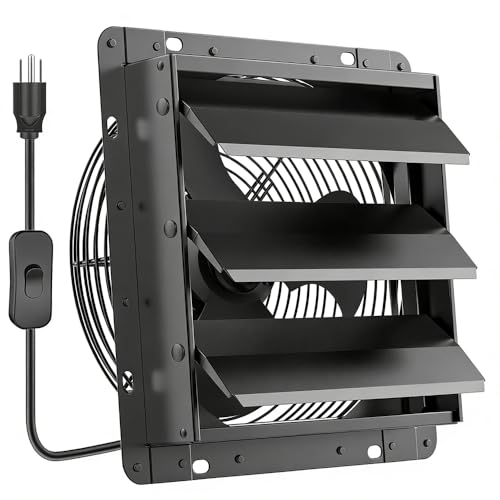
- ✓ Strong airflow, quiet
- ✓ Easy interior install
- ✓ Rain/dust seal louver
- ✕ Wall space required
- ✕ Slightly bulky grille
| Airflow Rate | 647 CFM |
| Shutter/Grille Design | 12.6-inch powder-coated steel grille with 10.6 x 10.6-inch automatic louver |
| Mounting Method | Indoor-side installation with louver facing outdoors; screws from interior |
| Application Versatility | Wall exhaust, garage exhaust, attic exhaust, chicken coop, greenhouse |
| Material & Finish | Powder-coated steel grille; automatic louver (weather-resistant) |
| Inlet/Outlet Configuration | Through-wall exhaust design with built-in rain/dust-sealing louver |
You’re standing in the garage, and the first time you switch this 10-inch HG Power fan on, heat slips away like you cracked a window in a stuffy room. The shutter snaps open with a confident, solid clack, and the room instantly feels more breathable.
I mounted it from the inside, with the louver facing outward, and the installation felt straightforward. No extra scaffolding needed—the brackets bite firmly, and the interior screws anchor the unit cleanly.
The 647 CFM moves air without breaking a sweat, whether I’m venting hot garage fumes or cooling a coop during a sunny afternoon. It’s quiet enough to keep discussions in the shop intact, which surprised me given the size.
What helps is the auto-louver design that seals when off. Rain and dust stay out, which is a big win if you’re dealing with outdoor temps or a partially open window setup.
It’s easy to wipe down too, thanks to the sturdy powder-coated grille.
In real use, I appreciated how the fan’s footprint doesn’t dominate a wall. It sits flush, and the 12.6-inch grille feels robust rather than bulky.
You’ll notice it’s built to last, not just to look good in photos.
For a chicken coop, it’s a solid upgrade. It moves a steady amount of air, reducing odor and keeping ammonia levels down on hot days.
It’s versatile enough to double as a garage exhaust or greenhouse vent, depending on the season.
If you’re a homeowner who needs something that’s reliably loud enough for real ventilation but not disruptive, this model hits a sweet spot. You’ll get consistent airflow without constant fiddling with ducting or external housings.
Bottom line: it’s a practical, capable upgrade that proves you don’t need a complicated install to make a meaningful difference in air quality.
Would I install it again? Absolutely—especially for a chicken coop or workshop corner where fumes and heat are problems you notice every day.
Forestchill Adjustable Chicken Coop Vents, 2 Pack 12″ x 12″

- ✓ Strong, weather-ready
- ✓ Easy airflow control
- ✓ Dual protection mesh
- ✕ Limited opening size
- ✕ Requires mounting space
| Vent Opening Size | 9″ x 9.5″ |
| Outer Frame Dimensions | 12″ x 12″ |
| Material | Aluminum alloy |
| Mesh Type | Built-in micro mesh screen |
| Ventilation Mechanism | Adjustable louvered slats with side lever |
| Pack Quantity | 2 vents per set |
You might think vents are just motionless slits, but Forestchill teaches you otherwise with a little lever that actually changes the airflow. I watched those 12″ x 12″ panels swing from a gentle breeze to a crisp draft in seconds, and the side lever?
It’s sturdy enough to feel confident in a windy shed.
First thing I noticed: the micro mesh. It feels like a fine net, but it breathes.
Leaves, debris, even curious critters stay out without turning the coop into a stuffy tunnel. That dual protection is surprisingly effective in real-world airflow scenarios.
The aluminum build is noticeably durable, not flimsy at all. I placed one vent on a sun-facing wall and the other on a shaded wall, and over weeks of weather, there’s no warping or corrosion.
It clamps in tight, and the screw kit slots in cleanly, which saves you from hunting down hardware later.
With a 9″ x 9.5″ opening, you’re getting solid circulation without turning the coop into an icebox in winter. I paired these with a couple of heat-tolerant roosters and found the interior stayed comfortable during hot afternoons and still cozy during cool mornings.
installation is straightforward. You’ll drill mounting holes, screw the vent in, and use the adjustable slats like a dimmer for air.
The 2-pack is perfect for mid-size coops, and the 2-pack price feels fair for the extra coverage you’ll likely want.
If you’re balancing odor control with ventilation, these vents hit a sweet spot. They’re rugged, adjustable, and simple to use, which is exactly what most backyard setups need.
In practice, you’re not just adding vents—you’re adding consistent air flow that respects your birds’ comfort, rain or shine.
Why is Proper Ventilation Crucial for a Chicken Coop?
Moreover, proper ventilation aids in the prevention of heat stress, particularly in warmer months. Chickens are sensitive to heat, and inadequate ventilation can lead to elevated body temperatures, which can be detrimental to their health. A study published in the Journal of Applied Poultry Research highlights that optimal ventilation strategies can mitigate heat stress and improve feed efficiency, ultimately benefiting egg production and meat quality.
What Are the Signs of Inadequate Ventilation in a Chicken Coop?
Signs of respiratory distress, such as coughing and sneezing, suggest that chickens are living in an environment with poor air quality. Providing fresh air can help alleviate these symptoms and promote better health.
Behavioral changes, including lethargy or increased aggression, can result from stress due to inadequate ventilation. Healthy chickens thrive in a stable and comfortable environment, which includes proper air circulation.
What Are the Best Methods for Ventilating a Chicken Coop?
The best methods for ventilating a chicken coop are essential for maintaining a healthy environment for the chickens.
- Natural Ventilation: Utilizing the natural flow of air through openings such as windows, vents, and doors is an effective way to ventilate a chicken coop. This method relies on wind and temperature differences to create airflow, helping to remove excess heat and moisture while introducing fresh air.
- Roof Vents: Installing roof vents can help facilitate hot air rising and escaping from the coop. This method is particularly effective in hot climates as it allows for adequate airflow at the highest point, reducing heat buildup during the warmer months.
- Sidewall Vents: Sidewall vents can be placed high on the walls of the coop to allow for cross ventilation. This encourages air to flow through the coop, which is crucial for reducing humidity and preventing respiratory issues in chickens.
- Wind Turbines: These can be installed on the roof to enhance airflow through the coop. Wind turbines harness the wind’s power to create a continuous air exchange, which is beneficial for maintaining a consistent temperature and preventing the buildup of harmful gases.
- Fans: Electric fans can be used to augment natural ventilation, especially in larger coops or during extreme weather conditions. They help to circulate air efficiently and can be particularly useful in reducing humidity levels during hot summer months.
- Adjustable Louvers: Installing adjustable louvers allows for control over the airflow in the coop. These can be opened or closed based on the weather, ensuring that the chickens have optimal ventilation while protecting them from harsh conditions.
- Screened Openings: Incorporating screened openings can prevent pests from entering while still allowing for fresh air circulation. This method keeps the coop ventilated without compromising the safety and health of the chickens.
How Does Natural Ventilation Work in Chicken Coops?
Natural ventilation in chicken coops is essential for maintaining a healthy environment for the birds, reducing moisture, and preventing the buildup of harmful gases.
- Airflow Design: The design of the coop plays a crucial role in facilitating natural airflow. By incorporating windows, vents, and openings at different heights, you can create cross-ventilation that allows fresh air to enter while stale air exits. This design helps maintain a consistent flow of air that is vital for chicken health.
- Placement of Vents: The strategic placement of vents is key to effective natural ventilation. Higher vents allow warm air, which rises, to escape, while lower vents enable cooler air to enter. This balance helps regulate the temperature inside the coop, especially during hot summer months.
- Use of Roof Design: The roof design can significantly enhance natural ventilation. A ventilated roof with overhangs allows heat to escape while providing shelter from rain. Additionally, a sloped roof can help direct airflow and promote the movement of air within the coop.
- Minimizing Obstructions: Keeping the interior of the coop free from obstructions can improve airflow. By minimizing clutter and ensuring that nesting areas and perches do not block vents, you can enhance the effectiveness of natural ventilation. This practice helps ensure that air circulates freely throughout the space.
- Seasonal Adjustments: Adjusting ventilation based on seasonal changes is important for maintaining optimal conditions. In colder months, you may want to reduce airflow to retain warmth, while in warmer months, increasing ventilation can help keep the coop cool. Using adjustable vents or removable panels can facilitate these seasonal changes.
When Should Mechanical Ventilation Be Implemented?
The best ventilation for a chicken coop is essential for maintaining a healthy environment for the birds, and mechanical ventilation should be implemented under certain conditions.
- High Humidity Levels: Mechanical ventilation should be considered when humidity levels exceed 50-60%, as excessive moisture can lead to respiratory problems and encourage the growth of harmful bacteria.
- Extreme Temperature Changes: In regions where temperatures fluctuate drastically, mechanical ventilation helps maintain a stable environment, preventing overheating in summer and reducing cold stress in winter.
- High Stocking Density: When the number of chickens exceeds the coop’s capacity, mechanical ventilation is necessary to remove excess heat, ammonia, and carbon dioxide, ensuring adequate air quality for the birds.
- Poor Natural Airflow: If the coop is located in an area with limited airflow, mechanical ventilation systems can supplement natural ventilation, providing consistent fresh air and minimizing drafts that could stress the chickens.
- Respiratory Issues in Flock: If there are signs of respiratory distress among the chickens, such as coughing or nasal discharge, implementing mechanical ventilation can improve air quality and reduce airborne pathogens.
High humidity levels can create an unhealthy environment; therefore, mechanical ventilation is crucial to control moisture and ensure the well-being of the flock. Extreme temperature changes require a reliable system to help regulate the coop’s internal climate, protecting the chickens from thermal stress. Overcrowding can lead to poor air quality, making mechanical ventilation a vital tool for maintaining a suitable atmosphere.
Inadequate natural airflow can hinder a chicken’s health, which is why mechanical systems can play a significant role in enhancing air circulation. Lastly, if there are respiratory issues within the flock, it’s important to quickly address air quality concerns with mechanical ventilation to help prevent further health complications.
What Factors Should Influence Ventilation Design for a Chicken Coop?
The best ventilation for a chicken coop should consider several key factors to ensure the health and comfort of the chickens.
- Airflow: Proper airflow is essential to remove excess heat, humidity, and ammonia from the coop. Designing vents that promote cross-ventilation can effectively circulate fresh air while allowing stale air to escape.
- Temperature Regulation: The ventilation design should be adaptable to seasonal changes to maintain an optimal temperature inside the coop. In colder climates, reducing airflow in winter is crucial to retain warmth, while in hot weather, increased ventilation helps cool the environment.
- Humidity Control: High humidity levels can lead to respiratory issues and other health problems in chickens. Ventilation systems should be designed to minimize moisture buildup, particularly from droppings and wet bedding, by ensuring adequate air exchange.
- Predator Protection: While providing ventilation, it’s important to ensure that openings do not become entry points for predators. Using secure mesh or fencing around vents can help keep chickens safe while allowing for necessary airflow.
- Dust Management: Chickens produce dust that can affect their respiratory health. A well-designed ventilation system should help disperse dust particles while maintaining air quality, possibly by including filters or strategically placed fans.
- Noise Reduction: Chickens can be sensitive to loud noises, which can stress them. Designing the coop’s ventilation to minimize noise from external sources, such as fans or traffic, can contribute to a calmer environment.
- Ease of Maintenance: The ventilation system should be easy to clean and maintain to ensure it functions effectively over time. Access for cleaning vents and ducts is crucial to prevent the buildup of dirt and debris that could impair airflow.
How Do Seasonal Weather Changes Impact Ventilation?
Seasonal weather changes significantly impact the ventilation requirements for a chicken coop to ensure the health and comfort of the birds.
- Summer Ventilation: In warmer months, effective ventilation is crucial to prevent overheating in the coop.
- Winter Ventilation: During winter, ventilation helps to reduce moisture and ammonia buildup while maintaining warmth.
- Rainy Season Ventilation: Increased humidity from rain necessitates proper airflow to avoid damp conditions that can lead to respiratory issues.
- Spring and Fall Ventilation: Transitional seasons require adjustable ventilation strategies to accommodate fluctuating temperatures and weather patterns.
In warmer months, effective ventilation is crucial to prevent overheating in the coop. Good airflow helps to dissipate heat and allows for cooler air to circulate, which is vital for the chickens’ wellbeing. This can be achieved through adjustable vents, windows, or even fans to maintain a comfortable environment.
During winter, ventilation helps to reduce moisture and ammonia buildup while maintaining warmth. Proper airflow is essential to avoid condensation that could lead to frostbite on the birds and to ensure that the coop remains dry and healthy. This can be achieved through small, strategically placed vents that allow fresh air in without letting out too much heat.
Increased humidity from rain necessitates proper airflow to avoid damp conditions that can lead to respiratory issues. Rainy season ventilation can involve using overhangs or roof designs that keep rain out while still allowing airflow. Keeping the coop dry is critical to prevent mold and other health hazards for the chickens.
Transitional seasons require adjustable ventilation strategies to accommodate fluctuating temperatures and weather patterns. During spring and fall, the weather can be unpredictable, so having adjustable vents or removable panels can help maintain optimal conditions for the chickens. This flexibility allows for both heat retention and cooling, depending on the temperature fluctuations throughout the day.
What is the Optimal Airflow Rate Needed for Healthy Chicks?
Benefits of maintaining optimal airflow include enhanced respiratory health, improved growth rates, and a reduction in the prevalence of diseases. Healthy airflow can also lead to better egg production in layers and higher feed conversion rates in broilers. Moreover, proper ventilation can help maintain a more stable temperature, reducing stress on chicks during extreme weather conditions.
Solutions for achieving optimal airflow in chicken coops involve regular monitoring of temperature and humidity levels, ensuring that ventilation openings are unobstructed, and adjusting the number of vents according to the season. Additionally, utilizing thermostatically controlled fans can help automate airflow adjustments based on temperature changes, ensuring a consistent environment for the chicks. Best practices also include regularly cleaning the coop to minimize ammonia buildup and ensuring that the coop is designed to promote effective air circulation.
What Common Ventilation Mistakes Should Be Avoided in Chicken Coops?
- Insufficient Ventilation: Many chicken coop designs fail to include enough ventilation openings, which can trap heat and moisture inside. This creates an unhealthy environment, leading to respiratory problems and stress among the chickens.
- Poorly Located Vents: Vents placed too low or in areas that do not allow for effective cross-ventilation can lead to stagnation of air. Proper placement is crucial to ensure that fresh air can circulate freely and stale air can escape, maintaining a comfortable temperature.
- Neglecting Seasonal Changes: Failing to adjust ventilation based on seasonal weather changes can lead to overheating in summer and drafts in winter. Chicken coops should have adjustable ventilation options to accommodate temperature fluctuations throughout the year.
- Using Solid Walls: Coops that are constructed with solid walls and lack windows or mesh openings can severely restrict airflow. Incorporating materials that allow for airflow while still providing protection from predators is essential for maintaining a healthy environment.
- Ignoring Moisture Control: Ventilation systems should not only focus on air exchange but also on moisture control. High humidity levels can lead to ammonia buildup from droppings, which is harmful to the chickens’ respiratory health; therefore, proper ventilation must help in reducing moisture levels.
- Inadequate Size of Vents: Small vents may not provide sufficient airflow for the number of chickens in the coop. The size and number of vents should be calculated based on the coop’s size and the flock’s needs to ensure that air circulation is effective.
- Failure to Monitor Air Quality: Regularly checking the air quality within the coop is often overlooked. Implementing a monitoring system or simply observing the chickens’ behavior can provide insights into whether the ventilation system is functioning properly and if adjustments are needed.